Entertainment
S.K. Oppong: The Man Behind the Legendary Osofo Dadzie Drama Group


Long before social media, streaming platforms and modern Ghanaian television transformed the entertainment industry, Samuel Kwesi Oppong, popularly known as S.K. Oppong, was among the pioneers who helped shape Ghana’s theatre, music and television landscape.
Born in 1946 in the Bono area of Ghana, formerly known as the Brong-Ahafo Region, S.K. Oppong developed a career that spanned concert party, acting, highlife music, storytelling and television drama.
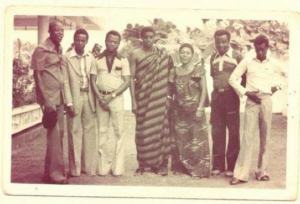
His journey into entertainment began through the traditional concert party system, which was one of Ghana’s most popular forms of live entertainment at the time. He eventually established the S.K. Oppong Drama Group, taking performances to communities across the country.

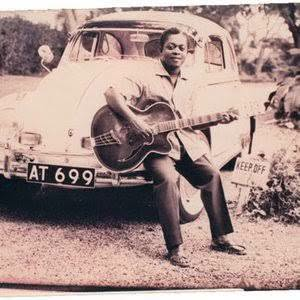
At a time when there was no YouTube, Netflix or social media, entertainers depended heavily on live performances to connect with audiences. Drama groups travelled from town to town with their musicians, costumes and equipment, staging plays, comedy, music and stories for local communities.
S.K. Oppong was more than an actor. He was also a talented highlife musician and band leader.
In the late 1970s, he formed the S.K. Oppong Guitar Band, becoming part of Ghana’s vibrant highlife music movement.
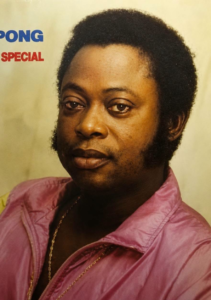
Among the songs associated with him are “Obaa Kunadu,” “Akwankwaa Hiani”, and “Kyere Me Ade a Meye.” He also released the notable 1986 album Abusua Bɔne Special.
His musical career demonstrated his versatility and his ability to combine storytelling, music and performance—qualities that would later contribute to his success on television.
However, it was his work in television drama that made S.K. Oppong widely recognised across Ghana.
His drama group eventually became associated with the legendary Osofo Dadzie Drama Group, which became a major attraction on Ghana Television (GTV).
During the 1970s and 1980s, Osofo Dadzie became a household name, with its drama productions attracting audiences across the country.

S.K. Oppong was regarded as one of the versatile performers associated with that era. He was capable of taking on different characters and bringing them to life through his distinctive acting style.
During his early concert party years, he also played female roles in some stage productions, reflecting the versatility required of performers at the time.
For many viewers who watched the old television dramas, S.K. Oppong was easily recognisable.
His distinctive sideburns, voice, appearance and acting style became part of what made him memorable to audiences.
Beyond Osofo Dadzie, he also appeared in other popular Ghanaian productions, including Cantata, further establishing his place in the country’s early television drama history.
What distinguished S.K. Oppong was the breadth of his talents.
He was simultaneously an actor, musician, storyteller, drama-group leader and band leader. His career reflected the multi-talented nature of many entertainers of his generation, who often had to master several aspects of performance to survive in the industry.
He also helped create opportunities for and influence other performers who followed in his footsteps.
S.K. Oppong died on December 3, 2001, at the Korle-Bu Teaching Hospital in Accra.
Although his name may not be as familiar to many younger Ghanaians today, his contribution to Ghana’s entertainment history remains significant.
Before Ghana’s modern movie industry, social media and streaming platforms, entertainers such as S.K. Oppong travelled across the country with guitars, musicians, costumes, drama and stories, bringing entertainment directly to the people.

His story is therefore not only about one actor or musician. It is also a reminder of an era when Ghanaian entertainers laid the groundwork for the television and performing-arts industry that later generations would inherit.
S.K. Oppong remains remembered as one of the pioneering figures of Ghanaian entertainment, particularly for his contribution to concert party, highlife music and the golden era of television drama.
Credit@Benison Moses