Politics
Experts Break Down “Right-of-Way” in Road Construction — Here’s What Every Road User Needs to Know


- Experts have shed more light on the meaning of “right-of-way” in road construction, explaining the crucial role it plays in the development, maintenance and future expansion of roads and highways.
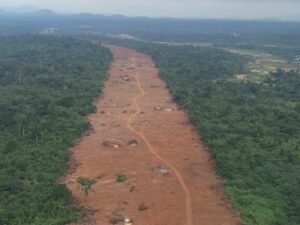
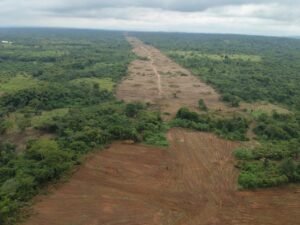
According to experts, right-of-way (ROW) refers to the total width of land legally acquired and reserved for the construction, operation, maintenance and future expansion of a road or highway.
The explanation highlights that a road is not limited to the portion of land occupied by the asphalt or concrete surface.
Rather, the legally designated right-of-way may cover a much wider area, including space required for road infrastructure, drainage systems, pedestrian facilities, utility installations, safety features and possible expansion of the road in the future.
Why Right-of-Way Matters
Experts say securing adequate right-of-way is a critical part of road planning because it allows authorities to develop transportation infrastructure without being severely restricted by surrounding buildings, properties or other developments.
The reserved land provides room for the road authority to construct and maintain the road while also accommodating future improvements as traffic volumes increase.
In some cases, the right-of-way may extend beyond the visible road itself, meaning properties or structures located within the legally acquired road reserve could be affected by road development or expansion projects.
More Than Just the Road Surface
Experts stress that the concept of right-of-way should not be confused with the actual width of the carriageway.
While motorists may primarily see the paved section of a road, the right-of-way can include additional land on both sides of the road.
This space can be required for facilities such as drainage channels, shoulders, sidewalks, road signs, utility lines, embankments, intersections and other road-related infrastructure.
It can also provide the necessary space for future widening or upgrading of the road.
Planning for the Future
The reservation of right-of-way is particularly important in rapidly growing communities, where population growth and increased vehicle usage can eventually place pressure on existing roads.
Experts therefore maintain that properly planned road reserves can help authorities expand and improve roads when the need arises, rather than having to acquire heavily developed land at significantly higher costs.
The clarification comes as discussions surrounding road construction, development and property boundaries continue to attract public attention.
Understanding what right-of-way means, experts say, is essential for property owners, developers, motorists and residents living along major road corridors.
- Ultimately, the right-of-way represents the legally protected land corridor that allows a road to function today while preserving the space needed for its maintenance, improvement and expansion in the future.