General News
Fibre cuts, grid instability undermine network quality — Sam George`


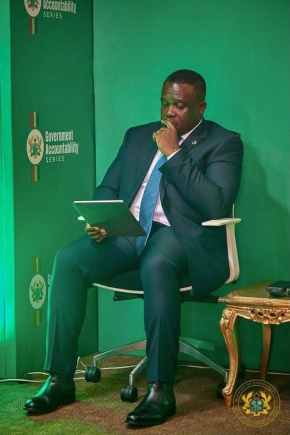
Minister for Communication, Digital Technology and Innovations, Samuel Nartey George, has identified frequent fibre optic cable cuts and instability in Ghana’s national electricity grid as two major factors undermining the quality and reliability of telecommunications services across the country.
Speaking on the challenges facing the telecommunications sector, Sam George said poor network quality is not always the direct result of failures by mobile network operators, as critical infrastructure outside their control can significantly affect service delivery.
The minister said the problem requires a broader national response involving telecommunications companies, utility providers, road contractors and other stakeholders.
Fibre cuts disrupting services
According to Sam George, frequent damage to fibre optic cables has become a major headache for the telecommunications industry.
Fibre cables are essential to the transmission of voice and data services, meaning damage to critical lines can disrupt internet connectivity, mobile services and communication networks.
The minister explained that road construction, excavation works and other infrastructure projects sometimes result in fibre cuts, creating outages that affect thousands of customers.
He stressed that protecting critical telecommunications infrastructure must become a national priority if Ghana is to improve the reliability and quality of its digital services.
Grid instability hits telecom infrastructure
Beyond fibre cuts, Sam George pointed to instability in the national electricity grid as another major challenge.
Telecommunications infrastructure depends heavily on stable power to keep towers, transmission equipment and data systems operational.
When there are power fluctuations or outages, telecom operators are forced to rely on backup power systems, including generators and batteries, to keep networks running.
According to the minister, such disruptions can affect network performance and increase the operational costs of service providers.
Not every network problem is the telcos’ fault
The minister’s comments appear to push back against the widespread assumption that poor call quality, slow internet or network outages should always be blamed solely on mobile network operators.
While acknowledging the responsibility of telecom companies to improve their services, Sam George argued that external infrastructure challenges can have a direct impact on network performance.
The issue, he suggested, requires all stakeholders to work together rather than placing the entire burden on the telecommunications companies.

A call for stronger coordination
Sam George called for improved coordination between telecom operators and agencies undertaking construction and utility works.
He believes stronger systems are needed to prevent contractors from accidentally damaging fibre infrastructure, while also ensuring that electricity supply to critical telecommunications installations remains reliable.
The minister’s remarks come as government continues to push its digitalisation agenda and expand access to high-quality internet and mobile services.
The bigger challenge
For millions of Ghanaians, complaints about dropped calls, slow internet and sudden network outages have become part of everyday life.
Sam George’s explanation points to a much wider problem behind those frustrations.
The fibre can be cut. The power can go off. And when either happens, the network suffers.
As Ghana pushes towards a more digital economy, the minister’s message is clear: improving network quality will require more than asking telecom companies to fix their systems — the infrastructure supporting those networks must also work.