
Education
Ghana’s School Sanitation Crisis: 6 in 10 Basic and Secondary Schools Lack Toilets and Water

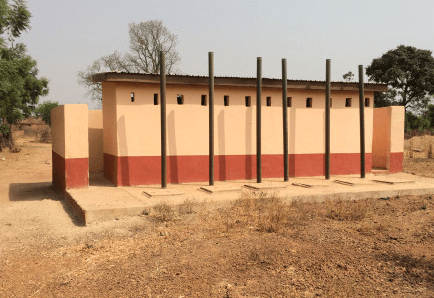
A new performance audit by Ghana’s Auditor-General has unveiled a deeply troubling reality: 60% of basic and secondary schools across the country lack access to toilets and running water, placing students’ health, dignity, and education at risk.
The nationwide audit highlights a critical gap in Ghana’s progress toward Sustainable Development Goal 6 (SDG 6), which commits countries to “ensure availability and sustainable management of water and sanitation for all” by 2030. With just five years remaining, Ghana is far from meeting this target.
According to the 2025 performance audit, only 2 in every 5 schools have functional toilet and urinal facilities with running water. This means thousands of public schools are operating below the minimum sanitation standards.
The situation is even more dire when measured against local legal requirements. The Pre-Tertiary Education Act (2020) mandates at least one toilet cubicle for every 50 students. Yet, an alarming 87% of schools do not meet this standard. At Tamale Islamic Science Senior High School, 4,591 students share a single KVIP toilet with just two squat holes. In Kumasi’s State Experimental 1 M/A Basic School, 169 students depend on just one toilet.
This crisis is more than an infrastructure failure—it is a public health emergency. Poor sanitation is causing students, especially girls, to miss school during menstruation, face health risks from infections, or resort to unsafe open defecation. In Tamale, some girls have reported using bushes or public toilets when school facilities are locked due to water shortages.
This is not a new problem. In 2010, the Ministry of Education rolled out a Water, Sanitation and Hygiene (WASH) initiative under the Education Strategic Plan (ESP 2010–2020), aiming to equip 75% of basic schools with sanitation infrastructure by 2020. That goal has not been met.
The audit attributes part of the failure to poor planning and misplaced priorities. In many cases, Metropolitan, Municipal, and District Assemblies (MMDAs) and the Ghana Education Service (GES) focus on building classrooms while neglecting sanitation needs. Some schools have water closet toilets that remain locked due to water shortages, while others have donor-funded toilet blocks that sit unused for years because they were never properly handed over.
Even in schools where toilets exist, maintenance is often neglected. The audit found disturbing conditions: faeces on floors, broken flushing systems, discarded sanitary pads, and filthy urinals. Cleaning schedules are not enforced, and many schools have never received basic cleaning materials.
This crisis forces children to make a heartbreaking choice—between attending school and preserving their dignity. For too many Ghanaian students, particularly girls, school has become a place of discomfort and risk instead of safety and growth.
Without urgent action, Ghana risks leaving a generation of students behind—not just academically, but in their most basic right to hygiene and human dignity.



















The Executive Director of GNACOPS, Obenefo Nana Kwasi Gyetuah has called for urgent reforms to Ghana’s Senior High School (SHS) placement system, arguing that students must not be denied schools that reflect their academic performance.
Speaking on the challenges surrounding the Computeried School Selection and Placement System (CSSPS), with Kojo Preko Dankwa on Kessben TV’s Punch show, Nana Kwasi Gyetuah said the current situation is creating unnecessary pressure for students, parents and the education system.
He questioned why students should be prevented from securing schools they qualify for based on their results.
“Why then do you deny the student what merit them per their results?” he asked.
According to him, the essence of education is to enlighten people and help them overcome ignorance, stressing that educated people have a responsibility to lead others towards opportunities that can improve their lives.
Nana Kwasi Gyetuah further argued that Ghana currently lacks the requisite infrastructure to absorb and accommodate the growing number of students seeking placement into SHSs.
He believes this infrastructure deficit has contributed to what he described as an “artificial traffic” within the school placement system.
He also raised concerns about the timing of the school-selection process, noting that students formally choose their preferred schools before their examination results are released.
He questioned the rationale behind allowing students to select schools after knowing their final results, only for the placement process to later determine that some candidates did not meet the required aggregates for their chosen schools.
According to him, the situation becomes particularly problematic when students who would ordinarily qualify for certain schools based on their results are unable to secure them because of the placement process.
He argued that if the country could demystify the excessive hype surrounding so-called “category” or elite schools, many of the challenges associated with school placement could be reduced.
Nana Kwasi Gyetuah proposed that government should instead invest heavily in upgrading schools across the country.
He called for the development of standardized model schools in every district, equipped with modern facilities and qualified teachers, as part of efforts to address the persistent challenges confronting the CSSPS.
He maintained that improving infrastructure and educational standards across all districts would reduce the intense competition for a handful of schools and create more equitable opportunities for students nationwide.
“The solution is not simply to manage the traffic; we must expand the system and make quality education accessible everywhere,” his argument suggests.
By Maurice Otoo

National Democratic Congress (NDC ) communication team member, Emmanuel Jorobon has called for a broader overhaul of Ghana’s school placement system, arguing that the persistent pressure on Category A Senior High Schools cannot be solved simply by increasing the number of elite schools.
Speaking on Kessben Maakye show in Accra, Jorobon insisted, the Computerized School Selection and Placement System (CSSPS) has faced challenges over the years, largely because most parents want their children placed in Category A schools.
He noted that in the past, teachers played a significant role in guiding students during the school-selection process, helping candidates make choices that reflected their academic performance and realistic placement prospects.
Jorobon acknowledged concerns surrounding the current placement exercise but urged parents and the public to appreciate the technicalities involved rather than attributing every placement difficulty to failures in the system.
He argued that Category A schools continue to experience enormous pressure because of disparities in infrastructure, logistics and incentives between highly rated institutions and schools in the other categories.
“The number of students who apply for Category A schools far outweighs their intake capacity,” he noted.
According to the Ministry of Education, 313,283 candidates selected Category A schools as their first choice, compared with only 76,417 declared vacancies—more than four applicants for every available space.
Jorobon also identified challenges associated with the implementation of the Free SHS program as a contributing factor to the pressure on the placement system.
He further argued that some parents perceive students placed outside Category A schools as receiving inadequate attention and opportunities. He said established Category A schools also benefit from stronger old-student networks, which frequently contribute towards facilities, feeding and other development needs.
Jorobon therefore maintained that simply expanding Category A schools would not provide a lasting solution.
He called for deliberate investment in Category B and C schools, particularly in infrastructure, logistics and educational resources, to bring them closer to the standards of the most sought-after institutions.
“Expanding Category A schools alone can’t solve the problem. All the other categories must be widely improved to leverage the standards,” he argued.
The Ministry of Education has similarly attributed much of the current placement challenge to a mismatch between where vacancies exist and where candidates want to attend. Category B and C schools have substantially more available capacity than Category A institutions.

Skilled trade education for children is becoming an important topic as educators and parents look for ways to prepare young people for life beyond the classroom. While traditional subjects such as mathematics, science, English, and social studies remain essential, many people believe children should also learn practical skills from an early age.
Skills such as basic agriculture, cooking, sewing, woodworking, electrical safety, gardening, technology, and simple repairs can help children become more creative, independent, and prepared for the future.
This has raised an important question: Should every child be introduced to practical and skilled trade education from childhood?
What Is Skilled Trade Education?
Skilled trade education involves teaching practical abilities that can be applied in everyday life or developed into future careers.
For children, this does not mean forcing them to choose a career at a young age. Instead, it means introducing them to different practical activities and allowing them to discover their interests and talents.
As students grow older, they can receive more specialised training in areas they enjoy.
Why Should Children Learn Practical Skills Early?
Children begin developing interests and abilities at an early age. Some may enjoy building things, fixing objects, cooking, designing clothes, working with computers, farming, or creating new products.
Early exposure to practical activities can help children identify their strengths.
It can also teach them that education is not limited to reading textbooks and passing examinations. Learning can also involve creating, building, designing, repairing, and solving real-life problems.
Practical Skills Can Build Confidence
When children learn how to complete practical tasks, they may develop greater confidence in their abilities.
A child who learns how to grow vegetables, prepare a simple meal, create an object, or complete a basic project may experience a sense of achievement.
These experiences can encourage curiosity and motivate children to continue learning.
Developing Problem-Solving Skills
Practical activities often require students to think critically.
For example, a child working on a project may have to identify a problem, think about possible solutions, test an idea, and make improvements.
These problem-solving skills can also be useful in academic subjects and everyday life.
Skilled Trade Education and Creativity
Practical education can encourage creativity.
Students can learn to design products, create solutions, experiment with materials, and turn ideas into reality.
Activities such as art, sewing, agriculture, technology, engineering projects, and woodworking can allow children to express themselves while learning useful skills.
Should Every Child Learn at Least One Skill?
Supporters of skilled trade education for children believe every student should have the opportunity to learn at least one practical skill before completing school.
The argument is not that every child should become a carpenter, mechanic, farmer, or fashion designer. Instead, students should be exposed to different skills and given opportunities to discover what they enjoy.
A student may eventually choose a university education while still benefiting from practical skills learned during childhood.
Examples of Skills Children Could Learn
Age-appropriate practical education could introduce children to areas such as:
- Basic gardening and agriculture
- Cooking and nutrition
- Sewing and clothing design
- Basic computer and digital skills
- Creative arts and crafts
- Simple woodworking projects
- Basic home maintenance awareness
- Robotics and technology
- Entrepreneurship
- Food production
- Environmental conservation
- Design and innovation
As students become older, training can become more specialised.
Skilled Trades and the Future of Work
The world of work is changing, and students will need different combinations of academic, digital, technical, and practical skills.
While some careers require university degrees, many industries also depend on skilled workers.
Construction, agriculture, manufacturing, hospitality, technology, automotive services, fashion, and other sectors require people with practical expertise.
Giving children early exposure to these areas may help them make more informed career decisions in the future.
Changing the Perception of Vocational Skills
One major challenge is the perception that vocational or skilled trade education is only for students who perform poorly academically.
This belief can discourage talented young people from exploring practical careers.
However, practical and technical skills require intelligence, creativity, training, discipline, and problem-solving.
Societies need doctors, teachers, engineers, and lawyers, but they also need electricians, farmers, mechanics, technicians, caterers, builders, designers, and other skilled professionals.
Every career pathway deserves respect.
Skilled Trade Education and University
Practical education should not be seen as an alternative only for students who do not attend university.
University and vocational education can complement each other.
For example, an engineering student may benefit from practical technical skills. A business student may benefit from learning how products are made. An agriculture student may benefit from hands-on farming experience.
Students can combine academic knowledge with practical abilities.
Can Skilled Trade Education Encourage Entrepreneurship?
Learning a practical skill can also create opportunities for entrepreneurship.
A person with skills in fashion, catering, agriculture, technology, beauty, repairs, or other services may eventually start a business.
Children who are introduced to practical skills early can also learn about creativity, production, customer service, and problem-solving.
As they grow older, these skills can be combined with entrepreneurship and financial education.
Should It Be Compulsory From Childhood?
Making skilled trade education for children compulsory could ensure that every student receives basic exposure to practical learning.
If practical skills are optional, some students may never have the opportunity to discover talents they did not know they had.
However, compulsory education should not mean forcing children into specific careers.
Instead, schools could make basic practical skills compulsory at the early stages of education, while allowing students to choose specialised areas as they grow older.
This approach could give every child a foundation while respecting individual interests.
How Schools Can Introduce Practical Skills
Schools could introduce practical learning through age-appropriate activities.
Younger children could participate in gardening, arts and crafts, simple food preparation, and creative projects.
Older students could explore technology, agriculture, design, entrepreneurship, engineering activities, and vocational skills.
Schools could also organise:
- Skills exhibitions
- Practical projects
- Career workshops
- School gardens
- Innovation competitions
- Entrepreneurship programmes
- Visits to workplaces
- Mentorship programmes
- Apprenticeship opportunities for older students
The Role of Teachers and Parents
Teachers can help children discover their interests by giving them opportunities to participate in different activities.
Parents can also encourage children to learn practical skills at home without placing unnecessary pressure on them.
Children should be allowed to explore different interests and understand that academic success and practical ability can both be valuable.
Challenges Schools May Face
Introducing practical education in every school may require additional resources.
Some schools may need workshops, equipment, teaching materials, trained instructors, and suitable spaces for practical activities.
Safety is also important, particularly when children are working with tools, equipment, or specialised materials.
Governments and education authorities would need to ensure that practical programmes are properly funded, supervised, and designed according to students’ ages.
Preparing Children for Everyday Life
Not every practical skill has to become a career.
Basic abilities such as preparing food, growing plants, understanding simple repairs, using technology responsibly, and managing small projects can be useful throughout life.
Teaching children these skills can help them become more independent and responsible.
A Balanced Education System
Education should not force students to choose between academic knowledge and practical skills.
A balanced education system can provide both.
Students can learn mathematics and also understand how mathematics is used in real-life projects. They can study science and participate in experiments. They can learn business concepts and create small projects.
Combining theory and practical experience can make learning more engaging and meaningful.
Conclusion
Skilled trade education for children could help young people develop confidence, creativity, independence, problem-solving abilities, and practical knowledge from an early age.
Making basic practical education compulsory from childhood does not mean forcing every child into a trade. Instead, it could allow every student to explore different skills and discover their talents.
As children grow older, they should be given the freedom to choose areas that match their interests and future goals.
The debate is therefore not whether every child should become a skilled tradesperson, but whether every child deserves the opportunity to learn practical skills before leaving school.
First aid education in schools is an important topic in modern education because accidents and emergencies can happen at any time. Students may witness an injury during sports, practical lessons, school activities, at home, or in their communities.
Knowing what to do in the first few minutes of an emergency can make a significant difference while waiting for qualified medical assistance. This has raised an important question: Should every student be taught basic first aid before leaving school?
What Is First Aid?
First aid refers to the immediate assistance given to someone who is injured or becomes suddenly unwell before professional medical help is available.
Basic first aid education can teach students how to respond calmly, assess a situation, seek appropriate help, and provide simple assistance within the limits of their training.
The purpose is not to turn students into medical professionals but to give them practical knowledge that may help them respond appropriately during an emergency.
Why First Aid Education Matters
Schools are environments where large numbers of students and staff spend many hours together. Injuries can occur during sports, laboratory activities, physical education, school trips, playground activities, or other events.
Students who have received basic first aid training may be more prepared to respond responsibly instead of panicking or doing something that could make an injury worse.
Teaching Students to Respond Calmly
Emergencies can be frightening, especially for young people.
One of the most important lessons in first aid education is learning to remain calm and assess the situation before acting.
Students can be taught to quickly identify whether they or another person is in immediate danger and understand when it is necessary to move away and seek professional assistance.
Knowing When to Call for Help
Students should know how and when to contact appropriate emergency services or alert a teacher, parent, school nurse, or another responsible adult.
First aid education can emphasise that serious injuries and medical emergencies require professional attention.
Students should never be encouraged to take unnecessary risks or attempt procedures beyond their level of training.
Basic Wound Care
Age-appropriate first aid lessons can introduce students to basic responses to minor cuts and wounds.
Students can learn the importance of keeping wounds clean, using appropriate protective materials, and informing a responsible adult when necessary.
They should also understand that serious wounds require professional medical attention.
Responding to Burns
Burns can occur at home, in school laboratories, kitchens, workshops, or other environments.
Students can learn basic safety principles, including moving away from the source of the burn and seeking appropriate assistance.
Schools should ensure that any practical first aid instruction is delivered by qualified personnel and follows recognised medical guidance.
Sports Injuries
Sports and physical activities are an important part of school life, but injuries can occur during exercise and competition.
Students can be taught how to respond appropriately when a classmate is injured during sports, including informing a teacher or trained first aider and avoiding unnecessary movement of someone who may have a serious injury.
Choking and Other Emergencies
Basic first aid programmes may introduce students to appropriate responses to emergencies such as choking, fainting, or sudden illness.
Because some emergency procedures require specific techniques, practical training should be delivered by qualified instructors using recognised first aid protocols.
Students should understand that emergency services and trained adults should be contacted whenever necessary.
The Importance of First Aid Kits
Schools should have appropriately stocked and accessible first aid kits in suitable locations.
Students can also be taught why first aid supplies should be handled responsibly and why medicines and medical equipment should only be used according to school policies and professional guidance.
Regular checks can help ensure that essential supplies are available when needed.
First Aid and Road Safety
Road safety can also be incorporated into first aid education.
Students can learn about the importance of staying safe around roads and what to do if they witness a road accident.
A key lesson should be that students must not put themselves in danger while attempting to help someone else.
First Aid and Community Responsibility
First aid skills are useful beyond the school environment.
Students may eventually witness an accident in their neighbourhood, workplace, sporting environment, or public space.
Teaching responsible emergency response can therefore contribute to a culture in which people know how to seek help and assist others safely.
The Role of Teachers and School Staff
Teachers and school staff should receive appropriate first aid training because they are often among the first adults available when an emergency occurs at school.
Schools can also identify staff members who are trained to provide first aid and establish clear procedures for responding to emergencies.
Students should know who to contact when an accident occurs.
The Role of Parents
Parents and guardians can reinforce first aid lessons at home.
Families can discuss emergency contacts, basic safety procedures, and what children should do if someone becomes injured or suddenly unwell.
Parents can also encourage children to seek adult assistance rather than attempting something beyond their ability.
Should First Aid Be Compulsory?
Supporters of compulsory first aid education in schools argue that basic emergency knowledge is a life skill that can benefit everyone.
They believe students should leave school with at least a basic understanding of how to respond to emergencies and seek appropriate assistance.
Others may argue that school curricula are already crowded and that compulsory first aid education could place additional demands on schools.
A possible solution could be to incorporate basic first aid into existing health, physical education, science, or safety programmes.
Practical Training Is Important
First aid is a practical skill, so simply reading about it may not be enough.
Schools could work with qualified first aid instructors or recognised organisations to provide demonstrations and supervised practical sessions.
Training should be age-appropriate and regularly updated because emergency guidance and recommended procedures can change.
First Aid and Confidence
Proper training can help students feel more prepared when faced with an emergency.
However, confidence should always be combined with caution. Students should understand their limits and know when to step back and seek professional assistance.
The goal should be safe action, not unnecessary risk-taking.
Preparing Students for Adult Life
First aid is a skill that can remain useful long after students leave school.
Young people may eventually become parents, employees, business owners, community leaders, or caregivers. Knowing how to respond appropriately during an emergency can be valuable in many areas of life.
Conclusion
First aid education in schools can provide students with practical knowledge that goes beyond traditional academic subjects. Learning how to respond calmly, seek help, recognise emergencies, and provide basic assistance can help students become safer and more responsible members of their communities.
First aid training should always be age-appropriate and delivered according to recognised medical guidance. Schools should also ensure that students understand their limitations and know when professional medical assistance is required.
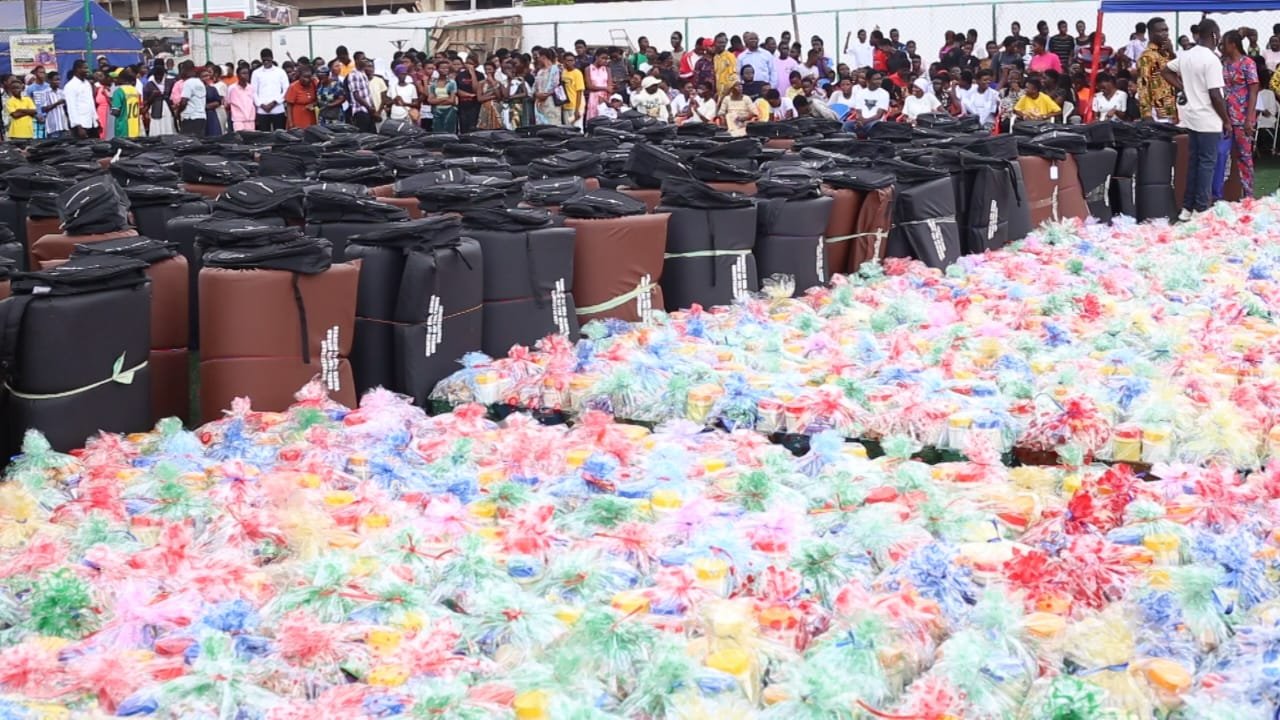
Hon. Gloria Owusu, Member of Parliament for the Trobu Constituency, has supported BECE graduates in the constituency with school mattresses, bags and provisions as part of her annual educational support program.
The initiative which originally targeted students with aggregate 6 to 12 was extended to aggregate 25 in lieu of a plea from some parents in the constituency.
Under the initiative, students who attained aggregates 6 to 8 received citations, school bags, mattresses and provisions, while those with aggregates 9 to 12 received mattresses, provisions and school bags. In addition to this were those those with aggregate 13 to 25 who also received provisions and school bags . According to the MP about 1,500 students are expected to benefit from this year’s program.
The Chief of Ofankor, Nii Kortey Boi, who attended the ceremony, commended the MP for her continued support for students in the constituency. He noted that this was the second time he had witnessed such an initiative by the MP. He appealed to parents to encourage their children to attend school, particularly as Ghana is benefiting from the Free SHS policy.
Parents and beneficiary students at the ceremony expressed their appreciation to Hon. Gloria Owusu for her support and contribution to education in the Trobu Constituency.

GTA’s Financial Strength Weakens Despite 2025 Tourism Activities

Oranges: More Than Just Juice — The Nutritious Fruit Adding Flavour to Ghanaian Life
GTA’s Income Falls 18.6% as Government Funding Slumps



-

 Entertainment1 week ago
Mahama Is First President to Put GH¢40m Seed Money into Creative Arts Fund: Kojo Preko Dankwa
-

 Entertainment2 weeks ago
Oswald Okaitei Explains the Real Vision Behind Ghana’s Black Star Experience
-
 General News2 weeks ago
COCOBOD Settles GH¢2.3 Billion DDEP Bond Obligations for 2026
-
 General News1 week ago
Don’t Punish Them Retrospectively – Educationist Challenges New CSSPS Placement Rule
-

 Culinary1 week ago
The Green Heart of Ghanaian Cuisine: Celebrating Nkontomire and the Art of Abom
-

 Entertainment6 days ago
Government Repatriates Musician Barosky from UK
-
 Culinary2 weeks ago
Pineapple: The Spiky Tropical Fruit Packed With Sweetness and Nutrients
-

 General News1 week ago
OSP Opens Preliminary Investigation into Alleged GH¢70,000 Payment Linked to Parliament’s Vetting