
General News
Democracy Fund: IEA opposes state funding of political parties

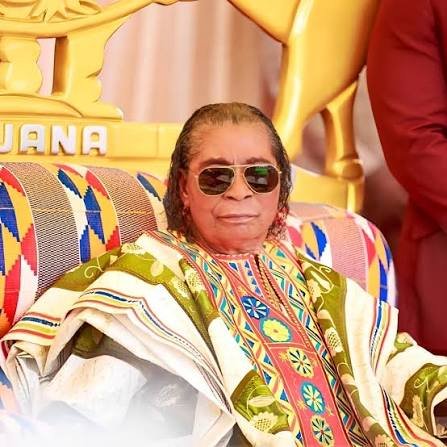
Ghanaian fashion personality Osebo The Zaraman has raised concerns over an alleged plan to remove the remains of the late Apostle Prof. Emeritus Kwadwo Safo Kantanka from his burial site in Winneba.
In a video shared on Sunday, September 6, 2026, Osebo claimed that some individuals linked to the Kristo Asafo Mission were behind the reported move.
He appealed to the Ghana Police Service to intervene and prevent the alleged action, describing the situation as worrying.
Osebo, however, did not provide evidence to publicly establish the claim, and no official confirmation has been issued by the Kristo Asafo Mission or the family.
Who was Kwadwo Safo Kantanka?
Apostle Prof. Emeritus Kwadwo Safo Kantanka was a respected Ghanaian industrialist, inventor and religious leader.
He founded the Kristo Asafo Mission and established the Kantanka Group of Companies, which became known for locally manufactured and assembled vehicles and other technological innovations.
His contributions to Ghanaian industry and his religious work made him one of the country’s notable personalities.
Osebo’s latest comments have once again drawn public attention to issues surrounding the late industrialist’s burial and legacy.

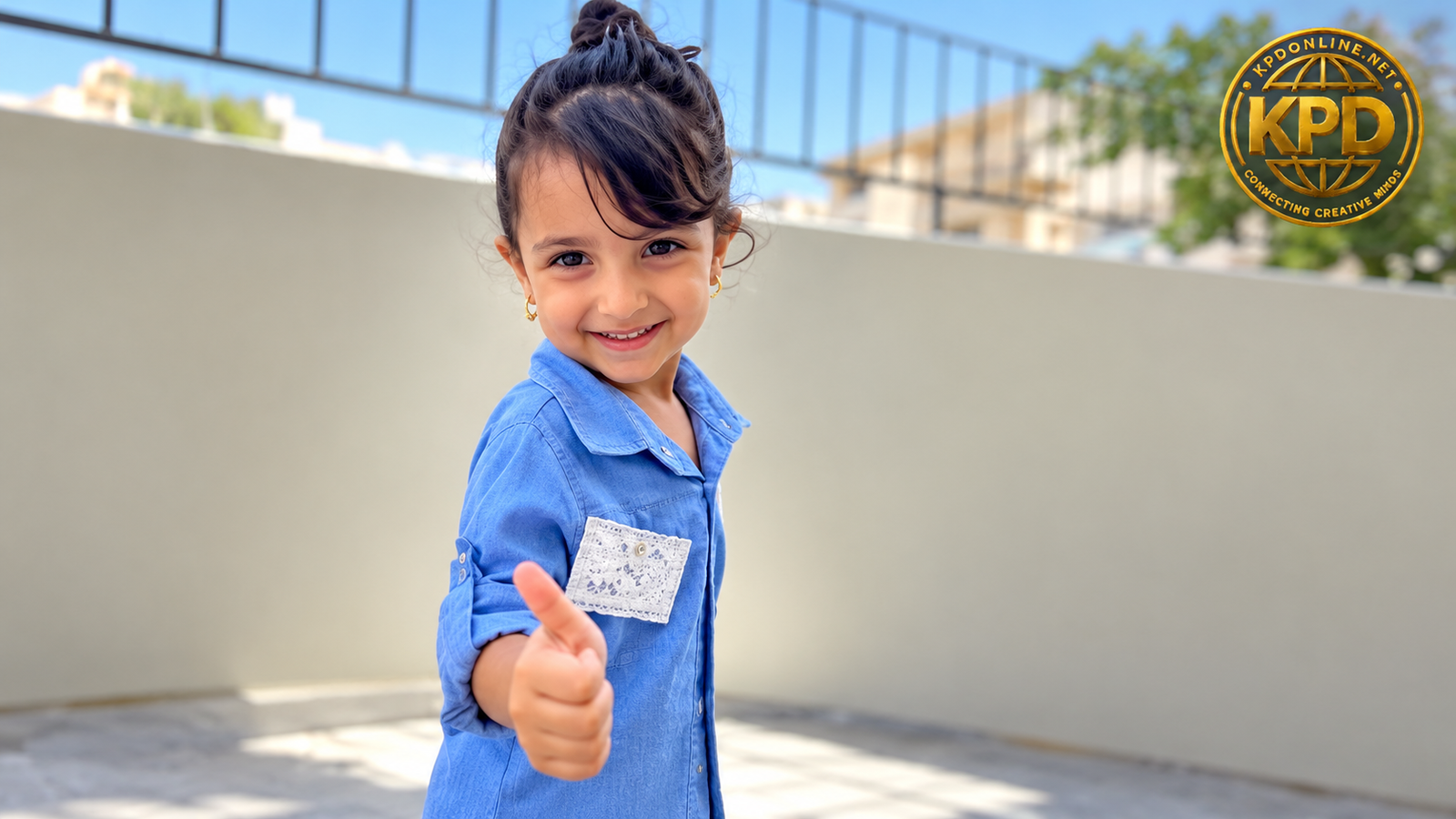
GAZA CITY — An eight-year-old Palestinian girl and her father were killed in an Israeli airstrike on their vehicle in western Gaza City, according to reports from local medical sources and media outlets.
The girl, identified as Wafaa Akila, was reportedly killed on Sunday, September 6, on what was supposed to be her first day of school. She was travelling with her father when their vehicle was struck in the western part of Gaza City.
According to KPD Online reports, Wafaa did not return home after her first day of school. Her death has drawn attention to the continued risks faced by Palestinian civilians, particularly children, amid ongoing violence in the Gaza Strip.
The Israeli military said the strike was aimed at a Hamas militant, while reports identified the victims as Wafaa and her father.
The incident occurred as schools reopened and families attempted to resume aspects of daily life amid the continuing conflict.
Reports also said that other Palestinians were wounded in separate strikes in the area around Gaza City.
Wafaa’s death has sparked renewed concern over the protection of children and civilians caught in the conflict, with calls for greater international attention to civilian casualties.
The killing comes as Gaza continues to face a severe humanitarian crisis, with civilians living amid widespread destruction and persistent insecurity.
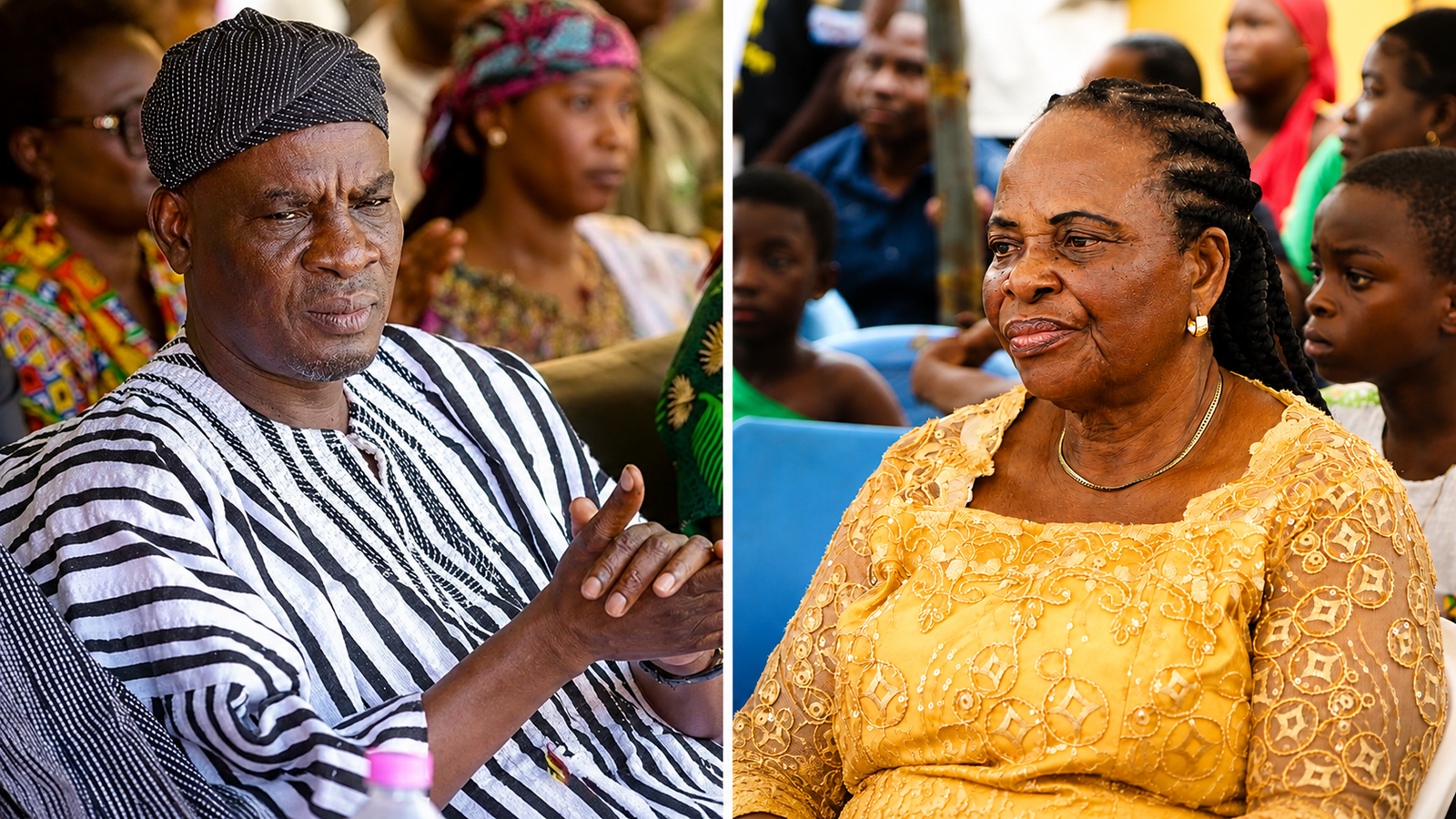
The founder of Blissful Home Basic Academy, Kasoa, Mrs Agnes Lartey has appealed to the Ghana Education Service (GES) to consider a form of soft Corporal Punishment for pupils in Basic Schools instead of totally abolishing it. She made the appeal during the 17th Speech and Prize-Giving Day of the School.
The African environment cannot completely do away with corporal punishment and therefore needs a mild dose of it regulated by the GES due to the changing dynamics of time.
She argued that
Although the Biblical advice of ‘Spare the rod and Spoil the Child’ does not necessarily imply the frequent use of the cane, Corporal Punishment does correct children for the better.
She therefore appealed to the Minister of Education, Hon. Haruna Idrisu to take a second look at the issue of Corporal Punishment in Basic Schools.
General News
CSIR-Water Research Institute will become centre of excellence in water research by 2030 — New Director
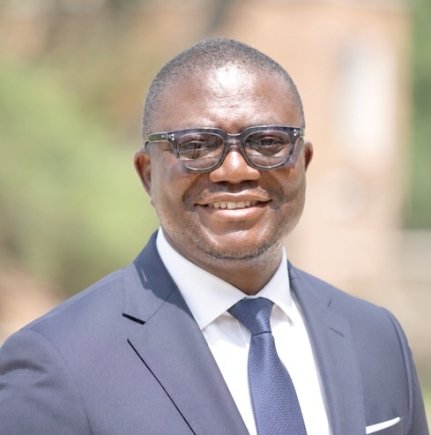
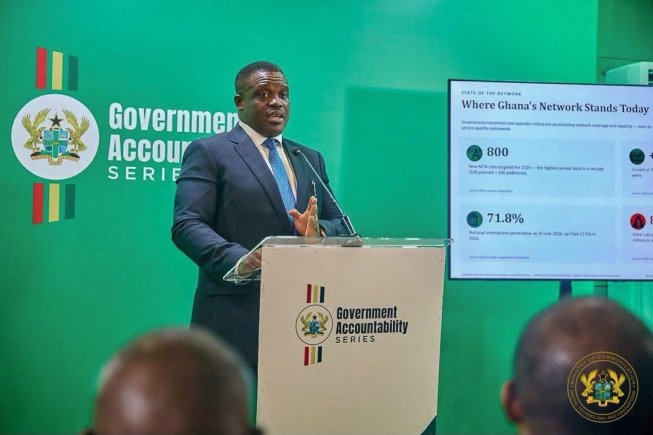
Minister for Communication, Digital Technology and Innovations, Samuel Nartey George, has identified frequent fibre optic cable cuts and instability in Ghana’s national electricity grid as two major factors undermining the quality and reliability of telecommunications services across the country.
Speaking on the challenges facing the telecommunications sector, Sam George said poor network quality is not always the direct result of failures by mobile network operators, as critical infrastructure outside their control can significantly affect service delivery.
The minister said the problem requires a broader national response involving telecommunications companies, utility providers, road contractors and other stakeholders.
Fibre cuts disrupting services
According to Sam George, frequent damage to fibre optic cables has become a major headache for the telecommunications industry.
Fibre cables are essential to the transmission of voice and data services, meaning damage to critical lines can disrupt internet connectivity, mobile services and communication networks.
The minister explained that road construction, excavation works and other infrastructure projects sometimes result in fibre cuts, creating outages that affect thousands of customers.
He stressed that protecting critical telecommunications infrastructure must become a national priority if Ghana is to improve the reliability and quality of its digital services.
Grid instability hits telecom infrastructure
Beyond fibre cuts, Sam George pointed to instability in the national electricity grid as another major challenge.
Telecommunications infrastructure depends heavily on stable power to keep towers, transmission equipment and data systems operational.
When there are power fluctuations or outages, telecom operators are forced to rely on backup power systems, including generators and batteries, to keep networks running.
According to the minister, such disruptions can affect network performance and increase the operational costs of service providers.
Not every network problem is the telcos’ fault
The minister’s comments appear to push back against the widespread assumption that poor call quality, slow internet or network outages should always be blamed solely on mobile network operators.
While acknowledging the responsibility of telecom companies to improve their services, Sam George argued that external infrastructure challenges can have a direct impact on network performance.
The issue, he suggested, requires all stakeholders to work together rather than placing the entire burden on the telecommunications companies.
A call for stronger coordination
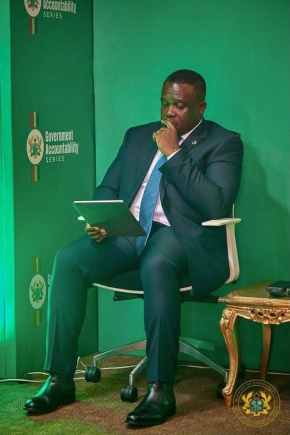
Sam George called for improved coordination between telecom operators and agencies undertaking construction and utility works.
He believes stronger systems are needed to prevent contractors from accidentally damaging fibre infrastructure, while also ensuring that electricity supply to critical telecommunications installations remains reliable.
The minister’s remarks come as government continues to push its digitalisation agenda and expand access to high-quality internet and mobile services.
The bigger challenge
For millions of Ghanaians, complaints about dropped calls, slow internet and sudden network outages have become part of everyday life.
Sam George’s explanation points to a much wider problem behind those frustrations.
The fibre can be cut. The power can go off. And when either happens, the network suffers.
As Ghana pushes towards a more digital economy, the minister’s message is clear: improving network quality will require more than asking telecom companies to fix their systems — the infrastructure supporting those networks must also work.

Osebo Raises Alarm Over Alleged Plan to Move Kwadwo Safo Kantanka’s Remains

Government Repatriates Musician Barosky from UK

ISRAEL KILLS 8-YEAR-OLD GIRL AND HER FATHER IN AIRSTRIKE WEST OF GAZA CITY



-

 Entertainment1 week ago
Oswald Okaitei Explains the Real Vision Behind Ghana’s Black Star Experience
-
 General News2 weeks ago
GES Urged to Review Student Sexual Misconduct Rule Over Alleged Discrimination Against Boys
-
 General News2 weeks ago
Oti Region Youth Endorse John Boadu, Cite Experience as Key to NPP Victory
-

 Entertainment1 day ago
Mahama Is First President to Put GH¢40m Seed Money into Creative Arts Fund: Kojo Preko Dankwa
-

 General News2 weeks ago
Zanetor and Ayariga Face Parliamentary Vetting Today
-
 General News2 weeks ago
President Mahama makes further ministerial changes
-
 General News2 weeks ago
Police Suspend Concrete Mixer Truck Operations in Accra, Tema From August 28
-
General News2 weeks ago
GES Opens WAEC Portal for 2026 School Placement Data Upload