
General News
Free Primary Healthcare goes live: Over 4,500 facilities ready — 135 districts implement policy

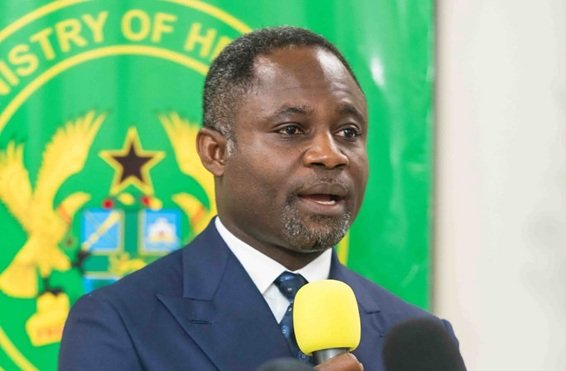

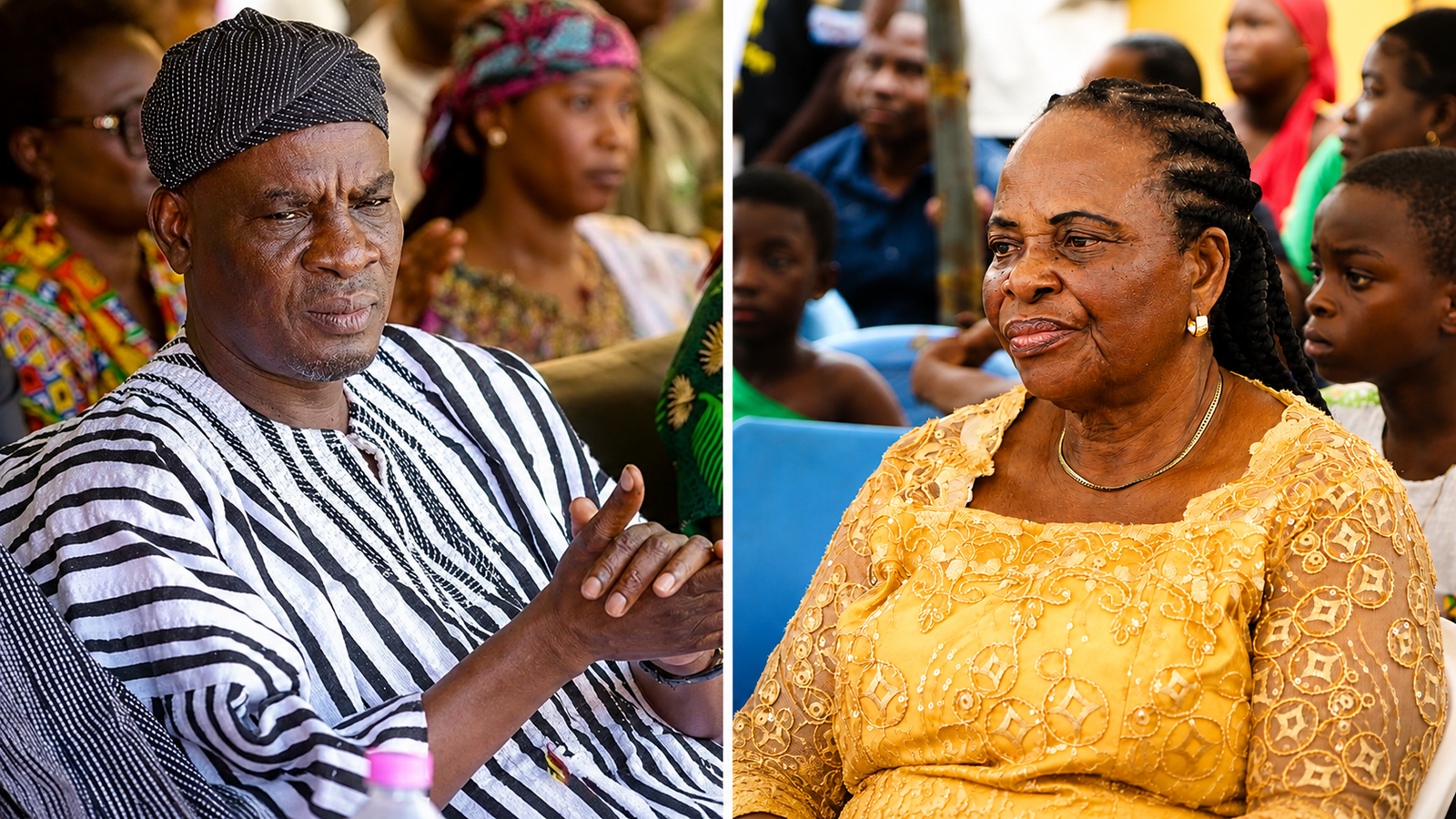
The founder of Blissful Home Basic Academy, Kasoa, Mrs Agnes Lartey has appealed to the Ghana Education Service (GES) to consider a form of soft Corporal Punishment for pupils in Basic Schools instead of totally abolishing it. She made the appeal during the 17th Speech and Prize-Giving Day of the School.
The African environment cannot completely do away with corporal punishment and therefore needs a mild dose of it regulated by the GES due to the changing dynamics of time.
She argued that
Although the Biblical advice of ‘Spare the rod and Spoil the Child’ does not necessarily imply the frequent use of the cane, Corporal Punishment does correct children for the better.
She therefore appealed to the Minister of Education, Hon. Haruna Idrisu to take a second look at the issue of Corporal Punishment in Basic Schools.
General News
CSIR-Water Research Institute will become centre of excellence in water research by 2030 — New Director
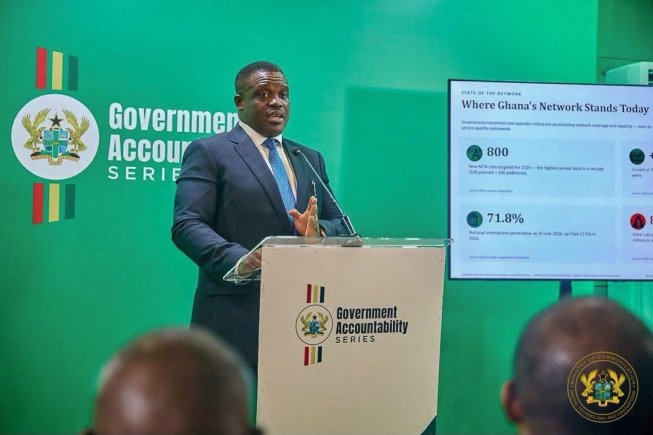
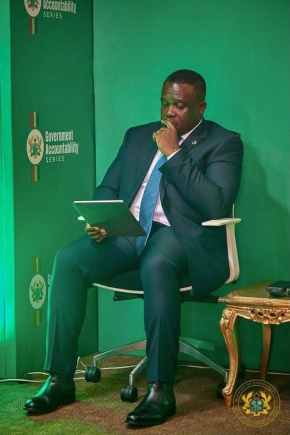
Minister for Communication, Digital Technology and Innovations, Samuel Nartey George, has identified frequent fibre optic cable cuts and instability in Ghana’s national electricity grid as two major factors undermining the quality and reliability of telecommunications services across the country.
Speaking on the challenges facing the telecommunications sector, Sam George said poor network quality is not always the direct result of failures by mobile network operators, as critical infrastructure outside their control can significantly affect service delivery.
The minister said the problem requires a broader national response involving telecommunications companies, utility providers, road contractors and other stakeholders.
Fibre cuts disrupting services
According to Sam George, frequent damage to fibre optic cables has become a major headache for the telecommunications industry.
Fibre cables are essential to the transmission of voice and data services, meaning damage to critical lines can disrupt internet connectivity, mobile services and communication networks.
The minister explained that road construction, excavation works and other infrastructure projects sometimes result in fibre cuts, creating outages that affect thousands of customers.
He stressed that protecting critical telecommunications infrastructure must become a national priority if Ghana is to improve the reliability and quality of its digital services.
Grid instability hits telecom infrastructure
Beyond fibre cuts, Sam George pointed to instability in the national electricity grid as another major challenge.
Telecommunications infrastructure depends heavily on stable power to keep towers, transmission equipment and data systems operational.
When there are power fluctuations or outages, telecom operators are forced to rely on backup power systems, including generators and batteries, to keep networks running.
According to the minister, such disruptions can affect network performance and increase the operational costs of service providers.
Not every network problem is the telcos’ fault
The minister’s comments appear to push back against the widespread assumption that poor call quality, slow internet or network outages should always be blamed solely on mobile network operators.
While acknowledging the responsibility of telecom companies to improve their services, Sam George argued that external infrastructure challenges can have a direct impact on network performance.
The issue, he suggested, requires all stakeholders to work together rather than placing the entire burden on the telecommunications companies.
A call for stronger coordination
Sam George called for improved coordination between telecom operators and agencies undertaking construction and utility works.
He believes stronger systems are needed to prevent contractors from accidentally damaging fibre infrastructure, while also ensuring that electricity supply to critical telecommunications installations remains reliable.
The minister’s remarks come as government continues to push its digitalisation agenda and expand access to high-quality internet and mobile services.
The bigger challenge
For millions of Ghanaians, complaints about dropped calls, slow internet and sudden network outages have become part of everyday life.
Sam George’s explanation points to a much wider problem behind those frustrations.
The fibre can be cut. The power can go off. And when either happens, the network suffers.
As Ghana pushes towards a more digital economy, the minister’s message is clear: improving network quality will require more than asking telecom companies to fix their systems — the infrastructure supporting those networks must also work.

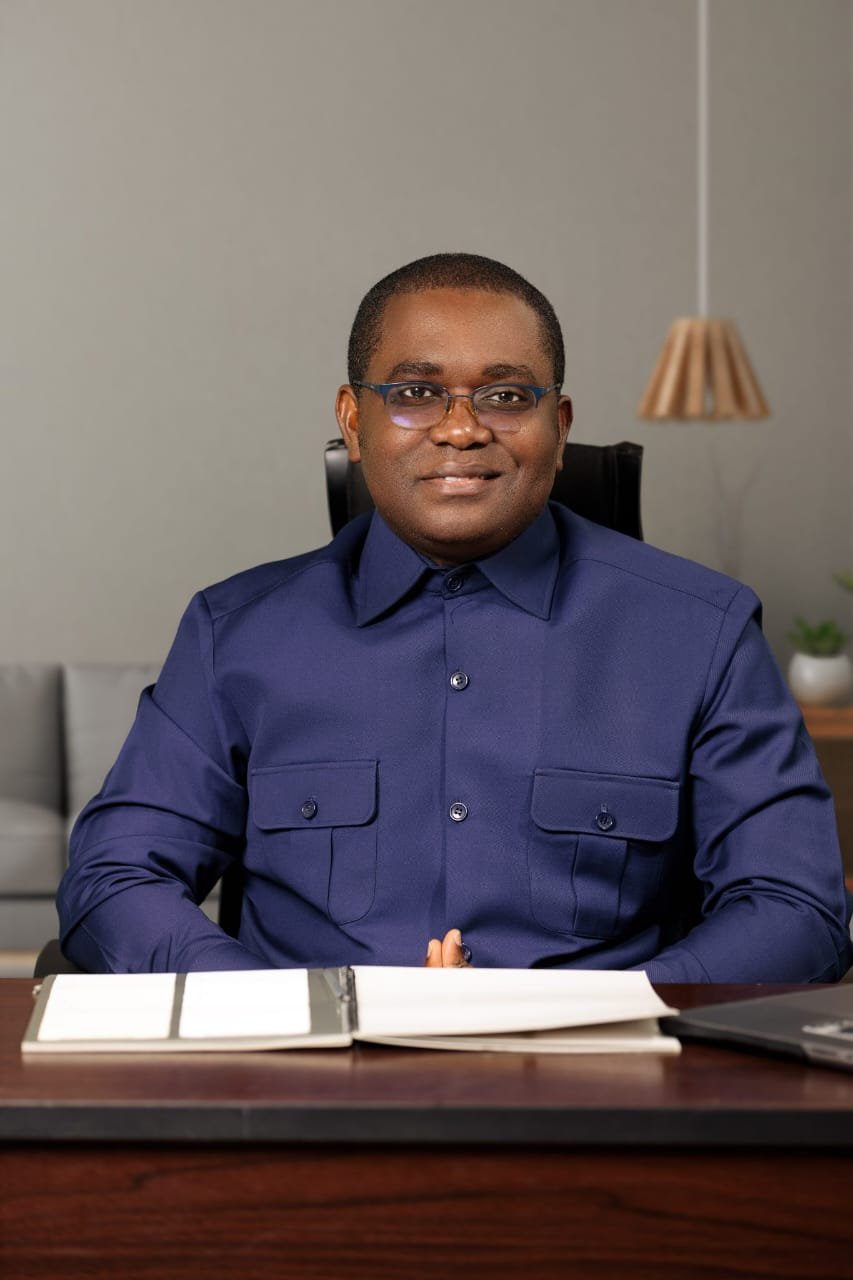
Dr Charles Dwamena, popularly known as Dr China, is being presented by his supporters as an experienced, disciplined and decisive leader capable of helping the New Patriotic Party (NPP) rebuild its structures and prepare for a return to power in the 2028 general elections.
Supporters of the NPP National Treasurer argue that his extensive background in party administration, campaign organisation, diplomacy, finance, and grassroots leadership makes him a strong candidate for General Secretary.
Dr Dwamena, who has officially offered himself for the General Secretary position, is campaigning on the message: Let’s Rebuild to Restore the Lost Love.
According to his supporters, the message reflects the need to restore internal confidence, strengthen grassroots participation, rebuild party structures and improve discipline within the NPP.
Dr Dwamena is not new to NPP affairs. Over the years, he has served the party and Ghana in several capacities.
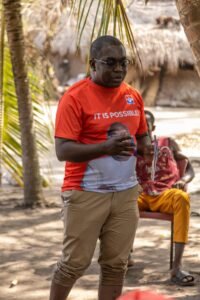
His political and administrative record includes serving as former Deputy Ambassador of Ghana to the People’s Republic of China and former Director of Finance and Administration at the NPP Headquarters.
He also served as Secretary to the 2016 NPP National Campaign Team, which coordinated the party’s successful campaign that led to the election of former President Nana Addo Dankwa Akufo-Addo and the NPP’s return to power in 2017.
Dr Dwamena is also a founding member of the NPP China Branch and served as Chairman of the NPP China Branch for two terms.
His other leadership roles include serving as Chair of the Asia-Pacific Caucus of the NPP, NPP Representative to the 2016 ECOWAS Commission Internal Party Democracy and Administration Process, and the New Patriotic Party’s representative at the 2016 UNDP Democratic Governance Cluster Annual Retreat.
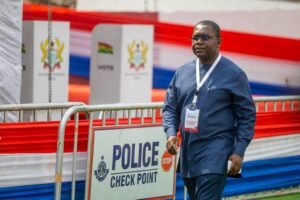
He currently serves as the National Treasurer of the NPP.
Supporters believe his experience in these various roles has equipped him with a deep understanding of the party’s administration, structures, finances and organisational needs.
The campaign for Dr Dwamena places particular emphasis on the importance of discipline and accountability as the NPP prepares for the future.
According to his supporters, the position of General Secretary requires more than popularity or political connections.
They argue that the office demands a leader who understands party administration, appreciates the concerns of grassroots members, coordinates executives at different levels, manages competing interests and enforces discipline fairly.
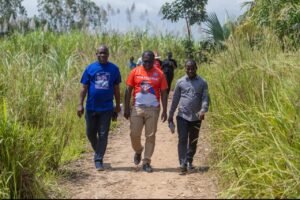
They maintain that the NPP needs a General Secretary who understands systems, structures, people, administration, data, finance and political strategy.
Supporters of Dr Dwamena say his combination of experience in diplomacy, party administration, campaign organisation and financial management makes him well-positioned to perform those responsibilities.
They also describe him as a disciplined, firm, honest and decisive party man, capable of bringing greater accountability, order and efficiency into the party’s structures.
As the current National Treasurer of the NPP, Dr Dwamena has also been involved in the party’s financial administration.
His supporters point to his experience in strengthening financial systems and improving internally generated funds as an important qualification for the General Secretary position.
They say improved accountability, engagement and financial systems are essential to building a stronger political organisation.
According to his campaign narrative, a party seeking to rebuild and return to power requires strong institutions rather than personalities.
Supporters argue that the NPP must strengthen its internal systems, improve accountability, support grassroots structures and develop a more efficient administrative machinery as it prepares for the 2028 elections.
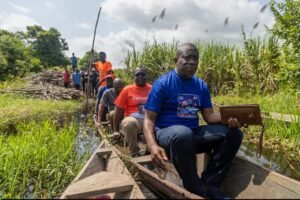
Dr Dwamena’s campaign has outlined several ideas aimed at strengthening the NPP beyond election cycles.
Among the areas he has highlighted are the strengthening of polling-station structures, improved support for party executives, increased use of research and data-driven decision-making, and programmes aimed at improving the welfare and capacity of party members.
His proposed initiatives also include political mentorship, business incubation, human-resource empowerment, accidental insurance for party supporters and support for polling-station executives.
Another aspect of his vision is the development of a modern NPP National Headquarters complex.
The proposed facility could serve multiple purposes, including party administration, training, conferences and the preservation of the party’s history.
Supporters say these proposals demonstrate an ambition to build a stronger and more modern political organisation capable of functioning effectively beyond individual election campaigns.
Supporters of Dr Dwamena say the upcoming contest for the General Secretary position presents delegates with an important decision about the future direction of the party.
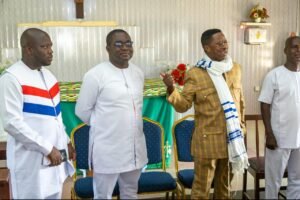
They argue that the contest should focus on competence, experience, discipline, integrity, organisational knowledge and the ability to rebuild the party.
For them, the key questions are straightforward:
Does the NPP need experience?
They say Dr China has it.
Does the party need discipline?
They say Dr China stands for it.
Does the NPP need decisive leadership?
They believe Dr China offers it.
Does the party need a General Secretary with administrative, financial, diplomatic and campaign experience?
Supporters say Dr Charles Dwamena has served in all these areas.
They also believe his vision for grassroots engagement, institutional strengthening and party rebuilding could help position the NPP for the 2028 general elections
The campaign is also urging NPP delegates to look beyond personal interests, factional considerations and short-term political calculations.
According to supporters, the party needs a General Secretary capable of bringing people together, strengthening unity, restoring discipline and improving the efficiency of party structures from the grassroots to the national level.
They believe the next General Secretary will play a crucial role in coordinating party executives, managing the party’s administration and helping to rebuild public confidence ahead of the 2028 elections.
Dr Dwamena’s supporters insist that his years of service to the party, knowledge of its structures and leadership experience make him a compelling candidate.
Beyond politics, Dr Charles Dwamena also has an extensive academic and professional background.
He is a medical doctor with additional qualifications in leadership, sustainability, clinical sciences and political financing.
His academic credentials include:
PhD in Political Financing
MSc in Clinical Sciences (Otolaryngology-ENT) – Plymouth University
Master of Business Administration in Leadership and Sustainability – University of Cumbria
Bachelor of Medicine, Bachelor of Surgery (MBBS) – Wenzhou Medical University
Teaching Certificate (CELTA) – Cambridge University
His supporters say his academic background, combined with his professional, diplomatic and political experience, gives him a broad range of skills relevant to leadership and administration.
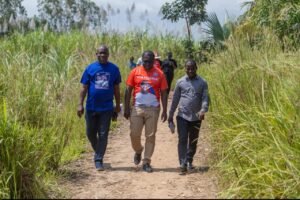
Campaign Message
As the contest for the NPP General Secretary position gathers momentum, supporters of Dr Charles Dwamena are rallying behind a message centred on experience, discipline, integrity, competence, unity and decisive leadership.
They believe the party requires a leader with a proven record of service and a clear vision for rebuilding its structures.
Their message to delegates is:
Choose experience.
Choose discipline.
Choose integrity.
Choose decisive leadership.
Choose competence.
Choose unity.
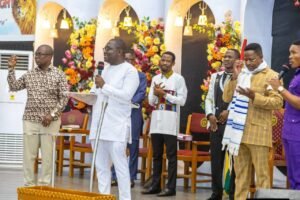
They are therefore urging delegates to support Dr Charles Dwamena, popularly known as Dr China, as the next General Secretary of the New Patriotic Party.
“Let’s Rebuild to Restore the Lost Love.”
Dr Charles Dwamena — Experienced. Disciplined. Decisive. Ready to Lead.

A.B. Crentsil: The Highlife Legend Many Ghanaians Are Slowly Forgetting

RE-CONSIDER CORPORAL PUNISHMENT IN BASIC SCHOOLS – EDUCATIONIST BESEECHES GES

CSIR-Water Research Institute will become centre of excellence in water research by 2030 — New Director



-

 Entertainment1 week ago
Oswald Okaitei Explains the Real Vision Behind Ghana’s Black Star Experience
-
 General News2 weeks ago
GES Urged to Review Student Sexual Misconduct Rule Over Alleged Discrimination Against Boys
-
 General News2 weeks ago
Oti Region Youth Endorse John Boadu, Cite Experience as Key to NPP Victory
-
 Entertainment1 day ago
Mahama Is First President to Put GH¢40m Seed Money into Creative Arts Fund: Kojo Preko Dankwa
-
 General News2 weeks ago
Zanetor and Ayariga Face Parliamentary Vetting Today
-
 General News2 weeks ago
President Mahama makes further ministerial changes
-
 General News2 weeks ago
Police Suspend Concrete Mixer Truck Operations in Accra, Tema From August 28
-
General News2 weeks ago
GES Opens WAEC Portal for 2026 School Placement Data Upload