
Entertainment
Ras Caleb Appiah-Levi Reflects on Death, Wealth and Equality: “Death Neither Knows Rich Nor Poor”

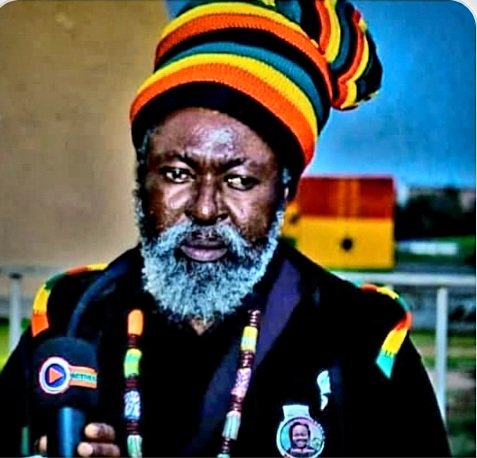
Ghanaian musician and PanAfrica-Ghana (PAG) founding president Ras Caleb Appiah-Levi has shared a reflective message on death, wealth, poverty and the importance of treating people with dignity, stressing that death ultimately makes everyone equal.
In a message titled “Death Neither Knows Rich Nor Poor,” Ras Caleb said the statement should not merely be regarded as a proverb but as a reality that applies to every human being, regardless of social or economic status.
According to him, his understanding of the equality of human beings in death began during his childhood when his late father, Cofie Essah Appiah of Boso-Gua (1903–1968), took him to a graveside.
He recalled how his father pointed to different graves and asked him to distinguish between a rich trader and a poor farmer buried there.
“See that mound? That was a rich trader. See that small one? That was a poor farmer. Now tell me, Caleb (Emmanuel-1st), which one is richer under the earth?”
Ras Caleb said he could not answer the question because, beneath the earth, both individuals had been made equal.
He argued that people often place too much importance on wealth, property, titles and social status while forgetting that none of these can be taken into the grave.
He noted that some people boast about owning multiple houses, expensive cars and large amounts of money, while others may believe that poverty somehow places them in a different position before death.
“Death does not check your bank account before it knocks,” he wrote, adding that death does not recognise titles such as Honourable, Chief, Doctor or President.
He further pointed out that death does not distinguish between people living in affluent neighbourhoods and those sleeping on the streets.
Using biblical references, Ras Caleb noted that both Pharaoh and Lazarus the beggar eventually died, illustrating what he described as the common destiny of all human beings.
He also drew from his experience with PanAfrica-Ghana (PAG) and its affiliates, saying the organisation had encountered people from different social and economic backgrounds.
“At PanAfrica-Ghana (PAG) and affiliates, we have honoured rich men, and we have honoured poor women who sell plantain. We have buried both,” he stated.
According to him, both the wealthy and the poor ultimately occupy the same amount of space in the grave.
“The same 6 feet,” he wrote, adding that there are occasions when a poor person receives more mourners than a wealthy individual.
Ras Caleb used the contrast between luxury during life and simplicity in death to drive home his message.
He observed that a wealthy person may build a large mansion equipped with air conditioning, but eventually sleeps in a coffin without such comforts.
Similarly, he said, a poor person who could not afford a hospital bed could eventually have what he described as a “free bed in the earth forever.”
The musician then questioned why people fight, steal and discriminate when death eventually renders such distinctions meaningless.
He asked:
- Why do people kill others over land they cannot take with them?
- Why do people steal government money that they cannot eat in the grave?
- Why do people look down on the poor when everyone is ultimately moving toward the same destination?
Ras Caleb also recalled advice from his father, saying: “Caleb (Emmanuel-1st), respect everybody, because you don’t know who will bury who.”
He used the example of a shoe-shine boy and a wealthy man travelling in a V8 vehicle to emphasise how circumstances can change.
“Today you see a shoe-shine boy. Tomorrow he may be the one to pour sand on your grave,” he wrote.
He added that a person’s expensive vehicle would eventually be parked when death comes, while the body would be transported in a hearse.
Ras Caleb therefore urged people to live humbly, regardless of their financial circumstances.
He encouraged wealthy people to use their resources to help others, while also advising the poor not to resent the rich, stressing that death eventually levels the distinction between them.
“If you are rich, be humble — use your riches to lift others, because death will not let you take even your watch,” he said.
“If you are poor, be humble — do not curse the rich, because death will level you both anyway.”
He also referenced the Bible’s Book of Job, recalling the words: “Naked I came from my mother’s womb, and naked shall I return.”
According to him, material possessions do not constitute a person’s lasting legacy because no one leaves the world with their house, car or other valuables.
“No one has ever died with his house in his mouth. No one has ever been buried with his Range Rover key,” he wrote.
Ras Caleb argued that what ultimately remains after a person’s death is the memory created through their actions and relationships.
He asked whether people would be remembered for loving, serving and forgiving others, suggesting that such qualities would matter more at a person’s funeral than their financial achievements.
Concluding his reflection, Ras Caleb said he tries to live each day as though it could be his last and to serve Africa with the same urgency.
“So I, Ras Caleb Appiah-Levi, live each day as if it is my last. I serve Africa as if tonight I will sleep and not wake,” he stated.
He warned that death is always close and urged people to embrace unity, humility and compassion while they are alive.
He ended with the message: “Death neither knows rich nor poor — so learn to live as one family before you die as one dust.”
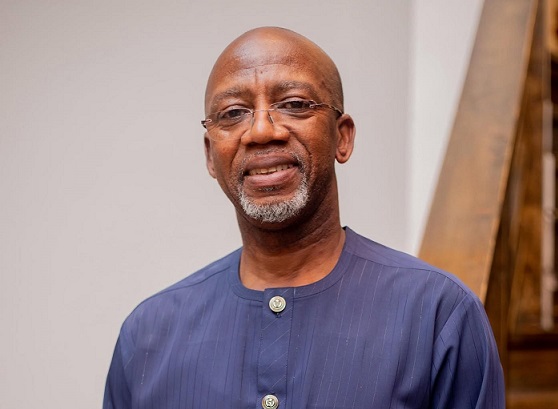
Ghana is set to take the spotlight in fashion, culture and the creative economy as the maiden Black Star Fashion Week (BSFW) prepares to bring together designers, creatives, investors, industry players and fashion enthusiasts for a two-day national fashion experience.
The initiative is aimed at discovering emerging talent, creating opportunities for players in the fashion industry and showcasing Ghanaian creativity to audiences beyond the country.
The event is being organised under the Presidency-backed Black Star Experience Secretariat, led by the Presidential Staffer for the Black Star Experience, Rex Omar, playing a key role in the initiative.
The programme is being supported by the Ministry of Tourism, Culture and Creative Arts and its agencies, including the Ghana Tourism Authority (GTA) and the Creative Arts Agency.
Black Star Fashion Week will unfold through two connected experiences in Accra and Senchi, moving from industry discussions and talent discovery to a major fashion and cultural celebration.
The first day of the programme is scheduled for November 4 in Accra, where the Black Star Fashion Summit will take centre stage.
The summit will provide a platform for designers, fashion entrepreneurs, creatives, industry leaders, investors, buyers, manufacturers, policymakers, media practitioners and other stakeholders to engage in discussions about the future of Ghana’s fashion industry.
The programme will feature keynote addresses, panel discussions, fireside conversations, masterclasses, industry presentations and practical workshops.
Key areas to be explored include entrepreneurship, branding, digital marketing, textile innovation, manufacturing, fashion finance, export readiness, e-commerce, artificial intelligence, sustainability and intellectual property.
The summit is expected to provide participants with opportunities to exchange ideas, develop new skills, build industry connections and explore avenues for expanding Ghanaian fashion locally and internationally.
A major highlight of the Accra programme will be the 16-Region Designer Programme, which will bring emerging fashion talents from across Ghana onto one national platform.
Each participating designer will be required to develop a creative fashion interpretation inspired by their respective region.
Their presentations will draw on the identity, culture, heritage, local materials, craftsmanship and contemporary design language of the regions they represent.
At the end of the Accra programme, five designers will be selected from the participants.
One of the five finalists will then progress to the flagship fashion show at Senchi, allowing the selected designer to present on the major Black Star Fashion Week platform.
The second day of the programme will take place at Royal Senchi on November 7, where the Black Star Fashion Show and Experience will be held.
The Senchi programme will extend beyond the traditional runway, with a Fashion Village forming part of the overall experience.
The Fashion Village will feature designer showcases, retail, textiles, artisan experiences, brand activations, beauty, technology, food and beverage, tourism and lifestyle experiences.
The event will also showcase the relationship between fashion and Ghana’s broader cultural identity.
Visitors will experience elements of Ghanaian music, dance, textiles, craft, food, storytelling, heritage and visual arts, creating a wider celebration of the country’s creative and cultural heritage.
Black Star Fashion Week will also recognise outstanding contributors to Ghana’s fashion ecosystem.
The event will provide opportunities for designers and creative businesses to connect with buyers, investors, manufacturers, retailers and other industry stakeholders through networking and business engagements.
The organisers are positioning the initiative not only as a fashion showcase but also as a platform for talent development, industry collaboration and commercial opportunities.
The Black Star Experience (BSE) is a Government of Ghana initiative focused on culture, arts, tourism and creative engagement.
As a national, year-round platform, it brings together Ghana’s cultural, artistic, tourism and creative offerings with the broader objective of strengthening Ghana’s identity and promoting the country as a preferred global destination.
The initiative also seeks to position Ghana as a leading cultural and creative capital of Africa.
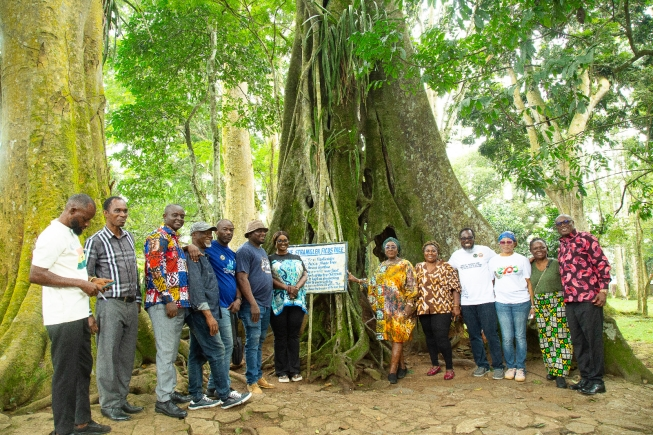
Minister of Tourism, Culture and Creative Arts, Abla Dzifa Gomashie, has called for improved maintenance, consistent interpretation of historical narratives and sustained investment in tourist attractions to enhance visitor experiences and encourage repeat visits.
She made the call during a tour of selected tourist attractions in the Eastern Region after participating in the 2026 Eastern Regional Tourism Expo, held in Koforidua as part of activities marking World Tourism Day.
The Minister visited the Aburi Botanical Gardens, Aburi Craft Village and Papaye Gardens, where she interacted with facility managers, received briefings on their operations and assessed opportunities for improving the attractions.
At the Aburi Botanical Gardens, she was taken through the site’s rich history, including its historical association with the Biafran War and trees planted by prominent world leaders who had visited the facility.
She also received updates on the condition of the trees and the general state of the gardens before planting a tree herself to underscore the importance of environmental conservation and the preservation of Ghana’s natural heritage.
Gomashie stressed that regular maintenance of the gardens must be treated as a priority, noting that the site’s historical significance and natural beauty could only be preserved through deliberate and sustained care.
She also raised concerns about inconsistencies in the way the history of tourist sites is communicated to visitors.
According to her, tour guides must provide accurate, consistent and coherent accounts of historical events to protect the credibility of attractions.
She explained that conflicting versions of the same historical narrative could confuse visitors and gradually reduce their interest in returning to the sites.
“When visitors receive different accounts of the same historical events during successive visits, they may become uncertain about what to believe,” she noted, stressing the need for a more coordinated approach to historical interpretation.
Although the Aburi Botanical Gardens do not fall directly under the management of the Ministry of Tourism, Culture and Creative Arts, Gomashie said tourism development requires collaboration among institutions responsible for attractions and those providing the infrastructure needed to support them.
She noted that the Ghana Tourism Authority plays a regulatory and supervisory role in the tourism sector, including permits and oversight, but stressed that the development of tourist destinations also depends on cooperation with other ministries and government agencies.
The Minister particularly highlighted the role of the Ministry of Roads and Highways in improving access to tourist attractions.
She disclosed that concerns over poor road access to tourist destinations had been brought to the attention of President John Dramani Mahama, who had tasked the Roads and Highways Minister with prioritising roads leading to key tourism sites.
According to her, a list of roads requiring urgent attention had already been submitted, while the second phase of the government’s Big Push infrastructure programme is expected to focus on improving access to tourist destinations.
Gomashie further stressed the need for tourism facilities to continuously evolve in order to remain attractive to visitors.
She said introducing new features while upgrading existing facilities would provide tourists with fresh experiences and give them more reasons to return.
Her visits to the Aburi Craft Village and Papaye Gardens also offered an opportunity to assess the diversity of tourism products in the Eastern Region and the potential of local attractions to support employment, enterprise development and economic activity.
The Minister was accompanied by the Chief Executive Officer of the Ghana Tourism Authority, Maame Efua Houadjeto; Executive Director of the Ghana Tourism Development Company, Professor Kobby Mensah; Executive Director of the Hotel, Catering and Tourism Training Institute, Dr Eric Afornorfe; Director of the Folklore Board, Mr Adjavon; Director of Tourism, Dr Tamakloe; Director of Culture and Creative Arts, Divine Owusu Ansah; and other officials of the Ministry.
Source: Graphics Online

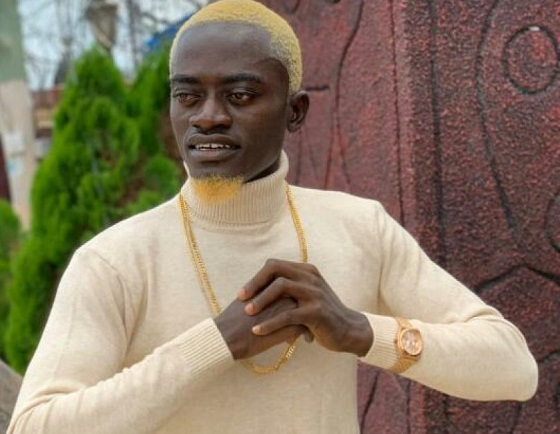
Ghanaian Kumawood actor Kwadwo Nkansah, popularly known as LilWin, has welcomed a group of Nigerian movie stars who have arrived in Ghana to join the cast of his upcoming movie, A Journey to Africa (Nzulezu).
The Nigerian stars, including Kanayo O. Kanayo, Patience Ozokwor, Mike Ezuruonye, Zubby Michael and Destiny Etiko, touched down at the Accra International Airport on Wednesday, September 30, 2026.
The stars touched down at the Accra International Airport on Wednesday, September 30, 2026, where they were welcomed by Lil Win.
A video shared on social media showed the Ghanaian actor at the airport as he received the Nigerian stars ahead of the movie production.
The project brings together some of Nigeria’s well-known film personalities and Ghanaian talents for the international movie.
Among the Nigerian stars joining the cast are veteran actor Kanayo O. Kanayo, veteran actress Patience Ozokwor, actor Mike Ezuruonye, actor Zubby Michael and actress Destiny Etiko, alongside other Nigerian actors and actresses.
A Journey to Africa (Nzulezu) is Lil Win’s second international movie project and is set to feature the Nigerian stars alongside Ghanaian actors.

Ghanaian socialite and media personality Efia Odo has questioned the rollout of the Ghana Police Service’s automated traffic enforcement system, TRAFFITECH-GH, arguing that authorities should fix faulty traffic lights before introducing more cameras on the roads.
Efia Odo shared her concerns on X on Tuesday, September 29, 2026, in reaction to the ongoing introduction of the technology-based traffic enforcement system.
While she acknowledged that the use of cameras to enforce traffic regulations could be a good idea, she questioned whether the country’s existing road infrastructure was ready for the system.
“Traffic lights don’t even work, but somehow y’all have a budget to install cameras? Great idea, but how ’bout we get the lights to work first!!” she wrote.
Her post was made as the Ghana Police Service prepared for the full implementation of TRAFFITECH-GH, an initiative designed to use technology to detect traffic violations and strengthen enforcement of road traffic regulations.
The system is being implemented through the Motor Traffic and Transport Department (MTTD) and is intended to address indiscipline on Ghana’s roads, improve compliance with traffic laws and contribute to road safety.
The Police Service had initially scheduled the full rollout for October 1, 2026, but the date has now been moved to November 1, 2026.
The Police explained that the additional month would be used for more extensive public education and awareness about how TRAFFITECH-GH operates, the offences the system will detect and how motorists will receive Electronic Notices of Violation (ENV) when they commit offences.
The postponement means drivers, vehicle owners and other road users have additional time to familiarise themselves with the new enforcement system before full implementation.
Efia Odo’s criticism, however, has drawn attention to another issue surrounding the rollout — whether motorists should be held responsible for violations when traffic infrastructure at some locations may not be clearly visible or functional.
Her concerns come amid similar calls from CUTS International Accra, which has urged the government to fix faulty traffic lights, faded road markings and inadequate speed-limit signs before automated enforcement begins.
CUTS argued that although technology could improve compliance and reduce road crashes, enforcement must be based on road infrastructure that is clear and visible to motorists.
The organisation specifically raised concerns about some traffic lights being obscured by vegetation, damaged, displaced or out of service.
It also cited situations where only one of two signal heads at a junction may be functioning, while faded lane markings and stop lines could create uncertainty for drivers.
CUTS identified locations including parts of the Nsawam-Accra Road near the Apenkwa-Achimota overhead bridge and the Police Training Academy junction at Tesano as areas requiring attention.
The group argued that a camera may have a clear view of a vehicle while the driver may not necessarily have a clear view of the traffic signal.
“A camera’s clear view of a vehicle does not mean the driver has a clear view of the relevant signal or sign,” CUTS said.
CUTS has therefore called for enforcement locations to be inspected from the perspective of approaching drivers before automated fines are activated.
It wants authorities to check traffic signals, road signs, lane markings and stop lines during different conditions, including daytime, nighttime and rainy weather.
The organisation also called for displaced traffic lights to be realigned, faulty signal heads restored, overgrown vegetation trimmed and faded road markings repainted.
On speeding enforcement, CUTS said motorists should have clear information about applicable speed limits and urged authorities to install visible speed-limit signs before speed cameras and at locations where speed limits change.
The wider debate comes as Ghana seeks to use technology to strengthen traffic enforcement and reduce road indiscipline.
For Efia Odo, however, the introduction of cameras should go hand in hand with improvements to the physical road infrastructure that motorists rely on every day.

Listen, Connect, Develop, Deliver – Kojo Addo Unveils NDC Vice Chair Bid

GOLDBOD FX GENERATION AND SALES UPDATE – SEPTEMBER 2026

Martin Amidu accuses Chief Justice Baffoe-Bonnie of being Mahama’s ‘surrogate’ to control judiciary



-

 General News1 week ago
Two political parties, one lesson: Afuntummireku and Tikro Nkɔ Agyina for Ghana
-

 Culinary1 week ago
Kofi Brokeman: The Simple Ghanaian Snack That Has Stood the Test of Time
-

 General News1 week ago
Free Speech, False Publication and Presidential Criticism in Ghana: Where Does the Law Draw the Line?
-

 General News1 week ago
Rev. Dr. Christian Kwetey Kweitsu Set for International Recognition at 100 Most Influential Persons Awards in Kigali
-

 Entertainment1 week ago
Can’t Anything Good Come Out of Ghana? – Ras Caleb Appiah-Levi Fires Back at Critics
-

 General News1 week ago
Don’t Expect Concerts When People Can’t Afford Food – Rex Omar on Black Star Experience
-

 Entertainment2 weeks ago
30 Old Ghanaian Songs That Defined Generations
-
 General News1 week ago
Shatta Wale Urges UPSA Students to Turn Ideas into Sustainable Ventures