
General News
Don’t Expect Concerts When People Can’t Afford Food – Rex Omar on Black Star Experience

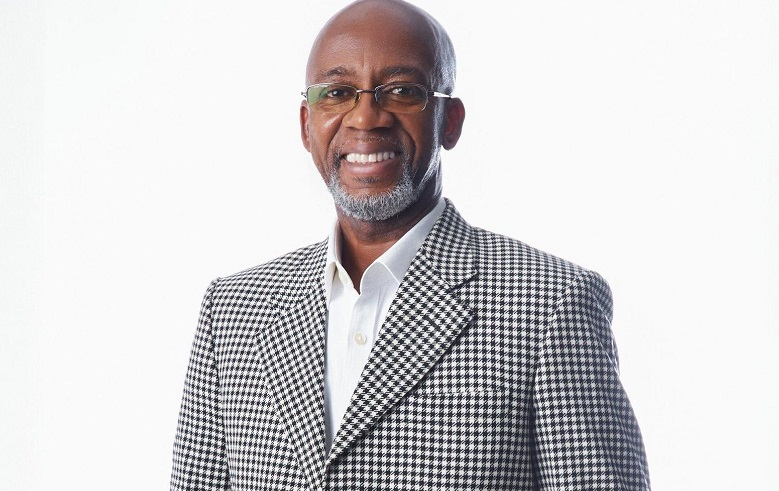
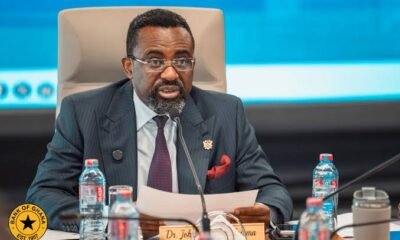
Venerated Ghanaian musician and entrepreneur Rex Owusu Marfo, popularly known as Rex Omar, has appealed to Ghanaians to exercise patience with the Black Star Experience (BSE), explaining that the country’s economic challenges have affected the entertainment industry and other sectors.
He said the initiative was operating within a difficult economic environment, where individuals, businesses and institutions were facing financial constraints.
Speaking about the situation, Rex Omar used the everyday struggles of ordinary Ghanaians to explain why entertainment activities could be affected when people are unable to meet their basic needs.
“If I don’t have money to eat, why should I use the small money I have to feed my family to go and watch a movie or a musical concert?” he asked.
According to him, the economic difficulties facing the country extend beyond the Black Star Experience, stressing that several sectors have been affected by the financial challenges.
He explained that Ghana had accumulated significant debts that the government needed to address, adding that the country’s engagement with the International Monetary Fund (IMF) had formed part of the broader economic situation.
“Everybody knows we are with the IMF, so we’ve paid a lot of the debt,” he said.
Rex Omar also referred to the Finance Minister’s plans for a new economic programme expected to be introduced in 2027, which he said would address challenges across various industries.
He mentioned pharmaceuticals, tourism and the Black Star Experience among the sectors he believes would benefit from efforts to tackle the country’s economic difficulties.
The musician further acknowledged the work of Finance Minister Cassiel Ato Forson, saying the government’s economic measures should be considered in the context of the financial challenges it inherited.
He maintained that the difficulties affecting household spending and the wider economy had implications for the creative arts and entertainment industry, particularly activities that depend on people having disposable income.
Rex Omar, however, urged the public not to lose confidence in the Black Star Experience, assuring them that the initiative was preparing to begin its activities.
“Don’t forget we are resetting. If I don’t have money to feed, why use the small money to watch a movie or concert? The economic issue is affecting all sectors, including the Black Star Experience, but be patient with us. You will see something. We are about to take off,” he said.
He reiterated that Ghanaians should remain patient as efforts continue to address the economic challenges and create conditions for the initiative to move forward.
His comments come amid public discussions about the implementation of the Black Star Experience, an initiative associated with efforts to promote Ghana’s creative arts, tourism and cultural identity.
Rex Omar’s remarks suggest that the broader economic environment remains a significant consideration in the organisation and delivery of entertainment-related activities, while he maintains that the Black Star Experience is preparing to take off.











Veteran filmmaker and creative industry advocate Socrate Safo has criticised what he describes as petty partisan politics in Ghana’s creative industry, warning that the practice of abandoning initiatives introduced by previous governments could undermine the sector’s development.
In a Facebook post, Mr Safo expressed disappointment over what he considers the prioritisation of political interests over national development by some creative industry practitioners appointed to public office.
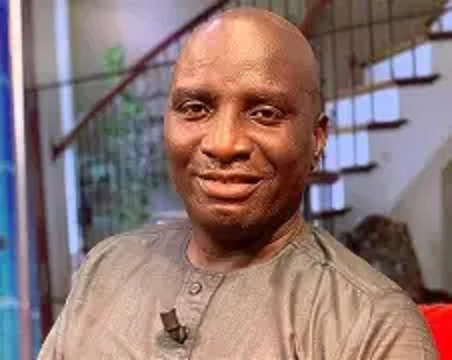
He specifically questioned comments reportedly made by Rex Omar, the appointee responsible for the Black Star Experience Secretariat, which he believes sought to downplay the achievements of the Beyond the Return campaign introduced under the previous New Patriotic Party (NPP) administration.
According to Socrate Safo, Ghana’s creative industry cannot achieve sustainable growth if changes in government consistently result in the abandonment of existing programmes, the dismantling of established structures and attempts to discredit the accomplishments of political predecessors.
Mr Safo described Beyond the Return as a significant initiative that helped raise Ghana’s international profile, strengthen the country’s relationship with the African diaspora and generate global interest in the country.
Although he acknowledged that the campaign, like any public programme, might have had shortcomings, he maintained that such weaknesses should have been assessed and addressed rather than used as grounds for political dismissal.
He argued that initiatives with demonstrated value should be evaluated and improved to ensure their continued contribution to national development.
His comments come amid discussions surrounding the transition from Beyond the Return to the Black Star Experience, with the filmmaker raising concerns about the reported closure of the former campaign’s office and the dissolution of its operational structures.
While acknowledging that the Black Star Experience deserves an opportunity to succeed, Mr Safo insisted that the public should be able to assess its tangible achievements and understand why an existing initiative was not sustained or improved.
Questions Rex Omar’s Position
Socrate Safo also questioned Rex Omar’s reported position on Beyond the Return, drawing attention to what he considers a contradiction between the musician’s political and ideological convictions and his apparent stance on the treatment of initiatives introduced by previous governments.
He described Mr Omar as an ardent Nkrumaist who frequently celebrates the vision and legacy of Ghana’s first President, Dr Kwame Nkrumah, on public platforms.
Mr Safo said he found it surprising that someone who recognises the consequences of abandoning Nkrumah’s projects and legacy would seemingly support similar treatment of initiatives introduced by another administration.
He raised questions about whether such a position was consistent with the principles Mr Omar publicly professes.
“How can one condemn the neglect of Nkrumah’s legacy while seemingly endorsing the same treatment of other governments’ achievements?” he asked.
He further questioned: “Is this not a contradiction of the very principles he professes? At what point does political loyalty become political hypocrisy?”
The filmmaker stressed that achievements in national development should not be dismissed simply because the political administration responsible for introducing them has left office.
He maintained that creative industry appointees have a responsibility to serve the sector and the Ghanaian people rather than focus solely on the political interests of the parties that appointed them.
According to him, Ghana’s creative professionals, including filmmakers, musicians, actors and event organisers, need sustainable policies, investment, employment opportunities and functioning institutions to support their work.
He warned that political score-settling could distract from the practical measures needed to strengthen the industry and create opportunities for practitioners.
Mr Safo argued that Ghana would struggle to build a sustainable creative economy if successive governments continued to dismantle programmes whenever political power changed hands.
He called for successful initiatives to be preserved, weaknesses to be addressed and newly introduced programmes to be assessed based on their contributions and results.
Reaffirming his commitment to promoting continuity and national development, Socrate Safo said he had personally championed the call for the creative industry to move beyond partisan considerations.
He urged practitioners to acknowledge and preserve initiatives that benefit the country, regardless of the political party responsible for introducing them.
He also called for greater courage to recognise good work and the wisdom to improve existing programmes rather than destroy them for political reasons.
“Our duty is not to protect political parties; it is to protect the future of Ghana’s creative industry,” he stated.
Mr Safo concluded that the sector needed leadership, continuity, accountability and a shared commitment to national development rather than what he described as petty partisan politics.
He also emphasised the importance of recognising achievements made by political opponents, arguing that the ability to identify and learn from another person’s accomplishments demonstrates an understanding of how to improve upon them.
“The ability to identify the positive sides and achievements of your competitor is a mark of knowing how to do it right and better, when given the opportunity,” he said.

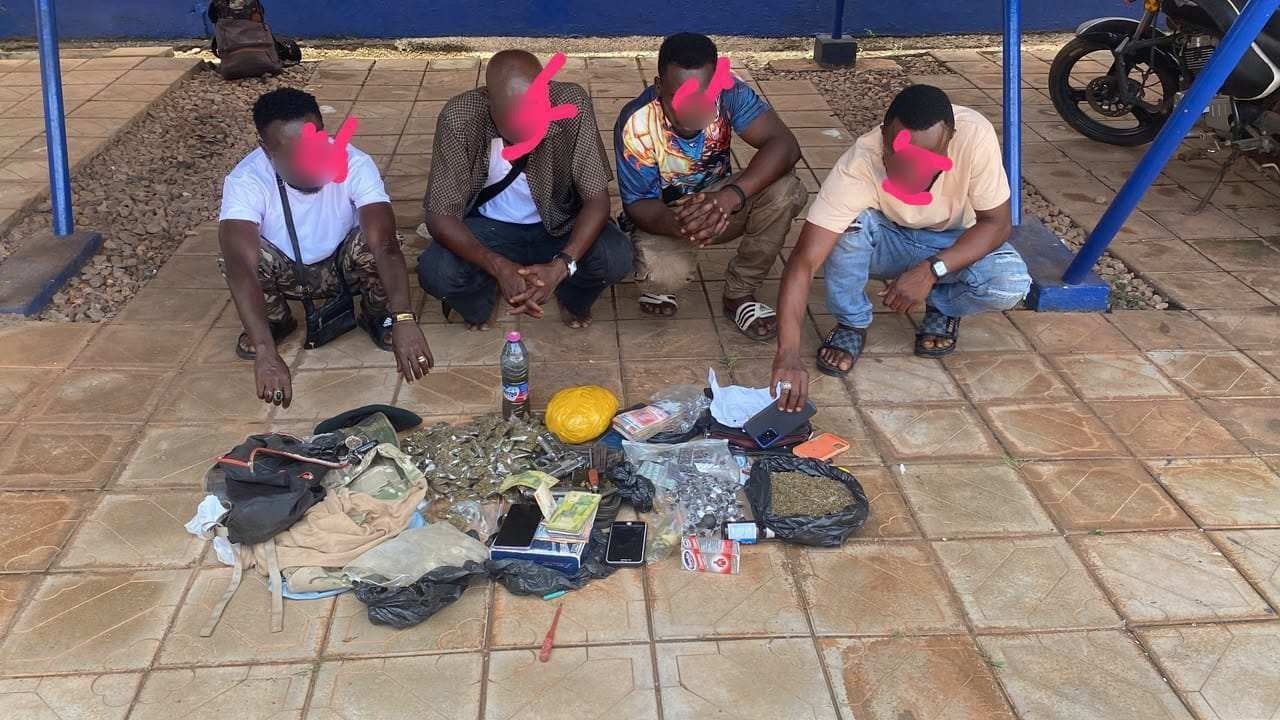
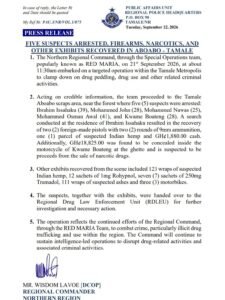
The Northern Regional Police Command has arrested five suspects and recovered firearms, ammunition, suspected narcotics, cash and other exhibits during an intelligence-led operation at the Aboabo Scrap Area in Tamale.
The operation, conducted on Monday, September 21, 2026, was carried out by the Regional Special Operations Team, popularly known as RED MARIA, following what the police described as credible intelligence concerning suspected drug-related and other criminal activities in the area.
The suspects have been identified as Ibrahim Issahaku, 39; Mohamed John, 28; Mohamed Nawas, 25; Mohamed Osman Awal, 41; and Kwame Boateng, 28.
According to the police, Mohamed John and Mohamed Nawas are suspected drug users, while Kwame Boateng is suspected of dealing in narcotics.
Police also identified Mohamed Osman Awal as the owner of the scrap business at the location and alleged that he had been harbouring suspected drug peddlers on the premises.
Pistols, ammunition and suspected drugs uncovered
A search of Ibrahim Issahaku’s residence reportedly led to the recovery of two foreign-made pistols, two rounds of 9mm ammunition, a parcel of suspected Indian hemp and GH¢1,880 in cash.
Police also found GH¢18,825 concealed inside Kwame Boateng’s motorcycle, which they suspect could be proceeds from the sale of narcotic drugs.
The operation further yielded 123 wraps of suspected Indian hemp, 12 sachets of 1mg Rohypnol, seven sachets of 250mg Tramadol and 111 wraps of suspected “ashes”.
Three motorbikes were also seized during the operation.
The arrests and recoveries have heightened attention on criminal activities around the Aboabo area, where police have previously conducted operations targeting suspected drug activities and other offences.
The five suspects, together with the recovered exhibits, have since been handed over to the Regional Drug Law Enforcement Unit (RDLEU) for further investigation and necessary action.
The Northern Regional Police Command has reiterated its commitment to intelligence-led operations aimed at disrupting drug trafficking, drug use and related criminal activities in the region.
The suspects remain under investigation, and the allegations against them have not yet been tested in court.


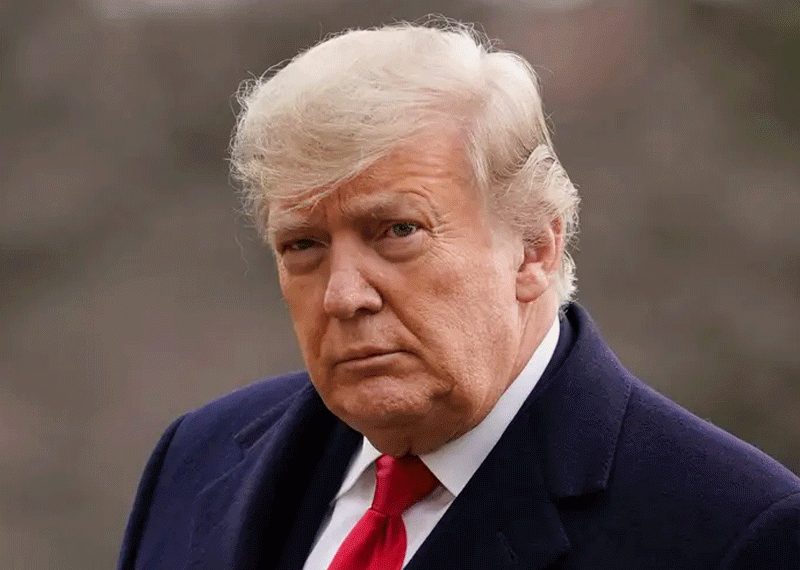
US President Donald Trump has called on countries that are members of the International Criminal Court (ICC) to withdraw from the institution, describing it as a “rogue” tribunal with no jurisdiction over the United States.
Addressing the 81st United Nations General Assembly in New York, Trump said the United States would not allow its service members or other Americans to be subjected to investigations or trials by the ICC.
“The United States is equally opposed to the out-of-control institution known as the International Criminal Court,” Trump said.
“We will never allow U.S. service members or anyone else to be investigated or given show trials by an anti-American tribunal with no jurisdiction over us.”
He subsequently urged ICC member states to leave the court.
“I call on all nations that are members of the ICC to officially resign from this rogue institution immediately,” he said.
Trump also criticised UN human rights officials over their scrutiny of US policies on immigration and transgender-related issues.
He accused international human rights bodies of devoting attention to US domestic policies while, in his view, failing to adequately address persecution of Christians and human rights abuses in countries with repressive governments.
“It is equally unacceptable that, with all the genuine atrocities in the world, the UN’s top human rights officials spend their time criticizing the United States for protecting our children from transgender mutilation and enforcing our immigration laws,” Trump said.
He also highlighted what he described as widespread persecution of Christians around the world.
“Christians are being persecuted all over the world,” he said, arguing that greater international attention should be directed towards such cases and abuses committed by repressive regimes.
Trump further criticised calls for the United States to ease its immigration restrictions, linking the issue to concerns over gangs and criminal networks entering the country.
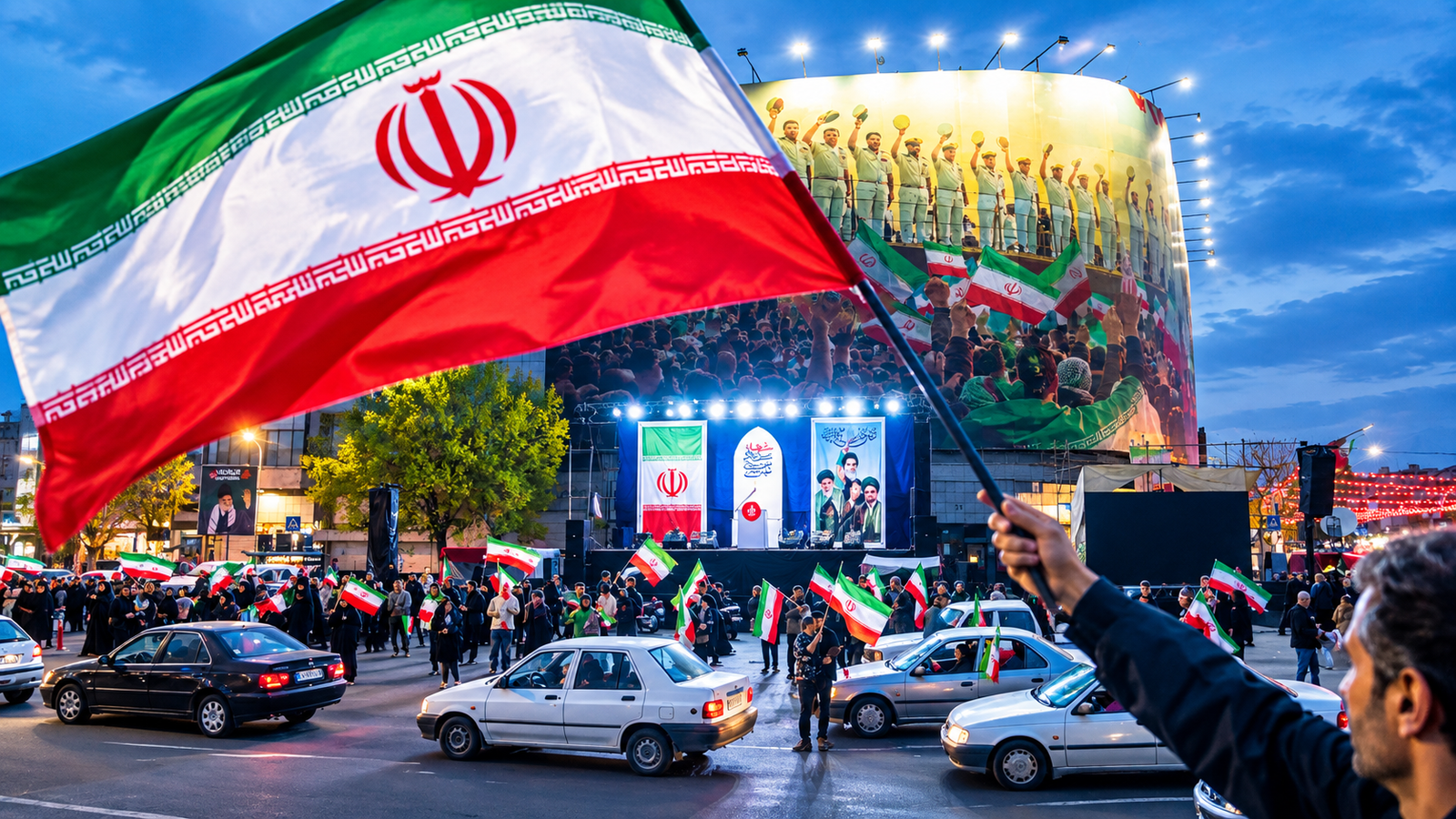
By Angel No Lie | KPD Online | September 22, 2026
NEW YORK — Tensions across the Middle East are casting a long shadow over the opening of the United Nations General Assembly, as world leaders gather in New York against the backdrop of continuing conflict involving Iran, Israel, Gaza, Lebanon and Yemen.
The high-level general debate of the 81st UN General Assembly opened on Tuesday, September 22, with heads of state and government arriving for a week of speeches, diplomatic meetings and negotiations. The UN says the high-level week runs from September 22 to 29, with the general debate scheduled for September 22–26 and September 28.

El mundo vive un caos, la prioridad debe ser defender el multilateralismo | Naciones Unidas en Colombia
Iran war dominates diplomatic agenda
The continuing conflict between the United States and Iran is among the most pressing issues confronting delegates.
U.S. President Donald Trump and Iranian President Masoud Pezeshkian are both attending the General Assembly, creating an opportunity for indirect diplomatic contacts even though the two leaders are not currently scheduled for a direct meeting. Reuters reports that Iranian officials have indicated that Tehran’s delegation has authority to revive negotiations, while Washington has also signaled openness to diplomacy.
The possibility of renewed negotiations comes as the dispute over the Strait of Hormuz remains a major regional concern. Iranian officials have linked reopening the strategic waterway to demands for reduced U.S. military pressure and the lifting of blockades on Iranian ports, according to Reuters.

Photo highlights from the 80th UN General Assembly in New York
Gaza and Israel-Palestinian conflict remain central
The war and humanitarian crisis in Gaza are also expected to feature prominently during the General Assembly.
The UN’s latest humanitarian reporting says civilians in Gaza continue to face widespread destruction, displacement, shortages of essential supplies and significant humanitarian needs. The organization has called for greater humanitarian access and continued implementation of a Gaza peace plan.
The Palestinian issue is also generating diplomatic controversy around this year’s gathering. Al-Monitor reported that the United States denied visas to Palestinian officials seeking to attend the summit, while Palestinian President Mahmoud Abbas is expected to address the General Assembly virtually.
Meanwhile, France, Britain and Canada are hosting a high-level meeting focused on advancing a two-state solution between Israel and the Palestinians.

Critical Military Strike Consequences Shape Security 2026

Нефть по $215. Новый кризис будет страшнее всех предыдущих: Иран изменит жизнь всей планеты – RuNews24.ru – 18.03.2026

IRAN-US-ISRAEL-WAR
Yemen and Gulf security add to concerns
The situation in Yemen is another major source of regional tension. Renewed fighting involving Houthi forces and Saudi-supported forces has added pressure to an already fragile security environment, while attacks and threats involving important maritime routes have raised concerns about regional trade and energy supplies.
Gulf Arab states are also seeking discussions with Washington over regional security. According to Reuters, Saudi Arabia is looking for renewed U.S. military support amid the conflict involving Iran and Houthi forces in Yemen.

ازدحام في مضيق هرمز.. مئات السفن تنتظر وواشنطن تطلب دعماً أوروبياً لتأمين الملاحة – [İLKHA] وكالة إيلكا للأنباء
Lebanon and wider regional instability
Israel’s conflict with Hezbollah in Lebanon is also among the regional issues expected to receive attention during the UN meetings. The Associated Press reported that the wars involving Iran, Yemen, Gaza and Lebanon are dominating discussions as leaders gather in New York.
The overlapping conflicts have created a diplomatic environment in which developments in one part of the region can quickly affect neighboring countries, maritime routes and international energy markets.

Destruction, displacement … The war in Lebanon in photos – L’Orient Today

Tensión en el mar Rojo: el buque mercante atacado por los hutíes frente a las costas de Yemen se está hundiendo – Infobae

UN-Hilfsgüter in Gaza: Plünderungen von Lastwagen und Lagerräumen
A critical moment for diplomacy
The gathering is taking place at a particularly difficult moment for the international system. Nearly 130 heads of state and government are expected in New York, according to Reuters, while the United Nations itself faces questions about its ability to manage major international crises.
UN Secretary-General António Guterres has repeatedly called for de-escalation in the Middle East and emphasized the need to protect civilians and maintain humanitarian access. In a September 16 briefing, he said de-escalation must be the priority and called for humanitarian operations to proceed safely.
The General Assembly therefore provides a major diplomatic platform for governments to present their positions while creating opportunities for private negotiations on the conflicts.
What to watch
Several developments will be closely watched during the UN meetings:
- U.S.-Iran diplomacy: Whether indirect contacts develop into renewed negotiations.
- Strait of Hormuz: Whether diplomatic efforts can reduce tensions surrounding the strategic shipping route.
- Gaza: Whether discussions produce progress on humanitarian access and the wider peace process.
- Israel-Palestinian diplomacy: Whether international efforts to advance a two-state framework gain momentum.
- Yemen and Gulf security: Whether regional governments can prevent further escalation and protect key maritime routes.
With the region facing several interconnected conflicts, this year’s General Assembly is becoming an important forum for both public confrontation and behind-the-scenes diplomacy. Whether those diplomatic efforts can translate into concrete steps toward de-escalation remains uncertain, but the presence of so many regional and global leaders provides an opportunity for negotiations at a time of heightened tensions.
Entertainment
Paramount Reaches Deal With 12 States, Removing Major Hurdle to Warner Bros. Acquisition

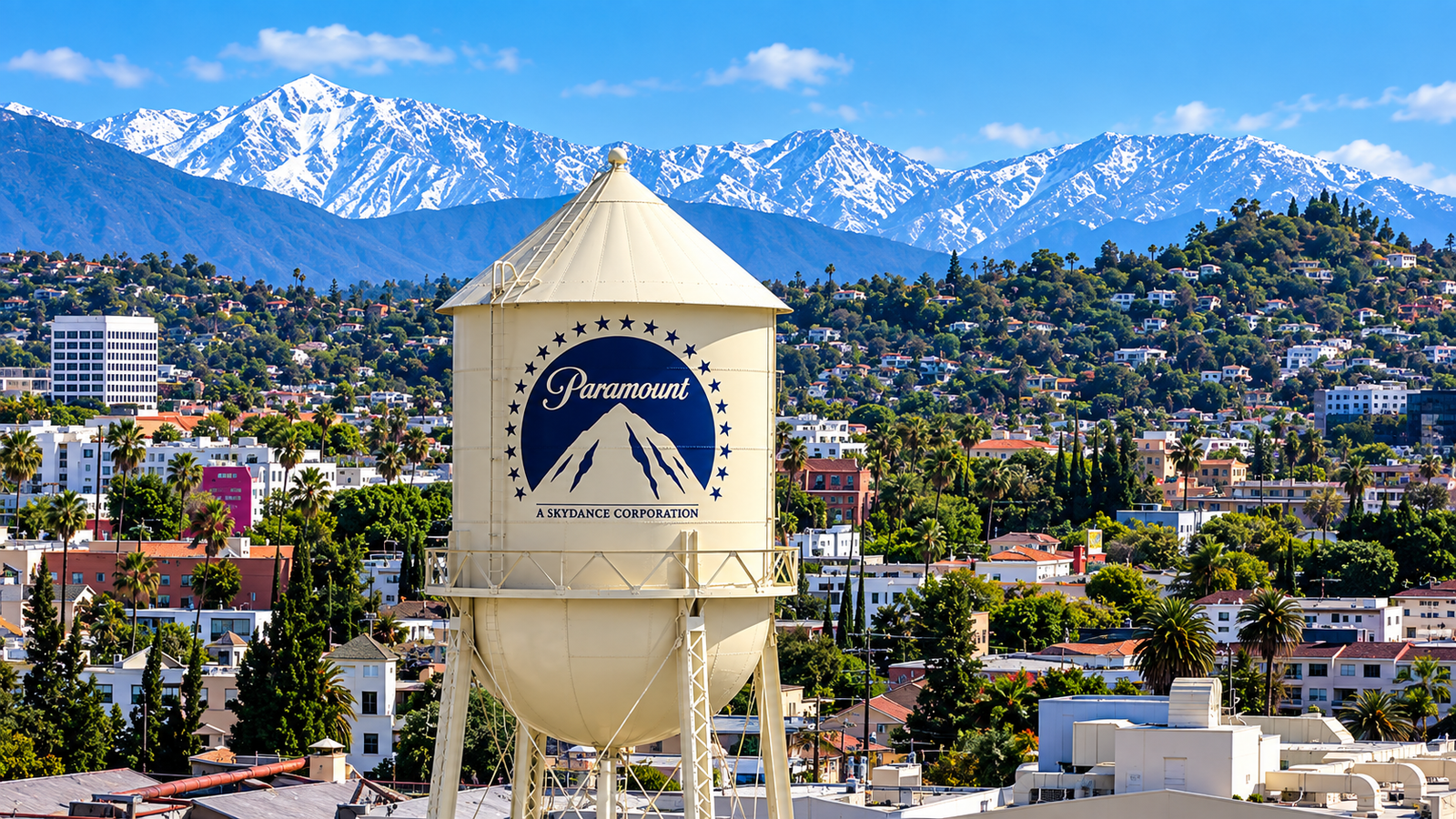
By Angel No Lie | KPD Online | September 22, 2026
LOS ANGELES — September 22, 2026 — Paramount Skydance has reached a settlement with California and 11 other U.S. states, resolving a major legal challenge to its proposed acquisition of Warner Bros. Discovery and clearing a key obstacle to the roughly $110 billion transaction.
The agreement ends an antitrust lawsuit filed in July by a coalition of state attorneys general. The states had argued that combining Paramount and Warner Bros. Discovery could reduce competition across movie production, television, streaming and cable markets.
Conditions attached to the settlement
Under the agreement, the combined company will face several court-enforceable commitments over a period of up to five years.
Among the most significant provisions is a requirement to maintain a minimum level of theatrical movie production. The company must release at least 30 films annually during the first two years, rising to 32 films a year for the following three years. Financial penalties can apply if the commitments are not met.
Paramount has also committed to spending an additional $300 million annually on domestic film production, representing at least $1.5 billion in additional investment over five years. The settlement also establishes a $47.5 million fund for workers affected by the transaction.
The agreement includes provisions concerning cable negotiations and establishes measures intended to protect editorial independence at CBS News and CNN, two major news organizations that would come under the same corporate ownership following the transaction.
A major change for Hollywood
If completed, the acquisition would combine Paramount and Warner Bros. Discovery’s extensive entertainment operations, including the Paramount and Warner Bros. film studios, CBS and CNN, and streaming services Paramount+ and HBO Max.
The Justice Department had previously cleared the transaction, while the lawsuit by the 12 states became a significant remaining obstacle. The settlement is subject to court approval.
California Attorney General Rob Bonta, whose office led the states’ legal challenge, said the settlement should not be interpreted as an endorsement of the merger. The states had originally sought to prevent the transaction, arguing that it could affect competition and consumers.
Paramount CEO David Ellison has described the merger as beneficial to consumers and the entertainment industry. The company is now moving toward completion of the acquisition, although the settlement’s court approval remains an important procedural step.
The proposed transaction would mark one of the largest consolidations in the modern U.S. entertainment industry, bringing two major Hollywood studios and their television, streaming and news operations under a single corporate structure.

From Seaman to Highlife King: The Remarkable Life of C.K. Mann

Don’t Expect Concerts When People Can’t Afford Food – Rex Omar on Black Star Experience

Socrate Safo Warns Against Partisan Politics in Ghana’s Creative Industry



-

 General News1 week ago
GTA’s Financial Strength Weakens Despite 2025 Tourism Activities
-

 General News1 week ago
GTA Cash Reserves Halve to GH¢640,000 Despite Improved Liquidity Ratio
-

 Entertainment2 weeks ago
Keche Supports Street Vendor with GH¢3,000 After She Struggles to Make Sales
-
 General News2 weeks ago
TVET is not for the academically weak – Advocate calls for change in Ghana’s mindset
-
 General News1 week ago
Creative Arts Agency Records GH¢2.01m Revenue in FY2025 Despite Financial Reporting Gaps
-
 Business2 weeks ago
Bank Profits Slide to GH¢7.1bn as Low Interest Rates Squeeze Earnings
-

 General News2 weeks ago
Police Launch Manhunt for Missing Assin Fosu Man as Captors Demand GH¢49,500 Ransom
-

 Culinary1 week ago
Oranges: More Than Just Juice — The Nutritious Fruit Adding Flavour to Ghanaian Life