
Politics
From Bamba’s Shock Win to JFK’s Landslide: 5 Biggest Surprises From NPP’s 2026 Elections

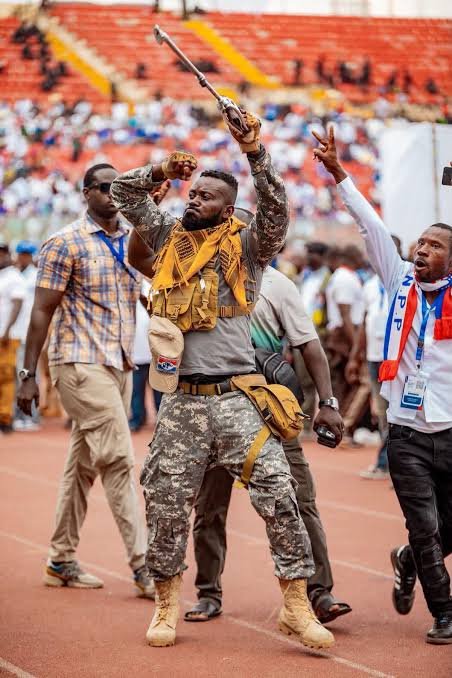
The New Patriotic Party’s (NPP) 2026 national elections produced several unexpected outcomes, as delegates handed victory to some candidates who defied predictions while delivering commanding wins for others.
From Kojo ‘Bamba’ Fosu Boadu’s stunning victory in the First Vice Chairman race to John Kwame Fordjour’s overwhelming performance, the elections provided plenty of talking points.
Here are five of the biggest surprises from the contest:
1. Kojo ‘Bamba’ Pulls Off the Biggest Upset
Perhaps the biggest surprise of the elections was Kojo ‘Bamba’ Fosu Boadu’s emergence as First National Vice Chairman.
Bamba entered a crowded race featuring 13 contestants and faced several better-known party figures.
Despite the stiff competition, he secured the support needed to emerge victorious, defeating established names and demonstrating the power of grassroots mobilisation.
His victory was one of the clearest indications that the delegates were prepared to defy expectations and reward candidates they believed could connect with the party’s grassroots.
2. JFK’s Landslide Victory
Another striking development was the emphatic victory of John Kwame Fordjour (JFK).
Rather than scraping through a closely contested race, Fordjour secured a commanding victory, demonstrating substantial support among delegates.
The scale of the win made it one of the most decisive outcomes of the elections and immediately positioned him as one of the prominent figures in the party’s new leadership structure.
3. Big Names Forced to Settle for Defeat
The elections also produced disappointment for several candidates who entered the contest with considerable political experience and strong public profiles.
Some established figures failed to secure the positions they were seeking, highlighting the unpredictable nature of internal party elections.
The results demonstrated that name recognition alone was not enough to guarantee victory.
4. The Grassroots Had Their Say
Perhaps the broader surprise was the extent to which grassroots considerations appeared to influence the outcome.
Several successful candidates campaigned heavily on messages centred on rebuilding the party from the polling-station level, empowering party activists and reconnecting leadership with ordinary members.
The results suggest that delegates were paying close attention to candidates who presented themselves as accessible and committed to strengthening the party’s base.
5. A New Leadership Era Begins
The election of John Boadu as National Chairman, alongside the new team of national executives, represents another major turning point for the NPP.
The new leadership inherits a party facing the difficult task of rebuilding after its defeat in the 2024 general election and preparing for the 2028 contest.
The unexpected victories recorded at the conference could also influence the party’s direction in the coming years, particularly if the new executives succeed in turning their campaign promises into organisational reforms.
The Bigger Picture
The NPP’s 2026 elections were more than a routine change of executives.
They exposed shifting alliances, rewarded some unexpected candidates and demonstrated that internal party politics can be just as unpredictable as national elections.
From Bamba’s surprise triumph to JFK’s emphatic victory, the message from the delegates was unmistakable: the NPP’s new leadership has been given a fresh mandate — and the real test now begins.


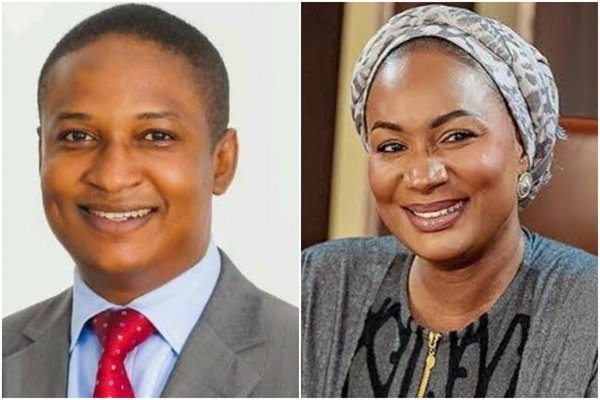
Ghana’s fiercely competitive political landscape has produced some intriguing family dynamics, with brothers and sisters sometimes finding themselves on opposite sides of the country’s two dominant political parties — the New Patriotic Party (NPP) and the National Democratic Congress (NDC).
Despite sharing the same parents and family ties, some siblings have chosen different political paths, turning their families into miniature versions of Ghana’s wider political divide.
The Abanga Twins
Among the notable examples are the Abanga twins, whose political affiliations have placed them on different sides of Ghana’s political divide.
While their political differences may generate attention during election seasons, the rivalry remains largely political, demonstrating that ideological and partisan disagreements do not necessarily erase family bonds.
Their story has become one of the interesting examples of how Ghanaian politics can extend into families.
The Jinapor Brothers
Another prominent example is the Jinapor family, which has produced political figures associated with different political camps.
The brothers have attracted considerable attention because of their involvement in Ghanaian politics and public affairs, with their respective political positions sometimes placing them on opposite sides of the NPP-NDC divide.
Their relationship demonstrates how political competition can create unusual situations in which close relatives may campaign, debate and defend completely different political positions.
Yet, beyond the political battlefield, they remain family.
When Politics Meets Family
Ghana’s multiparty democracy has produced several instances of relatives supporting different political parties.
For some families, political differences can lead to intense public exchanges, particularly when the individuals involved hold influential positions. For others, the disagreement remains a matter of political choice that does not interfere with family relationships.
The phenomenon also highlights an important feature of Ghanaian democracy: political affiliation is not necessarily inherited within a family.
Two siblings can grow up under the same roof, receive similar upbringing and still develop completely different political beliefs.
NPP vs NDC: A Family Affair?
The rivalry between the NPP and NDC has dominated Ghana’s Fourth Republic, with supporters of both parties often engaging in fierce political debates.
That rivalry sometimes extends into households, workplaces and even extended families.
But the stories of politically divided siblings also offer a reminder that political disagreement does not have to mean personal hostility.
At the end of the day, the ballot box may divide siblings politically — but family ties can remain stronger than party colours.
From the Abanga twins to the Jinapor brothers, these political families provide a fascinating glimpse into how Ghana’s two-party rivalry plays out not only in Parliament and on campaign platforms, but sometimes right inside the family home.

Elections Watch Ghana has congratulated the New Patriotic Party (NPP) on the successful conduct of its delegates’ election but has raised concerns over the cost of internal party elections, security deployment, women’s representation and the growing influence of money in determining electoral outcomes.
In its report on the NPP delegates’ election in October 2026, Elections Watch Ghana described the exercise as an important component of Ghana’s democratic process and said it demonstrated the party’s continued commitment to internal democracy, participation and the strengthening of political institutions.
The organisation congratulated all successful candidates and urged them to approach their new responsibilities with integrity, inclusiveness and accountability.
According to the report, elected executives have a responsibility not only to serve the interests of the NPP but also to contribute positively to the development and consolidation of Ghana’s democracy.
Elections Watch Ghana commended the Electoral Commission (EC) for what it described as the professional management of the electoral process.
It noted that the apparent reduction of errors to a minimum was encouraging and demonstrated the importance of continued investment in efficient electoral administration, adequate preparation and proper procedures.
The security agencies were also praised for maintaining peace and order throughout the exercise.
However, the organisation expressed concern about the deployment of more than 3,000 police officers for what was an internal party election.
While acknowledging that election security remains important, Elections Watch Ghana questioned the long-term sustainability and cost of deploying such a large number of police personnel for a single internal party contest.
It called for continuous assessment and refinement of security arrangements to ensure that they remain proportionate, efficient and sustainable.
The organisation further called for greater emphasis on election-related education for citizens, delegates, candidates and other stakeholders.
It also urged authorities to strengthen specialised electoral monitoring and election-security training for security personnel so that officers assigned to electoral duties would better understand the specific requirements of democratic elections.
Another major concern highlighted in the report was the representation of women in the NPP’s leadership.
Elections Watch Ghana noted that only one woman was among the elected executives, raising concerns about the level of women’s representation in political leadership.
The organisation said if Ghana is to achieve meaningful inclusion in political governance, deliberate efforts must be made to create greater opportunities for women to participate in decision-making at all levels.
It therefore encouraged the NPP to consider gender balance and inclusiveness in future appointments and leadership opportunities.
Elections Watch Ghana stressed that greater representation of women should not be viewed merely as a numbers game but as an essential part of building a political system that reflects the diversity, experiences and aspirations of Ghanaians.
The report also raised concerns about the increasing cost of internal party elections.
According to Elections Watch Ghana, expenses relating to transportation, feeding, accommodation and other logistical arrangements can place significant financial pressure on candidates.
It warned that such financial burdens could create an environment where a candidate’s financial capacity becomes an important factor in determining electoral success.
The organisation proposed that political parties consider mechanisms through which the basic logistical needs of accredited delegates could be centrally organised and financed by the party.
This, it said, would prevent individual aspirants from having to shoulder the cost of transporting, feeding or accommodating delegates.
Elections Watch Ghana believes such reforms could help create a more level playing field and reduce the influence of money in internal party contests.
The report further expressed concern over what it described as an increasing emphasis on candidates perceived to be politically aggressive, influential or financially capable.
It argued that greater attention should instead be given to candidates who present clear and innovative ideas for advancing the party and the country.
According to Elections Watch Ghana, political leadership should ultimately be based on vision, competence, character, service and the ability to develop and implement policies that improve the lives of citizens.
The organisation therefore urged delegates to look beyond popularity, personal influence, political connections and financial strength when choosing leaders.
It called on delegates to carefully assess the ideas, proposals, track records, integrity, leadership abilities and commitment of candidates before voting.
It warned that the quality of leadership produced through internal party elections can have consequences extending beyond the political party itself.
Elections Watch Ghana said the NPP delegates’ election serves as a reminder that the strength of Ghana’s democracy depends not only on national elections but also on the quality of democracy practised within political parties.
The organisation commended the NPP, the Electoral Commission, security agencies, candidates, delegates and other stakeholders who contributed to the peaceful conduct of the election.
At the same time, it said the exercise presented an opportunity to reflect on areas requiring improvement, particularly the cost of internal elections, the influence of money, gender representation, electoral education, security arrangements, and the need to place ideas and competence at the centre of political leadership selection.
Elections Watch Ghana concluded that responsibility for building a better political system rests with all stakeholders, stressing that every delegate has the power to influence the direction of a political party and, by extension, the future of the country.
Politics
“Political Victory Is Never an Entitlement” — John Boadu Pledges Humble Leadership as New NPP Chairman
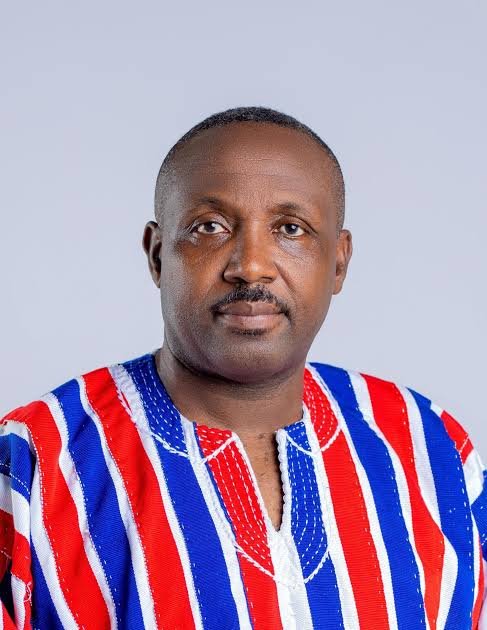
Newly elected New Patriotic Party (NPP) National Chairman John Boadu has pledged to lead the party with humility, discipline and a strong sense of responsibility, warning that political success should never be taken for granted.
Speaking after his election as the party’s new National Chairman, Boadu acknowledged the confidence placed in him by delegates and promised to work with all members of the party to strengthen the NPP ahead of the 2028 general elections.
“Victory Is Never an Entitlement”
Boadu stressed that political victories are earned through hard work and should not be treated as an automatic right.
His comments come at a critical moment for the NPP as the party seeks to reorganise its structures, rebuild its grassroots base and regain the confidence of voters following its defeat in the 2024 general elections.
The newly elected chairman said the responsibility entrusted to him requires humility and collective effort rather than personal ambition.
A Call for Unity
Boadu is expected to work closely with the newly elected national executives as the party begins preparations for the next electoral cycle.
He has indicated that unity will be central to his leadership, with the party needing to bring together its various factions and strengthen cooperation between the national leadership, regional executives, constituency structures and grassroots members.
The chairman’s message is particularly significant given the intense competition that characterised the party’s recent internal elections.
Focus on the Grassroots
Under Boadu’s leadership, attention is expected to shift towards strengthening the party’s grassroots structures and ensuring that members feel adequately represented within the organisation.
The NPP has also faced calls from its supporters for reforms aimed at improving internal communication, strengthening party organisation and reconnecting with voters across the country.
Boadu’s leadership will therefore be closely watched as the party attempts to transform its internal reorganisation into an effective strategy for the 2028 elections.
“We Have Work to Do”
The new chairman’s humility-focused message signals an awareness that winning an internal party election is only the beginning.
With the NPP aiming to return to power, Boadu and his team face the difficult task of rebuilding trust, maintaining unity and developing a campaign structure capable of competing effectively nationwide.
For the newly elected chairman, the message is clear: political victory is not an entitlement — it is something that must be earned, protected and renewed through hard work.
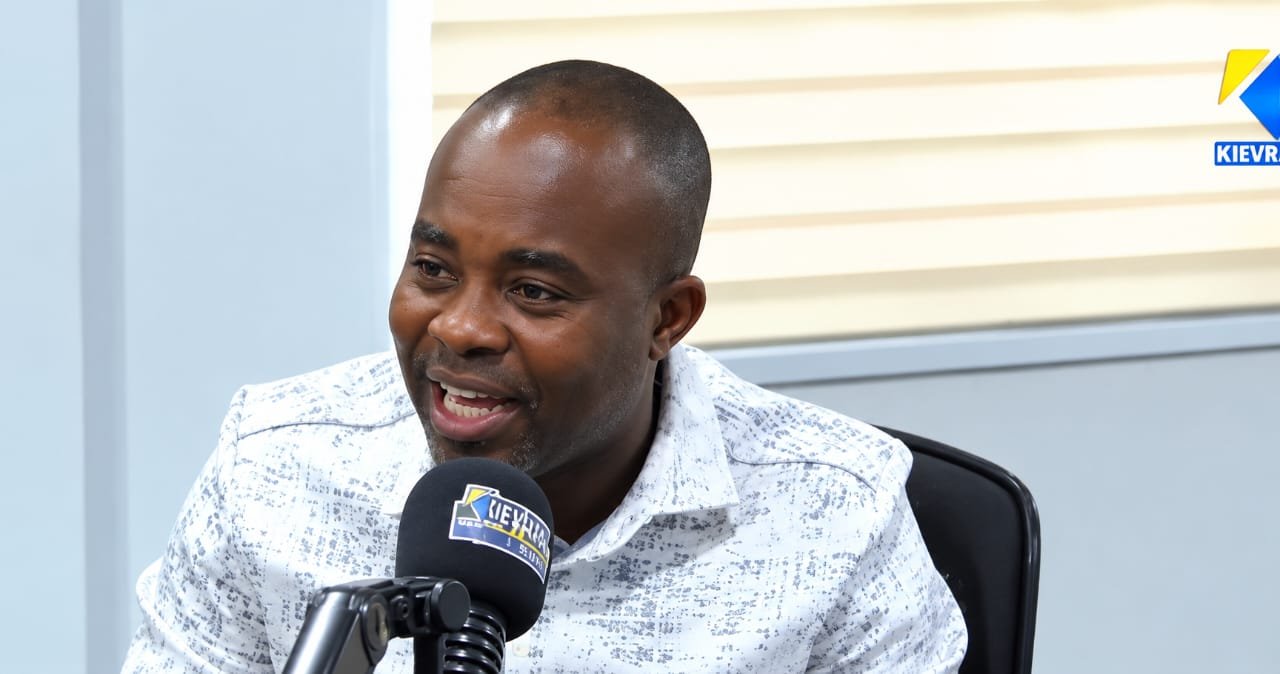
The African University of Communication and Business (AUCB) Lecturer Peter Wonder has warned that Ghana risks serious damage to its international reputation and economy if authorities fail to decisively tackle the growing concerns surrounding narcotics trafficking and expose those behind the trade.
Commenting on the recent controversy over Ghana-linked narcotics seizures on Kessben Maakye show in Accra, Wonder argued that drug trafficking networks operate through several channels before consignments reach their final destinations, making the identification of the main actors difficult.
He expressed concern about how large quantities of illicit drugs could allegedly pass through the country without being detected by security agencies, describing the situation as a major national security concern.
“If all our security agencies couldn’t notice the quantity of cocaine in our ports before it was transferred, then we are sitting on a time bomb,” he cautioned.
Wonder further argued that narcotics networks could have links with influential individuals, making investigations complicated. He stressed, however, that such claims must be properly investigated and proven rather than assumed.
His comments come amid a political dispute over the Minority’s attempt to establish an ad hoc parliamentary committee to investigate major narcotics consignments linked to Ghana.
Moreover he disclosed that, Speaker Alban Bagbin ruled the motion inadmissible on September 29, saying its scope substantially overlapped with ongoing investigations and judicial proceedings and could prejudice those cases. He clarified that his ruling did not mean Parliament could never inquire into the matter.
He also was in support of the speaker’s ruling adding that most Parliament Arian are inter-related and that can compromise their findings.
The Minority has disagreed with the ruling, maintaining that Parliament should still be able to examine institutional and systemic issues surrounding border security and anti-narcotics enforcement without determining criminal liability.
Wonder urged authorities to pursue the individuals and networks behind narcotics trafficking, warning that failure to act could damage Ghana’s international image and potentially threaten key economic interests, including cocoa exports.
By Maurice Otoo
Politics
Parliament Is Dragging Ghana Down — Charles McCarthy Backs Bagbin’s Rejection of Narcotics Probe

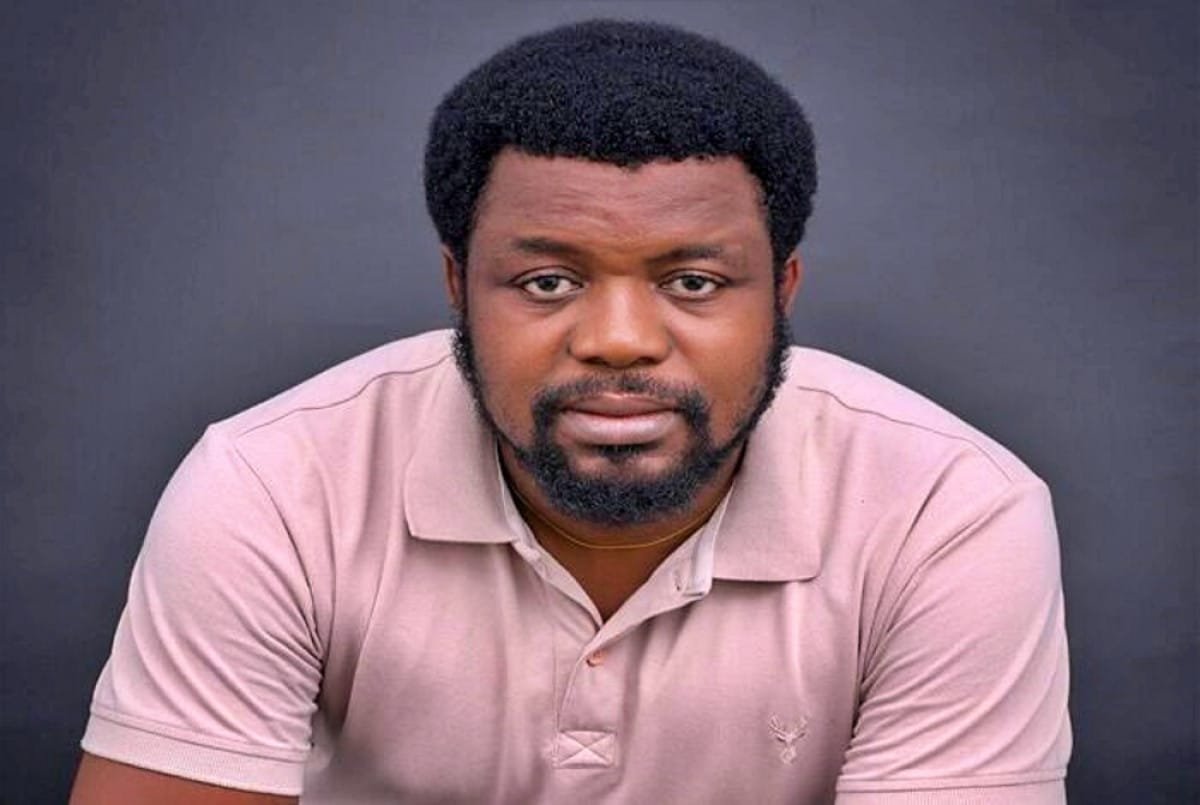
Managing Editor of Hawk Newspaper, Charles McCarthy, has backed Speaker of Parliament Alban Bagbin’s decision to reject the Minority’s motion seeking a bipartisan parliamentary inquiry into recent major narcotics seizures linked to Ghana.
Speaking of the controversy at Kessben Maakye show in Accra, McCarthy argued that Parliament has become overly consumed by partisan interests while other pressing national problems receive insufficient attention.
He questioned why issues such as the absence of regional hospitals in the six newly created regions by the previous administration, illegal mining and its effects on health and arable land do not generate the same urgency.
Speaker Bagbin ruled the Minority’s motion inadmissible during Parliament’s emergency sitting on September 29, citing its substantial overlap with ongoing investigations and pending criminal proceedings. Parliament’s official account says the Speaker considered both Parliament’s oversight responsibilities and the risk that the proposed inquiry could touch on matters for determination by the court.
McCarthy also questioned the effectiveness of bipartisan parliamentary committees since fifth Parliament arguing that previous inquiries have often failed to produce meaningful outcomes.
He further challenged lawmakers to give similar attention to illegal mining and other issues he considers urgent national priorities.
McCarthy also criticised what he described as inconsistency in Parliament’s handling of conduct within the House, while maintaining that the Speaker was right to reject the narcotics probe in its current form.
McCarthy therefore challenged all interest parties to conduct a comparitive analysis on narcotics that passes through our ports and galamsey menace and tell us which one deserves attention.
He concluded by insisting that, the Parliament is a crime scene and every bipartisan committee is a cover up.

Ghana, Korea explore deeper cultural, tourism and creative ties

DBlack Reveals He and EL Once Dated the Same Woman Without Knowing

From Bamba’s Shock Win to JFK’s Landslide: 5 Biggest Surprises From NPP’s 2026 Elections



-

 General News2 weeks ago
Free Speech, False Publication and Presidential Criticism in Ghana: Where Does the Law Draw the Line?
-
 General News2 weeks ago
Rev. Dr. Christian Kwetey Kweitsu Set for International Recognition at 100 Most Influential Persons Awards in Kigali
-
 General News6 days ago
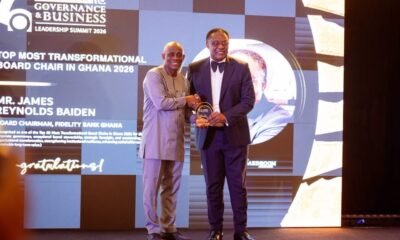
Fidelity Bank Chairman Named Ghana’s Topmost Transformational Board Chair 2026
-
 General News2 weeks ago
Don’t Expect Concerts When People Can’t Afford Food – Rex Omar on Black Star Experience
-

 Entertainment2 weeks ago
Can’t Anything Good Come Out of Ghana? – Ras Caleb Appiah-Levi Fires Back at Critics
-
 Entertainment1 week ago
Ras Caleb assesses institutions under the Tourism Ministry, highlighting key roles.
-
 Entertainment1 week ago
Ras Caleb Appiah-Levi: The musician, Pan-Africanist and organiser whose career spans four decades
-

 Entertainment2 weeks ago
Kojo Preko Dankwa calls for investigation into GTA’s World Cup visa affairs