
Lifestyle
The Online Authenticity Paradox: Bridging the Gap Between Your Digital Persona and Your True Self for Better Mental Health


The digital environment is arguably the single most influential factor shaping modern social and psychological life. While platforms offer unparalleled opportunities for connection, they simultaneously introduce a novel psychological challenge: the pressure of maintaining a curated, idealized “digital persona.” This challenge has led to the Online Authenticity Paradox: the desire to be “true to oneself” online is often thwarted by the platform’s social and algorithmic incentives to present a positive, consistent, and flawless image. Bridging the resulting gap between the online facade and the offline self is essential for mental well being.
The Psychological Costs of Idealized Self Presentation
Authenticity, at its core, is the alignment of one’s actions, values, and feelings. When this alignment is lost in the digital sphere, it triggers significant psychological distress.
1. Cognitive Dissonance and Self Alienation
The act of curating a perfect online life that deviates from reality creates a state of cognitive dissonance—the mental discomfort experienced when conflicting beliefs or actions collide.
• Mental Strain: Upholding this facade requires constant self-monitoring and consumes significant cognitive resources, leading to anxiety, exhaustion, and a diminished sense of self-coherence.
• The Incongruence Trap: Psychologically, well-being is enhanced when actions and beliefs are congruent. When a person constantly acts against their genuine feelings to maintain an image, they enter a state of incongruence, manifesting as chronic anxiety and feeling alienated from their true internal compass.
2. The Culture of Comparison and Validation Seeking
Digital platforms are inherently designed to foster evaluation and social comparison.
• The Highlight Reel Effect: Constant exposure to the carefully edited “highlight reels” of others’ lives their vacations, career successes, and perfect relationships inevitably leads to negative upward social comparison. This fuels feelings of inadequacy, envy, and the pervasive Fear of Missing Out (FOMO), all of which are significant contributors to anxiety and depression.
• External Validation Addiction: The pursuit of “likes,” positive comments, and shares shifts the focus from intrinsic satisfaction (sharing genuinely) to external approval. This creates an addictive cycle driven by dopamine hits, conditioning the individual to rely on outside metrics to define their self worth, which ultimately diminishes genuine self esteem and resilience.
3. The Digital Authenticity Paradox
Research shows that most users understand the value of authenticity and want to be genuine online. However, they struggle because:
• Negative Experience Bias: Being truly authentic requires sharing negative, painful, or complex experiences (such as life transitions, grief, or failure). Many fear that sharing this vulnerability will lead to negative social feedback, invalidation, or criticism.
• Platform Pressure: Algorithms often favor consistent, high energy, positive content, implicitly discouraging messy reality. The desire to “succeed” on the platform often overrides the desire for genuine self-expression.
Strategies for Cultivating Digital Well-being and Authenticity
Reclaiming authenticity requires intentional, mindful use of digital tools to ensure they enhance life rather than deplete it.
I. Mindfulness and Boundaries
• Audience Curation: Consciously audit your feed. Unfollow accounts that consistently trigger feelings of inadequacy, envy, or comparison. Prioritize accounts that are genuinely supportive, informative, or model vulnerability.
• Use Screen Time Tracking: Monitor digital consumption and set realistic limits. The goal is to be aware of how technology is serving you, rather than how you are serving it.
• Digital Detox: Schedule dedicated, device-free offline time each week to nurture face-to-face relationships and engage in activities that foster “low stakes flow states” activities that require sustained focus and bring pleasure, such as reading, creating, or deep conversation.
II. Intentional Self Presentation
• Align Values with Sharing: Before posting, ask: Am I sharing this because it reflects my true values and self, or because I believe it will get external validation? Shift from performance based posting to purpose based sharing.
• Embrace Vulnerability (Selectively): When sharing, allow for complexity. Vulnerability, shared in a healthy, safe community, is the cornerstone of deeper, more meaningful connection, providing a sense of genuine social verification for the real self, rather than a curated one.
• Recognize the Dual Nature of Connection: Understand that superficial interactions based on curated images lack the emotional depth necessary for true well being. Prioritize face-to-face interactions, which research shows provide unique benefits for emotional bonding that digital communication cannot fully replicate.
Digital tools are a double edged sword. When used mindfully, they can enhance connection and access to support. When used passively or performatively, they lead to internal conflict, comparison, and a fractured sense of self. The path to well-being in the modern world lies in finding the congruence between the person you are and the persona you project.





Across Ghana, the rising toll of road accidents and fire outbreaks has moved beyond occasional headlines to become a pressing national concern. These crises do not merely affect numbers on a page; they affect real people. Mothers burying children, families watching homes engulfed in flames, entire livelihoods erased in moments of chaos.
According to recent reports from the National Road Safety Authority, almost 2,000 people lost their lives in road accidents from January to August 2025, with over 10,000 others injured and thousands more vehicles involved in collisions. Speeding, reckless behaviour, and gaps in enforcement all contribute to these staggering figures, painting a stark picture of lives cut short and futures disrupted.
Motorcycle accidents, particularly involving “okada” riders and passengers, continue to claim lives at an alarming rate. The Ghana Institution of Engineering reported that road crashes killed an average of 10 people every single day, illustrating just how deep this issue has become.
Even within the nation’s formal statistics, there are regional differences that underscore the scale of the challenge. The Ashanti Region alone has recorded tens of thousands of road crashes over recent years, with fatalities numbering in the thousands.
At the same time, fire outbreaks are destroying homes and businesses across the country at an alarming pace. The Ghana National Fire Service recorded more than 5,500 fire incidents by late 2024, a figure that reflects a growing trend rather than a one‑off spike. These included domestic fires, industrial fires, electrical faults, and other emergencies that broke out in every corner of the nation.
Even more concerning are the economic and human costs that accompany these disasters. In the first half of 2025 alone, the financial toll of fire outbreaks was estimated at over GH¢188 million in losses, with hundreds of lives lost and thousands more affected by injuries and property damage.
Positioned against these harsh realities is the urgent need for systemic solutions. A causal thread runs through much of this suffering: weak enforcement, inadequate infrastructure, and public unpreparedness. There are practical steps that can make a difference. On the roads, consistent traffic enforcement, effective driver education, safer road design, proper vehicle inspection regimes, and swift emergency response can all help reduce fatalities. Citizens must respect speed limits, avoid risky driving practices, and make every journey a safety‑first decision.
Fire safety requires equal diligence. Basic precautions such as installing fire alarms, ensuring safe electrical wiring, proper storage of flammable materials, and community fire education can stop many outbreaks before they spread. Mobile and accessible firefighting resources, stronger building regulations, and routine inspections of public and private spaces would further strengthen prevention.
Beyond structural and policy changes, there is a moral and spiritual dimension to these crises. Each life lost serves as a painful reminder of the fragility of human existence. Valuing life should be more than a phrase; it should inform how drivers treat fellow commuters, how families prepare their homes, and how leaders prioritise safety over convenience.
This is not an issue for the government alone, nor is it something the public can solve by itself. Genuine progress demands collaboration — government, communities, and individuals working together with urgency and accountability. Safety must be treated as an everyday responsibility, not a reactive response after tragedy strikes.
Ghana’s strength is measured not only by its growth but by how it protects its people. Lives are precious, and the cost of letting these twin crises go unaddressed is far too high.

Samuel Yao Atidzah, Executive Director of the GOSANET Foundation, has called on Ghanaians to take proactive steps in knowing their HIV status, emphasizing that “HIV does not define a person, but dignity, respect, and love do.”
Speaking in a statement shared with the Ghana News Agency in Ho, Mr. Atidzah urged the public to reject discrimination against people living with HIV. His remarks coincided with the observance of Zero Discrimination Day, marked annually on March 1 by the United Nations and partner organizations to promote equality, inclusion, and peace for all, regardless of age, gender, race, or sexual orientation.
This year’s theme, “People first: Standing united for dignity, equality and inclusion,” highlights the importance of ending laws and actions that perpetuate stigma around HIV/AIDS.
Mr. Atidzah encouraged communities to support inclusion and stand with People Living with HIV, stressing that collective action is vital to protecting their rights and well-being. He also highlighted the use of HIV self-testing kits, describing them as “private, confidential, safe, and empowering,” and urged individuals to take control of their health as a demonstration of strength rather than shame.
“I urge all and sundry to get tested, know your status, protect yourself and protect others,” he said, reinforcing the importance of awareness and solidarity in combating HIV-related stigma.
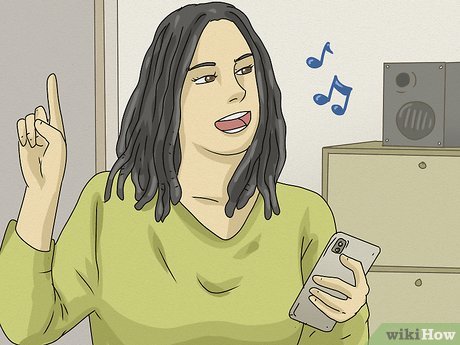
Most stress comes from one habit: taking everything personally.
A delayed reply becomes rejection.
A tone shift becomes judgment.
A disagreement becomes a reflection of your worth.
But the truth is, most people are reacting to their own worlds their fears, pressures, and limitations. Not you.
When you take life less personally, you gain space. Space to respond instead of react. Space to observe instead of internalize. Space to move through situations without carrying unnecessary emotional weight.
This doesn’t mean indifference. It means discernment.
You learn what deserves your energy and what doesn’t. You stop assigning meaning where there is none. You protect your peace by understanding that not everything is about you and that’s a relief.
Freedom begins when you stop turning every moment into a verdict on yourself.

Ligal Baby Wins Big at Atinka Kids Dance Season 4 Grand Finale

Government reveals 76.4 Million Ghana cedis to back Black Stars World Cup campaign

2026 FIFA World Cup: Thomas Partey ruled out of Ghana group opener after denial of Canadian Visa



-

 Sports1 week ago
GFA Boss Kurt Okraku Rejects National Team Players Selection Interference allegations
-
 Politics2 weeks ago
Abronye DC Remanded Into Custody After Court Rejects Bid to Vary Bail Conditions
-

 Sports2 weeks ago
IFAB Approves Major Rule Changes Ahead of 2026 FIFA World Cup
-

 General News2 weeks ago
Sam George Pushes Mandatory National ID Verification for Access to Adult Websites
-

 Sports2 weeks ago
2026 FIFA World Cup: Ivory Coast defeats France in Pre-World Cup Friendly
-

 Culture2 weeks ago
Christian Council Backs Mahama’s Decision to Review Anti-LGBTQ+ Bill
-

 Sports1 week ago
2026 FIFA World Cup: Ghana group opponent England defeats New Zealand in a warm up Friendly
-

 Sports2 weeks ago
2026 FIFA World Cup: Ghana group opponent Panama beats Dominican Republic in last friendly ahead of the tournament