
Entertainment
I Wouldn’t Have Married Simi – Adekunle Gold Opens Up on Genotype

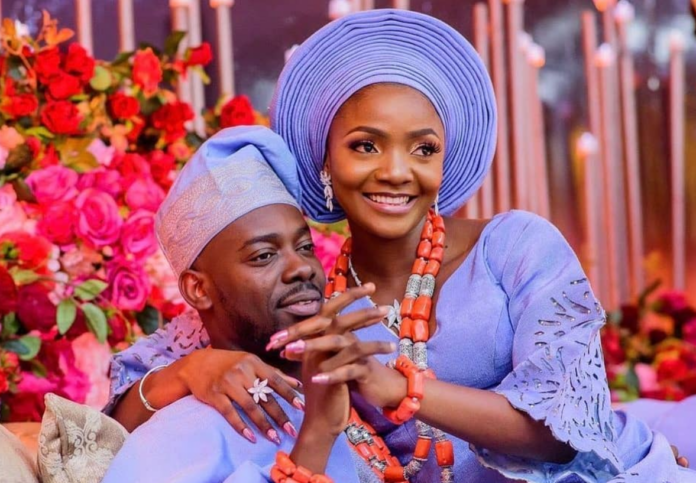
Nigerian singer Adekunle Gold has disclosed that genotype compatibility was one of the major considerations before he married his wife, singer Simi.
Speaking on the One 54 podcast, Adekunle Gold stressed the importance of knowing one’s genotype before entering a serious relationship or making decisions about having children.
The singer, who has spoken openly about his personal experiences with sickle cell disease, said he and Simi took genotype tests when they first met to establish whether they were medically compatible.
According to him, the test showed that Simi is AA, a result he said gave them confidence about their compatibility as they pursued their relationship.
“There is so much awareness to be done, and that is what we do. People need to understand that if you have sickle cell, forget about love; you can’t be with someone with sickle cell too. It makes no sense to bring a child into the world who will be sickly,” he said.
When asked what he would have done if Simi had been SS, Adekunle Gold said he would not have proceeded with the marriage.
“There’s no way I would have married my wife Simi if she was sickle cell. The first thing we did when we met was a genotype test to know if we matched. If we didn’t, I wouldn’t have married her. She is AA,” he stated.
The singer further disclosed that he would also not have married Simi if she had been AS, citing his concerns about the possibility of their children inheriting sickle cell disease.
“I wouldn’t have married my wife Simi if she were SS or AS. She’s AA. I don’t think it makes sense to bring a child into this world and make them go through all that,” he added.
Adekunle Gold has previously shared details about the sickle cell crises he experienced while growing up, including periods when his condition was severe enough to make him uncertain about living into adulthood.
His personal experiences, he explained, have shaped the way he views genotype compatibility, relationships and decisions about starting a family.
He also emphasised the need for greater public education on genotype testing, particularly among young people who are entering relationships and considering marriage.
Source:NaijaNews.com
Entertainment
“State Facts, Don’t Lie” – Angel Town Fires Back at Stonebwoy with WhatsApp Screenshots

The ongoing public dispute between Ghanaian rapper Sarkodie and dancehall musician Stonebwoy has taken another turn after Sarkodie’s manager, Angel Town, released screenshots of a private WhatsApp conversation involving Stonebwoy’s manager, Chief Stylzz.
Angel Town released the screenshots after Stonebwoy mentioned his name in a series of social media posts addressing Sarkodie and the issues surrounding their long-running disagreement.
The latest development has sparked further discussion about the relationship between the two artistes and, in particular, who initiated discussions about a possible joint appearance involving Sarkodie and Stonebwoy.
Stonebwoy, in his response to Sarkodie, sought to clarify his position on the issue of collaborations and joint performances.
The dancehall musician maintained that he was not the one pursuing a collaboration with Sarkodie and argued that Sarkodie’s camp had previously been the side reaching out to his team.
Stonebwoy questioned why he would be expected to owe Sarkodie anything when, according to his account, Sarkodie had been the one making contact.
“What could you possibly owe me? When you’re the one who calls me as you have clearly indicated,” Stonebwoy wrote.
Stonebwoy also brought up his 2025 BHIMFest concert at the Accra Sports Stadium, explaining that there had previously been communication between the two camps about Sarkodie and his team appearing at the event.
The 2025 edition of BHIMFest was held at the Accra Sports Stadium on December 24, with Stonebwoy headlining the 10th edition of the festival. His team described the event as a major milestone after the concert drew a large crowd to the stadium.
According to Stonebwoy, Angel Town had contacted his manager, Chief Stylzz, about Sarkodie’s team coming to the event.
Stonebwoy said he did not object to the idea because, in his view, performing on the same stage had never been a problem between them.
“Doing shows together has never been a problem irrespective of who called. My last BHIMFEST at the stadium, Angel called chief that y’all wanted to come through I didn’t disagree,” Stonebwoy said.
His comments were intended to emphasise that he had no objection to performing alongside Sarkodie and that the issue was not about whether the two artistes could share a stage.
Following Stonebwoy’s comments, Angel Town publicly responded after his name was directly mentioned.
Angel Town said he had no problem contacting Stonebwoy or members of his team whenever there was a genuine need to do so.
However, he insisted that the particular situation being discussed should be presented accurately.
He accused Stonebwoy of misrepresenting his involvement and called for the facts to be stated as they happened.
“Only because my name has actually been mentioned now let me just do the needful and set the record straight… I’ll reach out any day regardless if need be, I don’t mind that at all but in this context just state facts… don’t lie on my name.”
Angel Town then shared screenshots of a private WhatsApp conversation between himself and Stonebwoy’s manager, Chief Stylzz, apparently to support his version of events. Reports on the exchange indicate that the screenshots showed the Stonebwoy camp initiating a conversation about possible dates for the artistes to appear together.
The WhatsApp exchange shared by Angel Town appears to show Chief Stylzz contacting him about possible dates and arrangements involving Stonebwoy and Sarkodie.
One of the messages from Chief Stylzz reads:
“Anyways… 24th be good for you? Make u pass thru, and we do same 25th as well,”
The message appears to suggest a discussion around the artistes making appearances on two consecutive dates.
Angel Town responded to the proposal, indicating that he was willing to have a conversation about the arrangement but also raised concerns about the timing.
He wrote:
“Ok mk I have the conversation quick. My only concern be how e only be the next day nu cos Edo aaa pressure de come inside, but I de come.”
The exchange has become significant because Angel Town is relying on it to challenge Stonebwoy’s account of who initiated discussions about the proposed appearance.
According to reports on the screenshots, the conversation was dated December 22, 2025, and involved discussions about dates around the period of the BHIMFest event.
Angel Town’s response was not that he was unwilling to communicate with Stonebwoy’s camp.
Instead, he appeared to take issue with how his involvement had been described.
He made it clear that reaching out to Stonebwoy’s team was not something he considered problematic if the situation required it.
His objection, he suggested, was to the particular account being presented publicly.
By releasing the WhatsApp conversation, Angel Town appeared to be offering the exchange as evidence of his position and challenging the suggestion that he was solely responsible for initiating discussions about Sarkodie’s involvement.
At the centre of the latest exchange is the question of what exactly happened between the two camps around the 2025 BHIMFest.
Stonebwoy’s account is that Angel Town contacted Chief Stylzz because Sarkodie’s team wanted to come to the stadium event.
He said he did not reject the proposal because performing together had never been a problem.
Angel Town’s response, however, is that the particular circumstances should not be presented in a way that gives a different impression of what happened.
The screenshots he released appear to show Chief Stylzz discussing dates and arrangements with him, which Angel Town is using to dispute Stonebwoy’s characterisation of the interaction.
The latest disagreement comes against the backdrop of a once-public friendship between Sarkodie and Stonebwoy that has increasingly come under scrutiny as their recent exchanges have become more intense.
The two artistes have previously collaborated and appeared together on different platforms, making the current tension particularly significant within Ghana’s music industry.
Their recent disagreement has generated extensive discussion among fans, industry figures and social media users, with past interactions between the two musicians being revisited.
The latest developments have also seen both artistes publicly explain their respective positions rather than allowing the disagreement to remain solely between their management teams.
The release of the WhatsApp screenshots has now introduced a new dimension to the dispute because the argument is no longer based solely on statements made by the two artistes.
Angel Town has brought a private conversation involving the two management teams into the public domain in an attempt to support his account.
The screenshots do not, by themselves, establish every detail surrounding the discussions or the intentions of everyone involved. However, they have intensified the debate over who initiated contact and what the purpose of the proposed arrangement was.
The messages show that there was communication between the two camps about possible dates and appearances, while the two sides now disagree over how that communication should be interpreted.
Stonebwoy’s position remains that Sarkodie’s camp had reached out to his side and that he had no problem with Sarkodie appearing at his event.
Angel Town, meanwhile, has rejected what he considers an inaccurate portrayal of his role and has released the WhatsApp screenshots to support his response.
The latest development therefore leaves the dispute focused on more than the relationship between Sarkodie and Stonebwoy.

Ghanaian dancehall musician Stonebwoy has delivered what he describes as his final response to rapper Sarkodie following their ongoing public disagreement on X, formerly known as Twitter.
The BHIM Nation president made it clear that he does not consider a personal relationship with Sarkodie necessary, particularly in view of the issues that have recently emerged between them.
In a lengthy post on X, Stonebwoy directly addressed the rapper, stating:
“I don’t need to fuck with you. I’m straight ‘pun intended.’”
Stonebwoy also challenged Sarkodie to name the people he claims have disrespected him and with whom the dancehall artiste is allegedly associated.
He wrote: “Sarkodie, feel free to kindly mention the names of the people who have disrespected you that I hang with.”
According to Stonebwoy, he does not understand what Sarkodie believes he owes him, especially considering that Sarkodie himself has indicated that he reaches out to him.
Stonebwoy wrote: “What could you possibly owe me? When you’re the one who calls me as you have clearly indicated… (no man is an island we all need each other though).”
He further explained that if the circumstances had been reversed, he would not have contacted Sarkodie without first acknowledging the situation and offering a genuine apology.
Addressing the issue of collaborations and performances, Stonebwoy insisted that he has never had a problem sharing a stage with Sarkodie or any other artiste.
He said the issue of who initiates an invitation has never been a concern for him, stressing that artistes should be able to work together regardless of who makes the first move.
Stonebwoy recalled an incident involving the most recent BHIM Festival, saying Sarkodie’s team had contacted his manager, Chief Stylzz, to indicate that they wanted to attend the event.
According to him, he had no objection to their presence.
He stated: “Doing shows together has never been a problem irrespective of who called. My last BHIMFEST at the stadium, Angel called Chief that y’all wanted to come through; I didn’t disagree.”
The reference was to Angel Town, Sarkodie’s manager, who Stonebwoy said contacted Chief Stylzz regarding their intended appearance at the festival.
Stonebwoy also pushed back against suggestions that he has failed to acknowledge or celebrate Sarkodie’s achievements.
He maintained that he has publicly recognised and celebrated Sarkodie on several occasions, suggesting that his actions over the years do not support any claim that he has deliberately sought to undermine the rapper.
He further accused Sarkodie of misrepresenting or twisting his comments, arguing that available video footage supports the position he has taken in the ongoing disagreement.
For Stonebwoy, the matter goes beyond their individual relationship and comes down to the need for people involved in disagreements to accept responsibility for their actions.
He therefore emphasised the importance of facts, accountability and responsibility in dealing with the issues between them.
Despite continuing to respond to Sarkodie’s comments, Stonebwoy indicated that he was now prepared to step away from the public exchange.
He said he would rather concentrate on what he described as real-life issues instead of continuing the dispute on social media.
Stonebwoy ended his post with the hashtag GhanaMusicMatters, signalling his broader concerns about issues within Ghana’s music industry.
Stonebwoy’s latest statement follows comments made by Sarkodie, who recently took to social media to respond to several allegations made against him by the dancehall artiste.
The disagreement has since moved beyond the two artistes, with Sarkodie’s manager, Angel Town, also becoming involved in the public discussion.
A related report carried the headline:
“‘State facts!’ – Sarkodie’s manager ‘leaks’ private WhatsApp chat to debunk Stonebwoy’s claims.”
The report centred on private WhatsApp messages allegedly released by Angel Town in an attempt to challenge Stonebwoy’s version of events.
Stonebwoy’s latest post therefore appears to serve as his final clarification of his position in the ongoing dispute.
He maintains that he does not need a personal relationship with Sarkodie, rejects the suggestion that he owes the rapper anything, and insists that performing or working together has never been a difficulty for him.
Entertainment
Cape Coast Castle: Ghana’s Historic Tourism Site That Tells the Story of Gold, Slavery and Freedom
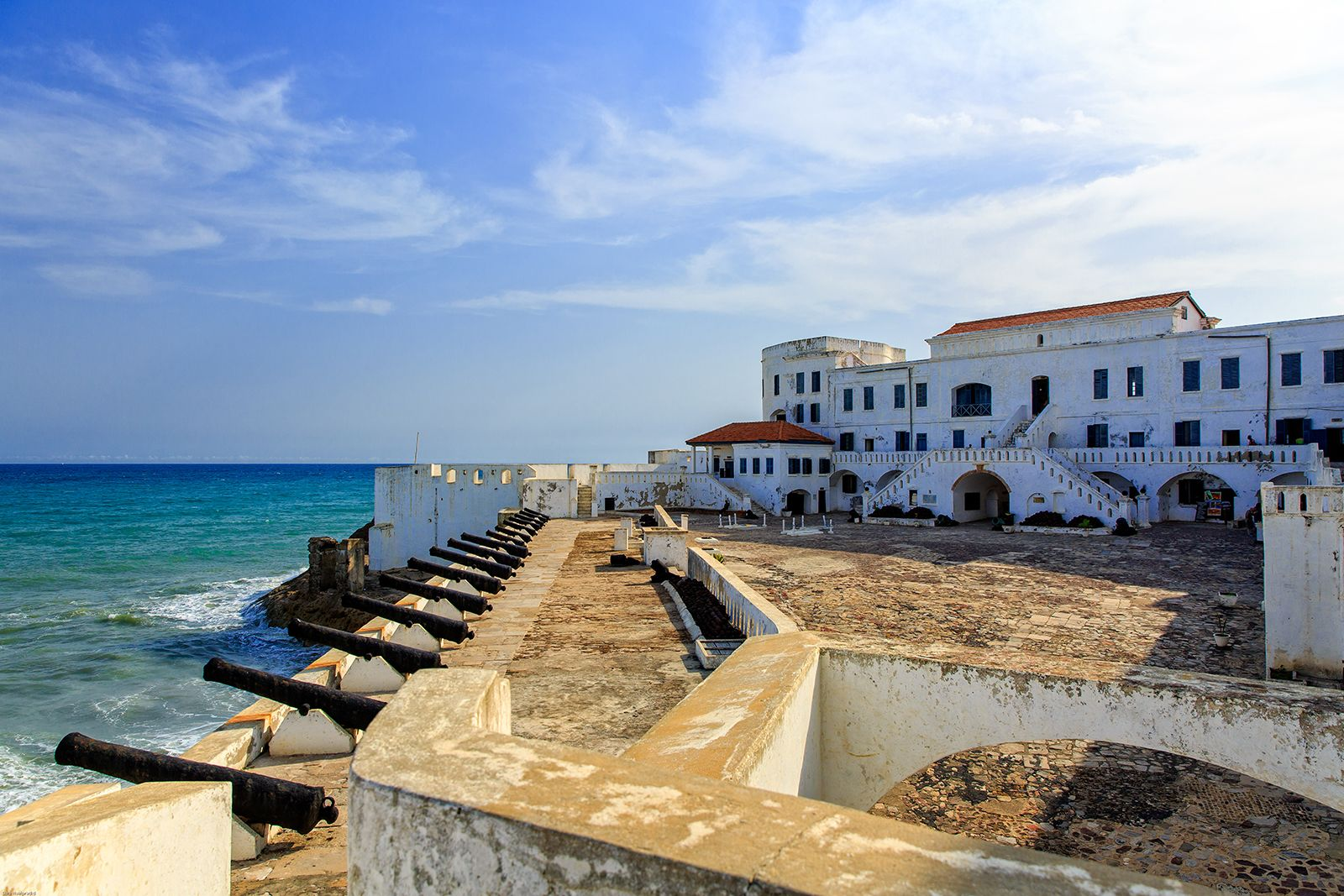
Cape Coast Castle remains one of Ghana’s most important and internationally recognised tourism sites, attracting visitors from across the world who come to learn about the country’s history, culture and connection to the African diaspora.
Located in the heart of Cape Coast in the Central Region, the imposing white structure stands along the Atlantic coast as a powerful reminder of centuries of trade, European occupation, slavery and colonial rule. Today, the castle serves as a major historical monument and museum, preserving stories that continue to shape Ghana, Africa and the wider world.
The history of Cape Coast Castle dates back several centuries. According to the Ghana Museums and Monuments Board, the Portuguese established a trading lodge in the area in 1555 and called the settlement “Cabo Corso,” meaning “short cape.” Over time, the name evolved into what is now known as Cape Coast.
However, the permanent structure that eventually became Cape Coast Castle was initiated by the Swedes. In 1653, Swedish traders built a fort known as Carolusburg, named after King Charles X of Sweden.
The location quickly became attractive to European powers because of its sheltered coastline and its importance in trade. As competition for control of the area intensified, the fort changed hands several times.
It was occupied at different periods by the Swedes, Danes, local authorities and the Dutch before eventually coming under British control. The British captured the fort in the 1660s and later expanded and developed it into the imposing castle that remains a major landmark today.
From Gold Trade to the Slave Trade
In its early years, Cape Coast Castle played an important role in the gold trade between European merchants and African traders.
However, as the trans-Atlantic slave trade expanded, the castle became one of the major centres through which enslaved Africans were imprisoned and transported across the Atlantic Ocean.
Thousands of Africans were held in overcrowded and harsh conditions inside the castle’s underground dungeons before being transported to the Americas and the Caribbean.
The castle’s dark and narrow dungeons remain among its most emotional features. Today, visitors can walk through these spaces and learn about the painful experiences endured by enslaved Africans.
One of the most symbolic locations within the castle is the “Door of No Return,” through which many enslaved Africans were taken before boarding ships that transported them away from their homeland.
The forts and castles along Ghana’s coast played a major role in both the gold and slave trades. UNESCO describes these structures as important historical monuments that represent centuries of interaction between Africans and Europeans and the beginning of the African diaspora.
A Centre of Colonial Administration and Education
Cape Coast Castle was not only associated with trade and slavery. It also became an important centre of British colonial administration.
The castle served as the seat of British authority in the Gold Coast for a period before the colonial administration was later moved to Accra.
It also played a role in the development of formal education. Historical records indicate that the castle was associated with the establishment of some of the earliest forms of formal education through castle schools. Christianity also gained an important foothold in the area during the period of European presence.
After Britain abolished the slave trade in 1807, activities at the castle gradually shifted towards other forms of trade, including precious metals, ivory, corn and pepper.
The historical importance of Cape Coast Castle extends beyond Ghana.
In 1979, the Forts and Castles of Ghana were inscribed on the UNESCO World Heritage List. These historic structures stretch along Ghana’s coastline and represent centuries of European trade, African-European interaction and the painful history of the trans-Atlantic slave trade.
UNESCO recognises the forts and castles as having outstanding universal value because they influence Ghana’s history, the history of the Americas and the development of the African diaspora.
Cape Coast Castle is therefore not just a tourist attraction but a global historical site.
Today, Cape Coast Castle is managed as a historical monument and museum under the Ghana Museums and Monuments Board.
A visit to the castle offers tourists an opportunity to explore several important sections of the historic structure.
Visitors can see:
The male and female slave dungeons.
The condemned cell.
The Door of No Return.
Old cannons and military defence structures.
Dalzel Tower.
Historical courtyards.
The Cape Coast Castle Museum.
Artefacts and objects connected to Ghana’s history and the slave trade.
The museum contains several historical items, including traditional artefacts, maps of slave trade routes, shackles, weapons, gold weights, musical instruments and other objects that help tell the story of Ghana’s past.
Guided tours provide visitors with detailed explanations about the history of the castle, the people who passed through it and the major events that shaped its existence.
For many Africans living outside the continent, Cape Coast Castle has become a place of emotional and historical connection.
People of African descent from countries such as the United States, Jamaica, the United Kingdom and other parts of the world visit Ghana to trace their ancestral connections.
The castle became particularly significant during Ghana’s Year of Return initiative, which encouraged members of the African diaspora to visit Ghana and reconnect with their history and heritage.
UNESCO has noted that Ghana’s historic castles continue to attract diaspora visitors seeking a deeper connection with their African roots.
For many visitors, standing at the Door of No Return is an emotional experience, representing the separation of millions of Africans from their homeland during the trans-Atlantic slave trade.
Beyond its historical importance, Cape Coast Castle contributes significantly to tourism in the Central Region.
The site attracts both domestic and international tourists, creating opportunities for tour guides, artisans, transport operators, hotels, restaurants and small businesses.
Visitors to Cape Coast Castle often combine their trip with visits to other attractions in the region, including Elmina Castle, Kakum National Park and Assin Manso.
The development of heritage tourism has therefore created opportunities for local communities while helping to promote Ghana’s culture and history internationally.
The Cape Coast Metropolitan Assembly describes the city as one of Ghana’s major heritage destinations, with historical sites, cultural experiences and natural attractions contributing to its tourism appeal.
Despite its importance, preserving Cape Coast Castle and other historic forts remains a major responsibility.
UNESCO has identified environmental pressures, coastal conditions, development activities and inadequate resources for regular maintenance as some of the challenges facing Ghana’s forts and castles.
The preservation of these monuments is important because they provide future generations with an opportunity to understand Ghana’s past.
The Ghana Museums and Monuments Board continues to play a key role in protecting the country’s historical and cultural heritage.
Cape Coast Castle remains open to the public as a historical museum and continues to educate visitors about Ghana’s complex history.
Cape Coast Castle is more than an old building standing along Ghana’s coastline.
It is a monument that tells the story of trade, African civilisation, European contact, slavery, colonialism, education and the struggle to preserve history.
From its beginnings as a trading settlement to its role in the trans-Atlantic slave trade and its transformation into a major tourism and heritage destination, Cape Coast Castle continues to hold an important place in Ghana’s national identity.
For tourists, students, researchers, and members of the African diaspora, a visit to Cape Coast Castle offers an opportunity to walk through history and understand one of the most significant chapters in Ghana’s story.
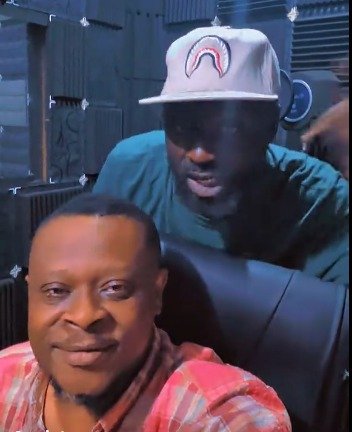
Ghanaian highlife musician Isaac Obeng Mensah, widely known as Barosky, appears to be reconnecting with music after his return to Ghana from the United Kingdom.
The veteran musician was recently seen in a recording studio with celebrated Ghanaian producer and sound engineer Appietus, in a video shared by the producer on Facebook on Wednesday, September 9, 2026.
In the footage, Barosky and Appietus are seen singing together during the studio session, offering fans an early glimpse of the musician’s activities following his return to Ghana.
Barosky arrived back in Ghana on September 7, after being repatriated from Manchester in the UK.
His repatriation followed public concern over videos that circulated showing the musician apparently homeless and struggling on the streets of Manchester.
The Ghanaian government stepped in to facilitate his return, with Foreign Affairs Minister Samuel Okudzeto Ablakwa confirming that the state had paid the cost involved in bringing him back to Ghana.
Authorities also indicated that Barosky would be provided with psychosocial support following his return.
His latest appearance with Appietus has therefore attracted attention, particularly because it comes only two days after he arrived in the country.
While the video confirms that Barosky has returned to a music environment, neither he nor Appietus has revealed whether they were working on a new recording.
It is also unclear whether the session was simply a reunion between two personalities with longstanding links to Ghana’s music industry or could eventually result in a new musical project.
Appietus is one of Ghana’s well-known music producers and sound engineers, having worked on songs for several notable artistes.
His connection with Barosky also goes back to Ghana’s highlife and hiplife music circles, making their latest studio encounter a notable moment for followers of the veteran musician.
For now, the studio appearance has given fans an indication that Barosky is once again engaging with music after the difficult circumstances surrounding his time in the UK.
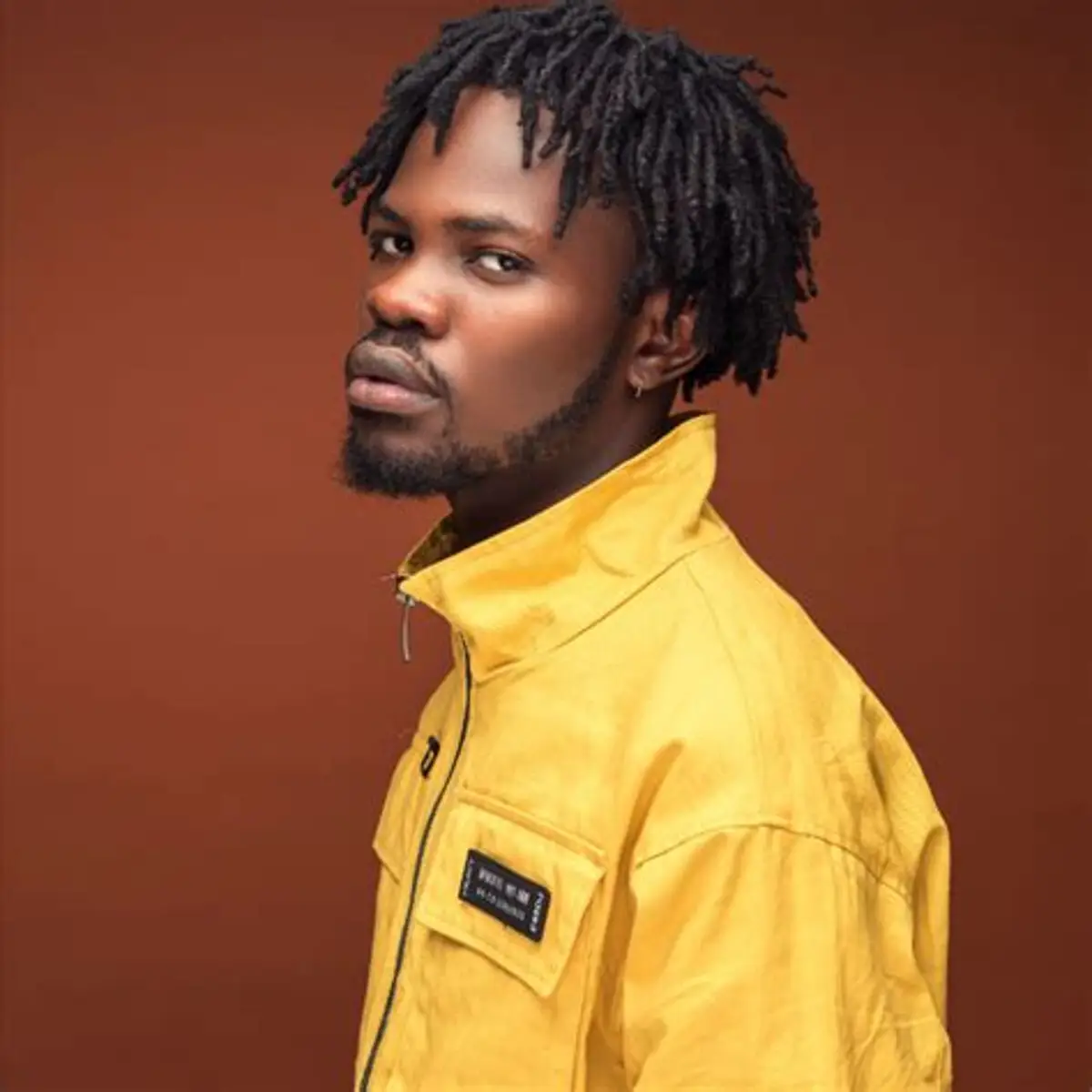
Ghanaian musician Fameye has opened up about the deeper inspiration behind his viral song GenZ, explaining that the track goes beyond describing the struggles and realities of young people.
According to the musician, GenZ is also a deeply personal prayer and an honest conversation between him and God, reflecting his faith, personal weaknesses, struggles and desire for divine direction.
Speaking during an interview with Kwadwo Sheldon, Fameye explained that the song captures his personal relationship with God and his continuous search for guidance despite admitting that he can sometimes be stubborn.
“It’s a prayer; it’s a very deep and serious prayer. In the song, I said I went to bed last night and had a conversation with God. He almost gave up on me because I am stubborn,” he said.
Fameye revealed that his understanding of prayer and faith was influenced partly by what he was taught while growing up. He recalled lessons from Sunday school about God’s love and how prayers may sometimes receive unexpected answers.
He said those childhood teachings helped him understand that God does not always respond to prayers according to people’s preferred timing or expectations.
For Fameye, one of the major messages embedded in GenZ is the need for people to trust God’s timing, even when they do not immediately understand why certain prayers or desires have not been granted.
He admitted that he sometimes becomes impatient when his prayers are not answered quickly and struggles to understand when God says no.
“Sometimes God will say no to my prayer, but when He says no, I will not understand Him. Instead of me calming down and waiting on Him, I am in a haste,” Fameye said.
The musician used the example of receiving an expensive luxury car to explain why getting what one wants at the wrong time can sometimes become a problem rather than a blessing.
According to him, a person who does not have enough money to take care of themselves may not necessarily be prepared to maintain a luxury vehicle such as a Lamborghini.
“If you don’t have money to maintain yourself and God gives you a Lamborghini, it’s a problem because you’re not ready for it. So when He gives you a Honda, you accept it.”
Fameye also acknowledged that Gen Z reflects some of his own personal struggles, particularly his efforts to remain on the right path while dealing with his imperfections.
Although he seeks God’s guidance and support, the musician admitted that he does not always live up to the standards he sets for himself and sometimes finds himself making choices that contradict the path he wants to follow.
He further explained that his decision to mention issues such as smoking, nightlife and other everyday experiences in the song was deliberate.
Fameye said he wanted the song to address realities that exist in society instead of avoiding subjects simply because they may be uncomfortable or controversial.
He noted that smoking, for instance, is an issue that many people encounter in real life and believes such subjects should be openly discussed rather than ignored.
“People are even saying, ‘Why did you talk about smoking?’ But that’s the reality. People are smoking; if I don’t say it, who will? Who will address these issues?” he asked.
Through GenZ, Fameye therefore presents a personal account of his struggles, imperfections, faith and conversations with God while also touching on some of the social realities surrounding young people.

Heed World Bank, IMF advice to curb future gold trade losses — Jerry Shaib urges government

I Wouldn’t Have Married Simi – Adekunle Gold Opens Up on Genotype

Police arrest two, seize 692 parcels of suspected Indian hemp at Dawhenya



-

 Entertainment1 week ago
Oswald Okaitei Explains the Real Vision Behind Ghana’s Black Star Experience
-

 Entertainment3 days ago
Mahama Is First President to Put GH¢40m Seed Money into Creative Arts Fund: Kojo Preko Dankwa
-
 General News2 weeks ago
GES Urged to Review Student Sexual Misconduct Rule Over Alleged Discrimination Against Boys
-
 General News1 week ago
COCOBOD Settles GH¢2.3 Billion DDEP Bond Obligations for 2026
-

 Entertainment1 week ago
Joana Gyan Cudjoe Ends Seven-Year Professional Ties with Keche Global
-
 General News2 weeks ago
Police Suspend Concrete Mixer Truck Operations in Accra, Tema From August 28
-
General News6 days ago
Don’t Punish Them Retrospectively – Educationist Challenges New CSSPS Placement Rule
-

 Culinary1 week ago
Pineapple: The Spiky Tropical Fruit Packed With Sweetness and Nutrients