
General News
Iran War Reshapes BRICS Ties but Also Exposes Divisions

By Angel No Lie | KPD Online | September 13, 2026
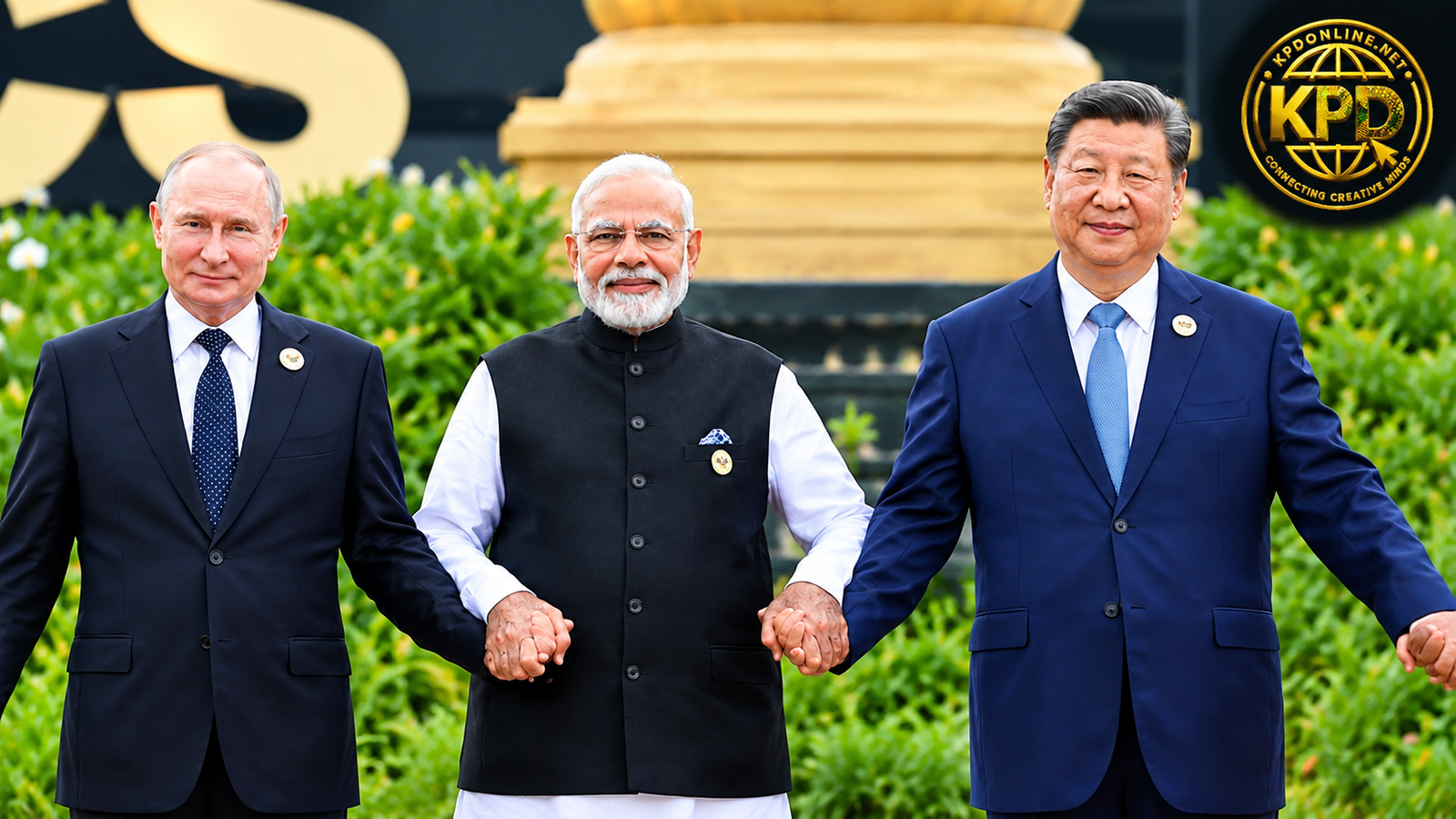
The war involving Iran has become one of the most significant geopolitical tests for the BRICS grouping, strengthening ties between some of its members while exposing sharp differences over how far the bloc should go in confronting Western power.
The conflict has placed Iran — a relatively new BRICS member — at the center of discussions about the future direction of the expanded grouping. Russia and China have maintained close strategic relations with Tehran, while India has pursued a more cautious diplomatic position, seeking to preserve relationships with Iran, Russia, the United States and Europe simultaneously.
Those competing interests have made it difficult for BRICS to develop a single position on the war.
The divisions became particularly visible in May, when BRICS foreign ministers meeting in New Delhi failed to produce a joint statement amid disagreements over the conflict. Iran wanted the grouping to issue a stronger condemnation of the military action against it, while other members were reluctant to adopt language that could place them directly against Washington or its regional partners.
The situation is complicated further by the presence of Gulf countries inside the expanded BRICS framework. Iran and the United Arab Emirates have sharply different security interests, while Saudi Arabia has also maintained close relationships with the United States. That makes it difficult for BRICS to behave like a conventional political or military alliance.
Instead, the crisis has highlighted what BRICS actually is: a diverse coalition of countries seeking greater influence in a global system they believe remains dominated by Western institutions.
Iran finds greater strategic space
For Tehran, BRICS membership has taken on greater importance during the war.
Iran has sought diplomatic support from fellow members while facing pressure from the United States and its allies. Russia and China have emerged as particularly important partners, providing Tehran with political and economic relationships that help reduce its isolation.
The war has therefore accelerated a trend that was already underway: closer cooperation between Iran and some of the major powers inside BRICS.
But this does not mean that every BRICS country shares Iran’s strategic objectives.
India, for example, has emphasized dialogue and de-escalation rather than openly aligning itself with either side. Its position reflects a broader foreign-policy strategy designed to maintain partnerships across competing geopolitical camps.
That balancing act is increasingly important as New Delhi seeks to expand its influence across the Global South while maintaining economic and strategic relations with Western countries.
The September summit brings a different result
Despite the earlier divisions, BRICS leaders meeting in New Delhi in September managed to reach agreement on a joint declaration addressing the Middle East crisis.
The declaration called for maximum restraint and emphasized dialogue and diplomacy rather than escalation. The agreement was significant because Iran sits within the same organization as countries with very different relationships with Tehran, including the UAE.
The consensus demonstrated that BRICS can still find common ground even when its members disagree over the causes of a conflict or the appropriate response.
But the carefully negotiated language also revealed the limits of that unity.
Rather than transforming BRICS into a collective security organization, the declaration relied on broad principles such as sovereignty, diplomacy and opposition to unilateral measures. That approach allowed countries with conflicting interests to remain inside the same political framework.
A bloc caught between cooperation and confrontation
The Iran war has also intensified a larger debate about what BRICS wants to become.
China and Russia have promoted a stronger multipolar international system and greater independence from Western-led institutions. China has also pushed for deeper economic and technological cooperation within the expanded bloc, including work on supply chains, industrial cooperation, artificial intelligence and alternative financial mechanisms.
Other members, however, are more cautious about turning BRICS into an explicitly anti-Western organization.
India’s position is particularly important. New Delhi wants BRICS to strengthen the voice of developing countries and reform international institutions, but it has little interest in turning the group into another military or ideological alliance.
That difference could determine BRICS’ future.
If the organization becomes primarily a vehicle for opposing the United States and Europe, some members may become uncomfortable with its direction. If it remains focused on economic cooperation, development and reform of global institutions, it has a better chance of accommodating countries with competing foreign policies.
The real test is what comes next
The Iran war has therefore produced a paradox for BRICS.
On one hand, the conflict has strengthened relationships among countries seeking alternatives to Western economic and political dominance. It has increased the importance of Russia-China-Iran cooperation and given Tehran a wider diplomatic platform.
On the other hand, the war has demonstrated that BRICS members do not share a single worldview.
The grouping contains countries with competing regional interests, different relationships with Washington and different economic priorities. Its ability to reach consensus on Iran does not erase those differences.
The New Delhi summit may ultimately prove that BRICS does not need complete political unity to become more influential. Its strength could instead lie in its ability to keep countries with opposing interests at the same table.
But that model has limits.
As geopolitical crises multiply — from Iran and the wider Middle East to Ukraine and growing US-China competition — BRICS will increasingly be judged not by the size of its membership, but by whether it can translate its growing economic weight into effective diplomacy and practical cooperation.
The Iran war has shown that the bloc is becoming more important. It has also shown that becoming more important does not necessarily mean becoming more united.
For BRICS, that contradiction may define the next stage of its development.



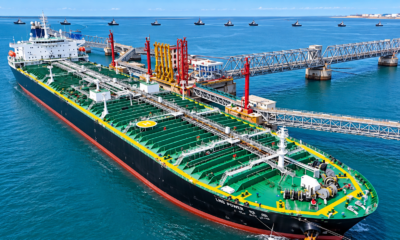

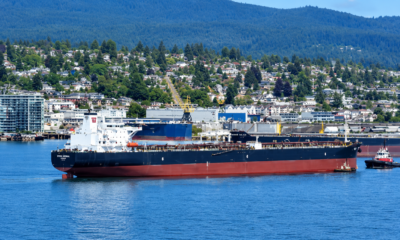





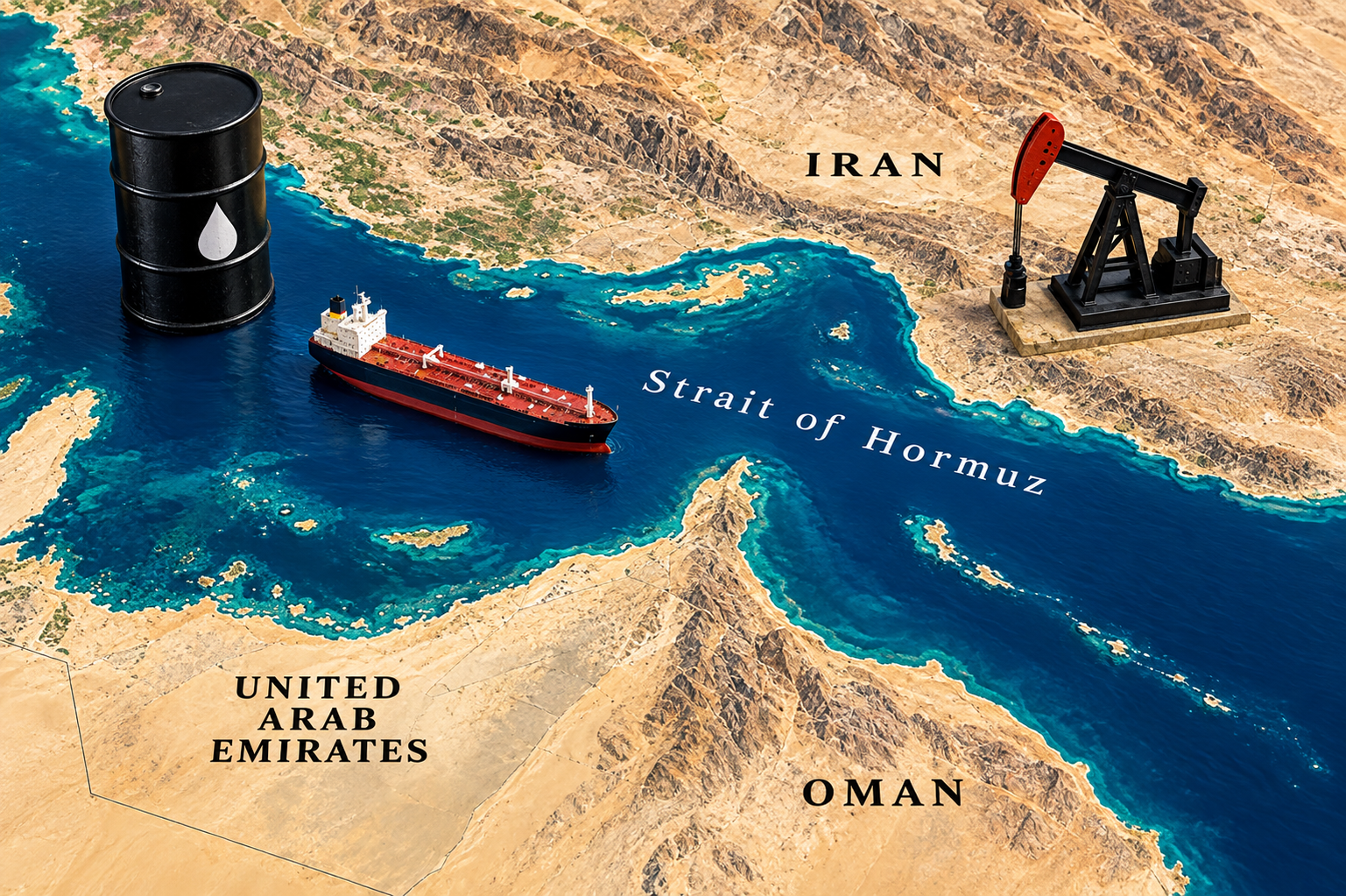
Diplomatic efforts aimed at addressing tensions surrounding the Strait of Hormuz have encountered a setback after a planned meeting on a proposal concerning the strategically important waterway was postponed.
The delay comes as international attention remains focused on the Strait of Hormuz, a vital maritime passage through which a significant share of global energy supplies is transported. Any disruption or prolonged uncertainty in the area could have wider consequences for energy markets, shipping and regional security.
The proposed meeting was expected to provide an opportunity for officials to discuss the initiative and explore possible diplomatic measures to reduce tensions. Its postponement, however, highlights the difficulties facing negotiators as governments weigh security concerns, political interests and competing positions over the future of the waterway.
The Strait has long been at the centre of geopolitical tensions in the Middle East. Its importance to international trade means developments there are closely monitored by governments, shipping companies and energy markets around the world.
For now, the postponement leaves questions over when discussions will resume and whether negotiators can build enough consensus to move the proposal forward. Diplomatic channels are expected to remain important as efforts continue to prevent further escalation and maintain freedom of navigation.
The coming days could therefore prove significant, particularly if a new meeting date is agreed and participating governments demonstrate greater willingness to engage. Until then, uncertainty surrounding the proposal is likely to keep the Strait of Hormuz firmly in the international spotlight.
General News
Russian Drone Hits Ukrainian Train Shortly After Boris Johnson and European Officials Leave Station
By Angel No Lie | KPD Online | September 13, 2026
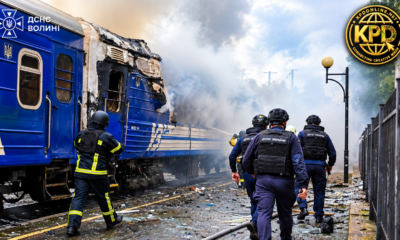
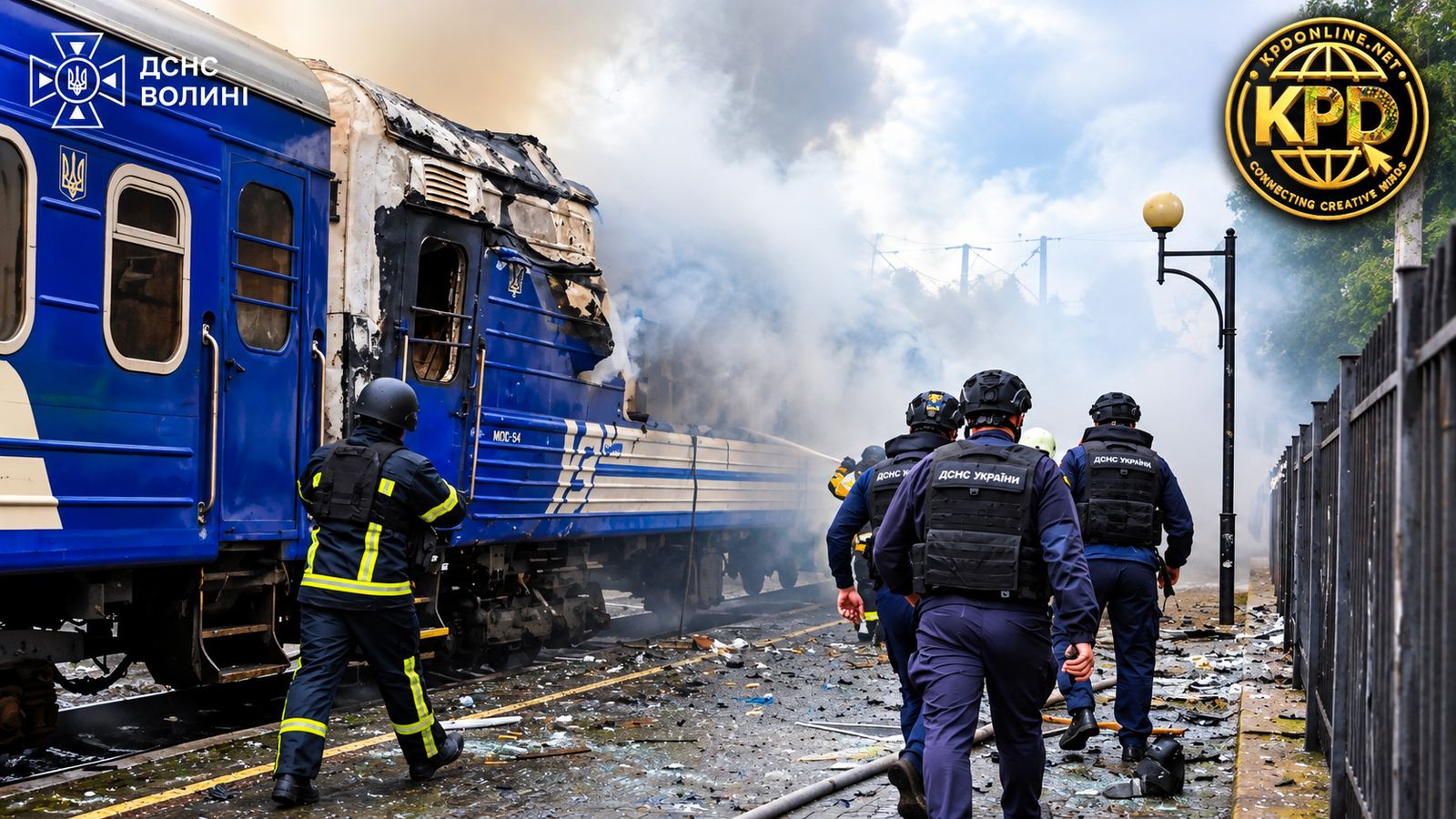
A Russian drone struck a Ukrainian railway train near the country’s border with Poland on Sunday, shortly after a train carrying former British Prime Minister Boris Johnson, former Swedish Prime Minister Carl Bildt and several European security officials had passed through the area.
The incident occurred near Yahodyn station in western Ukraine, close to the Yahodyn-Dorohusk crossing with Poland, as Russia launched a major wave of drone attacks across Ukraine.
According to Ukraine’s state railway operator, Ukrzaliznytsia, the diplomatic train carrying Johnson and other European officials had left the station earlier than scheduled as railway authorities adjusted movements because of the continuing threat of Russian strikes.
The railway company said it was highly possible that the diplomatic train had been the intended target, although there was no immediate independent confirmation of that assessment. A separate train was struck after the diplomatic train had departed.
Former Swedish Prime Minister Carl Bildt, who was travelling with the delegation, said the train that was hit had been only minutes behind theirs. He said passengers on the affected train were evacuated before the drone reached the area and that nobody was injured.
Former U.S. Central Intelligence Agency Director David Petraeus was also reportedly in the vicinity, travelling on another train that was still at Yahodyn when the attack occurred.
Johnson later condemned the strike, describing it as another example of the danger faced by civilians using Ukraine’s railway network.
The attack came as Russia carried out one of its largest drone barrages against Ukraine in months. Ukrainian officials reported hundreds of drones being launched against targets across the country, with western regions also coming under attack.
Ukraine’s Foreign Minister Andrii Sybiha described the incident as a serious warning for Europe, saying Russian attacks were increasingly reaching areas close to the European Union and NATO.
Polish authorities also heightened security along the border following the strikes. Polish Prime Minister Donald Tusk called an emergency meeting of senior security officials and warned that Russia’s intensifying campaign could pose a growing threat to Poland.
Moscow has said its strikes on western Ukrainian railway infrastructure are aimed at routes used to transport military equipment and supplies from European countries. Russia has not publicly confirmed that the train carrying Johnson and the other European officials was specifically targeted.
The incident nevertheless highlights the growing risks surrounding Ukraine’s railway network, which has remained a vital transportation route for civilians, officials and foreign visitors since Russia launched its full-scale invasion in 2022.
No deaths or injuries were immediately reported among the passengers on the train that was struck.
The proximity of the attack to the departure of the European delegation is likely to fuel further questions over whether Russian forces were attempting to disrupt or intimidate high-profile visitors travelling through Ukraine. For now, however, the circumstances surrounding the drone’s intended target remain under investigation.
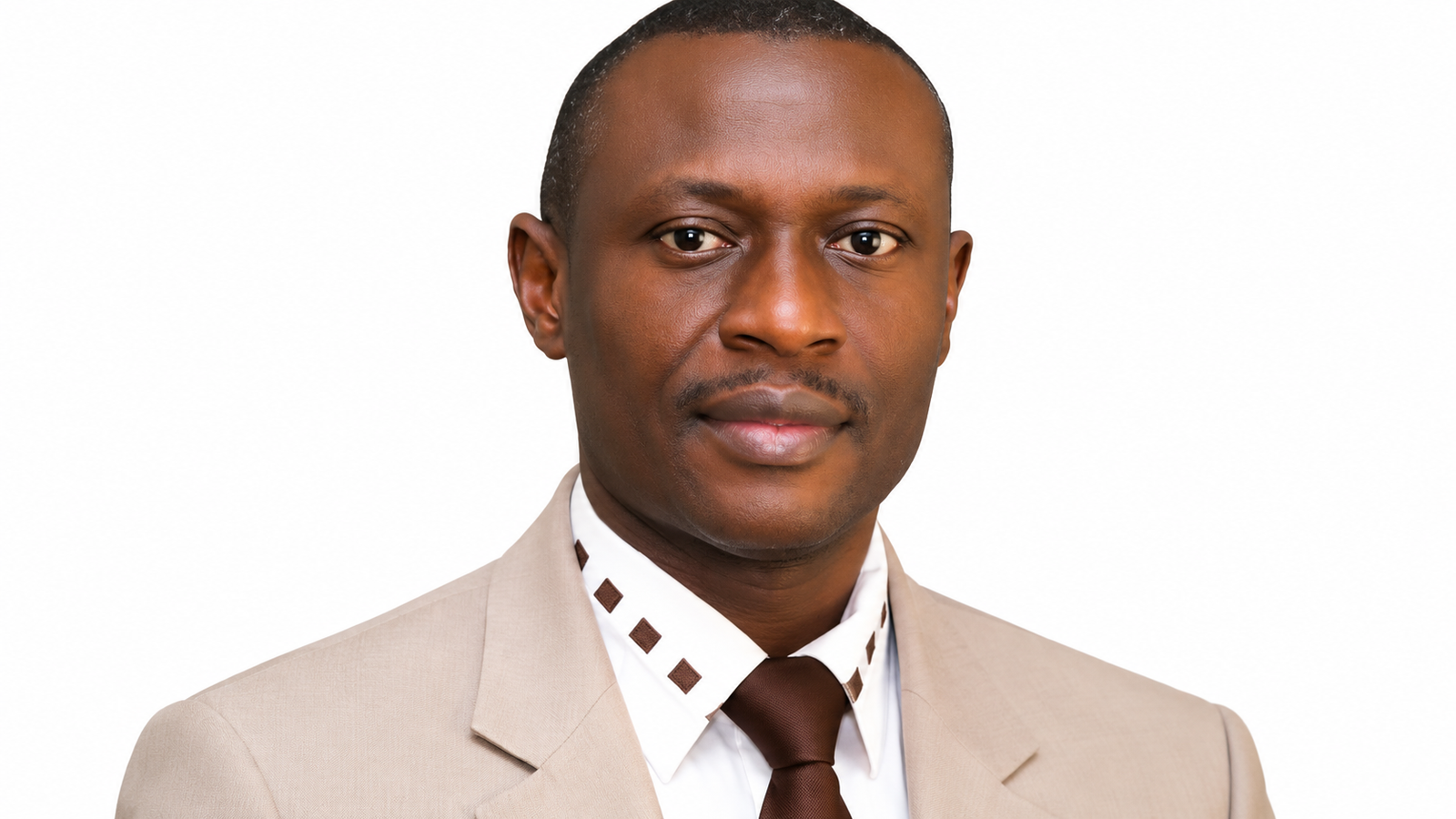
JOHANNESBURG, South Africa — September 11, 2026: Two Nigerian nationals, including Bishop Michael Taiwo Fakunle, have been killed in separate incidents in Johannesburg, raising fresh concerns among Nigerians living in South Africa about their safety.
According to reports, Fakunle was killed at his home on September 4 after allegedly receiving a series of threats. He was reportedly shot by unidentified individuals who went to his residence.
The second victim, identified as James Uchechukwu Nwankwo, was reportedly killed on September 5. Former Nigerian Aviation Minister and ambassador-designate to South Africa, Femi Fani-Kayode, said Nwankwo died following what he described as alleged “gruesome interrogation techniques” by members of the South African Police Service.
Fani-Kayode said the deaths have heightened concerns within the Nigerian community in South Africa. He called on the South African authorities to investigate both incidents and ensure that anyone responsible is brought to justice.
He also claimed that Fakunle and Nwankwo were the seventh and eighth Nigerians killed in South Africa in 2026, and alleged that some of the deaths involved South African security personnel. These claims have not been independently verified.
The killings have renewed wider concerns about the safety of Nigerian nationals in South Africa, where tensions involving foreign nationals and allegations of xenophobic violence have periodically strained relations between the two countries.
Fani-Kayode urged the South African government to take stronger measures to protect Nigerians and other African nationals living in the country.
Authorities are expected to face increasing pressure to clarify the circumstances surrounding both deaths and establish whether the incidents are connected.
The circumstances surrounding the two deaths remain under investigation, and allegations against any individuals or authorities have yet to be established in court.
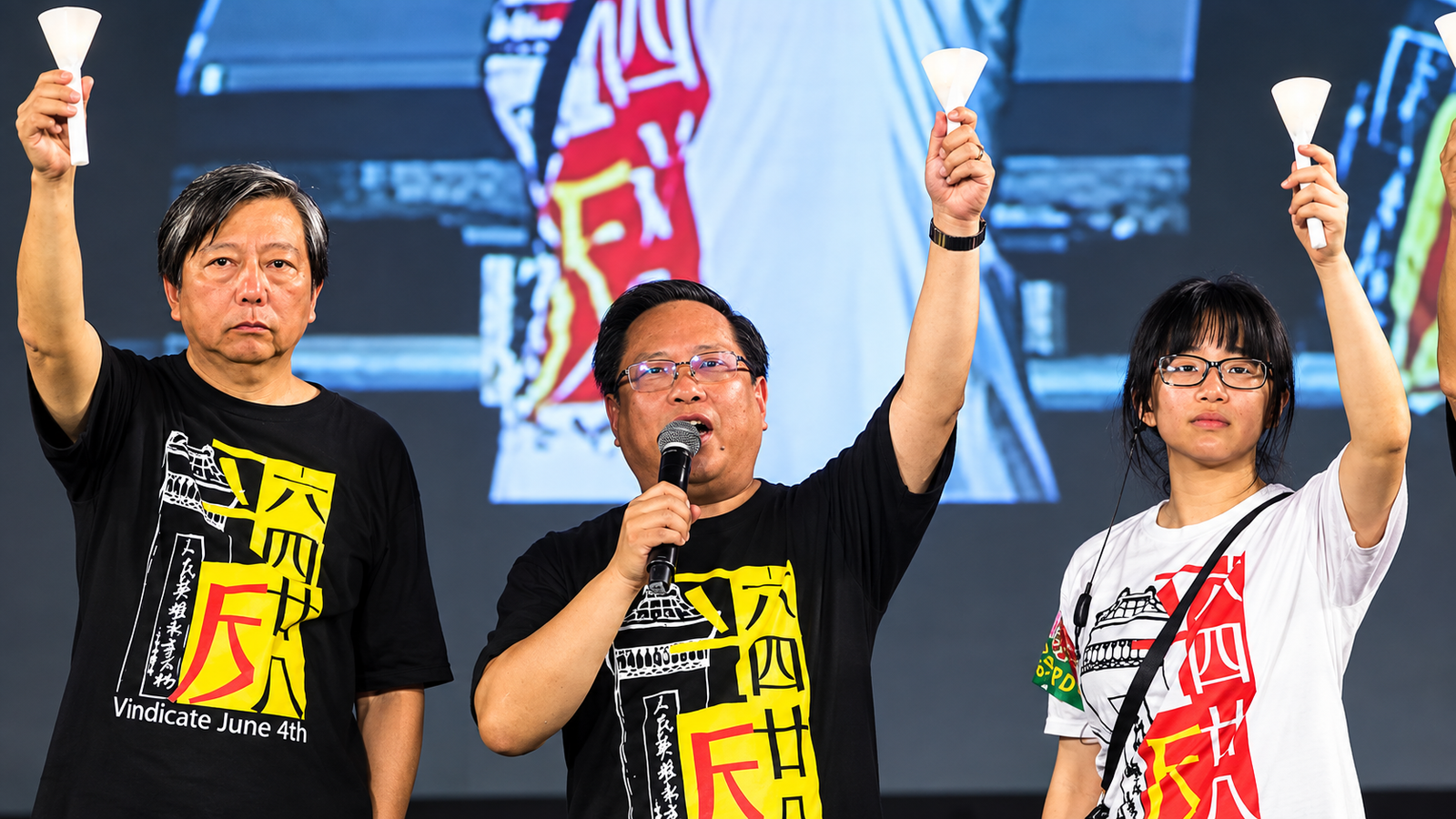
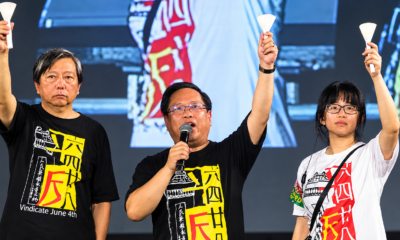
HONG KONG — Several prominent Hong Kong activists connected to efforts to preserve public memory of the 1989 Tiananmen Square crackdown have been sentenced to prison terms of up to seven years. The case marks another significant development in the territory’s long-running crackdown on pro-democracy and civil society groups.
The three former leaders of the now-disbanded Hong Kong Alliance were convicted under the Beijing-imposed national security law on charges of inciting subversion. The group had organised annual candlelight vigils commemorating those killed during China’s 1989 crackdown on pro-democracy protesters in and around Tiananmen Square.
Chow Hang-tung received the longest sentence of seven years and three months, while Lee Cheuk-yan was sentenced to seven years. A third activist, Albert Ho, who pleaded guilty, received five years and two months in prison. The Hong Kong Alliance was also fined HK$1.5 million.
For decades, Hong Kong hosted one of the largest annual public commemorations of the Tiananmen crackdown. The gatherings became a symbol of the city’s freedoms and were attended by thousands of people before authorities moved to halt them following the introduction of the National Security Law in 2020. The Hong Kong Alliance later disbanded amid increasing pressure on civil society organisations and pro-democracy groups.
The prosecution focused in part on the activists’ longstanding call to “end one-party dictatorship,” which the court found amounted to an effort to undermine the leadership of China’s Communist Party. Lee and Chow had pleaded not guilty and are expected to challenge their sentences.
The case has drawn criticism from rights advocates and supporters of the activists, who argue that the convictions further restrict freedom of expression and political activism in Hong Kong. Authorities in Hong Kong and Beijing, however, maintain that the National Security Law is necessary to safeguard national security and restore stability following the mass pro-democracy protests of 2019.
The sentencing is among the most prominent recent cases involving Hong Kong’s former pro-democracy movement and underscores the continuing impact of the national security legislation on political and civic activity in the territory.

By Angel No Lie | KPD Online | September 13, 2026
DUBLIN, Ireland — September 12, 2026: Irish authorities have seized approximately 5kg of cocaine, estimated to be worth about €500,000, after the drug was allegedly concealed inside packets of lollipops at Dublin Airport.
The seizure was made on Thursday when officers from Ireland’s Revenue service searched a passenger’s baggage and discovered cocaine hidden among confectionery.
The discovery triggered follow-up searches by An Garda Síochána, Ireland’s national police service. During those searches, officers also recovered approximately €16,000 in cash and additional controlled drugs with an estimated value of €14,500.
A man in his 60s was arrested in connection with the investigation. He was subsequently charged and appeared before a court on Friday morning, according to authorities.
The case underscores the efforts of Irish law-enforcement agencies to intercept illegal drugs entering the country through international travel routes. Authorities continue to investigate the suspected trafficking operation and the intended destination of the drugs.
The investigation remains ongoing, and the accused is presumed innocent unless and until proven guilty in court.

Diplomacy Stumbles as Meeting on Strait of Hormuz Proposal Is Postponed

Russian Drone Hits Ukrainian Train Shortly After Boris Johnson and European Officials Leave Station

Experts Break Down “Right-of-Way” in Road Construction — Here’s What Every Road User Needs to Know



-

 Entertainment7 days ago
Mahama Is First President to Put GH¢40m Seed Money into Creative Arts Fund: Kojo Preko Dankwa
-

 Entertainment2 weeks ago
Oswald Okaitei Explains the Real Vision Behind Ghana’s Black Star Experience
-
 General News2 weeks ago
COCOBOD Settles GH¢2.3 Billion DDEP Bond Obligations for 2026
-

 Entertainment2 weeks ago
Joana Gyan Cudjoe Ends Seven-Year Professional Ties with Keche Global
-
 General News1 week ago
Don’t Punish Them Retrospectively – Educationist Challenges New CSSPS Placement Rule
-

 Culinary2 weeks ago
Pineapple: The Spiky Tropical Fruit Packed With Sweetness and Nutrients
-

 Entertainment6 days ago
Government Repatriates Musician Barosky from UK
-

 Culinary7 days ago
The Green Heart of Ghanaian Cuisine: Celebrating Nkontomire and the Art of Abom