
General News
Prophet Power Man Stakes Life and Church on Bawumia 2028 Prediction


Prophet Isaac Nyarko, popularly known as Prophet Power Man, has made a strong prediction about the 2028 general election, insisting that former Vice President Dr Mahamudu Bawumia will not become President of Ghana.
In a video circulating on social media, the founder of Grace Impartation Power Ministry International is heard making an emphatic declaration that Dr Bawumia, who is expected to lead the New Patriotic Party (NPP) into the 2028 presidential election, cannot win the race.
Prophet Power Man made the remarks on Sunday, August 16, 2026, while stressing his conviction that the NPP would not retain the presidency after the next general election.
“If Dr Bawumia ever becomes President, I should be killed, and my church should be taken from me. There is no way he will win the 2028 general election,” he is quoted as saying in the video.
He further declared: “In 2028, the seat cannot belong to the NPP, and Dr Bawumia can never be president. I affirm this with my church and my life.”
The prophet also repeated his declaration, saying: “I declare this day, August 16, 2026, that Dr Mahamudu Bawumia can never be president, and if he ever becomes one, I, Dr Power Man, stake my very life on it.”
While ruling out an NPP victory in the presidential election, Prophet Power Man offered a different prediction concerning the party’s parliamentary fortunes.
According to him, a significant number of NPP parliamentary candidates could still retain or win their seats in the 2028 election, even if Dr Bawumia fails to win the presidency.
He also predicted that several Members of Parliament (MPs) from the governing National Democratic Congress (NDC) could lose their parliamentary seats during the election.
His comments suggest that he expects the presidential and parliamentary contests to produce markedly different outcomes, with the NPP potentially making gains in Parliament despite losing the presidential race.
The claims, made in the circulating video, are predictions and have not been independently verified. The 2028 general election is still ahead, and the eventual outcome will be determined by voters at the polls.
Dr Bawumia previously served as Vice President of Ghana and was the NPP’s presidential candidate in the 2024 general election. His political future and the NPP’s prospects in 2028 remain subjects of significant public and political discussion.


NEW YORK — October 8, 2026: Jaguar has unveiled its new all-electric Type 01, marking the British luxury carmaker’s most significant step yet in its plan to reinvent the brand around high-end electric vehicles.
The four-door grand tourer was revealed in New York on October 6, nearly two years after Jaguar’s controversial brand relaunch and the unveiling of the futuristic Type 00 concept. The earlier campaign generated widespread criticism online, with some commentators describing the rebrand as “woke” and mocking the concept’s unconventional styling.

Jaguar Type 01 Makes Its World Premiere in New York
The Type 01 represents a more production-ready interpretation of that design direction. Jaguar says the vehicle combines its heritage with a new approach to luxury, technology and electric performance. The long bonnet is intended to echo the proportions of the legendary E-Type, while the overall design remains markedly different from previous Jaguar models.

Jaguar’s New Type 01 Electric GT Signals a New Era
A powerful electric flagship
The Type 01 is expected to produce roughly 1,000 horsepower, with three electric motors enabling acceleration from 0 to 62 mph in about 3.2 seconds. Reports put its electric range at around 400 miles, while rapid charging is designed to add substantial range in a short period.

Inside Jaguar’s High-Tech Type 01 Luxury EV
The vehicle is also packed with technology, including a large digital driver’s display, camera-based rear visibility and a minimalist luxury interior.
Jaguar has positioned the car at the premium end of the market. The starting price is expected to be around $130,500 in the United States, while the UK price is about £130,000. Orders are scheduled to open in early 2027, with customer deliveries expected during the second half of the year.

The Type 00 Concept That Sparked Jaguar’s Controversial Rebrand
From controversy to commercial test
The launch gives Jaguar an opportunity to move the conversation away from its controversial 2024 marketing campaign and toward the products underpinning its new strategy.
However, the company faces a difficult market. Electric-vehicle demand has softened in some markets, while Chinese manufacturers are intensifying competition in the global EV sector. Jaguar Land Rover is also undertaking wider restructuring following significant operational and financial pressures.

Jaguar Type 01 Brings High-Performance Electric Power to the Luxury Market
JLR says production of the Type 01 will begin in 2027 at its Solihull operations, with electric drive units and battery packs produced in Wolverhampton and body panels manufactured at Halewood.

Jaguar stelt elektrische auto voor, en doet wenkbrauwen fronsen
The Type 01 therefore represents more than a new electric car. It is a test of whether Jaguar can turn a highly debated rebranding exercise into a commercially successful luxury-car revival.
Source context: Jaguar’s official announcement confirms the Type 01 is designed, engineered and built in Britain and describes it as the first production Jaguar based on the company’s dedicated Jaguar Electric Architecture.
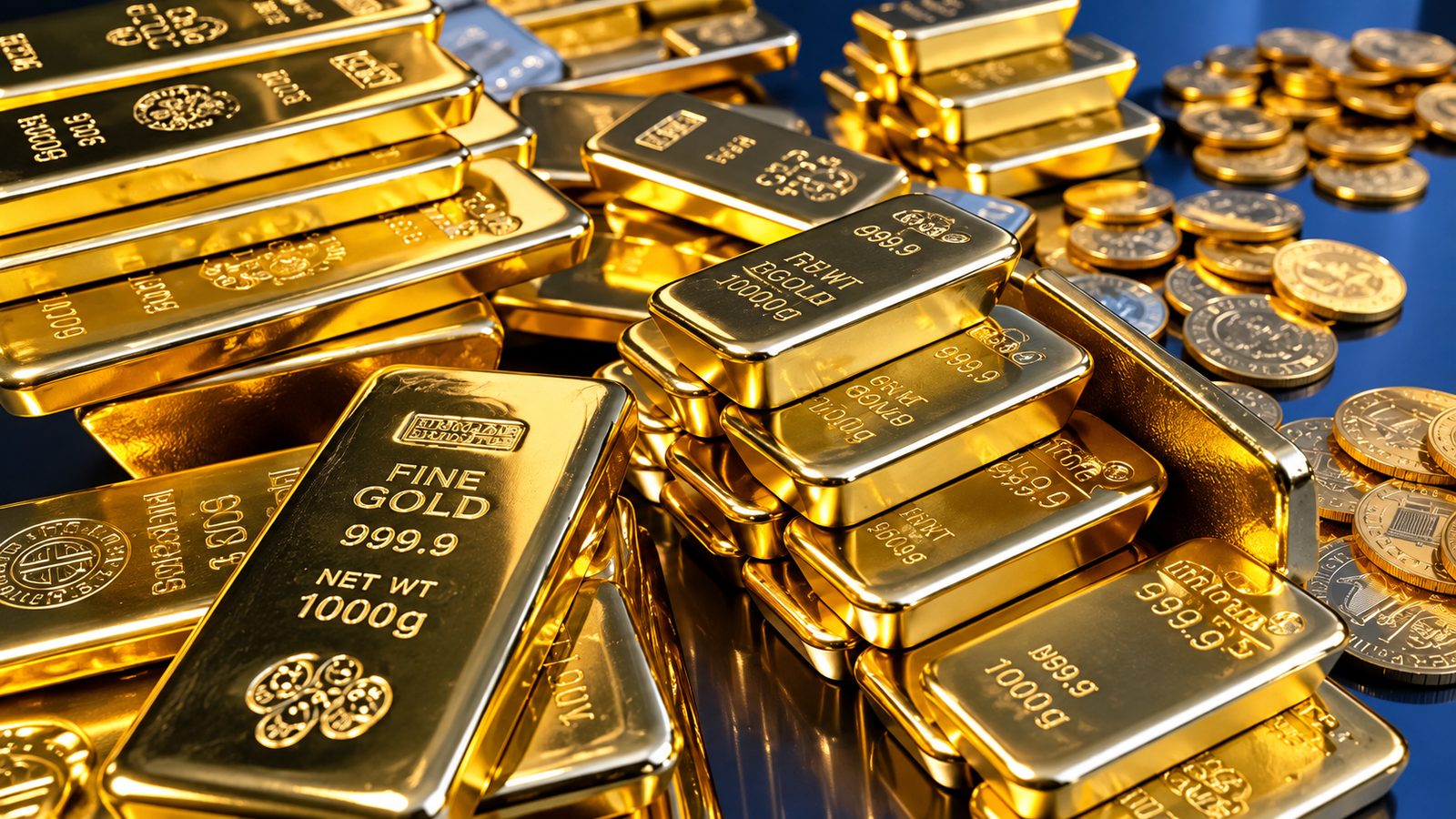
By KPD News Online Business Desk | October 8, 2026
Gold prices recovered on Thursday after touching a two-month low, as a pullback in the U.S. dollar provided some support to the precious metal.
Spot gold rose about 0.5% to $4,132.66 per ounce by 0140 GMT, while U.S. gold futures for December delivery gained 0.4% to $4,157.60. The rebound followed Wednesday’s decline, when bullion fell to its lowest level since August 5.
The recovery came as the dollar eased from an 18-month peak. Because gold is priced in dollars, a weaker greenback can make the metal less expensive for buyers using other currencies, potentially supporting demand.
Dollar and interest rates remain key
Despite Thursday’s recovery, analysts say the outlook for gold remains uncertain. Higher U.S. Treasury yields and expectations that the Federal Reserve could raise interest rates again have continued to weigh on bullion.
Higher interest rates can reduce the appeal of gold because the metal does not generate interest income.
Market pricing currently points to a relatively low probability of a U.S. rate increase in October, while expectations for a December hike remain considerably higher.
Chris Weston, head of research at Pepperstone, said gold would need to break above $4,275 an ounce for the short-term outlook to become more constructive.
The World Gold Council has also highlighted the influence of rising U.S. yields and the stronger dollar on gold’s recent weakness. At the same time, global gold exchange-traded funds recorded significant inflows in September despite the fall in prices, pointing to continued investor interest in the metal.
Precious metals also move higher
Other precious metals also recorded gains. Silver was around $60.18 an ounce, while platinum climbed about 2.1% to $1,665 and palladium gained roughly 1.6% to $1,142.86.
For gold traders, attention now remains firmly on the U.S. dollar, Treasury yields and signals from the Federal Reserve as investors assess whether Thursday’s rebound marks the beginning of a broader recovery or simply a temporary pause in the recent decline.
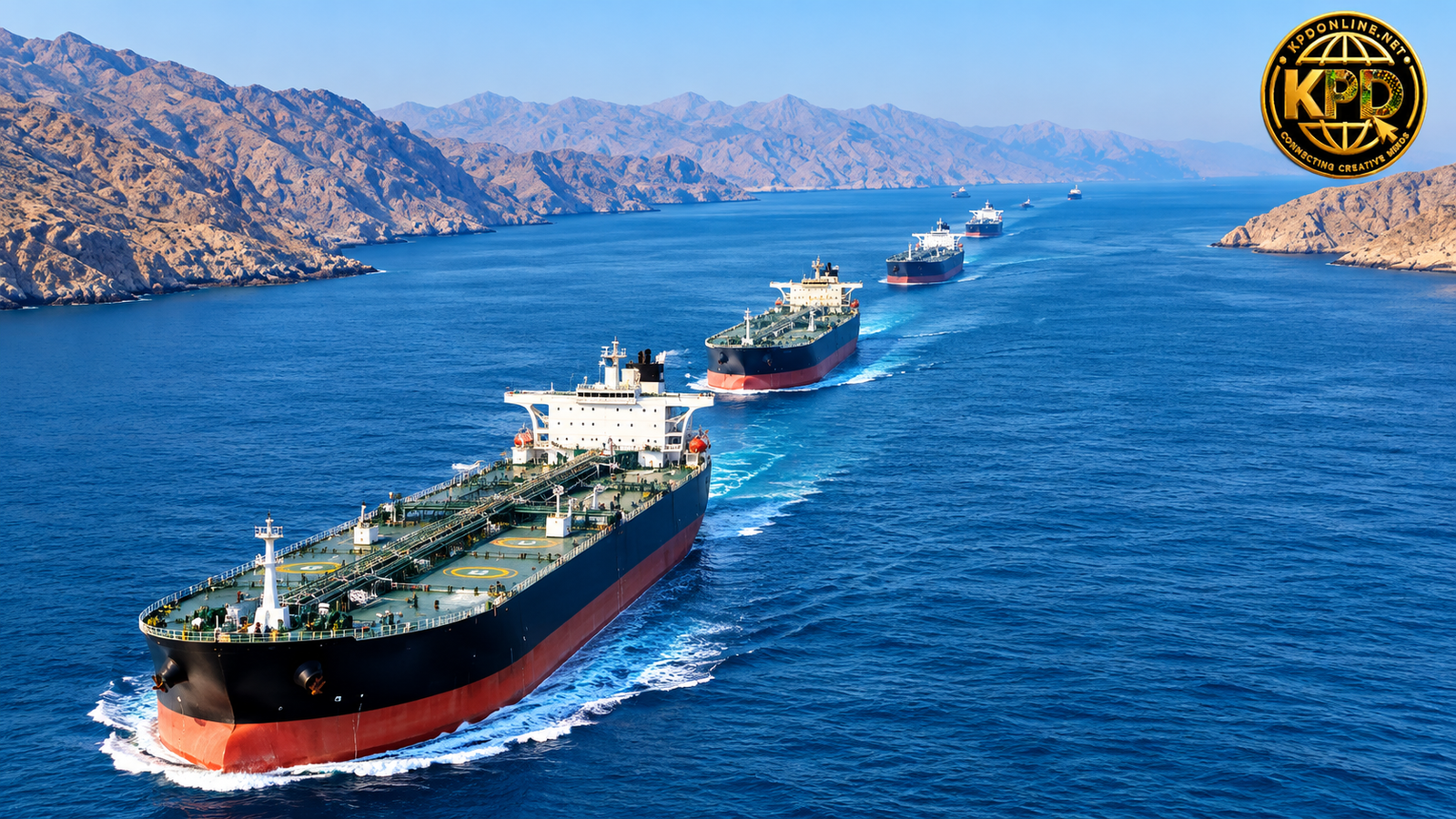
SINGAPORE, October 8, 2026 — Commercial shipping through the Strait of Hormuz has fallen to its lowest level in more than two months, as a renewed wave of attacks and security threats pushes shipping operators to reassess the risks of using the strategically important waterway.

Vessels navigating the Strait of Hormuz amid heightened regional tensions
Data from maritime analytics firm Kpler showed that only seven commodity-carrying vessels crossed the strait on Tuesday, the lowest daily figure recorded since July 23. The decline comes after tanker-related incidents in the region reached their highest weekly level since the start of the ongoing U.S.-Israeli war with Iran.
The reduction in vessel traffic is also reflected in crude oil flows. Kpler data indicated that crude shipments through Hormuz fell 27% from a wartime peak, to about 10.1 million barrels per day. That remains substantially below the waterway’s pre-war level.

Oil tanker sailing through the Strait of Hormuz
The Strait of Hormuz is one of the world’s most important energy corridors. Before the conflict, roughly 20% of global crude oil and liquefied natural gas supplies moved through the passage, making any prolonged disruption a major concern for energy markets.
SECURITY CONCERNS GROW
Shipping activity has weakened as vessels face greater uncertainty over their safety. Reuters reported that at least 12 tanker-related incidents were recorded between September 28 and October 5, including attacks, attempted attacks and harassment. The Joint Maritime Information Center said the incidents reflected heightened activity around key shipping routes.

A separate tanker incident near Qatar has added to concerns about the wider security environment in the Gulf. The latest attacks have increased insurance and operational risks for companies moving oil and other commodities through the region.

Despite the sharp reduction in traffic through Hormuz, Middle Eastern oil exports have not collapsed. Alternative routes and increased shipments from areas outside the strait have helped keep regional exports flowing. Reuters reported that exports from the Gulf of Oman coast and the Red Sea had risen to around 6.7 million barrels per day, more than twice their pre-war level.
OIL PRICES UNDER PRESSURE
The shipping slowdown has nevertheless added fresh uncertainty to global energy markets. Brent crude was trading above $100 a barrel on Thursday, while U.S. West Texas Intermediate was also higher as traders assessed the possibility of further supply disruptions.

Oil tankers in the Gulf as Hormuz shipping activity falls
For countries that depend heavily on imported fuel, prolonged disruption around Hormuz could increase transportation, electricity and consumer costs if alternative supplies and shipping routes become more expensive.
For now, the latest figures suggest that vessels are still moving through the waterway, but at considerably reduced levels. The key question for energy markets is whether the decline represents a temporary reaction to heightened attacks or the beginning of a longer period of restricted maritime traffic.
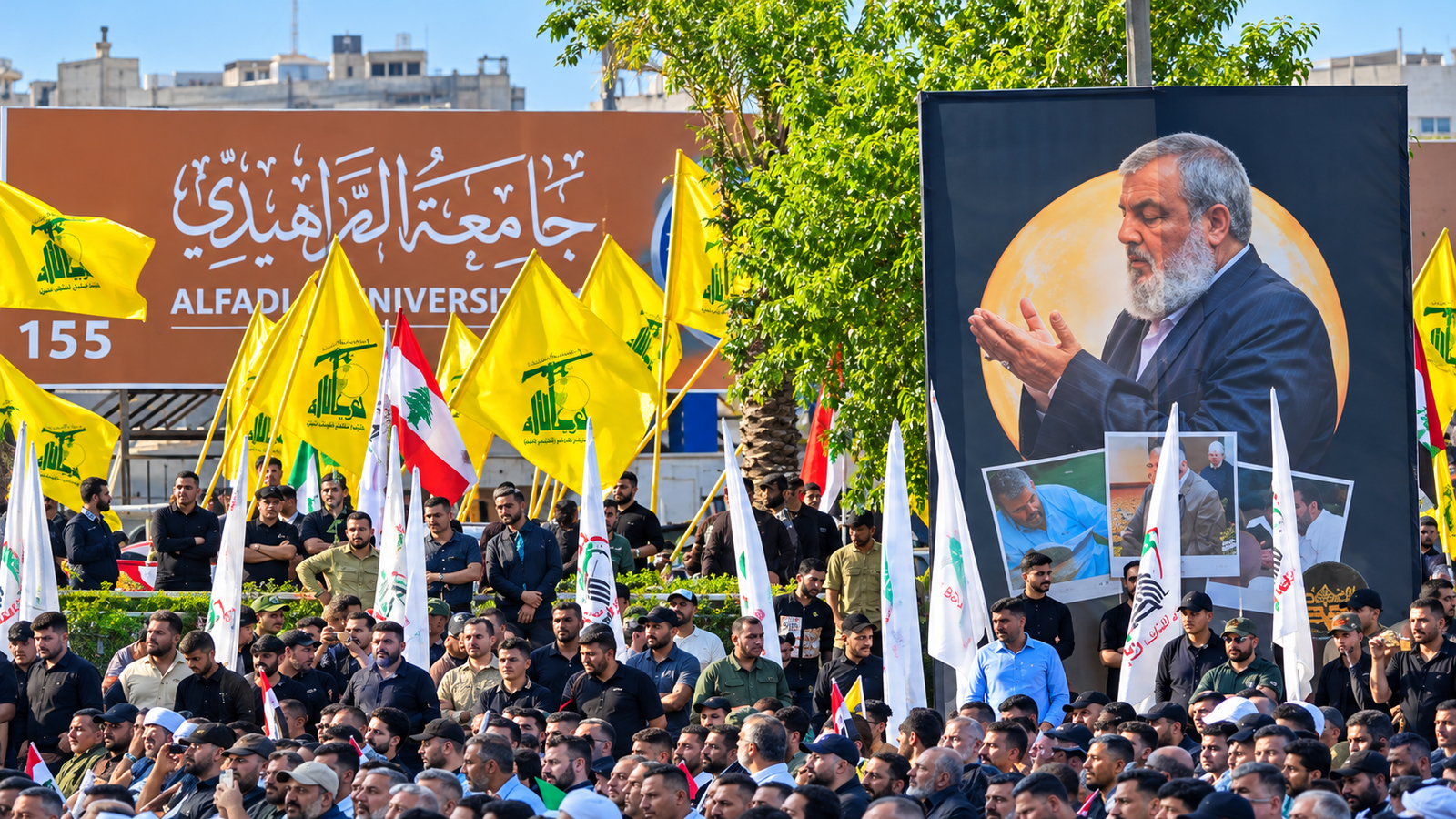
BEIRUT, Lebanon — October 8, 2026: Hezbollah has reportedly received $200 million from Iran to provide financial assistance to Lebanese families displaced by this year’s war with Israel, according to two people with direct knowledge of the transfer.

The reported payment would represent the first major assistance from Hezbollah to supporters affected by the conflict, after hundreds of thousands of people were forced from their homes during Israeli bombardments and ground operations in southern Lebanon and other Hezbollah strongholds.

According to the sources, the funds arrived in Lebanon last month despite mounting US pressure on Iran and increasingly difficult channels for transferring money to Hezbollah. Intermediaries involved in moving the funds reportedly charged a 20% fee, reflecting the financial and legal risks associated with the transaction.

A Hezbollah official confirmed that an amount of money had been secured and said the group would announce a distribution plan, but did not publicly confirm that the funds came from Iran.

$3,000 planned for some families
The reported plan would initially provide approximately $3,000 per family, with priority given to people from villages that have been destroyed or remain inaccessible because of the conflict.

One source estimated that around 50,000 families could be covered by the initial payments.
The development comes after months of criticism over the limited assistance available to Hezbollah’s displaced supporters. The group’s ability to provide financial support and reconstruction assistance has historically been an important part of its relationship with communities in southern Lebanon and Beirut’s southern suburbs.

After the 2006 war with Israel, Hezbollah distributed cash assistance and helped finance reconstruction in areas heavily damaged by fighting. This year’s conflict, however, has produced extensive destruction while reconstruction has been much slower.

Washington disputes the reported transfer
The United States has challenged the claim that the $200 million was transferred from Iran.
US State Department spokesperson Tommy Pigott said the money was not there and accused Hezbollah of attempting to bolster its image by promoting what Washington described as false reports of Iranian financial support.

Iranian officials and Lebanon’s government did not immediately respond to requests for comment, according to the Reuters report.
Iran has historically been a major financial backer of Hezbollah, although Tehran does not publicly acknowledge financing the organization. US officials have previously reported substantial Iranian financial support for the group.

A difficult road ahead
The reported transfer comes as Hezbollah faces serious financial pressures following the conflict and intensified US sanctions targeting Iranian and Hezbollah-linked financial networks.
The war has also left large areas of southern Lebanon heavily damaged. Lebanese officials have warned that rebuilding the country following successive conflicts since 2024 could cost more than $27 billion.

For displaced families, the immediate challenge remains finding secure housing and restoring basic livelihoods. Whether the reported funds reach the intended recipients — and how widely the payments are distributed — is expected to become clearer once Hezbollah announces its assistance programme.
The reported $200 million transfer has not been independently confirmed by Iran, and Washington disputes the claim.
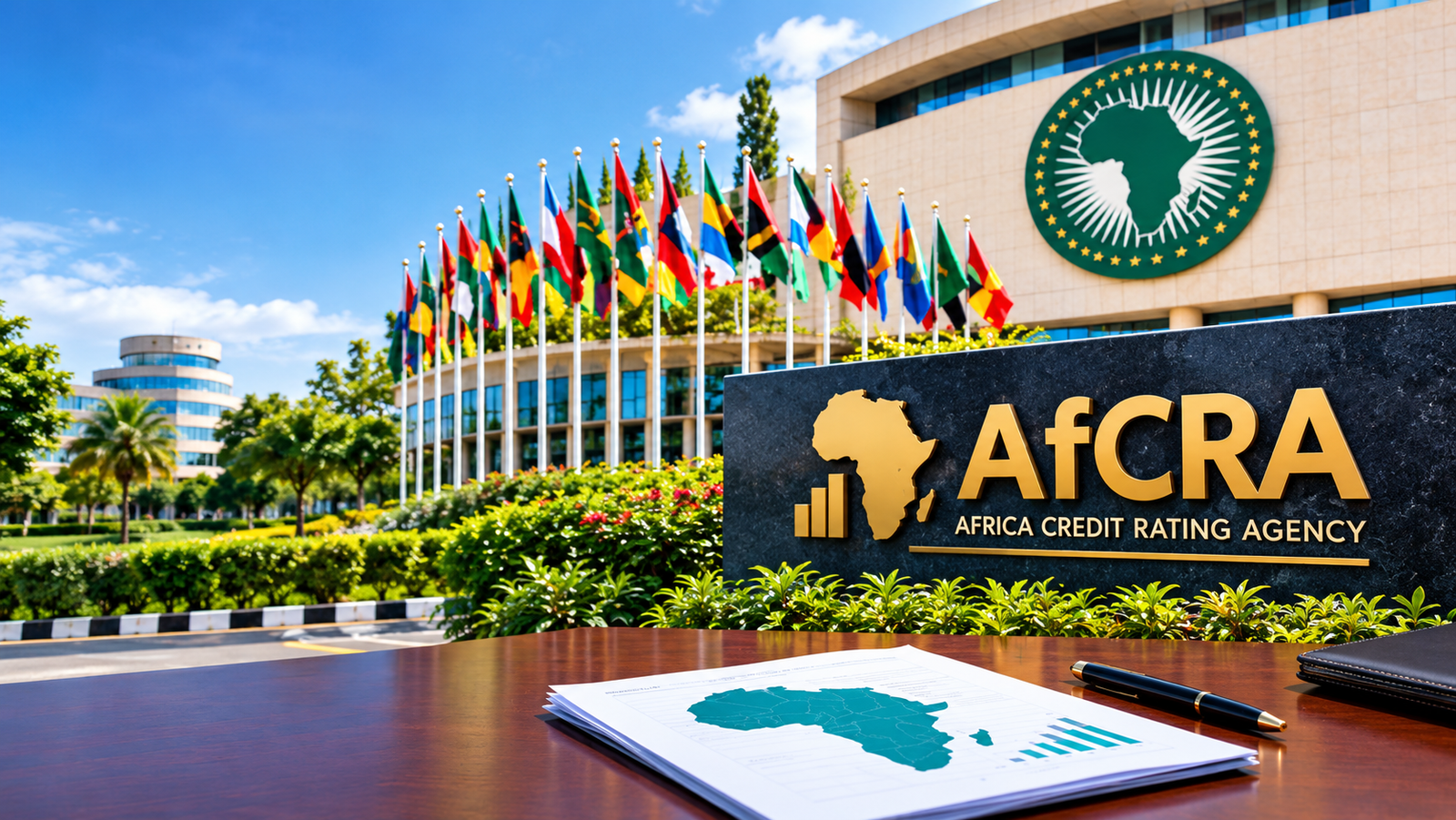
Port Louis, Mauritius — October 7, 2026: The African Union has launched the Africa Credit Rating Agency (AfCRA) in Mauritius, establishing the continent’s first Africa-focused credit rating institution as African governments seek a stronger voice in international financial markets.
The agency was officially unveiled in Port Louis on Wednesday after years of discussions and institutional preparation led by the African Peer Review Mechanism (APRM) under an AU mandate. African leaders endorsed the idea of a continental credit-rating agency in 2018.
AfCRA is intended to provide independent assessments of the creditworthiness of African governments, sub-national entities, businesses and financial institutions. Its methodology is expected to draw more heavily on African data, economic conditions and local expertise while complementing, rather than replacing, existing international ratings agencies.
Challenging the established ratings system
For years, African policymakers have criticised the dominant international ratings firms — S&P Global, Moody’s and Fitch — arguing that their assessments can fail to fully capture conditions on the continent and contribute to higher borrowing costs.
The AU says AfCRA is designed to provide investors with additional information and context when evaluating African economies. The agency is also expected to help address gaps in ratings coverage, with the AU saying that 23 of its 55 member states currently do not have ratings from the three major global agencies.
Supporters argue that a deeper understanding of African economies could help reduce the risk premium attached to some African borrowers and improve access to international capital.
Focus on credibility and independence
Despite being created under an AU mandate, AfCRA is designed to operate as a private-sector-driven, self-funded and independent institution. The AU says governments cannot own shares in the agency, a measure intended to protect it from political influence and strengthen its credibility with investors.
That independence will be closely watched. Credit ratings influence how investors assess risk and can affect the interest rates governments and companies pay when raising money. Any perception that ratings are politically influenced could undermine the agency’s purpose.
A potential boost for African capital markets
The launch comes as many African governments continue to face significant financing pressures and high debt-servicing costs. The AU sees AfCRA as part of a broader effort to strengthen the continent’s financial architecture and increase Africa’s influence over how its economies are assessed globally.
The agency will therefore face a major test: whether it can establish a reputation for accurate, transparent and internationally credible ratings while offering a genuinely Africa-focused perspective.
Its success could potentially give African governments and companies another avenue for accessing capital and provide international investors with additional information when making decisions about the continent.
For the AU, however, the launch represents more than a new financial institution. It is being presented as part of a broader push for greater financial sovereignty and a stronger African voice in the global financial system.

Jaguar Unveils Type 01 Electric GT as Luxury Brand Bets on a New Era

Gold Prices Rebound as Dollar Retreat Offers Relief to Bullion Market

Hormuz shipping traffic falls to two-month low after tanker attacks



-

 General News1 week ago
Fidelity Bank Chairman Named Ghana’s Topmost Transformational Board Chair 2026
-

 Technology2 weeks ago
Rolls-Royce Expands Aviation Business with Major Philippine Airlines Engine Agreement
-

 Entertainment2 weeks ago
Ras Caleb assesses institutions under the Tourism Ministry, highlighting key roles.
-

 Entertainment2 weeks ago
Ras Caleb Appiah-Levi: The musician, Pan-Africanist and organiser whose career spans four decades
-

 Entertainment1 week ago
Ras Caleb Appiah-Levi Reflects on Death, Wealth and Equality: “Death Neither Knows Rich Nor Poor”
-
 General News2 weeks ago
Sudan Chemical Weapons Allegations: UN Signals Readiness for Possible Investigation
-

 Business2 weeks ago
Rev. Dr. Christian Kwetey Kweitsu Honoured for Excellence in Audiology Practice in Kigali
-
 Technology2 weeks ago
Washington Pushes Back as AI Leaders Seek International Safety Rules