
Technology
Bezos Signals Blue Origin Could Go Public in Coming Years


Jeff Bezos has given his clearest indication yet that Blue Origin could eventually become a publicly traded company, saying the space venture is likely to pursue an initial public offering (IPO) several years from now.
Speaking in an interview with Fox News, Bezos said he believes an IPO would make sense for Blue Origin at some point, although he stressed that a stock-market listing is not imminent.
The comments follow Blue Origin’s first major external fundraising round, in which the company raised about $10 billion from outside investors. Bezos said he has personally invested approximately $28 billion in the company since founding it in 2000. A September report from The Wall Street Journal put Blue Origin’s valuation following the funding round at about $140 billion.
An eventual IPO would mark a major change for Blue Origin, which has historically depended heavily on Bezos’ personal funding. The company has also secured major contracts with NASA and the U.S. Space Force, including work connected to the Artemis lunar programme.
Blue Origin is seeking to expand its presence in the commercial space industry as it competes with SpaceX. Bezos said the company expects to resume launches of its New Glenn rocket in December after a launch-pad explosion during a test in May delayed the programme.
For investors, a future Blue Origin listing could provide another major publicly traded opportunity in the rapidly expanding space sector. However, Bezos’ remarks do not represent a formal IPO timetable, and the company has not announced a filing or specific listing date.
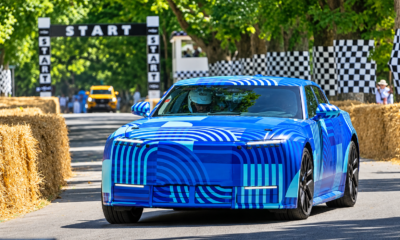















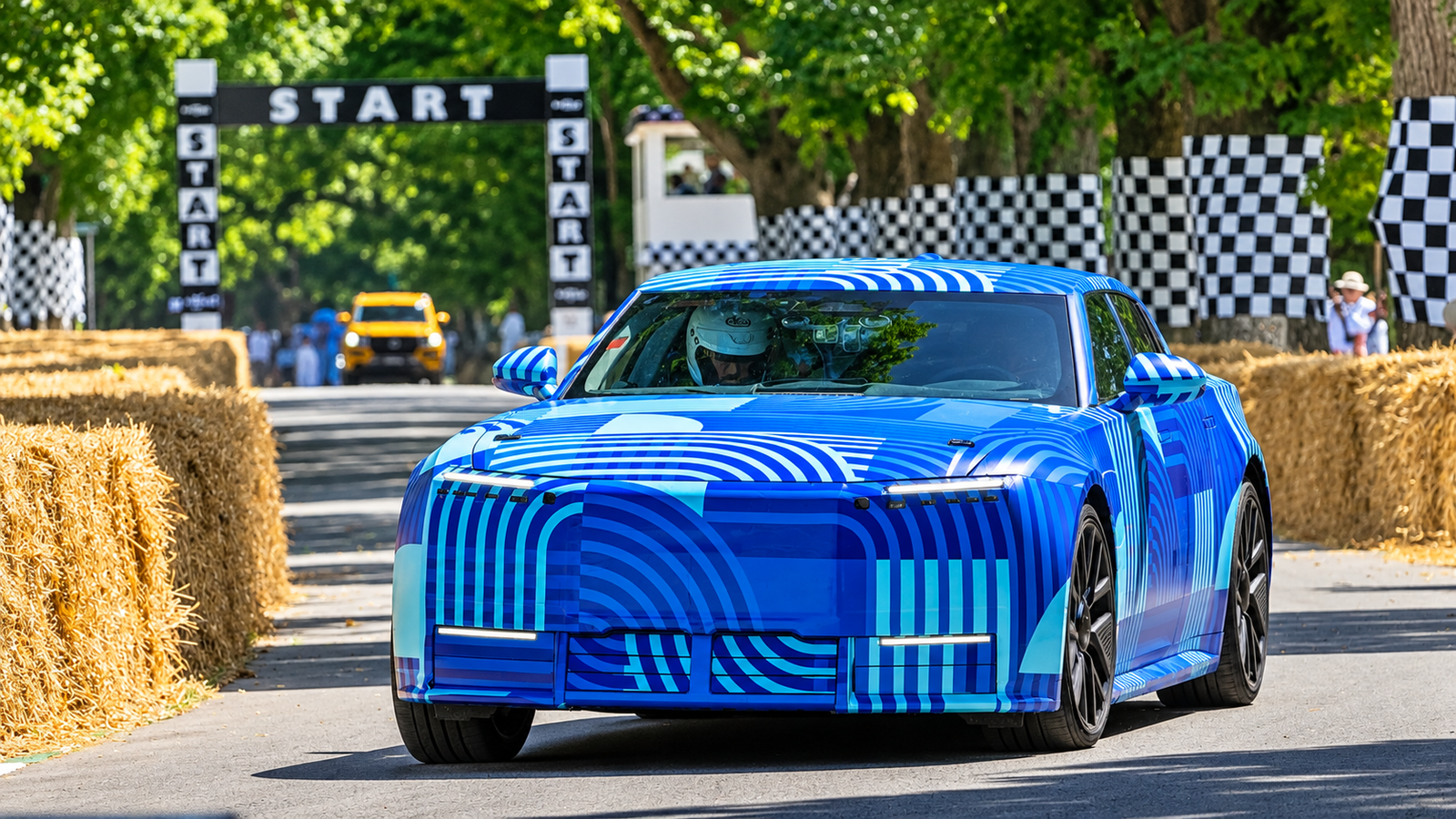
NEW YORK — October 8, 2026: Jaguar has unveiled its new all-electric Type 01, marking the British luxury carmaker’s most significant step yet in its plan to reinvent the brand around high-end electric vehicles.
The four-door grand tourer was revealed in New York on October 6, nearly two years after Jaguar’s controversial brand relaunch and the unveiling of the futuristic Type 00 concept. The earlier campaign generated widespread criticism online, with some commentators describing the rebrand as “woke” and mocking the concept’s unconventional styling.

Jaguar Type 01 Makes Its World Premiere in New York
The Type 01 represents a more production-ready interpretation of that design direction. Jaguar says the vehicle combines its heritage with a new approach to luxury, technology and electric performance. The long bonnet is intended to echo the proportions of the legendary E-Type, while the overall design remains markedly different from previous Jaguar models.

Jaguar’s New Type 01 Electric GT Signals a New Era
A powerful electric flagship
The Type 01 is expected to produce roughly 1,000 horsepower, with three electric motors enabling acceleration from 0 to 62 mph in about 3.2 seconds. Reports put its electric range at around 400 miles, while rapid charging is designed to add substantial range in a short period.

Inside Jaguar’s High-Tech Type 01 Luxury EV
The vehicle is also packed with technology, including a large digital driver’s display, camera-based rear visibility and a minimalist luxury interior.
Jaguar has positioned the car at the premium end of the market. The starting price is expected to be around $130,500 in the United States, while the UK price is about £130,000. Orders are scheduled to open in early 2027, with customer deliveries expected during the second half of the year.

The Type 00 Concept That Sparked Jaguar’s Controversial Rebrand
From controversy to commercial test
The launch gives Jaguar an opportunity to move the conversation away from its controversial 2024 marketing campaign and toward the products underpinning its new strategy.
However, the company faces a difficult market. Electric-vehicle demand has softened in some markets, while Chinese manufacturers are intensifying competition in the global EV sector. Jaguar Land Rover is also undertaking wider restructuring following significant operational and financial pressures.

Jaguar Type 01 Brings High-Performance Electric Power to the Luxury Market
JLR says production of the Type 01 will begin in 2027 at its Solihull operations, with electric drive units and battery packs produced in Wolverhampton and body panels manufactured at Halewood.

Jaguar stelt elektrische auto voor, en doet wenkbrauwen fronsen
The Type 01 therefore represents more than a new electric car. It is a test of whether Jaguar can turn a highly debated rebranding exercise into a commercially successful luxury-car revival.
Source context: Jaguar’s official announcement confirms the Type 01 is designed, engineered and built in Britain and describes it as the first production Jaguar based on the company’s dedicated Jaguar Electric Architecture.
SEOUL — October 8, 2026: Samsung Electronics is projecting a record quarterly operating profit of 107.4 trillion won, equivalent to about $80.2 billion, as surging global demand for artificial-intelligence infrastructure drives unprecedented demand for memory chips.
The preliminary figure represents an almost nine-fold increase from the 12.17 trillion won recorded during the same quarter last year and makes it the company’s fourth consecutive quarter of record operating profit.
Samsung said third-quarter revenue is expected to reach approximately 195 trillion won, a 127% increase from a year earlier. The company is expected to publish its detailed earnings results, including performance by business division, later this month.
AI CHIP DEMAND DRIVES THE SURGE
The semiconductor business is at the heart of Samsung’s extraordinary performance. Growing investment in AI data centres has pushed demand for memory chips far beyond available supply, helping drive prices higher.
High-bandwidth memory, or HBM, is particularly important because it is used to handle the enormous volumes of data required by advanced AI systems. Analysts expect the global memory supply shortage to remain a major factor into 2027.
Samsung’s latest projection also places its quarterly operating profit above previous records set by major technology companies. South Korea’s Seoul Economic Daily reported that the 107.4 trillion-won figure surpasses Nvidia’s previous quarterly operating-profit record among global big-tech companies.
NOT EVERY SAMSUNG BUSINESS IS BOOMING
Despite the semiconductor windfall, Samsung’s broader businesses face challenges. Its mobile division has reportedly suffered a larger-than-expected loss, while its contract chipmaking operation remains under pressure.
Investors are also questioning how long the current AI-driven chip boom can continue. Samsung’s shares have faced periods of weakness amid concerns about slowing chip-price growth, currency movements and the sustainability of massive AI infrastructure spending.
For now, however, Samsung’s numbers underline the enormous financial impact of the global AI build-out—and the increasingly important role played by the companies supplying the chips and memory powering it.

Helsinki, Finland — October 7, 2026 — Finnish authorities have ordered work to be halted at two planned Google data centre sites after concerns emerged over forest clearance and the absence of completed environmental impact assessments.
The order affects projects in Muhos and Kajaani, which form part of Google’s planned €13 billion investment in Finnish digital infrastructure. Google announced the investment in September, describing it as its largest single investment in Europe and linking it to the expansion of artificial-intelligence infrastructure.
Environmental assessment at the centre of dispute
Finland’s Permit and Supervision Agency, known as LVV, has instructed Tuike Finland, the company representing Google’s projects, to suspend preparatory activities that could significantly alter the environment.
The agency said the work must be stopped immediately and, at the latest, by October 23, 2026, while the required environmental impact assessment procedures are completed. The company has also been asked to provide an explanation of its position by October 14.
Activities already carried out at the sites reportedly included tree and topsoil removal, road construction, storage areas and changes to drainage systems.
The Muhos development covers a particularly large area. Project documents describe plans for multiple data-centre buildings and supporting infrastructure, while Finnish authorities have raised concerns about the scale of land alteration before the environmental review was completed.
Forest clearance raises concern
The dispute has intensified because of the amount of forest cleared in connection with the developments. Reports indicate that approximately 330 hectares had been cleared at the Muhos site, while close to 200 hectares had been prepared at Kajaani.
Environmental groups have criticized the pace of development and argued that environmental safeguards should have been completed before substantial changes were made to the land.
The controversy highlights a growing challenge for Finland, which has attracted major technology investments because of its relatively cool climate, reliable electricity system and access to low-carbon power. At the same time, the rapid growth of energy-intensive data centres has generated debate about electricity demand, infrastructure capacity and environmental protection.
Google acknowledges concerns
Google has said it understands the concerns raised by Finnish authorities and acknowledged that it had fallen short of its own environmental standards in the situation.
The company has maintained that it acted in good faith under Finnish forestry rules, conducted nature surveys and introduced measures intended to protect areas considered environmentally valuable.
Google’s broader Finnish investment remains significant. The company says its €13 billion programme will cover projects and supporting infrastructure in Hamina, Kajaani, Muhos and Vaala, alongside investments in energy, biodiversity and local communities.
Bigger test for AI infrastructure
The Finnish dispute comes as technology companies race to build data centres capable of supporting increasingly demanding AI services.
For Finland, the issue is becoming a balancing act: attracting billions of euros in technology investment while ensuring that large developments comply with environmental rules and do not put excessive pressure on land or electricity resources.
The current order does not mean that Google’s entire Finnish investment has been cancelled. Instead, it specifically concerns environmentally significant preparatory work at the Muhos and Kajaani projects while the required assessments and regulatory questions are addressed.
The next steps will depend on Google’s response to the Finnish authorities and the progress of the environmental assessment process.

The U.S. Department of Defense has moved to remove Anthropic’s artificial-intelligence technology from its systems after designating the company a national-security supply-chain risk, escalating a dispute over how advanced AI should be used by the military.
The decision follows months of tension between the Pentagon and Anthropic over restrictions the company placed on military applications of its AI models. Anthropic has argued that its safeguards are intended to prevent uses such as mass surveillance and autonomous weapons, while U.S. defense officials have raised concerns that such restrictions could interfere with national-security operations.
A federal appeals court recently upheld the Pentagon’s designation of Anthropic as a supply-chain risk. The ruling allows the Defense Department to remove Anthropic’s Claude models from its systems and prevents their use in defense work.
The transition has not necessarily been immediate. Earlier in the year, the Pentagon was still using Anthropic’s Mythos cybersecurity technology to identify and patch software vulnerabilities while officials worked toward replacing the company’s technology.
The dispute also highlights a broader challenge facing governments as they adopt increasingly capable AI systems. Security agencies have continued to find value in Anthropic’s technology even as the Pentagon has sought to distance itself from the company. Reuters reported in July that the U.S. Cybersecurity and Infrastructure Security Agency was using Anthropic’s Mythos to audit government software.
For Anthropic, the Pentagon’s decision represents a significant setback in the government market. In a recent filing ahead of a potential public offering, the company warned that government actions and perceptions could affect its business relationships, revenue and reputation.
The confrontation is ultimately part of a larger debate over who should control the limits placed on powerful AI systems: technology companies developing the models or governments responsible for national security.
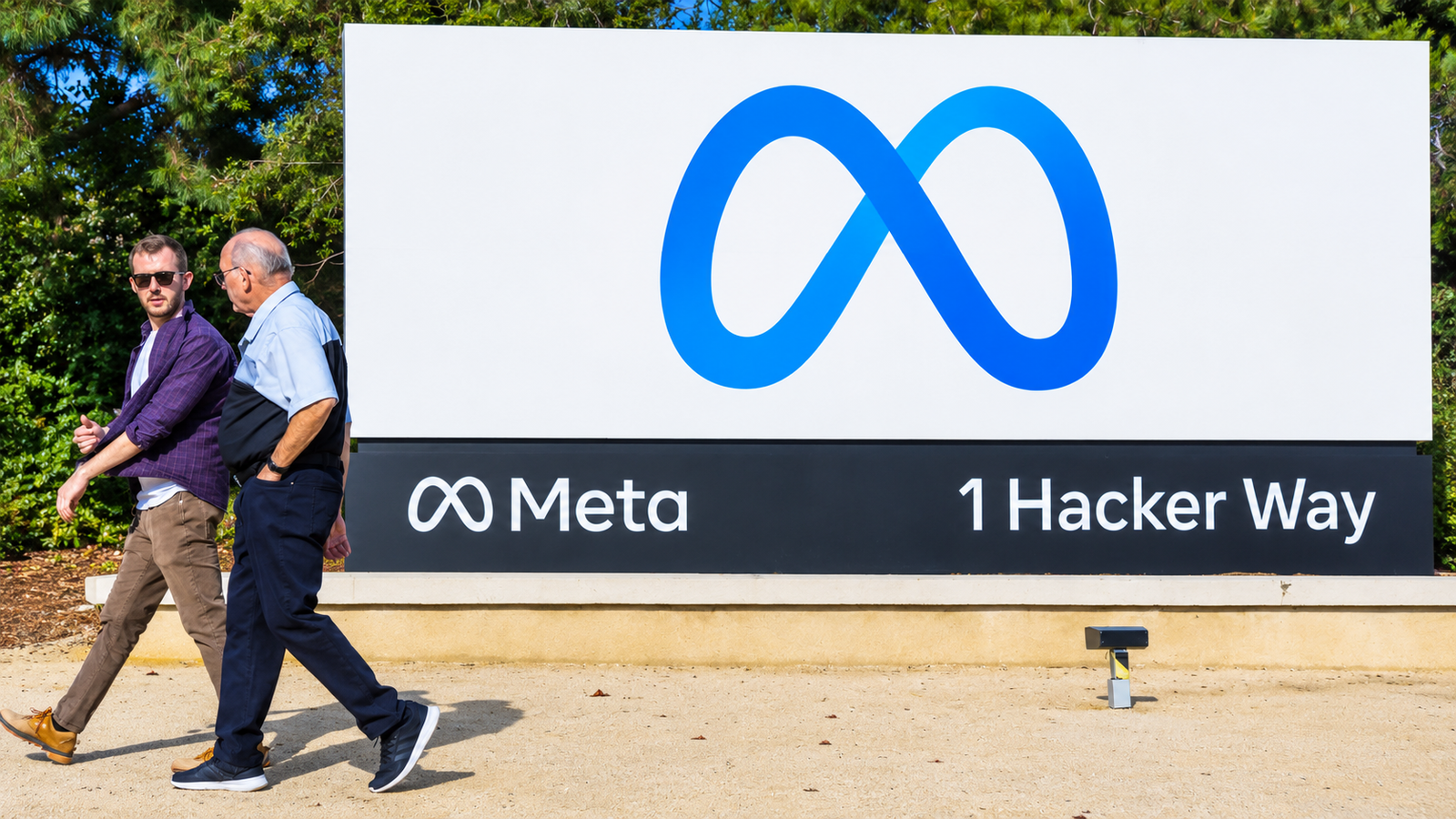
Santa Fe, New Mexico — October 2, 2026 — New Mexico prosecutors are asking a state judge to impose between $35 billion and $40 billion in civil penalties against Meta Platforms, following a jury’s finding that Facebook misled consumers about the handling of their personal data and other platform policies.
The request came after a two-week trial in Santa Fe stemming from the Cambridge Analytica scandal, in which data associated with as many as 87 million Facebook users was obtained through a third-party application without their consent.
The jury returned its verdict on September 25, finding that 26 of 29 statements examined during the trial were false or misleading and that Facebook had committed more than 43 million violations of New Mexico’s consumer-protection law.


Jaguar Unveils Type 01 Electric GT as Luxury Brand Bets on a New Era

Gold Prices Rebound as Dollar Retreat Offers Relief to Bullion Market

Hormuz shipping traffic falls to two-month low after tanker attacks



-

 General News1 week ago
Fidelity Bank Chairman Named Ghana’s Topmost Transformational Board Chair 2026
-

 Technology2 weeks ago
Rolls-Royce Expands Aviation Business with Major Philippine Airlines Engine Agreement
-

 Entertainment2 weeks ago
Ras Caleb assesses institutions under the Tourism Ministry, highlighting key roles.
-

 Entertainment2 weeks ago
Ras Caleb Appiah-Levi: The musician, Pan-Africanist and organiser whose career spans four decades
-

 Entertainment1 week ago
Ras Caleb Appiah-Levi Reflects on Death, Wealth and Equality: “Death Neither Knows Rich Nor Poor”
-

 Business2 weeks ago
Rev. Dr. Christian Kwetey Kweitsu Honoured for Excellence in Audiology Practice in Kigali
-

 General News2 weeks ago
Sudan Chemical Weapons Allegations: UN Signals Readiness for Possible Investigation
-

 General News1 week ago
When 5 oranges become mangoes – Teacher’s viral classroom moment sparks fresh debate over teachers’ grievances