
General News
Police Arrest 14 Suspects Over Alleged Narcotic Drug Cultivation at Daliga

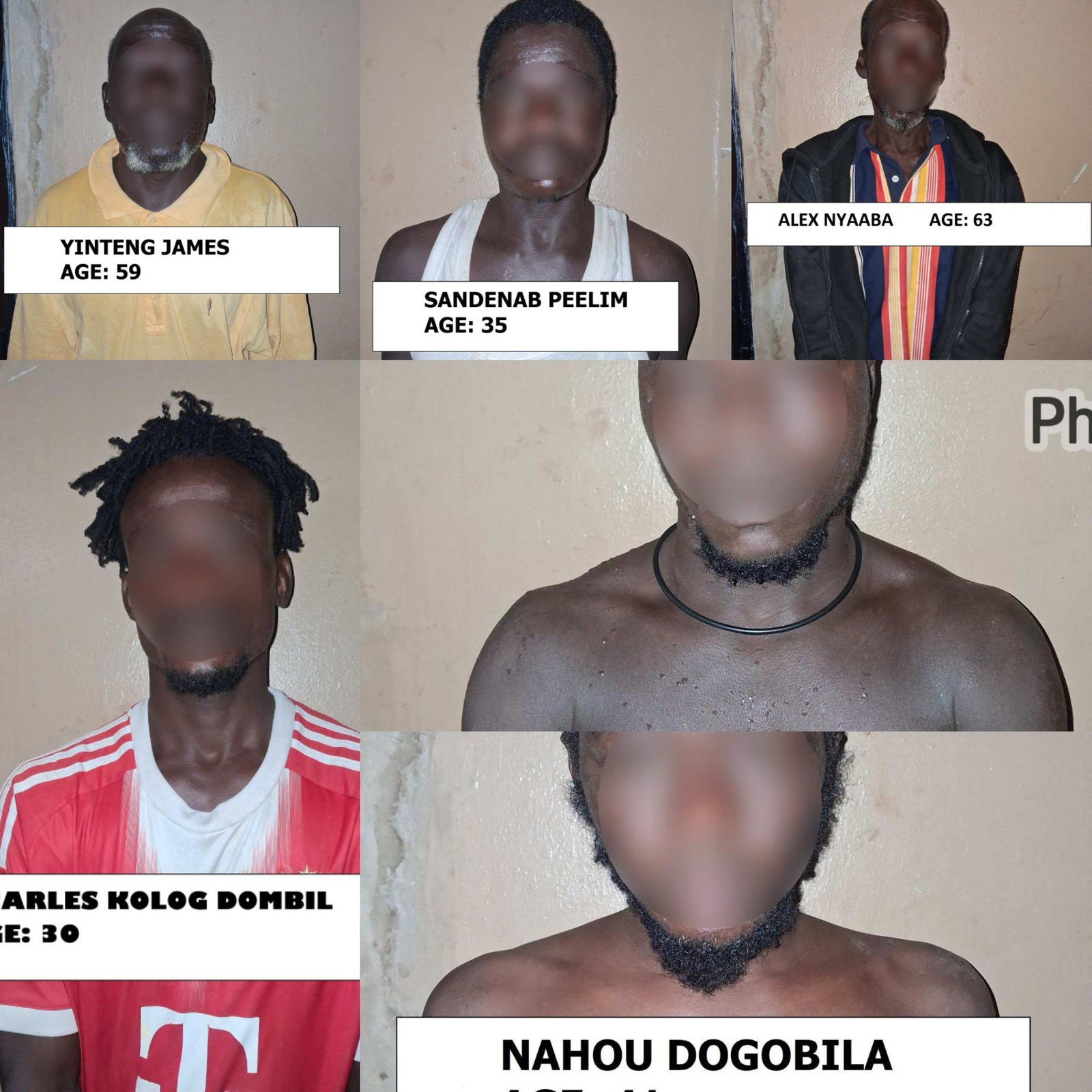
The Upper East Regional Police Command has arrested 14 suspects in connection with the alleged cultivation and distribution of narcotic drugs at Daliga in the Nabdam District of the Upper East Region.
The suspects were apprehended on Sunday, August 16, 2026, during an intelligence-led operation carried out by the Police Intelligence Directorate (PID) in collaboration with the newly established Black Cobra Team.
Those arrested include Alex Nyaaba, Charles Keleg Dombil, Zimi Pandam, Jennifer Ziini, Tobirr Naab, Yinteng James, Tosil Wandabil, Sandanane Peehim, Borimi Nohoo, Curim Teng, Curim Kugri, Nohou Dagobila, and Abane Zangbeog.
During a search conducted as part of the operation, the police reportedly discovered a large quantity of suspected narcotic substances concealed in sacks containing millet and maize.
According to the Police, preliminary investigations suggest that the suspected Indian hemp was being cultivated alongside food crops such as millet and maize as a means of disguising the farms and avoiding detection by law enforcement authorities.
The suspects are further alleged to be key suppliers of narcotic drugs to several drug dealers operating in different parts of the Upper East Region.
The 14 suspects remain in police custody and are expected to be arraigned before the court to face the appropriate legal proceedings.
The Police Command says investigations are ongoing to establish the full extent of the suspects’ activities and identify other persons who may be connected to the alleged narcotics trade.
https://x.com/GhPoliceService/status/2089343075009155565?s=20



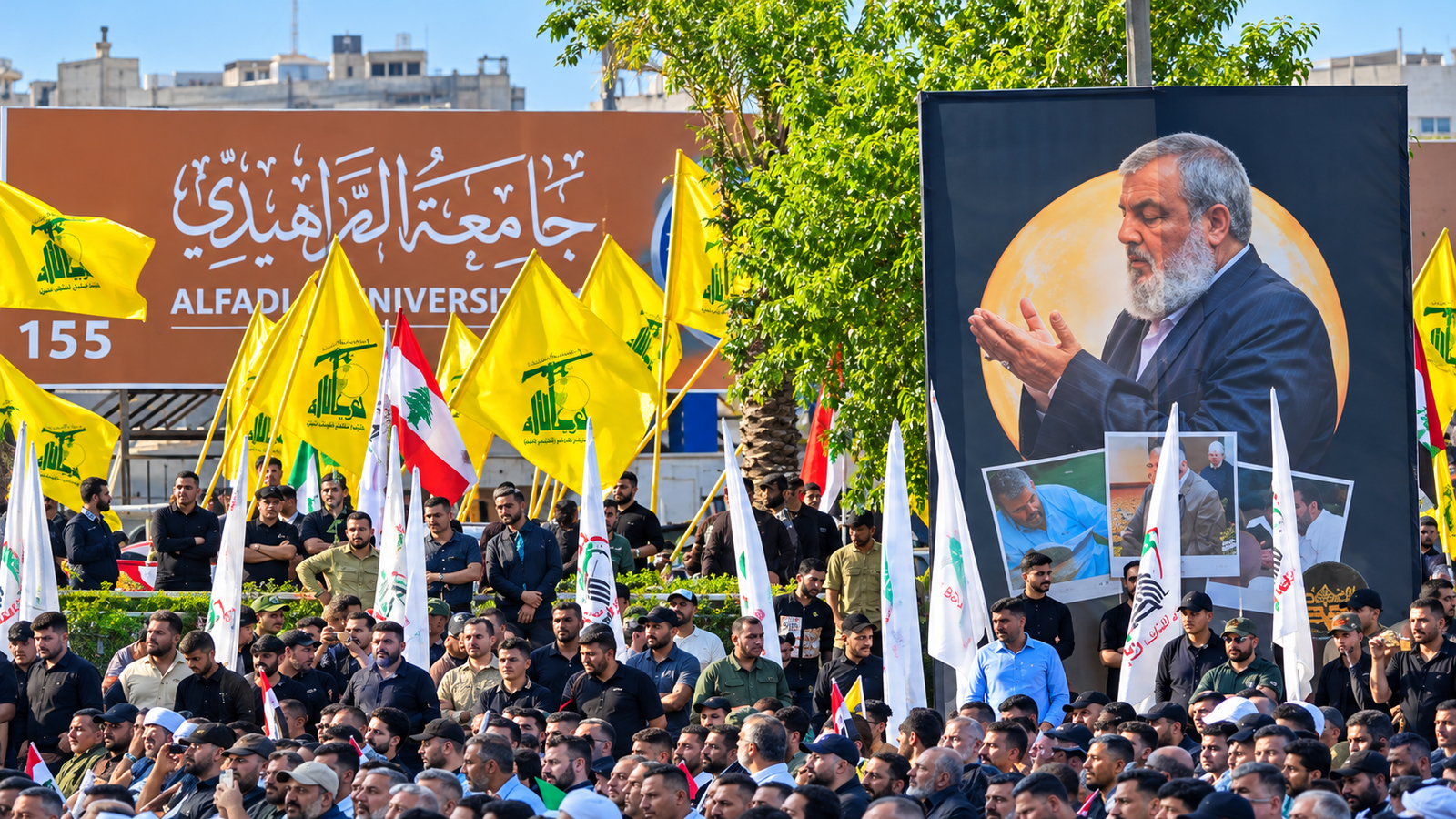
BEIRUT, Lebanon — October 8, 2026: Hezbollah has reportedly received $200 million from Iran to provide financial assistance to Lebanese families displaced by this year’s war with Israel, according to two people with direct knowledge of the transfer.

The reported payment would represent the first major assistance from Hezbollah to supporters affected by the conflict, after hundreds of thousands of people were forced from their homes during Israeli bombardments and ground operations in southern Lebanon and other Hezbollah strongholds.

According to the sources, the funds arrived in Lebanon last month despite mounting US pressure on Iran and increasingly difficult channels for transferring money to Hezbollah. Intermediaries involved in moving the funds reportedly charged a 20% fee, reflecting the financial and legal risks associated with the transaction.

A Hezbollah official confirmed that an amount of money had been secured and said the group would announce a distribution plan, but did not publicly confirm that the funds came from Iran.

$3,000 planned for some families
The reported plan would initially provide approximately $3,000 per family, with priority given to people from villages that have been destroyed or remain inaccessible because of the conflict.

One source estimated that around 50,000 families could be covered by the initial payments.
The development comes after months of criticism over the limited assistance available to Hezbollah’s displaced supporters. The group’s ability to provide financial support and reconstruction assistance has historically been an important part of its relationship with communities in southern Lebanon and Beirut’s southern suburbs.

After the 2006 war with Israel, Hezbollah distributed cash assistance and helped finance reconstruction in areas heavily damaged by fighting. This year’s conflict, however, has produced extensive destruction while reconstruction has been much slower.

Washington disputes the reported transfer
The United States has challenged the claim that the $200 million was transferred from Iran.
US State Department spokesperson Tommy Pigott said the money was not there and accused Hezbollah of attempting to bolster its image by promoting what Washington described as false reports of Iranian financial support.

Iranian officials and Lebanon’s government did not immediately respond to requests for comment, according to the Reuters report.
Iran has historically been a major financial backer of Hezbollah, although Tehran does not publicly acknowledge financing the organization. US officials have previously reported substantial Iranian financial support for the group.

A difficult road ahead
The reported transfer comes as Hezbollah faces serious financial pressures following the conflict and intensified US sanctions targeting Iranian and Hezbollah-linked financial networks.
The war has also left large areas of southern Lebanon heavily damaged. Lebanese officials have warned that rebuilding the country following successive conflicts since 2024 could cost more than $27 billion.

For displaced families, the immediate challenge remains finding secure housing and restoring basic livelihoods. Whether the reported funds reach the intended recipients — and how widely the payments are distributed — is expected to become clearer once Hezbollah announces its assistance programme.
The reported $200 million transfer has not been independently confirmed by Iran, and Washington disputes the claim.
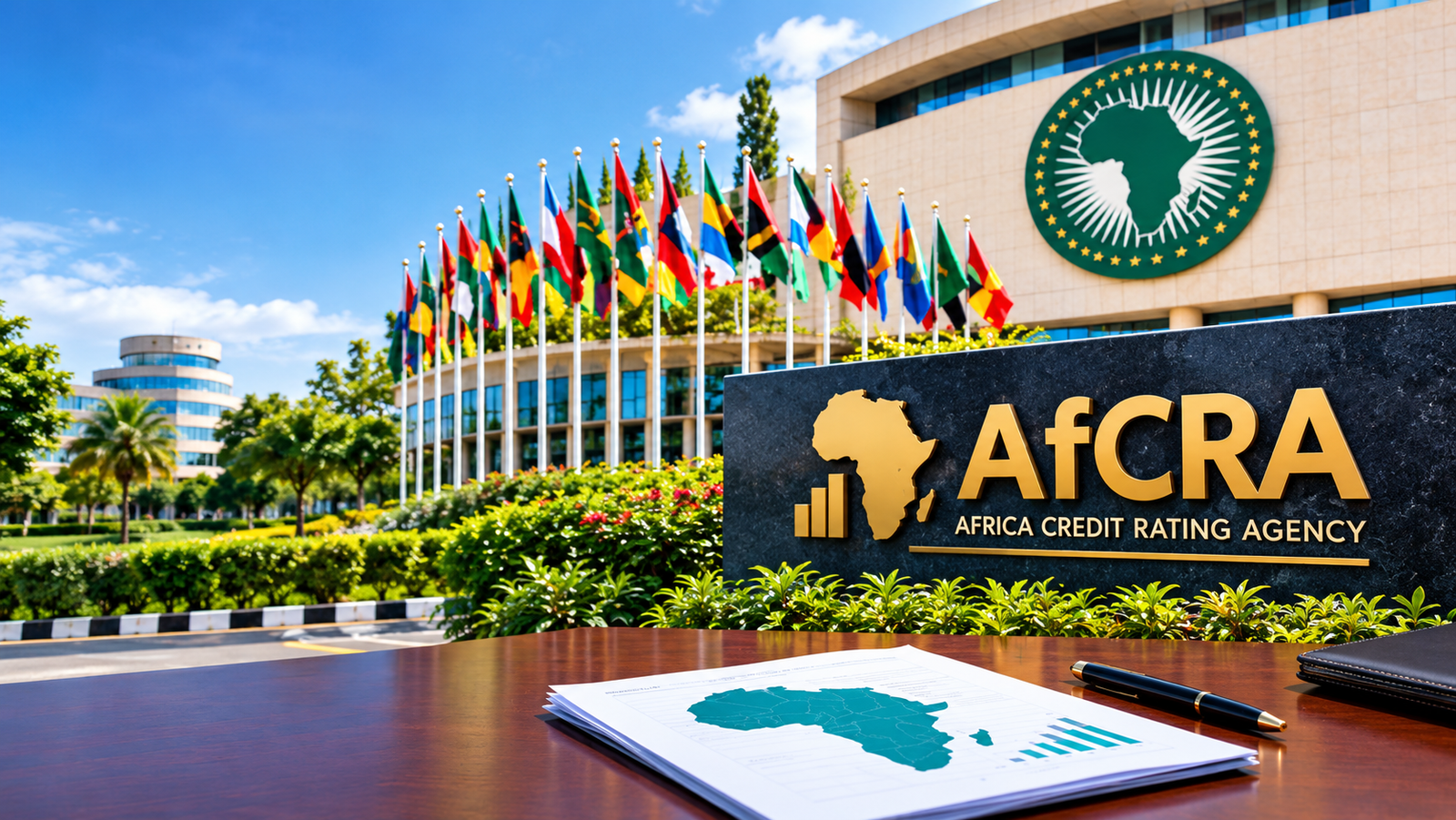
Port Louis, Mauritius — October 7, 2026: The African Union has launched the Africa Credit Rating Agency (AfCRA) in Mauritius, establishing the continent’s first Africa-focused credit rating institution as African governments seek a stronger voice in international financial markets.
The agency was officially unveiled in Port Louis on Wednesday after years of discussions and institutional preparation led by the African Peer Review Mechanism (APRM) under an AU mandate. African leaders endorsed the idea of a continental credit-rating agency in 2018.
AfCRA is intended to provide independent assessments of the creditworthiness of African governments, sub-national entities, businesses and financial institutions. Its methodology is expected to draw more heavily on African data, economic conditions and local expertise while complementing, rather than replacing, existing international ratings agencies.
Challenging the established ratings system
For years, African policymakers have criticised the dominant international ratings firms — S&P Global, Moody’s and Fitch — arguing that their assessments can fail to fully capture conditions on the continent and contribute to higher borrowing costs.
The AU says AfCRA is designed to provide investors with additional information and context when evaluating African economies. The agency is also expected to help address gaps in ratings coverage, with the AU saying that 23 of its 55 member states currently do not have ratings from the three major global agencies.
Supporters argue that a deeper understanding of African economies could help reduce the risk premium attached to some African borrowers and improve access to international capital.
Focus on credibility and independence
Despite being created under an AU mandate, AfCRA is designed to operate as a private-sector-driven, self-funded and independent institution. The AU says governments cannot own shares in the agency, a measure intended to protect it from political influence and strengthen its credibility with investors.
That independence will be closely watched. Credit ratings influence how investors assess risk and can affect the interest rates governments and companies pay when raising money. Any perception that ratings are politically influenced could undermine the agency’s purpose.
A potential boost for African capital markets
The launch comes as many African governments continue to face significant financing pressures and high debt-servicing costs. The AU sees AfCRA as part of a broader effort to strengthen the continent’s financial architecture and increase Africa’s influence over how its economies are assessed globally.
The agency will therefore face a major test: whether it can establish a reputation for accurate, transparent and internationally credible ratings while offering a genuinely Africa-focused perspective.
Its success could potentially give African governments and companies another avenue for accessing capital and provide international investors with additional information when making decisions about the continent.
For the AU, however, the launch represents more than a new financial institution. It is being presented as part of a broader push for greater financial sovereignty and a stronger African voice in the global financial system.

The Ghana Police Service has confirmed that Harold Norman, husband of fashion personality Rosemond Akua Adobea, popularly known as Nana Akua Addo, could not appear before court on Wednesday, October 7, after being admitted to hospital.
Norman was expected to be arraigned in connection with allegations of domestic abuse made against him by his wife. The Criminal Investigations Department (CID) said his lawyer notified investigators that he had been hospitalised and was therefore unable to attend the scheduled court proceedings.
The Police said officers from the Domestic Violence and Victim Support Unit (DOVVSU) subsequently visited the hospital to verify the claim. Investigators are also monitoring the situation and are expected to ensure that Norman appears before court immediately after his discharge.
The development follows a petition Nana Akua submitted to the Director-General of the CID on August 20, 2026. According to the Police, she alleged that her husband had subjected her to physical, emotional and economic abuse.
Police investigations also established that a case involving the couple had previously been handled by DOVVSU at the Lakeside and Ministries Police Stations in July.
Norman was arrested at his residence on August 27 to assist with investigations. After giving a caution statement, he was granted police enquiry bail with two sureties on August 29 while investigations continued.
The Police have also disclosed that they are working with the Ministry of Gender, Children and Social Protection to provide social welfare support for Nana Akua and her children.
The case has attracted significant public attention following the circulation of videos and images on social media. Norman’s lawyers have separately denied allegations against their client and urged the media to exercise caution in reporting matters that are before investigators and the courts.
The Police have maintained that the allegations remain subject to investigation and have reiterated their commitment to handling domestic violence complaints professionally and fairly.

President of the Foundation of Concerned Arts Professionals (FOCAP), Kojo Preko Dankwa, had earlier called for a thorough investigation into the Ghana Tourism Authority’s (GTA) handling of arrangements for Ghanaians who travelled to watch the Black Stars at the 2026 World Cup.
His concerns have now been echoed by the Minority in Parliament, which is demanding broader accountability over alleged irregularities surrounding Ghana’s World Cup visa arrangements.
Kojo Preko Dankwa had called for an investigation or the establishment of a committee to examine how the GTA handled its role in facilitating the travel of supporters to watch Ghana’s matches.
“I am asking for that investigation or a committee to look into how they dealt with the World Cup in terms of getting people to go watch the Black Stars during the World Cup,” he said.
He raised concerns after videos and reports emerged alleging irregularities in the process of obtaining visas for people who wanted to travel to watch the tournament.
Kojo Preko Dankwa also questioned the role of Bright Asempa, whom he identified as a former Corporate Affairs Manager of the GTA, saying his name had surfaced in discussions surrounding the alleged visa controversy.
He questioned why Asempa was no longer with the Authority and why the circumstances surrounding his departure had not been publicly explained.
“His name is Bright Asempa, and his name has appeared in scandals that are happening within the visa connections and visa racketeering when it comes to the World Cup.”
He further raised questions about slots reportedly allocated to the GTA to facilitate the attendance of Ghanaians at Black Stars matches.
“Because if they had several slots that they were supposed to deal with, did they sell it? And if they did not sell it, why is their former or current Corporate Affairs Manager Bright Asempa’s name flying in and out of these scandals coming from National Sports Council?”
Kojo Preko Dankwa said the matter required an investigation to establish whether the GTA was involved in any wrongdoing and to determine what happened to the slots reportedly allocated to the Authority.
He also questioned the circumstances surrounding Bright Asempa’s reported removal, noting that the former official’s name had again surfaced in allegations linked to the World Cup visa arrangements.
“We want to know why he was sacked. We want a thorough investigation done on this same World Cup Black Star Visa issues where GTA had a certain number of slots to take Ghanaians to go watch the Black Star match at the World Cup.”
His earlier call for scrutiny has now gained renewed relevance following demands by the Minority in Parliament for a wider investigation into the alleged visa irregularities.
At a press conference on Wednesday, October 7, Ranking Member on the Youth and Sports Committee, Vincent Ekow Assafuah, demanded the immediate dismissal of Sports and Recreation Minister Kofi Adams and GTA Chief Executive Officer Maame Afua Houadjeto.
The Minority’s demand follows President John Dramani Mahama’s decision to ask National Sports Authority Director-General Yaw Ampofo Ankrah to step aside while the police investigate the allegations.
Assafuah argued that the action against the former NSA boss should not end the accountability process.
“The dismissal of Yaw Ampofo Ankrah does not, by itself, resolve the issues before us. Accountability cannot and does not end with one individual.”
According to the Minority, documents in its possession point to the involvement of the NSA, GTA, TRIBE Culture Fest and officials within the Ministry of Sports and Recreation.
The Minority alleges that some individuals who were not employees or affiliates of public institutions were presented as such in dealings with foreign diplomatic missions.
It is also questioning alleged payments ranging from US$7,000 to US$14,000 by individuals seeking access to the visa arrangements.
The Minority wants the roles of the Sports Minister, GTA leadership, NSA officials, TRIBE Culture Fest and other individuals named in the documents investigated.
Assafuah said officials found administratively culpable should be sanctioned, while anyone found to have committed a criminal offence must face prosecution.
“Dismissal is not prosecution. Removal from office is not accountability for criminal conduct. Where there is evidence of a crime, the appropriate law enforcement and prosecutorial authorities must pursue the matter.”
The Minority is therefore demanding the removal of Kofi Adams and Maame Afua Houadjeto pending the outcome of investigations.
Kojo Preko Dankwa, who raised concerns about the GTA’s World Cup arrangements before the Minority’s latest intervention, has similarly insisted that the matter must be investigated to establish the facts.
He said an investigation would help determine whether the GTA had any involvement in the alleged visa-related activities and protect the credibility of the Authority.
“We need to investigate. We need to understand what is really happening.”
He also warned against allowing the issue to become another controversy involving public officials and visa arrangements.
“We cannot sit and see corruption. We cannot sit and see other things that are done to make the whole GTA look bad in the eyes of the people.”
The emerging calls for an investigation therefore place renewed focus on the GTA’s role in the World Cup travel arrangements and whether public institutions or individuals breached established procedures in facilitating visas for Ghanaian supporters.
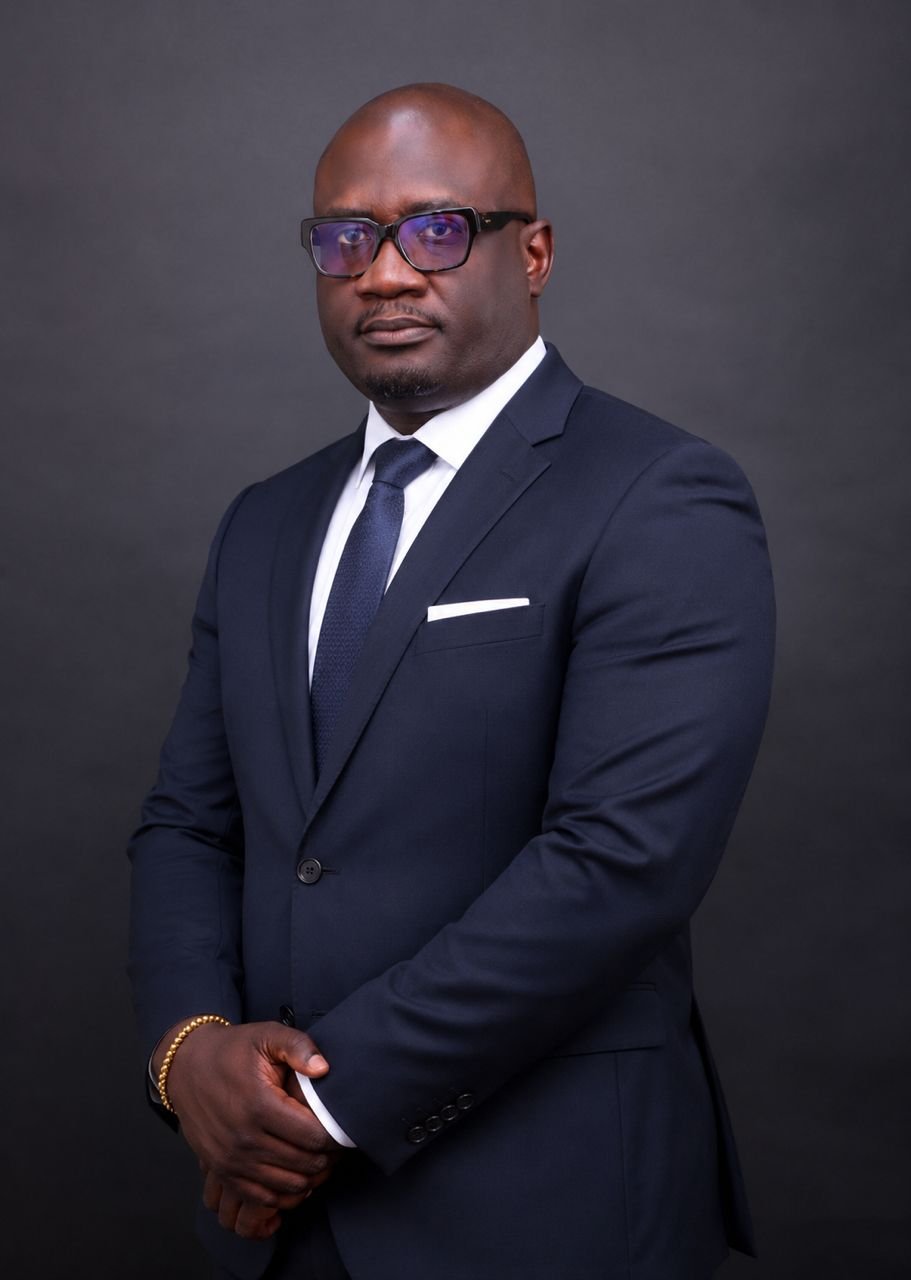
Host of Kessben Maakye on Kessben TV and Kessben 92.9FM, Kojo Preko Dankwa, has questioned the demolition of existing community structures to make way for what the government now describes as District Economy Markets.
Speaking on the programme, Kojo Preko Dankwa said residents affected by the demolition of houses, schools, banks, markets and other properties deserve clear explanations about the projects and what will replace the structures being removed.
His comments followed growing discussions over projects initially presented to many Ghanaians as part of the government’s 24-hour economy initiative but which are now being described as District Economy Markets.
Kojo Preko Dankwa said the change in terminology has exposed what he considers a serious communication gap within government.
He argued that the government had sufficient opportunity to explain the projects properly because the term “24-hour market” had been used publicly for a considerable period.
According to him, government officials, including MPs and District Chief Executives, should have been able to explain the exact nature, purpose and scope of the projects to residents.
He questioned why the government did not correct the public understanding earlier if the projects were always intended to be known as District Economy Markets.
“The communication gap” has become particularly concerning, he said, because some residents are now losing homes and existing facilities without seeing clear evidence of replacement infrastructure.
Kojo Preko Dankwa argued that development projects must take into consideration the needs of the communities where they are being implemented.
He said government cannot simply demolish an existing facility and expect residents to accept a new project without adequately explaining the reason for the demolition, the benefits of the replacement project and how the community’s immediate needs will be addressed.
He particularly raised concerns about schools.
According to him, if a school building is found to be defective or structurally unsafe and is therefore demolished, the appropriate response should be to provide a properly constructed replacement school.
He questioned the logic of removing a school and replacing it with a market when the affected community still requires an educational facility.
“If there is a defect in school buildings and it is not proper, if the building is demolished, you have to replace it,” he stressed.
He said such situations demonstrate why development communication must form part of government planning.
For him, communication should not begin only after a project has generated controversy.
Rather, government should engage residents before construction begins, explain the project’s objectives and listen to concerns about land use and existing community facilities.
Kojo Preko Dankwa also questioned whether local authorities had properly assessed the effectiveness of the proposed markets for the communities in which they are being constructed.
Using the Two Face Market as an example, he recalled earlier explanations that the first phase would involve expanding the market, with a second phase expected to introduce additional facilities and logistics, including a fire service station and clinic.
He questioned whether the relevant district and metropolitan assemblies had adequately explained the full plan to residents.
He also raised concerns about the availability of land, asking how government intends to construct District Economy Markets when some communities have limited land for development.
According to him, these questions should have been addressed through proper consultation with residents before demolition and construction began.
Kojo Preko Dankwa further argued that government should not rely solely on its manifesto or political authority to implement projects without ensuring that the affected population understands and supports the development.
He said ordinary citizens who voted for the government deserve to understand what is being constructed in their communities and why existing properties are being removed.
Kojo Preko Dankwa questioned why the Local Government Ministry and the government’s communication machinery did not address those comments at the time.
He said the silence allowed the public to continue associating the projects with the 24-hour economy until the government later began describing them as District Economy Markets.
He therefore maintained that the issue is not simply about changing the name of a project but about whether the government has effectively communicated its development plans to citizens.
He said the failure to communicate clearly has contributed to confusion and frustration, particularly among people whose properties and community facilities are being affected.
Kojo Preko Dankwa also questioned how the projects are being financed and linked the discussion to allocations for district assemblies for the 2025/2026 period.
He argued that DCEs and other local officials must be able to clearly explain the projects to residents if government expects communities to accept them.
“If one DCE doesn’t explain properly what the market is supposed to be, then we have failed,” he said.
Kojo Preko Dankwa concluded that the situation demonstrates what he considers a broader failure in development communication, insisting that government must engage communities properly and ensure that demolished facilities are appropriately replaced rather than simply introducing new projects in their place.

Ghanaian Entrepreneurship Can Drive National Development – Ibrahim Mahama

Arteta Signs New Contract to Continue Arsenal’s Winning Journey

Silva Announces Return to Football After Retirement



-

 General News1 week ago
Fidelity Bank Chairman Named Ghana’s Topmost Transformational Board Chair 2026
-

 Technology2 weeks ago
Rolls-Royce Expands Aviation Business with Major Philippine Airlines Engine Agreement
-

 Entertainment2 weeks ago
Ras Caleb assesses institutions under the Tourism Ministry, highlighting key roles.
-
 Entertainment2 weeks ago
Ras Caleb Appiah-Levi: The musician, Pan-Africanist and organiser whose career spans four decades
-
 Entertainment1 week ago
Ras Caleb Appiah-Levi Reflects on Death, Wealth and Equality: “Death Neither Knows Rich Nor Poor”
-
 Business2 weeks ago
Rev. Dr. Christian Kwetey Kweitsu Honoured for Excellence in Audiology Practice in Kigali
-
 General News2 weeks ago
Sudan Chemical Weapons Allegations: UN Signals Readiness for Possible Investigation
-
 General News1 week ago
When 5 oranges become mangoes – Teacher’s viral classroom moment sparks fresh debate over teachers’ grievances