
Business
Bank Profits Slide to GH¢7.1bn as Low Interest Rates Squeeze Earnings


Ghana’s banking sector is feeling the pinch as commercial banks’ profit after tax slipped to GH¢7.1 billion by the end of June 2026, with the prevailing low-interest-rate environment squeezing one of their biggest sources of income.
The latest figures from the Bank of Ghana’s July 2026 Monetary Policy Report show that banking-sector profit after tax fell by 1.3% year-on-year, from GH¢7.2 billion in June 2025 to GH¢7.1 billion in June 2026.
The decline marks a sharp reversal from the sector’s performance a year earlier, when profit after tax surged by 32.6%.
Low Interest Rates Take a Toll
The biggest pressure came from net interest income, a major source of earnings for commercial banks.
According to the Bank of Ghana, net interest income contracted by 3.1% in June 2026, compared with a 20.2% increase recorded during the same period in 2025.
The central bank attributed the decline largely to the prevailing low-interest-rate environment, which weakened interest income generated by banks.
The sector’s interest spread also narrowed sharply from 6.0% to 4.4%, while gross yields fell from 8.9% to 6.1%.
Rising Bad-Debt Costs Add More Pressure
While lower interest rates squeezed earnings, banks also faced a significant increase in provisions linked to depreciation, bad debts and impairment losses on financial assets.
These provisions jumped by 38.2% in June 2026, compared with a 14.8% contraction recorded a year earlier.
The development adds another layer of pressure to banks’ profitability, despite a moderation in the growth of operating expenses.
Fees and Commissions Provide Some Relief
Not all income streams weakened.
Fees and commissions grew by 18.2%, slightly higher than the 17.8% growth recorded in June 2025.
However, the stronger performance from fees and commissions was not enough to offset the decline in net interest income and the broader slowdown in major income streams.
Returns Also Take a Hit
The slowdown in profits has been reflected in the sector’s key profitability indicators.
Return on Equity (ROE) fell from 32.2% to 22.9%, while Return on Assets (ROA) dropped from 5.6% to 4.4%.
The figures point to a significant moderation in the profitability of Ghana’s banking industry compared with the strong growth recorded in 2025.
Banks Face a New Earnings Environment
The latest performance highlights the changing environment facing Ghana’s banks as interest rates decline.
While lower rates can provide relief for borrowers and businesses, they can simultaneously squeeze banks’ interest margins and reduce returns from interest-bearing assets. PwC Ghana similarly notes that lower rates can compress bank profitability because a large share of bank revenue comes from interest income.
For Ghana’s banking industry, the challenge will now be to maintain profitability, control costs and manage credit risks in an increasingly low-yield environment.
The banks are still profitable—but the era of rapidly rising earnings appears to be facing a tougher test.
Ghana’s inflation rate has climbed to 5.0% as rising non-food prices put fresh pressure on households, signalling a renewed challenge to the country’s recent disinflation gains.
The latest figures from the Ghana Statistical Service (GSS) show that year-on-year inflation increased from 4.6% in July to 5.0% in August 2026, representing a 0.4 percentage-point rise.
The increase marks the second consecutive monthly rise in inflation and comes despite the rate remaining below the 5.5% recorded in August 2025.
Non-Food Prices Lead the Pressure
Non-food inflation emerged as the biggest driver of the August increase, rising to 6.8%, while food inflation eased slightly to 3.0% from 3.1% in July.
Non-food items accounted for 70.9% of total inflation, compared with 29.1% for food.
The figures indicate that the latest inflationary pressure is increasingly being generated outside the food sector, particularly through services and essential household expenses.
Housing and Transport Remain Major Concerns
The latest data point to continued price pressures in key areas of household expenditure.
Inflation for housing, water and energy stood at about 10.2%, while transport inflation reached 10.5%. Education services recorded inflation of 6.6%, with clothing and footwear at about 8.0%.
Services inflation also increased to 8.6%, compared with 8.5% in July, while goods inflation rose from 3.6% to 3.8%.
Tomatoes Record Huge Price Jump
Some individual products recorded dramatic price increases during the period.
Fresh tomatoes registered a staggering 458.3% year-on-year increase, making them the biggest price mover in the latest inflation basket. Ginger followed with a 128.3% increase.
Rent payments also made a significant contribution to overall inflation, while other notable increases were recorded for parking services, fresh coconut, charcoal and fresh green pepper.
Locally Produced Items Drive Inflation
Another major takeaway from the latest figures is the dominance of domestic price pressures.
Inflation for locally produced items increased to 6.1%, while imported inflation remained considerably lower at 2.2%. Locally produced goods and services accounted for 86.2% of total inflation.
This suggests that Ghana’s current inflation challenge is increasingly being driven by factors within the domestic economy rather than imported price pressures.
A Mixed Picture for Consumers
Despite the increase in annual inflation, the monthly picture offers some relief.
The general price level fell by 1.0% in August compared with July, even as the year-on-year inflation rate increased.
The development highlights the complex nature of Ghana’s current inflation environment: annual price pressures are rising, but monthly prices recorded a decline.
Inflation Fight Faces Fresh Test
The latest figures will likely intensify attention on the government’s efforts to maintain the progress made in bringing inflation down.
With non-food prices, transport, housing and services emerging as key sources of pressure, policymakers may face increasing calls to tackle domestic cost drivers.
For households, however, the headline figure carries a simple message: Ghana’s inflation battle is not over.
After months of significant disinflation, the rise to 5.0% shows that maintaining price stability could prove more difficult as domestic cost pressures continue to build.
Ghana’s 5G race has entered a crucial new phase as MTN Ghana, Telecel Ghana and Goal Telecommunications Ltd have successfully cleared the qualification stage of the National Communications Authority’s (NCA) spectrum licensing process.
The three companies are now set to advance to the next stage of the competitive process, bringing Ghana closer to a broader rollout of next-generation mobile connectivity.
The NCA received four applications for spectrum licences covering the 700 MHz, 2.3 GHz and 3 GHz bands by the August 27, 2026 deadline. Following its assessment, three applicants qualified, while Infrava Ltd failed to meet the requirements and was eliminated from the process.
MTN, Telecel and Goal Telecom Move Ahead
The successful applicants are Scancom Plc (MTN Ghana), Ghana Telecommunications Company Limited (Telecel Ghana), and Goal Telecommunications Ltd.
Their qualification marks a major step in Ghana’s effort to open up the 5G market to greater competition and attract additional investment into the telecommunications sector.
The next phase will focus on the Best Price Offers submitted by the qualified applicants, which will be opened and ranked as part of the spectrum selection process.
Infrava Knocked Out
While three companies have advanced, Infrava Ltd has been dropped from the race after failing to qualify at the technical and eligibility assessment stage.
The NCA said the company’s commercial offer will therefore not be opened, effectively ending its participation in the current licensing process.
Ghana Pushes for Faster 5G Rollout
The development comes as government pushes to accelerate Ghana’s transition to faster and more advanced digital connectivity.
Earlier this year, the government announced a shift away from the previous wholesale 5G exclusivity arrangement, opening spectrum allocation to a competitive national bidding process. The policy is intended to encourage competition, investment and wider access to next-generation broadband services.
The NCA has indicated that successful licence holders will be required to meet specified rollout obligations and timelines to ensure that spectrum translates into actual 5G deployment rather than simply being held as an asset.
5G Could Transform Ghana’s Digital Economy
The stakes are high as Ghana seeks to expand high-speed connectivity, improve digital services and support emerging technologies and industries.
The Communications Minister, Samuel Nartey George, has said the government expects the 5G spectrum assignment to be completed before the end of 2026, with deployment expected to follow.
Government has also set an ambitious target of achieving 70% 5G population coverage by March 2027, underscoring the urgency surrounding the licensing process.
The 5G Battle Is Now Heating Up
With MTN Ghana, Telecel Ghana and Goal Telecom through to the next stage, competition for Ghana’s 5G spectrum is entering a decisive phase.
The next major test will be the evaluation and ranking of the commercial offers, after which successful applicants will move closer to securing spectrum for expanded next-generation services.
For Ghana’s telecom sector, the 5G race is no longer just about who wants to participate—it is now about who can secure the spectrum and deliver faster, wider and more reliable connectivity to Ghanaians.
Ghana’s latest domestic bond auction has generated massive investor interest, with the government’s four-year bond attracting bids far above the amount it sought to raise.
The four-year domestic bond, which matures on September 2, 2030, attracted bids worth approximately GH¢4.46 billion, significantly exceeding the amount eventually raised. The strong demand signals renewed appetite for Ghana’s domestic debt market.
Investors Flood Four-Year Bond Sale
The strong response to the bond auction is being viewed as an encouraging sign for Ghana’s domestic capital market.
With investors submitting billions of cedis in bids, the auction demonstrated that appetite for government securities remains strong despite lingering questions about the pricing of the instrument.
The government ultimately secured about GH¢3.1 billion, highlighting the strong level of demand generated by the issue.
But Pricing Triggers Fresh Debate
Despite the impressive demand, analysts have raised questions about whether the pricing and yield offered on the bond adequately reflect prevailing market conditions and investor expectations.
The debate is particularly significant as Ghana continues efforts to rebuild confidence in its domestic debt market following the country’s debt restructuring programme.
For investors, the key question is whether the return offered on the four-year instrument sufficiently compensates for the risks associated with holding longer-term government debt.
A Critical Test for Ghana’s Debt Market
The successful bond sale comes at a crucial time for Ghana as government seeks to deepen the domestic market while maintaining sustainable borrowing costs.
The Ministry of Finance had announced the four-year medium-term treasury bond as part of its third-quarter 2026 issuance programme.
Strong demand could provide policymakers with some breathing room as they seek to meet financing needs without placing excessive pressure on interest rates.
However, analysts are likely to keep a close eye on yields, investor composition and subsequent market performance.
Strong Demand, But Questions Remain
The latest auction therefore presents a mixed picture.
On one hand, the GH¢4.46 billion in bids points to strong investor appetite and growing confidence in Ghana’s domestic securities market. On the other, questions surrounding pricing underline the delicate balance government must strike between attracting investors and keeping borrowing costs manageable.
For now, the message from the market is clear: investors are interested in Ghana’s debt—but they are also watching the price very closely.
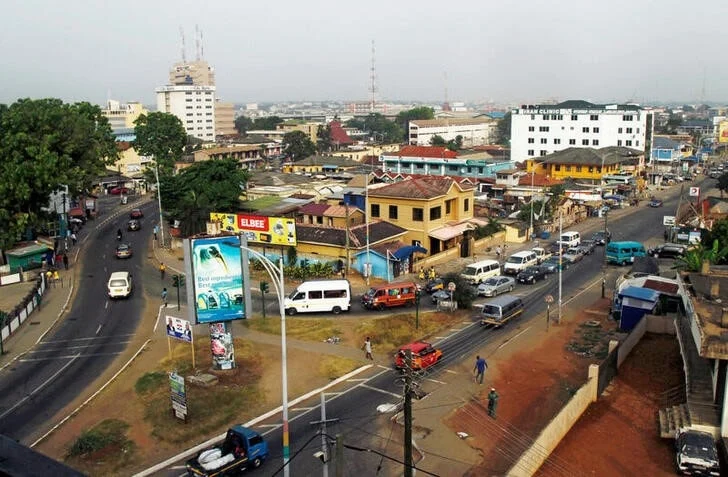
Ghana’s economy has recorded a solid 6% growth in the second quarter of 2026, even as the pace of expansion slowed compared with the same period last year.
The latest figures released by the Ghana Statistical Service (GSS) show that economic activity remained strong between April and June, although growth moderated from the 6.6% recorded in the corresponding quarter of 2025.
The development offers fresh signs of continued economic expansion, while also highlighting areas that could require renewed attention as Ghana seeks to sustain its recovery.
Economy Expands Despite Slowdown
According to the latest data, Ghana produced goods and services worth GH¢51.3 billion in real terms during the second quarter, up from GH¢48.4 billion during the same period in 2025.
However, the slowdown was more pronounced in the non-oil economy, which grew by 5.4%, compared with 8.5% a year earlier.
Services remained the biggest contributor to economic activity, accounting for 45.9% of GDP and contributing 57.6% of overall growth. The sector nevertheless slowed from 9.5% growth in Q2 2025 to 8% in the latest quarter.
ICT Emerges as Major Growth Driver
One of the standout performers was the information and communications technology sector.
The ICT sector recorded a remarkable 30.9% growth, highlighting the increasingly important role of Ghana’s digital economy in driving national economic activity.
The strong performance of the communications sector was also identified as a major driver of the overall Q2 expansion.
Industry Improves, Agriculture Slows
The industrial sector also posted improved performance, expanding by 4.3%, compared with 2.4% during the same period last year.
Oil and gas provided the main boost to industry, which accounted for 33.1% of GDP and contributed 23.5% of total economic growth.
Agriculture, however, recorded a more modest performance.
The sector grew by 3.9%, a significant slowdown from the 7.1% growth recorded in Q2 2025. Agriculture accounts for about 21% of Ghana’s economy and contributed 13.3% of total growth during the quarter.
Major Relief: Price Pressures Ease
Despite the slowdown in growth, the latest figures contain another significant positive development: economy-wide price pressures have eased sharply.
The GDP deflator fell from 18.6% in Q2 2025 to 5.5% in Q2 2026, representing a 13.1-percentage-point decline.
The combination of continued economic expansion and substantially lower price pressures provides an encouraging signal for households and businesses.
Ghana’s Economic Recovery Faces New Test
While the 6% growth figure demonstrates that Ghana’s economy continues to expand at a relatively strong pace, the slowdown compared with the previous year highlights the need to sustain momentum.
The performance of agriculture and the non-oil economy, in particular, could become important areas of focus as policymakers seek to broaden the sources of growth.
For now, however, the latest GDP figures provide a mixed but broadly positive picture: Ghana’s economy is still growing strongly, inflationary pressures have eased considerably, but the pace of expansion is beginning to moderate.
The challenge ahead will be to turn this growth into stronger job creation, higher household incomes and sustained improvements in living standards.


The Management of Tema Oil Refinery (TOR) and Ghana Oil Company Limited (GOIL) on September 2, 2026 held a strategic meeting to explore further opportunities for collaboration in the supply and offtake of petroleum products produced by the refinery, building on the existing business relationship between the two institutions.
Briefing the Managing Director of GOIL and his team, the Managing Director of TOR, Mr. Edmond Kombat, highlighted the significant strides made in ramping up refinery operations, with particular emphasis on the swift and smooth execution of ongoing restart and supply processes – demonstrating renewed operational discipline at the refinery.
As one of TOR’s key offtake partners, GOIL’s continued collaboration remains important as TOR works to increase the supply of petroleum products to the Ghanaian market. The engagement also provided an opportunity for both institutions to identify additional areas of cooperation as TOR continues its Resetting, Transformation and Optimization journey.
The discussions focused on strengthening and deepening the strategic partnership between TOR and GOIL to:
* Enhance petroleum products supply security
* Strengthen market resilience
* Support greater price stability at the pump
* Contribute to a more efficient and reliable downstream petroleum sector
The partnership between the two institutions is critical to strengthening Ghana’s energy security and advancing the broader national interest.
In conclusion , Mr. Kombat insisted that, TOR remains committed to building strong partnerships with key industry stakeholders such as GOIL to support Ghana’s energy security and deliver sustainable value to the Ghanaian consumer.
TOR remains Ghana’s Premier Refinery and ready to serve beyond Ghana, he noted.

Ghana’s Inflation Climbs to 5% as Non-Food Prices Drive Fresh Surge

5G Race Intensifies: MTN, Telecel and Goal Telecom Clear Major Licensing Hurdle

GH¢3.1bn Bond Sale Sparks Massive Investor Interest — But Pricing Raises Questions



-

 Entertainment1 week ago
Oswald Okaitei Explains the Real Vision Behind Ghana’s Black Star Experience
-
 General News2 weeks ago
GES Urged to Review Student Sexual Misconduct Rule Over Alleged Discrimination Against Boys
-

 Entertainment2 days ago
Mahama Is First President to Put GH¢40m Seed Money into Creative Arts Fund: Kojo Preko Dankwa
-

 General News2 weeks ago
Oti Region Youth Endorse John Boadu, Cite Experience as Key to NPP Victory
-

 General News2 weeks ago
Zanetor and Ayariga Face Parliamentary Vetting Today
-
General News2 weeks ago
GES Opens WAEC Portal for 2026 School Placement Data Upload
-

 Entertainment1 week ago
Joana Gyan Cudjoe Ends Seven-Year Professional Ties with Keche Global
-
 General News2 weeks ago
Police Suspend Concrete Mixer Truck Operations in Accra, Tema From August 28