
Politics
Cocoa Farmers Declare War on Galamsey: All Growing Areas Now ‘Security Zones’

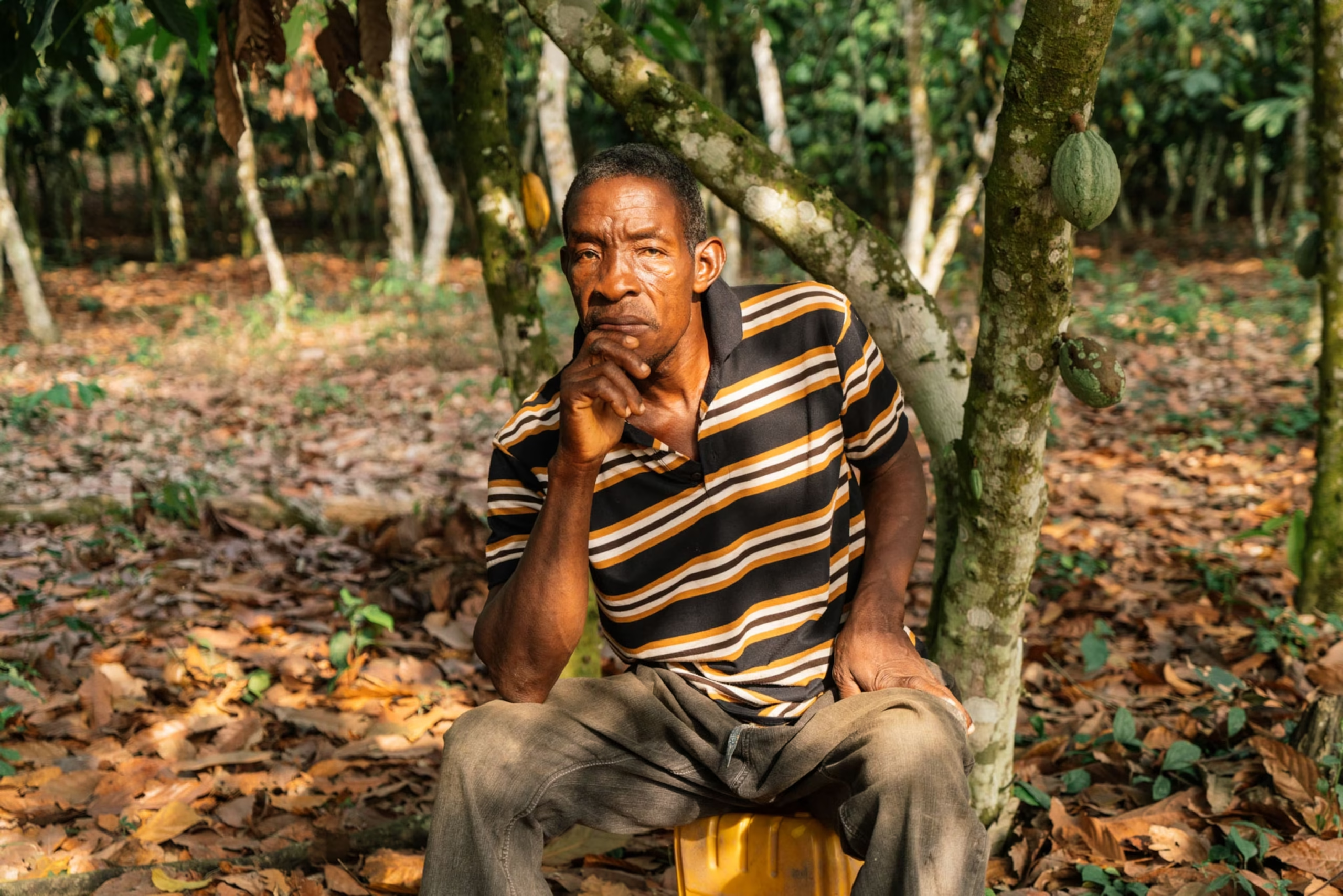
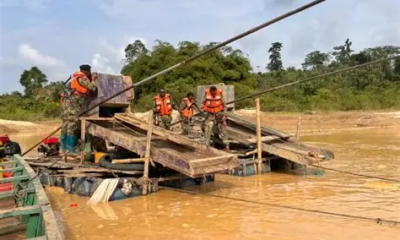
The Concerned Farmers Association of Ghana has drawn a hard line against illegal mining, declaring cocoa-growing areas across the country as “security zones” and ordering illegal miners to stay away from the farms.
The farmers’ group says it will no longer tolerate mining activities that threaten cocoa farms, trees and the future of Ghana’s cocoa industry. The declaration comes amid growing concerns over the destruction of cocoa farms through illegal mining, popularly known as galamsey.
‘Stay Away From Our Cocoa Farms’
The Association’s latest position signals an escalation in the fight to protect cocoa-growing communities from illegal mining operations.
According to the group, cocoa farms must be protected from activities capable of destroying productive agricultural land and undermining the livelihoods of farmers.
The Association has previously warned farmers against handing over their cocoa farms to illegal miners, with its President, Nana Oboadie Boateng Bonsu, saying farmers who collaborate with galamsey operators could be reported to the police.
Galamsey Threatens Ghana’s Cocoa Future
Illegal mining has become one of the major threats confronting Ghana’s cocoa industry, with reports of farms being destroyed even after investments have been made to rehabilitate them.
The Cocoa Health and Extension Division of COCOBOD has also warned that galamsey is undermining investments in cocoa production and urged farmers not to surrender their farms to illegal miners.
For farmers, the stakes are enormous. The destruction of cocoa farms does not only affect individual livelihoods but could also threaten the long-term sustainability of one of Ghana’s key economic commodities.
Farmers Demand Stronger Protection
The declaration comes against the backdrop of growing calls for stronger legal protection for cocoa farms.
The Ghana Cocoa Board Bill, 2026, passed by Parliament in July, seeks to give protected status to cocoa farms and restrict mining and other environmentally harmful activities on protected cocoa farms or within 500 metres of them. The proposed law also provides for severe penalties for illegal activities affecting protected cocoa farms.
The Concerned Farmers Association has previously demanded urgent action on the legislation, warning that delays could leave more cocoa farms vulnerable to illegal mining and other competing land uses.
A Direct Challenge to Illegal Miners
With the latest declaration, cocoa farmers appear ready to take a more aggressive stance against activities threatening their farms.
The message from the Association is unmistakable: cocoa-growing areas must be protected, and illegal miners must keep out.
As Ghana battles the devastating effects of galamsey, the growing resistance from cocoa farmers adds another layer of pressure on authorities to intensify enforcement and protect the country’s cocoa-producing regions.
For the farmers, the fight is not simply about protecting trees—it is about protecting their livelihoods, Ghana’s cocoa industry and the economic future of farming communities.









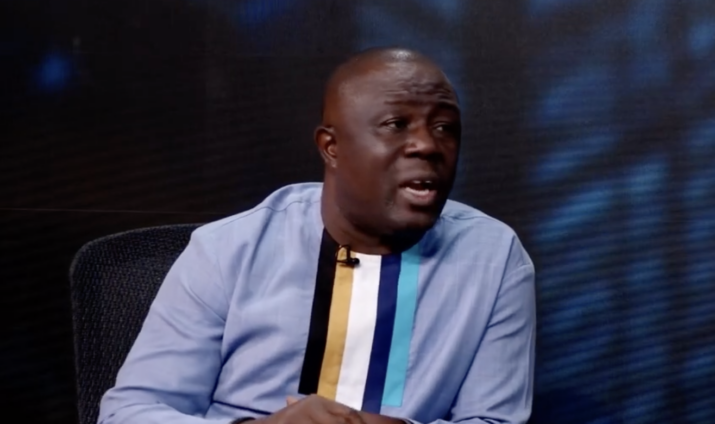
The Public Utilities Workers Union (PUWU) has thrown down the gauntlet, insisting that Ghana has the capacity to fix its troubled energy sector without becoming overly dependent on the International Monetary Fund (IMF) and the World Bank.
PUWU Deputy General Secretary Enoch Paul Hayes says the country must have greater confidence in its ability to tackle the structural problems affecting the power sector rather than continuously looking to international financial institutions for solutions.
Speaking on Joy FM’s PM Express, Mr Hayes argued that Ghana’s energy challenges require a closer examination of the cost of power generation, particularly the pricing arrangements involving Independent Power Producers (IPPs).
‘We Don’t Always Need the IMF’
Mr Hayes made a strong case for homegrown solutions, stressing that Ghana has the evidence and capacity needed to address its own economic and energy challenges.
His comments come amid ongoing discussions about reforms in the energy sector and the role of international institutions in shaping Ghana’s policy direction.
According to him, the country should not automatically assume that assistance from the IMF or World Bank is the only path to resolving its energy-sector problems.
PUWU Questions Focus on ECG
The union is also challenging what it considers an excessive focus on the Electricity Company of Ghana (ECG).
PUWU argues that attention must extend beyond ECG to the cost of electricity purchased from IPPs, which it considers a critical part of the sector’s financial difficulties.
Mr Hayes questioned why the pricing of power supplied by IPPs has not received sufficient attention in the ongoing energy-sector discussions.
‘Fix the Real Problem’
For PUWU, tackling Ghana’s energy crisis requires confronting the structural weaknesses within the sector rather than concentrating on a single institution.
The union’s position comes as Ghana continues efforts to stabilise the energy sector and address financial pressures linked to power generation and supply.
Government has previously announced significant steps to clear energy-sector debts. The Finance Ministry said in January 2026 that the government had paid US$1.47 billion to address energy-sector debt and restore a World Bank guarantee.
IMF, World Bank Put on Notice
PUWU’s latest comments could intensify the debate over how Ghana should approach energy-sector reforms and the extent to which external institutions should influence those reforms.
While the IMF and World Bank have supported various aspects of Ghana’s economic and energy-sector programmes, PUWU believes Ghana must take greater ownership of solving its problems.
The union’s message is clear: Ghana should look inward, confront the structural problems in the energy sector and develop sustainable solutions instead of relying too heavily on external institutions.
The debate over the future of Ghana’s energy sector is therefore far from over, with the cost of power generation, IPP agreements and the financial sustainability of the sector likely to remain major issues in the months ahead.
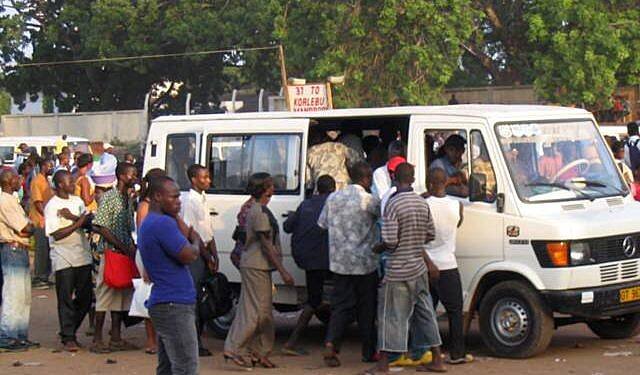
Ghanaian commuters have been handed temporary relief as the Ghana Private Road Transport Union (GPRTU) and the Ghana Road Transport Coordinating Council (GRTCC) put on hold any decision to increase public transport fares.
The two transport bodies say no new fare has been approved, following fresh consultations with the Ministry of Transport over a proposed review of transport fares for the 2026 fare window.
Proposed Fare Hike Put on Hold
The decision follows a meeting between the transport unions and the Minister for Transport and his technical team in Accra on Tuesday, September 8, 2026.
During the engagement, the GPRTU and GRTCC presented a proposal for an upward adjustment in public transport fares, citing the rising costs involved in running commercial transport services.
However, the government’s GH¢2-per-litre intervention on diesel has introduced a new factor into the discussions, with both sides agreeing that its impact on transport operating costs must first be properly assessed.
Current Fares Remain in Force
In a joint statement, the unions stressed that no decision has been taken to adjust public transport fares.
This means passengers are expected to continue paying the existing approved fares across the country until a new fare structure is officially announced.
The GPRTU and GRTCC have consequently directed drivers, station masters and transport owners to maintain the current approved fares.
Technical Team Set Up
As part of the ongoing consultations, a joint team comprising representatives from the Ministry of Transport, GPRTU and GRTCC has been formed to examine the various cost components affecting public transport operations.
The team is expected to assess factors including fuel costs and other operational expenses before any final decision is reached.
The unions say the review is intended to ensure that any eventual adjustment is fair and considers the interests of both transport operators and passengers.
Commuters Urged to Remain Calm
The development comes after growing public attention surrounding a possible transport fare increase, with concerns that higher fares could place additional pressure on already stretched household budgets.
For now, however, commuters have been assured that there is no approved fare increase.
The transport unions have appealed to drivers, operators and passengers to remain calm and cooperative while consultations continue.
The outcome of the review is expected to be communicated to the public once the discussions are concluded.
For commuters, the message is clear: no new transport fare has been approved, and existing fares remain in force until further notice.
Politics
Ghana Moves to Tighten Financial Controls as Finance Ministry Announces Independent Fiscal Council
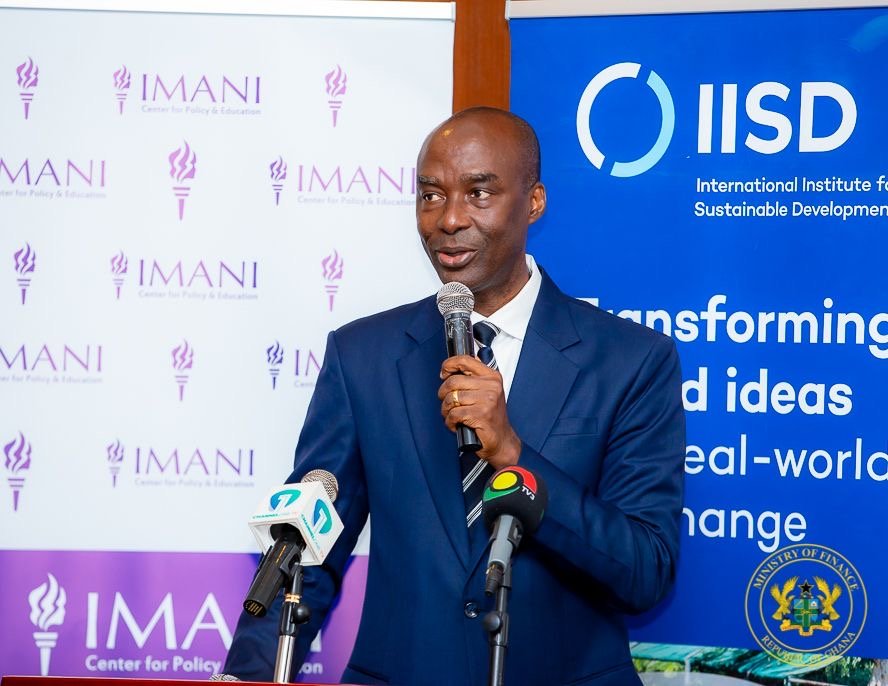
Ghana is set for a major shake-up in the management of public finances as the Ministry of Finance moves to establish an independent Fiscal Council to strengthen oversight and prevent fiscal mismanagement.
The proposed council forms part of a sweeping package of reforms aimed at restoring discipline, transparency and credibility in the management of the country’s public finances.
Chief Director of the Ministry of Finance, Dr. Patrick Nomo, disclosed the development during a roundtable organised by IMANI Ghana and the International Institute for Sustainable Development (IISD) to discuss the future of Ghana’s fiscal authority.
New Watchdog to Keep Government Spending in Check
According to Dr. Nomo, the Fiscal Council will operate as an independent watchdog over fiscal policy-making and implementation.
The council is expected to strengthen transparency and credibility in public financial management while helping prevent a recurrence of financial mismanagement that, according to the Ministry, contributed to previous periods of macroeconomic instability.
The move comes following amendments to Ghana’s Public Financial Management (PFM) Act, which provide the legal backing for the new fiscal oversight framework.
Tougher Rules, Sanctions on the Way
The reform package goes beyond the creation of the council.
The Ministry says it is introducing enforceable sanctions for fiscal mismanagement, signalling a tougher approach to financial discipline across government.
New fiscal rules are also being introduced, including a target to bring Ghana’s debt-to-GDP ratio down to 45 percent by 2034.
The measures are intended to ensure that fiscal decisions are subjected to stronger checks and that government finances remain on a more sustainable path.
Finance Ministry Promises Stronger Fiscal Discipline
Dr. Nomo said the establishment of the Fiscal Council is being prioritised under the leadership of Finance Minister Dr. Cassiel Ato Forson as part of broader structural reforms.
The Ministry maintains that these measures are aimed at rebuilding confidence in Ghana’s public financial management system while supporting efforts to restore economic stability.
A New Era of Financial Oversight?
The proposed Fiscal Council could mark a significant shift in how Ghana’s public finances are monitored, particularly if it succeeds in providing an effective independent check on fiscal policy.
With tougher sanctions, new fiscal rules and an independent oversight mechanism on the agenda, government is signalling that fiscal discipline will be placed at the centre of its economic management strategy.
For Ghanaians and investors watching the country’s economic recovery, the real test will be whether the new framework translates into stronger accountability, tighter spending controls and sustainable management of public resources.
Politics
Stay Away From Politics and Focus on Your Ministry — Ashanti NPP Youth Organiser Tells Owusu Bempah

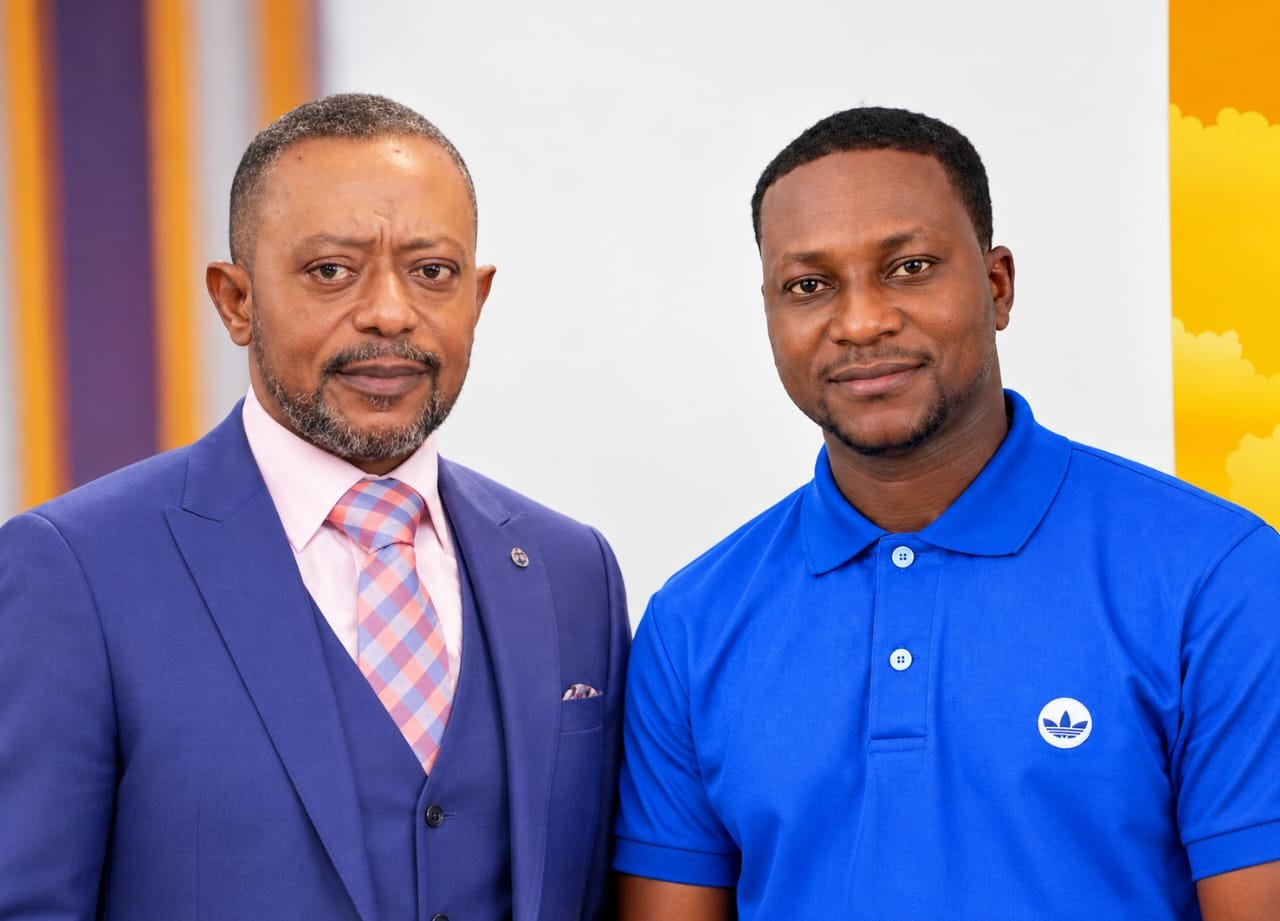
The Ashanti Regional Youth Organizer of the New Patriotic Party (NPP), Martin Ameyaw, has called on Prophet Isaac Owusu Bempah to stay away from partisan politics and concentrate on his religious ministry amid a growing dispute involving Effiduase-Asokore MP, Dr Nana Ayew Afriyie.
In a zoom interview held on Kessben Maakye show in Accra, Ameyaw strongly rejected allegations attributed to Prophet Owusu Bempah that Dr Ayew Afriyie had planned to mobilize members of the NPP’s Nasara Wing to attack the prophet and his church. He described the allegations as malicious and baseless, insisting that the MP, who serves as a patron of the Ashanti Regional NPP Youth Wing, would not engage in such conduct.
According to him, the Youth Wing has consequently petitioned the National Security Secretariat, Bureau of National Investigations (BNI) and Ghana Police Service, asking them to investigate the allegations and invite Prophet Owusu Bempah to provide evidence to substantiate his claims.
Ameyaw further alleged that the controversy forms part of what he sees as Prophet Owusu Bempah’s agenda against the NPP and its flagbearer, Dr Mahamudu Bawumia.
He nevertheless acknowledged Owusu Bempah’s religious calling, urging him to concentrate on his ministry rather than become entangled in partisan politics.
“I believe the call of God is on Rev. Owusu Bempah, but he must veer from politics and concentrate on his ministry and not meddle with politics, I plead.
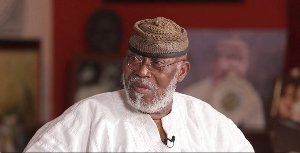
Ghana, according to veteran politician and founding member of the New Patriotic Party (NPP), Dr. Nyaho Nyaho-Tamakloe, came dangerously close to experiencing military rule during the administration of former President Nana Addo Dankwa Akufo-Addo.
Dr. Nyaho-Tamakloe has made a startling revelation about events under the Akufo-Addo government, claiming that Ghana’s democratic system was at one point under serious threat of being derailed.
According to him, the country narrowly avoided a situation that could have resulted in the military taking control of the affairs of the state.
His comments have reignited debate over the strength of Ghana’s democratic institutions and the political tensions that characterised portions of the Akufo-Addo administration.
‘We Were Close to Losing Democracy’
Dr. Nyaho-Tamakloe, a long-standing figure within the NPP, suggested that developments during the previous administration created circumstances in which military intervention could have become a possibility.
He recounted the situation as one of the most worrying periods in Ghana’s recent political history, warning that the country should not take its democratic stability for granted.
While reflecting on the events, he stressed the importance of protecting Ghana’s constitutional order and ensuring that political disagreements do not push the country towards instability.
A Warning From Within the NPP
The revelation is particularly significant because Dr. Nyaho-Tamakloe is a prominent founding member of the NPP and has, on several occasions, criticised actions and decisions taken by successive governments led by the party.
His latest comments are therefore likely to attract considerable attention, particularly amid continuing discussions about governance, accountability and the protection of democratic institutions in Ghana.
The veteran politician’s account also raises questions about what exactly transpired behind the scenes during the Akufo-Addo era and how close Ghana may have been to a constitutional crisis.
‘Ghana Must Never Return to Military Rule’
Ghana has experienced several military interventions in its political history, although the country has maintained constitutional democracy since the return to multiparty rule in 1992.
Against this historical background, any suggestion that the country came close to another military takeover is likely to trigger intense public discussion.
Dr. Nyaho-Tamakloe’s account serves as a reminder of the fragility of democratic governance and the need for political leaders, institutions and citizens to protect the principles of constitutional rule.
The former NPP stalwart’s revelation is expected to fuel further debate over the Akufo-Addo administration, the political tensions of the period and the measures that were taken—or could have been taken—to prevent Ghana from slipping into another era of military rule.

Ghana’s Inflation Climbs to 5% as Non-Food Prices Drive Fresh Surge

5G Race Intensifies: MTN, Telecel and Goal Telecom Clear Major Licensing Hurdle

GH¢3.1bn Bond Sale Sparks Massive Investor Interest — But Pricing Raises Questions



-

 Entertainment1 week ago
Oswald Okaitei Explains the Real Vision Behind Ghana’s Black Star Experience
-
 General News2 weeks ago
GES Urged to Review Student Sexual Misconduct Rule Over Alleged Discrimination Against Boys
-

 Entertainment2 days ago
Mahama Is First President to Put GH¢40m Seed Money into Creative Arts Fund: Kojo Preko Dankwa
-
 General News2 weeks ago
Oti Region Youth Endorse John Boadu, Cite Experience as Key to NPP Victory
-

 General News2 weeks ago
Zanetor and Ayariga Face Parliamentary Vetting Today
-
General News2 weeks ago
GES Opens WAEC Portal for 2026 School Placement Data Upload
-
 General News2 weeks ago
Police Suspend Concrete Mixer Truck Operations in Accra, Tema From August 28
-

 Entertainment1 week ago
Joana Gyan Cudjoe Ends Seven-Year Professional Ties with Keche Global