
Lifestyle
Healing Isn’t Linear


Healing is often pictured as a neat, upward path,a smooth climb where every day gets better than the last. But real healing doesn’t look like that. It looks like progress and setbacks, breakthroughs and relapses, joy mixed with tears. It looks like two steps forward, one step back and sometimes, standing still just trying to breathe.
And that’s okay.
Healing isn’t a race. It’s not something you “finish.” It’s a journey that bends, twists, pauses, and continues. You may have days where you wake up lighter, more hopeful, ready to take on the world. Then, without warning, an old memory resurfaces, or an emotion you thought you’d outgrown washes over you. That doesn’t mean you’ve failed. It means you’re human.
The truth is: healing doesn’t erase pain, it changes your relationship with it. Over time, the things that once consumed you don’t feel as heavy. The ache lessens. The memories soften. The tears don’t last as long, and the weight on your chest grows lighter. One day you’ll notice yourself laughing again without guilt. Another day, you’ll realize you handled a situation differently because of the strength you’ve built. These are victories worth celebrating.
Here are a few gentle reminders about healing:
- Setbacks are part of the process. A bad day doesn’t erase all your progress it simply shows you where you still need care.
- Small steps count. Getting out of bed, drinking water, journaling for five minutes, choosing rest over burnout all of these are signs of healing.
- Comparison steals peace. Your journey won’t look like anyone else’s, and that’s perfectly fine. What matters is that you’re moving in your own time, your own way.
- Self-compassion is medicine. Be as kind to yourself as you would to a friend. You don’t heal faster by being harsh with yourself you heal deeper by being gentle.
Healing also takes courage the courage to face what hurts instead of burying it, the courage to let go of what no longer serves you, and the courage to believe that you deserve peace even when the world tells you otherwise.
So if today feels messy, let it. If your heart feels heavy again, hold it with patience. You are not back at square one you’re simply uncovering another layer of yourself that needs love. And with every layer, you grow softer, stronger, and more whole.
Healing isn’t linear, but it is real. And as long as you keep showing up, in whatever way you can, you’re moving forward.
General News
Don’t Wait for the President Before Cleaning Your Environment – Amasaman MP Sedem Afenyo Leads Major Drain Desilting Exercise

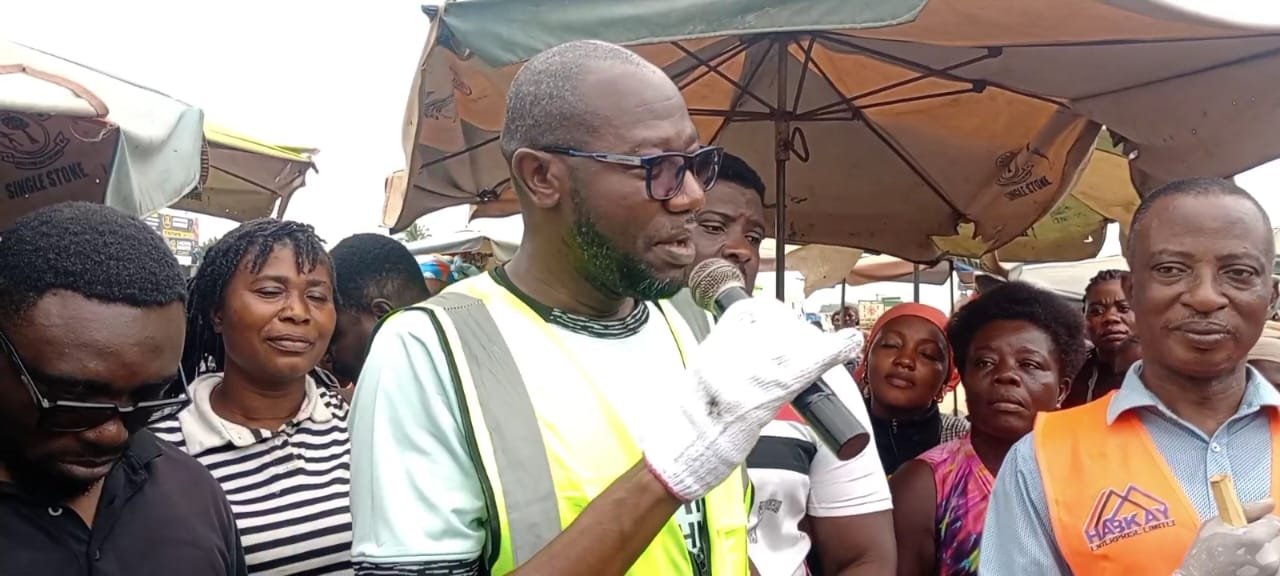
Member of Parliament for Amasaman Constituency, Sedem Afenyo, joined residents, market women and community leaders in a massive clean-up exercise aimed at clearing choked drains and removing refuse as part of the government’s nationwide sanitation campaign.
The exercise, undertaken with Nii Sowah, the Ga West Municipal Chief Executive, forms part of President John Dramani Mahama’s directive to improve sanitation and clear refuse following the recent devastating floods across parts of the country.
Rather than only supervising the exercise, the Amasaman MP personally entered the choked drains to help desilt sections that had been blocked with silt and waste, underscoring his commitment to improving sanitation in the constituency.
Addressing market women who actively participated in the exercise, Mr. Afenyo commended their efforts and urged them to embrace the National Sanitation Day initiative as a daily responsibility rather than an occasional event.
He noted that maintaining clean markets helps prevent food contamination and promotes the health and well-being of customers and the wider community.
The lawmaker further encouraged residents not to wait for directives from the President before cleaning their surroundings.
“We do not have to wait for the President to come and instruct us before we clean our environment,” he said.
Hon. Afenyo also assured the market women of the government’s commitment to improving drainage systems in the area while urging everyone to play their part by keeping the market and its surroundings clean.
He concluded by stressing that the renewed campaign for environmental cleanliness must not become a “nine-day wonder,” adding that if every Ghanaian consistently kept their homes and frontages clean, the nation would become cleaner, healthier, and better protected against flooding and disease outbreaks


Across Ghana, the rising toll of road accidents and fire outbreaks has moved beyond occasional headlines to become a pressing national concern. These crises do not merely affect numbers on a page; they affect real people. Mothers burying children, families watching homes engulfed in flames, entire livelihoods erased in moments of chaos.
According to recent reports from the National Road Safety Authority, almost 2,000 people lost their lives in road accidents from January to August 2025, with over 10,000 others injured and thousands more vehicles involved in collisions. Speeding, reckless behaviour, and gaps in enforcement all contribute to these staggering figures, painting a stark picture of lives cut short and futures disrupted.
Motorcycle accidents, particularly involving “okada” riders and passengers, continue to claim lives at an alarming rate. The Ghana Institution of Engineering reported that road crashes killed an average of 10 people every single day, illustrating just how deep this issue has become.
Even within the nation’s formal statistics, there are regional differences that underscore the scale of the challenge. The Ashanti Region alone has recorded tens of thousands of road crashes over recent years, with fatalities numbering in the thousands.
At the same time, fire outbreaks are destroying homes and businesses across the country at an alarming pace. The Ghana National Fire Service recorded more than 5,500 fire incidents by late 2024, a figure that reflects a growing trend rather than a one‑off spike. These included domestic fires, industrial fires, electrical faults, and other emergencies that broke out in every corner of the nation.
Even more concerning are the economic and human costs that accompany these disasters. In the first half of 2025 alone, the financial toll of fire outbreaks was estimated at over GH¢188 million in losses, with hundreds of lives lost and thousands more affected by injuries and property damage.
Positioned against these harsh realities is the urgent need for systemic solutions. A causal thread runs through much of this suffering: weak enforcement, inadequate infrastructure, and public unpreparedness. There are practical steps that can make a difference. On the roads, consistent traffic enforcement, effective driver education, safer road design, proper vehicle inspection regimes, and swift emergency response can all help reduce fatalities. Citizens must respect speed limits, avoid risky driving practices, and make every journey a safety‑first decision.
Fire safety requires equal diligence. Basic precautions such as installing fire alarms, ensuring safe electrical wiring, proper storage of flammable materials, and community fire education can stop many outbreaks before they spread. Mobile and accessible firefighting resources, stronger building regulations, and routine inspections of public and private spaces would further strengthen prevention.
Beyond structural and policy changes, there is a moral and spiritual dimension to these crises. Each life lost serves as a painful reminder of the fragility of human existence. Valuing life should be more than a phrase; it should inform how drivers treat fellow commuters, how families prepare their homes, and how leaders prioritise safety over convenience.
This is not an issue for the government alone, nor is it something the public can solve by itself. Genuine progress demands collaboration — government, communities, and individuals working together with urgency and accountability. Safety must be treated as an everyday responsibility, not a reactive response after tragedy strikes.
Ghana’s strength is measured not only by its growth but by how it protects its people. Lives are precious, and the cost of letting these twin crises go unaddressed is far too high.
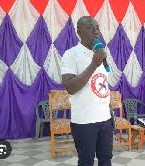
Samuel Yao Atidzah, Executive Director of the GOSANET Foundation, has called on Ghanaians to take proactive steps in knowing their HIV status, emphasizing that “HIV does not define a person, but dignity, respect, and love do.”
Speaking in a statement shared with the Ghana News Agency in Ho, Mr. Atidzah urged the public to reject discrimination against people living with HIV. His remarks coincided with the observance of Zero Discrimination Day, marked annually on March 1 by the United Nations and partner organizations to promote equality, inclusion, and peace for all, regardless of age, gender, race, or sexual orientation.
This year’s theme, “People first: Standing united for dignity, equality and inclusion,” highlights the importance of ending laws and actions that perpetuate stigma around HIV/AIDS.
Mr. Atidzah encouraged communities to support inclusion and stand with People Living with HIV, stressing that collective action is vital to protecting their rights and well-being. He also highlighted the use of HIV self-testing kits, describing them as “private, confidential, safe, and empowering,” and urged individuals to take control of their health as a demonstration of strength rather than shame.
“I urge all and sundry to get tested, know your status, protect yourself and protect others,” he said, reinforcing the importance of awareness and solidarity in combating HIV-related stigma.

Most stress comes from one habit: taking everything personally.
A delayed reply becomes rejection.
A tone shift becomes judgment.
A disagreement becomes a reflection of your worth.
But the truth is, most people are reacting to their own worlds their fears, pressures, and limitations. Not you.
When you take life less personally, you gain space. Space to respond instead of react. Space to observe instead of internalize. Space to move through situations without carrying unnecessary emotional weight.
This doesn’t mean indifference. It means discernment.
You learn what deserves your energy and what doesn’t. You stop assigning meaning where there is none. You protect your peace by understanding that not everything is about you and that’s a relief.
Freedom begins when you stop turning every moment into a verdict on yourself.

Growth has an unexpected side effect it changes your surroundings.
As you evolve, conversations shift. Priorities realign. Tolerance for certain dynamics fades. And suddenly, spaces that once felt full begin to feel empty.
This isn’t because something is wrong. It’s because growth is selective.
When you change, not everyone can follow not because they don’t care, but because they’re committed to versions of life that no longer match yours. And that gap can feel like loneliness.
But loneliness during growth is not isolation. It’s transition.
It’s the space between who you were and who you’re becoming. The quiet stretch where old connections loosen and new ones haven’t formed yet.
Many people abandon growth at this stage. They return to familiar patterns just to feel connected again. But those who continue discover something powerful: alignment eventually replaces loneliness.
The right connections don’t require you to shrink, explain, or perform. They meet you where you are and where you’re going.
Growth may feel lonely, but it’s rarely empty. It’s making room.

Petition filed for investigation into alleged impersonation of Adwoa Safo during parliamentary sittings

Emmys 2026: The Winners and Nominees in Full

Matthew Rhys makes Emmy history with two lead acting wins in one night



-

 Entertainment1 week ago
Mahama Is First President to Put GH¢40m Seed Money into Creative Arts Fund: Kojo Preko Dankwa
-

 Culinary1 week ago
The Green Heart of Ghanaian Cuisine: Celebrating Nkontomire and the Art of Abom
-
 General News2 weeks ago
Don’t Punish Them Retrospectively – Educationist Challenges New CSSPS Placement Rule
-

 General News2 weeks ago
OSP Opens Preliminary Investigation into Alleged GH¢70,000 Payment Linked to Parliament’s Vetting
-
 Entertainment1 week ago
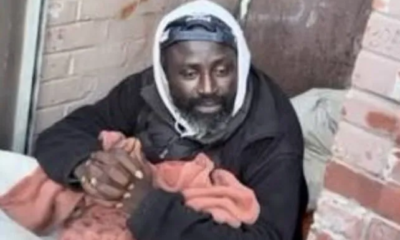
Government Repatriates Musician Barosky from UK
-

 Culinary2 weeks ago
Pineapple: The Spiky Tropical Fruit Packed With Sweetness and Nutrients
-

 Business2 weeks ago
TOR & GOIL Explore Further Opportunities for Strategic Collaboration
-
 Entertainment2 weeks ago
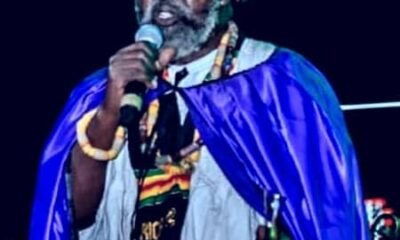
Ras Caleb Appiah-Levi: Hate Me for the Truth That I Represent