
Education
WAEC Releases 2026 BECE Results; Over 620,000 Candidates Sit Examination

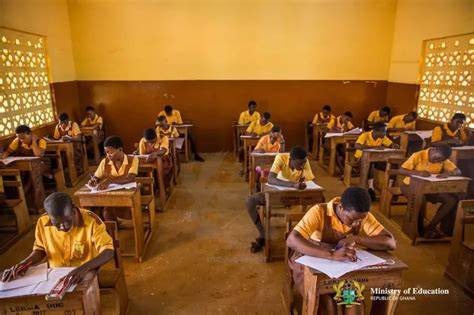
The West African Examinations Council (WAEC) has officially released the provisional results of candidates who sat for the 2026 Basic Education Certificate Examination (BECE) for School Candidates.
In a press release, WAEC announced that the results will be dispatched to schools through the various Metropolitan, Municipal and District Directors of Education. Candidates can also access their results online via the Council’s official website.
2026 BECE Statistics
According to WAEC, a total of 620,243 candidates from 20,789 schools registered for the examination. The figure comprises:
- 304,415 males
- 315,828 females
The examination was conducted at 2,237 centres across Ghana.
The Council also disclosed that the candidates included:
- 136 candidates with visual impairment
- 282 candidates with hearing assessment needs
- 510 candidates requiring other test accommodation
Out of the total number of registered candidates, 3,601 were absent during the examination.
Examination Malpractice
Following investigations into reported examination irregularities, WAEC’s 37th Meeting of the Final Awards and Examiners’ Appointment Committee for BECE 2026 approved the following sanctions:
- 496 candidates had their subject results cancelled.
- 105 candidates had their entire results cancelled.
- 119 candidates had their subject results withheld.
- 48 candidates had their entire results withheld.
In addition, the subject results of 2,722 candidates from 229 schools have been withheld pending further investigations.
WAEC stated that the withheld results will either be released or cancelled after investigations are completed by August 31, 2026.
Candidates Advised to Check Status Online
The Council urged candidates whose results have been cancelled or withheld to visit the WAEC irregularities portal to check the reasons for the decision and receive further instructions. Heads of schools and proprietors may also use their result-listing logins to verify the status of affected candidates.
WAEC Warns Against Fraudsters
WAEC cautioned candidates and the general public against individuals who claim they can upgrade examination results for a fee.
According to the Council, its results are secure and can be authenticated, urging candidates not to fall victim to scammers.
WAEC expressed gratitude to the Ministry of Education, the Ghana Education Service, the security agencies, heads of schools, supervisors, invigilators, examiners and all stakeholders for their support in ensuring the successful conduct of the examination and the timely release of the results.

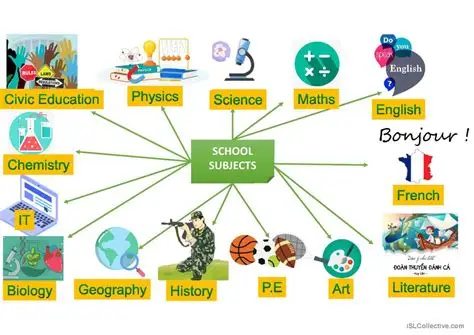
Subject choice in schools is an important issue in education because students have different interests, talents, learning abilities, and career ambitions. Yet in many schools, students have limited control over the subjects they study.
Some people believe students should be given more freedom to choose subjects that match their interests and future career plans. Others argue that schools must require students to study a broad range of subjects to ensure they receive a well-rounded education.
This raises the question: Should students be allowed to choose more of their subjects?
Why Subject Choice Matters
Every student is different.
One student may enjoy science and mathematics, while another may have a strong interest in languages, business, agriculture, technology, music, art, or social studies.
Allowing students to have more choices could give them an opportunity to spend more time developing areas where they are interested and talented.
When students enjoy what they are learning, they may also become more motivated to participate actively in class.
Students Have Different Talents
Academic ability is not the same for every student.
Some students may perform exceptionally well in analytical subjects, while others may be more creative or practical.
A student who struggles with one subject may be highly talented in another area.
Giving students more subject options could help schools recognise different forms of ability instead of measuring students mainly through a narrow group of compulsory subjects.
Could More Choice Improve Motivation?
Students may be more interested in their education when they feel they have some control over what they study.
For example, a student who wants to become a journalist may be particularly interested in English, communication, history, social studies, or media-related subjects.
Another student interested in engineering may prefer mathematics, physics, technology, and technical subjects.
When students understand how their subjects connect to their future interests, they may take their studies more seriously.
Preparing Students for Careers
Subject choices can influence future educational and career opportunities.
Students who already have an idea of the career they want may benefit from choosing subjects that provide a foundation for that field.
However, students should not be expected to know exactly what career they want at a very young age.
Schools should therefore provide career guidance before students make important choices.
The Risk of Choosing Too Early
Giving students more freedom also comes with challenges.
Children and teenagers may not always know what they want to do in the future. A student may choose a subject simply because friends are taking it or because they believe it will be easy.
Interests can also change.
A student who wants to become a doctor at age 14 may develop an interest in technology or business later.
For this reason, schools need to provide guidance and flexibility rather than simply allowing students to choose subjects without support.
Should Some Subjects Remain Compulsory?
Even if students are given greater freedom, some subjects may still need to remain compulsory.
Basic literacy, numeracy, communication, critical thinking, and general knowledge are useful regardless of a student’s future career.
For example, a student who wants to become a fashion designer still needs communication and basic mathematics. A future entrepreneur needs language, mathematics, and business knowledge.
The goal should therefore be to find a balance between compulsory foundational subjects and greater freedom of choice.
More Choices Could Encourage Creativity
Students who are allowed to explore different areas may discover talents that traditional classroom structures sometimes overlook.
Subjects such as art, music, agriculture, design, coding, drama, technology, and vocational skills can give students opportunities to create rather than simply memorise information.
This could encourage innovation and independent thinking.
What About Students Who Change Their Minds?
Schools could provide opportunities for students to change some of their subject choices within reasonable limits.
If a student discovers that a selected subject does not match their interests, there could be a structured process for switching to another option.
This would prevent one early decision from determining a student’s entire educational path.
The Role of Career Guidance
Career guidance would become even more important if students were allowed to choose more subjects.
Counsellors and teachers could help students understand:
- Their strengths and weaknesses
- Their interests and abilities
- The subjects required for different careers
- Further education opportunities
- Employment pathways
- Vocational and technical options
- The consequences of particular subject combinations
Parents should also be involved in the process without making decisions entirely on behalf of their children.
Parents Should Guide, Not Force
Parents naturally want the best for their children, but forcing a child to study subjects they dislike may create frustration.
A parent may want a child to become a doctor, lawyer, engineer, or accountant because they believe those careers offer good opportunities.
However, the child’s interests and abilities should also be considered.
Parents can provide advice while allowing children to participate in decisions about their education.
What Schools Could Do
Schools could introduce a system where students have a combination of:
1. Core subjects
Subjects considered essential for all students.
2. Elective subjects
Subjects students can select according to their interests.
3. Practical or skills-based subjects
Courses that develop technical, creative, vocational, or everyday skills.
This approach could give students a broader educational experience while maintaining important academic foundations.
Subject Choice and Equality
There is also a question of fairness.
Not every school has the resources to offer the same range of subjects. Some schools may have qualified teachers and facilities for technology, agriculture, music, art, or technical education, while others may not.
If subject choice is expanded, education authorities would need to consider how to ensure students in different schools have reasonable access to opportunities.
Technology could potentially help schools provide additional learning options, but access to devices and reliable internet would also need to be considered.
Could More Choice Reduce Academic Pressure?
Some students experience significant pressure when they are required to study subjects they find difficult or have little interest in.
Giving students some choice could allow them to focus more strongly on areas where they have genuine interest.
However, students should not simply be allowed to avoid every difficult subject.
Education should challenge students while also giving them opportunities to develop their strengths.
Students Should Still Be Encouraged to Try New Things
More choice should not mean students only study what they already like.
Schools can encourage students to explore unfamiliar areas.
A student who thinks they dislike agriculture, for example, may discover an interest after participating in practical farming activities.
Similarly, a student who has never considered technology may become interested after trying coding or robotics.
Exploration is an important part of education.
The Ghanaian Education Context
In Ghana, subject choices can influence the academic pathways students pursue at different levels of education.
As students progress through JHS, SHS, technical and vocational education, and tertiary education, the subjects and programmes they select can have consequences for future opportunities.
This makes proper guidance particularly important.
Students should understand that choosing a subject is not simply about selecting what their friends are doing. They should consider their abilities, interests, future plans, and the requirements of possible career pathways.
Education Should Prepare Students for Different Futures
The purpose of education should not be to make every student follow the same path.
Some students may eventually become professionals; others may become entrepreneurs, skilled workers, researchers, artists, farmers, technicians, teachers, or business owners.
A flexible education system can help students develop the knowledge and skills needed for different futures.
Finding the Right Balance
The debate should perhaps not be about giving students unlimited freedom or completely controlling what they study.
A better approach could be guided choice.
Students can be given several options while schools, teachers, parents, and career counsellors help them make informed decisions.
This could allow students to develop their interests without closing important doors too early.
Final Thought
Students should have a voice in their education because they are the ones who ultimately have to use the knowledge and skills they acquire.
Giving them more opportunities to choose subjects could improve motivation, encourage talent development, and help them prepare for careers that match their interests.
However, complete freedom may not always be appropriate, particularly for younger children.
A balanced system—with essential core subjects, meaningful electives, career guidance, and opportunities to change direction—could give students both structure and freedom.

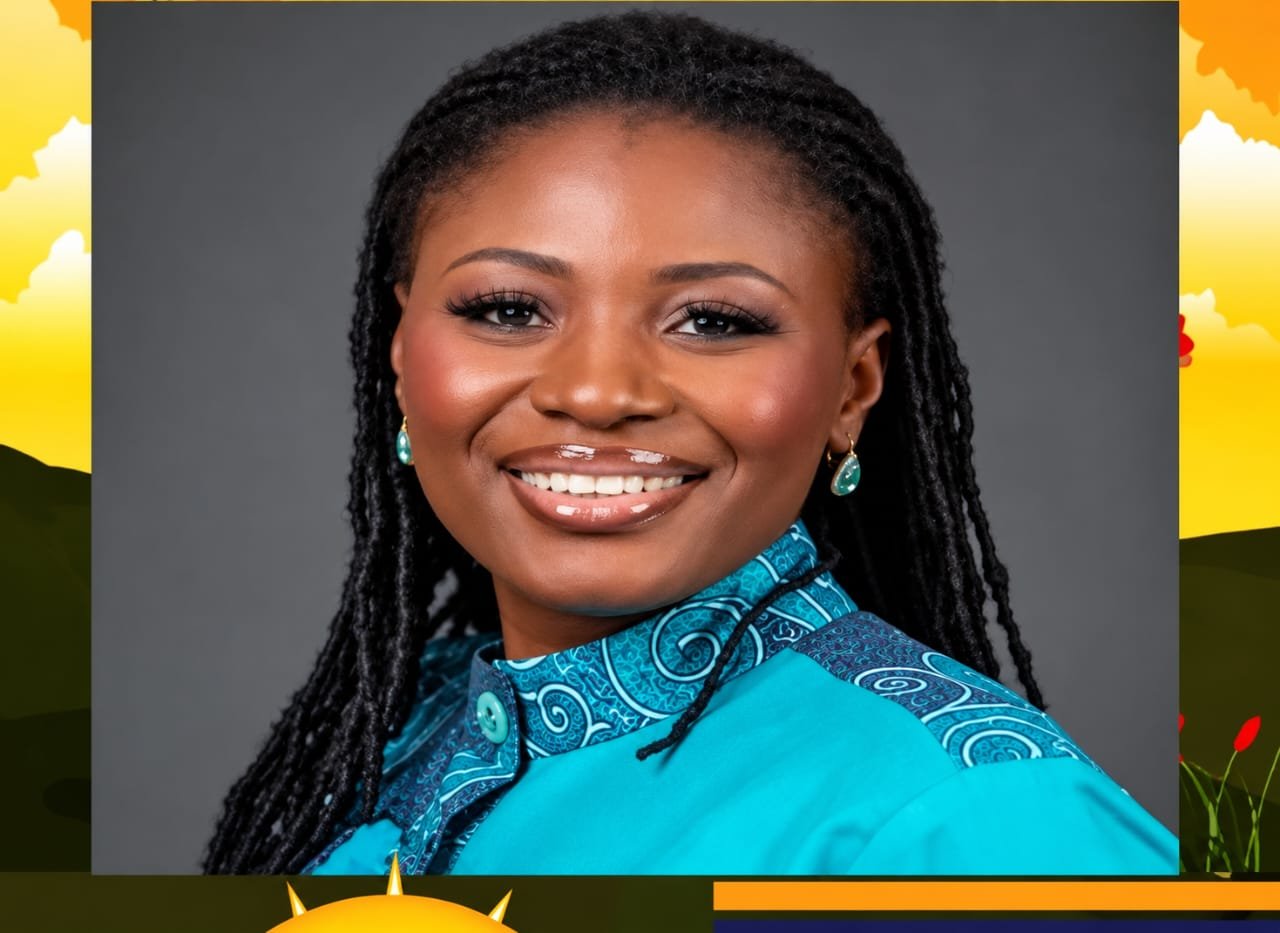
A member of the New Patriotic Party (NPP) Education Policy Committee, Tabitha Ayillah, has raised concerns over proposed changes to Ghana’s educational curriculum, arguing that the consultation process preceding the policy has been inadequate.
In a zoom meeting held on Kessben Maakye show in Accra, she stated, major reforms affecting students and the country’s education system should not be introduced without extensive engagement with teachers, parents, education experts and other key stakeholders.
Ayillah also questioned the urgency to introduce additional languages into the school curriculum when Ghana continues to face challenges in effectively teaching and learning many of its own local languages.
She argued that advances in technology have provided tools that make communication and translation easier for people travelling to countries where they do not understand the local language.
“There should not be any rush to introduce any new language to the students,” she maintained.
The NPP Education Policy Committee member further alleged inconsistencies between statements made by the President, John Dramani Mahama and the Education Minister Haruna Idrisu, saying they point to a lack of clear direction at the Ministry of Education.
She cited recent statements surrounding BECE placement as an example and urged the ministry to properly align its programs and policies with the government’s broader education agenda.
Ayillah called for thorough due diligence before new education policies are implemented, warning that poorly planned reforms could have long-term consequences for Ghanaian children.
She stressed that education policies must be carefully developed, widely discussed and properly implemented to ensure that “they will not jeopardise our children’s future.”

The Executive Director of GNACOPS, Obenefo Nana Kwasi Gyetuah has called for urgent reforms to Ghana’s Senior High School (SHS) placement system, arguing that students must not be denied schools that reflect their academic performance.
Speaking on the challenges surrounding the Computeried School Selection and Placement System (CSSPS), with Kojo Preko Dankwa on Kessben TV’s Punch show, Nana Kwasi Gyetuah said the current situation is creating unnecessary pressure for students, parents and the education system.
He questioned why students should be prevented from securing schools they qualify for based on their results.
“Why then do you deny the student what merit them per their results?” he asked.
According to him, the essence of education is to enlighten people and help them overcome ignorance, stressing that educated people have a responsibility to lead others towards opportunities that can improve their lives.
Nana Kwasi Gyetuah further argued that Ghana currently lacks the requisite infrastructure to absorb and accommodate the growing number of students seeking placement into SHSs.
He believes this infrastructure deficit has contributed to what he described as an “artificial traffic” within the school placement system.
He also raised concerns about the timing of the school-selection process, noting that students formally choose their preferred schools before their examination results are released.
He questioned the rationale behind allowing students to select schools after knowing their final results, only for the placement process to later determine that some candidates did not meet the required aggregates for their chosen schools.
According to him, the situation becomes particularly problematic when students who would ordinarily qualify for certain schools based on their results are unable to secure them because of the placement process.
He argued that if the country could demystify the excessive hype surrounding so-called “category” or elite schools, many of the challenges associated with school placement could be reduced.
Nana Kwasi Gyetuah proposed that government should instead invest heavily in upgrading schools across the country.
He called for the development of standardized model schools in every district, equipped with modern facilities and qualified teachers, as part of efforts to address the persistent challenges confronting the CSSPS.
He maintained that improving infrastructure and educational standards across all districts would reduce the intense competition for a handful of schools and create more equitable opportunities for students nationwide.
“The solution is not simply to manage the traffic; we must expand the system and make quality education accessible everywhere,” his argument suggests.
By Maurice Otoo

National Democratic Congress (NDC ) communication team member, Emmanuel Jorobon has called for a broader overhaul of Ghana’s school placement system, arguing that the persistent pressure on Category A Senior High Schools cannot be solved simply by increasing the number of elite schools.
Speaking on Kessben Maakye show in Accra, Jorobon insisted, the Computerized School Selection and Placement System (CSSPS) has faced challenges over the years, largely because most parents want their children placed in Category A schools.
He noted that in the past, teachers played a significant role in guiding students during the school-selection process, helping candidates make choices that reflected their academic performance and realistic placement prospects.
Jorobon acknowledged concerns surrounding the current placement exercise but urged parents and the public to appreciate the technicalities involved rather than attributing every placement difficulty to failures in the system.
He argued that Category A schools continue to experience enormous pressure because of disparities in infrastructure, logistics and incentives between highly rated institutions and schools in the other categories.
“The number of students who apply for Category A schools far outweighs their intake capacity,” he noted.
According to the Ministry of Education, 313,283 candidates selected Category A schools as their first choice, compared with only 76,417 declared vacancies—more than four applicants for every available space.
Jorobon also identified challenges associated with the implementation of the Free SHS program as a contributing factor to the pressure on the placement system.
He further argued that some parents perceive students placed outside Category A schools as receiving inadequate attention and opportunities. He said established Category A schools also benefit from stronger old-student networks, which frequently contribute towards facilities, feeding and other development needs.
Jorobon therefore maintained that simply expanding Category A schools would not provide a lasting solution.
He called for deliberate investment in Category B and C schools, particularly in infrastructure, logistics and educational resources, to bring them closer to the standards of the most sought-after institutions.
“Expanding Category A schools alone can’t solve the problem. All the other categories must be widely improved to leverage the standards,” he argued.
The Ministry of Education has similarly attributed much of the current placement challenge to a mismatch between where vacancies exist and where candidates want to attend. Category B and C schools have substantially more available capacity than Category A institutions.
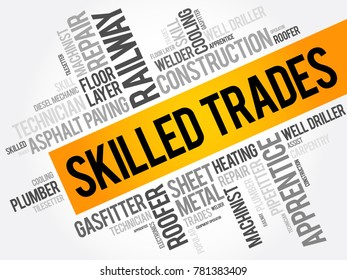
Skilled trade education for children is becoming an important topic as educators and parents look for ways to prepare young people for life beyond the classroom. While traditional subjects such as mathematics, science, English, and social studies remain essential, many people believe children should also learn practical skills from an early age.
Skills such as basic agriculture, cooking, sewing, woodworking, electrical safety, gardening, technology, and simple repairs can help children become more creative, independent, and prepared for the future.
This has raised an important question: Should every child be introduced to practical and skilled trade education from childhood?
What Is Skilled Trade Education?
Skilled trade education involves teaching practical abilities that can be applied in everyday life or developed into future careers.
For children, this does not mean forcing them to choose a career at a young age. Instead, it means introducing them to different practical activities and allowing them to discover their interests and talents.
As students grow older, they can receive more specialised training in areas they enjoy.
Why Should Children Learn Practical Skills Early?
Children begin developing interests and abilities at an early age. Some may enjoy building things, fixing objects, cooking, designing clothes, working with computers, farming, or creating new products.
Early exposure to practical activities can help children identify their strengths.
It can also teach them that education is not limited to reading textbooks and passing examinations. Learning can also involve creating, building, designing, repairing, and solving real-life problems.
Practical Skills Can Build Confidence
When children learn how to complete practical tasks, they may develop greater confidence in their abilities.
A child who learns how to grow vegetables, prepare a simple meal, create an object, or complete a basic project may experience a sense of achievement.
These experiences can encourage curiosity and motivate children to continue learning.
Developing Problem-Solving Skills
Practical activities often require students to think critically.
For example, a child working on a project may have to identify a problem, think about possible solutions, test an idea, and make improvements.
These problem-solving skills can also be useful in academic subjects and everyday life.
Skilled Trade Education and Creativity
Practical education can encourage creativity.
Students can learn to design products, create solutions, experiment with materials, and turn ideas into reality.
Activities such as art, sewing, agriculture, technology, engineering projects, and woodworking can allow children to express themselves while learning useful skills.
Should Every Child Learn at Least One Skill?
Supporters of skilled trade education for children believe every student should have the opportunity to learn at least one practical skill before completing school.
The argument is not that every child should become a carpenter, mechanic, farmer, or fashion designer. Instead, students should be exposed to different skills and given opportunities to discover what they enjoy.
A student may eventually choose a university education while still benefiting from practical skills learned during childhood.
Examples of Skills Children Could Learn
Age-appropriate practical education could introduce children to areas such as:
- Basic gardening and agriculture
- Cooking and nutrition
- Sewing and clothing design
- Basic computer and digital skills
- Creative arts and crafts
- Simple woodworking projects
- Basic home maintenance awareness
- Robotics and technology
- Entrepreneurship
- Food production
- Environmental conservation
- Design and innovation
As students become older, training can become more specialised.
Skilled Trades and the Future of Work
The world of work is changing, and students will need different combinations of academic, digital, technical, and practical skills.
While some careers require university degrees, many industries also depend on skilled workers.
Construction, agriculture, manufacturing, hospitality, technology, automotive services, fashion, and other sectors require people with practical expertise.
Giving children early exposure to these areas may help them make more informed career decisions in the future.
Changing the Perception of Vocational Skills
One major challenge is the perception that vocational or skilled trade education is only for students who perform poorly academically.
This belief can discourage talented young people from exploring practical careers.
However, practical and technical skills require intelligence, creativity, training, discipline, and problem-solving.
Societies need doctors, teachers, engineers, and lawyers, but they also need electricians, farmers, mechanics, technicians, caterers, builders, designers, and other skilled professionals.
Every career pathway deserves respect.
Skilled Trade Education and University
Practical education should not be seen as an alternative only for students who do not attend university.
University and vocational education can complement each other.
For example, an engineering student may benefit from practical technical skills. A business student may benefit from learning how products are made. An agriculture student may benefit from hands-on farming experience.
Students can combine academic knowledge with practical abilities.
Can Skilled Trade Education Encourage Entrepreneurship?
Learning a practical skill can also create opportunities for entrepreneurship.
A person with skills in fashion, catering, agriculture, technology, beauty, repairs, or other services may eventually start a business.
Children who are introduced to practical skills early can also learn about creativity, production, customer service, and problem-solving.
As they grow older, these skills can be combined with entrepreneurship and financial education.
Should It Be Compulsory From Childhood?
Making skilled trade education for children compulsory could ensure that every student receives basic exposure to practical learning.
If practical skills are optional, some students may never have the opportunity to discover talents they did not know they had.
However, compulsory education should not mean forcing children into specific careers.
Instead, schools could make basic practical skills compulsory at the early stages of education, while allowing students to choose specialised areas as they grow older.
This approach could give every child a foundation while respecting individual interests.
How Schools Can Introduce Practical Skills
Schools could introduce practical learning through age-appropriate activities.
Younger children could participate in gardening, arts and crafts, simple food preparation, and creative projects.
Older students could explore technology, agriculture, design, entrepreneurship, engineering activities, and vocational skills.
Schools could also organise:
- Skills exhibitions
- Practical projects
- Career workshops
- School gardens
- Innovation competitions
- Entrepreneurship programmes
- Visits to workplaces
- Mentorship programmes
- Apprenticeship opportunities for older students
The Role of Teachers and Parents
Teachers can help children discover their interests by giving them opportunities to participate in different activities.
Parents can also encourage children to learn practical skills at home without placing unnecessary pressure on them.
Children should be allowed to explore different interests and understand that academic success and practical ability can both be valuable.
Challenges Schools May Face
Introducing practical education in every school may require additional resources.
Some schools may need workshops, equipment, teaching materials, trained instructors, and suitable spaces for practical activities.
Safety is also important, particularly when children are working with tools, equipment, or specialised materials.
Governments and education authorities would need to ensure that practical programmes are properly funded, supervised, and designed according to students’ ages.
Preparing Children for Everyday Life
Not every practical skill has to become a career.
Basic abilities such as preparing food, growing plants, understanding simple repairs, using technology responsibly, and managing small projects can be useful throughout life.
Teaching children these skills can help them become more independent and responsible.
A Balanced Education System
Education should not force students to choose between academic knowledge and practical skills.
A balanced education system can provide both.
Students can learn mathematics and also understand how mathematics is used in real-life projects. They can study science and participate in experiments. They can learn business concepts and create small projects.
Combining theory and practical experience can make learning more engaging and meaningful.
Conclusion
Skilled trade education for children could help young people develop confidence, creativity, independence, problem-solving abilities, and practical knowledge from an early age.
Making basic practical education compulsory from childhood does not mean forcing every child into a trade. Instead, it could allow every student to explore different skills and discover their talents.
As children grow older, they should be given the freedom to choose areas that match their interests and future goals.
The debate is therefore not whether every child should become a skilled tradesperson, but whether every child deserves the opportunity to learn practical skills before leaving school.

Matthew Rhys makes Emmy history with two lead acting wins in one night

Israeli Minister Threatens to Revoke Filmmakers’ Citizenship Over Gaza Documentary

In Pictures: Stars light up the red carpet at the 2026 Emmy Awards in Los Angeles



-

 Entertainment1 week ago
Mahama Is First President to Put GH¢40m Seed Money into Creative Arts Fund: Kojo Preko Dankwa
-

 Culinary1 week ago
The Green Heart of Ghanaian Cuisine: Celebrating Nkontomire and the Art of Abom
-
 General News2 weeks ago
Don’t Punish Them Retrospectively – Educationist Challenges New CSSPS Placement Rule
-

 General News2 weeks ago
OSP Opens Preliminary Investigation into Alleged GH¢70,000 Payment Linked to Parliament’s Vetting
-

 Entertainment1 week ago
Government Repatriates Musician Barosky from UK
-

 Culinary2 weeks ago
Pineapple: The Spiky Tropical Fruit Packed With Sweetness and Nutrients
-

 Entertainment2 weeks ago
Ras Caleb Appiah-Levi: Hate Me for the Truth That I Represent
-

 Business2 weeks ago
TOR & GOIL Explore Further Opportunities for Strategic Collaboration