
Education
Should Skilled Trade Education for Children Be Compulsory From Childhood?

Skilled trade education for children is becoming an important topic as educators and parents look for ways to prepare young people for life beyond the classroom. While traditional subjects such as mathematics, science, English, and social studies remain essential, many people believe children should also learn practical skills from an early age.
Skills such as basic agriculture, cooking, sewing, woodworking, electrical safety, gardening, technology, and simple repairs can help children become more creative, independent, and prepared for the future.
This has raised an important question: Should every child be introduced to practical and skilled trade education from childhood?
What Is Skilled Trade Education?
Skilled trade education involves teaching practical abilities that can be applied in everyday life or developed into future careers.
For children, this does not mean forcing them to choose a career at a young age. Instead, it means introducing them to different practical activities and allowing them to discover their interests and talents.
As students grow older, they can receive more specialised training in areas they enjoy.
Why Should Children Learn Practical Skills Early?
Children begin developing interests and abilities at an early age. Some may enjoy building things, fixing objects, cooking, designing clothes, working with computers, farming, or creating new products.
Early exposure to practical activities can help children identify their strengths.
It can also teach them that education is not limited to reading textbooks and passing examinations. Learning can also involve creating, building, designing, repairing, and solving real-life problems.
Practical Skills Can Build Confidence
When children learn how to complete practical tasks, they may develop greater confidence in their abilities.
A child who learns how to grow vegetables, prepare a simple meal, create an object, or complete a basic project may experience a sense of achievement.
These experiences can encourage curiosity and motivate children to continue learning.
Developing Problem-Solving Skills
Practical activities often require students to think critically.
For example, a child working on a project may have to identify a problem, think about possible solutions, test an idea, and make improvements.
These problem-solving skills can also be useful in academic subjects and everyday life.
Skilled Trade Education and Creativity
Practical education can encourage creativity.
Students can learn to design products, create solutions, experiment with materials, and turn ideas into reality.
Activities such as art, sewing, agriculture, technology, engineering projects, and woodworking can allow children to express themselves while learning useful skills.
Should Every Child Learn at Least One Skill?
Supporters of skilled trade education for children believe every student should have the opportunity to learn at least one practical skill before completing school.
The argument is not that every child should become a carpenter, mechanic, farmer, or fashion designer. Instead, students should be exposed to different skills and given opportunities to discover what they enjoy.
A student may eventually choose a university education while still benefiting from practical skills learned during childhood.
Examples of Skills Children Could Learn
Age-appropriate practical education could introduce children to areas such as:
- Basic gardening and agriculture
- Cooking and nutrition
- Sewing and clothing design
- Basic computer and digital skills
- Creative arts and crafts
- Simple woodworking projects
- Basic home maintenance awareness
- Robotics and technology
- Entrepreneurship
- Food production
- Environmental conservation
- Design and innovation
As students become older, training can become more specialised.
Skilled Trades and the Future of Work
The world of work is changing, and students will need different combinations of academic, digital, technical, and practical skills.
While some careers require university degrees, many industries also depend on skilled workers.
Construction, agriculture, manufacturing, hospitality, technology, automotive services, fashion, and other sectors require people with practical expertise.
Giving children early exposure to these areas may help them make more informed career decisions in the future.
Changing the Perception of Vocational Skills
One major challenge is the perception that vocational or skilled trade education is only for students who perform poorly academically.
This belief can discourage talented young people from exploring practical careers.
However, practical and technical skills require intelligence, creativity, training, discipline, and problem-solving.
Societies need doctors, teachers, engineers, and lawyers, but they also need electricians, farmers, mechanics, technicians, caterers, builders, designers, and other skilled professionals.
Every career pathway deserves respect.
Skilled Trade Education and University
Practical education should not be seen as an alternative only for students who do not attend university.
University and vocational education can complement each other.
For example, an engineering student may benefit from practical technical skills. A business student may benefit from learning how products are made. An agriculture student may benefit from hands-on farming experience.
Students can combine academic knowledge with practical abilities.
Can Skilled Trade Education Encourage Entrepreneurship?
Learning a practical skill can also create opportunities for entrepreneurship.
A person with skills in fashion, catering, agriculture, technology, beauty, repairs, or other services may eventually start a business.
Children who are introduced to practical skills early can also learn about creativity, production, customer service, and problem-solving.
As they grow older, these skills can be combined with entrepreneurship and financial education.
Should It Be Compulsory From Childhood?
Making skilled trade education for children compulsory could ensure that every student receives basic exposure to practical learning.
If practical skills are optional, some students may never have the opportunity to discover talents they did not know they had.
However, compulsory education should not mean forcing children into specific careers.
Instead, schools could make basic practical skills compulsory at the early stages of education, while allowing students to choose specialised areas as they grow older.
This approach could give every child a foundation while respecting individual interests.
How Schools Can Introduce Practical Skills
Schools could introduce practical learning through age-appropriate activities.
Younger children could participate in gardening, arts and crafts, simple food preparation, and creative projects.
Older students could explore technology, agriculture, design, entrepreneurship, engineering activities, and vocational skills.
Schools could also organise:
- Skills exhibitions
- Practical projects
- Career workshops
- School gardens
- Innovation competitions
- Entrepreneurship programmes
- Visits to workplaces
- Mentorship programmes
- Apprenticeship opportunities for older students
The Role of Teachers and Parents
Teachers can help children discover their interests by giving them opportunities to participate in different activities.
Parents can also encourage children to learn practical skills at home without placing unnecessary pressure on them.
Children should be allowed to explore different interests and understand that academic success and practical ability can both be valuable.
Challenges Schools May Face
Introducing practical education in every school may require additional resources.
Some schools may need workshops, equipment, teaching materials, trained instructors, and suitable spaces for practical activities.
Safety is also important, particularly when children are working with tools, equipment, or specialised materials.
Governments and education authorities would need to ensure that practical programmes are properly funded, supervised, and designed according to students’ ages.
Preparing Children for Everyday Life
Not every practical skill has to become a career.
Basic abilities such as preparing food, growing plants, understanding simple repairs, using technology responsibly, and managing small projects can be useful throughout life.
Teaching children these skills can help them become more independent and responsible.
A Balanced Education System
Education should not force students to choose between academic knowledge and practical skills.
A balanced education system can provide both.
Students can learn mathematics and also understand how mathematics is used in real-life projects. They can study science and participate in experiments. They can learn business concepts and create small projects.
Combining theory and practical experience can make learning more engaging and meaningful.
Conclusion
Skilled trade education for children could help young people develop confidence, creativity, independence, problem-solving abilities, and practical knowledge from an early age.
Making basic practical education compulsory from childhood does not mean forcing every child into a trade. Instead, it could allow every student to explore different skills and discover their talents.
As children grow older, they should be given the freedom to choose areas that match their interests and future goals.
The debate is therefore not whether every child should become a skilled tradesperson, but whether every child deserves the opportunity to learn practical skills before leaving school.
First aid education in schools is an important topic in modern education because accidents and emergencies can happen at any time. Students may witness an injury during sports, practical lessons, school activities, at home, or in their communities.
Knowing what to do in the first few minutes of an emergency can make a significant difference while waiting for qualified medical assistance. This has raised an important question: Should every student be taught basic first aid before leaving school?
What Is First Aid?
First aid refers to the immediate assistance given to someone who is injured or becomes suddenly unwell before professional medical help is available.
Basic first aid education can teach students how to respond calmly, assess a situation, seek appropriate help, and provide simple assistance within the limits of their training.
The purpose is not to turn students into medical professionals but to give them practical knowledge that may help them respond appropriately during an emergency.
Why First Aid Education Matters
Schools are environments where large numbers of students and staff spend many hours together. Injuries can occur during sports, laboratory activities, physical education, school trips, playground activities, or other events.
Students who have received basic first aid training may be more prepared to respond responsibly instead of panicking or doing something that could make an injury worse.
Teaching Students to Respond Calmly
Emergencies can be frightening, especially for young people.
One of the most important lessons in first aid education is learning to remain calm and assess the situation before acting.
Students can be taught to quickly identify whether they or another person is in immediate danger and understand when it is necessary to move away and seek professional assistance.
Knowing When to Call for Help
Students should know how and when to contact appropriate emergency services or alert a teacher, parent, school nurse, or another responsible adult.
First aid education can emphasise that serious injuries and medical emergencies require professional attention.
Students should never be encouraged to take unnecessary risks or attempt procedures beyond their level of training.
Basic Wound Care
Age-appropriate first aid lessons can introduce students to basic responses to minor cuts and wounds.
Students can learn the importance of keeping wounds clean, using appropriate protective materials, and informing a responsible adult when necessary.
They should also understand that serious wounds require professional medical attention.
Responding to Burns
Burns can occur at home, in school laboratories, kitchens, workshops, or other environments.
Students can learn basic safety principles, including moving away from the source of the burn and seeking appropriate assistance.
Schools should ensure that any practical first aid instruction is delivered by qualified personnel and follows recognised medical guidance.
Sports Injuries
Sports and physical activities are an important part of school life, but injuries can occur during exercise and competition.
Students can be taught how to respond appropriately when a classmate is injured during sports, including informing a teacher or trained first aider and avoiding unnecessary movement of someone who may have a serious injury.
Choking and Other Emergencies
Basic first aid programmes may introduce students to appropriate responses to emergencies such as choking, fainting, or sudden illness.
Because some emergency procedures require specific techniques, practical training should be delivered by qualified instructors using recognised first aid protocols.
Students should understand that emergency services and trained adults should be contacted whenever necessary.
The Importance of First Aid Kits
Schools should have appropriately stocked and accessible first aid kits in suitable locations.
Students can also be taught why first aid supplies should be handled responsibly and why medicines and medical equipment should only be used according to school policies and professional guidance.
Regular checks can help ensure that essential supplies are available when needed.
First Aid and Road Safety
Road safety can also be incorporated into first aid education.
Students can learn about the importance of staying safe around roads and what to do if they witness a road accident.
A key lesson should be that students must not put themselves in danger while attempting to help someone else.
First Aid and Community Responsibility
First aid skills are useful beyond the school environment.
Students may eventually witness an accident in their neighbourhood, workplace, sporting environment, or public space.
Teaching responsible emergency response can therefore contribute to a culture in which people know how to seek help and assist others safely.
The Role of Teachers and School Staff
Teachers and school staff should receive appropriate first aid training because they are often among the first adults available when an emergency occurs at school.
Schools can also identify staff members who are trained to provide first aid and establish clear procedures for responding to emergencies.
Students should know who to contact when an accident occurs.
The Role of Parents
Parents and guardians can reinforce first aid lessons at home.
Families can discuss emergency contacts, basic safety procedures, and what children should do if someone becomes injured or suddenly unwell.
Parents can also encourage children to seek adult assistance rather than attempting something beyond their ability.
Should First Aid Be Compulsory?
Supporters of compulsory first aid education in schools argue that basic emergency knowledge is a life skill that can benefit everyone.
They believe students should leave school with at least a basic understanding of how to respond to emergencies and seek appropriate assistance.
Others may argue that school curricula are already crowded and that compulsory first aid education could place additional demands on schools.
A possible solution could be to incorporate basic first aid into existing health, physical education, science, or safety programmes.
Practical Training Is Important
First aid is a practical skill, so simply reading about it may not be enough.
Schools could work with qualified first aid instructors or recognised organisations to provide demonstrations and supervised practical sessions.
Training should be age-appropriate and regularly updated because emergency guidance and recommended procedures can change.
First Aid and Confidence
Proper training can help students feel more prepared when faced with an emergency.
However, confidence should always be combined with caution. Students should understand their limits and know when to step back and seek professional assistance.
The goal should be safe action, not unnecessary risk-taking.
Preparing Students for Adult Life
First aid is a skill that can remain useful long after students leave school.
Young people may eventually become parents, employees, business owners, community leaders, or caregivers. Knowing how to respond appropriately during an emergency can be valuable in many areas of life.
Conclusion
First aid education in schools can provide students with practical knowledge that goes beyond traditional academic subjects. Learning how to respond calmly, seek help, recognise emergencies, and provide basic assistance can help students become safer and more responsible members of their communities.
First aid training should always be age-appropriate and delivered according to recognised medical guidance. Schools should also ensure that students understand their limitations and know when professional medical assistance is required.


Hon. Gloria Owusu, Member of Parliament for the Trobu Constituency, has supported BECE graduates in the constituency with school mattresses, bags and provisions as part of her annual educational support program.
The initiative which originally targeted students with aggregate 6 to 12 was extended to aggregate 25 in lieu of a plea from some parents in the constituency.
Under the initiative, students who attained aggregates 6 to 8 received citations, school bags, mattresses and provisions, while those with aggregates 9 to 12 received mattresses, provisions and school bags. In addition to this were those those with aggregate 13 to 25 who also received provisions and school bags . According to the MP about 1,500 students are expected to benefit from this year’s program.
The Chief of Ofankor, Nii Kortey Boi, who attended the ceremony, commended the MP for her continued support for students in the constituency. He noted that this was the second time he had witnessed such an initiative by the MP. He appealed to parents to encourage their children to attend school, particularly as Ghana is benefiting from the Free SHS policy.
Parents and beneficiary students at the ceremony expressed their appreciation to Hon. Gloria Owusu for her support and contribution to education in the Trobu Constituency.
Exams and student performance have been closely connected for many years. From classroom tests to major national examinations, students are often assessed through written papers that determine grades, progression, admission, and future academic opportunities.
Examinations can provide schools with a structured way to measure students’ knowledge. However, there is growing debate about whether exam results alone can accurately reflect a student’s full abilities.
A student may perform poorly in an examination but demonstrate excellent creativity, communication, leadership, practical skills, or problem-solving abilities outside the examination room. This raises an important question: Are examinations still the best way to measure student ability?
Why Examinations Are Important
Examinations can provide a standardised method of assessing students. When students sit similar examinations under similar conditions, schools and institutions can compare academic performance using a common system.
Exams can also encourage students to revise lessons, organise their study time, and prepare for academic challenges.
For some subjects and professions, examinations are particularly useful for testing whether students understand important theories, concepts, rules, and principles.
The Pressure of High-Stakes Exams
One major concern is the pressure associated with high-stakes examinations.
When a student’s future depends heavily on a particular examination, the pressure to perform can become intense. Students may spend months preparing for major exams and may feel that one examination will determine their entire future.
This can encourage some students to focus heavily on memorising information rather than developing deeper understanding.
Do Exams Measure Creativity?
Creativity is an important skill in education and the workplace, but it can be difficult to measure through traditional examinations.
A written exam may test whether a student can remember information or provide a correct answer, but it may not fully demonstrate the student’s ability to create something new, develop an innovative idea, design a solution, or approach a problem differently.
Projects, presentations, practical assignments, and creative work can provide additional opportunities to assess these abilities.
Problem-Solving and Critical Thinking
Modern education increasingly emphasises critical thinking and problem-solving.
Students need to be able to analyse information, identify problems, evaluate evidence, and develop solutions. Some examination questions can test these skills, but assessment methods that involve real-world projects may provide a broader picture of a student’s abilities.
For example, asking students to design a solution to a community problem may reveal skills that a traditional written test cannot easily capture.
Practical Skills Matter Too
Academic knowledge is important, but many careers also require practical skills.
A student studying agriculture, engineering, hospitality, healthcare, construction, technology, or vocational subjects may need to demonstrate that they can apply knowledge in practical situations.
Practical assessments can therefore complement written examinations by showing whether students can use what they have learned.
The Importance of Continuous Assessment
Continuous assessment provides another way to understand student performance.
Instead of relying heavily on one final examination, teachers can evaluate students through assignments, quizzes, presentations, projects, class participation, practical work, and other activities throughout the academic year.
This can provide a more complete picture of a student’s progress.
Group Work and Team Skills
The ability to work with others is important in many workplaces.
Traditional examinations are usually completed individually, making it difficult to assess teamwork and collaboration.
Group projects and presentations can help students develop and demonstrate communication, leadership, cooperation, and responsibility.
Different Students Have Different Strengths
Not every student learns or demonstrates knowledge in the same way.
Some students perform exceptionally well in written examinations, while others may demonstrate their strengths through practical activities, presentations, creative projects, or discussions.
A broader assessment system can provide opportunities for different types of learners to demonstrate what they know and can do.
The Risk of Teaching Only for Exams
When examination results become the primary measure of success, teachers and students may feel pressure to focus mainly on examination preparation.
This can sometimes lead to “teaching to the test”, where classroom activities focus heavily on what is likely to appear in an examination.
While examination preparation is important, education should also encourage curiosity, creativity, independent thinking, communication, and practical application of knowledge.
Can Technology Improve Assessment?
Technology is creating new possibilities for student assessment.
Digital platforms can provide interactive quizzes, simulations, presentations, coding exercises, and other activities that may assess skills beyond traditional written tests.
Technology can also make it easier for teachers to monitor students’ progress over time and identify areas where additional support may be needed.
However, digital assessment should be implemented carefully to ensure that students who have limited access to technology are not disadvantaged.
The Role of Teachers
Teachers play an important role in determining how student performance is assessed.
Rather than relying entirely on one method, teachers can combine examinations with assignments, projects, classroom participation, practical activities, and presentations.
This approach can help educators understand not only what students remember but also how they apply their knowledge.
What Should Parents Consider?
Parents often place significant emphasis on examination results because grades can influence educational opportunities.
However, parents should also recognise that academic results are only one part of a student’s development.
Communication skills, confidence, creativity, discipline, practical ability, emotional maturity, leadership, and problem-solving can also contribute to future success.
What Should Students Focus On?
Students should take examinations seriously while avoiding the belief that one examination completely defines their abilities or future.
Developing a broad range of skills can be equally important. Students can benefit from reading widely, participating in projects, learning practical skills, joining clubs, developing communication abilities, and gaining experience outside the classroom.
A Balanced Approach to Assessment
The debate does not necessarily mean examinations should be removed.
Written examinations can remain useful, particularly when schools need to assess knowledge consistently and efficiently.
The bigger question is whether exams should be one part of assessment rather than the only major measure of ability.
A balanced system could combine: Written examinations, Continuous assessment, Practical projects, Presentations, Research assignments, Group activities, Problem-solving exercises, Creative work, Oral assessments
Internships or workplace experience where appropriate
Preparing Students for the Real World
The world of work requires more than the ability to pass examinations.
Employers may look for people who can communicate effectively, solve problems, work in teams, adapt to change, use technology, manage responsibilities, and apply knowledge to real situations.
Education systems therefore face the challenge of ensuring that assessment prepares students for both academic progression and life beyond school.
Conclusion
Exams and student performance will likely remain an important part of education, but examination results may not provide a complete picture of what every student can achieve.
A student’s ability involves more than remembering information and answering questions under time pressure. Creativity, practical skills, critical thinking, communication, teamwork, and problem-solving are also valuable.
Rather than eliminating examinations completely, schools could consider combining them with other forms of assessment to create a broader and more balanced picture of student achievement.

Great Kingdom Medical Centre (GKMC) has donated a fully equipped 24-bed health facility to Benkum Senior High School in the Eastern Region, in a major boost to healthcare delivery for students and staff.
Benkum Senior High School, established in 1949 in the Akuapem North Constituency, currently has a student population of about 3,000.
The donation forms part of Great Kingdom Medical Centre’s corporate social responsibility initiative aimed at improving access to quality healthcare, particularly for students.
Speaking about the initiative, the CEO of Kingdom Group of Companies, Dr. Jonathan Amofa, described the project as a responsibility to give back to the community. He stressed that students require good health to excel academically and expressed optimism that similar projects would be extended to other schools.
Receiving the facility, the Board Chair of Benkum SHS Mrs. Rosamond Amoako Apenteng expressed appreciation to Great Kingdom Medical Centre for the intervention, noting that the 24-bed facility would significantly improve healthcare services for both students and teachers.
The school’s Girls’ Prefect, Maxine Albert-Chiri, also welcomed the project, describing the facility as timely and valuable in addressing students’ healthcare needs while on campus.
The Boys’ Prefect master Gilbert Asante explained that although the school previously had a sick bay, it was not adequately resourced to handle the health needs of students. As a result, some students had to be referred to Tetteh Quarshie Memorial Hospital and other health facilities whenever serious health issues arose.
He said the newly donated facility would provide students with safer and more accessible healthcare on campus and thanked Great Kingdom Medical Centre for the gesture.
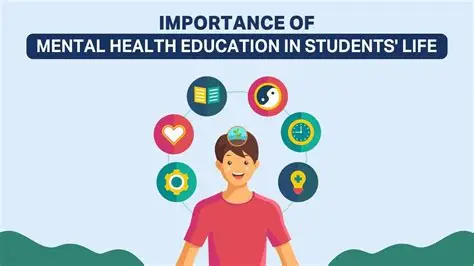
Mental health education in schools is becoming an increasingly important topic as educators, parents, and students discuss the pressures young people face both inside and outside the classroom.
Students may experience academic pressure, bullying, social challenges, family difficulties, financial concerns, relationship problems, and the pressures associated with social media. Without appropriate knowledge and support, these challenges can affect their concentration, participation, relationships, and overall school experience.
This has led to growing calls for schools to provide students with age-appropriate education about mental health and emotional wellbeing.
What Is Mental Health Education?
Mental health education involves teaching students about emotional wellbeing, healthy coping strategies, relationships, stress, resilience, and how to seek help when they are struggling.
It does not mean that schools should diagnose students or replace qualified mental health professionals. Instead, the aim is to give students basic knowledge that can help them understand their emotions and recognise when they may need support.
Why Mental Health Education Matters
Schools are important environments in the lives of young people. Students spend a significant amount of time learning, interacting with classmates, and developing social and personal skills.
Introducing mental health education in schools can help students understand that emotional wellbeing is an important part of overall health.
It can also encourage students to speak to trusted adults when they are facing difficulties instead of keeping problems to themselves.
Helping Students Understand Their Emotions
Young people experience many different emotions, including happiness, anger, sadness, fear, disappointment, excitement, and frustration.
Students may not always know how to identify or communicate what they are feeling.
Age-appropriate lessons can teach students how to recognise emotions, express themselves appropriately, and develop healthy ways of dealing with difficult situations.
Managing Academic Pressure
Academic work can sometimes be challenging for students. Examinations, assignments, deadlines, competition, and expectations from parents or teachers can create pressure.
Mental health education can introduce practical strategies for managing school-related stress, such as planning study time, taking appropriate breaks, getting enough rest, asking for help, and maintaining healthy routines.
The objective is not to remove every challenge from education but to help students develop healthier ways of responding to pressure.
Bullying and Its Impact
Bullying can affect a student’s sense of safety and belonging at school.
It may take different forms, including physical bullying, verbal abuse, social exclusion, harassment, or online bullying.
Schools can use mental health and wellbeing lessons to teach students about empathy, respect, healthy relationships, and how to report bullying.
Students should also know that seeking help when they experience or witness bullying is not a sign of weakness.
Social Media and Student Wellbeing
Social media has become an important part of many young people’s lives. While it can help students communicate, learn, and express themselves, excessive or harmful use may create additional pressures.
Students may encounter cyberbullying, negative comments, unrealistic portrayals of other people’s lives, or pressure to gain attention and approval online.
Mental health education can help students understand how online experiences can affect emotions and encourage responsible digital habits.
Teaching Healthy Coping Skills
Students can benefit from learning simple, healthy ways to manage everyday challenges.
These may include talking to someone they trust, organising their time, exercising, participating in hobbies, getting adequate rest, and taking appropriate breaks from stressful activities.
Schools can teach students that different people respond to challenges differently and that asking for support is an important part of coping.
Recognising When Someone Needs Help
An important part of mental health education is helping students understand when everyday stress may require additional support.
Schools can teach students to pay attention to significant or persistent changes in behaviour, mood, attendance, relationships, or academic participation.
Students should be encouraged to speak with a trusted adult or qualified professional when they are concerned about themselves or someone else.
Reducing Stigma
One of the potential benefits of mental health education is reducing stigma.
Some students may hesitate to discuss emotional difficulties because they fear being judged, misunderstood, or labelled negatively.
Open and respectful conversations can help create an environment where students understand that seeking support is a normal part of taking care of themselves.
The Role of Teachers
Teachers interact with students regularly and may sometimes notice changes in behaviour or academic participation.
However, teachers should not be expected to act as mental health professionals. Their role can include creating supportive classrooms, recognising when a student may need assistance, and directing students toward appropriate support systems.
Schools should provide teachers with appropriate training and clear procedures for handling wellbeing concerns.
The Role of Parents and Guardians
Parents and guardians also have an important role in supporting students’ emotional wellbeing.
Open communication can make it easier for young people to discuss challenges they are experiencing.
Parents can encourage healthy routines, listen without immediately judging, and seek appropriate professional support when necessary.
Schools and families can work together to create a stronger support system for students.
Creating Supportive School Environments
Mental health education should not exist only as a classroom lesson. The wider school environment also matters.
Schools can promote wellbeing through anti-bullying policies, counselling services where available, student support programmes, extracurricular activities, safe reporting systems, and respectful relationships between students and staff.
A supportive environment can make students feel more comfortable seeking help when they need it.
Should Mental Health Education Be Compulsory?
Supporters argue that every student should receive basic mental health education because all young people experience emotions, challenges, and stressful situations at different points in their lives.
They also believe that making mental health education part of the curriculum could help reduce stigma and ensure that students receive basic information regardless of their family circumstances.
However, some people may question whether schools have enough trained professionals and resources to introduce comprehensive mental health programmes.
A practical approach could involve age-appropriate lessons, teacher training, professional partnerships, and clear referral systems for students who need additional assistance.
Mental Health Education and Academic Performance
A student’s emotional wellbeing can influence their ability to concentrate, participate in class, maintain relationships, and engage with schoolwork.
Teaching students healthy approaches to managing challenges may therefore support a more positive learning environment.
However, mental health education should not be presented as a guaranteed solution to academic difficulties. Students experiencing significant challenges may require individualised support from qualified professionals.
Preparing Students for Life Beyond School
Education should prepare students not only for examinations but also for life after graduation.
The ability to communicate, manage challenges, build healthy relationships, seek support, and understand personal wellbeing can be useful throughout adulthood.
Mental health education can therefore form part of a broader approach to preparing young people for responsible and healthy lives.
Conclusion
Mental health education in schools can give students important knowledge about emotional wellbeing, stress, relationships, bullying, digital pressures, and seeking appropriate support.
Schools cannot solve every mental health challenge alone, and teachers should not be expected to replace qualified professionals. However, education can play an important role in helping young people develop awareness, reduce stigma, and know where to turn when they need assistance.
The question is not simply whether mental health should be discussed in schools, but how schools can provide age-appropriate, responsible, and properly supported education that benefits students.

Dr Charles Dwamena Presented as the Experienced Hand the NPP Needs for 2028

Tertiary Business Sense Challenge: ICAG commits to developing next generation business leaders

Should Skilled Trade Education for Children Be Compulsory From Childhood?



-

 Entertainment1 week ago
Oswald Okaitei Explains the Real Vision Behind Ghana’s Black Star Experience
-
 General News2 weeks ago
GES Urged to Review Student Sexual Misconduct Rule Over Alleged Discrimination Against Boys
-

 General News2 weeks ago
Oti Region Youth Endorse John Boadu, Cite Experience as Key to NPP Victory
-

 Entertainment22 hours ago
Mahama Is First President to Put GH¢40m Seed Money into Creative Arts Fund: Kojo Preko Dankwa
-

 General News2 weeks ago
Zanetor and Ayariga Face Parliamentary Vetting Today
-

 General News2 weeks ago
President Mahama makes further ministerial changes
-

 General News2 weeks ago
Police Suspend Concrete Mixer Truck Operations in Accra, Tema From August 28
-
General News2 weeks ago
GES Opens WAEC Portal for 2026 School Placement Data Upload