
Business
BoG rolls out fintech and digital payment reforms to boost intra-African trade


The Bank of Ghana (BoG) has announced a series of regulatory and digital infrastructure reforms aimed at strengthening cross-border payments and promoting inclusive economic growth across Africa.
The Second Deputy Governor of the BoG, Matilda Asante Asiedu, disclosed this at the 2026 Africa Prosperity Dialogue held at the Accra International Conference Centre on Wednesday, February 4.
She said the initiatives are designed to address persistent challenges such as payment interoperability gaps, limited regulatory trust, and consumer protection concerns, which continue to hinder intra-African trade and financial integration.
A key intervention, she noted, is the FinTech Passport, a joint framework between the Bank of Ghana and the Bank of Rwanda that allows for cross-border licensing of fintech companies.
The arrangement, she explained, promotes regulatory cooperation and trust among participating countries and could be expanded across the continent to support seamless cross-border payments and trade.
Mrs Asiedu also highlighted the Bank’s Next Generation Digital Public Infrastructure initiative, which is currently piloting multilateral interoperability frameworks, settlement systems, and potential cross-border currency arrangements.
She said these efforts are intended to build a more integrated, efficient, and resilient payment ecosystem for Africa.
In addition, she pointed to the recently enacted Virtual Asset Service Providers Act as a major regulatory milestone that supports emerging digital payment channels while ensuring robust consumer protection and effective risk oversight.
Mrs Asiedu stressed that payment systems are critical national and continental infrastructure, requiring strong cybersecurity safeguards, coordinated regulation, and trusted governance structures.
She added that the broader goal of the reforms is to advance inclusive growth and ensure that Africa’s digital and financial transformation delivers benefits across all sectors of society.


The Ghana 24-Hour Economy Authority has announced that it has secured bankable investment agreements worth more than $8 billion within the last 90 days, a development officials say demonstrates growing investor confidence in the government’s flagship 24-Hour Economy initiative.
The disclosure was made by the Chief Export Development Officer of the Ghana 24-Hour Economy Authority, Gabriel Opoku-Asare, during a roundtable discussion on the theme, “Unlocking Africa’s Single Market: How Can Ghanaian Businesses Win Under AfCFTA?” on Channel One TV as part of the Citi Business Festival held on Thursday, June 11, 2026.
According to Mr. Opoku-Asare, the agreements underscore the government’s commitment to attracting private sector investment to drive the implementation of the 24-Hour Economy agenda, rather than relying extensively on public funding.
He explained that the strategy is designed to reduce pressure on the country’s public finances while accelerating industrial growth and the development of strategic economic corridors across Ghana.
“We are enabling private capital in the development of all the projects we are talking about and the economic corridors we are building. Once private capital comes in, our work is coordination and enabling investment, so it is not sitting on sovereign debt. That is very important to ensure permanence in the long term,” he stated.
Mr. Opoku-Asare noted that the Authority is increasingly focusing on facilitating and coordinating private investments instead of directly financing projects with government resources, a move he believes will enhance the long-term sustainability of the programme.
He further emphasised that the signing of investment agreements exceeding $8 billion within a relatively short period highlights strong investor interest and confidence in the direction of the 24-Hour Economy programme.
“I’ve spoken about, in the last 90 days, all the bankable agreements that we’ve signed already, which is like over $8 billion,” he added.
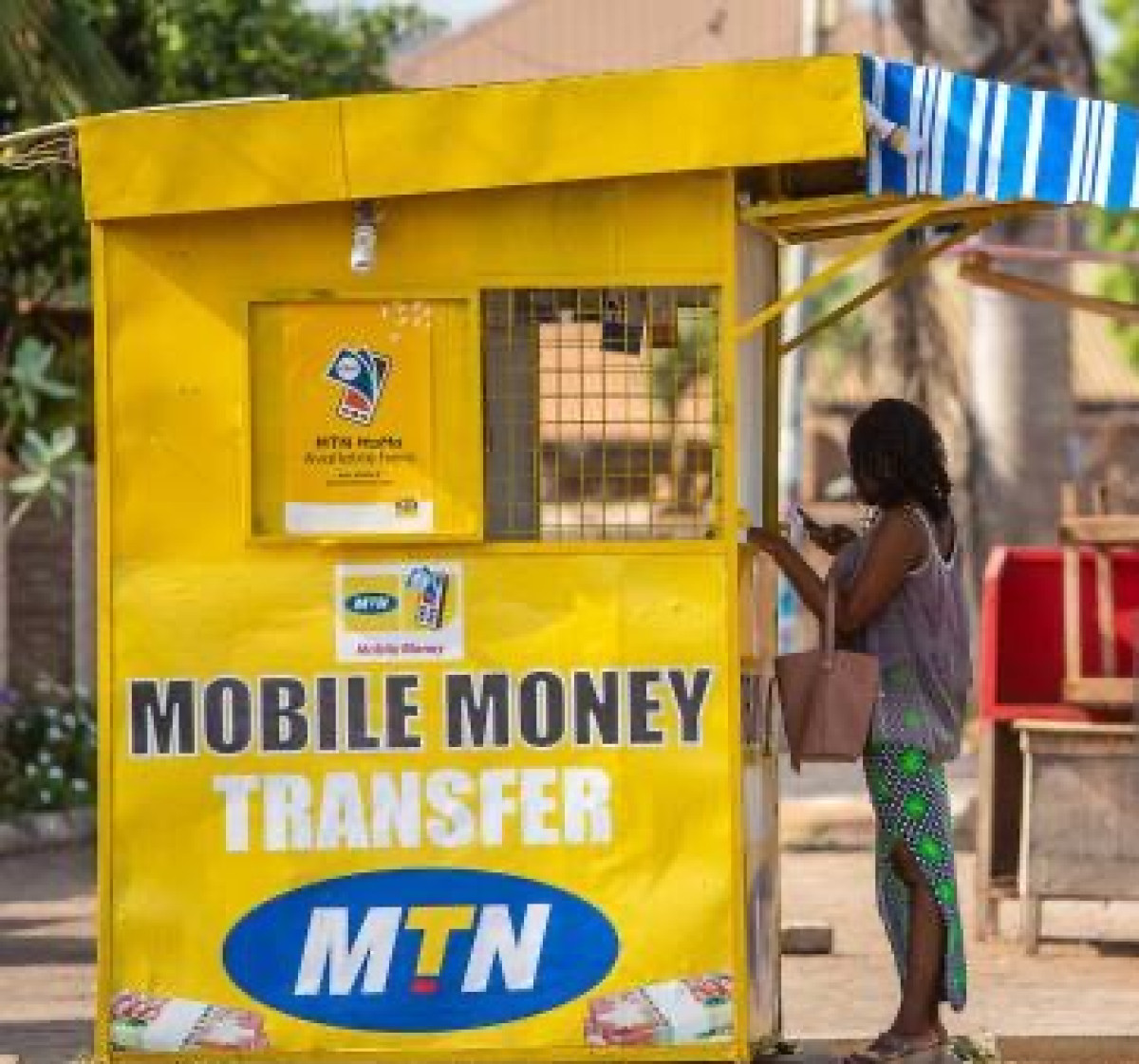
The Bank of Ghana has directed Mobile Money Fintech Limited to suspend its planned 0.75 per cent charge on direct mobile money wallet-to-bank account transfers.
The proposed fee, which was expected to take effect from June 1, 2026, has been put on hold to allow for further stakeholder consultations, the central bank announced on Tuesday, May 26.
The directive follows a notice issued by MTN Ghana on Monday, May 25, informing customers that transfers from MoMo wallets to bank accounts would attract a 0.75 per cent fee per transaction, capped at GH₵5.
Under the proposed arrangement, customers would have been charged even when transferring funds from their own registered MoMo wallet to their personal bank account — a service that has so far been offered free of charge.
In a statement, the Bank of Ghana explained that the suspension forms part of efforts to ensure that any adjustments to charges within the mobile financial services space are implemented in a fair and transparent manner, while safeguarding consumer interests and financial well-being.
For the time being, customers will continue to enjoy free transfers from MoMo wallets to bank accounts, as the proposed charges remain suspended.
The central bank further clarified that existing charges on MoMo wallet-to-wallet transfers, as well as cash-in and cash-out transactions at agent points, remain unchanged.
MTN Ghana is yet to officially respond to the Bank of Ghana’s directive.
MTN Ghana has announced that Mobile Money users will begin paying charges for transfers from their MoMo wallets to bank accounts effective June 1, 2026, ending years of free transfers for customers moving funds between their own accounts.
In a text message sent to subscribers on Monday evening, May 25, the telecommunications company disclosed that all MoMo-to-bank transfers will now attract a fee of 0.75 per cent per transaction, capped at GH₵5.
Under the new pricing structure, customers transferring GH₵100 from their MoMo wallet to a bank account will pay 75 pesewas, while transfers of GH₵667 and above will attract the maximum charge of GH₵5.
The fee will apply to all bank transfers, including transactions involving bank accounts belonging to the same individual who owns the MoMo wallet. Previously, MTN customers enjoyed free transfers when moving funds between their personally registered MoMo wallets and bank accounts.
According to the company, the move forms part of efforts to improve service delivery to its growing customer base.
“From 1 June 2026, transfers from your MoMo Wallet to bank accounts will attract a fee of 0.75% per transaction, capped at GH₵5. This will help us continue to serve you better. Thank you for choosing MoMo,” the message to customers stated.
The development marks a significant change in MTN Ghana’s mobile financial service charges, particularly for customers who frequently transfer money from MoMo wallets into bank accounts for business and personal transactions.
However, the company clarified that the new charge applies only to transfers from MoMo wallets to bank accounts. Existing charges for MoMo-to-MoMo transfers, as well as cash-in and cash-out transactions at agent points, remain unchanged.

Government reveals 76.4 Million Ghana cedis to back Black Stars World Cup campaign

2026 FIFA World Cup: Thomas Partey ruled out of Ghana group opener after denial of Canadian Visa

The Energy Man Londona Nie Set for Comeback After Successful Recovery Journey



-

 Sports1 week ago
GFA Boss Kurt Okraku Rejects National Team Players Selection Interference allegations
-

 Education2 weeks ago
Royal Women In Cinema Ghana, Empower Playgrounds Equip Young Girls on World Menstrual Hygiene Day
-

 Politics1 week ago
Abronye DC Remanded Into Custody After Court Rejects Bid to Vary Bail Conditions
-

 Sports1 week ago
IFAB Approves Major Rule Changes Ahead of 2026 FIFA World Cup
-

 Sports7 days ago
2026 FIFA World Cup: Ghana group opponent England defeats New Zealand in a warm up Friendly
-

 General News1 week ago
Sam George Pushes Mandatory National ID Verification for Access to Adult Websites
-

 Culture1 week ago
Christian Council Backs Mahama’s Decision to Review Anti-LGBTQ+ Bill
-

 Sports1 week ago
2026 FIFA World Cup: Ivory Coast defeats France in Pre-World Cup Friendly