
General News
Canada prepares for a highly unlikely US invasion scenario

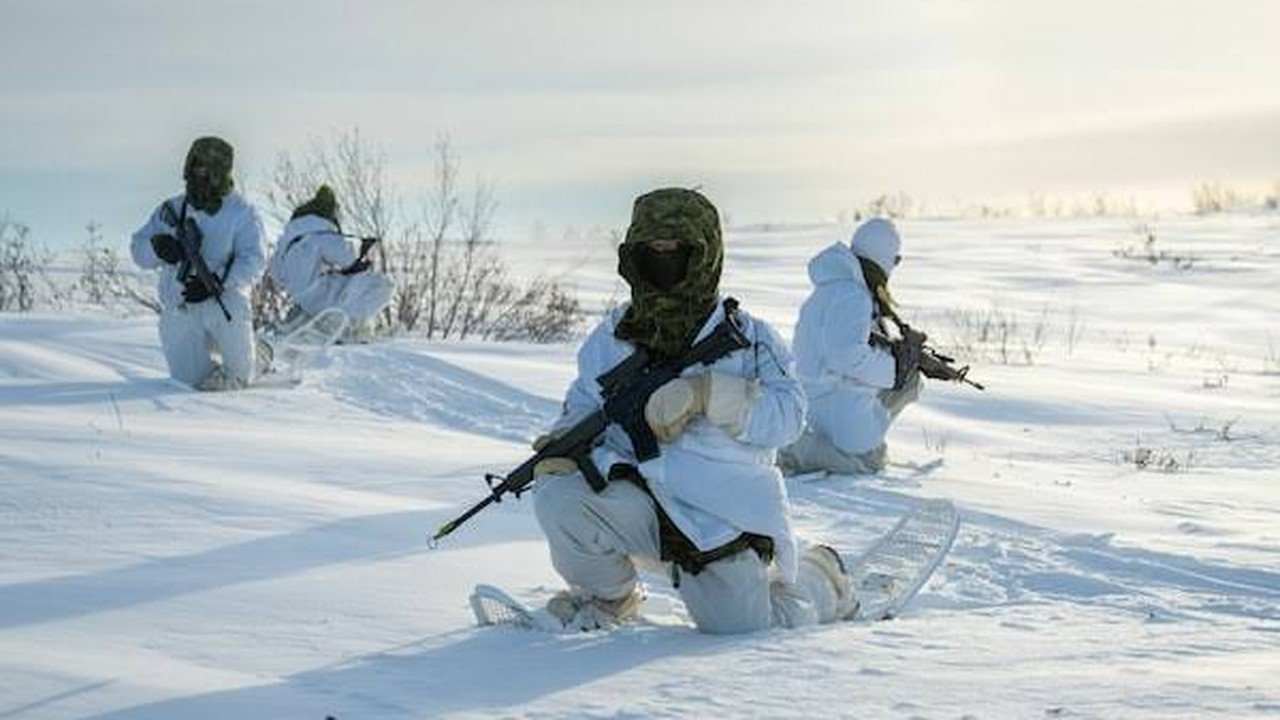
OTTAWA — Canada is examining how it would respond to a hypothetical military confrontation with the United States, a scenario widely regarded as extremely unlikely but one that defence planners cannot completely ignore.
The unusual planning comes against a backdrop of changing security dynamics in North America and renewed debate in Canada over the country’s defence capabilities, sovereignty and reliance on its powerful southern neighbour.
Canada and the United States have long maintained one of the world’s closest defence and economic relationships. The two countries share extensive borders, cooperate through continental defence arrangements and are partners in NATO. An actual US invasion of Canada therefore remains a highly remote prospect.
Nevertheless, military planners are expected to consider a broad range of scenarios, including situations that appear improbable under current political and security conditions. Such planning is intended to identify vulnerabilities, test military readiness and ensure that governments have contingency options in the event of a dramatic change in circumstances.
A question of military readiness
Canada has faced increasing pressure to strengthen its armed forces, particularly as governments across the NATO alliance reassess defence spending and preparedness.
The Canadian military has significant responsibilities covering the country’s vast territory, Arctic approaches, Atlantic and Pacific coastlines and airspace. Defence planning has increasingly focused on the Arctic, where climate change is opening new maritime routes and intensifying strategic competition.
A hypothetical conflict with the United States would present an extraordinary military imbalance. Canada’s armed forces are considerably smaller than those of its southern neighbour, making the scenario more useful as a test of national resilience and defence planning than as an indication that Ottawa expects an attack.
The Arctic factor
The Arctic has become particularly important to Canada’s national-security calculations.
Canada’s northern territory is strategically significant because of its proximity to the United States, Russia and emerging Arctic shipping routes. Ottawa has been seeking to improve surveillance, infrastructure and military capabilities in the region.
For Canadian planners, protecting the country’s sovereignty in the Arctic is therefore not simply about preparing for one particular adversary. It is part of a broader effort to ensure that Canada can monitor and defend its territory as geopolitical competition increases.
Why prepare for something so unlikely?
Military organizations routinely develop contingency plans for extreme scenarios. Preparing for a hypothetical conflict does not necessarily mean that officials believe the conflict is imminent.
Instead, such exercises can expose weaknesses in communications, logistics, infrastructure and military mobilization. They can also help governments determine what support would be required from allies if Canada’s security environment deteriorated dramatically.
The United States remains Canada’s closest defence partner, making an American attack an especially extraordinary scenario. Any such conflict would fundamentally reshape North America’s political and security order.
For now, there is no indication that Canada is preparing for an actual US invasion. Rather, the scenario illustrates how defence planners are being encouraged to think beyond traditional assumptions about the stability of Canada’s security environment.


















Normalcy has returned to Larteh Ahenease in the Eastern Region following a disturbance that disrupted activities during the Odwira Festival.
The incident, which sparked tension in the community, prompted security intervention as authorities moved to prevent the situation from escalating further.
Residents and visitors were reportedly thrown into uncertainty as the disturbance unfolded during the traditional festival, one of the significant cultural celebrations in the area.
Security Presence Helps Restore Order
Security personnel were deployed to the area to restore calm and ensure the safety of residents, traditional authorities and festival participants.
Following the intervention, the situation was brought under control, allowing normal activities to gradually resume.
Authorities have urged residents to remain calm and avoid actions that could reignite tensions.
Odwira Celebration Disrupted
The disturbance occurred against the backdrop of the Odwira Festival, a major traditional celebration that brings together chiefs, elders, residents and visitors to commemorate the cultural heritage of the people.
The disruption has generated concern within the community, particularly because traditional festivals are expected to be occasions of unity, thanksgiving and cultural preservation.
Authorities Urge Peace
Residents have been encouraged to cooperate with the security agencies and allow any investigations into the incident to proceed.
Community leaders and stakeholders are also expected to work toward maintaining peace and preventing further disturbances.
For now, calm has returned to Larteh Ahenease, with security authorities remaining alert to ensure that the situation does not deteriorate.
The latest development has brought relief to residents and festival participants, as attention shifts back to preserving the peace and cultural significance of the Odwira celebrations.
ABUJA, Nigeria — Nigeria’s domestic natural gas supply has surpassed 2 billion cubic feet per day (Bcf/d), marking a significant milestone as the government seeks to expand gas availability for electricity generation, industries and other productive sectors of the economy.
Minister of State for Petroleum Resources (Gas), Ekperikpe Ekpo, announced the development on October 2, saying the increase forms part of efforts to ease supply constraints that have affected power generation and industrial activity.
Nigeria’s overall gas production has also increased to about 7.5 Bcf/d, compared with approximately 6.8 Bcf/d in 2023. Proven gas reserves have risen to 215.19 trillion cubic feet (Tcf) from 208.83 Tcf, according to figures presented by the minister.

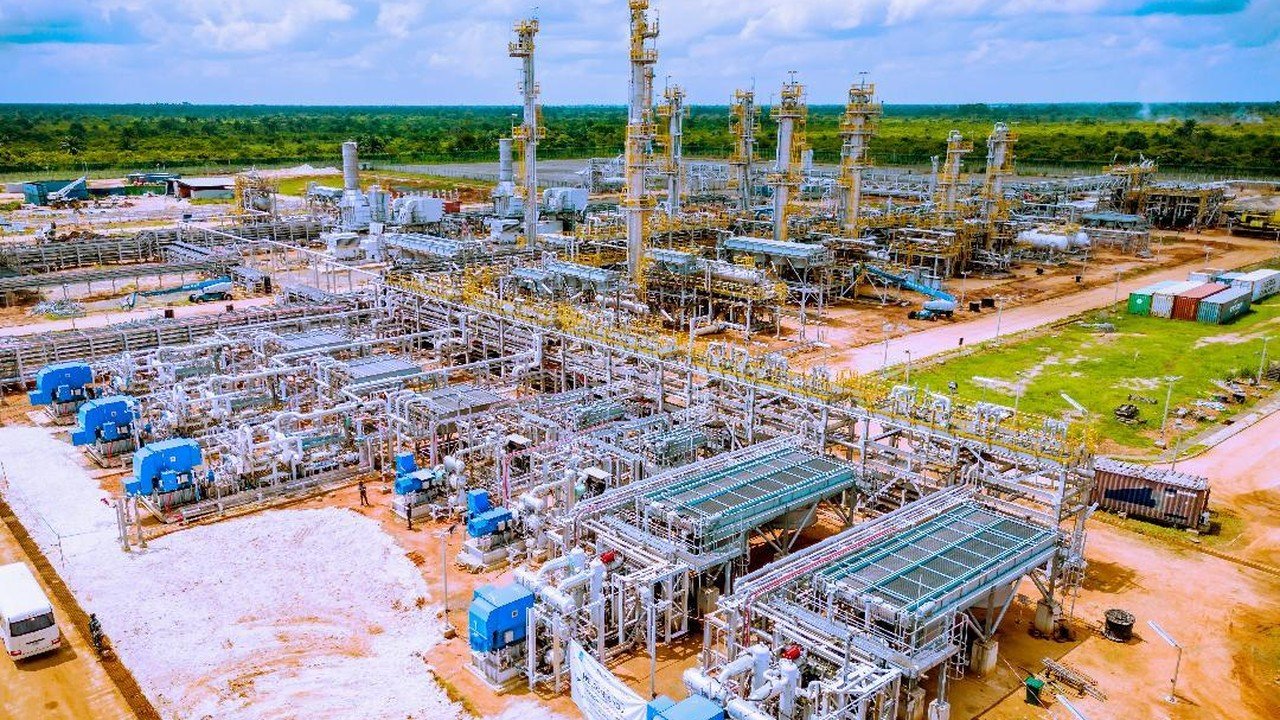
Nigeria’s Gas Expansion: Gas infrastructure supporting the country’s growing energy ambitions.
Government sets higher production targets
The government is targeting national gas production of 10 Bcf/d by 2027 and 12 Bcf/d by 2030. The additional output is expected to serve growing demand from power generation, manufacturing, fertiliser production, petrochemicals, liquefied natural gas, transportation and export markets.
The government also expects infrastructure projects to play a central role in increasing domestic supplies.
The Obiafu-Obrikom-Oben (OB3) gas pipeline has reached full completion and is being prepared for first gas. The pipeline has a capacity of about 2 Bcf/d and is expected to unlock more than 500 million standard cubic feet per day (MMscf/d) of additional gas for the domestic market.
Meanwhile, the Ajaokuta-Kaduna-Kano (AKK) pipeline is about 95% complete, according to Ekpo. The project is expected to improve the movement of gas from southern producing areas toward northern Nigeria.

Powering Nigeria’s Economy: Natural gas supplies are being expanded for power plants and industries.
Investment remains central to expansion
Nigeria is also seeking to attract substantial private investment into its gas infrastructure. Ekpo said 671 billion naira ($434 million) deployed through the Midstream and Downstream Gas Infrastructure Fund had helped attract about 1.6 trillion naira in private investment across 31 projects and 205 infrastructure assets.
Once operational, the projects are expected to provide about 475 MMscf/d of additional gas to the domestic market. The government has set a broader target of attracting approximately $30 billion in gas-sector investment by 2030.
The expansion is particularly important for Nigeria’s power sector, where gas-fired generation plays a major role. Greater reliability of gas supplies could help power plants operate more consistently while providing industries with a more dependable energy source.
Nigeria’s progress comes as authorities continue to focus on ensuring that the country’s substantial gas resources translate into greater domestic economic activity. Earlier data from the Nigerian Upstream Petroleum Regulatory Commission showed average domestic gas delivery had already reached about 2.05 Bcf/d in the first half of 2026, although delivery remained below allocated domestic obligations.
With production and reserves rising, the government’s next challenge will be converting increased gas availability and new infrastructure into reliable power, stronger industrial output and sustained investment.
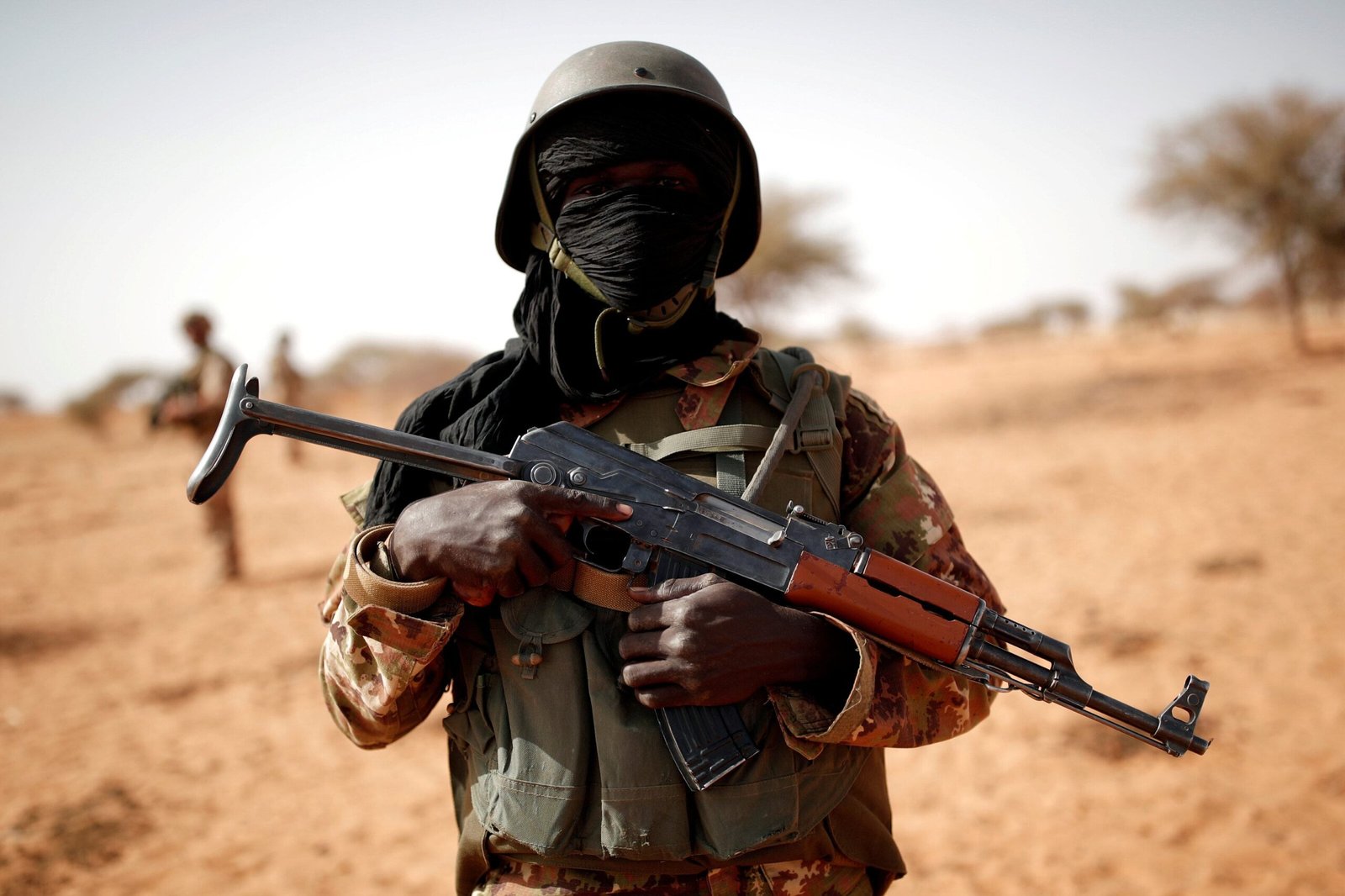
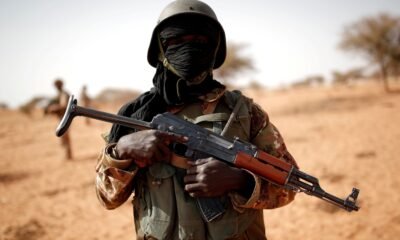
Several villagers in Nigeria have reportedly been killed by suspected Islamist militants while gathering firewood, in another deadly incident highlighting the continuing security challenges facing communities in parts of the country.
According to reports, the victims had left their community to collect firewood when they were attacked. The assailants are suspected of being members of an Islamist armed group operating in the region.
The circumstances surrounding the attack, including the exact number of people killed and the identities of the victims, were still being established. Local sources said the incident has caused fear among residents and raised fresh concerns about the safety of civilians carrying out routine activities outside their communities.
Violence involving Islamist militant groups has continued to affect parts of northern Nigeria, where civilians have frequently been caught between armed groups and security operations. Communities in remote areas can be particularly vulnerable because of their distance from security installations and limited access to rapid emergency assistance.
The latest attack is expected to intensify calls for stronger protection of rural communities and improved security measures for residents who depend on surrounding forests and farmland for their daily needs.
Authorities have yet to provide a full account of the incident, and further details are expected as investigations continue.
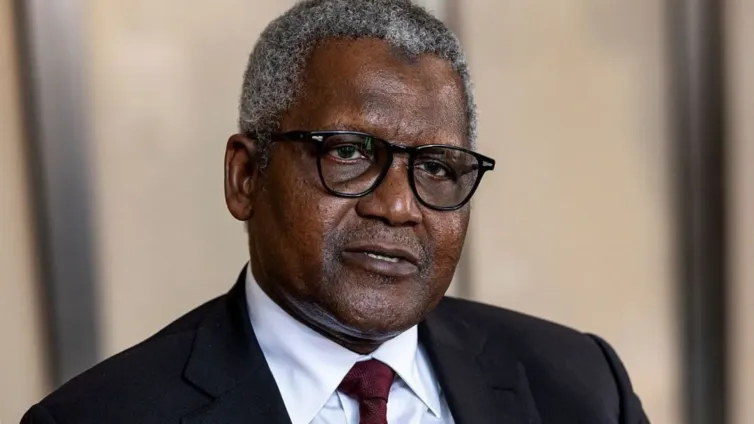
A consumer-rights group has launched a legal challenge against plans involving Nigerian industrialist Aliko Dangote’s proposed refinery project in Kenya, opening a new regulatory hurdle for the investment.
The challenge comes as Kenya considers major changes to its petroleum infrastructure and supply arrangements. The proposed project has attracted attention because of Dangote’s growing influence in Africa’s energy sector and the potential impact of a large-scale refinery on Kenya’s fuel market.
The consumer group’s legal action raises questions about the project’s implications for consumers, competition and the wider petroleum sector. Such challenges can require authorities and project proponents to provide additional information or address concerns before major agreements or developments proceed.
Dangote has expanded aggressively into Africa’s industrial and energy markets through the Dangote Industries Limited group. Its flagship Dangote Petroleum Refinery in Nigeria has already become a major regional energy project, with the company seeking to increase its role in supplying refined petroleum products across Africa.
For Kenya, a refinery investment could have significant implications for the country’s fuel-supply strategy. Kenya currently relies heavily on imported refined petroleum products, making the development of domestic refining capacity a potentially important issue for energy security and supply costs.
However, consumer advocates are likely to scrutinise any arrangement involving a major private-sector player, particularly where it could influence fuel prices, competition or access to petroleum products.
The legal challenge could therefore become an important test of how Kenya balances attracting large-scale investment with consumer protection and competition within its strategic petroleum industry.
The outcome of the case could determine whether the refinery plans proceed without major changes or whether the parties involved will have to address additional legal and regulatory concerns.
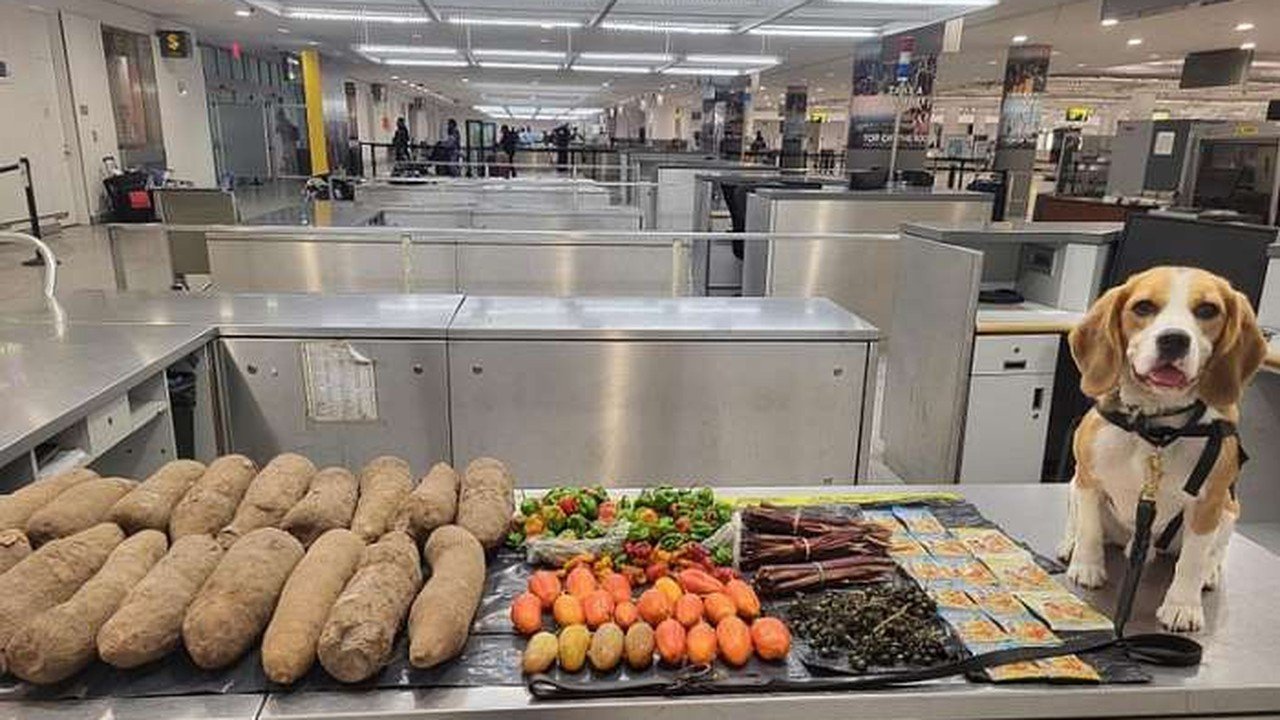
A K9 detection dog at John F. Kennedy International Airport (JFK) has helped authorities uncover approximately 72 pounds of prohibited Ghanaian food items, highlighting ongoing efforts to prevent restricted agricultural and food products from entering the United States.
The shipment was identified during an inspection at the New York airport after the specially trained dog alerted officers to the contents of luggage or a consignment arriving from Ghana.
Authorities subsequently examined the items and determined that they included food products that are restricted or prohibited under U.S. import regulations.
Airport inspection teams routinely screen international baggage and cargo for agricultural products that could introduce pests, diseases or other risks to U.S. agriculture. Certain meat, plant and animal-derived products are subject to strict entry requirements.
The discovery demonstrates the role of detector dogs in assisting customs and agricultural inspection officers at major international gateways. K9 teams are trained to identify specific odors and can help officers locate undeclared or restricted products more efficiently.
Passengers arriving in the United States are required to declare agricultural and food products they are carrying. Depending on the product and its origin, items may be permitted, restricted or prohibited.
Authorities have continued to remind international travelers to check U.S. entry requirements before bringing food products into the country.
The seizure at JFK serves as another example of the screening measures in place to protect U.S. agriculture while enforcing import regulations on food and agricultural products.

Calm Restored at Larteh Ahenease After Odwira Festival Disturbance

Spain Defeat Czech Republic 3-1 to Extend Winning Run

Ghana Begins Search for New Black Stars Coach After Ministry-GFA Talks



-

 General News2 weeks ago
Two political parties, one lesson: Afuntummireku and Tikro Nkɔ Agyina for Ghana
-

 General News2 weeks ago
Free Speech, False Publication and Presidential Criticism in Ghana: Where Does the Law Draw the Line?
-

 Culinary2 weeks ago
Kofi Brokeman: The Simple Ghanaian Snack That Has Stood the Test of Time
-

 General News2 weeks ago
Rev. Dr. Christian Kwetey Kweitsu Set for International Recognition at 100 Most Influential Persons Awards in Kigali
-

 General News6 days ago
Fidelity Bank Chairman Named Ghana’s Topmost Transformational Board Chair 2026
-

 Culture2 weeks ago
Odwira Festival: History, Meaning, Traditions and the Full Celebration in Akuapem
-
 General News2 weeks ago
Don’t Expect Concerts When People Can’t Afford Food – Rex Omar on Black Star Experience
-

 Entertainment2 weeks ago
Can’t Anything Good Come Out of Ghana? – Ras Caleb Appiah-Levi Fires Back at Critics