
General News
Free Primary Healthcare Policy Targets 80% Universal Coverage by 2030

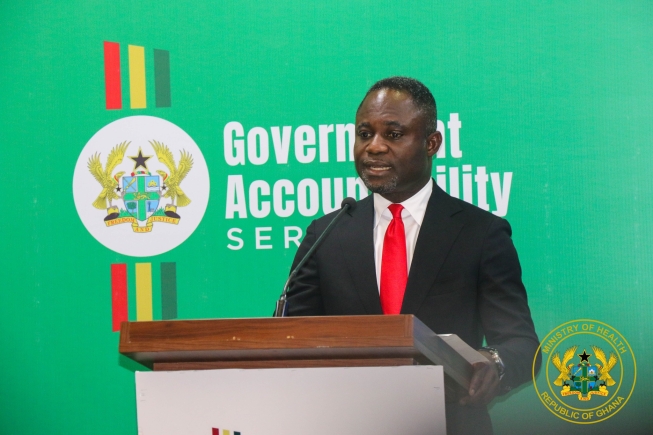
Government has announced an ambitious plan to raise Ghana’s universal health coverage (UHC) to 80 percent by 2030 through the rollout of a Free Primary Healthcare policy, a major reform aimed at expanding access and prioritising preventive care.
Speaking during the Government Accountability Series, Minister of Health, Hon. Kwabena Mintah Akandoh, said the policy is designed to remove financial barriers at the point of care while strengthening early detection and community-based health services.
“Our universal health coverage index now stands at about 56 percent, and we need to hit a target of 80 percent by 2030,” he stated. “This policy is about ensuring that every Ghanaian can access care early, easily and without worrying about cost.”
The Minister explained that the initiative will provide free access to a defined package of essential services at the primary healthcare level, including CHPS compounds, health centres and polyclinics nationwide.
According to him, the policy responds to persistent gaps in the health system, particularly low enrolment in the National Health Insurance Scheme (NHIS) and high out-of-pocket spending.
“Only about two-thirds of the population is actively enrolled in NHIS, which means a significant number of Ghanaians still face financial barriers when they seek care,” he noted. “In practical terms, many families are still paying out-of-pocket and risk catastrophic expenditure.”
Hon. Akandoh emphasised that the reform represents a shift from a treatment-focused system to one that prioritises prevention and early diagnosis, especially in the face of rising non-communicable diseases.
“We are facing a triple burden of disease. While we continue to manage infectious diseases, non-communicable diseases such as hypertension, diabetes, cancers and mental health conditions are rising steadily,” he said.
He warned that low awareness and late detection remain major challenges.
“Hypertension develops silently, diabetes progresses quietly, and many people do not know their status until complications occur. By the time they enter the health system, treatment becomes more expensive, more complex and less effective,” he explained.
Under the Free Primary Healthcare policy, routine screenings for conditions such as hypertension, diabetes and certain cancers will be provided at no cost, alongside maternal and child health services, immunisation, health promotion and treatment of common illnesses.
“What is changing is that care will no longer depend on when you become seriously ill. Screening becomes routine, and the system shifts from reacting to illness to preventing it,” the Minister said.
He clarified that while primary healthcare services will be free, the NHIS will remain essential for accessing higher-level care.
“When you are referred to district, regional or teaching hospitals, it is your National Health Insurance that will save you. So NHIS remains very relevant and important,” he stressed.
The policy will be implemented in phases between 2026 and 2028, beginning with 150 underserved districts across all regions.
“We are going to start with underserved districts, learn from the implementation and smoothen the edges before scaling up nationwide,” Hon. Akandoh indicated.
As part of preparations, government has procured more than 24,000 pieces of essential medical equipment to strengthen service delivery at the primary level.
“We cannot announce policies without preparing. These investments are to ensure that our facilities are equipped to deliver timely and quality care,” he said.
The Minister added that the policy will extend beyond health facilities into communities through structured outreach programmes, including home visits, school health services and public education campaigns.
“Health workers will not only wait at facilities; they will be in homes, schools, churches and workplaces—screening, educating and supporting people to stay healthy,” he noted.
On financing, Hon. Akandoh disclosed that the programme will be funded through the National Health Insurance Scheme, following the uncapping of the NHIS fund and allocations captured in the 2026 budget.
“We are not reinventing the wheel. Financing has been aligned with NHIS, and budgetary provisions have been secured,” he assured.
He concluded that the policy is central to improving health outcomes and building a resilient health system.
“This is about reducing avoidable illness and preventable deaths. Free primary healthcare is a reset towards prevention, equity and a stronger Ghana,” he said.
General News
Mahama to host Gabon’s President Brice Oligui Nguema for three-day official visit to Ghana

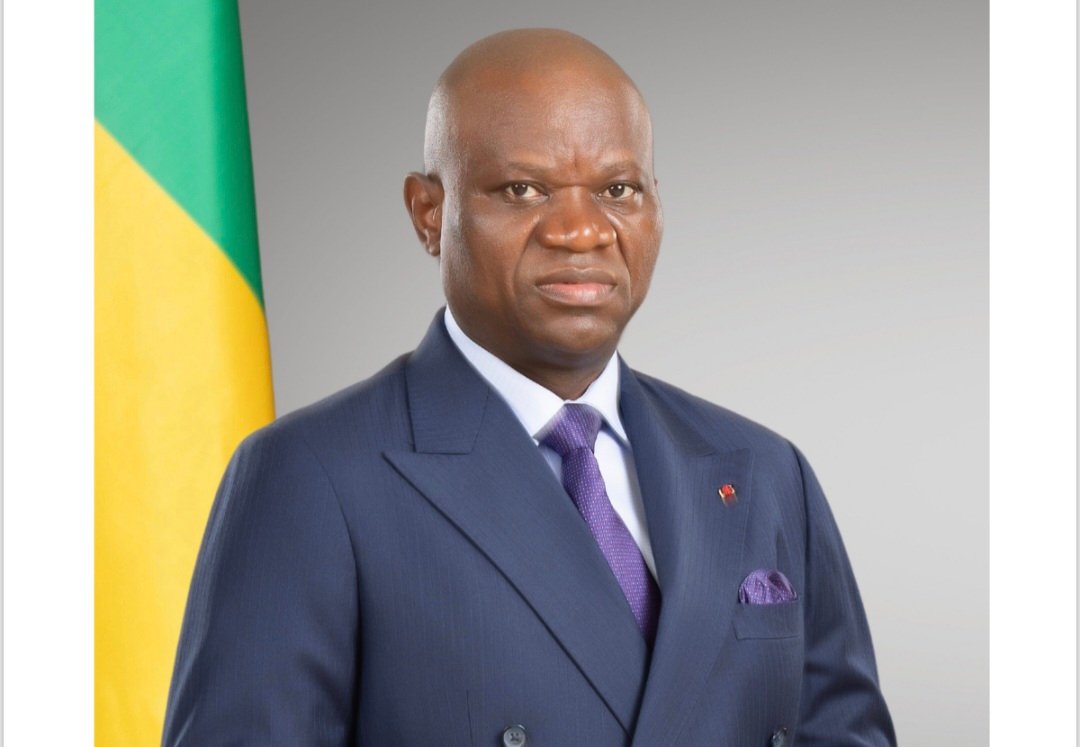
President John Dramani Mahama will host the President of the Gabonese Republic, His Excellency Brice Clotaire Oligui Nguema, for a three-day official visit to Ghana from 28th to 30th July 2026, following an invitation extended by the Ghanaian leader.
According to a statement issued by the Presidency and signed by the Spokesperson to the President and Minister for Government Communications, Felix Kwakye Ofosu, the Gabonese President will be accompanied by a high-level delegation made up of government ministers, senior officials and members of the Gabonese business community.
The visit is expected to further strengthen the long-standing bilateral relations between Ghana and Gabon and deepen cooperation in areas of mutual interest.
On 28th July, Presidents Mahama and Oligui Nguema will hold a private tête-à-tête before leading official bilateral talks at the Jubilee House in Accra.
The discussions will review the current state of relations between the two countries and explore new opportunities for collaboration across a broad range of sectors, including political and diplomatic consultations, trade and investment, mining, energy, agriculture, forestry, fisheries, maritime affairs, transport, tourism, education, health, defence and security, environmental protection, climate action and people-to-people exchanges.
The two leaders are also expected to reaffirm their shared commitment to expanding bilateral cooperation and advancing sustainable economic development for the mutual benefit of the people of Ghana and Gabon.

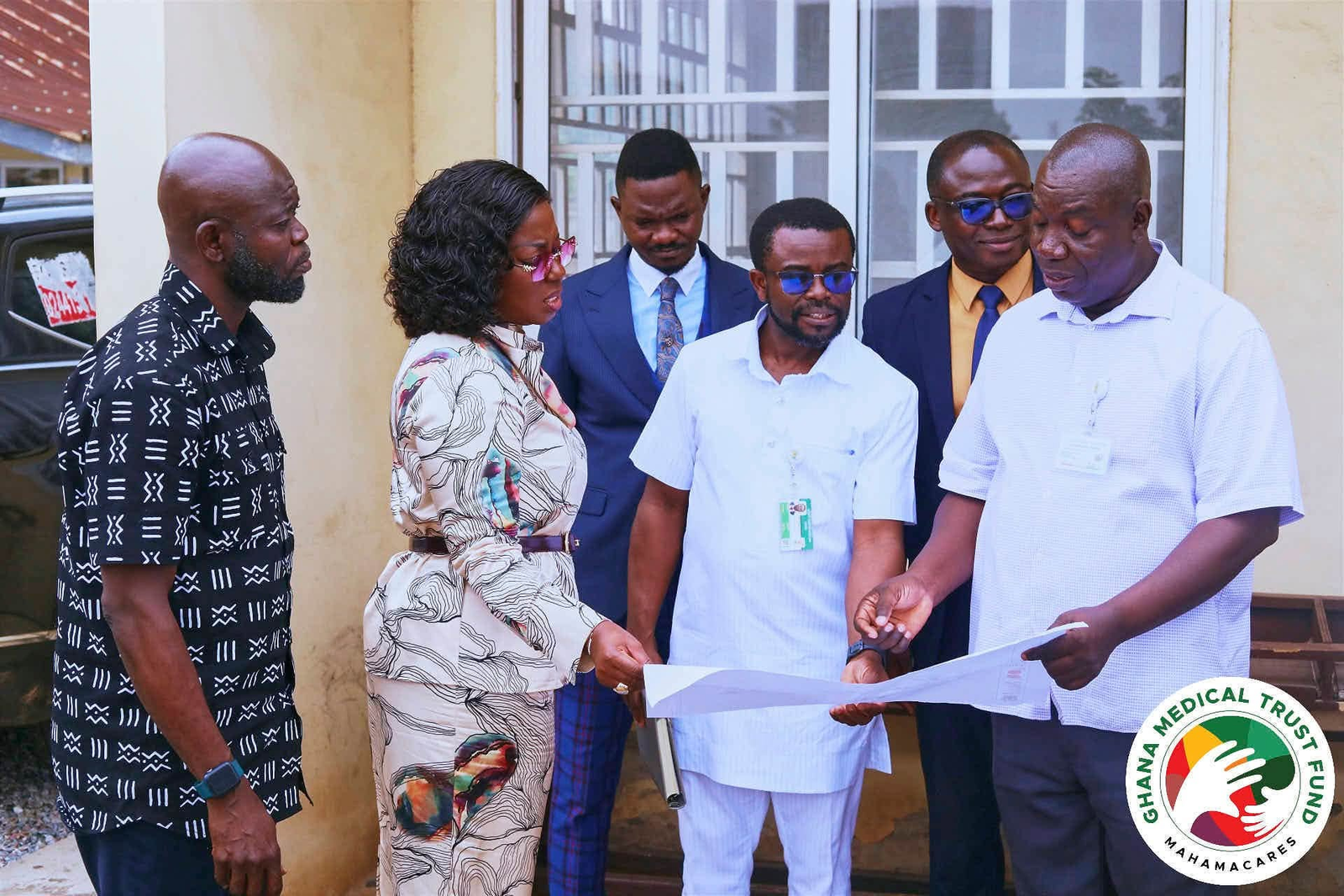
The Ghana Medical Trust Fund (GMTF) has announced a major partnership with KGL Group and the KGL Foundation to construct a state-of-the-art diagnostic centre at the Greater Accra Regional Hospital (Ridge), aimed at improving access to advanced healthcare services in Ghana.
The initiative follows GMTF’s appeal to Corporate Ghana on February 5, 2026, to support efforts to equip Ridge Hospital with modern diagnostic equipment. Responding to the call, KGL Group and the KGL Foundation pledged not only to provide the equipment but also to fund the construction of a new diagnostic centre that will house all essential imaging services under one roof.
The new facility will be fitted with advanced medical equipment, including an MRI machine, CT scan, Mammography unit, X-ray machine, and Fluoroscopy machine. The investment is expected to significantly strengthen the hospital’s diagnostic capabilities and improve the management of complex medical conditions.
The project officially entered its implementation phase following a site inspection at Ridge Hospital led by Ghana Medical Trust Fund Administrator, Adjoa Obuobia Darko-Opoku, and KGL Group Chief Executive Officer, Alex Apau Dadey, together with their respective teams.
According to GMTF, the new diagnostic centre will enhance the hospital’s ability to provide faster and more accurate diagnoses while expanding access to specialist diagnostic services for thousands of patients across the country.
The Ghana Medical Trust Fund expressed appreciation to KGL Group for its commitment, describing the partnership as a shining example of how collaboration between Corporate Ghana and government can transform healthcare delivery and improve the lives of Ghanaians.
The Fund noted that the project reflects the vision of strengthening Ghana’s healthcare infrastructure through strategic public-private partnerships, adding that the initiative aligns with the broader goals of the Mahama Cares programme.
General News
Offence Can Make You Lose Your Inheritance – Dr. Lawrence Tetteh Urges Ghanaians to Live Above Bitterness

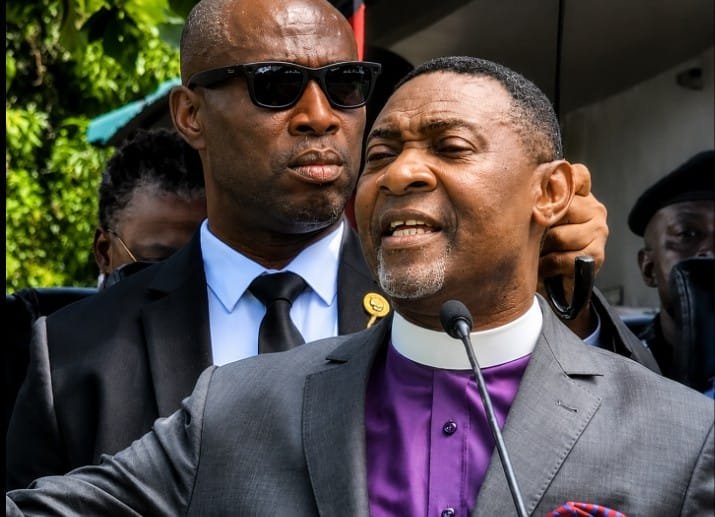
Renowned evangelist Dr. Lawrence Tetteh has called on Ghanaians to avoid living in offence and bitterness, warning that harboring grudges can rob people of their purpose, relationships and even their destiny.
Delivering a speech during the wreath-laying ceremony and 14th commemoration of the late President John Evans Atta Mills, Dr. Tetteh stressed that “offence can make you lose your inheritance.”
According to him, offence is one of the enemy’s greatest traps because people will always criticize others regardless of what they do. He advised that becoming easily offended could cause people to lose valuable relationships, respect and loyal supporters.
Dr. Tetteh noted that offence breeds division, disloyalty and unnecessary conflicts, adding that those who have benefited from someone’s kindness can eventually turn against them when offence takes root.
Drawing lessons from the Bible, he cited John the Baptist, saying offence and disappointment can affect a person’s outlook even in difficult moments. He also referenced Moses, who, despite leading the Israelites out of Egypt, did not enter the Promised Land, urging people not to allow offence to derail their God-given assignment.
He further warned leaders not to let criticism from followers distract them from their mandate, emphasizing that reacting to every provocation only weakens one’s focus.
“If you want to stand like H.E. Atta Mills, live an offence-free life,” Dr. Tetteh said, encouraging Ghanaians to use their positions to build friendships rather than create enemies.
The annual wreath-laying ceremony was held to honour the memory and leadership legacy of the late President John Evans Atta Mills, who passed away in office 14 years ago.
By Maurice Otoo

Mahama to host Gabon’s President Brice Oligui Nguema for three-day official visit to Ghana

‘She Was My Helper’ — Obaapa Christy Mourns Vivian Jill’s Late Sister Mabel Intuah

“I’m a better songwriter than AI”:Ras Kuuku



-

 Entertainment2 weeks ago
Derrick Manny Calls for Better Support for Ghanaian Creatives Following Dede Padiki’s Death
-
 Entertainment1 week ago
“Stay Broke If You Want Peace” – Sarkodie Sparks Online Debate With Powerful Success Message
-
 General News2 weeks ago
EOCO Arrests Dennis Aboagye, Gerald Appiah Over GH¢55m IMCCoD Probe
-
 General News2 weeks ago
Okatakyie Afrifa Mensah’s Team Alleges Assault, Gunshot Injuries After Arrest
-
Entertainment1 week ago
Dede Padiki Felt Neglected by Ghana’s Creative Sector Before Her Death – Derrick Manny
-

 Entertainment2 weeks ago
Mercy Asiedu donates GH¢50,000 to support Kwadwo Kwakye Obuobi’s kidney transplant
-

 Business2 weeks ago
Investor Confidence Soars as Treasury Bill Bids Hit GH¢10.03 Billion
-
 Entertainment3 days ago
DJ K.A Apologises Over Viral Video, Says It Was Recorded Four Years Ago