
General News
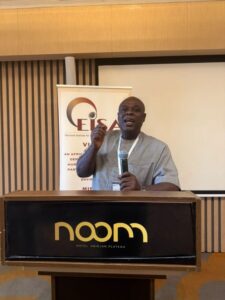
Koku Anyidoho Certified as International Elections Observer by EISA


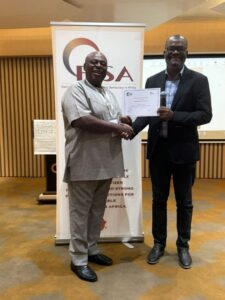
Samuel Koku Anyidoho, Founder and CEO of the Mills Institute for Transformational Leadership Development, has earned official certification as an International Elections Observer and Analyst from the Electoral Institute for Sustainable Democracy in Africa (EISA).
The certification follows a one-week intensive ECOWAS-backed training held from August 11–14, 2025, in Abidjan, Côte d’Ivoire. Fourteen carefully selected participants from across the ECOWAS subregion, including representatives from Ghana, Gambia, Senegal, Nigeria, Togo, Benin, Burkina Faso, and Liberia, took part in the program, which focused on election management and observation.
Anyidoho brings more than five years of experience as an ECOWAS elections observer, having monitored polls in Guinea Conakry, Benin, Nigeria, Sierra Leone, Liberia, and Senegal. His accreditation further strengthens his role in safeguarding democratic processes across Africa.
Founded in post-apartheid South Africa, EISA is a pan-African institution headquartered in Johannesburg and Abidjan. Its mission has evolved from conflict monitoring and election mediation to promoting democracy, good governance, and election integrity across the continent.
A Blend of Political, Academic, and Ethical Leadership
Anyidoho’s political career began under President John Atta Mills, serving as Head of Communications (2009–2012) and later as Deputy General Secretary of the National Democratic Congress (2014–2018). He continues to champion the legacy of President Mills through the Atta Mills Institute, advocating for good governance and transformational leadership.
In 2023, he earned a Master’s degree in Ministry from Trinity Theological Seminary, Legon, integrating spiritual values into leadership and governance. More recently, he was inducted into the Ghana Psychology Council as a professional counselor, expanding his commitment to ethical and people-centered public service.

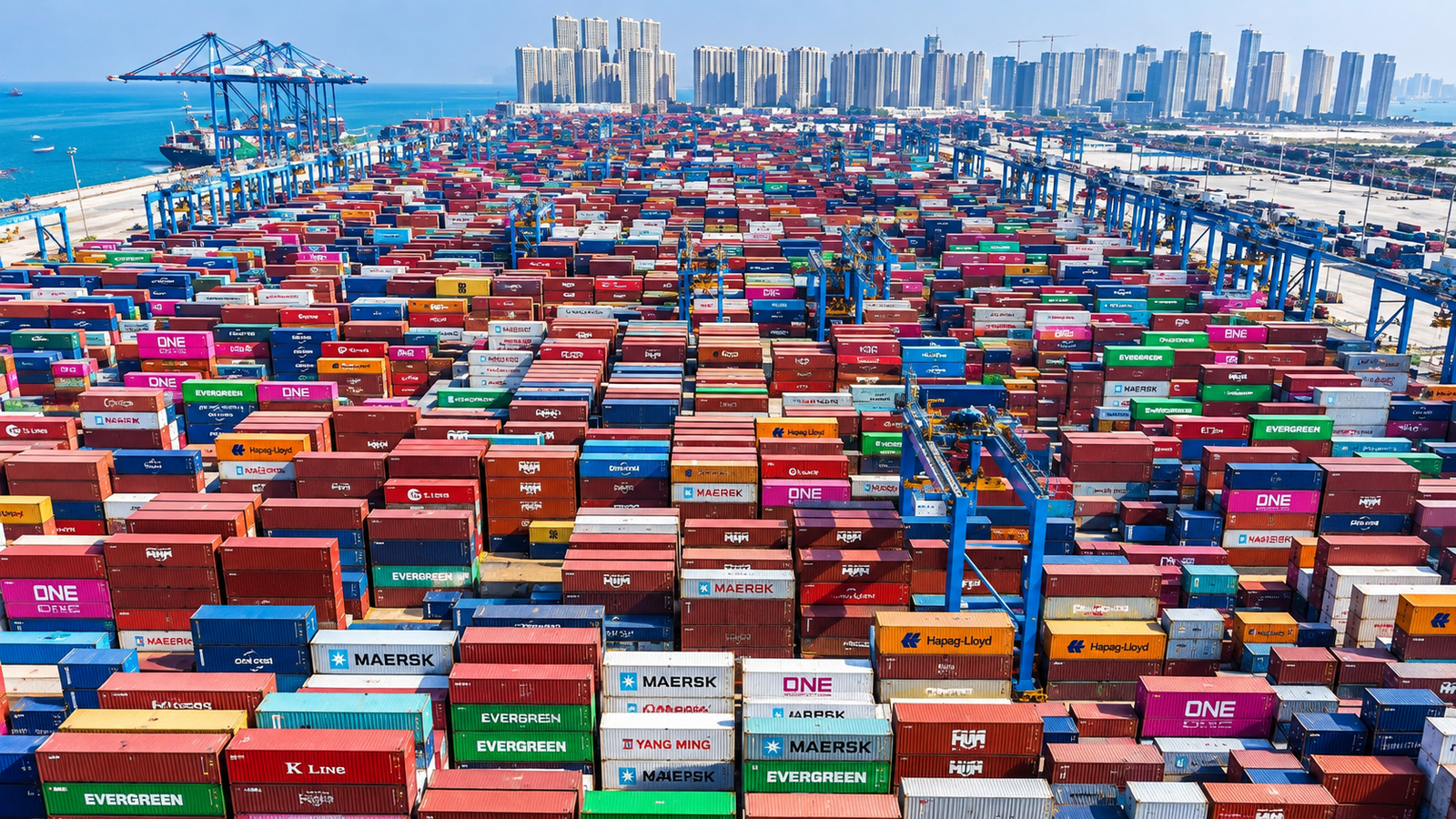
A year after companies rushed to move production out of China in an effort to avoid steep U.S. tariffs, some businesses are now reversing course as the challenges and costs of operating in alternative manufacturing hubs become increasingly clear.
The trend highlights the difficulty of replacing China’s deeply established manufacturing ecosystem, which combines large supplier networks, skilled workers, specialized equipment, logistics infrastructure and relatively reliable access to electricity.
One example is Dawang Metals, a Chinese metal-casting company whose U.S. customer moved some orders to India last year. According to the company, the customer has since returned with new orders after encountering difficulties with production in India.
China’s manufacturing network remains difficult to replicate
The push to reduce dependence on China accelerated after U.S. tariffs prompted companies to explore countries such as Vietnam, India, Indonesia and Thailand.
The strategy, often described as “China plus one,” involved maintaining Chinese operations while establishing additional production capacity elsewhere.
But for some manufacturers, the move has proved more complicated than expected.
Businesses have reported difficulties finding the right machinery, sourcing components locally and building reliable supplier networks. In some cases, companies operating outside China still depend heavily on Chinese-made equipment and parts.
Jin Chaofeng, an outdoor furniture exporter based in Hangzhou, said he closed a workshop in Vietnam that had opened in 2024 and shifted production back to China after finding that the overall cost difference was smaller than expected.
Tariff differences have also narrowed
Another factor changing corporate calculations is the changing gap between U.S. tariffs on Chinese goods and those imposed on alternative manufacturing locations.
China previously faced significantly higher U.S. tariffs, prompting companies to search aggressively for other production bases. But as Washington expanded tariffs to a wider range of countries, the advantage of moving production to some Southeast Asian locations became less pronounced.
Earlier this year, reports also highlighted cases in which companies reconsidered investments in Thailand and other Southeast Asian countries after U.S. tariffs on Chinese imports fell substantially from their earlier peak.
Some companies are keeping their alternatives
The shift does not mean businesses are abandoning supply-chain diversification.
Vietnam, Indonesia, Thailand and India continue to attract manufacturing investment as companies seek protection against future tariff changes and geopolitical disruptions.
Some businesses are therefore maintaining factories outside China while returning part of their production to Chinese suppliers.
For example, one exporter cited by Reuters said it continues to keep part of its capacity in Vietnam as a hedge and could expand there again if U.S. tariffs on Chinese goods rise sharply.
Businesses remain cautious
Despite the recent reversals, companies are not assuming that the current tariff environment will last.
The possibility of future changes in U.S. trade policy means manufacturers are increasingly focused on flexibility rather than committing completely to one country.
The emerging picture is therefore less about a mass return to China and more about companies reassessing where production makes the most economic sense.
For many manufacturers, China’s combination of suppliers, skilled labour, infrastructure and production scale remains difficult to reproduce elsewhere. At the same time, companies continue to build alternative capacity to protect themselves against another sudden change in tariffs or global trade conditions.
The result is a more complicated global manufacturing landscape: companies that once rushed away from China are now discovering that leaving may be easier than replacing what they left behind.

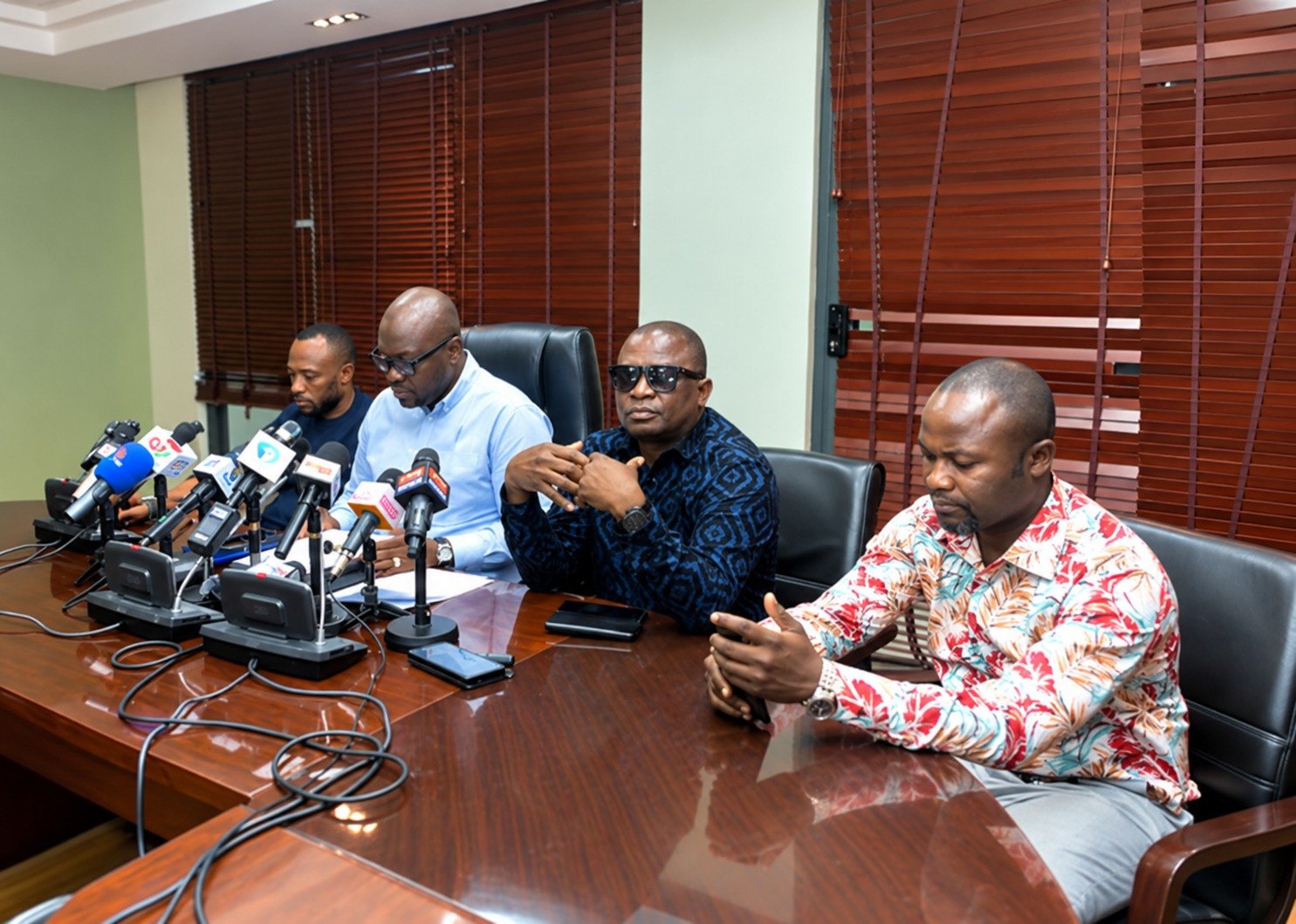
The Minority in Parliament has raised concerns over the government’s implementation of the 24-Hour Economy Market Programme, particularly the decision to demolish some existing markets and public facilities to make way for new projects.
Speaking to the media in Parliament, the Ranking Member of the Local Government Committee and Bantama MP, Francis Asenso-Boakye, called on the government to undertake further consultations and needs assessments before proceeding with the demolition of existing market structures.
According to him, the Minority is not opposed to the construction or modernisation of markets, but believes the government’s approach must be based on the actual needs and development priorities of individual communities.
‘We need proper consultation’
Asenso-Boakye argued that different districts have different development needs and therefore should not be subjected to a uniform market-development model.
He said while some communities may genuinely require new markets, others may need their existing markets rehabilitated, expanded or upgraded.
“Development, especially a market development programme, cannot be one-size-fits-all,” he argued.
The former minister questioned whether adequate needs assessments, feasibility studies and local development plans had been conducted before the projects were rolled out.
Minority questions demolition of existing facilities
The Bantama MP also questioned the rationale behind demolishing existing markets and other public facilities when alternative approaches could potentially achieve the same objective without disrupting traders and communities.
He maintained that government must properly investigate the condition and capacity of existing facilities before deciding to demolish them.
The Minority’s position comes amid growing attention to the government’s 24-hour economy initiative and the construction of markets intended to support economic activity beyond traditional trading hours.
‘Not every district needs a new market’
According to Asenso-Boakye, some districts already have markets under construction, while others may have more urgent needs such as roads, drainage systems, schools, healthcare facilities and sanitation.
He therefore urged the government to engage District Assemblies and other local stakeholders before making decisions on where and how the markets should be developed.
He stressed that District Assemblies are planning authorities within their jurisdictions and should have a meaningful role in determining projects that affect their communities.
Minority calls for review
The Minority is consequently calling for a review of aspects of the 24-Hour Economy Market Programme that involve the demolition of existing structures.
Asenso-Boakye said the government must demonstrate that the projects are supported by proper planning and evidence of need rather than being implemented as a blanket national policy.
He further warned that failure to adequately consult local authorities and affected communities could undermine the principles of decentralisation.
The Minority’s concerns are likely to intensify the debate over how the government’s flagship 24-hour economy policy should be implemented, particularly where existing public assets, traders and local communities are directly affected.
For the Minority, the objective of modernising Ghana’s markets is not in dispute — the concern is whether the government is demolishing first and planning later, rather than allowing proper consultation and evidence-based planning to guide the process.


The Ghana Tourism Authority’s (GTA) cash position weakened significantly in 2025, with its cash and cash equivalents falling by more than half despite an improvement in its current ratio.
According to the 2025 State Ownership Report, GTA’s cash and cash equivalents dropped from GH¢1.30 million in 2024 to GH¢640,000 in 2025, representing a 50.77% decline.
The Authority’s operating cash flow also deteriorated during the year, moving from a positive GH¢3.84 million in 2024 to negative GH¢60,000 in 2025.
The figures point to increasing short-term liquidity pressure despite an apparently stronger current ratio.
The GTA’s current ratio improved from 1.18:1 in 2024 to 1.50:1 in 2025.
While the increase suggests an improved capacity to meet short-term obligations, the report noted that the picture is less favorable when cash holdings and operating cash flow are considered.
Net cash generated from operating activities fell from GH¢3.84 million to negative GH¢0.06 million.
Net cash flow from investing activities stood at negative GH¢0.56 million, compared with negative GH¢1.82 million in 2024.
Financing activities also recorded a negative cash flow of approximately GH¢0.03 million.
The Authority’s overall asset position also weakened.
Total assets declined by 10.84%, from GH¢15.78 million in 2024 to GH¢14.07 million in 2025.
Non-current assets fell from GH¢10.45 million to GH¢8.33 million, while total equity declined from GH¢10.19 million to GH¢9.19 million.
The report said the reduction in accumulated funds points to an erosion of the Authority’s financial strength.
Despite the pressure on its cash and assets, the GTA remains relatively lightly leveraged.
Its debt-to-asset ratio improved marginally from 0.36 times to 0.35 times, while total liabilities declined from GH¢5.60 million to GH¢4.87 million.
Trade payables stood at approximately GH¢3.82 million.
The report, however, warned that the Authority’s longer-term stability is being weakened by continuous deficits, declining accumulated funds, a shrinking asset base and the absence of internally generated revenue.

The Ghana Tourism Authority (GTA) organised and supported a number of major tourism activities in 2025, but its financial statements show a weakening financial position, with declining assets, shrinking cash reserves and continued dependence on external funding.
The 2025 State Ownership Report lists several important events undertaken during the year, including Chocolate Day, Taste 68@68, Kwahu Paragliding, Panafest/Emancipation Day, World Tourism Day, the National Tourism Awards and December in GH.
Despite these activities, the Authority ended the year with GH¢58.26 million in total income and a net deficit of GH¢1 million.
The report’s key figures show that the GTA had GH¢14.07 million in total assets and GH¢9.19 million in total accumulated funds at the end of 2025.
It also recorded zero internally generated funds.
The GTA’s mandate is to regulate, supervise, promote and develop Ghana’s tourism industry.
It is responsible for ensuring sustainable tourism growth, licensing and monitoring tourism enterprises, maintaining industry standards, promoting tourist attractions, safeguarding consumers and collaborating with stakeholders to position Ghana as a leading tourism destination.
Its stated strategic intent is to promote the sustainable development of the tourism industry both within Ghana and internationally.
However, the financial report raises questions about the Authority’s ability to finance its operations independently.
The GTA generated no IGF in either 2024 or 2025.
At the same time, government grants fell dramatically from GH¢43.98 million to GH¢21.39 million.
Although other income increased to GH¢36.87 million, total income still fell by GH¢13.31 million, from GH¢71.57 million to GH¢58.26 million.
The Authority’s total expenditure dropped by 24.11%, from GH¢78.09 million in 2024 to GH¢59.26 million in 2025.
However, personnel expenditure increased by almost GH¢4.4 million, rising from GH¢29.25 million to GH¢33.64 million.
As a result, personnel costs accounted for 57.73% of total income in 2025, compared with 40.88% in 2024.
Service activity expenses, meanwhile, fell from GH¢36.60 million to GH¢12.17 million.
The report said the decline in expenditure was therefore primarily associated with reduced programme and service activities rather than improved efficiency.
The GTA’s cash position weakened considerably during the year.
Cash and cash equivalents declined from GH¢1.30 million to GH¢0.64 million, while operating cash flow moved from a positive GH¢3.84 million to negative GH¢0.06 million.
Total assets also fell by 10.84%, from GH¢15.78 million to GH¢14.07 million.
Total equity declined from GH¢10.19 million to GH¢9.19 million, while liabilities reduced from GH¢5.60 million to GH¢4.87 million.
The debt-to-asset ratio improved marginally from 0.36 to 0.35, suggesting that the Authority remains relatively lightly leveraged.
However, the report said its long-term stability is gradually weakening due to continuous deficits, declining accumulated funds, a shrinking asset base and the lack of internally generated revenue.
The report also states that the Ghana Tourism Authority did not report any quasi-fiscal activities for 2025.
It similarly reported no climate-smart investments during the year.
The Authority is currently headed by Maame Efua Houadjeto, while Gertrude Emefa Donkor serves as Chair of the Governing Board.
The board secretary is Stella Osei, with members including Maame Efua Houadjeto, Yusif Issaka Jajah, Kwame Adu Darko Okyere-Mensuo, Samuel Seth Passah, Joseph Osiakwan, Suweibatu Adam, Afi Amoro, Anthony Bart-Appiah, Bella Korkoe Ayayee Ahu and Darison Baba Al-Hassan. The report indicates the listed board appointments were made in August 2025.
The GTA’s auditors are TRC Consult Chartered Accountants.
The Authority operates under the GTA Act, 2011 (Act 817) and falls under the Ministry of Tourism, Culture and Creative Arts (MOTAC)
The Ghana Tourism Authority (GTA) recorded a significant decline in its total income in 2025, with revenue falling by 18.6% amid a sharp reduction in government funding.
According to the 2025 State Ownership Report, the Authority’s total income dropped from GH¢71.57 million in 2024 to GH¢58.26 million in 2025.
The report attributes the decline largely to a substantial reduction in Government of Ghana (GoG) grants, which fell from GH¢43.98 million in 2024 to GH¢21.39 million in 2025.
Although the Authority’s other income increased from GH¢27.59 million to GH¢36.87 million, the increase was not enough to compensate for the decline in government grants.
The report also revealed that the GTA recorded zero internally generated funds (IGF) in both 2024 and 2025.
This, according to the assessment, points to a structural weakness in the Authority’s ability to independently generate revenue and highlights its continued reliance on external funding sources.
The decline in income was accompanied by a reduction in total expenditure.
GTA’s total expenditure fell from GH¢78.09 million in 2024 to GH¢59.26 million in 2025, representing a 24.11% reduction.
The reduction was mainly driven by a sharp fall in service activity expenses, which declined from GH¢36.60 million to GH¢12.17 million.
However, personnel costs moved in the opposite direction, increasing from GH¢29.25 million to GH¢33.64 million.
The figures suggest that fixed personnel-related costs remained high despite the reduction in the Authority’s operational scale.
The GTA remained in deficit in both years, although the deficit narrowed from GH¢6.52 million in 2024 to GH¢0.99 million in 2025.
The report said the improvement was largely driven by expenditure cuts rather than growth in revenue.
The Authority’s net margin also improved from negative 9.12% in 2024 to negative 1.71% in 2025.
Despite this improvement, the report described the GTA as structurally loss-making and financially dependent on external funding.
The report further highlighted concerns over efficiency, noting that the personnel cost ratio increased from 40.88% of total income in 2024 to 57.73% in 2025.
This means salaries and related personnel costs consumed a substantially larger portion of the Authority’s income.
According to the report, the development suggests declining operational flexibility and worsening cost efficiency.
The GTA’s business model remains centred on the regulation and promotion of tourism enterprises, with its mandate covering the regulation, supervision, promotion and development of Ghana’s tourism industry.
The Authority was established under the Tourism Act, 2011 (Act 817).
Its stated vision is to make Ghana a leading tourism destination in Africa through sustainable tourism development, while its mission is to promote, regulate and develop a sustainable and competitive tourism industry through innovation, partnerships, destination development and inclusive participation.

Tariff shift forces some companies to reconsider their exist from China

Mahama names 48 Engineer Regiment as major sub-contractor for Accra-Kumasi Expressway

Sista Afia Opens Up About Fear of Becoming a Single Mother



-

 Entertainment1 week ago
Mahama Is First President to Put GH¢40m Seed Money into Creative Arts Fund: Kojo Preko Dankwa
-

 Entertainment2 weeks ago
Oswald Okaitei Explains the Real Vision Behind Ghana’s Black Star Experience
-
 General News2 weeks ago
COCOBOD Settles GH¢2.3 Billion DDEP Bond Obligations for 2026
-
 General News1 week ago
Don’t Punish Them Retrospectively – Educationist Challenges New CSSPS Placement Rule
-

 Culinary1 week ago
The Green Heart of Ghanaian Cuisine: Celebrating Nkontomire and the Art of Abom
-

 Entertainment6 days ago
Government Repatriates Musician Barosky from UK
-

 Culinary2 weeks ago
Pineapple: The Spiky Tropical Fruit Packed With Sweetness and Nutrients
-
 General News1 week ago
OSP Opens Preliminary Investigation into Alleged GH¢70,000 Payment Linked to Parliament’s Vetting