
General News
MTN Ghana Announces Six-Hour MoMo Shutdown for Critical System Upgrade on August 17


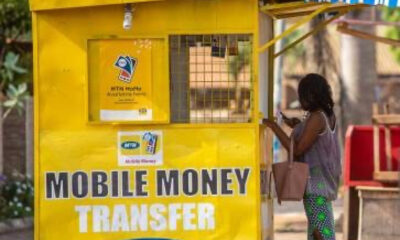
MTN Ghana has issued a public advisory to its millions of Mobile Money (MoMo) users about an upcoming six-hour service disruption scheduled for Sunday, August 17, 2025.
According to the telecommunications giant, all MoMo services will be unavailable from 12:00 am to 6:00 am to facilitate a critical system upgrade. The downtime will affect all aspects of the platform, including deposits, withdrawals, transfers, and merchant payments.
This temporary shutdown is significant for Ghana, where MTN MoMo is a dominant financial service, processing billions of cedis in transactions and driving financial inclusion nationwide.
Speaking to Citi FM, Charles Asamoah Assah, Chief Technology & Service Delivery Officer at Mobile Money Limited, explained:
“Please be informed of a planned system upgrade on 17th August 2025, from 12 midnight to 6 am. During this period, all Mobile Money services will be unavailable. This upgrade is to improve our services to you. We sincerely apologise for any inconvenience caused and thank you for your understanding.”
The upgrade aims to enhance service delivery, with improvements expected in transaction speed, fraud prevention, and readiness for new digital services.
MTN Ghana assured customers that operations will resume immediately after the maintenance window and that all funds will remain safe. The company is advising individuals and businesses to complete all urgent transactions before the scheduled outage to avoid disruptions.





General News
Creative Arts Agency Records GH¢2.01m Revenue in FY2025 Despite Financial Reporting Gaps

The Creative Arts Agency (CAA) recorded total revenue of approximately GH¢2.01 million in the 2025 financial year, with its expenditure matching its revenue, leaving the Agency in a break-even position, the 2025 State Ownership Report has revealed.
However, the report also raised concerns about the Agency’s governance and financial reporting arrangements, indicating that the Creative Arts Agency had failed to prepare and submit annual financial statements as required under the Public Financial Management Act, the State Interests and Governance Authority (SIGA) Act and other applicable laws.
The report paints a picture of an Agency with a key mandate to regulate, promote and develop Ghana’s creative sector but facing challenges relating to financial reporting, governance and institutional accountability.
According to the 2025 State Ownership Report, the Creative Arts Agency had no governing board in place during the 2025 financial year.
The position of Board Chair was also yet to be filled during the period under review.
The report lists Gideon Aryeequaye as the head of the Agency.
The Creative Arts Agency was established under the Creative Arts Industry Act, 2020 (Act 1048) to regulate, promote and develop Ghana’s creative sector.
Its mandate includes creating an enabling environment for creative enterprises, promoting collaboration among stakeholders within the creative industry and supporting artists, creative practitioners and organisations.
The strategic intent of state ownership of the Agency is “to regulate, promote, and develop the country’s creative sector.”
The Agency’s mission is to foster an enabling environment for innovation, empower artists and creative practitioners and showcase Ghana’s rich cultural heritage globally.
A major concern highlighted in the report relates to the Agency’s failure to prepare and submit the required annual financial statements.
According to the report, the Creative Arts Agency had not prepared and submitted annual financial statements since its establishment, despite the legal requirements governing public institutions and specified entities.
Although an attempt was reportedly made in 2025 to provide financial information, the report said the information presented was significantly inadequate and did not meet the requirements of a complete financial statement.
The report further indicated that there was no information on the Agency’s financial position or other material information available to the State Interests and Governance Authority (SIGA) that required additional disclosure.
The lack of complete financial statements means that important information concerning the Agency’s financial activities and position was not adequately available through the required reporting framework.
The report consequently identifies financial accountability and reporting as key areas requiring attention at the Creative Arts Agency.
Despite the concerns surrounding its financial reporting, the report provided figures for the Agency’s revenue and expenditure during the 2025 financial year.
The Creative Arts Agency recorded total revenue of GH¢2.011 million in FY2025.
The same amount was also spent during the period, resulting in a break-even position for the year.
The figures indicate that the Agency’s total expenditure matched its total revenue, meaning it did not record either a surplus or deficit at the end of the financial year based on the information captured in the report.
While the Agency was able to mobilise resources to support its operations during the year, the equal level of revenue and expenditure meant that it did not retain a surplus.
The 2025 State Ownership Report noted that, despite the governance and financial reporting challenges, the Creative Arts Agency undertook initiatives aimed at supporting the development and strengthening of Ghana’s creative industry.
Among the initiatives were efforts to identify talents and increase registration and licensing within the creative sector.
These measures are expected to contribute towards improving the Agency’s operations and increasing its internally generated funds.
The report, however, indicated that the effectiveness of such initiatives remains to be fully reflected in the Agency’s financial information.
The Agency’s broader mandate includes supporting the growth of creative enterprises and practitioners while promoting collaboration across the sector.
The report also indicated that the Creative Arts Agency recorded no important events during the 2025 financial year.
Additionally, the Agency reported no quasi-fiscal activities during the period.
Quasi-fiscal activities generally refer to activities undertaken by public entities that have fiscal implications but may not be directly captured as part of the central government’s budgetary operations.
The Creative Arts Agency also did not report any climate-smart investment during FY2025.
The findings contained in the 2025 State Ownership Report highlight significant gaps in the Creative Arts Agency’s governance and financial reporting structures.
The absence of a governing board during FY2025, the unfilled Board Chair position, and the failure to prepare and submit complete annual financial statements were among the issues identified.
While the Agency recorded GH¢2.011 million in revenue and an equal amount in expenditure, the report’s concerns over the adequacy of its financial information raise questions about the need for stronger reporting and accountability mechanisms.
With the Creative Arts Agency mandated under the Creative Arts Industry Act, 2020 (Act 1048) to regulate, promote and develop Ghana’s creative sector, the findings point to the need to strengthen its governance structures and financial reporting systems to support the effective execution of its mandate.
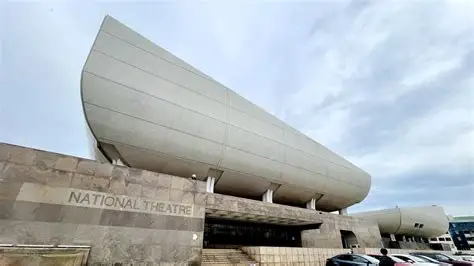
The 2025 State Ownership Report lists the National Theatre of Ghana as an Other State Entity (OSE) under the State Interests and Governance Authority (SIGA), outlining its mandate to promote Ghanaian culture while balancing its public responsibilities with the need for financial sustainability.
The National Theatre was established under the National Theatre Law, 1991 (PNDC Law 259).
Its core mandate is to promote and develop Ghanaian culture through the performing arts.
The institution also serves as a multi-functional venue for a wide range of activities, including concerts, dance performances, drama, musicals, conferences, exhibitions and other cultural and public events.
This makes the National Theatre more than a traditional performance venue.
It serves as a major piece of infrastructure for Ghana’s cultural and creative sector, providing a professional space for performers, artists, cultural organisations and event organisers.
However, the institution’s dual responsibility creates a significant challenge.
While it is expected to preserve and promote Ghanaian culture, it must also generate sufficient revenue to support its operations, maintain its facilities and improve its financial sustainability.
Financial information contained in the 2025 State Ownership Report covers the institution’s income, expenditure, assets, liabilities and other performance indicators between 2022 and 2025.
The report also highlights activities undertaken by the National Theatre as part of its cultural mandate.
These include the observance and celebration of internationally recognised cultural events such as World Poetry Day, International Dance Day, International Music Day and World Theatre Day.
The institution also undertakes quasi-fiscal activities, reflecting its wider public-service responsibilities beyond purely commercial operations.
The report further highlights climate-smart investment as part of the institution’s planning and development considerations.
The inclusion of climate-conscious investment is significant for a large public facility such as the National Theatre, which requires continuous investment in infrastructure, equipment and building maintenance.
The report also includes a gender-distribution indicator as part of the wider assessment of the institution.
This demonstrates that the State Ownership Report assesses not only the financial performance of state entities but also areas such as governance, human resources and institutional development.
The National Theatre’s importance extends beyond its financial statements.
As one of Ghana’s major cultural institutions, it provides a platform for artistic expression and supports activities across the performing arts and wider creative economy.
Its ability to improve revenue generation and control expenditure could strengthen its capacity to maintain its facilities and host more cultural programmes and events.
However, the pressure to become financially sustainable must also be balanced against its statutory responsibility to promote Ghanaian culture.
An excessive focus on commercial activities could create tension with the institution’s broader public mandate.
The key challenge for the National Theatre, therefore, is to achieve financial sustainability without compromising its role as a national centre for culture, artistic expression and the development of Ghana’s creative sector.
The 2025 State Ownership Report places that balancing act into focus as the institution seeks to remain financially viable while safeguarding its responsibility to Ghana’s cultural development.

BANJARMASIN, Indonesia — September 14, 2026:
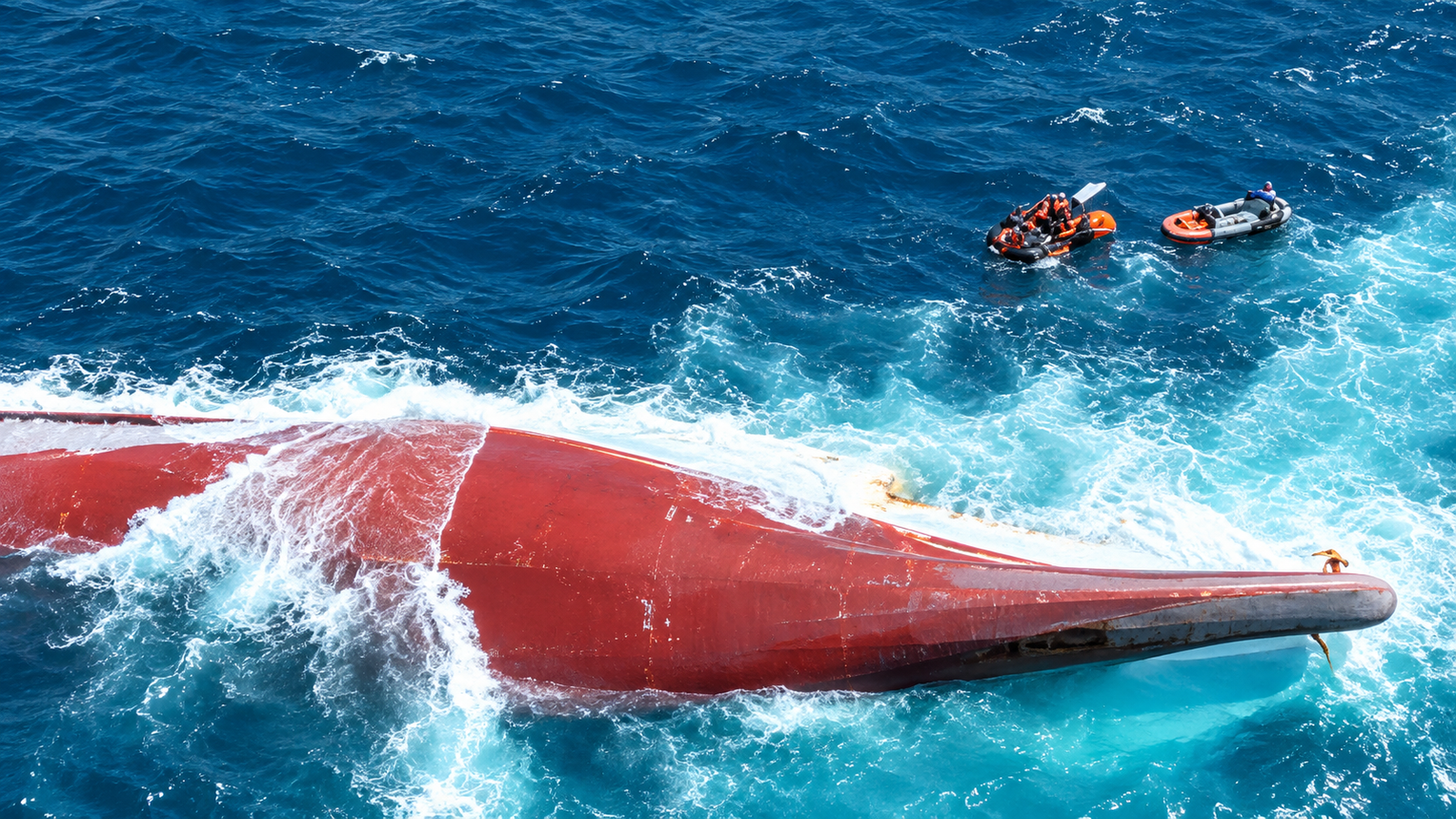
A major search-and-rescue operation is underway in Indonesia’s Java Sea after a passenger ferry overturned in rough weather, leaving 129 people missing and at least six confirmed dead.
The Virgo Transport 8 was carrying 243 people, including passengers and crew, when it ran into severe weather while travelling from Surabaya in East Java to Banjarmasin in South Kalimantan. Authorities said 108 people have so far been rescued.
Rough seas hamper rescue efforts
Rescue teams are facing dangerous conditions as strong winds and waves reaching around three metres make it difficult to reach and search the overturned vessel.
Indonesia’s National Search and Rescue Agency has deployed more than 600 personnel, along with ships, helicopters and aircraft. Specialized underwater rescue teams and naval underwater drones are also being prepared to assist with the operation when conditions allow.
The ferry was found partially submerged and overturned in waters near the Masalembo Islands, roughly 148 kilometres from Banjarmasin. Rescuers have been concentrating their efforts around the vessel and surrounding waters.
What caused the ferry to overturn?
Officials said the ship was hit by powerful waves from its starboard side, causing it to lean heavily before eventually capsizing.
The captain had reportedly issued a distress call after the vessel began listing in the rough conditions. Authorities have not yet established a final cause of the disaster, and an investigation is expected to examine the vessel, weather conditions and other possible contributing factors.
Indonesia’s Transport Minister Dudy Purwagandhi said the vessel had a capacity of about 500 passengers, meaning officials did not initially consider overloading to be the cause of the accident.
Families wait anxiously for news
As the search continues, relatives of those aboard have gathered at Banjarmasin’s Trisakti port, waiting for updates from authorities.
For families still searching for loved ones, every hour has become critical as rescue teams battle the difficult conditions at sea.
A wider maritime safety concern
The accident has renewed concerns about maritime safety in Indonesia, an archipelago of more than 17,000 islands where ferries and other passenger vessels remain an important and affordable means of transportation.
The Java Sea has also been the scene of previous major maritime disasters. Recent ferry accidents in Indonesia have further raised questions about safety standards and emergency preparedness across the country’s extensive network of sea routes.
For now, rescuers remain focused on one priority: finding the 129 people still missing and bringing them home safely.
General News
National Theatre faces financial pressure as report highlights revenue, cost and solvency concerns
The 2025 State Ownership Report lists the National Theatre of Ghana as an Other State Entity (OSE) under the State Interests and Governance Authority (SIGA), while highlighting its financial performance, revenue, expenditure, efficiency and short-term solvency.
The National Theatre operates under the National Theatre Law, 1991 (PNDC Law 259), with the responsibility of promoting and developing Ghanaian culture through the performing arts while providing a platform for artistic expression and hosting a wide range of public and commercial activities.
Financial information contained in the report covers the National Theatre’s performance over the period from 2022 to 2025, including its assets, liabilities, income, expenditure and other key financial indicators.
The report’s Income and Expenditure analysis tracks movements in the institution’s revenue and operational costs over the reporting period.
Revenue generated by the theatre comes from its cultural and commercial activities, while expenditure includes the cost of operating, maintaining and managing the national cultural facility.
A Revenue versus Cost analysis also examines the relationship between the income generated by the institution and the cost of sustaining its operations.
The report further assesses the National Theatre’s financial efficiency and short-term solvency, highlighting the importance of sound financial management and expenditure control in ensuring the institution remains capable of meeting its obligations.
The report also examines the theatre’s capital structure and long-term financing, as well as its debt and contingent liabilities.
The National Theatre’s financial position includes total assets, current and non-current assets, equity, current and non-current liabilities, as well as total liabilities and total equity and liabilities.
The debt and contingent liabilities section provides an indication of the institution’s financial obligations and potential exposure.
The report suggests that the financial sustainability of the National Theatre cannot be assessed solely based on the revenue it generates. Its ability to manage expenditure, meet short-term obligations, maintain sufficient assets and effectively manage its liabilities also remains important.
Key Performance Indicators contained in the report assess areas including financial performance, assets, financing, revenue and costs.
The indicators provide a broader assessment of whether the institution is meeting the expectations placed on it as a state-owned entity.
The financial situation of the National Theatre also raises broader questions about how state cultural institutions can improve their commercial performance without losing sight of their public responsibilities.
Unlike purely commercial facilities, the National Theatre is expected to serve Ghana’s cultural and creative sector by providing infrastructure and opportunities for performers, artists and cultural organisations.
The challenge, therefore, remains how the institution can strengthen its revenue base and improve financial efficiency while continuing to fulfil its statutory responsibility of promoting Ghanaian culture through the performing arts.
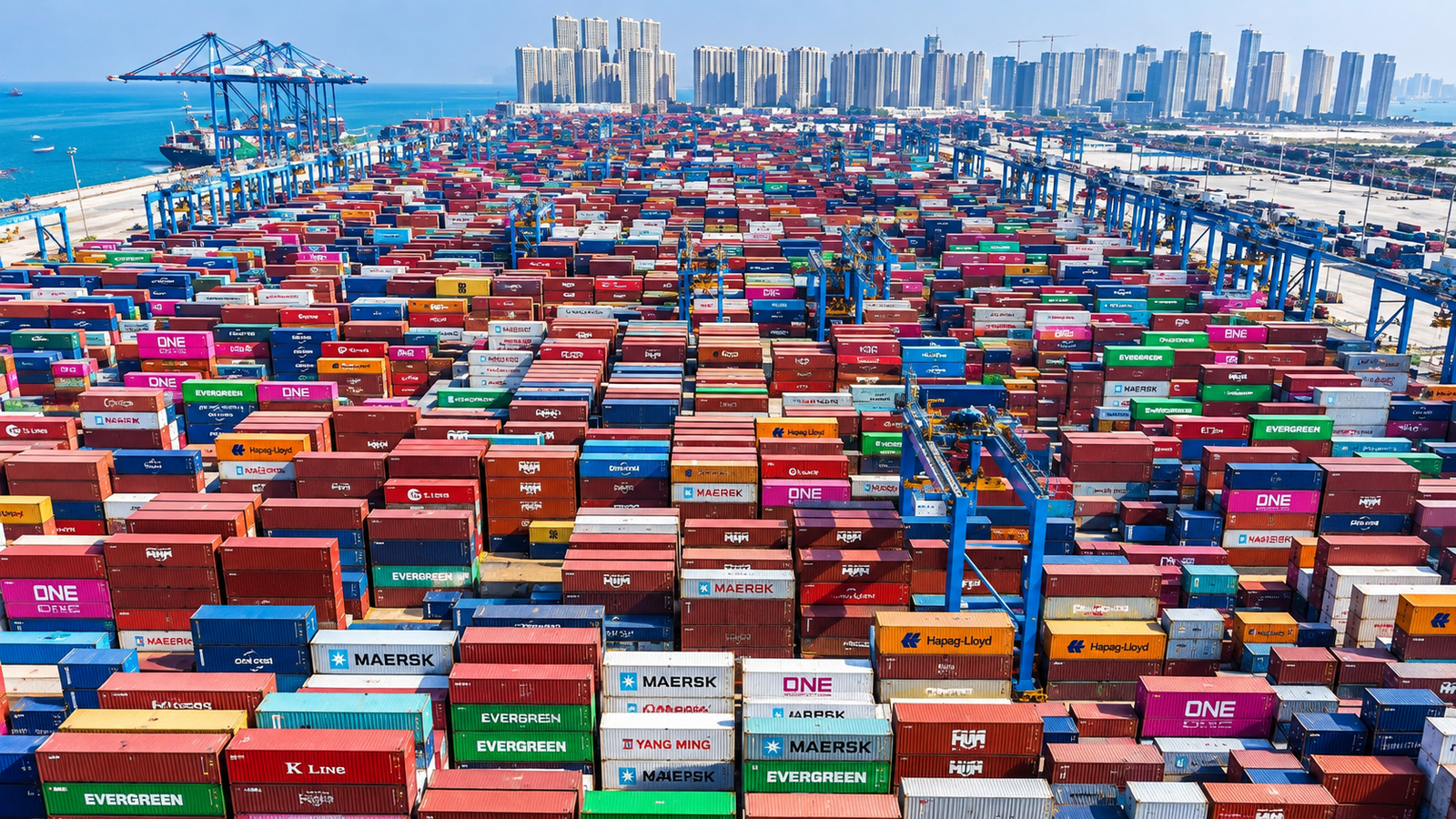
A year after companies rushed to move production out of China in an effort to avoid steep U.S. tariffs, some businesses are now reversing course as the challenges and costs of operating in alternative manufacturing hubs become increasingly clear.
The trend highlights the difficulty of replacing China’s deeply established manufacturing ecosystem, which combines large supplier networks, skilled workers, specialized equipment, logistics infrastructure and relatively reliable access to electricity.
One example is Dawang Metals, a Chinese metal-casting company whose U.S. customer moved some orders to India last year. According to the company, the customer has since returned with new orders after encountering difficulties with production in India.
China’s manufacturing network remains difficult to replicate
The push to reduce dependence on China accelerated after U.S. tariffs prompted companies to explore countries such as Vietnam, India, Indonesia and Thailand.
The strategy, often described as “China plus one,” involved maintaining Chinese operations while establishing additional production capacity elsewhere.
But for some manufacturers, the move has proved more complicated than expected.
Businesses have reported difficulties finding the right machinery, sourcing components locally and building reliable supplier networks. In some cases, companies operating outside China still depend heavily on Chinese-made equipment and parts.
Jin Chaofeng, an outdoor furniture exporter based in Hangzhou, said he closed a workshop in Vietnam that had opened in 2024 and shifted production back to China after finding that the overall cost difference was smaller than expected.
Tariff differences have also narrowed
Another factor changing corporate calculations is the changing gap between U.S. tariffs on Chinese goods and those imposed on alternative manufacturing locations.
China previously faced significantly higher U.S. tariffs, prompting companies to search aggressively for other production bases. But as Washington expanded tariffs to a wider range of countries, the advantage of moving production to some Southeast Asian locations became less pronounced.
Earlier this year, reports also highlighted cases in which companies reconsidered investments in Thailand and other Southeast Asian countries after U.S. tariffs on Chinese imports fell substantially from their earlier peak.
Some companies are keeping their alternatives
The shift does not mean businesses are abandoning supply-chain diversification.
Vietnam, Indonesia, Thailand and India continue to attract manufacturing investment as companies seek protection against future tariff changes and geopolitical disruptions.
Some businesses are therefore maintaining factories outside China while returning part of their production to Chinese suppliers.
For example, one exporter cited by Reuters said it continues to keep part of its capacity in Vietnam as a hedge and could expand there again if U.S. tariffs on Chinese goods rise sharply.
Businesses remain cautious
Despite the recent reversals, companies are not assuming that the current tariff environment will last.
The possibility of future changes in U.S. trade policy means manufacturers are increasingly focused on flexibility rather than committing completely to one country.
The emerging picture is therefore less about a mass return to China and more about companies reassessing where production makes the most economic sense.
For many manufacturers, China’s combination of suppliers, skilled labour, infrastructure and production scale remains difficult to reproduce elsewhere. At the same time, companies continue to build alternative capacity to protect themselves against another sudden change in tariffs or global trade conditions.
The result is a more complicated global manufacturing landscape: companies that once rushed away from China are now discovering that leaving may be easier than replacing what they left behind.

Creative Arts Agency Records GH¢2.01m Revenue in FY2025 Despite Financial Reporting Gaps

National Theatre balances cultural mandate with commercial survival

Race against time: 129 people still missing after Indonesian ferry overturns



-

 Entertainment1 week ago
Mahama Is First President to Put GH¢40m Seed Money into Creative Arts Fund: Kojo Preko Dankwa
-

 Entertainment2 weeks ago
Oswald Okaitei Explains the Real Vision Behind Ghana’s Black Star Experience
-
 General News2 weeks ago
COCOBOD Settles GH¢2.3 Billion DDEP Bond Obligations for 2026
-
 General News1 week ago
Don’t Punish Them Retrospectively – Educationist Challenges New CSSPS Placement Rule
-

 Culinary1 week ago
The Green Heart of Ghanaian Cuisine: Celebrating Nkontomire and the Art of Abom
-

 Entertainment6 days ago
Government Repatriates Musician Barosky from UK
-

 Culinary2 weeks ago
Pineapple: The Spiky Tropical Fruit Packed With Sweetness and Nutrients
-
 General News1 week ago
OSP Opens Preliminary Investigation into Alleged GH¢70,000 Payment Linked to Parliament’s Vetting