
General News
President Mahama Commissions New High Commissioners and Ambassadors

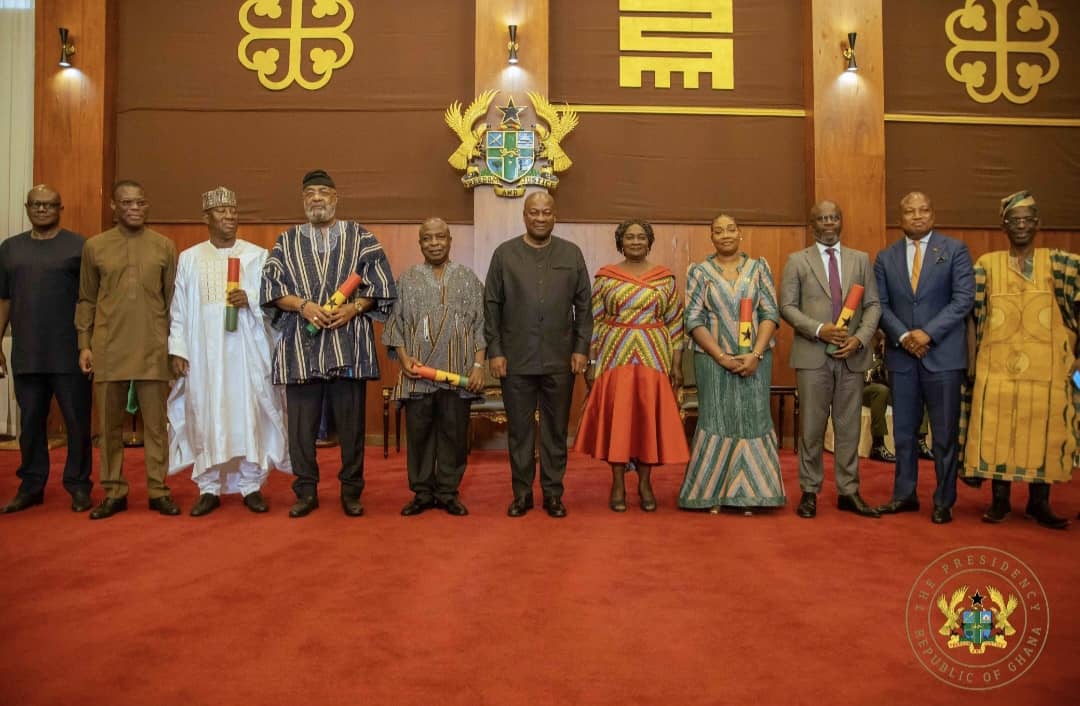
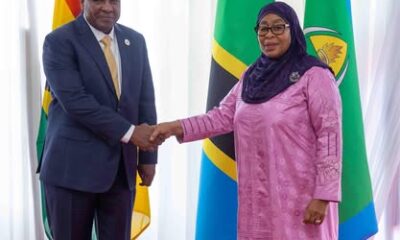
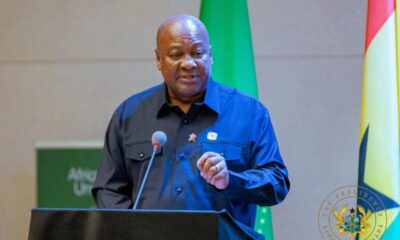
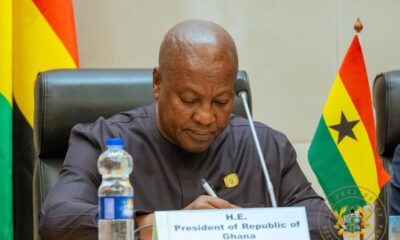
President H.E. John Dramani Mahama has officially commissioned five new batch of High Commissioners and Ambassadors, charging them with the responsibility of representing the Republic of Ghana abroad. The ceremony, held at the Flagstaff House, marks a key stage in the envoys’ appointment process and sets the tone for a results-driven approach to diplomacy.
Speaking at the event, President Mahama emphasized that the appointments are more than ceremonial. “Your appointment is not merely an honor; it is a call to high national service. From this moment, you must embody Ghana’s unity, its values, credibility, and aspirations,” he said.
He stressed that the envoys have been chosen for their “character, competence, and experience” and reminded them of the challenges and opportunities of a rapidly changing global landscape. “You assume your responsibilities at a time of profound global change, when geopolitical tensions, economic realignments, technological disruptions, and climate pressures are reshaping international relations. Ghana expects sound judgment, strategic thinking, disciplined leadership, and unwavering commitment from you,” President Mahama noted.
Highlighting the importance of practical outcomes, he said: “Diplomacy will be judged not by ceremony alone, but by results—jobs, growth, opportunities, and security for our people. Every partnership you build, every market you open, and every investor you attract must serve a broader national purpose.”
President Mahama also outlined the government’s performance management framework for heads of mission, emphasizing accountability and alignment with Ghana’s development priorities. “Your performance will be assessed on outcomes in trade and investment, the quality of partnerships you build, the efficiency of consular services, engagement with the Ghanaian diaspora, and prudent management of public resources,” he said.
On ethical conduct and professionalism, the President urged the diplomats to “conduct yourselves with dignity, discipline, and humility. Uphold the highest ethical standards, respect confidentiality, and let your conduct reflect the values we cherish: honesty, respect, fairness, professionalism, and service.”
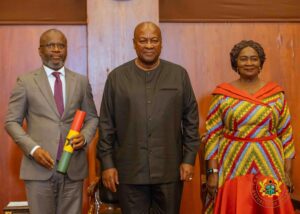
He also stressed the critical role of the Ghanaian diaspora, noting: “Let your missions be welcoming, responsive, and humane, ensuring that every Ghanaian abroad receives professional and compassionate assistance.”
Concluding his address, President Mahama expressed confidence in the envoys, saying: “Ghana expects excellence. Serve with purpose. Let your tenure strengthen our nation’s standing, deepen partnerships, and expand opportunities for our people. May the Almighty guide and protect you, and continue to bless our beloved country, Ghana.”
The commissioning underscores Ghana’s commitment to proactive, results-oriented diplomacy, focused on national development, global engagement, and strategic partnerships.
The envoys commissioned at the ceremony include:
Alhaji Said Saleh Sinare, Ambassador-designate to the Kingdom of Saudi Arabia
Lt. Col. Al Hajj Umar Sanda Ahmed, Ambassador-designate to the Republic of Mali
Mr. Kofi Attor, Ambassador-designate to the Republic of Cuba
Mr. Emmanuel Opeku, Ambassador-in-Situ
Mrs. Regina Appiah-Sam, High Commissioner-designate to the Republic of Malta.






General News
Architects Demand Urgent Reforms as Building Collapses Expose Regulatory Failures in Ghana
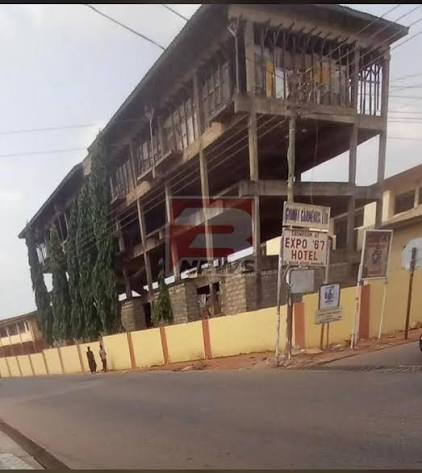
Architects in Ghana are calling for sweeping reforms in the country’s construction sector, including mandatory structural audits for long-abandoned buildings and the deployment of qualified professionals to district assemblies, amid rising concerns over recurring building collapses.
The President of the Ghana Institute of Architects, Tony Asare, has warned that persistent gaps in regulation and enforcement continue to endanger lives.
Speaking in an interview on Joy FM on March 30, 2026, Mr Asare said repeated structural failures point to systemic weaknesses in supervision, enforcement, and professional capacity at the local government level.
“This country must take the safety of its people seriously. We keep asking ourselves why this keeps reoccurring,” he said.
His comments follow the collapse of an uncompleted multi-storey building at Accra New Town on March 29, which claimed three lives and left several others injured.
Call for Mandatory Structural Audits
Mr Asare stressed the urgent need for structural integrity assessments of buildings left uncompleted for long periods, noting that prolonged exposure to weather conditions can significantly weaken their stability.
He expressed concern that many such structures are being repurposed for religious and commercial activities without undergoing proper safety checks.
According to him, building permits typically expire after five years, after which assemblies are expected to demand structural audits before renewal.
“If a building is sitting there, usually the permit expires after five years. As part of the re-permitting process, the assembly demands a structural audit before a new permit is issued. Are we taking these decisions?” he queried.
He added that any decision to demolish abandoned buildings should be guided by technical assessments rather than blanket enforcement measures.
Shortage of Qualified Professionals
The GIA President also highlighted a critical shortage of architects within district assemblies, which are responsible for enforcing building regulations nationwide.
“We have 261 assemblies. There are only about 10 architects. Who does the architectural work? Somebody is playing a role the person is not qualified to carry out,” he said.
He noted that although assemblies are mandated to oversee development control, the absence of a legal requirement to maintain adequate technical staff undermines effective supervision.
Concerns Over Use of Incomplete Structures
Mr Asare questioned the growing trend of using uncompleted buildings for public activities, particularly for worship and commercial operations, without proper certification.
“Before you can occupy a building, you need a certificate of habitation. Is it permissible for a building that is not fully completed to be used for such purposes?” he asked.
He further warned that buildings designed for specific purposes are often repurposed without proper structural reassessment.
Regulatory and Workmanship Gaps
Addressing broader regulatory challenges, Mr Asare said current laws place significant responsibility on developers, allowing them to engage unqualified workers with limited oversight.
“If the developer picks somebody who is not competent, the law cannot do much about it,” he said.
He revealed that the institute is preparing proposals to amend building regulations to strengthen accountability and enforcement mechanisms.
Material Quality Under Scrutiny
Mr Asare also raised concerns about the quality of construction materials on the market, particularly reinforcement bars, which he said are sometimes below standard specifications despite being advertised otherwise.
While the Ghana Standards Authority is mandated to regulate material quality, he noted that capacity constraints hinder effective monitoring.
Call for Comprehensive Review
He concluded by urging a comprehensive review of how institutions enforce construction standards, warning that the absence of qualified professionals in assemblies poses a serious risk to public safety.
“If you go to the assembly and there is no architect and there is no engineer, who supervises the building?” he asked.
Reiterating his call, Mr Asare said Ghana must urgently prioritise building safety to prevent further tragedies.
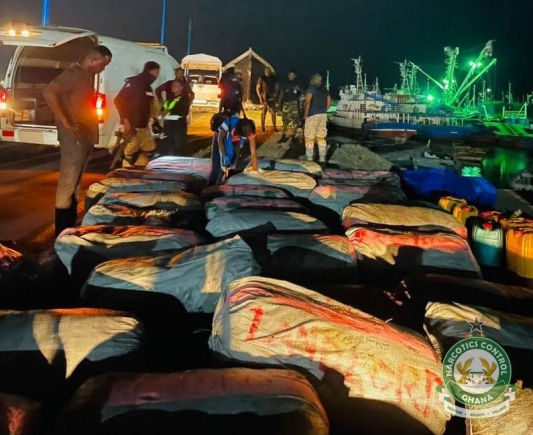
Ghanaian anti-narcotics authorities have intercepted a significant maritime drug consignment off the coast of Ada in the Greater Accra Region, in what officials say is part of a stepped-up crackdown on narcotics smuggling along the country’s coastline.
The Narcotics Control Commission (NACOC) confirmed it has taken custody of 37 sacks of substances suspected to be cannabis, following a joint operation with the Ghana Navy conducted on Friday, March 27, at Goi, near Ada.
Preliminary examination of the seized consignment suggests each sack contains an estimated 70 parcels of the suspected drug pointing to a haul of potentially thousands of parcels likely destined for distribution networks.
Beyond the narcotics, operatives recovered items believed to have facilitated the smuggling run: two gallons of premix fuel, five empty gallons, and an outboard motor. A canoe used in the operation was also impounded and officially handed over to NACOC alongside all related exhibits.
In a statement shared on its official Facebook page, NACOC said investigations have been launched to identify and apprehend all individuals linked to the foiled smuggling attempt. No arrests have been announced at the time of this report.
The interdiction underscores growing concern over Ghana’s coastal corridors being exploited as drug trafficking routes, with authorities signalling that maritime surveillance and enforcement operations will continue to be intensified.
General News
EMERGE Us Humanity International Conference 2026 and WAHANGELA KINGDOM Unveiled in Accra

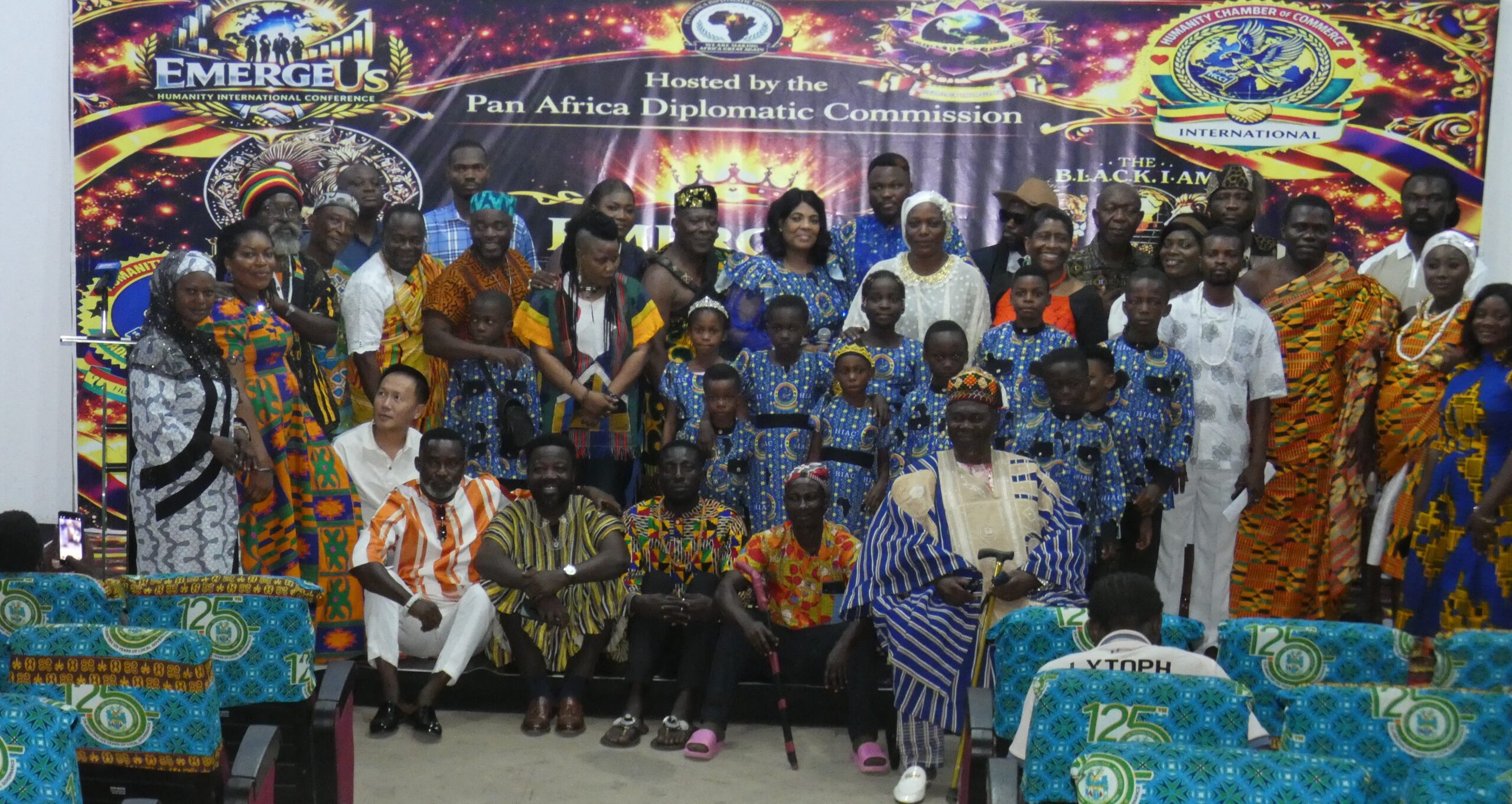
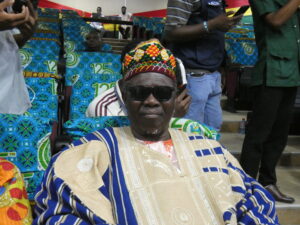
The Pan Africa Diplomatic Commission (PADC) has officially launched the highly anticipated EMERGE Us Humanity International Conference 2026, a historic global gathering of Intellectual Royalty, leaders, visionaries, and change-makers committed to the elevation of humanity and the restoration of rightful authority across AFRICA and the world.
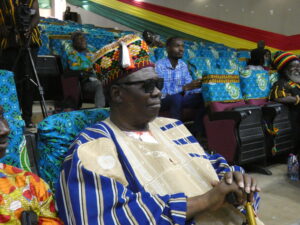
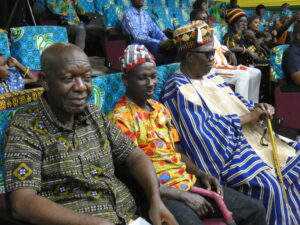
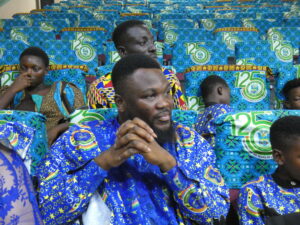
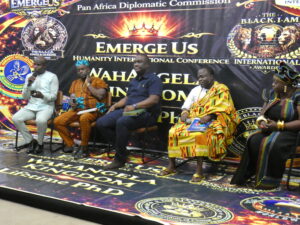
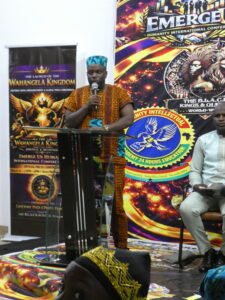
In a historic and symbolic moment, the unveiling of the WAHANGELA KINGDOM introduced a bold new movement dedicated to restoring Africa’s intellectual sovereignty, spiritual consciousness, and cultural pride. The Kingdom is envisioned as a unifying institution that transcends borders, bringing together Africans and the diaspora under a shared mission of empowerment, knowledge creation, and legacy building.
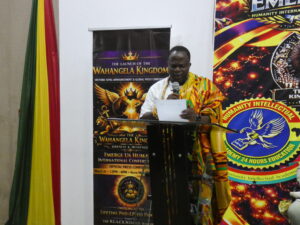
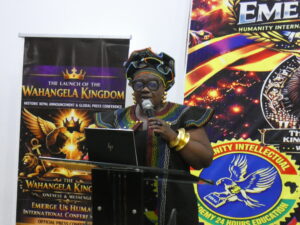
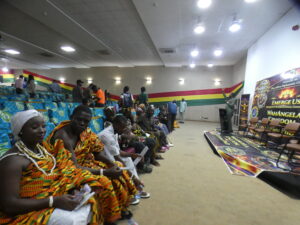
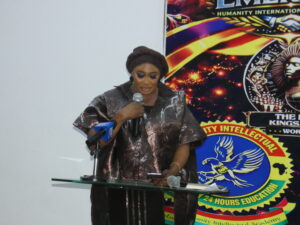
Scheduled as a three-day international event, the conference is designed to bring together diplomats, policymakers, entrepreneurs, cultural leaders, and global change-makers under one platform to drive conversations around humanity, economic empowerment, and sustainable development.
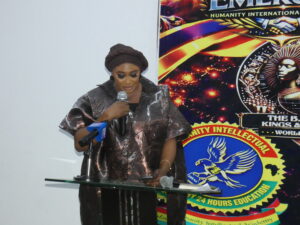
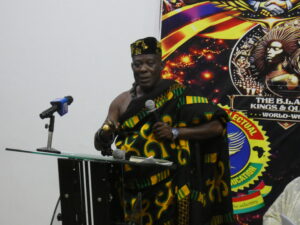
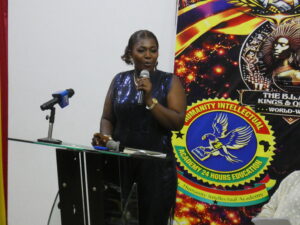
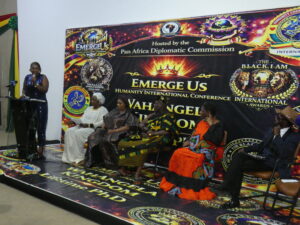
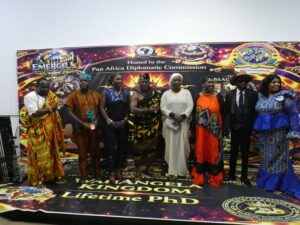
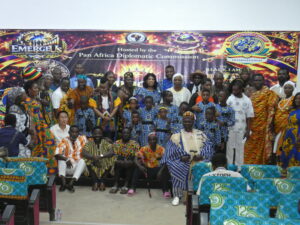
Scheduled from June 11 to 13, 2026, at the UPSA auditorium, the conference seeks to redefine Africa’s role in global development while strengthening ties within the African diaspora. The initiative aligns with the broader ideals of Pan-Africanism, which promotes unity, self-determination, and collaboration among African nations and people of African descent worldwide.
Conference Structure and Key Activities
DAY 1 — JUNE 11, 2026
Humanity International Conference
Theme: Intellectual Awakening & Global Alignment
Morning Session
• Registration & Guest Arrival• Opening Cultural Atmosphere• Invocation Prayer• Official Welcome Address
Mid-Morning
• Introduction of Hosts & Dignitaries• Keynote Address• Humanity Intellectual Academy Presentations
Afternoon
• Panel Discussion• Special Guest Speaker(s)• Cultural Performances
Evening
• Reflection Session• Networking & Media Engagement
DAY 2 — JUNE 12, 2026 (PART 1)
THE B.L.A.C.K KINGS & QUEENS WORLDWIDE SUMMIT
Theme: Royal Identity, Leadership & Economic Empowerment
Sessions
• Royal Declaration• Processional Entrance• Identity & Economic Power Sessions• Panel Discussions
DAY 2 — JUNE 12, 2026 (PART 2)
Induction & Crowning of the WAHANGELA Kingdom
• Sacred Prayer• Kingdom Declaration• Induction Ceremony• Crowning of Prof. Dr. Angela & Prof. Dr. Waheed• Celebration
DAY 3 — JUNE 13, 2026 (PART 1)
B.L.A.C.K. I AM INTERNATIONAL AWARDS
• Red Carpet• Award Presentations• Speeches
DAY 3 — JUNE 13, 2026 (PART 2)
Emerge Us Entertainment Gala
• Performances• Cultural Showcases• Closing Declaration
FINAL DECLARATION
The WAHANGELA KINGDOM rises today! We are making Africa great again!

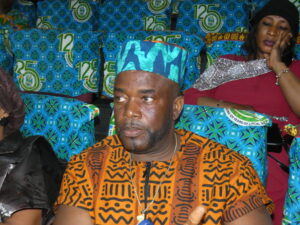
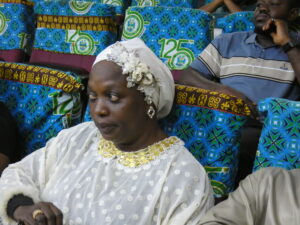
By integrating business, culture, diplomacy, and entertainment, the event aims to deliver a holistic experience that goes beyond dialogue to actionable outcomes.
As momentum builds, stakeholders, institutions, and individuals are being encouraged to participate, partner, and contribute to what promises to be one of the most influential Pan-African gatherings of the year.

Architects Demand Urgent Reforms as Building Collapses Expose Regulatory Failures in Ghana

Ghana Navy Busts Major Coastal Drug Haul; 37 Sacks of Suspected Cannabis Seized at Sea

EMERGE Us Humanity International Conference 2026 and WAHANGELA KINGDOM Unveiled in Accra



-

 Business2 weeks ago
Ghana’s Mobile Money Surge Hits GH¢447.4bn in February, Cementing Digital Payments Dominance
-

 Entertainment2 weeks ago
“I Slept with Someone in Church and Had a Child,” Gospel Singer Broda Sammy Confesses
-

 Entertainment1 week ago
Breaking News: Legendary Actor Chuck Norris Dies at 86
-
 Business2 weeks ago
Burkina Faso Bans Fresh Tomato Exports to Shield Domestic Processing Industry
-
 General News2 weeks ago
Mahama Inspects Jinijini–Sampa Road, Pledges Completion by 2027
-
 Politics2 weeks ago
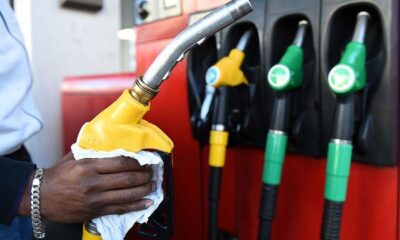
Minority Demands Immediate Scrapping of GH₵1 Fuel Levy Amid Surging Prices and Economic Pressure
-

 General News6 days ago
AKUAPEM NIFAHENE CALLS ON DIASPORANS TO FOSTER DEVELOPMENT IN OKERE
-

 Sports2 weeks ago
Morocco Crowned Champions of 2025 AFCON after CAF Overturn final result