
Politics
Confirmed: Bawumia wins NPP Presidential Primaries; set to lead Party into the 2028 Elections

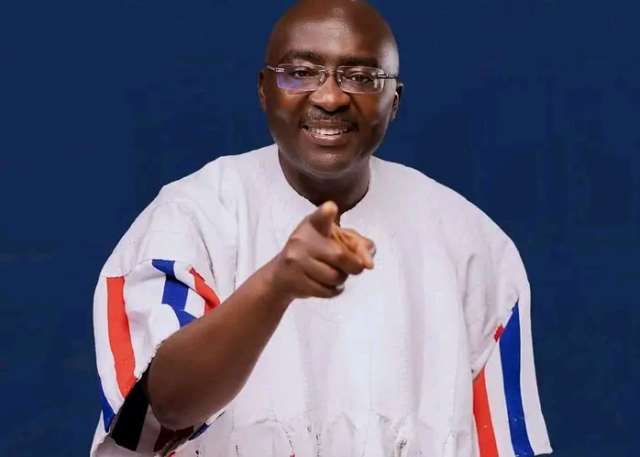
Former Vice President Dr Mahamudu Bawumia has been officially declared as the winner of the New Patriotic Party (NPP) presidential primaries held on Saturday, January 31, 2026, securing his position as the party’s flagbearer for the next general elections.
Dr Bawumia polled 110,645, representing 56.48 per cent of the total valid votes cast.
His victory was confirmed by Electoral Commission (EC) officials at the party’s headquarters after the collation of results from constituencies across the country.
Announcing the results, the EC officials said a total of 196,462 votes were cast nationwide, out of which 561 ballots were rejected.
The results showed that former Assin Central Member of Parliament Kennedy Ohene Agyapong placed second with 46,554 votes, representing 23.76 per cent. Former Minister for Food and Agriculture Dr Bryan Acheampong secured 36,303 votes, equivalent to 18.53 per cent.
Former Education Minister Dr Yaw Osei Adutwum obtained 1,999 votes, representing 1.02 per cent, while former NPP General Secretary Kwabena Agyei Agyapong polled 402 votes, accounting for 0.21 per cent.
More than 211,000 delegates cast their ballots at over 300 polling centres across the country in what party officials described as a keenly contested internal race.
Dr Bawumia faced competition from four other aspirants: former Minister for Food and Agriculture Dr Bryan Acheampong; former Education Minister Dr Yaw Osei Adutwum; former NPP General Secretary Kwabena Agyei Agyapong; and businessman and former Assin Central MP Kennedy Ohene Agyapong.
The primaries were conducted across all 16 regions of Ghana, with delegates voting to select the candidate to lead the NPP’s bid to reclaim power in the 2028 general elections.
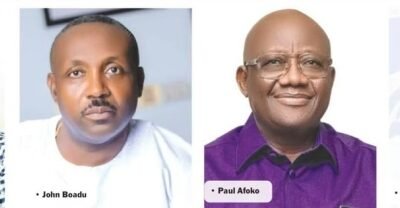

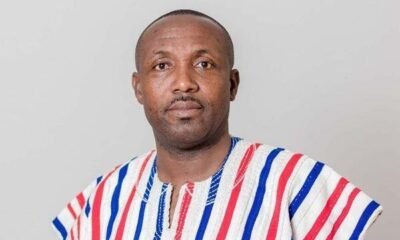


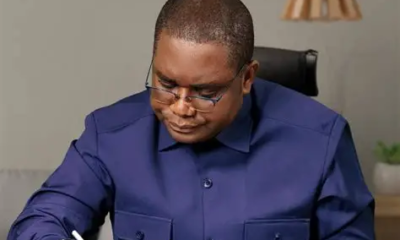







Former Subin Member of Parliament and New Patriotic Party (NPP) General Secretary hopeful Eugene Boakye Antwi has made a firm commitment to resign if the party fails to win the 2028 general election under his leadership.
Antwi says he would not cling to the position if the party gives him the responsibility of leading its administration into the next presidential and parliamentary elections.
His position has emerged as one of the strongest accountability statements in the ongoing contest for the NPP General Secretary position.
Speaking on Joy News, Mr Antwi said that should he become General Secretary and subsequently lead the party into the 2028 election, he would accept responsibility if the NPP loses.
“If I sit here today, God willing, on the 3rd of October when I’m the General Secretary of our party and I take the party to the 2028 election, I lose it, my job is done,” he said.
He went further to explain that he would voluntarily make way for another person rather than remain in office after an electoral defeat.
“I have to leave the scene quietly and let somebody else come and take the stage. It’s as simple as that,” he added.
Accountability at the centre of his campaign
Antwi’s position forms part of his broader argument that NPP General Secretaries must be held accountable for the party’s performance at the polls.
He has questioned why the party’s current General Secretary remained in office following the NPP’s defeat in the 2024 general election, pointing to previous instances where General Secretaries were replaced after unsuccessful elections.
For Antwi, electoral responsibility should not be separated from the person entrusted with coordinating the party’s organisational machinery.
His comments therefore place accountability at the heart of his campaign as he seeks the mandate of NPP delegates.
‘My job is done’
The former MP’s declaration also draws a clear line around what he considers personal responsibility.
Rather than waiting for pressure from within the party after a possible defeat, he says he would voluntarily step aside and allow another person to take charge.
The pledge comes as the NPP prepares for its national executive elections on October 3, 2026.
Antwi is contesting the General Secretary position alongside Justin Kodua Frimpong, Sylvester Tetteh and Charles Dwamena.
As the race enters its final stretch, his promise to resign if the party loses in 2028 has added a major accountability theme to the contest and placed his proposed leadership approach firmly before NPP delegates.
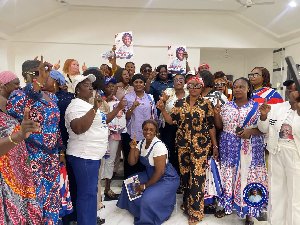
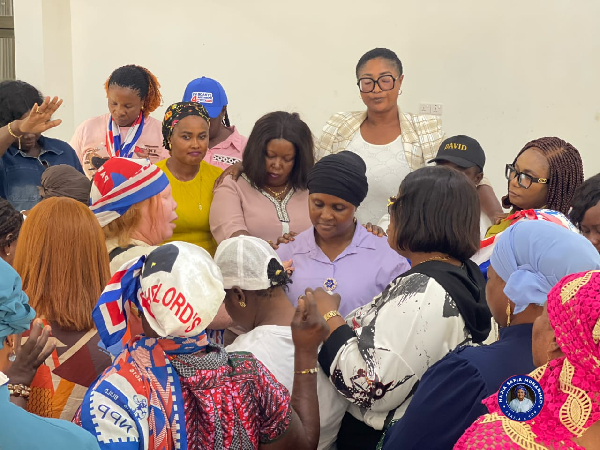
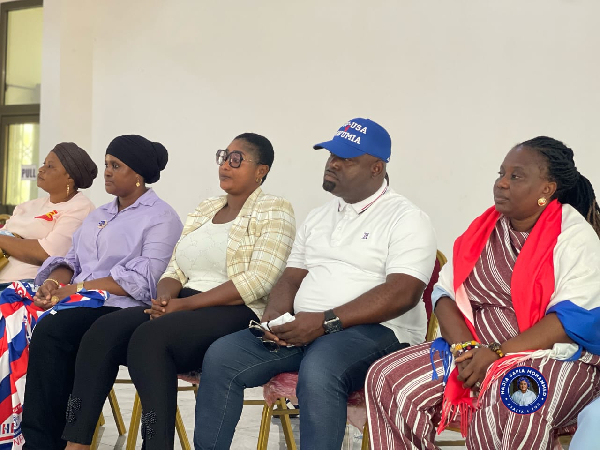
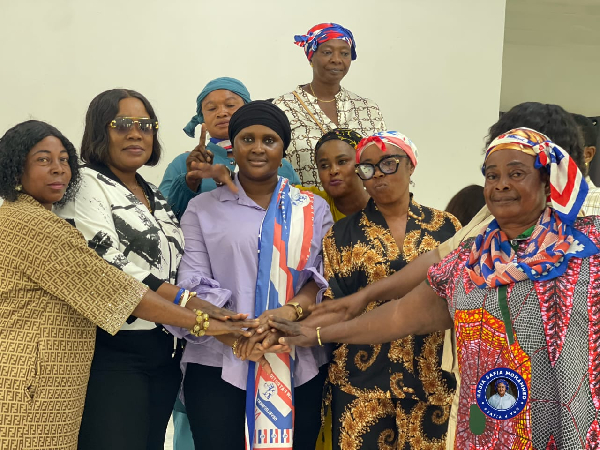
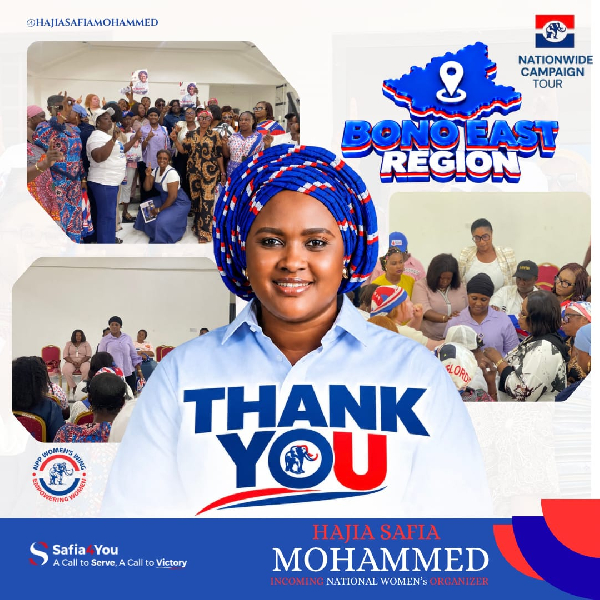
Hajia Safia has outlined an ambitious vision centred on empowering women and strengthening the grassroots structures of the New Patriotic Party (NPP).
Speaking on her political agenda, she emphasised the need for greater support for women within the party while calling for renewed attention to the grassroots, which she described as the backbone of any successful political organisation.
According to Hajia Safia, empowering women should go beyond rhetoric and translate into practical opportunities that allow them to play more meaningful roles in the party and in national development.
She also stressed the importance of strengthening the connection between the party’s leadership and its grassroots members.
Her comments come at a time when internal discussions within the NPP have increasingly focused on rebuilding party structures, improving communication and ensuring that grassroots supporters remain actively involved in the party’s affairs.
Hajia Safia believes women and grassroots activists have an important role to play in shaping the future direction of the NPP.
She therefore pledged to champion initiatives that would give women greater opportunities while working to ensure that the concerns of ordinary party members receive greater attention.
The commitment has placed grassroots mobilisation and women’s participation at the centre of her political agenda, as she seeks to rally support around her vision.
She further called for unity and collective effort, arguing that a stronger grassroots structure would be essential to the party’s organisational development.
Her pledge is expected to fuel further discussions within the NPP as members consider the leadership priorities and strategies needed to strengthen the party at the grassroots level.
For Hajia Safia, the message is clear: empowering women and reconnecting with the grassroots must form an important part of efforts to build a more effective and united party structure.
Politics
“The Injustices of the Past Remain” — Africa’s 1.5 Billion People Demand Greater Global Influence

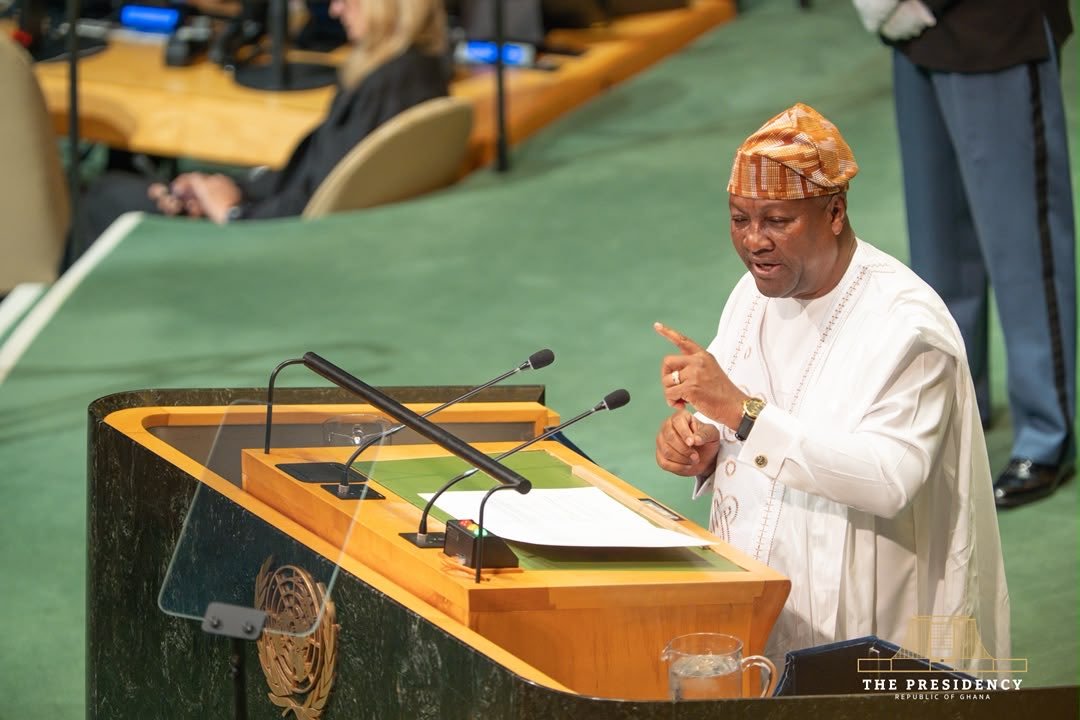
The historical injustices suffered by Africa continue to shape the continent’s position in today’s global power structures, with calls growing for a more representative international system.
Africa is home to approximately 1.5 billion people, representing more than 18 per cent of the world’s population and making the continent the largest regional voting bloc in the United Nations General Assembly.
Despite this demographic strength, concerns remain about the extent to which Africa’s population and collective interests are reflected in major global decision-making institutions.
The continent’s current position has been linked to longstanding inequalities within the international system, many of which have their roots in the political and economic structures established during and after the colonial era.
“The injustices of the past remain embedded in today’s power structures,” the statement noted.
With Africa’s population continuing to grow and its influence in global affairs becoming increasingly significant, advocates for reform argue that the continent’s representation in international institutions should reflect its growing demographic and political weight.
The issue is particularly relevant at the United Nations, where African countries collectively wield significant voting power in the General Assembly.
However, representation in some of the UN’s most powerful decision-making structures remains a major point of contention, prompting renewed calls for reforms that would give Africa a stronger voice in determining global affairs.
For many African leaders and diplomats, the question is no longer simply about historical injustice but about whether the international system can adequately reflect the realities of the world as it exists today.
With more than 1.5 billion people and the continent accounting for over 18 per cent of humanity, Africa’s role in global governance is becoming increasingly difficult to overlook.
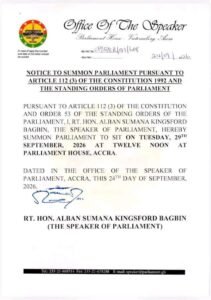
Parliament will reconvene from recess on Tuesday, September 29, 2026, following a formal summons issued by Speaker Alban Sumana Kingsford Bagbin.
In a notice dated Thursday, September 24, the Speaker directed Members of Parliament to report to the Chamber at Parliament House in Accra at 12 noon.
The recall comes against the backdrop of growing concerns over a number of major narcotics seizures involving consignments linked to Ghana, with the Minority in Parliament calling for the House to scrutinise the circumstances surrounding the incidents.
The Speaker’s notice, however, did not specify the particular business or matters that Parliament will consider when it meets.
The notice stated: “Pursuant to Article 112(3) of the Constitution and Order 53 of the Standing Orders of the Parliament, I, Rt. Hon. Alban Sumana Kingsford Bagbin, the Speaker of Parliament, hereby summon Parliament to sit on Tuesday, 29th September, 2026 at twelve noon at Parliament House, Accra.”
The summons follows a petition by the Minority seeking an extraordinary sitting to address what it considers urgent national security concerns arising from several major drug seizures linked to Ghana. The Minority invoked Article 112(3) of the 1992 Constitution and Order 53 of Parliament’s Standing Orders in its request.
At the centre of the concerns is the seizure by French authorities of nearly 3.9 tonnes of cocaine at the Port of Dunkirk on September 10, 2026. The cocaine was reportedly concealed in a container of plastic waste that had arrived in France from Ghana.
The Minority has also drawn attention to other narcotics-related seizures recorded since 2025, arguing that the series of incidents raises questions about Ghana’s port security, customs procedures, intelligence gathering and the effectiveness of institutions responsible for combating drug trafficking.
Among the other cases cited is the seizure of more than 3.3 tonnes of cocaine at Pedu Junction in March 2025. The Minority has also referenced the seizure of 866 parcels of suspected cocaine at a warehouse within the Tema Harbour enclave in August 2026, as well as a 320-kilogramme methamphetamine seizure in Australia involving a consignment reportedly traced to Ghana.
The Caucus wants Parliament to establish how the consignments were processed, inspected, cleared and exported from Ghana, while also seeking information on the companies and institutions involved and the progress of investigations into the cases.
It has called for relevant Ministers and officials from institutions including the Narcotics Control Commission, Ghana Ports and Harbours Authority, Ghana Revenue Authority and National Intelligence Bureau to provide answers to Parliament.
The Minority is also seeking scrutiny of the country’s scanning, surveillance, intelligence and security systems at ports, airports and other entry and exit points, as well as the measures being taken to identify the financiers, organisers and networks behind major international narcotics operations.
The push for the recall had generated differing views among lawmakers. While the Minority argued that the scale and frequency of the seizures warranted an extraordinary sitting, some Majority MPs questioned the need to recall the entire House while investigations by the relevant state agencies were ongoing.
Wa West MP and Vice Chairman of Parliament’s Defence and Interior Committee, Peter Lanchene Toobu, previously argued that existing parliamentary committees could investigate the matter without requiring the full House to return from recess. He pointed to the Defence and Interior, Transport, and Trade and Industry committees as having relevant oversight responsibilities.
With Speaker Bagbin now having formally summoned Parliament, the House is scheduled to meet at noon on September 29. The specific business for the sitting remains undisclosed in the Speaker’s notice, although the narcotics seizures and the Minority’s demand for parliamentary scrutiny are expected to form an important part of the discussions surrounding the recall.

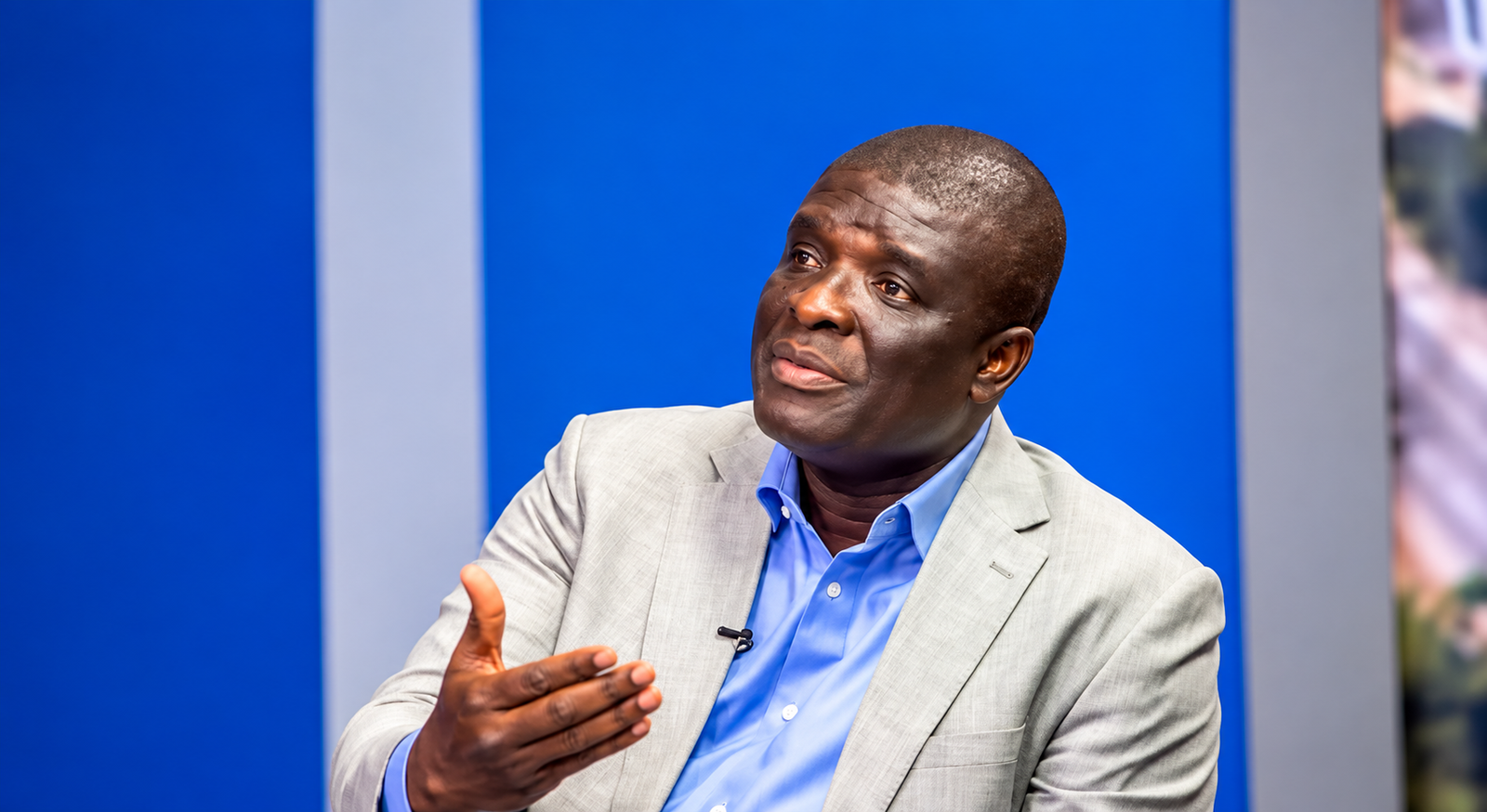
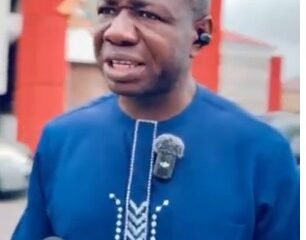
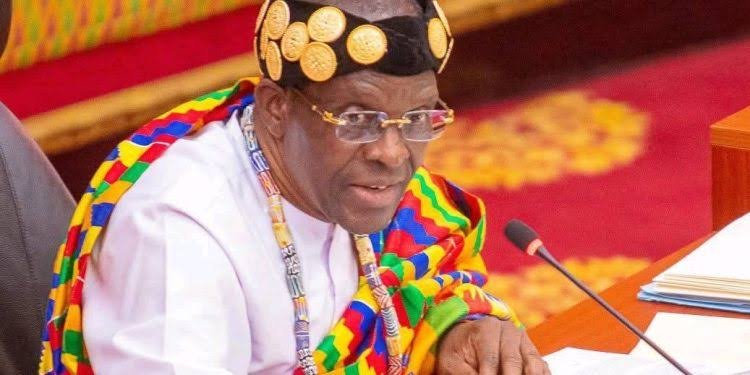
Deputy National Communications Director of the New Patriotic Party (NPP), Kamaldeen Abdulai, has raised concerns over what he describes as a growing pattern of arrests in Ghana, warning that the situation could threaten the country’s democratic stability if not addressed.
Speaking via phone on Kessben Maakye show in Accra, Kamaldeen, argued that concerns over the arrests extend beyond the NPP and called on state institutions to respect the constitutional rights of people taken into custody.
He specifically referenced the case of Salomey Awiti Bafoh, claiming she was not initially informed of the reason for her arrest. Article 14(2) of Ghana’s 1992 Constitution states that an arrested, restricted or detained person must immediately be informed, in a language they understand, of the reasons for the action and of their right to a lawyer.
Bafoh, a nurse, has been remanded in police custody after pleading not guilty to a charge of abetment of crime in connection with the alleged publication of false news involving the social-media personality known as “Ghana Jollof.” Police say their investigations established interactions and financial transactions between the two women.
Kamaldeen further argued that constitutional protections apply even to people accused of serious crimes and warned that the manner in which arrests are conducted could undermine public confidence in Ghana’s democracy.
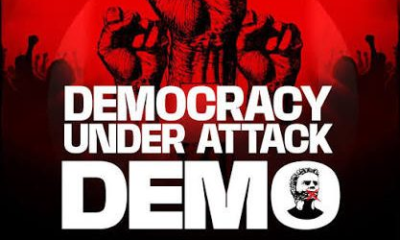
He also called for a mass demonstration involving what he described as two million people to “send a signal” to the government and the international community.
“If we are not careful, our democracy would be destroyed,” he warned, adding that the current approach to arrests could create unrest in the country.
He further said the President should ensure state institutions operate within the law, arguing that the executive should ultimately be held politically accountable for the conduct of institutions under its authority.
The NPP has separately raised concerns over Bafoh’s continued detention, while police maintain that the case forms part of ongoing investigations into alleged publication and circulation of false information online.
By Maurice Otoo

Mourinho’s Real Madrid Reset Faces Early Tactical Tests

Ghana’s AFCON 2027 Campaign Faces Early Test After Gambia’s Victory

Manchester City Facing Major Fallout as Reports Say 114 of 115 Charges Were Upheld



-

 General News2 weeks ago
GTA’s Financial Strength Weakens Despite 2025 Tourism Activities
-

 General News2 weeks ago
GTA Cash Reserves Halve to GH¢640,000 Despite Improved Liquidity Ratio
-

 General News2 weeks ago
Creative Arts Agency Records GH¢2.01m Revenue in FY2025 Despite Financial Reporting Gaps
-

 Culinary2 weeks ago
Oranges: More Than Just Juice — The Nutritious Fruit Adding Flavour to Ghanaian Life
-
Culinary5 days ago
Kofi Brokeman: The Simple Ghanaian Snack That Has Stood the Test of Time
-
 General News5 days ago
Two political parties, one lesson: Afuntummireku and Tikro Nkɔ Agyina for Ghana
-
 General News1 week ago
Bost Energies Made GH¢684 Million Profit: Why Use The NPA Bill, 2026 To Weaken Its Operations?
-
General News2 weeks ago
GTA’s Income Falls 18.6% as Government Funding Slumps