
Uncategorized
President Mahama Opens Cedi @ 60 Conference, Highlights Ghana’s Economic Resilience and Currency Progress


President Mahama Opens Cedi @ 60 Conference, Highlights Ghana’s Economic Resilience and Currency Progress
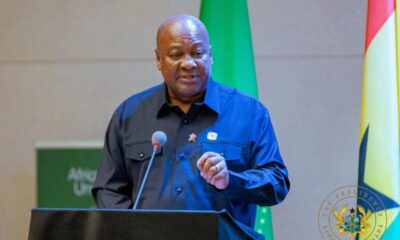
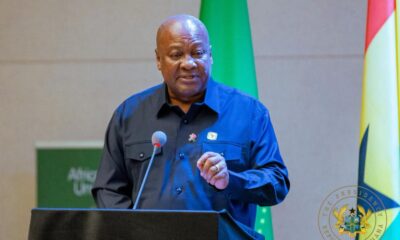
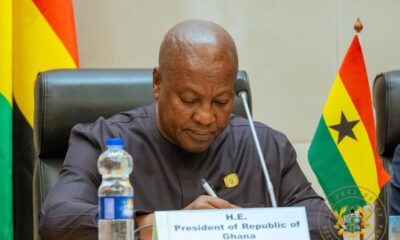
President John Dramani Mahama on Monday officially opened the Cedi @ 60 International Currency Conference in Accra, describing the gathering as “a historic assembly of leaders, innovators, policymakers and practitioners whose work influences the past, present and future of money.”
In his keynote address, President Mahama commended the Bank of Ghana and the currency research team for convening “such a distinguished community to discuss the evolving framework for currency management, monetary governance and digital finance.”

Reflecting on the significance of Ghana’s national currency, the President noted that the cedi, introduced 60 years ago, was “not merely a unit of account or a medium of exchange, but as a Declaration of Independence, our identity and the capacity of our state.” He added, “Over 60 years now, the cedi has anchored the conduct of our monetary policy. It has shaped the expectations of households and businesses, absorbed shocks—domestic, regional and global—and symbolized the resilience of the Ghanaian economy and the Ghanaian people.”
President Mahama emphasized that the conference is both a celebration and a moment for analysis. “It is a chance to consider what our currency stands for, how it has developed and how it must be fortified for the years ahead,” he said.

Highlighting Ghana’s recent economic gains, the President pointed to “macroeconomic stabilization through disciplined fiscal consolidation, increased domestic revenue mobilization, prudent expenditure rationalization, and better coordination between fiscal and monetary authorities,” which have helped restore balance and reduce uncertainty.
He also acknowledged improvements in the cedi’s performance, saying, “Improved Forex liquidity management, enhanced reserve buffers, and regulatory reforms have contributed to significant exchange rate stability, which is critical for business planning, investment decisions and public confidence.”
Noting Ghana’s strengthened economic credibility, President Mahama highlighted that “Ghana’s sovereign rating by S&P was upgraded recently from CCC+ to B- with a stable outlook on 7th November 2025. This is an affirmation that our fundamentals are strengthening and that we’re on a clear path of recovery.”
On the independence of the Bank of Ghana, the President was unequivocal: “A strong and autonomous central bank is essential for anchoring inflation expectations, maintaining exchange rate stability, enhancing investor and market confidence, and ensuring long-term policy credibility. This is not a matter of personal preference. It is an economic necessity.”
President Mahama further urged the Bank of Ghana to enhance nationwide public education, focusing on promoting the use of the cedi, improving currency handling practices, and strengthening financial literacy across all sectors of society. “An informed citizenry is better able to prevent fraud, demand accountability, and bolster the financial ecosystem,” he said.
On Ghana’s role in regional finance, the President highlighted the Pan-African Payment and Settlement System (PAPSS), emphasizing its potential in facilitating seamless trade under the African Continental Free Trade Area.
Concluding his address, President Mahama declared: “As we commemorate the cedi at 60, let us commit ourselves to shaping a currency and an economy that reflects the hopes and aspirations of our people… It is now my singular honor to declare the Cedi @ 60 International Conference duly opened.”







Uncategorized
Anticipation Builds as Quarme Zaggy Reveals the Striking Cover Art for his Latest Single “I’M SORRY”

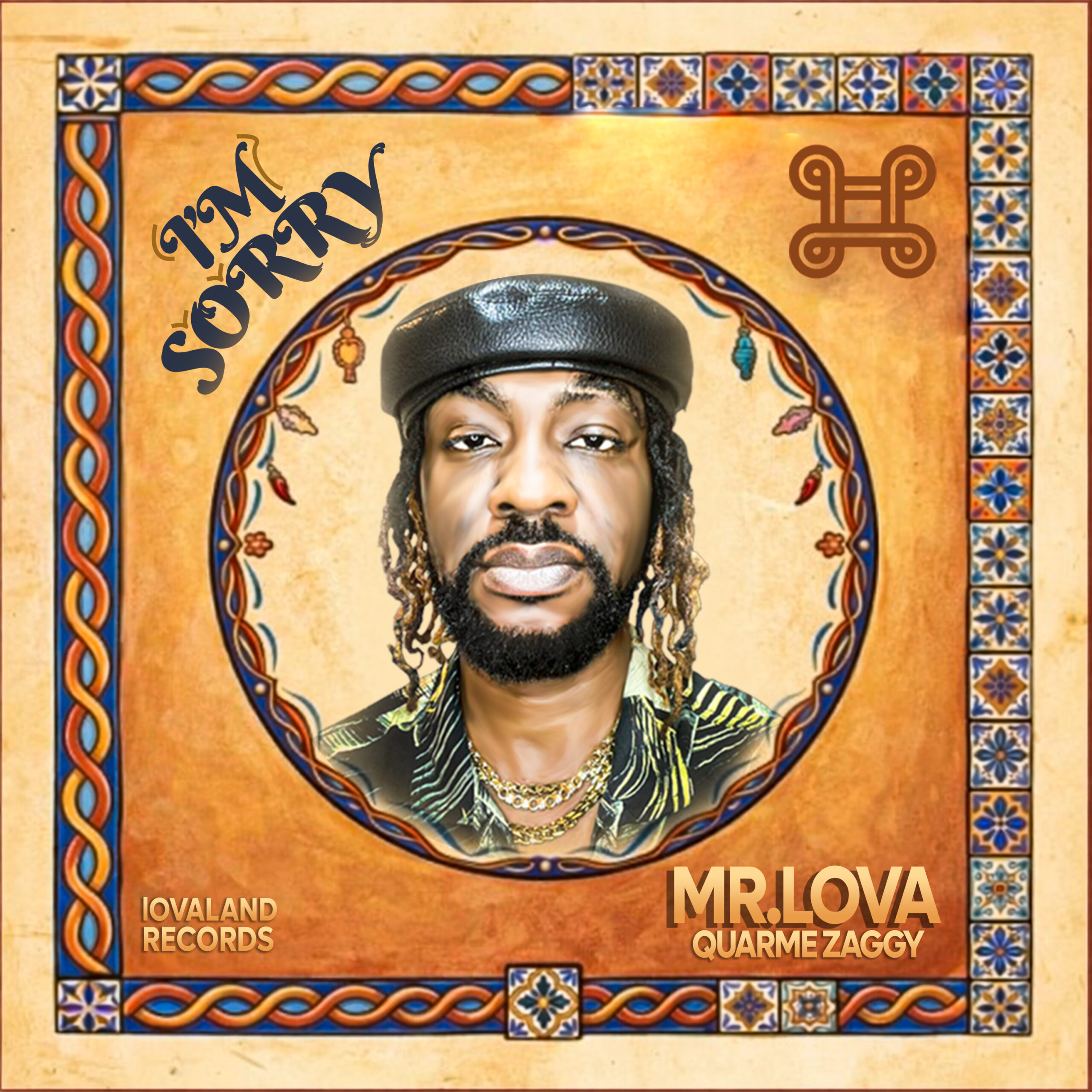
Ghanaian recording artist Quarme Zaggy has unveiled the captivating cover artwork for his upcoming single I’M SORRY, setting the stage for what promises to be an emotionally powerful musical release.
The newly released artwork presents a visually striking concept that reflects the deep emotional theme behind the song. With carefully crafted imagery and symbolism, the cover hints at a narrative centred on regret, reflection, and the courage it takes to admit one’s mistakes. The design captures a mood of vulnerability and sincerity, aligning perfectly with the heartfelt message suggested by the title “I’M SORRY.”
https://youtu.be/JtBH8vW4RNs?si=lc5guugrx4aUhgZB
In today’s music landscape, cover art often plays a crucial role in storytelling, and Quarme Zaggy appears to have embraced that creative approach with this release. The artwork serves as more than just a visual identity for the single; it offers fans an early emotional connection to the message and atmosphere of the song.
Known for his expressive style and relatable storytelling, Quarme Zaggy continues to build a growing reputation for crafting music that resonates with listeners on a personal level. His songs frequently explore themes of love, life experiences, and personal growth, and “I’M SORRY” appears poised to continue that tradition.
Following the reveal of the artwork, fans have taken to social media to express excitement and curiosity about the song’s sound and lyrical depth. The buzz surrounding the announcement suggests that the single could become one of the artist’s most emotionally resonant releases yet.
As anticipation builds ahead of the official release, the unveiling of the artwork marks the beginning of a new chapter for Quarme Zaggy, inviting listeners to prepare for a song that promises honesty, emotion, and heartfelt storytelling
General News
Ghana to Host UN High-Level Reparatory Justice Event — Mahama Calls for Historical Accountability

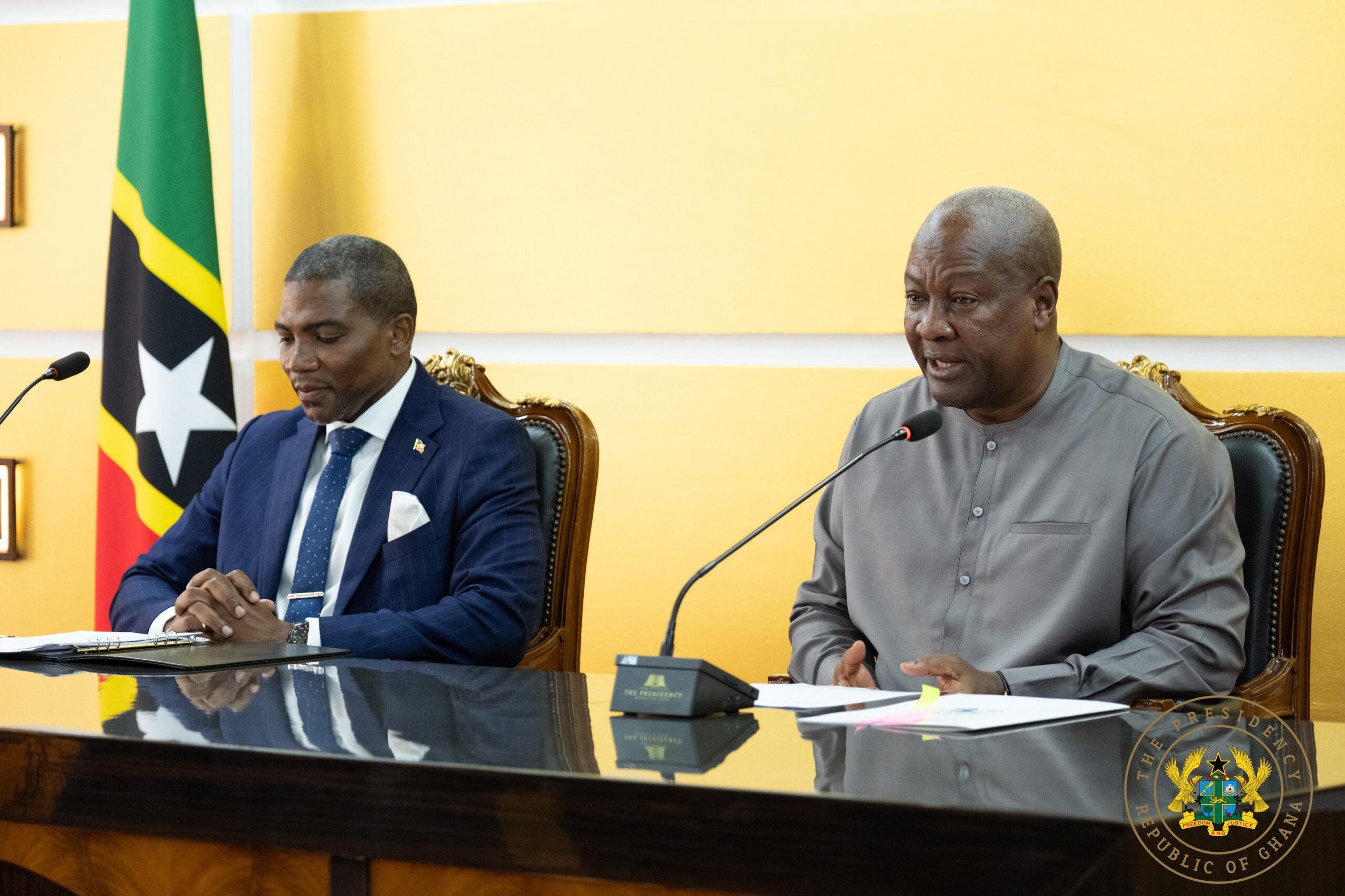
Ghana is set to host a high-level special event on reparatory justice later this month at the United Nations, reinforcing global calls for justice for the transatlantic slave trade and racialized chattel enslavement of Africans.
During a state luncheon held in honor of visiting Prime Minister of Saint Kitts and Nevis, Hon. Dr. Terrance Michael Drew, President John Dramani Mahama emphasized that the initiative is not about charity but about historical justice and accountability.
Speaking on the significance of the event, President Mahama said the legacy of slavery continues to shape global inequalities and must be addressed through collective international action.
“The transatlantic and racialized chattel enslavement of Africans constitutes one of the gravest crimes against humanity in history,” President Mahama stated. “Our call is not for charity. It is for justice rooted in truth, accountability, and recognition of the suffering endured by our ancestors.”
According to the President, the upcoming UN event will provide a platform for African and Caribbean nations to shape their own narrative about historical injustices. He stressed the importance of unity between Africa and the Caribbean in advancing reparatory justice discussions.
“It is time for our story to be told by us — grounded in truth, anchored in historical accountability, and driven by the determination to correct the injustices of the past,” he said.
Mahama further urged stronger solidarity between African and Caribbean nations, noting that shared historical experiences should translate into stronger diplomatic and policy collaboration.
“Together, Africa and the Caribbean must speak with one voice, with clarity, unity, and strong moral conviction,” he added.
The Ghanaian government believes that the event will strengthen global dialogue on reparatory justice, development cooperation, and cultural restoration. Officials say the initiative aligns with broader efforts to promote historical recognition and sustainable partnerships between nations affected by the transatlantic slave trade.
Uncategorized
Duabo King Arrested for Claiming Police Personnel Patronize Prostitutes More Than Any Sector

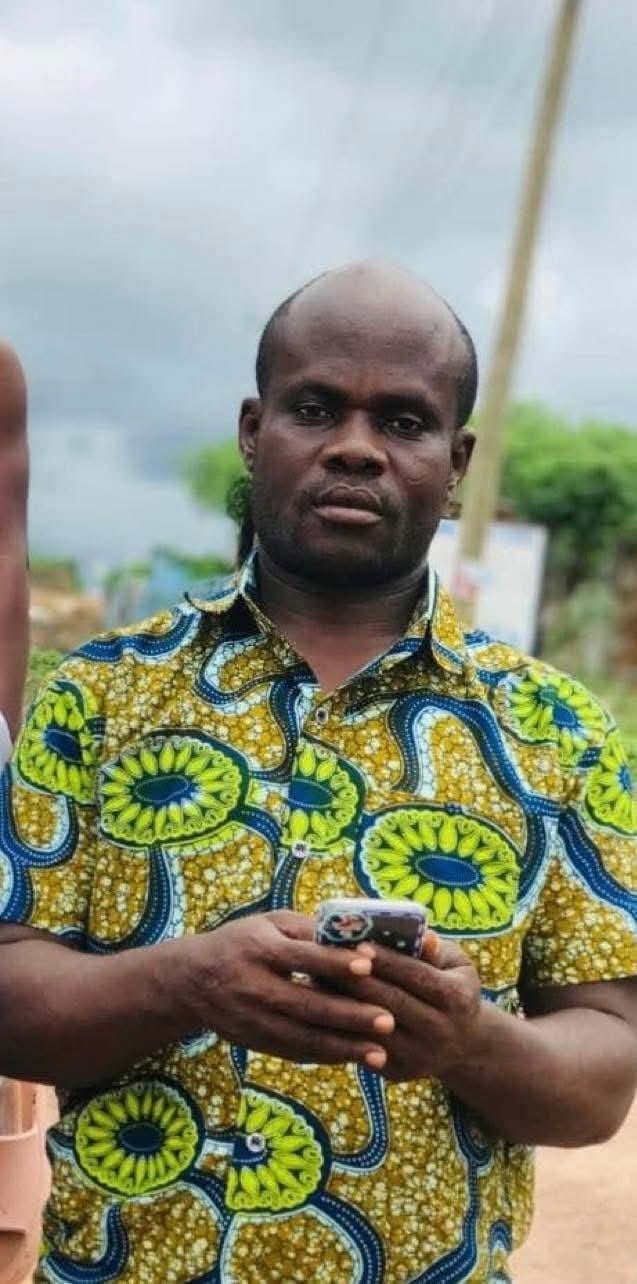
The Ghana Police Service has arrested a 45-year-old social media personality, Isaac Boafo, popularly known as “Duabo King,” for allegedly publishing false news with intent to cause fear and panic.
In a press release issued on March 1, 2026, the Ashanti Regional Police Command confirmed that the suspect was apprehended following a viral TikTok video in which he alleged that four officers stationed at the Central Police Station in Kumasi engaged in inappropriate conduct with commercial sex workers during night patrol duties at Asafo.
Duabo King had claimed in the video that personnel within the Ghana Police Service patronizes prostitutes more than any other sector in the country. He further alleged that if the government were to shut down prostitution, popularly known in West African Pidgin as “ashawo”, it would significantly affect the Service because its personnel patronizes the trade the most.
According to the statement signed by Deputy Superintendent of Police Godwin Ahianyo, Head of the Public Affairs Unit for the Ashanti Region, officers from the Police Intelligence Directorate acted on intelligence to arrest the suspect.
During interrogation, Isaac Boafo admitted publishing the video and described himself as a social media content creator who made the allegations solely to attract views and online engagement. He further acknowledged that he could not substantiate the claims made against the officers.
The Police added that the suspect also admitted making comments concerning the President of the Republic for content creation purposes and stated that he could not defend those statements.
He has since been formally charged and detained to assist with further investigations.
The Service cautioned the public against the publication and circulation of false information, especially on social media, warning that such acts have the potential to cause unnecessary fear, panic, and reputational damage. Individuals found engaging in such conduct, the statement noted, will be dealt with in accordance with the law.

“My Pure Worship Concert 26’: Sheila Addo Ministries Set to Ignite a Night of Divine Encounter

Ras Caleb Appiah-Levi Set to Ignite Emerge US Humanity International Conference 2026 Stage with Electrifying Performance

Ghana’s Economy Remains Resilient Amid Global Conflicts — President Mahama



-

 Entertainment1 week ago
“Go to Lumba’s house and exhume his body” — Counsellor George Lutterodt incites Ga youth
-

 Entertainment1 week ago
Legendary musician Sloppy Mike Gyamfi Accuses Kuami Eugene of Song Theft
-

 Entertainment1 week ago
Shatta Wale hints at contesting Ablekuma South seat as independent candidate in 2028
-
 General News2 weeks ago
Ghana Marks 69th Independence Day Under Theme ‘Building Prosperity, Inspiring Hope’
-

 Business19 hours ago
Ghana’s Mobile Money Surge Hits GH¢447.4bn in February, Cementing Digital Payments Dominance
-

 Sports1 week ago
Midfielder Foster Apetogbor joins Sandefjord FC in Norway
-

 Entertainment19 hours ago
“I Slept with Someone in Church and Had a Child,” Gospel Singer Broda Sammy Confesses
-
 Entertainment3 days ago
Global Movement WAHANGELA KINGDOM Set for Historic Launch and Royal Crowning in Ghana