
Business
Tullow Expands Local Crude Sales as Jubilee and TEN Oil Reaches Ghanaian Refineries

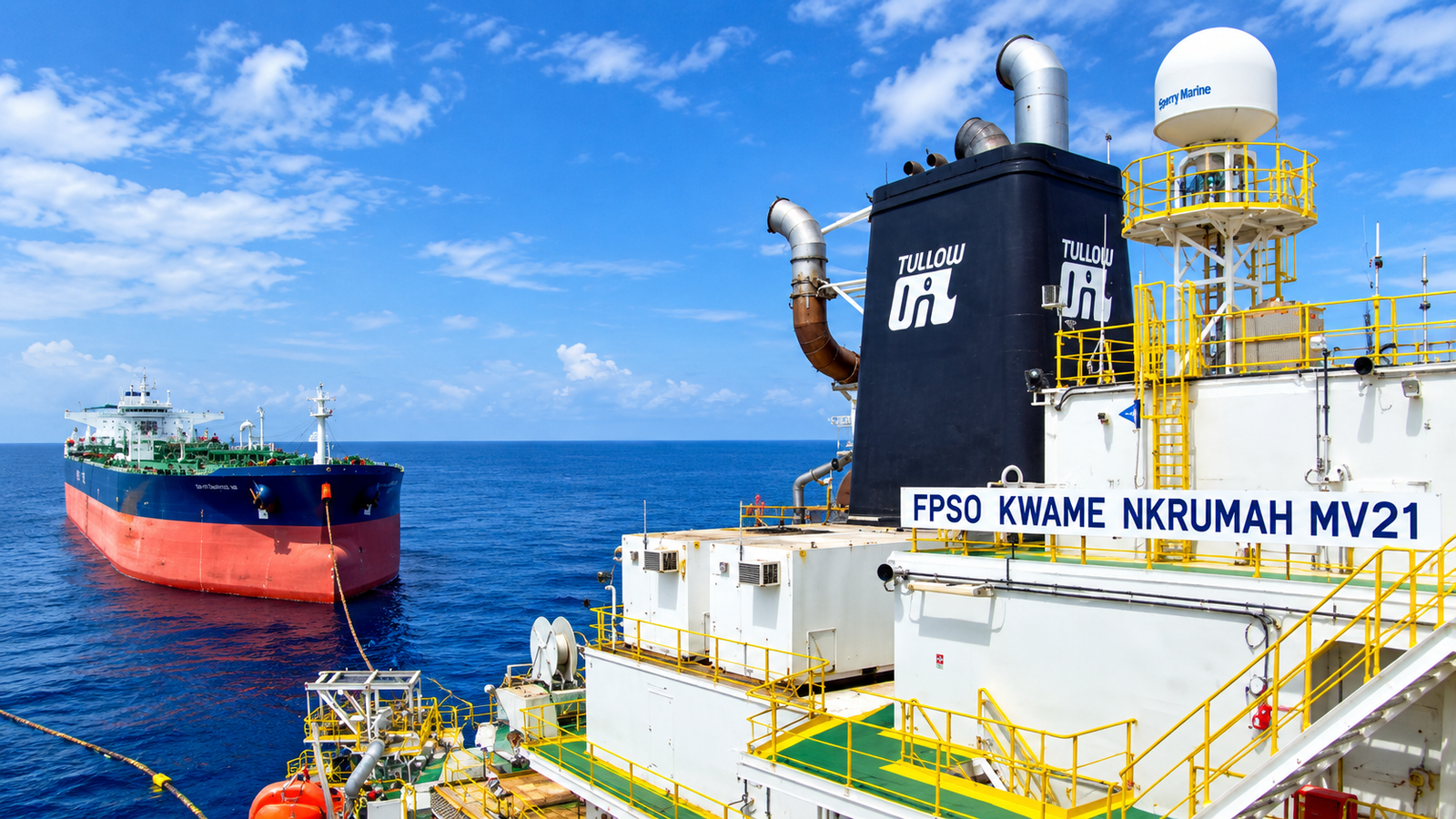
Accra, October 7, 2026 — Tullow Oil has begun selling crude produced from Ghana’s Jubilee and Tweneboa, Enyenra and Ntomme (TEN) fields to domestic refineries, opening a stronger commercial link between the country’s upstream oil production and local fuel processing industry.
The development marks a significant shift in the marketing of Ghana’s locally produced crude, with more of the country’s oil potentially being processed domestically rather than being directed entirely toward export markets.
Tullow Chief Financial Officer Richard Miller disclosed the development during a virtual investor meeting on the company’s half-year results. He said the first cargo under the arrangement was sold earlier this year to Sentuo Oil Refinery.
Miller described the development as a major achievement for Ghana’s oil industry and stressed that the transaction was conducted on a commercial basis. He also pointed to Sentuo’s increasing role as a buyer of crude from Ghana’s oil-producing partnerships.

Boost for domestic refining
The move comes as Ghana seeks to strengthen its domestic refining capacity and reduce the country’s dependence on imported petroleum products.
In June, locally produced Jubilee crude arrived at Sentuo Oil Refinery in Tema for domestic processing. The government described the development as an important step toward retaining more value from Ghana’s petroleum resources within the country.
The arrangement gives Ghanaian refineries access to locally produced crude while creating an additional commercial outlet for Tullow and its partners.
For the domestic industry, increased access to Ghanaian crude could help support refinery utilisation, strengthen supply chains and contribute to the broader push for greater energy security.

Tullow expects more crude liftings
Tullow is also projecting increased crude-lifting activity during 2026.
The company expects to lift 14 cargoes this year, comprising 11 cargoes from Jubilee and three from the TEN fields. Six cargoes had been delivered during the first half of the year, with eight more planned for the second half.
Tullow remains the operator of both the Jubilee and TEN fields. Its current participating interest is 38.98% in Jubilee and 54.84% in TEN, alongside partners including Kosmos Energy, GNPC and PetroSA.

Longer-term outlook for Ghana’s oil sector
The development also comes against the backdrop of renewed investment in Ghana’s offshore oil industry. In February 2026, Ghana’s Parliament ratified extensions of the petroleum agreements covering Jubilee and TEN through December 2040.

Tullow has said its Ghana operations remain central to its strategy, with additional drilling and development work planned across the Jubilee and TEN fields.
The company’s latest move to supply domestic refineries therefore represents more than a single crude transaction. It could become part of a broader effort to connect Ghana’s offshore production with domestic industrial activity, potentially allowing the country to capture more value from its oil resources.
















Business
AI Could Accelerate Poverty Reduction in Ghana — But Only If the Benefits Are Widely Shared
By Angel No Lie | KPD Online | October 7, 2026
Artificial intelligence could become a significant tool for reducing poverty in Ghana if its economic benefits reach households and communities beyond those already equipped to use the technology, according to new World Bank analysis.
Distributional simulations cited in the Bank’s latest Africa Economic Update indicate that broadly shared gains from artificial intelligence could lift three times as many people out of poverty compared with a scenario in which AI-related gains are concentrated among households that are already positioned to use the technology.
The finding places access and inclusion at the centre of Ghana’s emerging AI agenda. Rather than measuring progress simply by the availability of mobile networks or digital services, the analysis highlights whether poorer households can actually afford the devices, electricity, connectivity and data needed to benefit from AI.
Connectivity seen as key to wider AI benefits
The World Bank says Ghana will need to expand access to affordable and reliable high-speed connectivity, including 5G or the best available mobile broadband technology.
However, network coverage alone may not be sufficient. The Bank’s analysis points to the need for complementary investments in electricity, digital skills, computing capacity and affordable devices so that people outside established technology hubs can participate in the emerging digital economy.
The report recommends prioritising investments in productive urban centres and secondary cities, where businesses, workers and digital infrastructure can reinforce one another and accelerate AI adoption. At the same time, poorer and rural communities would need connections to these economic centres through lower-cost infrastructure and targeted digital services.
Ghana’s technology sector shows signs of momentum
The opportunities come as Ghana’s digital ecosystem continues to develop.
The World Bank has highlighted increasing software-development activity across Africa and says Ghana’s developer community on GitHub has grown substantially since 2020. The broader regional picture suggests that AI could support productivity, entrepreneurship and job creation if countries build the foundations needed for adoption.
The Bank’s wider World Development Report 2026: The Promise of Artificial Intelligence argues that developing countries do not necessarily need to build expensive frontier AI systems to benefit from the technology. Instead, governments and businesses can adapt relatively inexpensive AI applications to local needs in areas such as education, agriculture, healthcare and public administration.
The risk of a wider digital divide
The potential poverty-reduction effect also comes with a warning.
If AI tools are primarily accessible to wealthier households, highly skilled workers and businesses in well-connected locations, the technology could reinforce existing economic inequalities rather than reduce them.
That makes affordability a critical issue. A household may technically live within a high-speed network area but still be unable to benefit if it cannot afford a suitable smartphone or computer, maintain reliable electricity or purchase sufficient data.
The World Bank therefore frames AI readiness as more than a technology issue. It involves building infrastructure, developing human capital and creating conditions that allow businesses and workers across different income groups to participate.
AI could become a development tool
The World Bank’s broader research suggests that the biggest opportunity for developing economies may be using AI to extend scarce expertise, rather than simply replacing workers. AI applications can help farmers make better decisions, support teachers and students, assist healthcare workers and improve the delivery of government services.
For Ghana, the latest poverty simulations suggest that the distribution of those benefits could be just as important as the technology itself.
If AI-driven productivity gains are widely shared, the technology could contribute to faster poverty reduction. If access remains concentrated among those already digitally connected, the potential impact on poverty could be considerably smaller.
The challenge for policymakers, therefore, is not simply to encourage AI adoption, but to ensure that ordinary households, small businesses, workers and underserved communities are able to participate in the AI economy.
Business
PURC Replaces 10 Faulty Transformers, Restoring Power Prospects for 61,000 Central Region Customers
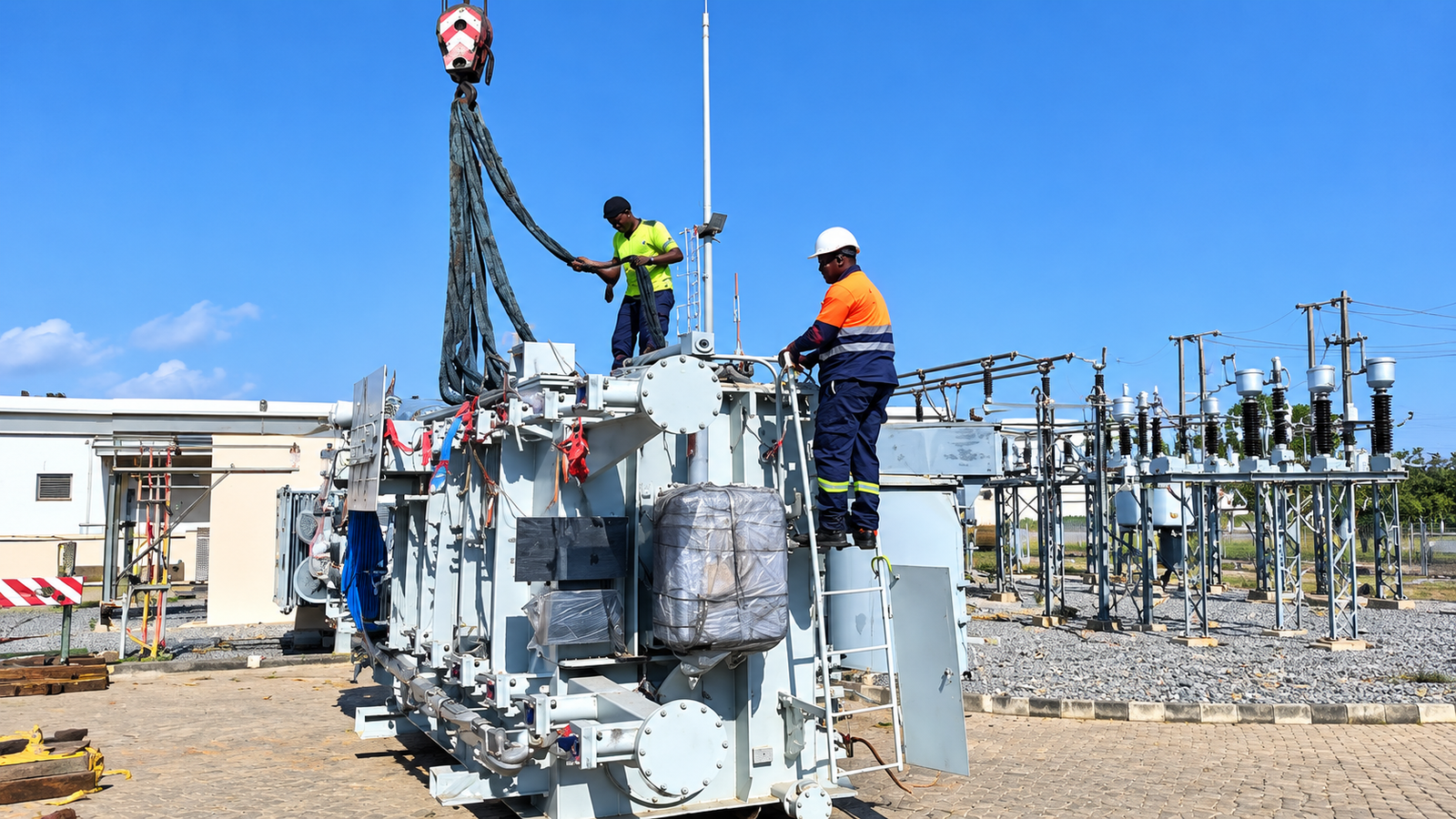
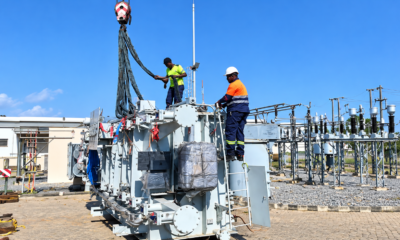
The Public Utilities Regulatory Commission (PURC) has facilitated the replacement of 10 damaged and overloaded electricity distribution transformers across communities in Ghana’s Central Region, an intervention expected to improve power supply for approximately 61,004 customers.
The exercise was undertaken through PURC’s Central Regional Office in collaboration with the Electricity Company of Ghana (ECG) following persistent complaints from consumers about prolonged power outages.
Communities affected
The affected areas include Ajumako-Bisease, Katakyiase, Saltpond-Kurankyekrom, Cape Coast-Social Welfare, Nyankumasi Ahenkro, Saltpond Town, Agona, Anomabo, Ekumfi Edukuma and Gomoamaim.
Some communities reportedly experienced outages lasting several weeks, with residents in certain areas going without reliable electricity for almost two months.
At Ajumako-Bisease, about 5,835 customers were affected by an outage that lasted roughly one month. Saltpond Township recorded an estimated 8,000 affected customers, while about 7,500 customers in Anomabo experienced interruptions lasting between three weeks and one month.
Gomoamaim was among the communities that suffered the longest disruption, with approximately 4,000 customers reportedly without electricity for nearly two months.
Businesses suffer losses
The prolonged power interruptions had consequences beyond household inconvenience.
Small businesses, including cold stores, drinking spots, barbering and hairdressing salons, restaurants and provision shops, reportedly lost operating hours and customers. Some businesses also faced losses from products that spoiled because of the extended outages.
The estimated cost of replacing the 10 transformers is about GH¢550,000.
Consumer complaints trigger intervention
According to PURC, its monitoring activities and engagements with consumers helped identify transformer-related problems contributing to the prolonged interruptions.
The Commission subsequently engaged ECG and called for the affected communities to receive priority attention for the necessary technical interventions.
PURC says the intervention forms part of its responsibility to protect utility consumers and promote efficient, reliable and sustainable electricity services.
The Commission has also highlighted the importance of consumers reporting persistent service problems, noting that complaints and feedback can help regulators identify weaknesses within utility operations.
Power stability expected
With the replacement of the 10 transformers, PURC expects electricity supply in the affected communities to become more stable.
For households and businesses that endured weeks of unreliable power, the intervention could provide much-needed relief while allowing local economic activity to return to normal.
The development also highlights the importance of maintaining and upgrading electricity distribution infrastructure as demand for reliable power continues to grow.
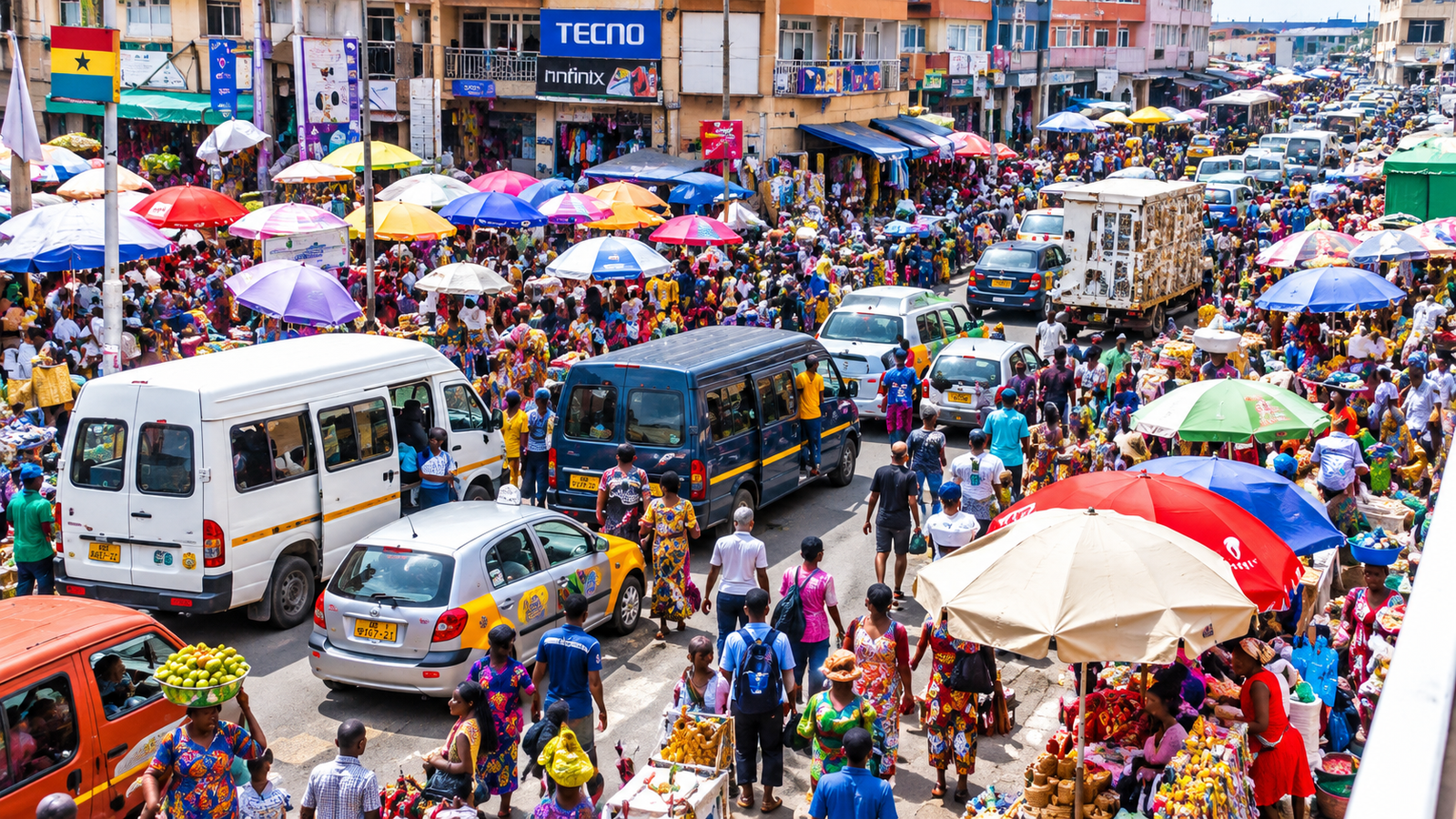
Accra, October 7, 2026 — Ghana’s economic growth is projected to reach 4.8% in 2026, with the World Bank maintaining its earlier forecast despite signs that the pace of expansion moderated during the second quarter.
The projection is contained in the World Bank’s latest Africa Economic Update, released on October 6. The Bank expects Ghana’s growth to improve marginally to 4.9% in 2027 as economic reforms, services and recovering oil and gas production continue to support activity.
The latest forecast comes against stronger-than-expected economic activity in the second quarter. Ghana’s real Gross Domestic Product expanded by 6.0% year-on-year, although this represented a slowdown from the 6.6% recorded in the corresponding period of 2025.
Services remain a major growth engine
The services sector continues to play a central role in Ghana’s economic expansion. According to the World Bank, services grew by 8.0% in the second quarter and accounted for almost three-fifths of overall GDP growth.
Information and communications technology was among the stronger-performing areas, with ICT activity increasing by 30.9% during the period. Industrial growth also strengthened, reaching 4.3%, compared with 2.4% a year earlier, helped partly by increased oil and gas production.
Agriculture, however, recorded a slower pace of expansion. Agricultural growth fell to 3.9% from 7.1%, with weaker fishing activity contributing to the moderation.
Investment and domestic demand provide support
The World Bank also highlighted strong domestic demand as an important contributor to economic activity. Investment reportedly increased by 53.0%, while domestic demand rose by 11.2% in the second quarter.
The figures suggest that economic activity remains relatively resilient even as Ghana moves through a period of fiscal consolidation and structural reforms.
The World Bank has previously stressed that maintaining fiscal and monetary discipline, improving revenue mobilisation and protecting priority social and infrastructure spending will be important for converting the recovery into stronger employment and living standards.
Growth outlook remains cautious
While the 4.8% projection points to continued expansion, it also represents a moderation from the stronger growth recorded in previous years. The World Bank expects Ghana’s economy to gradually move toward its medium-term potential of around 5%.
The outlook remains exposed to external and domestic risks, including geopolitical tensions, energy-price pressures, financing conditions and Ghana’s substantial debt and investment needs. The World Bank has also warned that sustaining the recovery will require continued implementation of economic reforms.
For Ghana, the challenge now extends beyond headline GDP growth: policymakers will need to ensure that expansion in services, digital activity, industry and energy translates into productive jobs, stronger private-sector investment and broader improvements in household welfare.
What the 4.8% forecast means
The World Bank’s latest assessment therefore presents a cautiously positive picture. Ghana’s economy is continuing to expand, but the institution expects growth to settle at a more moderate rate as the effects of the post-crisis recovery fade.
With 4.8% growth projected for 2026 and 4.9% for 2027, the focus is increasingly shifting toward whether economic reforms can deliver sustainable growth rather than simply a short-term rebound.
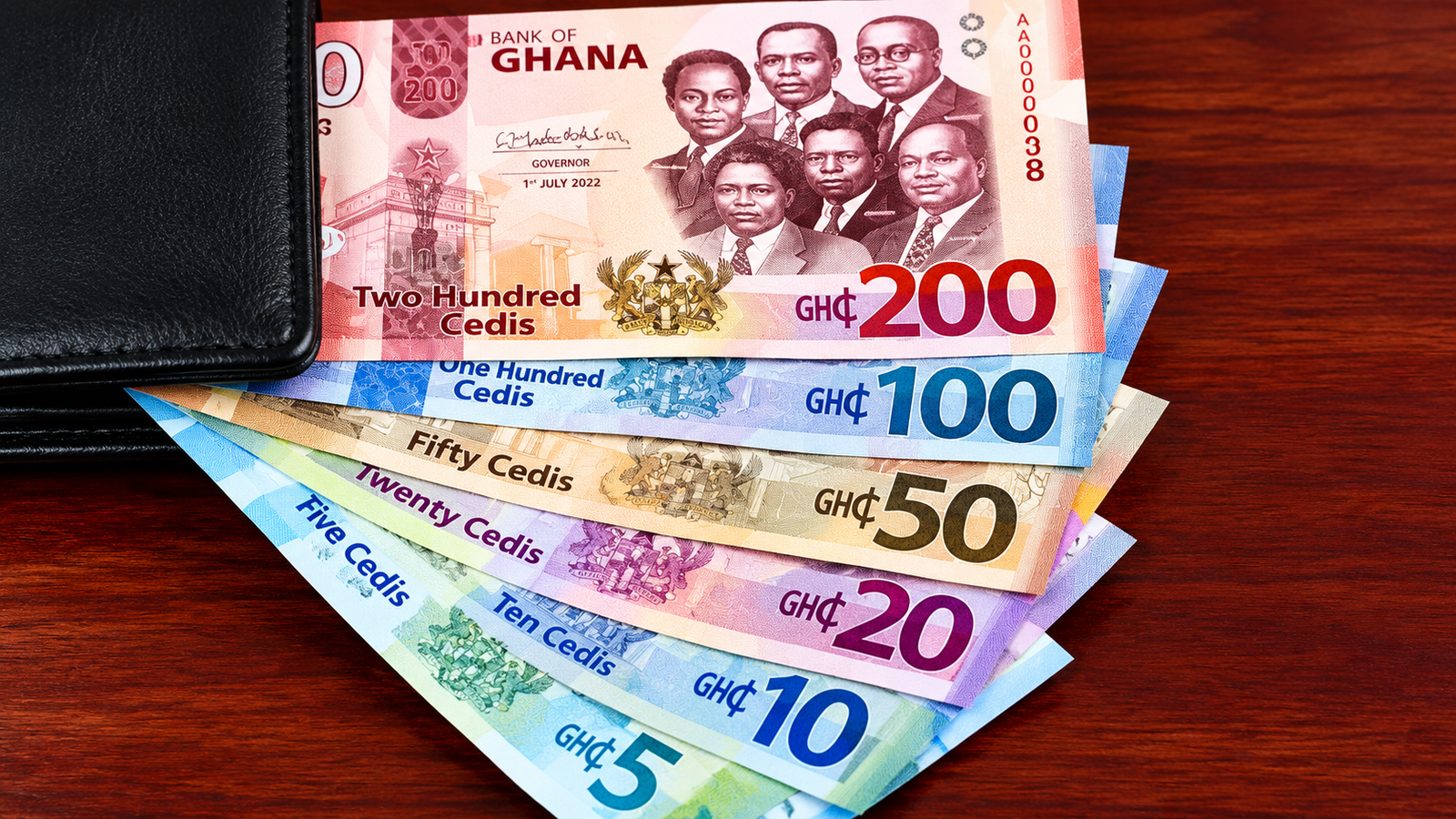
Accra, Ghana — October 7, 2026:
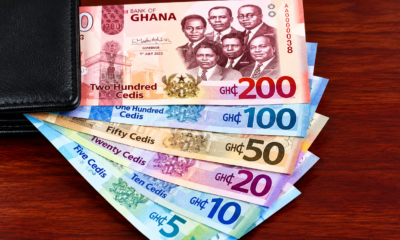
The Ghanaian cedi recorded the sharpest depreciation among African currencies monitored by the World Bank during the second quarter of 2026, losing nearly 10% of its value against the US dollar between March and June.
The assessment is contained in the World Bank’s October 2026 Africa Economic Update, which examines economic and financial developments across Sub-Saharan Africa.
The cedi’s decline came amid renewed pressure on African currencies following the escalation of conflict in the Middle East. Rising energy prices, increased demand for US dollars and heightened uncertainty in international financial markets contributed to pressure on several African currencies.
The cedi’s performance was significantly weaker than a number of other currencies on the continent. The Lesotho loti, Namibia dollar, South African rand and Eswatini lilangeni each recorded declines of more than 6% during the period.
External shocks deepen pressure
The World Bank said the currency movements reflected a combination of international shocks and existing domestic vulnerabilities.
Higher oil and energy prices increased import costs for countries that rely heavily on energy imports, putting additional demand on foreign exchange markets. The resulting pressure on reserves contributed to weaker currencies.
The Bank also pointed to a shift in global investor behaviour as geopolitical tensions increased. Investors moved toward safer assets, leading to capital outflows from emerging and frontier markets and adding further pressure to African currencies.
Disruptions linked to the Middle East conflict also increased the cost of some agricultural inputs, including fertiliser. According to the World Bank, this added to imported inflationary pressures in affected economies.
Cedi weakness and debt concerns
The depreciation of the cedi has implications beyond the foreign-exchange market. A weaker local currency increases the domestic-currency cost of servicing debts denominated in US dollars and can raise the cost of imported goods, fuel, machinery and raw materials.
The World Bank warned that currency depreciation can therefore compound fiscal vulnerabilities, particularly in countries with significant foreign-currency debt obligations.
Despite the second-quarter setback, the Bank noted that much of the broad pressure on African currencies had eased by the end of August. Only 10 of the currencies monitored remained weaker than their end-February levels.
Ghana’s economy remains resilient
The currency setback comes against a broader economic picture that is not entirely negative for Ghana.
The World Bank’s latest regional update projects Sub-Saharan African growth to increase from 4.1% in 2025 to 4.3% in 2026. It also highlights stronger domestic demand and improved macroeconomic resilience across parts of the region.
For Ghana, the contrast between currency performance and wider economic activity remains significant. Recent reporting based on the World Bank update puts Ghana’s 2026 growth forecast at 4.8%, showing that economic expansion has continued despite pressure on the currency.
The cedi has, however, continued to face pressure against the dollar. Recent market data cited by MyJoyOnline put its year-to-date depreciation against the US dollar at about 10.04%.
The latest World Bank assessment is likely to keep attention focused on Ghana’s foreign-exchange market, external financing needs and the country’s ability to absorb global economic shocks while maintaining economic growth.
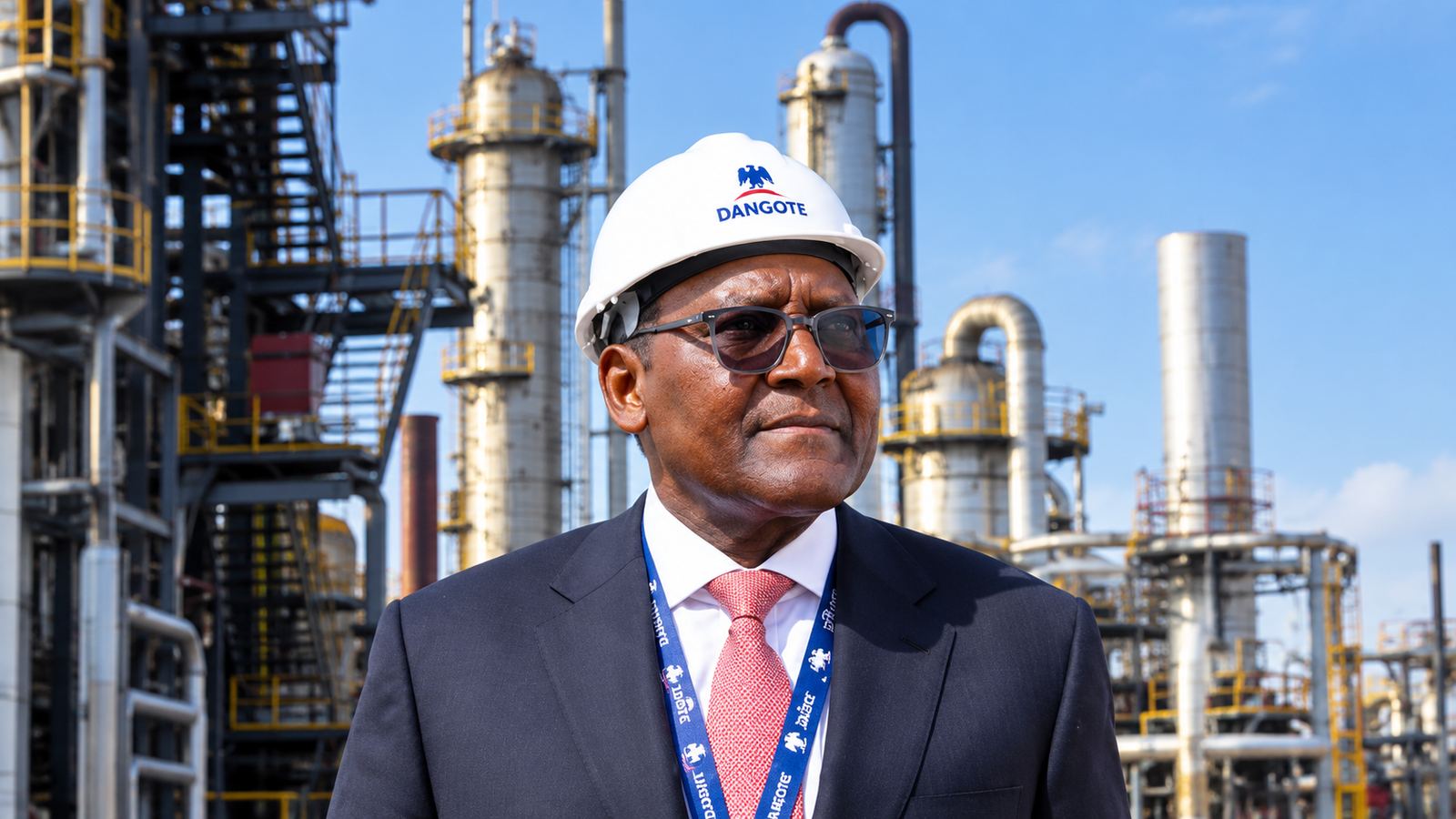
LAGOS, Nigeria — Nigeria’s Dangote Petroleum Refinery is seeking to make its public share offering one of the continent’s biggest retail-investor events, with management targeting as many as 10 million individual investors.
Chief Executive David Bird said the refinery is using Saudi Aramco’s 2019 stock-market debut as a benchmark. Aramco attracted more than 4.5 million retail subscribers, and Dangote Refinery wants to surpass that figure by a substantial margin.
The ambition comes as the refinery’s initial public offering continues to draw attention across Africa. The offer involves 4.1 billion shares priced at ₦525 each, with the company seeking to raise about ₦2.15 trillion, or roughly $1.6 billion, if fully subscribed. The minimum subscription is 10 shares, costing ₦5,250.
The IPO opened on September 14 and is scheduled to close on October 13, 2026. It is available to retail and institutional investors as well as eligible investors elsewhere in Africa.
A push for broader ownership
The refinery’s public offering is significant for Nigeria’s capital market because it gives ordinary investors an opportunity to own part of an industrial project that has become central to the country’s energy sector.
The facility, located in the Lekki area of Lagos, became operational in 2024 and reached its stated full capacity of 650,000 barrels per day in February 2026. The company also says it successfully tested operations at up to 700,000 barrels per day in June.
Dangote has presented the offering as a way to broaden participation in wealth creation rather than simply as a conventional fundraising exercise. The company’s majority ownership, however, means the public offering will still leave Dangote Group with a controlling stake.
Regional interest grows
Interest in the offering is also extending beyond Nigeria. Kenya has approved arrangements allowing eligible Kenyan investors to participate, while Uganda’s capital-market regulator has also approved domestic participation in the Nigerian refinery IPO.
The cross-border participation could help Dangote achieve its ambitious investor-count target while giving the refinery a broader shareholder base across Africa.
The scale of the proposed investor participation is also drawing attention because of the potential impact on Nigeria’s capital markets. The Nigerian Exchange Group has highlighted the increasing use of digital platforms to allow individuals to subscribe to the offer, potentially lowering some of the traditional barriers to stock-market participation.
Still, prospective investors face the normal risks associated with buying shares, including changes in oil prices, refinery margins, company performance and broader market conditions. Nigeria’s Securities and Exchange Commission has urged investors to use only approved subscription channels and to carefully study the official prospectus before committing funds.
If Dangote achieves its 10-million-investor goal, the offering would represent a major expansion of retail participation in African capital markets and would put the Nigerian refinery’s IPO on an unusual footing against some of the world’s most prominent energy listings.

Felicia Tegah explains why she left NPP delegates conference

‘I’m not afraid’ – Felicia Tegah reacts to Hawa Koomson’s election as NPP Women’s Organiser

Stephanie Benson Warns Women: ‘Quick Fixes’ Won’t Help You When You’re Older



-

 General News1 week ago
Fidelity Bank Chairman Named Ghana’s Topmost Transformational Board Chair 2026
-

 Technology2 weeks ago
Rolls-Royce Expands Aviation Business with Major Philippine Airlines Engine Agreement
-

 Entertainment2 weeks ago
Ras Caleb assesses institutions under the Tourism Ministry, highlighting key roles.
-

 Entertainment2 weeks ago
Ras Caleb Appiah-Levi: The musician, Pan-Africanist and organiser whose career spans four decades
-

 Entertainment1 week ago
Ras Caleb Appiah-Levi Reflects on Death, Wealth and Equality: “Death Neither Knows Rich Nor Poor”
-

 Business1 week ago
Rev. Dr. Christian Kwetey Kweitsu Honoured for Excellence in Audiology Practice in Kigali
-
 General News2 weeks ago
Sudan Chemical Weapons Allegations: UN Signals Readiness for Possible Investigation
-

 Sports2 weeks ago
Red Card After Gun Gesture Overshadows Israel’s Nations League Goal