
Politics
VALCO Strategic Equity Capitalization: Minority Backs Workers, Demands Full Transparency

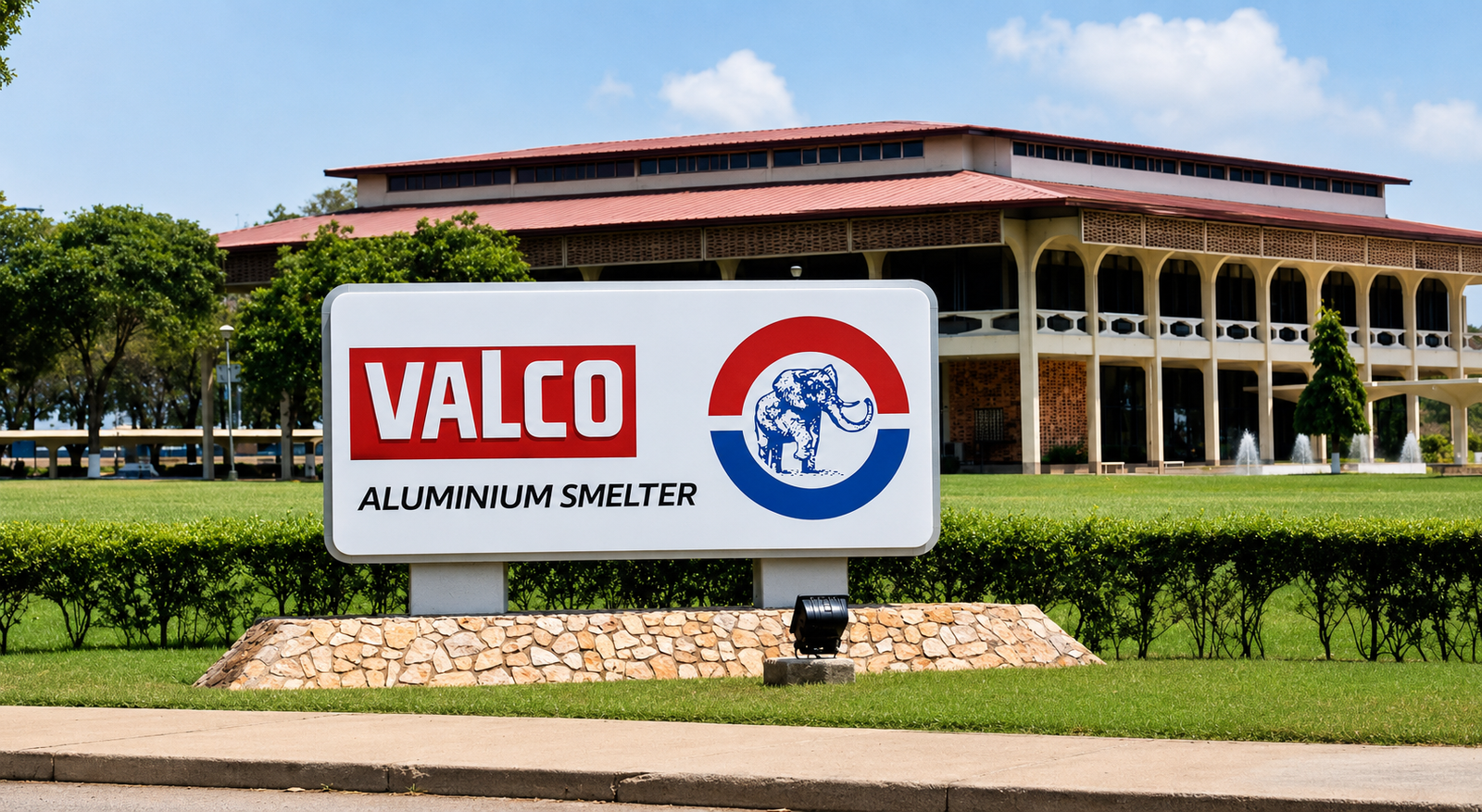
The Minority Caucus in Parliament has thrown its full support behind workers of the Volta Aluminium Company Limited (VALCO), describing their recent protest as a legitimate effort to protect one of Ghana’s most strategic national assets.
In a press statement issued on July 29, 2026, and signed by Hon. Kwaku Ampratwum-Sarpong, Ranking Member of Parliament’s Select Committee on Lands and Natural Resources, the Minority accused the government of pursuing a secretive process regarding what it describes as a “strategic equity capitalization” of VALCO.
According to the Minority, the concerns raised by VALCO workers should not be dismissed as political propaganda. Instead, they argued that the workers possess firsthand knowledge of the company’s operations and are best placed to identify potential threats to its future.
“These are the men and women who keep VALCO running every single day. They understand its operations and its future. Government must listen instead of hiding behind hurried press statements issued only after public outrage,” the statement said.
Questions Over Strategic Equity Capitalization
The Minority questioned the true meaning of the government’s proposed strategic equity capitalization, asking whether it could involve:
* Selling part of VALCO.
* Transferring ownership.
* Surrendering management control.
* Privatizing the company under another name.
The caucus argued that if the government believes the process serves Ghana’s national interest, it should openly present every detail to Parliament and the Ghanaian people instead of using corporate terminology that conceals public policy decisions.
Minority Cites VALCO’s Return to Profitability
The statement highlighted that the Chairman of the VALCO Board recently announced the company had recorded a profit of US$3.19 million during the first half of 2026, describing it as a remarkable turnaround after years of financial challenges.
According to the Minority, the government’s latest proposal appears contradictory.
“If VALCO is profitable and recovering, why is the government now pursuing a strategic equity capitalization?” the statement questioned.
The caucus further demanded explanations regarding the company’s financial position, balance sheet and what economic justification exists for restructuring ownership when the company has reportedly returned to profitability.
Warns Against State Capture
The Minority also expressed concern about what it described as a growing concentration of influence over Ghana’s aluminium industry.
It argued that when institutions responsible for policy formulation, regulation, approvals and management of strategic national assets are occupied by individuals with previous professional relationships linked to the same business interests, public confidence is undermined.
According to the statement, such circumstances create conditions that encourage state capture, favouritism and predetermined outcomes.
“VALCO Belongs to the People of Ghana”
The Minority stressed that VALCO is a strategic national asset central to Ghana’s Integrated Aluminium Industry and broader industrial transformation agenda.
The statement warned that after the loss of Black Volta and Damang, Ghanaians cannot afford to lose another strategic national asset through decisions made behind closed doors.
It insisted that VALCO’s ownership should not be altered through secrecy and that the company’s future should be determined transparently with the involvement of the Ghanaian people.
Minority’s Seven Demands
The Minority Caucus called on the government to immediately publish:
1. The complete framework governing the strategic equity capitalization process.
2. VALCO’s latest audited financial statements, including its balance sheet, income statement and cash flow position.
3. The independent valuation of VALCO.
4. The proposed equity structure.
5. The identities of all prospective strategic investors.
6. The criteria used in selecting any strategic investor.
7. Every Cabinet, Board and ministerial approval underpinning the process.
The caucus maintained that Ghanaians deserve facts rather than vague explanations regarding the future of a strategic national asset.
Minority Vows to Resist
The Minority warned that it would use every constitutional, legal and parliamentary mechanism available to resist any attempt to place VALCO under what it described as politically connected interests.
The caucus concluded that the concerns raised by VALCO workers reflect broader public interest and urged the government to provide full disclosure.
“The workers have spoken. The Ghanaian people are watching. Government must come clean,” the statement concluded.
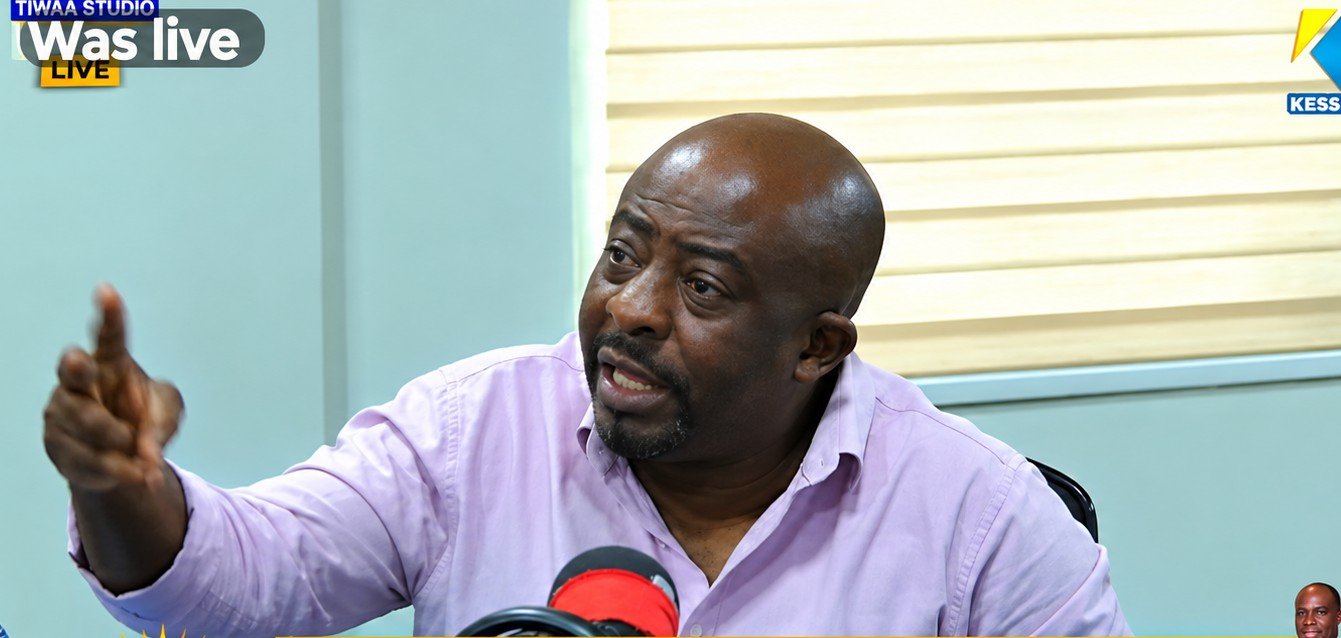
Lawyer Dennis Ofori Asiedu, a member of the NDC Communications Team, has cautioned Ghanaians against assuming that drug trafficking is carried out only by easily identifiable criminals, stressing that a drug merchant “may be anybody’s neighbour.”
Speaking of national security and the fight against drug trafficking on Kessben Maakye show in Accra, Ofori Asiedu said protecting Ghana’s borders remains extremely challenging, particularly because farms and communities stretch along parts of the country’s boundaries.
He argued that security agencies cannot win the fight alone and urged citizens to provide useful information to the authorities. According to him, without public cooperation, the work of security agencies becomes “extremely difficult.”
Ofori Asiedu further noted that traffickers may use transit routes without necessarily transporting drugs through the country’s ports, making detection more complicated.
While expressing confidence that Ghana’s security agencies are doing their best to safeguard the country, he acknowledged that lapses can occur.
Turning to recent criticism involving Chief Justice Paul Baffoe-Bonnie, the lawyer stated, the Ghana Bar Association has become a Chop Bar, questioning what he described as selective outrage from the Ghana Bar Association. He argued that previous Chief Justices had also publicly commended government initiatives, citing comments attributed to former Chief Justices Sophia Akuffo stating that Free SHS is good and will help Ghanaian children therefore parents must commend Nana Akufo Addo.
Additionally he referenced Justice Anin Yeboah once commended COCOBOD for suppling fertilizer to the cocoa farmers knowing it was being sold to them.
He queried “What has Justice Baffoe Bonnie’s comment got to do with the Bar Association launching at CJ for his comment?” he questioned, suggesting that the current criticism is inconsistent with reactions to similar remarks
Politics
Mahama summons top officials to Jubilee House over border security and narcotics trafficking

Politics
Mahama petitioned over alleged PURC tariff irregularities, governance concerns and AKSA Power deal
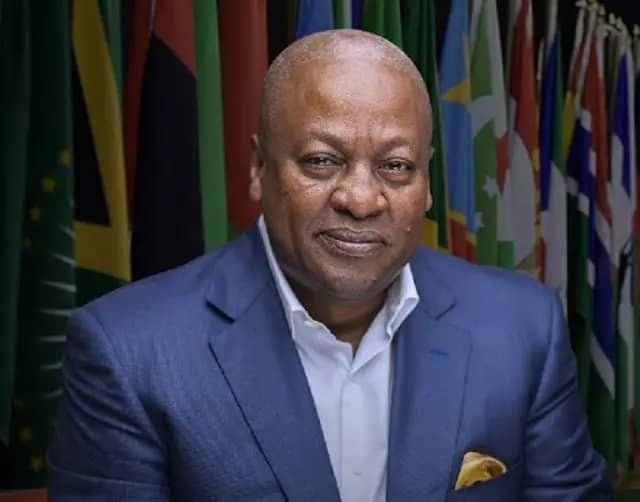
President John Dramani Mahama has been petitioned to order an investigation into a series of alleged irregularities surrounding the operations and decisions of the Public Utilities Regulatory Commission (PURC).
The petition, dated September 14, 2026, raises serious concerns about the determination of electricity tariffs, the imposition of an EMOP levy, the recovery of charges from electricity consumers and the governance of the PURC.
It also calls for scrutiny of alleged interference in the management of the regulatory body, concerns surrounding the PURC Board and the approval of a tariff for the AKSA Power Takoradi project.
The petitioner is calling for an independent, impartial and comprehensive investigation into the matters raised, arguing that they could have significant implications for consumer protection, fair competition, public finances and confidence in Ghana’s electricity market.
Petition raises red flags over PURC tariff decisions
One of the major concerns raised in the petition relates to what the petitioner describes as alleged preferential electricity tariffs for certain steel companies.
According to the petition, some Ghanaian industrial companies are reportedly paying higher tariffs for electricity than certain steel companies operating under the energy-intensive consumer category.
The petitioner claims that during PURC’s most recent major tariff review, the Commission’s Board approved electricity tariffs for certain steel companies that were allegedly significantly lower than the normal industrial tariff applicable to Ghanaian industrial consumers.
The petition questions the basis for what it describes as the preferential treatment.
‘Why are some companies paying less?’
The petitioner states that, as an interested person whose family owns shares in one of the affected businesses, attempts were made to engage representatives of some of the affected steel companies to understand the basis for the allegedly preferential tariffs.
The concerns raised centre on whether the tariff arrangements were properly determined and whether all industrial consumers are being treated fairly under the regulatory framework.
If established, such disparities could raise questions about fair competition, transparency and equal treatment of electricity consumers, particularly businesses operating within Ghana’s industrial sector.
EMOP levy also comes under scrutiny
The petition also calls for an investigation into the imposition of the EMOP levy, with the petitioner seeking clarity on the circumstances surrounding its introduction and administration.
The matter has been presented as part of broader concerns over how electricity-related charges are determined and recovered from consumers.
The petitioner wants the relevant decisions and processes examined to establish whether they were properly authorised and implemented.
PURC governance questioned
Beyond electricity tariffs, the petition raises concerns about the governance and administration of PURC.
The petitioner is seeking an investigation into what he describes as possible interference in the management of the Commission, as well as concerns relating to the PURC Board.
Questions have also been raised about the conduct and independence of members of the Board and the Executive Secretary.
The petition argues that the independence and credibility of the country’s electricity regulator are critical to maintaining confidence in Ghana’s energy sector.
AKSA Power tariff approval raises questions
Another major issue highlighted in the petition is the approval of a tariff for the AKSA Power Takoradi project.
The petitioner is calling for the circumstances surrounding the tariff approval to be investigated as part of the broader review of PURC’s decisions and regulatory processes.
The AKSA Power matter has therefore been placed alongside the concerns over electricity tariffs, consumer charges and PURC governance as issues requiring presidential attention.
Calls for independent investigation
The petitioner is asking President Mahama to ensure that the allegations are subjected to a thorough and independent investigation rather than being dismissed without scrutiny.
According to the petition, the issues raised have potential implications for consumer protection, fair competition, public finances and confidence in Ghana’s electricity market.
The petitioner also makes a distinction between information personally obtained or verified through official sources and allegations submitted by third parties, stressing the need for investigators to independently establish the facts.
Spotlight turns to PURC
The petition now places the operations and decisions of PURC under renewed scrutiny, particularly regarding how electricity tariffs are determined and how different categories of consumers are treated.
For Ghanaian businesses and consumers already grappling with electricity costs, questions surrounding tariff fairness and transparency are likely to attract significant public interest.
The petition ultimately asks the President to ensure that the allegations are properly investigated and that any wrongdoing established through the process is dealt with accordingly.
For now, the matters remain allegations contained in the petition, and no finding of wrongdoing has been established against PURC officials, Board members or any of the companies mentioned.
The spotlight, however, is now firmly on PURC, its tariff decisions and the regulatory processes surrounding Ghana’s power sector.
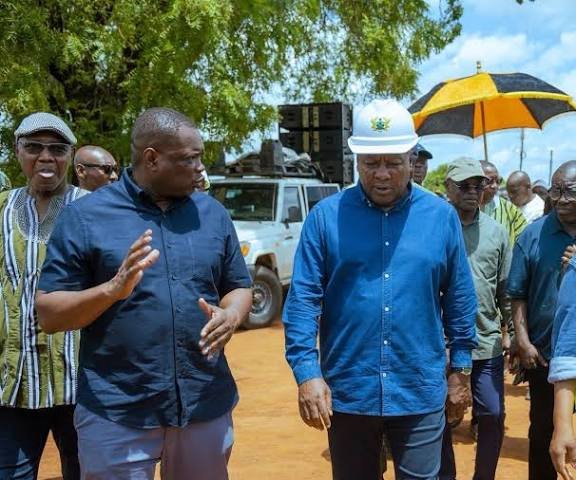
President John Dramani Mahama has announced that the 48 Engineer Regiment of the Ghana Armed Forces will serve as a major sub-contractor on the construction of the Accra-Kumasi Expressway.
The announcement comes as government moves into the next phase of the ambitious expressway project, following the completion of major right-of-way clearing works by the Ghana Armed Forces.
The 48 Engineer Regiment has already played a key role in preparing the corridor for construction, clearing the right-of-way along the proposed route. The Ghana Armed Forces is scheduled to hand over the cleared 175.6-kilometre right-of-way to government on September 14, 2026.
Military engineers to take on major construction role
President Mahama’s decision to involve the 48 Engineer Regiment more directly in the project builds on the government’s earlier plans to leverage the technical capabilities of the Ghana Armed Forces in major infrastructure projects.
In January, President Mahama announced that the 48 Engineer Regiment would participate in the government’s Big Push road projects, with the aim of using the military’s engineering capacity while also generating internally generated funds for the Armed Forces.
The regiment’s involvement in the Accra-Kumasi Expressway therefore goes beyond the initial right-of-way clearance and places the military engineering unit in a significant role in the implementation of the flagship road project.
Mahama orders preparation for New Accra Orbital
President Mahama has also directed the 48 Engineer Regiment to begin preparations to clear the right-of-way for the proposed New Accra Orbital.
The directive signals government’s intention to use the technical capacity of the Ghana Armed Forces in preparing major road corridors for construction.
Accra-Kumasi Expressway moves closer to construction
The development comes shortly after government secured significant financing for the expressway.
The government announced in July that US$1.7 billion had been deposited into a dedicated Accra-Kumasi Expressway account at the Bank of Ghana, with the funds ring-fenced for the project and to be used after the main construction contract is awarded.
The proposed expressway is approximately 198.7 kilometres long and is planned as a six-lane, access-controlled road linking Ghana’s two major economic centres.
Government has described the project as a flagship component of the Big Push Infrastructure Programme, expected to reduce travel time, improve road safety, ease congestion and lower transportation costs.
Right-of-way clearance completed
The Ghana Armed Forces has been heavily involved in clearing the corridor ahead of construction.
Earlier in the year, military engineers were deployed along the route to clear the designated right-of-way. By July, government reported that the Armed Forces had cleared 122 kilometres, representing about 70 percent of the designated right-of-way.
The latest handover of the 175.6-kilometre cleared corridor represents a major milestone in preparing the project for the construction phase.
With the military engineers now expected to play a larger role, attention will turn to how quickly the project moves from preparatory works into full-scale construction.
A major test for the Big Push
The Accra-Kumasi Expressway is one of the most closely watched projects under President Mahama’s Big Push programme.
Government has repeatedly emphasised the need for stronger local participation and value for money in the implementation of major infrastructure projects.
The decision to make the 48 Engineer Regiment a major sub-contractor could therefore mark a significant expansion of the Ghana Armed Forces’ role in the country’s infrastructure development.
The project is now entering a crucial stage, with government expected to proceed with the main construction process after the necessary preparatory and procurement requirements are completed.
Politics
Stan Dogbe Orders Immediate Restoration of Reclaimed Kpeshie Lagoon Lands After Demolition Exercise
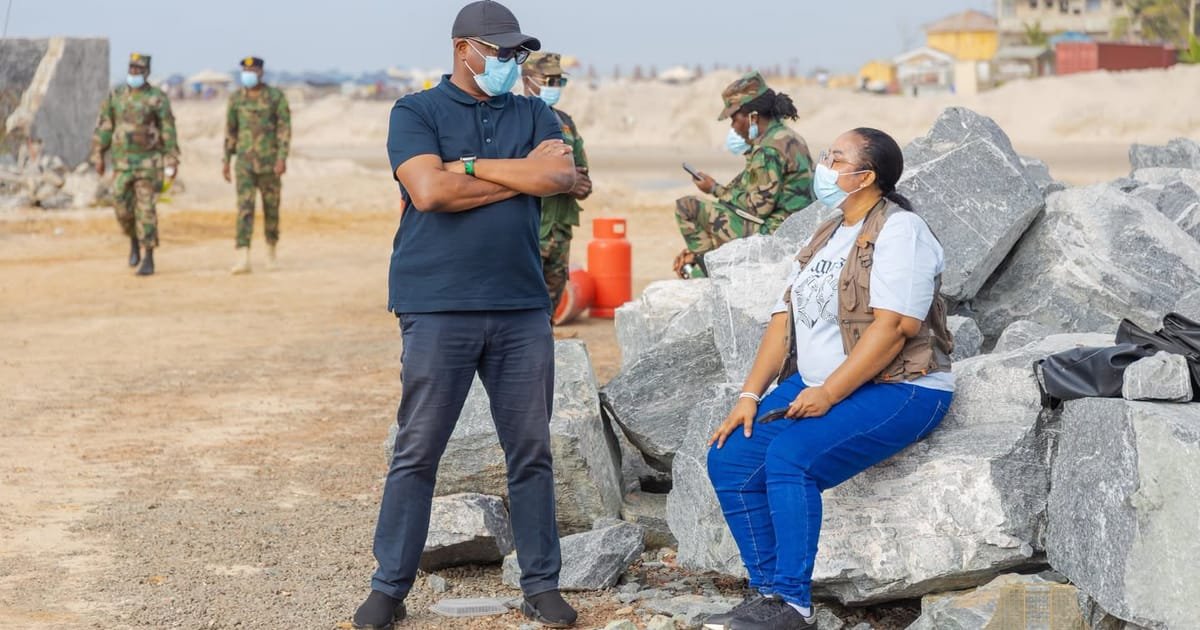
Deputy Chief of Staff, Operations, Stan Xoese Dogbe, has directed the Greater Accra Regional Coordinating Council (GARCC) to immediately begin the ecological restoration of reclaimed portions of the Kpeshie Lagoon.
The directive follows the removal of illegal structures that had encroached on sections of the wetland’s legally protected buffer zone.
Mr. Dogbe’s order forms part of efforts to restore the ecological integrity of the Kpeshie Lagoon and protect the wetland from further encroachment and human activities that could threaten its natural function.
Following the clearance exercise, the reclaimed areas are expected to undergo ecological restoration to return the affected portions of the wetland to a healthier and more sustainable state.
The Kpeshie Lagoon and its surrounding wetlands serve important environmental functions, including supporting biodiversity, helping to manage stormwater and providing a natural buffer against flooding.
Authorities have increasingly raised concerns about the development of illegal structures around wetlands and waterways, particularly in urban areas where rapid development has placed pressure on environmentally sensitive lands.
The removal of structures from the protected buffer zone is therefore seen as a significant step toward reclaiming and protecting the lagoon.
The directive to the GARCC signals a move beyond demolition and clearance, with emphasis now being placed on restoring the affected environment and preventing future encroachment.
Residents and stakeholders are expected to cooperate with the authorities as efforts continue to protect the Kpeshie Lagoon and preserve the remaining wetland ecosystem for future generations.
The development is likely to renew calls for stronger enforcement of regulations governing wetlands and protected environmental zones across the Greater Accra Region.

Petition filed for investigation into alleged impersonation of Adwoa Safo during parliamentary sittings

Emmys 2026: The Winners and Nominees in Full

Matthew Rhys makes Emmy history with two lead acting wins in one night



-
 Entertainment1 week ago
Mahama Is First President to Put GH¢40m Seed Money into Creative Arts Fund: Kojo Preko Dankwa
-

 Culinary1 week ago
The Green Heart of Ghanaian Cuisine: Celebrating Nkontomire and the Art of Abom
-
 General News2 weeks ago
Don’t Punish Them Retrospectively – Educationist Challenges New CSSPS Placement Rule
-

 Entertainment1 week ago
Government Repatriates Musician Barosky from UK
-
 General News2 weeks ago
OSP Opens Preliminary Investigation into Alleged GH¢70,000 Payment Linked to Parliament’s Vetting
-

 Culinary2 weeks ago
Pineapple: The Spiky Tropical Fruit Packed With Sweetness and Nutrients
-
 Business2 weeks ago
TOR & GOIL Explore Further Opportunities for Strategic Collaboration
-
 Entertainment2 weeks ago
Ras Caleb Appiah-Levi: Hate Me for the Truth That I Represent