
General News
Mahama’s Adamus Intervention Tests Ghanaian Ownership in Large-Scale Mining

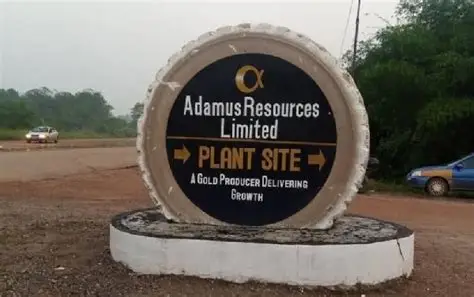
President John Dramani Mahama’s intervention in the Adamus Resources Limited mining lease dispute has been described as a test case for Ghana’s ability to enforce mining regulations while protecting indigenous participation in large-scale mining.
An analysis by the Radiant Media and Intelligence Hub says the President’s decision represents an attempt to reset Ghana’s mining governance by ensuring that regulatory breaches are addressed without destroying one of the country’s few Ghanaian-owned large-scale mining companies.
The dispute began on April 26, 2026, when the Ministry of Lands and Natural Resources, acting on a recommendation from the Minerals Commission, revoked three mining leases held by Adamus Resources Limited at Akango, Salman and Nkroful in the Ellembelle District.
The revocation was based on several alleged breaches of Ghana’s mining laws and regulatory requirements.
According to the Minerals Commission, the breaches included the alleged illegal sub-contracting of mineral rights without ministerial approval, contrary to Section 14(1) of the Minerals and Mining Act, 2006 (Act 703).
Adamus was also accused of mining outside approved areas without an Operating Permit from the Chief Inspector of Mines, as well as operating without the required permits from the Environmental Protection Agency and the Forestry Commission.
Other concerns included the alleged use of foreign nationals in illegal small-scale mining activities on the company’s large-scale concession.
Financial obligations were also cited in the revocation. The company was reported to owe about US$2.56 million in unpaid mineral rights fees, GH¢86.8 million in royalties and GH¢290.5 million in tax arrears to the Ghana Revenue Authority.
The analysis further cited the transfer of about US$224 million to related offshore entities between 2020 and 2024 as part of the financial concerns surrounding the company.
The revocation was subsequently upheld by the Minister for Lands and Natural Resources, Emmanuel Armah-Kofi Buah, on August 7, 2026.
The decision received support from the Eastern Nzema Traditional Council, led by Awulae Blay IX, which reportedly cited years of environmental degradation and inadequate local development linked to mining activities in the area.
Residents of Akango, Salman and Nkroful, however, appealed to President Mahama, warning that the closure of the company could lead to significant job losses and economic difficulties in the affected communities.
On August 21, 2026, President Mahama met stakeholders at the Presidency and granted Adamus a conditional reprieve.
Under the arrangement, the Ministry of Lands and Natural Resources, the Minerals Commission and Adamus Resources are expected to jointly develop and submit a 12-month turnaround plan within two weeks.
The plan is expected to provide a roadmap for addressing the regulatory, financial and operational challenges facing the company.
A six-member joint management team will also be established, comprising three representatives from Adamus and three representatives from the government.
The team will supervise the implementation of the turnaround programme and monitor the company’s progress.
The President has also directed that the company address its outstanding financial obligations through a comprehensive debt settlement programme covering arrears owed to the Ghana Revenue Authority, the Minerals Income Investment Fund, banks and suppliers.
In addition, Adamus is expected to attract fresh capital through new equity partners to restore its financial position and support the long-term sustainability of its operations.
The Presidency described Adamus as one of Ghana’s few operating indigenous large-scale mines.
The Ghana Chamber of Mines has welcomed the intervention, arguing that it could help protect investor confidence and safeguard jobs associated with the company.
The Radiant Media and Intelligence Hub argues that the Adamus case reflects what it describes as a possible “enforce but don’t destroy” approach to mining regulation under President Mahama’s administration.
According to the organisation, the intervention signals that the government intends to uphold mining laws and its anti-galamsey agenda while using corrective regulatory measures where possible instead of automatically resorting to closure.
It says the case could therefore become an important test of whether the state can combine strict enforcement with support for Ghanaian participation in the ownership and operation of large-scale mines.
The intelligence brief also raises concerns about the level of Ghanaian ownership in Ghana’s large-scale mining industry.
It notes that although Ghana produces gold worth more than US$7 billion annually, less than 10 per cent of large-scale production is controlled by Ghanaian-owned companies.
Adamus Resources, owned by Ghanaian businesswoman Angela List, is identified as one of the few indigenous companies operating in the large-scale mining space.
Radiant argues that allowing Adamus to collapse could reinforce concerns that Ghana’s local content policy benefits mainly small-scale miners and service providers rather than Ghanaian companies seeking to own and operate large-scale mines.
The organisation therefore raises several questions about the circumstances surrounding the dispute.
These include why the alleged regulatory and financial breaches accumulated between 2020 and 2024 without earlier intervention, why a Ghanaian-owned mining company has struggled to secure capital despite the Minerals Income Investment Fund holding significant royalty revenues, and whether prospective new equity partners will be genuine Ghanaian investors or entities acting as fronts for foreign interests.
Radiant Media and Intelligence Hub says the Adamus intervention should not be treated as an isolated case but should form the basis of a wider policy for increasing Ghanaian ownership in the minerals sector.
The organisation is calling on the Minerals Income Investment Fund to move beyond royalty collection towards strategic co-ownership by taking equity stakes of between 20 and 30 percent in viable indigenous mining companies facing financial difficulties.
It cites models in countries such as Botswana and Zambia as examples Ghana could study.
It is also proposing that at least 30 percent of new large-scale mining concessions and expired leases be reserved for Ghanaian-owned consortia working with proven technical partners.
Another recommendation is the establishment of an Indigenous Mining Turnaround Facility involving the Minerals Commission, Ghana Chamber of Mines and Development Bank Ghana.
The proposed facility would provide technical assistance and financial restructuring support to distressed Ghanaian-owned mining companies.
Radiant is further calling for a binding community compact under the six-member joint management arrangement.
Such a compact, it says, should include measurable targets for local employment, including a minimum of 60 percent recruitment from mining-affected communities, as well as commitments to scholarships and environmental restoration.
The organisation also wants the Presidency to disclose the identities and beneficial owners of any new equity investors brought into Adamus to prevent what it describes as “galamsey financiers” from returning through indirect ownership structures.
Radiant Media and Intelligence Hub says the outcome of the 12-month turnaround programme will have implications beyond Adamus Resources.
If the intervention succeeds, it could provide a blueprint for restructuring other struggling indigenous mining companies while keeping them under Ghanaian ownership.
However, if the programme fails, the organisation believes it could strengthen the perception that Ghanaian-owned companies are unable to successfully manage large-scale mineral extraction.
The organisation argues that the broader objective should be to build a strong indigenous mining industry made up of companies that operate legally, pay taxes, protect the environment and contribute meaningfully to communities.
It says the central question facing the Ministry of Lands and Natural Resources should therefore move beyond whether Adamus should be punished to how Ghana can create more successful indigenous large-scale mining companies.
Radiant Media and Intelligence Hub concludes that the Adamus case is therefore not only about the survival of one mining company but also about the future of Ghanaian ownership, accountability and participation in the country’s multi-billion-dollar mining industry.
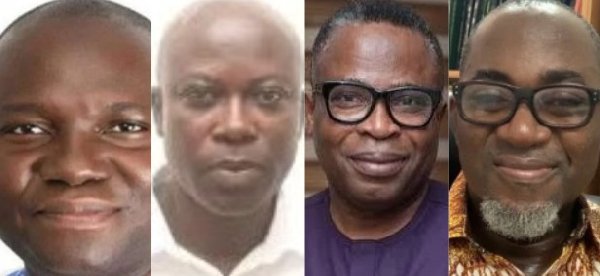
Four professors at the Ghana Institute of Management and Public Administration (GIMPA) have filed a lawsuit seeking to halt aspects of the process to select a search committee for the appointment of a new Rector, escalating tensions over the institution’s leadership transition.
The plaintiffs are Professors Lord Mawuko Yevugah, Wisdom Akpalu, Kwami Adanu and Patrick Tandoh-Offin. They filed the action on October 5, 2026, challenging aspects of the process involving the Chairman of GIMPA’s Governing Council, the Institute’s Secretary and the Rector.
At the centre of the dispute is the Convocation register used to determine who could vote for representatives on the Rector Search Committee. The professors contend that about 30 newly appointed or promoted lecturers were included on the register despite questions over whether their appointments had received the necessary approval from the Governing Council.
They argue that allowing the lecturers to participate in the election could undermine the legitimacy of the process and have asked the court to ensure that the selection of the search committee complies with GIMPA’s 2020 Statutes. They also want the committee’s composition and the respective roles of the Governing Council and Convocation clarified.
GIMPA management, however, has indicated that a special ad hoc committee audited the Convocation register and confirmed that those listed had valid appointments, based on Human Resource Management records. Exceptions reportedly applied to staff on leave of absence or secondment.
The Convocation election proceeded on October 6. According to reports, Professor Patrick Tandoh-Offin contested to represent the professorial class but lost to Professor Emmanuel Gyamfi Numapau, who received 118 votes against Tandoh-Offin’s 35.
The legal challenge comes as GIMPA prepares for the end of Rector Professor Samuel Kwaku Bonsu’s tenure in August 2027. The Institute’s statutes require the search process to begin ahead of the incumbent’s departure.
The case raises questions about voting eligibility, institutional governance and the procedures for selecting the next Rector. The court’s determination could affect the process, although the available reports do not establish that an injunction has been granted or that the election
General News
EPA ORDERS IMMEDIATE HALT TO UNAPPROVED RECLAMATION WORKS NATIONWIDE — GOVERNMENT AGENCIES, CONTRACTORS ON NOTICE

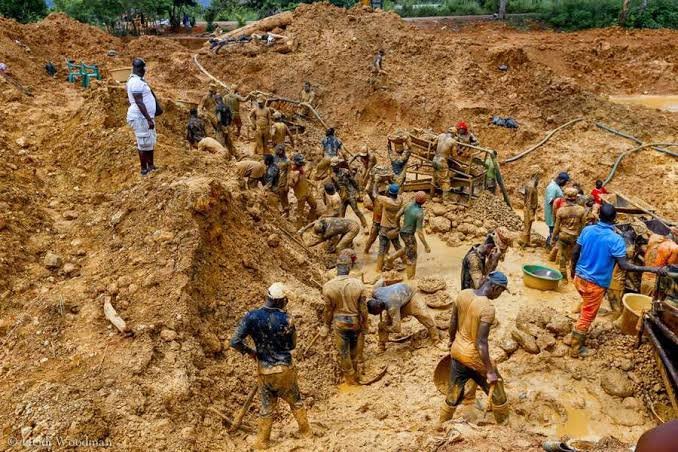
The Environmental Protection Authority (EPA) has ordered an immediate halt to all land reclamation, mine-site rehabilitation, dredging and water-body restoration activities being undertaken without the requisite environmental permits across Ghana.
In a public notice issued on Wednesday, October 14, 2026, the Authority warned that institutions, companies, contractors and individuals operating without its approval must cease work immediately and report to the nearest EPA regional office or its head office for regulatory assessment.
The directive applies to both public and private projects, including government-sponsored, privately funded and donor-supported initiatives. The EPA specifically mentioned the Ministry of Lands and Natural Resources, Forestry Commission, Ghana Gold Board (GoldBod), Minerals Commission and Mineral Development Fund among the institutions required to ensure compliance.
Under Regulation 40 of the Environmental Protection (Environmental Assessment) Regulations, 2025 (L.I. 2504), reclamation and restoration activities fall within Ghana’s environmental assessment and permitting framework.
The covered activities include rehabilitating abandoned mining sites, backfilling excavated areas, restoring degraded land, revegetation, dredging and desilting rivers, modifying river channels and restoring polluted water bodies, wetlands and aquatic ecosystems.
The Authority stressed that securing a contract, obtaining funding approval, holding a mining lease or receiving authorisation from another public institution does not replace an EPA Environmental Permit. Similarly, consent from traditional authorities, memoranda of understanding and participation in government programmes cannot substitute for the required approval.
Contracting institutions have also been directed to verify the environmental permit status of projects before allowing contractors to mobilise to their sites.
The EPA acknowledged the importance of restoring lands and water bodies damaged by illegal and irresponsible mining but cautioned that rehabilitation efforts must not create further environmental destruction by bypassing regulatory safeguards.
It warned that individuals and institutions that continue unapproved operations after the notice would face action in accordance with applicable Ghanaian laws.
The directive reinforces the Authority’s position that environmental restoration, regardless of its funding source or purpose, must comply with the country’s permitting requirements.


The opening of the long-awaited New Yalu River Bridge marks a significant step towards strengthening cross-border transport and trade between China and North Korea.
China and North Korea have officially opened a major bridge linking the two countries, ending a 12-year delay that kept the infrastructure project unused despite its completion in 2014.
The New Yalu River Bridge connects the Chinese border city of Dandong, in Liaoning province, with Sinuiju in North Korea. The four-lane crossing stretches approximately three kilometres across the Yalu River and is expected to improve the movement of goods between the neighbouring countries.
The project was originally intended to begin operating in 2014. However, the opening was postponed for years as infrastructure on the North Korean side, including connecting roads and customs facilities, remained incomplete. Analysts have also pointed to strained bilateral relations and disagreements surrounding economic cooperation as possible contributing factors.
Trade and economic implications
The new crossing is expected to ease pressure on the older China–North Korea Friendship Bridge, which has served as a major route for official trade between the two countries.
By providing additional road capacity, the new bridge could improve freight transportation, reduce congestion and support the movement of essential goods. Its strategic location is particularly important because China remains North Korea’s principal trading partner.
Nevertheless, the opening does not automatically guarantee a rapid increase in trade. International sanctions imposed in response to North Korea’s nuclear and weapons programmes continue to constrain economic activity, while the scale of future commercial traffic will depend on border arrangements and the two governments’ economic policies.
A signal of closer bilateral engagement
The bridge’s inauguration comes amid renewed diplomatic engagement between Beijing and Pyongyang. It also highlights China’s continued economic importance to North Korea as the latter seeks to maintain relationships with key regional partners.
For China, improved transport links could facilitate cross-border commerce and support economic activity in Dandong. For North Korea, the bridge offers additional capacity for importing goods and developing commercial infrastructure around Sinuiju.
However, the project’s long delay illustrates how political disagreements and economic considerations can obstruct infrastructure intended to improve regional connectivity.
What happens next?
Attention will now turn to how quickly the bridge becomes an established route for commercial traffic and whether the additional capacity translates into measurable growth in bilateral trade.
While the opening represents an important infrastructure milestone, its longer-term economic and diplomatic impact will depend on the willingness of both governments to sustain cooperation and the restrictions governing North Korea’s international trade.
The opening ends a lengthy wait for the two countries, but the bridge’s ultimate significance will be measured by the trade and cooperation it enables in the years ahead.
NAIROBI, Kenya — October 15, 2026
Kenya has confirmed a second case of Ebola after a close relative of the country’s first patient tested positive while in quarantine, prompting health authorities to strengthen surveillance and containment measures.
The Kenyan Ministry of Health announced the new infection on Wednesday, October 14, identifying the patient as a 39-year-old man who had been under medical monitoring following his contact with the first case. He developed symptoms, including fever, fatigue and joint pain, on October 13 and was subsequently isolated for testing.
The confirmation comes after a 40-year-old Kenyan man who had been living in the Democratic Republic of Congo (DR Congo) died in Nairobi on October 5, shortly after testing positive for the virus. He had travelled through Uganda before arriving in Kenya.
Contact tracing and quarantine efforts
Health authorities identified 128 people who may have been exposed to the first patient. Of these, 108 were reported to be in quarantine in Kenya, while efforts continued to trace other contacts and monitor individuals who may have been exposed.
Officials said the second infection was detected while the patient was already under quarantine, allowing medical teams to isolate him after symptoms emerged.
The Ministry of Health has stressed that there is currently no evidence of wider community transmission linked to the two confirmed cases. However, surveillance and contact-tracing operations remain critical to preventing further infections.
Border screening strengthened
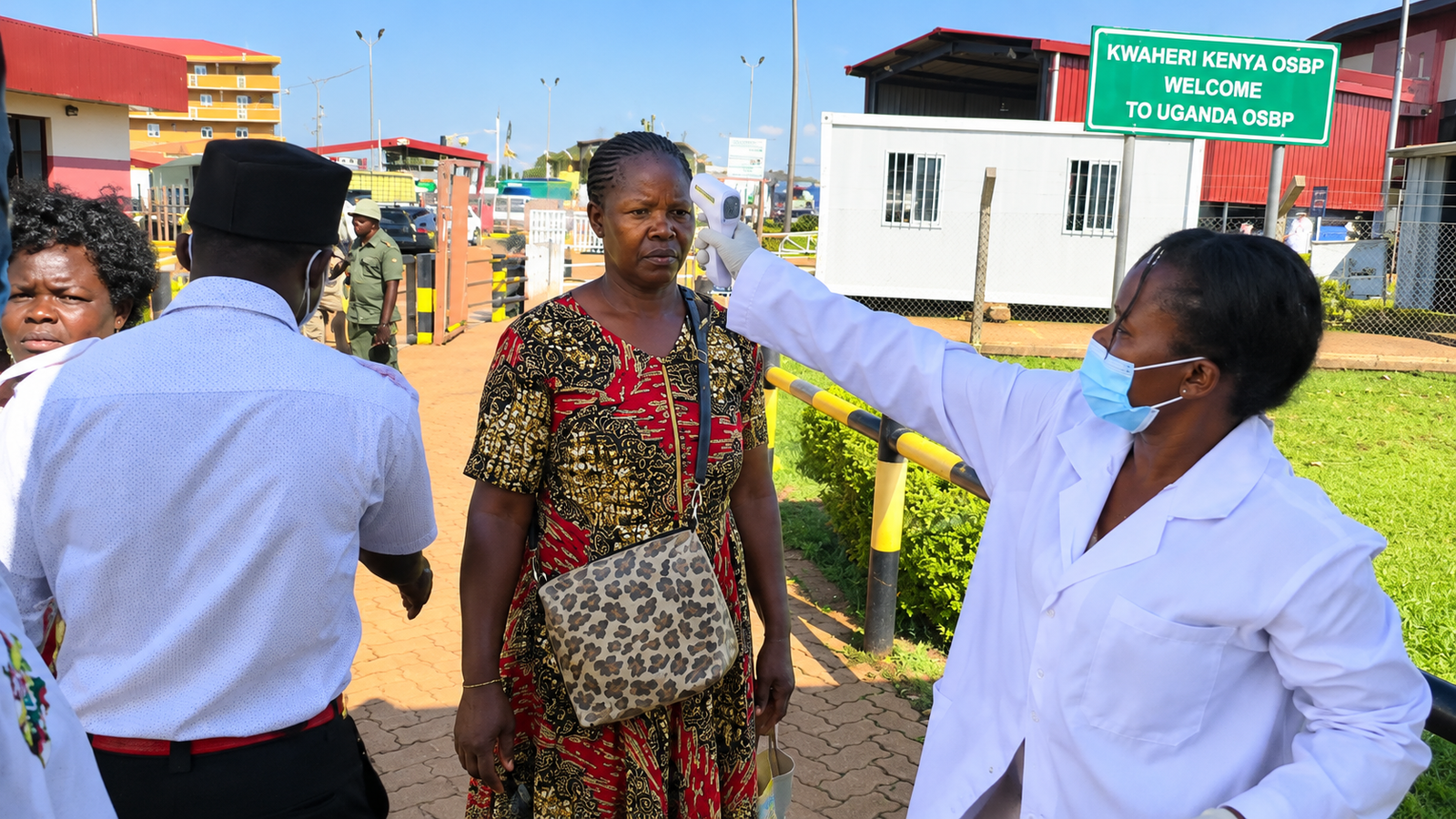
Kenya has stepped up health screening at airports and border crossings as part of efforts to identify possible infections early. The country’s location and travel connections with neighbouring states have also increased the importance of coordination among regional health authorities.
The first patient had travelled from DR Congo, where a major Ebola outbreak is ongoing, through Uganda before reaching Kenya. The case has highlighted the challenges health officials face in detecting infections among people travelling across national borders.
Public urged to remain vigilant
Authorities are urging the public to remain calm, follow official health guidance and promptly report suspected symptoms or potential exposure to health professionals.
Ebola is a serious viral disease that can spread through direct contact with the blood or other bodily fluids of an infected person, or with contaminated materials. Early identification, isolation, appropriate medical care and effective contact tracing are important measures in controlling outbreaks.
Kenya’s response will now focus on monitoring exposed individuals, containing the confirmed infections and preventing further transmission as health officials continue to assess the situation.
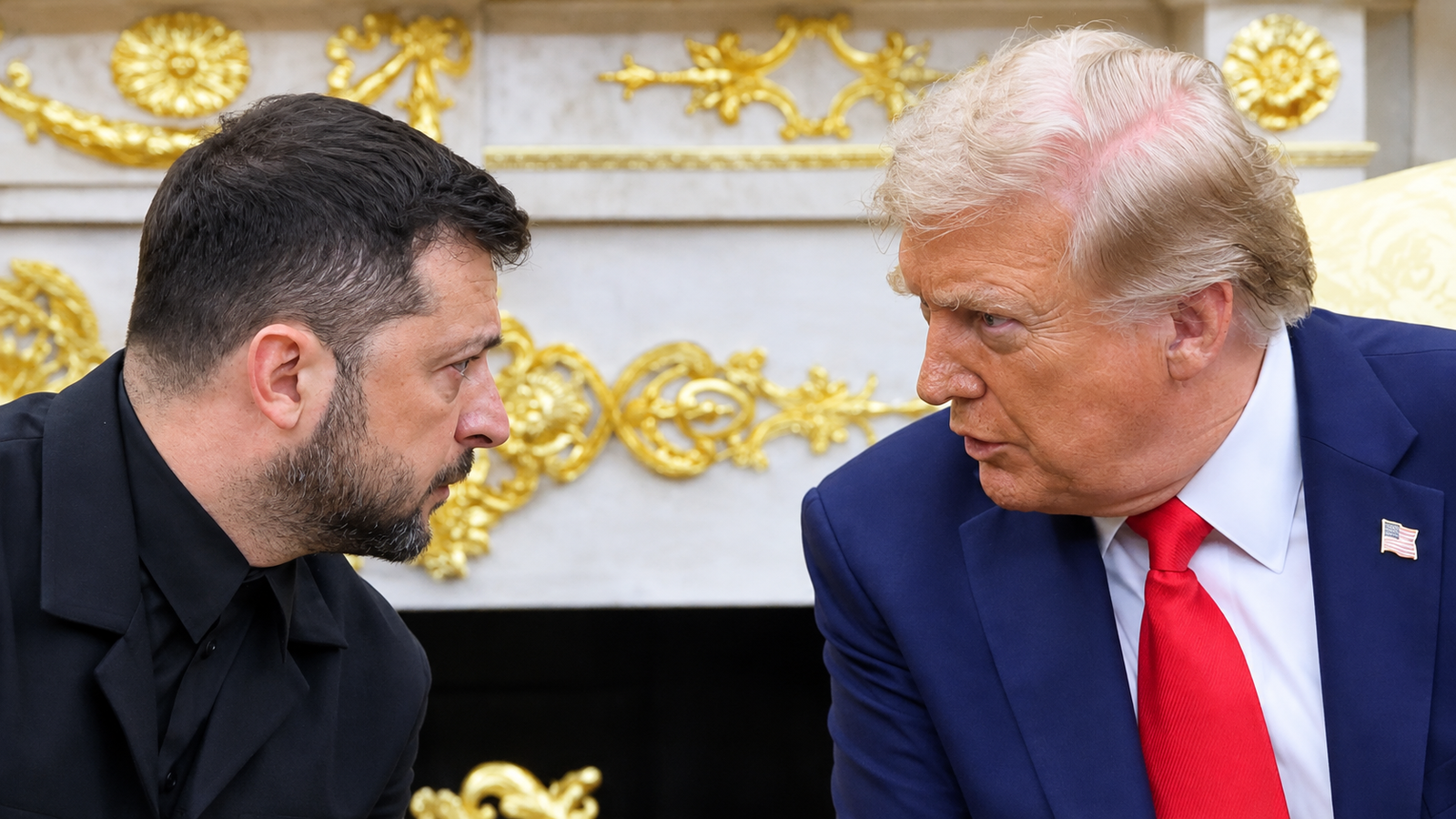
LONDON — British Prime Minister Andy Burnham says he intends to help restore cooperation between the United States and Ukraine as diplomatic tensions grow following Washington’s reported agreement with Moscow on Russian diesel imports.
Burnham made the remarks ahead of a meeting with Ukrainian President Volodymyr Zelensky at Downing Street, where he sought to reaffirm Britain’s support for Kyiv while avoiding a direct confrontation with US President Donald Trump.
Speaking during Prime Minister’s Questions in Parliament, Burnham said his priority was to help rebuild relations so that American support for Ukraine could be restored.
He described the situation facing Zelensky as particularly difficult, pointing to the challenges Ukraine faces as it prepares for another winter amid its ongoing war with Russia.
The British leader said he had spoken with Zelensky over the weekend and intended to listen carefully to the Ukrainian president’s concerns during their meeting.
Britain pledges continued support for Kyiv
Burnham indicated that Ukraine would receive further assistance from Britain, with plans to accelerate military support and pursue additional measures aimed at increasing pressure on Moscow.
The UK government has also signalled plans to speed up deliveries of air-defence missiles to Ukraine and consider further sanctions against Russia. British officials are expected to encourage international partners to strengthen economic pressure on Moscow, including through restrictions targeting Russian energy exports.
The developments come as Ukraine seeks to maintain support from its Western allies while facing continued Russian attacks and uncertainty over Washington’s policy.
Strained US-Ukraine relations
Relations between Trump and Zelensky have come under renewed pressure following the US president’s reported diesel agreement with Russia and disagreements over the direction of efforts to end the war.
The dispute has raised concerns in Kyiv and among European partners about the durability of American backing for Ukraine. Zelensky has continued to stress the importance of maintaining US cooperation, particularly in areas critical to Ukraine’s defence.
Burnham’s approach appears aimed at preserving diplomatic channels rather than escalating the disagreement publicly. His remarks suggest Britain hopes to encourage renewed dialogue between Washington and Kyiv while continuing to provide assistance of its own.
A difficult diplomatic balancing act
For Britain, the challenge is to demonstrate solidarity with Ukraine without undermining its relationship with the United States, a key partner in European security.
Burnham has presented himself as a potential intermediary at a time when Ukraine needs sustained military and financial assistance and Western governments face pressure to coordinate their responses to Russia.
Whether his efforts will lead to a meaningful improvement in relations between Trump and Zelensky remains uncertain. However, the meeting at Downing Street highlights Britain’s attempt to keep diplomatic cooperation alive as the war and disagreements over its future continue.

LOUIS APPIAH APPOINTED DIRECTOR OF EVENTS AND PROGRAMMES FOR NPP NATIONAL YOUTH WING

PSG’s attacking brilliance exposes Manchester City’s defensive weaknesses

ADEHYE FM MORNING SHOW HOST FILES FOR NDC ASHANTI REGIONAL DEPUTY SECRETARY POSITION

IRAWMA 2025: Shatta Wale Wins 3 Major Awards Including Best Music Video

Samini Secures Promotional Deal with Audiomack for Upcoming Album “THE ORIGIN8A”

AirtelTigo losing GH₵20m monthly; total debts exceed $200million – Sam George


-
 Politics2 weeks ago
Asiedu Nketiah to Chair Launch of Six NDC Historiographies on Ghana’s Political Journey
-

 General News1 week ago
World Cup Visa Storm: Kojo’s GTA Questions Resurface as Minority Demands Action
-

 General News2 weeks ago
SSNIT Unveils Big Plans to Transform Labadi, La Palm Beachfront into Tourism Hub
-
 General News2 weeks ago
Can TVET Teachers Join the September GES Strike? Legal Questions Emerge
-
 General News2 weeks ago
NEIP to Support 10,000 Young Entrepreneurs Annually Under Adwumawura Programme
-
 Sports2 weeks ago
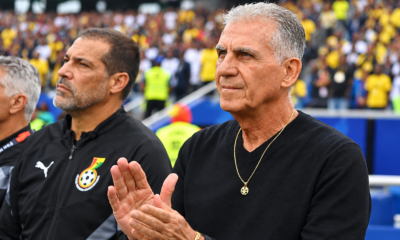
“I Leave With Respect, Gratitude and Pride” – Carlos Queiroz Bids Farewell to Ghana
-

 Sports2 weeks ago
Real Madrid Send Major Dossier to UEFA Over Barcelona Payments Case
-

 Entertainment2 weeks ago
Rick Ross Arrested in Miami Beach on Domestic Violence-Related Charges