
Sports
Controversial Penalty Puts AFCON 2027 Qualifying Under VAR Spotlight

By Angel No Lie | KPD Online | 26 September 2026
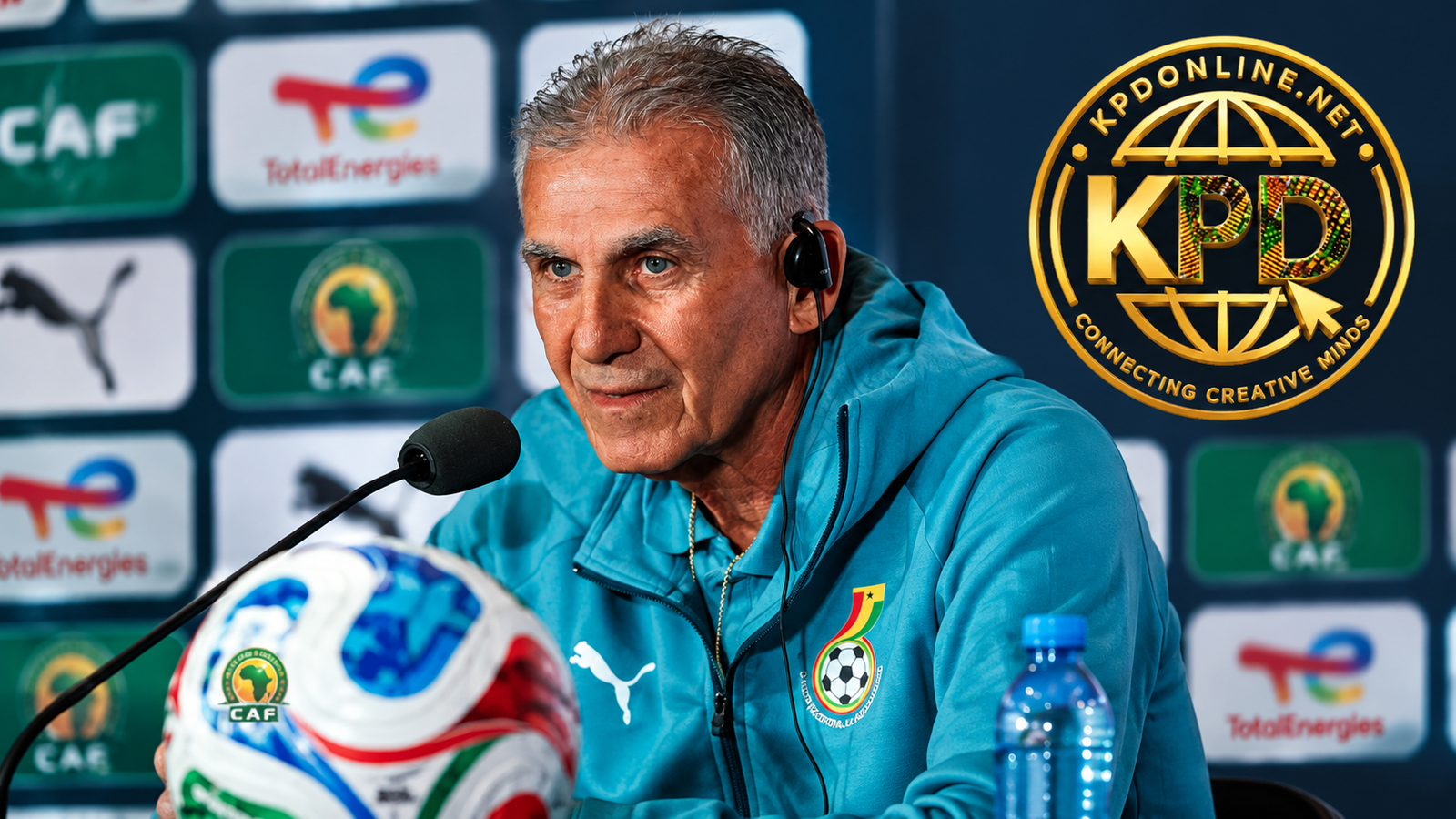
The Ghana coach questioned why VAR was not available during the qualifier after a second-half penalty awarded to Côte d’Ivoire became one of the central talking points of the match.

Queiroz Questions VAR Absence After Ghana Defeat
Penalty becomes major talking point
Côte d’Ivoire led 1–0 when referee Mustapha Ghorbal awarded a penalty after Ghana midfielder Abdul Fatawu Issahaku was judged to have fouled Ivorian forward Malick Yalcouyé inside the penalty area.
Captain Franck Kessié converted the spot-kick, giving the hosts a 2–0 advantage. Ghana subsequently failed to find a way back into the match.
Queiroz said after the match that he had reviewed the incident on television and strongly disagreed with the decision.
“That penalty is a joke,”
he said, while stressing that his criticism was directed at the officiating rather than Côte d’Ivoire’s players.

Ghana–Côte d’Ivoire Clash Sparks Fresh VAR Debate
Queiroz questions VAR’s absence
The disputed call prompted the Ghana coach to question the wider officiating system.
Queiroz asked why VAR was not being used in AFCON qualifying matches and argued that the technology could provide referees with additional assistance in potentially decisive incidents.
“Why don’t we have VAR in Africa?”
he asked during his post-match press conference.
His argument comes as CAF continues to expand its VAR-related training programmes. CAF’s 2024–25 activity report says more than 100 referees and other officials have received VAR-related training, while the organisation has outlined plans to expand live VAR coverage across additional CAF competitions and qualifiers.
VAR is already part of AFCON’s tournament system
The debate is not about whether VAR exists in African football generally.
CAF has already used VAR in major competitions. Research published in Frontiers in Sports and Active Living notes that VAR was introduced at AFCON and was used throughout the 2023 tournament after earlier implementation was more limited.
The current issue is its availability during the qualifying stage.
CAF’s official schedule confirms that the 2027 AFCON qualifying group stage began on September 24, with Ghana’s Group C meeting against Côte d’Ivoire among the opening fixtures.
What the research says about VAR
The wider debate is more complicated than simply assuming that VAR eliminates controversial decisions.
A 2026 study examining AFCON matches before and after VAR’s introduction found significant reductions in fouls and offsides, while playing time increased. The study also found increases in penalties, goals and cards, although those latter changes were not statistically significant in the sample.
The technology can therefore provide referees with another mechanism for reviewing potentially decisive incidents, but it does not eliminate disagreements over interpretation.
A VAR official must still determine whether an incident meets the criteria for review and whether the available video evidence warrants changing the referee’s original decision.
Ghana’s difficult opening
The defeat leaves Ghana without a point from its opening Group C match.
Côte d’Ivoire took the lead shortly before half-time through Yalcouyé before Kessié’s penalty doubled the advantage in the second half.
Ghana’s next qualifier is scheduled for September 29 in Accra, when the Black Stars face The Gambia. CAF’s official fixture list confirms the match as Ghana’s second Group C fixture.
Queiroz has also said he remains proud of his players’ response and insisted that the defeat should not be interpreted as criticism of Côte d’Ivoire’s performance. The Ghana coach specifically separated his concerns about the penalty from the quality of the Ivorian team.
The bigger question for African football
The controversy has shifted attention from one penalty decision to a broader question: should VAR be routinely available during AFCON qualifying matches?
Supporters of wider implementation can point to the technology’s ability to provide additional evidence in penalty, goal, red-card and mistaken-identity situations. At the same time, expanding VAR requires trained officials, suitable broadcast infrastructure, cameras and operational resources across venues.
CAF’s own activity report indicates that the organisation is continuing to increase the number of VAR-certified officials and expand the technology’s use across its competitions.
That means the discussion following Ghana’s defeat is occurring alongside an existing CAF effort to expand VAR capacity rather than in isolation.
Independent assessment
The penalty remains a matter of interpretation surrounding the referee’s decision; Queiroz’s description of it as a “joke” is his assessment, not an independently established finding.
The verifiable issue is that Ghana did not have VAR available to review the incident, and the decision contributed to a 2–0 result that sparked renewed discussion about technology and officiating in AFCON qualifying.
CAF’s ongoing investment in VAR training suggests that the technology is expanding within African football, while the question of how broadly and consistently it should be deployed remains part of the competition’s officiating debate.








By Angel No Lie | KPD Online | 26 September 2026 | Sports
Ghana’s route to the 2027 Africa Cup of Nations has become an early test of resilience after The Gambia defeated Somalia 2–1 in their opening Group C qualifier on Friday.
The result came a day after Ghana suffered a 2–0 defeat to Côte d’Ivoire in Bouaké, leaving the Black Stars without a point after the first round of matches. The Gambia and Côte d’Ivoire both have three points.

Ghana’s Black Stars Face Early AFCON Qualification Test
Gambia strike late to secure three points
The Gambia made the most of their return to home competition at the Independence Stadium in Bakau.
Ebrima Colley opened the scoring from the penalty spot in the 18th minute. Somalia, however, stayed in the contest and eventually found an equaliser through Bilal Njie in the 72nd minute.
The hosts responded strongly. Substitute Muhammed Badamosi restored The Gambia’s lead in the 83rd minute, converting from a pass by Suleiman Camara. The late goal secured three points for the Scorpions.
The victory was particularly significant because it marked The Gambia’s return to competitive football at the Independence Stadium in front of home supporters after several years away from the venue.

Gambia Celebrate Winning Start Against Somalia
Ghana now faces The Gambia in Accra
The result sets up an important Group C meeting between Ghana and The Gambia on Tuesday, 29 September, with the Black Stars hosting the Scorpions in Accra.
CAF’s published schedule lists the Ghana–Gambia fixture for 16:00 GMT on Matchday 2.
Ghana entered the qualifiers with a difficult assignment against Côte d’Ivoire and ultimately lost 2–0. That result means the Black Stars will be seeking their first points when they face a Gambian side that already has three points on the board.
Group C after Matchday 1
| Team | Points | Result |
|---|---|---|
| Côte d’Ivoire | 3 | Beat Ghana 2–0 |
| The Gambia | 3 | Beat Somalia 2–1 |
| Ghana | 0 | Lost to Côte d’Ivoire 0–2 |
| Somalia | 0 | Lost to The Gambia 1–2 |
The table reflects results from the opening round of Group C matches.

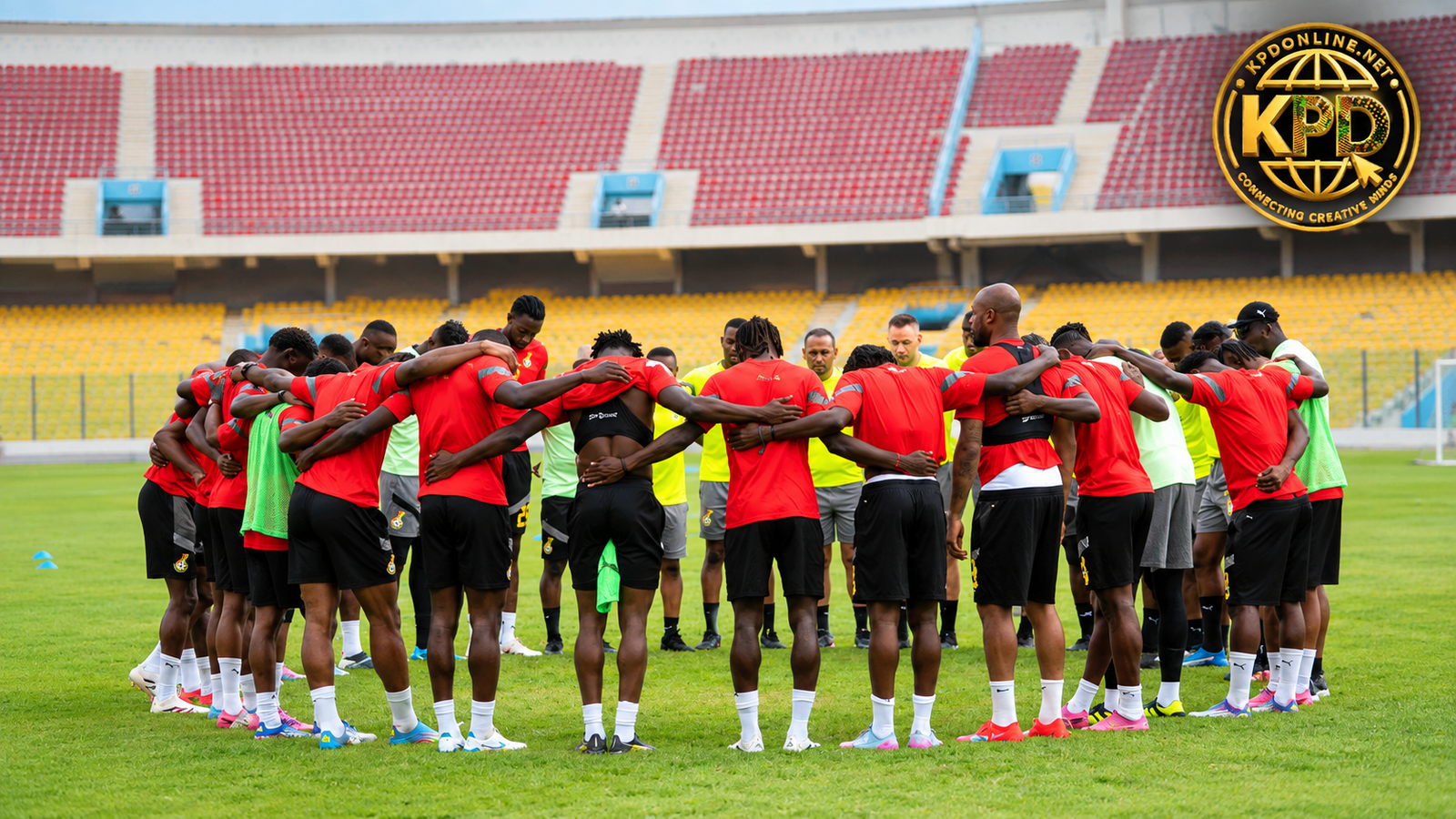
Ghana Prepare for Crucial Group C Clash in Accra
A different challenge for the Black Stars
Ghana’s immediate task is not simply to recover from the opening defeat but to prevent the early results from creating a significant points gap.
A victory over The Gambia would put Ghana on three points and bring them level with their opponents after two matches. The Gambia, meanwhile, will arrive in Accra having already demonstrated that they can collect points under pressure.
The match also gives Ghana an opportunity to respond after a difficult opening performance against Côte d’Ivoire.
Ghana head coach Carlos Queiroz named a 24-man squad for the opening qualifiers against Côte d’Ivoire and The Gambia, with Mohammed Kudus among the players returning to the squad.
Qualification race is only beginning
The early Group C standings should be viewed in context. The teams have played only one match each, and the qualification campaign consists of multiple rounds.
CAF says the 2027 AFCON finals will take place in Kenya, Tanzania and Uganda from 19 June to 17 July 2027. The qualifying group stage began with Matchdays 1 and 2 scheduled between September and October 2026.
The three East African hosts have automatic qualification, while the remaining qualifying places are determined through the qualification process.
What the Ghana–Gambia match could clarify
Tuesday’s encounter will provide a clearer picture of how the two sides have responded to their opening fixtures.
For Ghana, the match offers a chance to put the Côte d’Ivoire defeat behind them and open their points account. For The Gambia, it is an opportunity to build on Friday’s victory and strengthen their position.
The outcome will not decide Group C by itself, but it will shape the early standings and the pressure surrounding the teams as the qualification schedule develops.
Independent view
The available results establish one clear fact: Ghana has started the qualification campaign without a point, while The Gambia has three after beating Somalia. That makes the upcoming meeting in Accra an important early fixture, although substantial qualification matches remain.
The Gambia’s 2–1 victory does not by itself determine Ghana’s eventual qualification prospects. It does, however, mean that the Black Stars enter the next match needing to respond to their opening defeat while facing an opponent that already has a win behind it.
By Angel No Lie | KPD Online | 26 September 2026
Manchester City are facing the next stage of a long-running Premier League financial case after reports said an independent commission found the club guilty of 114 of the 115 alleged breaches brought against it.
The reported decision, which has not been publicly released in full, concerns allegations covering financial reporting, player and managerial remuneration, UEFA financial regulations and cooperation with the Premier League. Manchester City have consistently denied wrongdoing and say the proceedings are still ongoing.

Manchester City Face Fallout After Reported 114-Charge Verdict
What has reportedly been decided?
Reports from The Athletic and The Times, cited by Reuters and other major outlets, say the independent commission found City guilty on all but one of the 115 charges.
The Premier League itself has not publicly confirmed the reported verdict, saying the proceedings are confidential. City also issued a statement saying that “significant elements” of the process remain to be completed.
That means the reported 114-charge finding should currently be described as a reported tribunal outcome rather than a publicly published final ruling.

Manchester City Hit by Reported Verdict in Premier League Finance Case
What are the allegations about?
The Premier League charged City in February 2023 following a lengthy investigation.
The allegations cover several categories, including:
- Financial information: alleged failures to provide accurate information about revenues and operating costs.
- Player and manager payments: alleged failures to provide complete details of remuneration.
- UEFA financial rules: alleged breaches of European financial regulations.
- Profitability and Sustainability Rules: alleged breaches of Premier League financial requirements.
- Cooperation: allegations that City failed to cooperate with the league’s investigation.
The charges relate principally to the period beginning in the 2009-10 season, with the wider case extending into later seasons.

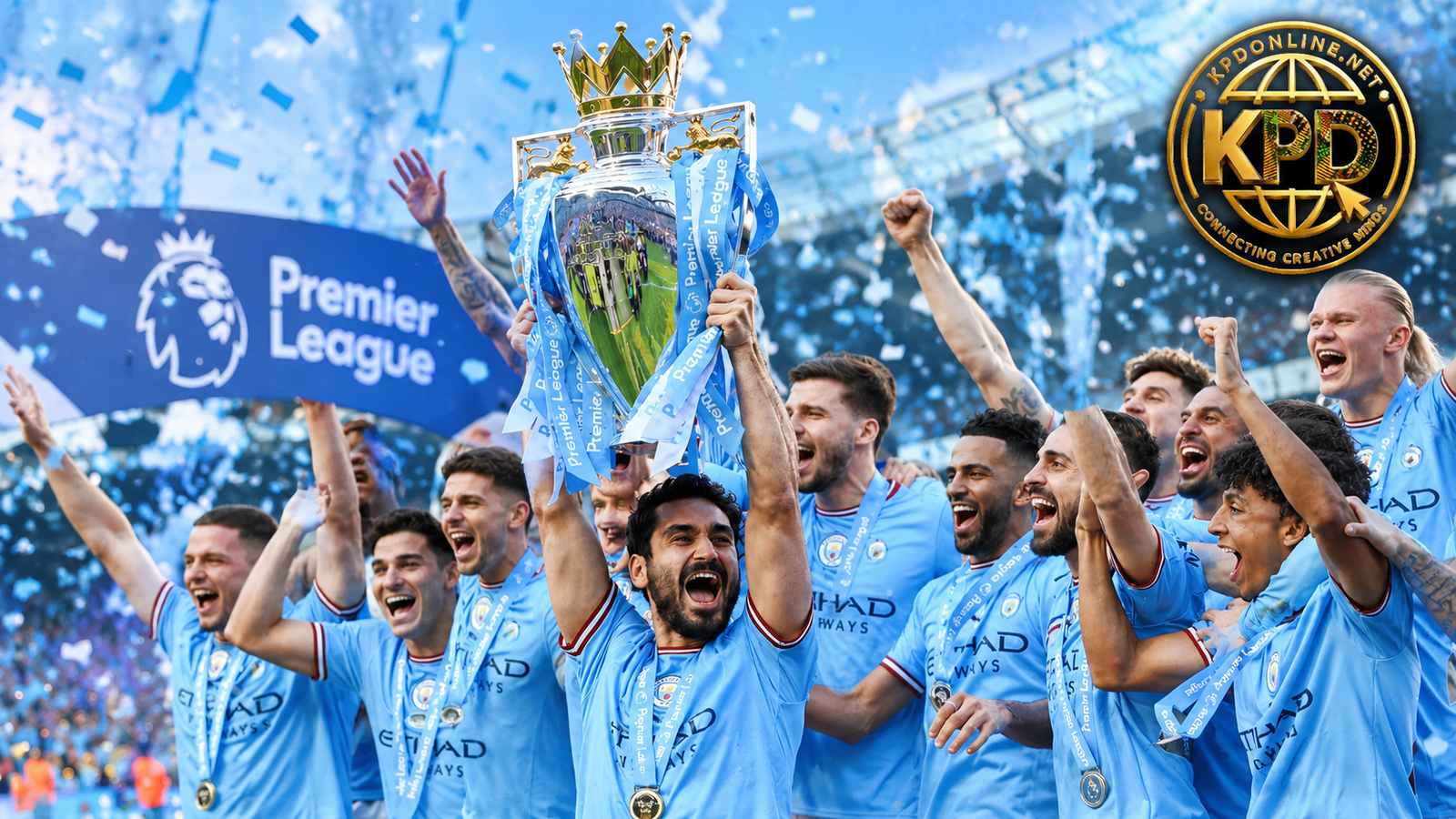
Manchester City face the next stage of a long-running Premier League financial case after reports that an independent commission upheld 114 of 115 alleged breaches.
City continue to deny wrongdoing
Manchester City have maintained throughout the proceedings that they did not commit the alleged breaches.
Following reports of the tribunal’s findings, the club said its position remained consistent with its February 2023 response and stressed that it had expected the Premier League’s process to be conducted independently and fairly.
The club is expected to appeal the findings, meaning the reported decision is not necessarily the final stage of the dispute.
Why the case has taken so long
The scale of the case is one reason the proceedings have attracted so much attention.
The Premier League referred City to an independent commission in 2023 after an investigation that had developed over several years. The formal hearing began on 16 September 2024 and concluded on 6 December 2024.
A three-person independent commission heard the case, examining a large volume of financial and contractual evidence.
The delay between the hearing and the reported findings reflects the unusually large number of allegations and the amount of evidence involved.
What penalties could Manchester City face?
No punishment has been announced.
Premier League rules give an independent commission a broad range of possible sanctions in financial-rule cases. Depending on the final findings and any subsequent appeal, potential measures can include financial penalties, points deductions, restrictions on player registration, suspension or, in the most serious circumstances, expulsion from the competition.
It would therefore be premature to say that City will receive any particular punishment.
The eventual sanction, if the findings survive an appeal, would depend on the commission’s detailed reasoning and the applicable Premier League rules.
Previous financial cases
The City proceedings are also significant because other Premier League clubs have previously received sporting penalties for financial breaches.
Everton received an aggregate eight-point deduction during the 2023-24 season following two separate Profitability and Sustainability Rules cases. Nottingham Forest received a four-point deduction in 2024 for a PSR breach.
Those cases do not establish what punishment City would receive, however. The allegations against City are considerably broader and cover a much longer period.
The UEFA case is separate
Manchester City’s current Premier League case should not be confused with an earlier UEFA financial case.
In 2020, UEFA imposed a two-year Champions League ban and a fine after finding City in breach of its financial regulations. The Court of Arbitration for Sport later overturned the European competition ban and reduced the fine, with CAS finding that many of UEFA’s allegations were either not established or were time-barred.
The current Premier League proceedings are separate and operate under Premier League rules.
What happens now?
The next major stages are expected to involve:
- Publication or disclosure of the commission’s detailed findings, subject to the confidentiality rules governing the case.
- Determination of sanctions, if the reported findings stand.
- Manchester City’s expected appeal.
- Further consideration of the case before any sporting penalties become definitive.
The appeal process means the reported findings do not necessarily mark the end of the dispute.
Independent assessment
The key distinction at this stage is between what has been reported and what has been officially published.
Multiple major outlets report that Manchester City were found guilty on 114 of the 115 charges. Reuters has independently reported those claims while noting that the Premier League has declined to comment and that City say the process remains ongoing.
Consequently, the most accurate description for now is that Manchester City have reportedly been found guilty of almost all the alleged breaches, but the legal and disciplinary process is not yet complete.
By Angel No Lie | KPD Online | 26 September 2026 | Sports
Côte d’Ivoire began its 2027 Africa Cup of Nations qualifying campaign with a 2–0 victory over Ghana in Bouaké, but the result was overshadowed by a disputed second-half penalty that Ghana coach Carlos Queiroz strongly criticised.
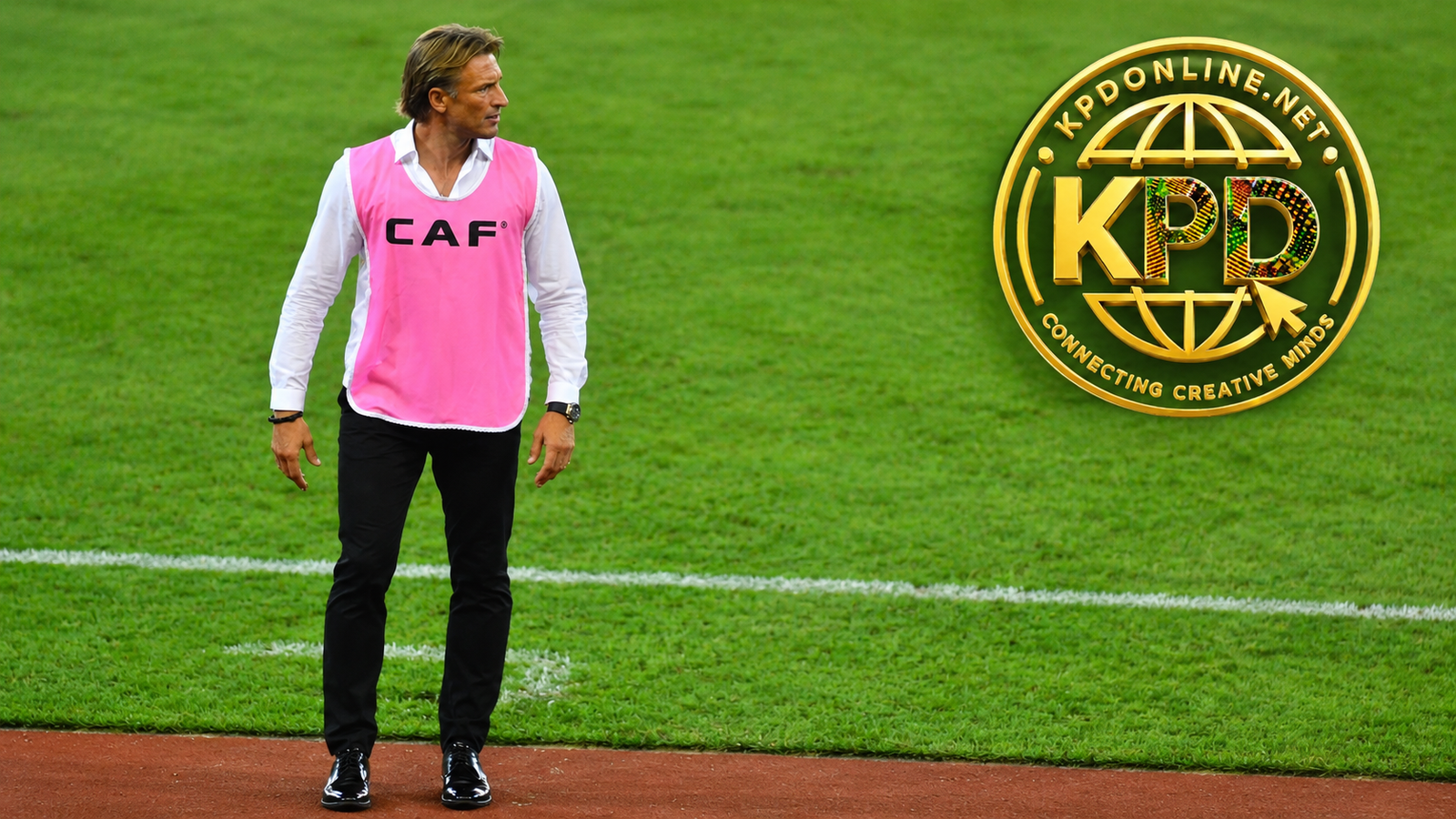
Côte d’Ivoire coach Hervé Renard subsequently declined to engage in the controversy, saying he would not respond to Queiroz’s comments.

Renard Stays Silent as Penalty Controversy Follows Côte d’Ivoire Win
Penalty becomes the main talking point
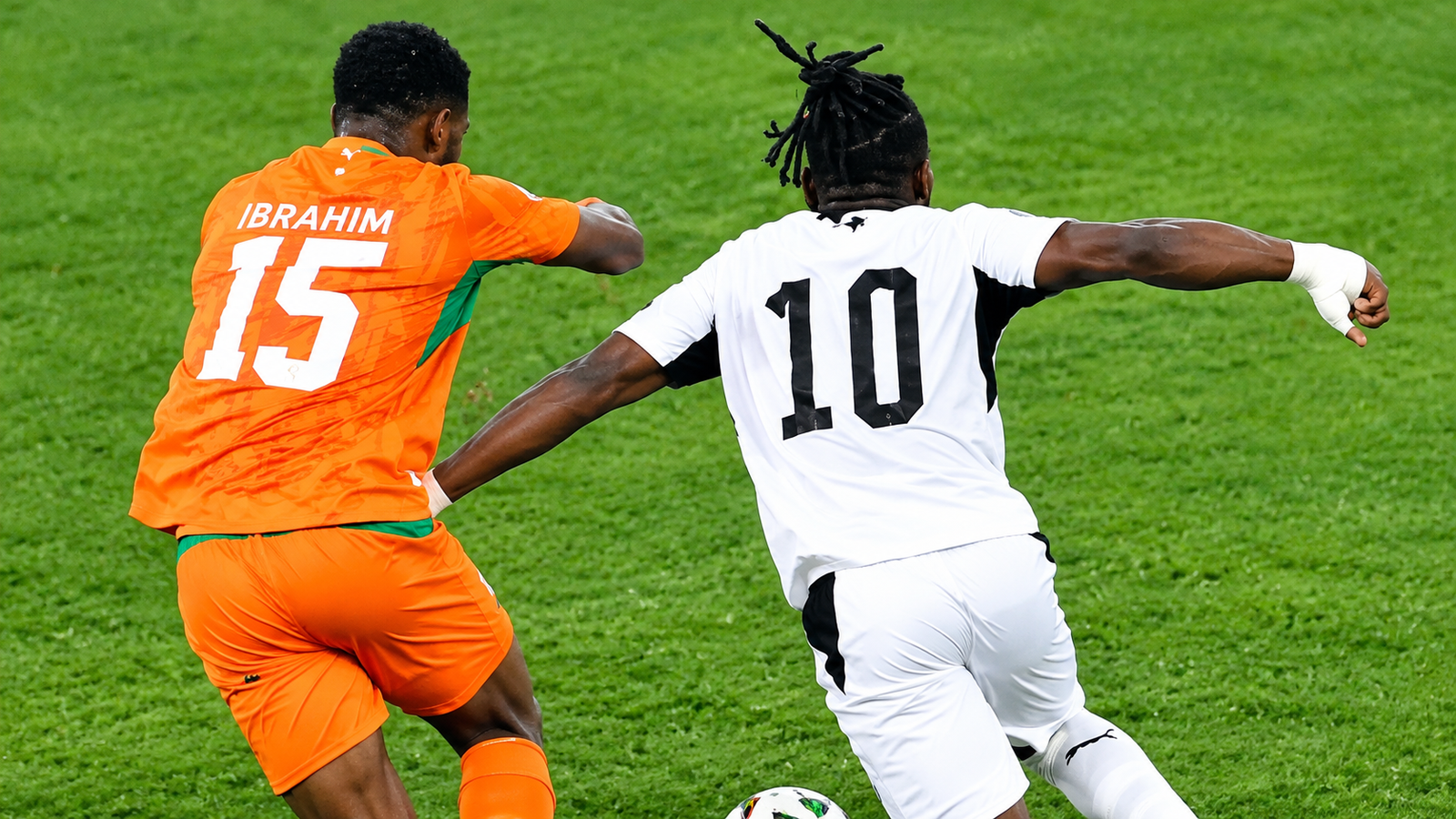
The decisive incident came in the 58th minute, when referee Mustapha Ghorbal awarded Côte d’Ivoire a penalty after Ghana’s Abdul Fatawu Issahaku challenged Malick Yalcouyé inside the penalty area.
Captain Franck Kessié converted the spot-kick to put the hosts 2–0 ahead.
Queiroz questioned the decision after the match, describing the penalty as a “joke” after seeing a replay on television. He also raised concerns about the absence of Video Assistant Referee (VAR) technology in the competition.
The Ghana coach argued that VAR could have provided additional assistance to the referee in determining whether the challenge warranted a penalty.
Queiroz Questions Penalty Decision After Ghana’s Defeat
Renard refuses to enter the argument
Renard was asked about Queiroz’s criticism after the match but chose not to respond directly.
“As for the controversy launched by the Ghanaian coach, I’m not going to respond to him.”
Instead, the Côte d’Ivoire coach focused on his team’s result and acknowledged that the performance was not perfect, particularly given the condition of the playing surface.
Renard’s position leaves the penalty debate largely between Queiroz’s interpretation and the referee’s decision on the field.

Kessié Converts From the Spot to Double Côte d’Ivoire’s Lead
How the match unfolded
The opening goal came shortly before half-time when Yalcouyé scored on his competitive debut for Côte d’Ivoire.
The Brighton striker found the net in the 44th minute with a shot from outside the box, giving the home side a 1–0 lead at the interval. Kessié’s penalty later doubled the advantage.
Côte d’Ivoire therefore collected three points in the opening round of Group C.
The CAF competition format has six group matches, with the top two teams in groups without a co-host advancing to the finals. The 2027 tournament itself will be hosted jointly by Kenya, Tanzania and Uganda from 19 June to 17 July 2027.
Ghana also questions the decision
The controversy has not been limited to Queiroz.
Fatawu Issahaku, whose challenge led to the penalty, also questioned the referee’s decision. He said his intention was to prevent Yalcouyé from shooting and disputed that he had made contact that warranted a penalty.
That means the incident has generated criticism from both the Ghana coaching staff and the player directly involved, while Côte d’Ivoire has maintained its focus on the result.
Queiroz calls for VAR
The Ghana coach’s broader criticism concerned the lack of VAR in the qualifying competition.
Queiroz argued that the technology could help reduce contentious decisions and improve confidence in refereeing decisions during major African competitions.
The question of VAR is separate from whether the specific challenge should have been penalised. A video review could potentially have provided another angle on the incident, but without VAR being available for the match, the referee’s on-field decision stood.
What the result means
The defeat leaves Ghana without a point after its opening Group C match, while Côte d’Ivoire starts its campaign with three points.
Ghana’s next qualifier is scheduled for 29 September, when the Black Stars host The Gambia in Accra. Côte d’Ivoire will continue its Group C campaign as it seeks to build on its opening victory.
Independent assessment
The penalty remains a disputed moment rather than an objectively settled controversy in the available post-match accounts. The referee awarded the spot-kick, Queiroz and Issahaku challenged the decision, while Renard declined to debate it publicly.
The clearest immediate consequence is therefore the result: Côte d’Ivoire 2–0 Ghana, with the penalty providing the main source of disagreement after the match.
By Angel No Lie | KPD Online | Football | AFCON 2027 Qualifiers | 25 September 2026
Ghana’s Black Stars opened their 2027 Africa Cup of Nations qualifying campaign with a 2–0 defeat to Côte d’Ivoire in Bouaké on Thursday, 24 September. Goals from Malick Yalcouyé and Franck Kessié gave the hosts all three points in the Group C encounter.
The result leaves Ghana without a point from its opening fixture and places additional importance on the team’s next qualifier against The Gambia in Accra on 29 September.

Black Stars Begin AFCON Campaign with Defeat
Yalcouyé and Kessié settle the contest
Côte d’Ivoire controlled significant periods of the match, while Ghana adopted a cautious approach and struggled to create sustained attacking pressure.
Malick Yalcouyé opened the scoring shortly before half-time with a powerful effort from outside the penalty area. The goal came after Ghana failed to close down the Ivorian midfielder quickly enough.
The hosts doubled their advantage in the second half when a penalty was awarded following a challenge involving Ghana winger Abdul Fatawu Issahaku and Yalcouyé. Captain Franck Kessié converted the spot kick to make it 2–0. Ghana disputed the decision, according to reports.
Ghana made several substitutions in an attempt to change the match, but the Black Stars could not produce a comeback. The Ghana Football Association reported that the team continued to push forward, with late opportunities failing to change the result.

Ghana Must Respond Against The Gambia
Black Stars player ratings
Player ratings are editorial assessments rather than official match statistics. Different publications gave players varying scores, so the figures below are based primarily on the published assessments from KPDONLINE.NET and other Ghanaian football outlets.
|
Player |
Assessment |
|---|---|
|
Lawrence Ati-Zigi |
Faced a difficult evening and was unable to prevent either goal. |
|
Kojo Oppong Peprah |
Had problems progressing the ball and dealing with Côte d’Ivoire’s wide threat. |
|
Alexander Djiku |
Provided defensive leadership and was described as one of Ghana’s more stable defenders. |
|
Jerome Opoku |
Competed well in some defensive duels but faced pressure from the Ivorian attack. |
|
Gideon Mensah |
Experienced difficulties in the first half but improved after the interval. |
|
Kwasi Sibo |
Received one of the lowest ratings from some outlets after struggling to influence midfield and close down the opening goal. |
|
Caleb Yirenkyi |
Was unable to consistently disrupt Côte d’Ivoire’s midfield control. |
|
Abdul Fatawu Issahaku |
Was isolated for long periods and conceded the penalty that led to the second goal. |
|
Christopher Bonsu Baah |
Showed energy early on but had limited attacking impact as the match progressed. |
|
Ernest Nuamah |
Ghana’s more threatening attacking player, including an effort that struck the post. |
|
Brandon Thomas-Asante |
Struggled to influence the match while operating between midfield and attack. |
|
Augustine Boakye |
Introduced from the bench and showed forward intent, but had limited time and possession to change the result. |

Yalcouyé Breaks Ghana’s Resistance Before Half-Time
Sibo’s performance attracts criticism
Kwasi Sibo was singled out by some match-rating reports for his performance in central midfield. KPDONLINE.NET gave him a rating of 2/10, while other outlets assessed him more favourably, giving him around 4/10 or 5/10.
The main criticism concerned his involvement in the build-up to Yalcouyé’s opening goal, Ghana’s difficulty retaining possession and the midfield’s inability to consistently protect the defence.
These assessments should be read in the context of a wider team performance: Côte d’Ivoire held the initiative for long stretches, and Ghana struggled to connect its midfield with the forward line.
Boakye provides energy after coming on
Augustine Boakye was introduced during the second half as Ghana searched for a way back into the game.
According to the published ratings from PapaLinc, Boakye showed attacking intent during his 26 minutes on the pitch and created promising situations. However, the limited time available and Ghana’s lack of sustained possession restricted his influence.
His introduction also reflected the coaching staff’s attempt to add creativity after Côte d’Ivoire had established a two-goal advantage.
Ghana’s attacking difficulties
The Black Stars struggled to produce clear opportunities, despite showing more attacking intent after half-time.
Ernest Nuamah came close to scoring in the first half when his effort hit the post. Later, Ghana’s substitutes attempted to add urgency, but the Ivorian defence remained sufficiently organised to protect its lead.
The defeat raises questions about Ghana’s ability to maintain possession, create chances against organised opposition and respond after conceding the first goal. These are performance areas the team will need to address before its next qualifying match.
What comes next for Ghana?
Ghana is scheduled to face The Gambia at the Accra Sports Stadium on 29 September 2026. The match provides the Black Stars with an opportunity to collect their first points in Group C, although the team will need a stronger attacking performance after the defeat in Bouaké.
The Gambia fixture is particularly significant because Ghana began the qualification campaign without a point, while Côte d’Ivoire secured an early advantage with its home victory.
Independent assessment
Ghana’s defeat was shaped by Côte d’Ivoire’s greater control of the match, two decisive moments in front of goal and the Black Stars’ limited attacking output. Sibo’s individual performance attracted criticism from some rating outlets, but the result cannot be attributed to one player alone.
The next match against The Gambia will offer a clearer indication of how Carlos Queiroz’s team responds to the setback and whether the coaching staff can improve the midfield balance and attacking coordination.
By Angel No Lie | KPD Online | September 25, 2026
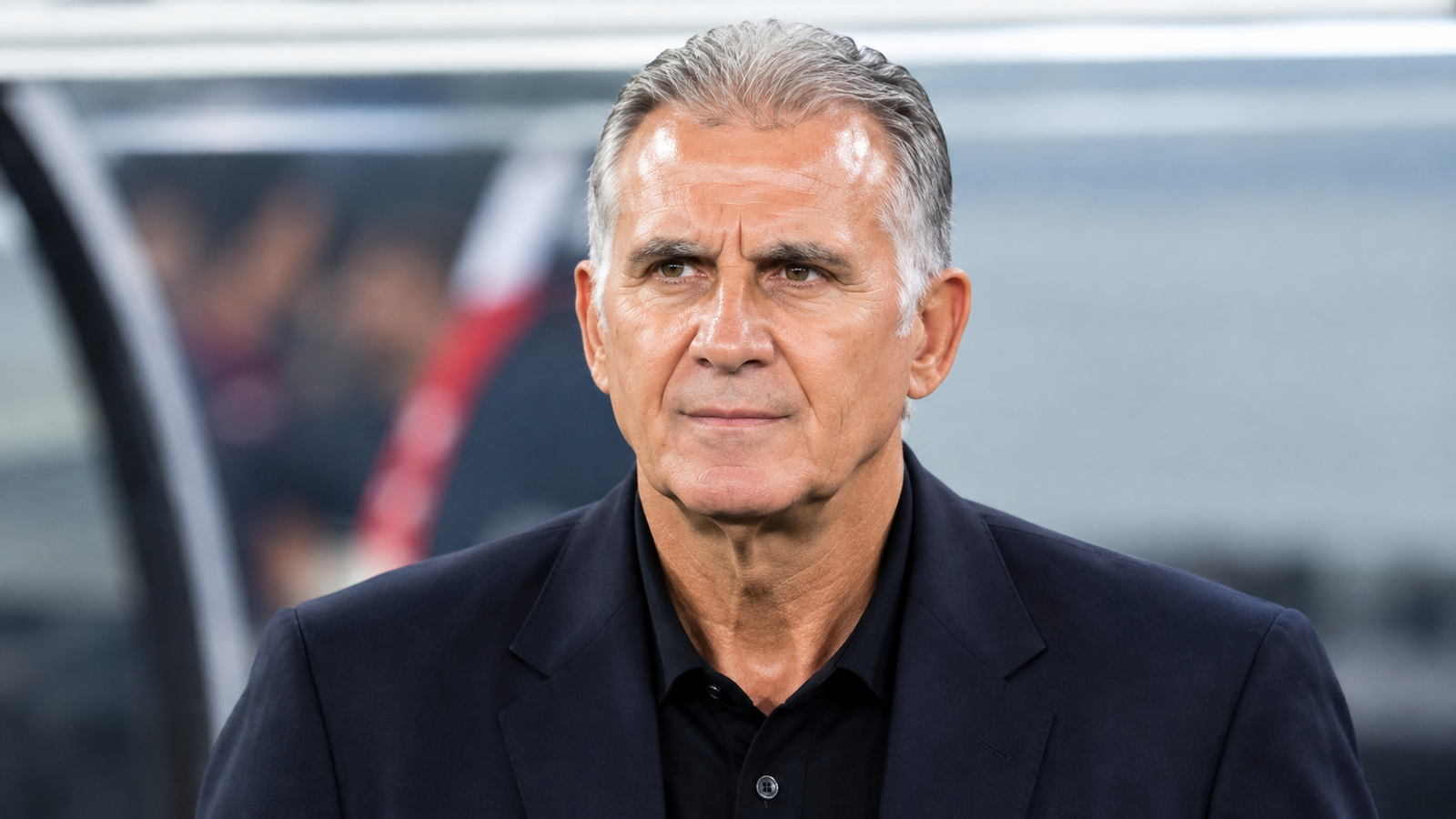
Ghana head coach Carlos Queiroz has expressed strong confidence that the Black Stars will defeat Côte d’Ivoire when the two West African rivals meet again in Accra during the 2027 Africa Cup of Nations qualifying campaign. His comments came after Ghana opened Group C with a 2–0 defeat to the Elephants in Bouaké on Thursday, 24 September.
The result gave Côte d’Ivoire an early advantage in the group, while Ghana began its qualification campaign without a point. Despite the setback, Queiroz said he expected Ghana to respond in the return fixture on home soil.
“Queiroz Backs Black Stars to Bounce Back in Accra”
Queiroz backs Ghana to level the rivalry
Speaking after the match, Queiroz said:
“When Ivory Coast comes to Ghana, with all due respect, it will be our turn to win.”
He added that, based on the head-to-head record he cited, the score between the two countries would become level after the return encounter.
“So the score, as you said now, is 16–15, right? So in a couple of months it will be 16–16. I have no doubt about that, that we are going to win that game.”
The coach’s statement was a confident prediction about a future fixture, rather than a confirmed result. The outcome will depend on the teams’ form, preparation and performance when the match is played.
“Accra Awaits Ghana’s Response in Return Fixture”
Côte d’Ivoire makes winning start
Côte d’Ivoire secured a 2–0 victory in Bouaké, with Malick Yalcouyé and Franck Kessié scoring for the hosts.
The result put Ghana at the bottom of Group C after the opening round of matches and increased the importance of the Black Stars’ upcoming fixtures.
The defeat was also Queiroz’s first competitive match since returning for a second spell as Ghana’s head coach. Ghana is seeking to qualify for the 2027 AFCON after missing the 2025 tournament in Morocco—its first absence from the finals in more than two decades, according to local reports.

“Black Stars Turn Attention to Crucial Gambia Clash”
Ghana’s immediate focus shifts to The Gambia
Before Ghana faces Côte d’Ivoire again, the Black Stars are scheduled to host The Gambia on Tuesday, 29 September, at the Accra Sports Stadium.
The fixture gives Ghana an opportunity to pursue its first points of the qualifying campaign and address the problems exposed in the opening defeat. However, the team’s position in the group will depend on results across the other matches as well.
A difficult opening against the Elephants
Reports from the match indicated that Côte d’Ivoire controlled important periods of the contest, while Ghana struggled to create sufficient attacking opportunities.
The opening defeat leaves Queiroz and his technical team with several areas to assess, including Ghana’s attacking efficiency, defensive organisation and ability to maintain control against strong opposition.
The coach’s confidence about the return leg does not remove the need for Ghana to improve its performances in the matches leading up to that encounter.
What the result means for Ghana’s qualification campaign
|
Issue |
Current position |
|---|---|
|
Competition |
2027 Africa Cup of Nations qualifiers |
|
Group |
Group C |
|
Opening result |
Côte d’Ivoire 2–0 Ghana |
|
Ghana’s points |
0 after the opening match |
|
Next fixture |
Ghana vs The Gambia |
|
Next match date |
29 September 2026 |
|
Return fixture |
Ghana vs Côte d’Ivoire in Accra, later in the campaign |
The opening result places greater importance on Ghana’s next matches. Winning against The Gambia would provide an opportunity to begin recovering from the defeat, although the overall qualification picture will develop over several rounds.
Independent assessment
Queiroz’s remarks communicate confidence and are intended to reassure supporters after a disappointing start. Nevertheless, his prediction should be distinguished from the confirmed facts: Côte d’Ivoire won the first meeting 2–0, Ghana has yet to collect a point in Group C, and the return fixture remains in the future.
Ghana’s immediate challenge is to secure a positive result against The Gambia while using the intervening period to improve before facing Côte d’Ivoire again.

Ghana’s AFCON 2027 Campaign Faces Early Test After Gambia’s Victory

Manchester City Facing Major Fallout as Reports Say 114 of 115 Charges Were Upheld

Renard Keeps His Distance as Penalty Dispute Follows Côte d’Ivoire’s Win Over Ghana



-

 General News2 weeks ago
GTA Cash Reserves Halve to GH¢640,000 Despite Improved Liquidity Ratio
-

 General News2 weeks ago
GTA’s Financial Strength Weakens Despite 2025 Tourism Activities
-
 General News2 weeks ago
Creative Arts Agency Records GH¢2.01m Revenue in FY2025 Despite Financial Reporting Gaps
-

 Culinary2 weeks ago
Oranges: More Than Just Juice — The Nutritious Fruit Adding Flavour to Ghanaian Life
-
Culinary5 days ago
Kofi Brokeman: The Simple Ghanaian Snack That Has Stood the Test of Time
-
 General News5 days ago
Two political parties, one lesson: Afuntummireku and Tikro Nkɔ Agyina for Ghana
-
 General News1 week ago
Bost Energies Made GH¢684 Million Profit: Why Use The NPA Bill, 2026 To Weaken Its Operations?
-
General News2 weeks ago
GTA’s Income Falls 18.6% as Government Funding Slumps