
Entertainment
Beatchain deepens emerging market presence with West African launch of WAVVI in partnership with Tom Russell & Y’akoto, Founders of AFROSON1C X


Beatchain, the AI-driven A&R, artist and label services platform for the independent music sector, is expanding into West Africa through a collaboration with British music entrepreneur Tom Russell & artist Y’akoto – Founders of AFROSON1C X – the music, technology and arts platform for the region. The collaboration will see the launch of WAVVI – a data-powered artist discovery and services platform aimed at deepening the infrastructure of West Africa’s music ecosystem.

Starting in Ghana, with expansion plans for Nigeria and beyond, WAVVI will provide artists, labels, A&Rs and music companies with the tools, insights and market access to connect talent from the region with global opportunities.

BenMendoza_CEO_Beatchain.jpg
The platform builds on Beatchain’s proven white label technology already in use in other fast-growing music markets such as India, bringing scalable solutions to a region with enormous creative potential and rising international influence. The news comes one year after Beatchain’s successful launch of Muzartdisco, in partnership with Radio City India, which has seen more than 20,000 artist sign-ups to date and opportunities for local acts to tour and perform in the UK.
Data-powered talent discovery
WAVVI allows artists to release music to streaming services, run targeted ad campaigns powered by AI, track performance and audience analytics from streaming and social media, and mix and master their tracks using smart tools that reduce costs and enhance sound quality. Its gamified leaderboard offers structured development pathways for talent, with top performers earning rewards such as distribution credits, professional production support or opportunities to perform on international stages.
To meet the specific needs of the West African market, WAVVI will offer locally tailored services. Emerging artists with limited resources who meet certain criteria can distribute one single per month for free, while royalty payments will be made through mobile money wallets – with over 356 million mobile money accounts in West Africa, the fastest adoption rate globally (GSMA).
For labels, A&Rs and music companies, WAVVI’s data-driven discovery and refined filtering tools make it easier to identify and engage with new artists, reflecting the diversity and abundance of talent across the West African region.
Ben Mendoza, CEO of Beatchain, added: “WAVVI marks another major step for Beatchain as we establish ourselves as the technology platform of choice for music industry partners in exciting, high growth music markets. West Africa has the talent, the audiences and the momentum – our job is to provide the technology and the infrastructure to connect them to the world. Working alongside Tom Russell & Y’akoto from AFROSON1C X, we are delivering a platform tailored to the region’s unique needs, engaging artists locally, empowering them and strengthening the broader local music ecosystem.”
“With much of the music industry’s future growth expected to come from emerging markets, the opportunity for local talent, global partners and future investors is incredibly exciting. Our move into West Africa is a further demonstration of the successful implementation of our expansion strategy into these markets and we look forward to accelerating this over the medium term, as we prepare to open our next investment round.”
Tom Russell, Co-Founder of WAVVI and AFROSON1C X, said: “West Africa is bursting with talent, but artists here don’t often have enough access to the networks and infrastructure needed to build a sustainable career in the music business – the systems to support them aren’t in place yet. With WAVVI, we’re introducing critical tools, structure and opportunities to help reach global audiences, while also laying the foundations for a stronger, fairer, more connected West African music industry. AFROSON1C X supports the same mission locally, as part of its own wider programme.”
According to the International Federation of the Phonographic Industry (IFPI), Sub-Saharan Africa – including West Africa – was the second fastest growing recorded music market globally in 2024 (+22.6%), driven by both local consumption and export success. Global recognition for artists like Rema, Tems, Burna Boy and Wizkid have helped garner international attention for the region.
Alongside WAVVI and other industry partners, AFROSON1C X is advancing its own initiatives to support the regional ecosystem, including the AFROSON1C X Festival and Industry Conference in Accra in January 2026 – a two-day event designed to showcase new talent and foster industry connections between West Africa and the global music industry. The inaugural edition will feature Nigerian duo The Cavemen as headliners. Plans are also underway for the AFROSON1C X Academy, a permanent education hub offering music and tech courses, a recording studio and partnerships with local and international institutions to support long-term artist development.

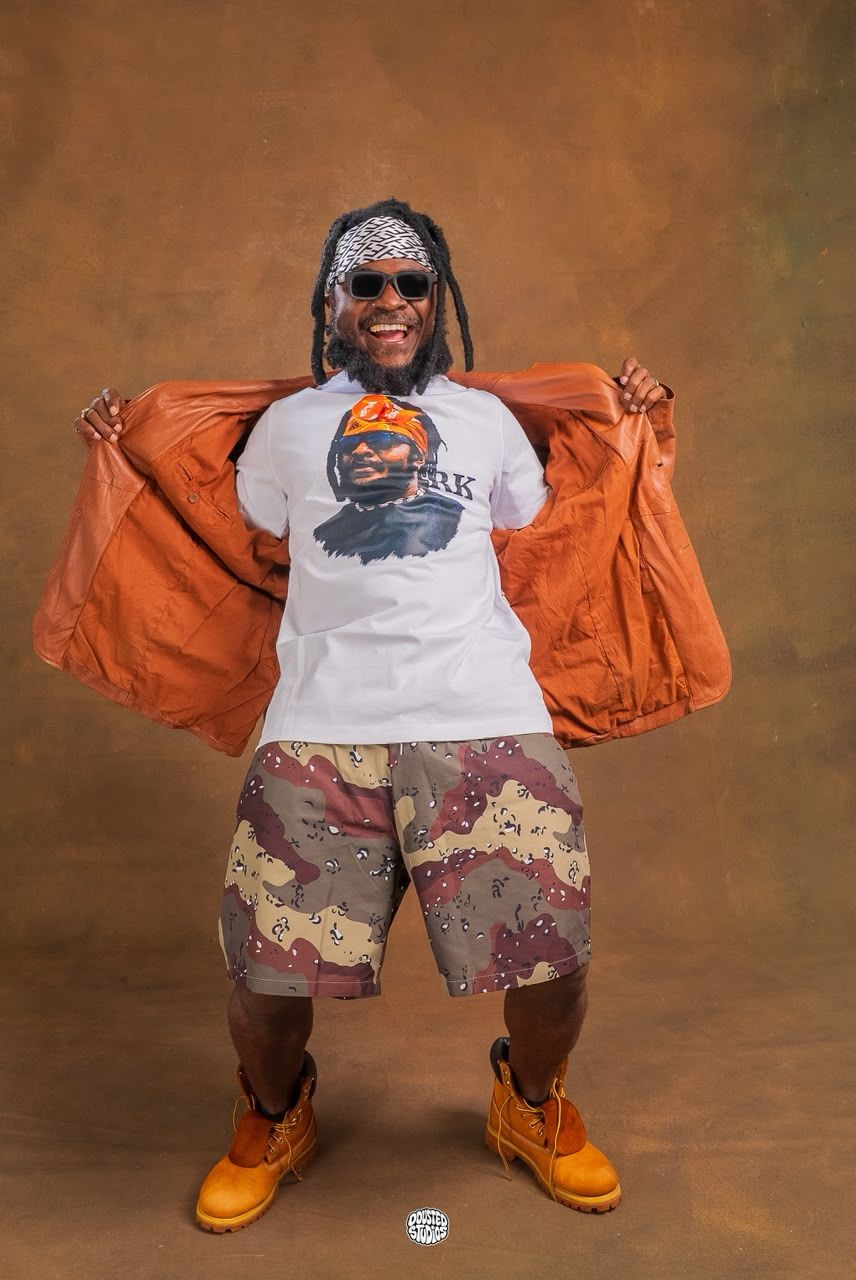
Ghanaian reggae musician Ras Kuuku has revealed that he is not attracted to white women despite claims that some of them show interest in him because of his Rastafarian identity.
The reggae artiste, speaking in an interview with Nana Romeo on Okay FM, said his decision has nothing to do with his dreadlocks or appearance, explaining that he did not grow his Rasta hairstyle to attract white women.
According to Ras Kuuku, although he receives attention from white women, including through social media, he has chosen not to pursue relationships with them.
“I don’t like white women. I hear they like Rastafarians, but I didn’t grow my Rasta because of them. I don’t even want to have a white child. We are on different sides, and I want it to remain that way,” he said.
The Ghanaian reggae musician added that his position is influenced by his personal interpretation of biblical teachings, stating that he does not support interracial relationships.
Beyond his views on relationships, Ras Kuuku also shared his thoughts about travelling and living abroad.
The musician said Ghana remains a special place for him because of the freedom, weather conditions, and lifestyle the country offers.
He explained that whenever he travels outside Ghana, he misses the country’s environment and social atmosphere.
“What makes me miss Ghana whenever I travel is the freedom here. Outside, the laws are too strict. If not for the fact that their systems work, many people wouldn’t want to stay there,” he stated.
Ras Kuuku further described extreme weather conditions abroad as uncomfortable, noting that both cold and hot seasons can be difficult to endure.
He said Africa is blessed with favourable weather, which is one of the reasons he always looks forward to returning home after international trips.
The reggae artiste concluded that despite the advantages of developed countries, Ghana’s freedom, climate, and way of life remain among the things he values most.

Osebo Cautions Mourners Over Bottled Water: Ghanaian fashion entrepreneur and prominent Kristo Asafo Mission member, Osebo the Zaraman, has advised mourners attending the final funeral rites of the late Apostle Kwadwo Safo Kantanka to exercise caution before drinking bottled water served at the event.
Speaking at the funeral grounds in Gomoa Mpota in the Central Region, Osebo demonstrated what he described as a simple method for determining whether bottled water is safe to drink.
According to him, mourners should first squeeze the bottle before opening it.
He explained that if the bottle compresses easily, it should be discarded. However, if it remains firm and does not collapse, people should still clean the mouth of the bottle with a clean handkerchief before drinking.
“If you’re given bottled water to drink, squeeze the bottle first. If it compresses easily, throw it away. If it doesn’t, clean the mouth of the bottle before drinking it because some people are cobras,” Osebo said.
His remarks drew attention from mourners gathered at the funeral as thousands continue to pay their last respects to the renowned inventor, industrialist and founder of the Kristo Asafo Mission.
Funeral Continues Despite Court Injunction
The final funeral rites of Apostle Kwadwo Safo Kantanka are currently underway at Gomoa Mpota despite a 10-day interim injunction issued by the Accra High Court.
The court order, granted on July 29, 2026, temporarily restrains former Dome-Kwabenya Member of Parliament Sarah Adwoa Safo from proceeding with the funeral arrangements until a legal dispute before the court is resolved.
The injunction followed objections raised by Nana Kwadwo Safo Akofena I, who described the announced burial date as “null and void” due to unresolved disagreements surrounding the funeral arrangements. He indicated that a new burial date would be announced after the legal issues are settled.
Despite the court order, preparations at the funeral venue have continued, with friends, relatives, members of the Kristo Asafo Mission and sympathisers arriving in large numbers, many travelling in chartered buses to honour the late spiritual leader.
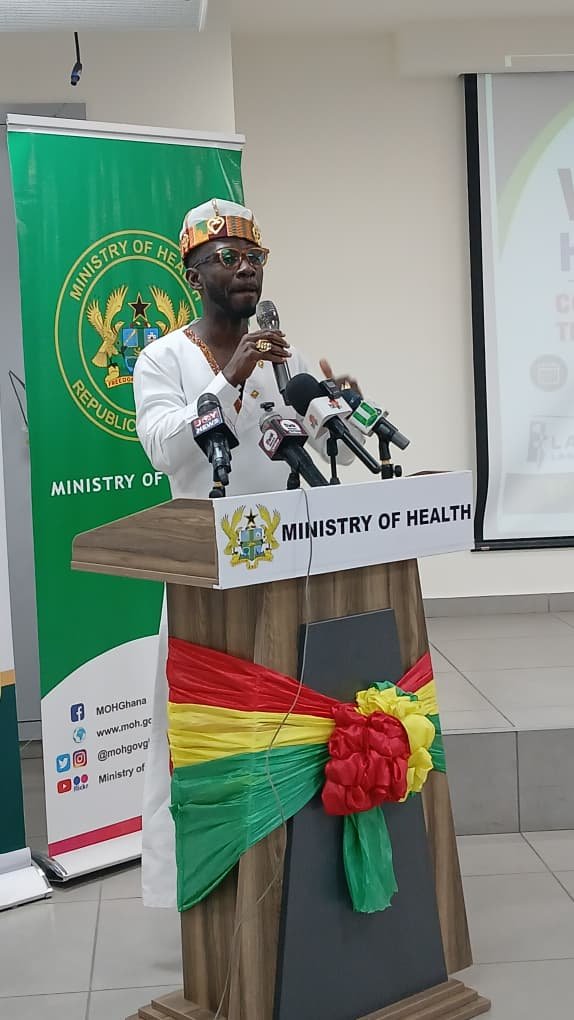
Okyeame Kwame’s ” No Hep” song has been released by Ghanaian rapper and National Hepatitis Ambassador, Okyeame Kwame, as part of efforts to support the country’s campaign to eliminate viral hepatitis.
The new song, titled “No Hep,” is aimed at raising awareness, encouraging Ghanaians to get tested, reducing stigma, and promoting vaccination against hepatitis.
Speaking during an interview on World Hepatitis Day, Okyeame Kwame, popularly known as “The Rap Doctor,” explained that he chose music as a tool because of its ability to reach a wider audience and communicate health messages effectively.
According to him, the Okyeame Kwame No Hep song will help make hepatitis education more relatable and easier for people to understand.
“I made this song because I want to help the ministry promote the elimination of hepatitis from Ghana. Music has the power to drive messages home quickly. If people begin singing ‘No Hep, no more,’ they will be encouraged to go for testing, and the stigma around the disease will reduce,” he said.
The musician revealed that the song will be available on digital platforms including YouTube, Facebook, Spotify, and other major streaming services, while radio stations across the country will also broadcast it to reach more Ghanaians.
Okyeame Kwame also shared that his involvement in hepatitis advocacy started over two decades ago when he discovered the high cost of hepatitis B testing and vaccination while preparing for marriage.
He explained that the situation motivated him to establish an initiative that provided free hepatitis testing to help people access important health services.
The rapper expressed optimism about the progress Ghana has made in the fight against hepatitis, noting that treatment costs have reduced significantly compared to previous years.
He highlighted that hepatitis C medication is now available for free in Ghana, while testing services have also become more accessible.
As part of activities marking World Hepatitis Day, Okyeame Kwame encouraged Ghanaians to take personal responsibility by getting tested, receiving vaccination when necessary, and seeking medical attention if they test positive.
He believes that increased awareness, early detection, and access to treatment will help Ghana achieve its goal of eliminating viral hepatitis in the coming years.
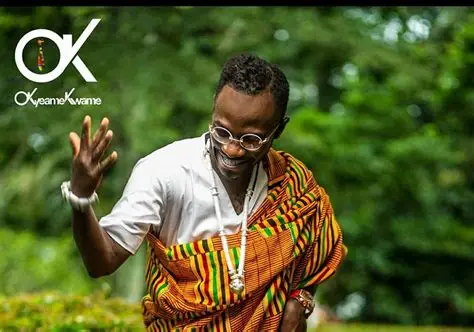
Ghanaian musician Okyeame Kwame has been appointed as the Ghana Health Service Ambassador to support the country’s national campaign against hepatitis.
The appointment forms part of efforts by the Ghana Health Service (GHS) to strengthen public awareness about hepatitis, encourage preventive measures, and educate Ghanaians on the dangers of the disease. As one of Ghana’s most influential entertainers, Okyeame Kwame is expected to use his platform to reach millions of people with life-saving health messages.
The Okyeame Kwame Ghana Health Service Ambassador initiative seeks to increase public understanding of hepatitis, promote regular screening, and encourage early diagnosis and treatment. Health experts believe that greater public engagement is essential to reducing the burden of hepatitis and preventing avoidable deaths.
According to the Ghana Health Service, effective public education remains one of the strongest tools in the fight against hepatitis. By partnering with respected public figures like Okyeame Kwame, the service hopes to inspire more people to seek testing, vaccination where applicable, and timely medical care.
Okyeame Kwame has built a strong reputation for supporting public health campaigns over the years, making him a suitable choice to champion the fight against hepatitis in Ghana. His appointment is expected to strengthen nationwide advocacy efforts and encourage more communities to participate in hepatitis prevention initiatives.
Health authorities continue to urge Ghanaians to learn about hepatitis, get tested, and seek professional medical advice when necessary, stressing that early detection significantly improves treatment outcomes.
Video credit@ChannelOne Tv

American Citizenship Does Not Shield Ken Ofori-Atta From Extradition to Ghana – Attorney General

Jospong Group Invests In Future: 118 AAC-RUDN Scholars Return From Russia To Boost Food Security, Waste Management and Sustainable Development.

Attorney General to challenge Sedina Tamakloe Acquittal at Supreme Court After Court of Appeal Ruling



-

 General News1 week ago
Dr. Charles Dwamena Sues Hubtel for GH¢5 Million Over Alleged Campaign USSD Sabotage
-

 Entertainment1 week ago
DJ K.A Apologises Over Viral Video, Says It Was Recorded Four Years Ago
-

 General News2 weeks ago
Okatakyie Afrifa Granted GH¢100,000 Bail Over Alleged Disruption of NPP Constituency Elections
-
 Entertainment4 days ago
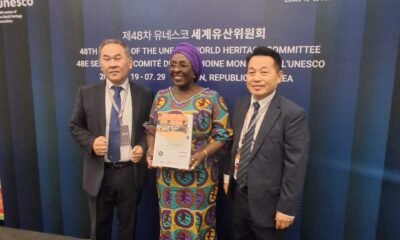
Ghana Secures $3.5 Million UNESCO Heritage Support During Tourism Minister’s South Korea Visit
-

 General News1 week ago
Chairman Wontumi Sentenced to 20 Years in Prison Over Illegal Mining
-

 Entertainment1 week ago
“Hits Rule Everything Now” — Perez Musik Says Legends Like Bob Marley Would Face Challenges Today
-
 General News1 day ago
CLOSSAG Elections in Dambai: Tension Mounts Over Candidate Disqualifications
-

 General News3 days ago
EOCO Declares Emmanuel Ababio Wanted Over Alleged Fraud