
Entertainment
Fancy Gadam Reveals How Ibrahim Mahama Helped Make His Accra Concert a Success


Ghanaian musician Fancy Gadam has shared the unexpected story of how businessman Ibrahim Mahama became a strong supporter of his music career and later helped finance one of his major concerts in Accra.
According to the Tamale-based artiste, his relationship with the businessman began after a chance encounter involving Ibrahim Mahama and President John Dramani Mahama.
Speaking in an interview with 3Music on August 26, 2026, Fancy Gadam recalled that he was travelling in a vehicle when he spotted Ibrahim Mahama and President Mahama in another vehicle surrounded by a large crowd.
He said the heavy presence of people around the two men forced their vehicle to stop.
“We were in a car when I saw Ibrahim Mahama and President Mahama, and because the crowd there was too much, they had to park.”
Fancy Gadam said the real surprise came later when he returned home, and his brother informed him that Ibrahim Mahama was on the phone and wanted to speak with him.
The musician initially thought his brother was joking and even asked him to stop disturbing him. He was, however, surprised to discover that Ibrahim Mahama was genuinely on the line.
“When I went home, my brother came to me and said Ibrahim Mahama was on the line and he wanted to talk to me. I thought he was joking with me, so I asked him to leave my sight. To my surprise, it was really him.”
Fancy Gadam explained that during their first conversation, Ibrahim Mahama praised his work and encouraged him to continue with what he was doing. That interaction, he said, marked the beginning of a close relationship between the two.
“When I answered, he said ‘Mr President’, and I also said, ‘ Boss ‘. He then told me that I was doing well. Because of that, I built a good relationship with him.”
The businessman later demonstrated his support in a more tangible way when Fancy Gadam travelled to Accra to organise a concert at the National Theatre.
Fancy Gadam said Ibrahim Mahama had previously asked him to contact him whenever he visited Accra, so he decided to meet him while making preparations for the concert.
“When I booked the venue, I came to Accra. He initially told me that anytime I come to Accra, I should look for him, so I went to see him.”
According to the musician, Ibrahim Mahama asked what had brought him to Accra. Fancy Gadam explained that he was in the capital to organise a concert at the National Theatre and disclosed the financial commitments involved in staging the event.
The businessman then offered to assist with the expenses.
“He asked me what I was doing in Accra, and I told him we were there to do a concert at the National Theatre. He asked how much the venue was; he wanted to help.”
Fancy Gadam revealed that Ibrahim Mahama eventually paid for the National Theatre venue as well as the sound equipment required for the concert.
The artiste said the financial backing contributed significantly to the successful staging of the event, which eventually attracted a full house.
“He paid for the venue and sound as well. Then we had a sold-out concert.”
Fancy Gadam’s revelation provides insight into the personal relationship he developed with Ibrahim Mahama and the businessman’s contribution to one of the musician’s major performances in Accra.

Ghanaian rapper Medikal has opened up about the financial difficulties associated with organising major concerts for Ghanaian artistes outside the country, explaining that many musicians often make little or no profit from such events.
According to the rapper, some artistes are willing to take financial losses because their main objective is to promote Ghanaian music internationally, increase their visibility and strengthen their connection with audiences abroad.
Medikal made the comments in a TikTok video amid discussions surrounding Stonebwoy’s BHIM Festival, which was held at the 12,500-capacity OVO Arena Wembley in London on August 15, 2026.
He urged Ghanaians to appreciate the effort and financial commitment involved in staging major concerts in international markets, noting that such events are not always organised purely for profit.
Medikal said many people in Ghana may not fully understand the amount of work and money artistes invest in international shows.
“Don’t stress yourself too much. In Ghana, people don’t comprehend a lot of things because so many artistes are doing a lot of big things. Most of the artistes don’t even have to do what they are doing.”
He explained that after the various expenses involved in organising a major concert, artistes may end up with little or nothing.
“Most of the artistes don’t make anything from the shows. Everything goes back to the label. So, if individual artistes like myself, Shatta Wale and Stonebwoy host such shows, it’s not easy.”
The rapper said the success of Ghanaian artistes in international markets should therefore be viewed beyond the immediate financial returns.
“So, you have to appreciate it when we do such shows. It’s not even easy to break through in the part of the world where we find ourselves.”
Medikal also shared his personal experience to demonstrate the financial risks involved in staging concerts abroad.
He recalled organising his O2 Indigo concert in London about two years ago, saying the event attracted a large crowd, with some people reportedly unable to gain entry because of the turnout.
“Two years ago, I did O2 Indigo. I don’t even remember the capacity, but a lot of people from London came, and they couldn’t even enter.”
Despite the strong attendance, Medikal said the concert did not result in the huge financial gain many people assumed he had made.
According to him, he actually suffered a loss from the event, despite the perception that a successful concert in the United Kingdom automatically translates into significant profits.
“The idea people were spreading was that I had staged a show in the UK and made money. I ran into a loss. These shows are just bragging rights.”
His comments highlight the financial sacrifices some Ghanaian musicians make to stage large-scale concerts abroad.
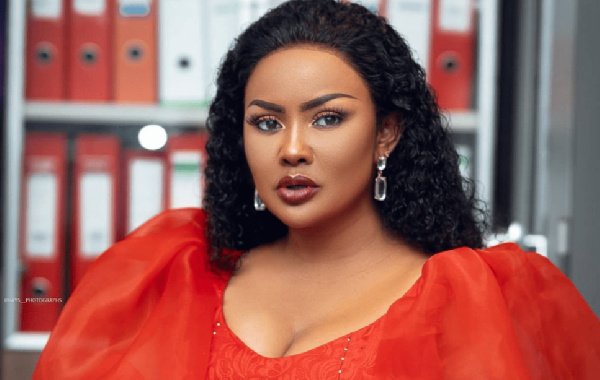
Ghanaian actress and media personality Nana Ama McBrown has expressed deep appreciation to dancehall star Shatta Wale for his significant role in promoting her latest movie, Ama, across his social media platforms.
Speaking on Fakye TV, McBrown revealed that Shatta Wale’s social media posts gave the movie a major boost, helping it trend and attract widespread public attention.
“Shatta Wale was the reason my AMA movie was trending everywhere after he made that tweet and a post on Facebook. I know he loves me, and I will reciprocate that love anytime he needs me,” Nana Ama McBrown said.
According to McBrown, Shatta Wale’s decision to publicly promote the movie demonstrated genuine love and support for her work. She described his gesture as an important example of solidarity among Ghanaian creatives.
The actress noted that their relationship goes beyond mere friendship, stressing that it is built on mutual respect, affection and a shared commitment to supporting Ghana’s entertainment industry.
McBrown’s comments highlight the growing importance of collaboration between different sectors of Ghana’s creative industry. While Ama is a film project, Shatta Wale’s influence as a musician and social media personality helped expose the production to a wider audience.
His promotion also demonstrated how entertainers can use their individual platforms and influence to support one another’s projects, regardless of whether they operate in music, film or television.
McBrown further indicated that she is equally willing to return the favour whenever Shatta Wale requires her support, making it clear that she values the relationship and the support he has shown her.
The actress’ appreciation comes as Ama continues to attract attention, with her remarks drawing attention to the powerful impact that cross-industry collaborations can have on Ghanaian entertainment.
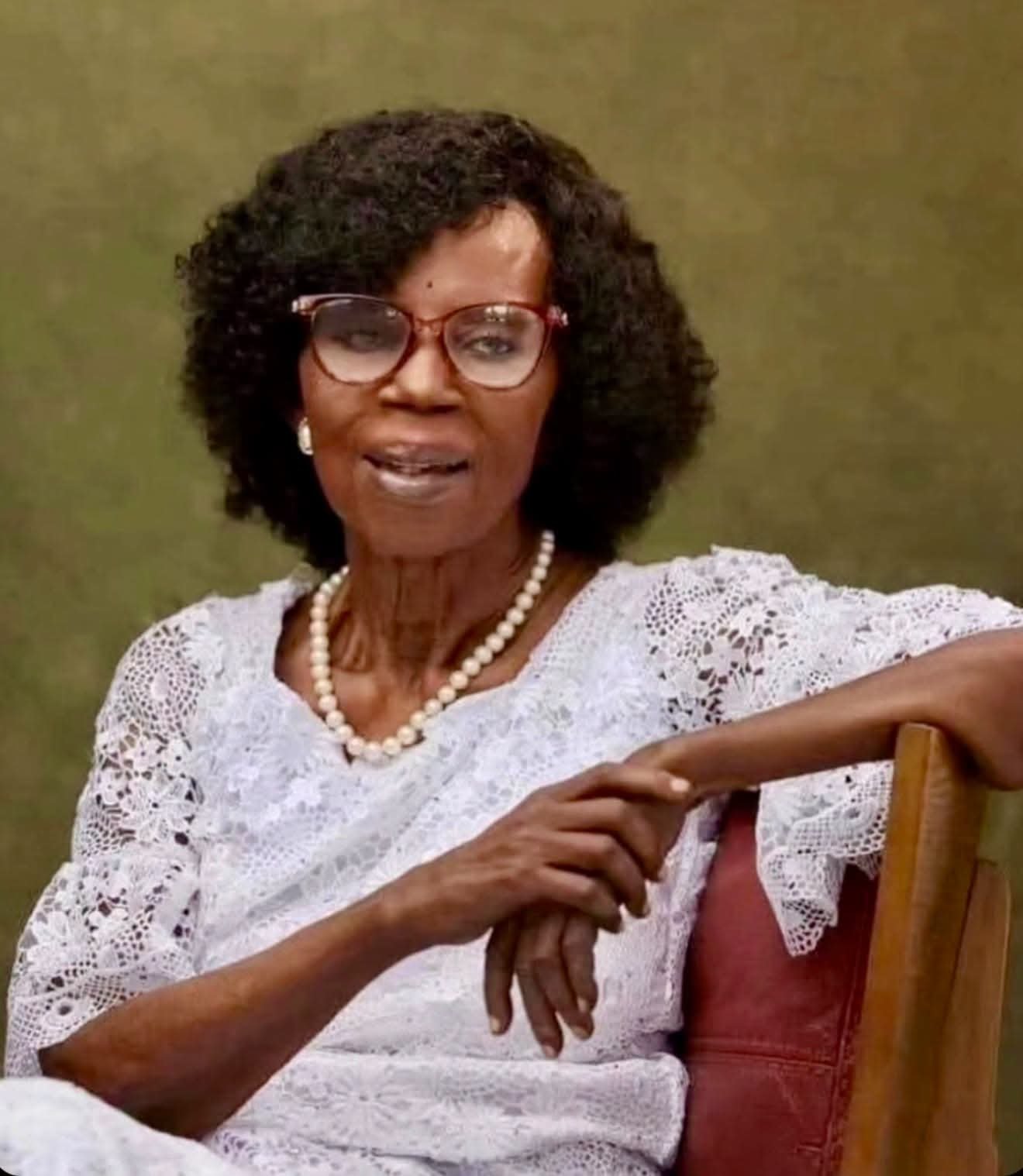
Tributes have poured in following the passing of legendary Ghanaian actress Grace Nortey, with personalities from Ghana’s entertainment industry and political space describing her as a remarkable talent, cultural icon, mentor and trailblazer.
Grace Nortey, who was 89, is being remembered for a career spanning more than five decades and her significant contribution to Ghana’s film, television and theatre industry.
Mawuli Atatsi – “A loss for Mother Earth, a gain for the Heavenly Theatre”
Reacting to the news, Mawuli Atatsi G.M.C.Y described the death of Grace Nortey as a great loss to the world but a gain to the heavenly theatre.
“Another legendary screen goddess is gone. A loss for Mother Earth, a gain for the Heavenly Theatre. Rest well, Madam Grace Nortey.”
Afia Drah – “She was such a gracious woman”
Veteran actress Afia Drah shared a personal memory of Grace Nortey, revealing that the late actress was part of the cast in her student television production 19 years ago.
She described Nortey as a wonderful woman whose kindness and professionalism left her with a lasting memory.
“Grace Nortey was such a gracious woman. She was part of the cast in my student TV production 19 years ago. Such a wonderful woman, and a memory I will always cherish. Rest in Peace, Ma’am.”
Miss Lankai – “A true gem in the movie industry”
Miss Lankai described Grace Nortey as a true gem in the Ghanaian movie industry and praised her for being articulate and exceptionally talented.
“Madam Grace Nortey was a true gem in the movie industry. She was very articulate and known for her great acting talent. I am saddened to hear she has passed on. A legend. A true icon. Rest in peace, Madam Grace Nortey.”
Catherine Antwi Boasiako – “Her talent and contributions will forever speak for her”
Catherine Antwi Boasiako (CAB) said Grace Nortey’s contribution to Ghana’s film industry would continue to speak for her long after her death.
“Madam Grace Nortey owes us nothing. Her talent and contributions to the Ghanaian film space will forever speak for her. Peaceful rest to the icon, and my deepest condolences to her family and loved ones.”
Dr Mahamudu Bawumia – “A true trailblazer and cultural icon”
Former Vice President Dr Mahamudu Bawumia expressed deep sadness over the actress’s passing, describing her as a trailblazer and cultural icon.
He highlighted her more than five decades of work and her impact on young women in Ghana’s creative arts.
“I have learnt with deep sadness of the passing of legendary Ghanaian actress, Grace Nortey.”
He added:
“Madam Grace Nortey was a true trailblazer and cultural icon whose illustrious career, spanning over five decades, brought joy to homes and inspired many young women in the creative arts.”
Dr Bawumia said he and his wife, Hajia Samira Bawumia, extend their heartfelt condolences to Grace Nortey’s family, loved ones and the entire creative arts fraternity.
“May her soul rest in perfect peace.”
Jackie Appiah – “A woman who defined acting”
Actress Jackie Appiah also mourned Grace Nortey, describing her as a woman who played an important role in defining acting and mentoring people within Ghana’s creative industry.
“My condolences to the family of Madam Grace Nortey. A woman who defined acting and mentored many in the creative industry.”
Jackie Appiah further acknowledged Nortey’s influence on younger creatives.
“Today, many of us have a reason to believe in what we do, thanks to her work, creativity, and impact.”
She concluded her tribute with a prayer for the late actress.
“It is my prayer that the Good Lord receives her soul and grants her eternal rest.”
Kenneth Awotwe Darko – “Celebrated veteran actress has passed”
Journalist Kenneth Awotwe Darko announced the death of Grace Nortey, describing her as a celebrated veteran actress.
“Breaking: Celebrated veteran actress Grace Nortey has passed on at 89. May her soul rest in peace.”
Hajia Ba Kofi – “Your film was the last film you were going to feature in”
Hajia Ba Kofi shared one of the most emotional tributes, revealing that Grace Nortey’s final film appearance was in her production.
She said she felt honoured when she was informed that the film would be Nortey’s last acting role.
“It was such an honour when I was told that my film was the last film you were going to feature in, in your career.”
Hajia Ba Kofi also revealed that Grace Nortey had lost her sight but that the production team worked around her condition to ensure audiences would not notice.
“Even though you’d gone blind, we worked out your movements and directions so that the audience wouldn’t detect.”
She described Nortey as a legend and expressed her enduring love for her.
“You are a legend and I will always love you. RIP.”
Bridget Otoo – “Legendary Actor”
Media personality Bridget Otoo paid tribute to the veteran actress with a brief message acknowledging her legendary status.
“Rip Grace Nortey. Legendary Actor.”
KANI – “Thank you so much for your service”
Actor KANI mourned Grace Nortey and expressed gratitude for her contribution to the industry.
“Rest in peace Auntie Grace … Thank you so much for your service.”
Ama K. Abebrese – “Thank you for inspiring me”
Actress Ama K. Abebrese also paid tribute to Grace Nortey, acknowledging the inspiration she provided to her and many others.
“Rest In Peace to legendary Ghanaian actress Grace Nortey. Thank you for inspiring me and so many.”
She accompanied her tribute with prayers for the late actress.
Alexander Afenyo-Markin – “Grace Nortey lived with grace”
Former Minority Leader Alexander Afenyo-Markin described Grace Nortey as a remarkable thespian and said he was deeply saddened by her passing.
“Grace Nortey was a remarkable thespian, and as a lover and appreciator of the arts, I am deeply saddened by her passing.”
Afenyo-Markin used his tribute to highlight the importance of artists to society.
“Artists are among the most important people in our country. They make us laugh, entertain us, educate us and help us understand ourselves.”
He added that artists give a great deal of themselves to society and that their impact should never be taken for granted.
“They give so much of themselves to us, and we must never take their impact on our lives for granted.”
Reflecting on Nortey’s personality, he said:
“Grace Nortey lived, just as her name suggests, with grace.”
Afenyo-Markin also recalled watching her on television when he was young, particularly in the motherly roles she frequently portrayed.
“When I was young, she often played a motherly figure, and I was naturally drawn to her because of that. In many ways, she became a mother to us all.”
He praised her ability to make films meaningful and relatable.
“She made film meaningful and relatable, allowing us to see ourselves in the stories she told.”
He further shared a personal memory of being glued to television whenever she appeared.
“As a young man, I was always glued to the television whenever she appeared.”
Afenyo-Markin ended by calling for greater appreciation and care for Ghana’s creative arts legends while they are still alive.
“I hope we continue to celebrate, honour and care for our heroes and legends while they are still with us.”
He stressed that their contributions have a lasting impact on the country and future generations.
“They have contributed so much to our lives, our arts and our country. By preserving their legacies, we make it possible for even more young people to be inspired by them.”
He concluded:
“Rest in peace, Grace Nortey. Your remarkable legacy will live on.”
Grace Nortey was a legendary Ghanaian actress whose career spanned more than five decades. Born on February 1, 1937, she became one of the country’s most respected screen and stage actresses, known for her versatility and memorable motherly roles.
She played a significant role in shaping Ghana’s film and television industry and inspired generations of actors and actresses through her talent and dedication to the creative arts.
Grace Nortey celebrated her 89th birthday on February 1, 2026, before her passing. She leaves behind a lasting legacy in Ghanaian entertainment, with colleagues and admirers continuing to celebrate her immense contribution to the industry.
May her soul rest in perfect peace.
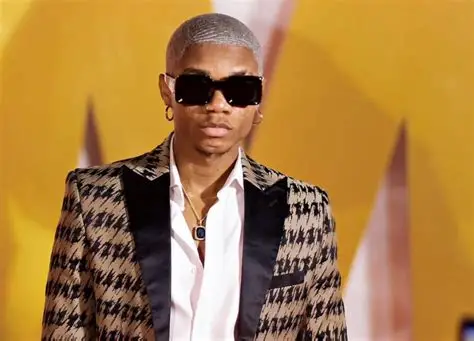
Ghanaian musician KiDi has opened up about the challenges of working as an independent artiste and the added responsibilities that come with managing a music career without the backing of a record label.
The award-winning musician explained that becoming an independent artiste has required him to take on responsibilities beyond making music. He now has to oversee different aspects of his career and ensure that the business side of his operations runs smoothly.
Speaking in an interview with Kafui Dey, KiDi said working independently is significantly different from being part of a structured team.
“Working as an independent artiste is different. It’s very challenging, but one thing about me is I’m always ready for the challenge,” he stated.
According to KiDi, although he knew his decision to become independent would come with difficulties, he welcomed the opportunity because of the growth it offered him.
“Having to stand on my own, having my own people, directing stuff on my own, I knew it was going to be a little challenging, but I’m always up for it and for the growth,” he shared.
KiDi compared his transition into independent music to moving out of his parents’ home and taking full responsibility for adulthood.
“It’s like moving out from your parents’ house. They clothe you, feed you and everything, but you have to leave the house and start life on your own,” he said.
He explained that just as adulthood comes with responsibilities such as securing a home, building a family and taking care of one’s children, independence in music also requires an artiste to take charge of virtually every aspect of their career.
“According to him, just as adulthood comes with responsibilities such as securing a home, building a family and taking care of one’s children, independence in music also requires an artiste to take charge of every aspect of their career.”
KiDi acknowledged that the journey has not been easy but expressed gratitude to the people around him who have helped make the transition easier.
“It’s not an easy thing, but I’m always grateful for the people around me who have been able to make it easier for me,” he noted.
KiDi also revealed that he was previously accustomed to concentrating primarily on his music while other people handled the business and operational aspects of his career.
However, his current position as an independent artiste requires him to be much more involved in the day-to-day running of his career.
“I was so used to being an artiste; when I wake up, I have to just be an artiste, but now I’m not just an artiste, but I’m also running stuff,” he revealed.
He explained that he now has to ensure that the different parts of his career are functioning properly and that tasks are completed as required.
“Making sure the engine is running, what needs to be done is being done, and it’s like running a business,” he added.
Veteran Ghanaian actress Grace Nortey has sadly passed away at the University of Ghana Medical Centre (UGMC), just months after celebrating her 89th birthday.
Nortey, born on February 1, 1937, died at the age of 89, leaving behind a remarkable legacy spanning more than five decades in Ghana’s entertainment industry.
She celebrated her 89th birthday on February 1, 2026, marking another milestone in a career that established her as one of Ghana’s most respected and recognisable actresses.
Grace Nortey became particularly known for portraying strong, outspoken and feisty matriarchs. Her characters often challenged patriarchal traditions, confronted social injustices and gave a powerful voice to women in Ghanaian storytelling.
Beyond local television and drama productions, Nortey also featured in internationally acclaimed films. Her notable credits include Sinking Sands (2011), a Ghanaian drama that received international recognition, and Beasts of No Nation (2015), the acclaimed Netflix war drama directed by Cary Joji Fukunaga.
Through her performances, Nortey helped shape Ghana’s film and television landscape while inspiring generations of actors and actresses.
Her legacy also continues through her family. She is survived by five children, including her daughter Sheila Nortey, who followed in her mother’s footsteps and became an actress.
Her grandson is also connected to Ghana’s entertainment and media circles as the husband of celebrated broadcaster Berla Mundi.
Grace Nortey’s death marks the loss of one of Ghana’s foundational figures in acting. Her decades-long contribution to the arts, memorable performances and portrayal of strong female characters will remain part of Ghana’s entertainment history.
She will be remembered for her immense contribution to Ghanaian cinema and television.
May her soul rest in perfect peace, and may God grant strength and comfort to her children, grandchildren, extended family, colleagues and loved ones.

Fancy Gadam Reveals How Ibrahim Mahama Helped Make His Accra Concert a Success

Police Suspend Concrete Mixer Truck Operations in Accra, Tema From August 28

Dr China Files Nomination to Contest NPP General Secretary Position



-
 General News1 week ago
KFC Ghana Faces Legal Scrutiny Over Customer Safety During GH¢15 Anniversary Promotion
-

 General News1 week ago
BOST Makes Over GH¢10 Million From Faulty Flow Meter Charges, Tanker Drivers Claim
-

 Politics2 weeks ago
Where Is Sedina ? — Hawk Newspaper Managing Editor Charles McCarthy Questions Government
-

 Entertainment2 weeks ago
Oteele’s Wife Gifty Nana Afriyie Denies Being Woman in Leaked Video, Appeals for Support for Orphanage
-

 General News2 weeks ago
Western North NPP Election: 27 Candidates Listed for 11 Regional Executive Positions
-
 Entertainment2 weeks ago
Please Wait till Next Year – Lil Win Appeals to Ghanaians Over Private Videos
-
 Entertainment2 weeks ago
I’ve been able to get my own studio Through my leaks:DJ A.K
-

 General News3 days ago
Nana Adwoa Tutuwaa Named Global Humanitarian of the Year 2026