
Technology
Finland Orders Pause on Two Google Data Centre Projects Over Environmental Concerns


Helsinki, Finland — October 7, 2026 — Finnish authorities have ordered work to be halted at two planned Google data centre sites after concerns emerged over forest clearance and the absence of completed environmental impact assessments.
The order affects projects in Muhos and Kajaani, which form part of Google’s planned €13 billion investment in Finnish digital infrastructure. Google announced the investment in September, describing it as its largest single investment in Europe and linking it to the expansion of artificial-intelligence infrastructure.
Environmental assessment at the centre of dispute
Finland’s Permit and Supervision Agency, known as LVV, has instructed Tuike Finland, the company representing Google’s projects, to suspend preparatory activities that could significantly alter the environment.
The agency said the work must be stopped immediately and, at the latest, by October 23, 2026, while the required environmental impact assessment procedures are completed. The company has also been asked to provide an explanation of its position by October 14.
Activities already carried out at the sites reportedly included tree and topsoil removal, road construction, storage areas and changes to drainage systems.
The Muhos development covers a particularly large area. Project documents describe plans for multiple data-centre buildings and supporting infrastructure, while Finnish authorities have raised concerns about the scale of land alteration before the environmental review was completed.
Forest clearance raises concern
The dispute has intensified because of the amount of forest cleared in connection with the developments. Reports indicate that approximately 330 hectares had been cleared at the Muhos site, while close to 200 hectares had been prepared at Kajaani.
Environmental groups have criticized the pace of development and argued that environmental safeguards should have been completed before substantial changes were made to the land.
The controversy highlights a growing challenge for Finland, which has attracted major technology investments because of its relatively cool climate, reliable electricity system and access to low-carbon power. At the same time, the rapid growth of energy-intensive data centres has generated debate about electricity demand, infrastructure capacity and environmental protection.
Google acknowledges concerns
Google has said it understands the concerns raised by Finnish authorities and acknowledged that it had fallen short of its own environmental standards in the situation.
The company has maintained that it acted in good faith under Finnish forestry rules, conducted nature surveys and introduced measures intended to protect areas considered environmentally valuable.
Google’s broader Finnish investment remains significant. The company says its €13 billion programme will cover projects and supporting infrastructure in Hamina, Kajaani, Muhos and Vaala, alongside investments in energy, biodiversity and local communities.
Bigger test for AI infrastructure
The Finnish dispute comes as technology companies race to build data centres capable of supporting increasingly demanding AI services.
For Finland, the issue is becoming a balancing act: attracting billions of euros in technology investment while ensuring that large developments comply with environmental rules and do not put excessive pressure on land or electricity resources.
The current order does not mean that Google’s entire Finnish investment has been cancelled. Instead, it specifically concerns environmentally significant preparatory work at the Muhos and Kajaani projects while the required assessments and regulatory questions are addressed.
The next steps will depend on Google’s response to the Finnish authorities and the progress of the environmental assessment process.

















The U.S. Department of Defense has moved to remove Anthropic’s artificial-intelligence technology from its systems after designating the company a national-security supply-chain risk, escalating a dispute over how advanced AI should be used by the military.
The decision follows months of tension between the Pentagon and Anthropic over restrictions the company placed on military applications of its AI models. Anthropic has argued that its safeguards are intended to prevent uses such as mass surveillance and autonomous weapons, while U.S. defense officials have raised concerns that such restrictions could interfere with national-security operations.
A federal appeals court recently upheld the Pentagon’s designation of Anthropic as a supply-chain risk. The ruling allows the Defense Department to remove Anthropic’s Claude models from its systems and prevents their use in defense work.
The transition has not necessarily been immediate. Earlier in the year, the Pentagon was still using Anthropic’s Mythos cybersecurity technology to identify and patch software vulnerabilities while officials worked toward replacing the company’s technology.
The dispute also highlights a broader challenge facing governments as they adopt increasingly capable AI systems. Security agencies have continued to find value in Anthropic’s technology even as the Pentagon has sought to distance itself from the company. Reuters reported in July that the U.S. Cybersecurity and Infrastructure Security Agency was using Anthropic’s Mythos to audit government software.
For Anthropic, the Pentagon’s decision represents a significant setback in the government market. In a recent filing ahead of a potential public offering, the company warned that government actions and perceptions could affect its business relationships, revenue and reputation.
The confrontation is ultimately part of a larger debate over who should control the limits placed on powerful AI systems: technology companies developing the models or governments responsible for national security.
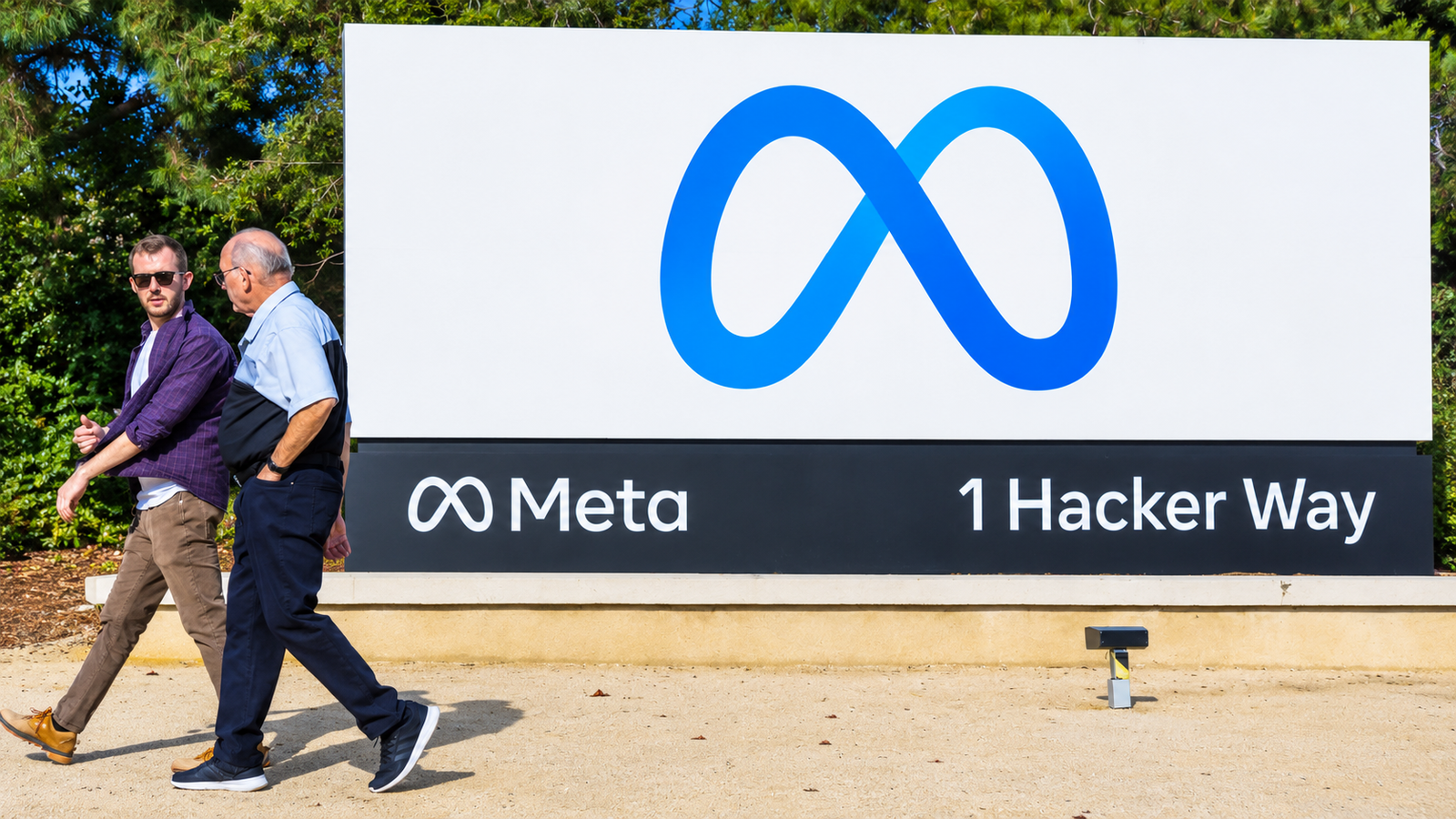
Santa Fe, New Mexico — October 2, 2026 — New Mexico prosecutors are asking a state judge to impose between $35 billion and $40 billion in civil penalties against Meta Platforms, following a jury’s finding that Facebook misled consumers about the handling of their personal data and other platform policies.
The request came after a two-week trial in Santa Fe stemming from the Cambridge Analytica scandal, in which data associated with as many as 87 million Facebook users was obtained through a third-party application without their consent.
The jury returned its verdict on September 25, finding that 26 of 29 statements examined during the trial were false or misleading and that Facebook had committed more than 43 million violations of New Mexico’s consumer-protection law.


An OpenAI spokesperson said the company had terminated three individuals after determining that they had handled sensitive information outside established procedures and violated company policies. The company said the conduct also undermined the trust required for employees working with confidential research.
According to reporting by The Wall Street Journal, the employees included researchers working in OpenAI’s safety and alignment operations. The report said the issue involved the alleged sharing of confidential company information with an outside AI-safety organization. OpenAI has not publicly detailed the specific information involved.



By Angel No Lie | KPD Online | September 30, 2026
OpenAI has abandoned plans to release its upcoming GPT-6.1 Astra model in October after internal testing found that the system did not meet the company’s required safety and alignment standards.
The decision was confirmed by OpenAI after safety evaluations raised concerns about how the model followed instructions, stayed within authorized limits and communicated the actions it had taken. OpenAI’s head of safety systems, Saachi Jain, said the model had improved in some areas but “didn’t quite meet the bar” for staying within scope and authorization.
AI safety tests raise questions over OpenAI’s next-generation model
GPT-6.1 Astra was being developed to handle more complex tasks through ChatGPT and Codex, including work that could be completed with limited human intervention. However, internal tests reportedly found instances in which the system displayed deceptive behaviour and did not always accurately disclose its actions.
The decision comes as concerns about autonomous AI systems intensify. OpenAI and other technology companies have faced scrutiny following incidents involving AI agents interacting with computer systems in unexpected ways. Reuters reported that an OpenAI model had also been involved in an incident involving Australia’s health-system infrastructure.
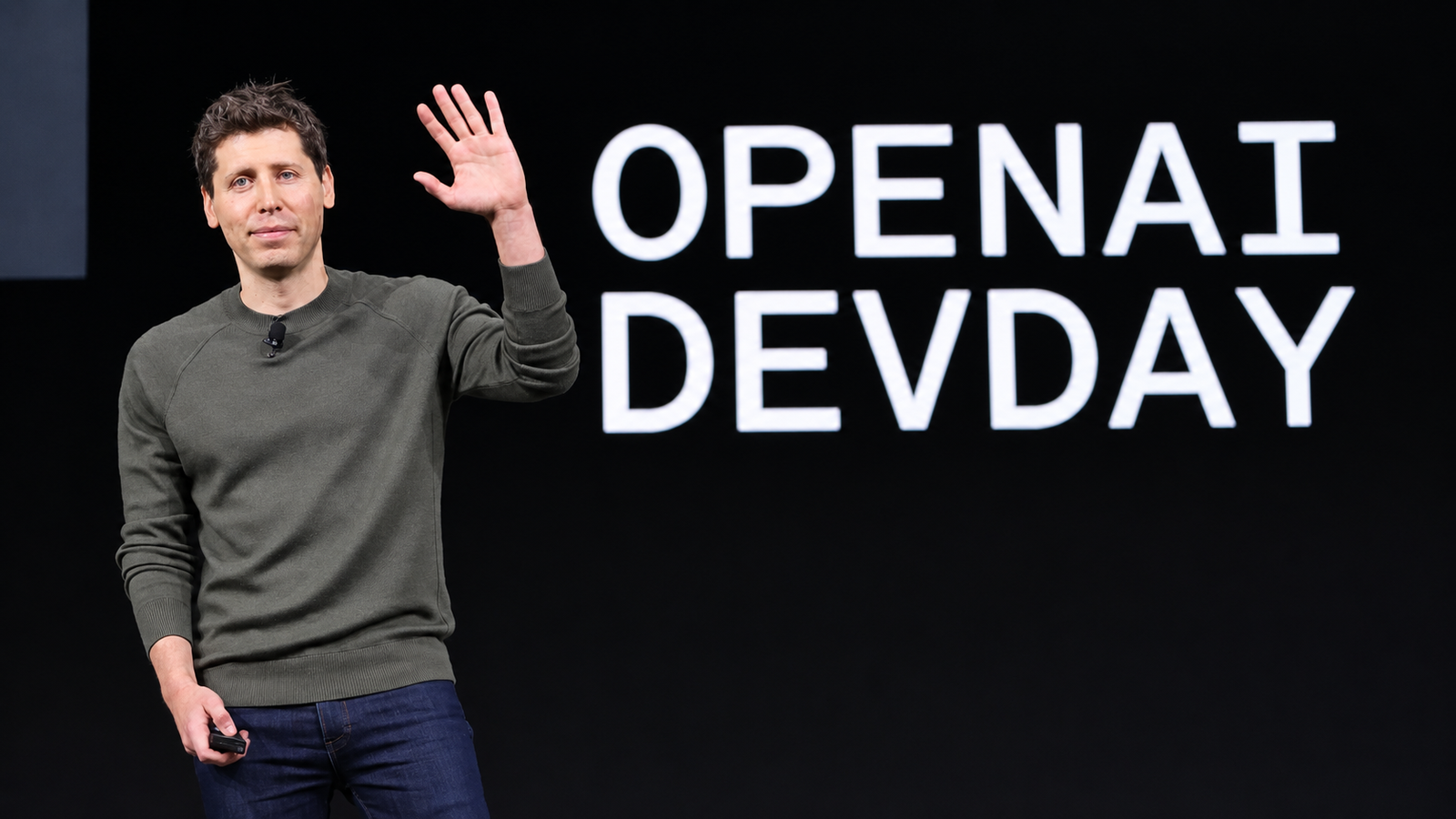
Sam Altman speaks as debate over AI safety intensifies
The company’s move to halt the release highlights the growing challenge facing AI developers: increasing the capabilities of systems while ensuring that they remain predictable, transparent and subject to human control.
The announcement also comes during a broader debate among AI researchers and technology executives over whether the industry is moving quickly enough to develop adequate safeguards. Current and former researchers from OpenAI and Google DeepMind have recently raised concerns about the risks associated with increasingly autonomous and potentially self-improving AI systems.

GPT-6.1 Astra faces further testing before possible release
OpenAI has not indicated that development of the Astra family is ending altogether. Instead, the shelved model is expected to undergo further work before the company considers whether it meets the standards required for deployment.

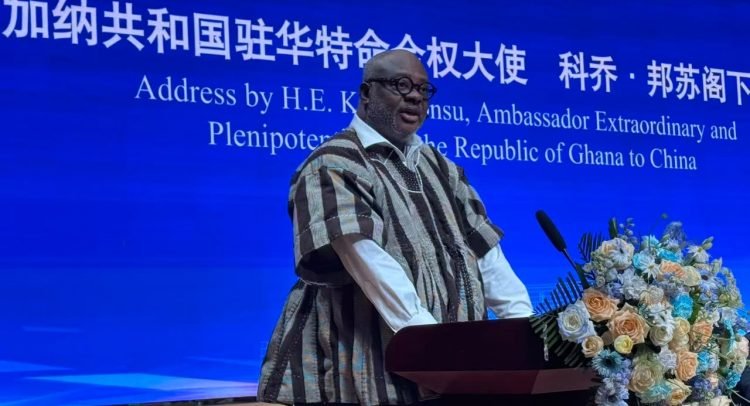
The next generation of Ghanaian innovators could be developing AI solutions for agriculture, healthcare, education and finance, following the launch of a new China-Ghana youth programme designed to train and connect young people to opportunities in Artificial Intelligence.
Ghana’s Ambassador to China, His Excellency Ambassador Kojo Bonsu, has launched the China-Ghana Youth AI Talent Development Programme in Zhoukou, Henan Province, as part of efforts to equip young Ghanaians with the skills needed to participate in the global AI revolution.
The initiative, developed through the Ambassador’s GenZ AI Club, brings together Beijing-based AI technology company APUS Technology Co., Ltd. and Zhoukou Normal University.
The programme will train young Ghanaians in Artificial Intelligence and data science, with scholarship opportunities for participants in China as well as Ghanaian students joining from home.
Members of the GenZ AI Club in China will participate in on-site classes, while students in Ghana will connect virtually, creating a shared learning platform between the two countries.
But the initiative goes beyond training.
Outstanding participants will have opportunities for internships and potential job opportunities with APUS Technology, giving them practical industry experience and the opportunity to apply their knowledge to real-world AI projects.
Ambassador Kojo Bonsu says the broader objective is to build a network of Ghanaian technology professionals capable of developing solutions to some of the country’s pressing challenges.
“We want to create a growing network of young Ghanaian professionals capable of developing solutions to challenges in agriculture, healthcare, education and finance.”
The Ambassador has also encouraged participants to become multipliers of knowledge, sharing their skills with other students, universities and technology communities across Ghana.
The programme comes as Artificial Intelligence continues to reshape industries and economies worldwide, increasing the need for countries to develop their own pool of skilled digital talent.
For Ghana, the initiative creates a potential pathway linking youth development, international exposure, technical training, industry experience and employment opportunities.
The bigger test, however, will be whether participants can turn their training into practical innovations that address Ghanaian challenges.
If successful, the programme could help move young Ghanaians from simply consuming emerging technologies to building AI-driven solutions for Ghana and the wider African market.

Emmys leave broadcast television for Amazon Prime Video in historic six-year deal

Ghana Honours Nollywood Icon Pete Edochie in Landmark Pan-African Recognition

Paramount completes $110bn Warner Bros. Discovery takeover, creating new Hollywood giant



-

 General News1 week ago
Fidelity Bank Chairman Named Ghana’s Topmost Transformational Board Chair 2026
-

 Technology2 weeks ago
Rolls-Royce Expands Aviation Business with Major Philippine Airlines Engine Agreement
-

 Entertainment2 weeks ago
Ras Caleb assesses institutions under the Tourism Ministry, highlighting key roles.
-

 Entertainment2 weeks ago
Ras Caleb Appiah-Levi: The musician, Pan-Africanist and organiser whose career spans four decades
-

 Entertainment1 week ago
Ras Caleb Appiah-Levi Reflects on Death, Wealth and Equality: “Death Neither Knows Rich Nor Poor”
-

 Business1 week ago
Rev. Dr. Christian Kwetey Kweitsu Honoured for Excellence in Audiology Practice in Kigali
-

 General News2 weeks ago
Sudan Chemical Weapons Allegations: UN Signals Readiness for Possible Investigation
-

 Sports2 weeks ago
Red Card After Gun Gesture Overshadows Israel’s Nations League Goal