
Entertainment
Free Speech Is Not a Licence to Abuse– Shatta Wale Tells Mahama

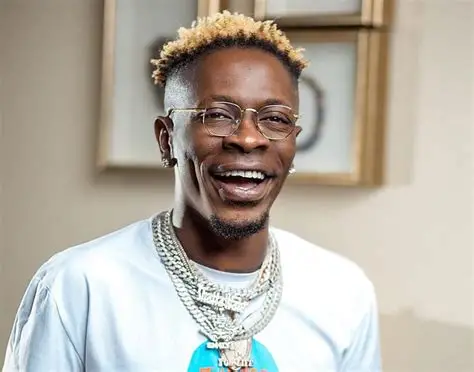
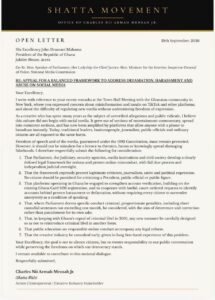
Ghanaian dancehall star Charles Nii Armah Mensah Jr., popularly known as Shatta Wale, has urged President John Dramani Mahama to support measures aimed at tackling defamation, harassment and abuse on social media while protecting the constitutional right to free expression.
In an open letter dated September 28, 2026, the musician called for a national conversation on how Ghana can respond to harmful online behaviour without creating laws that could be used to suppress legitimate criticism or public debate.
Shatta Wale said the increasing misuse of social media had created the need for clearer rules governing online conduct, particularly in cases involving threats, harassment and the deliberate circulation of false information.
He said his own encounters with what he described as unverified allegations, public ridicule and damaging claims had given him a personal understanding of the impact such conduct could have on individuals.
According to him, Ghana’s commitment to freedom of speech and media freedom under the 1992 Constitution must remain intact.
However, he argued that those freedoms should not be interpreted as giving people unrestricted permission to threaten others, engage in sustained harassment or knowingly circulate false claims that cause serious harm.
Shatta Wale proposed a collaborative approach involving Parliament, the Judiciary, security agencies, media organisations and civil society groups to develop clearly defined rules for serious online misconduct.
He said any such framework must be based on due process and independent judicial oversight, particularly where criminal sanctions or the identification of anonymous social media users are involved.
The artiste also stressed that the law must draw a clear line between harmful conduct and legitimate public expression.
He specifically called for protection for journalism, satire, political commentary and criticism of public officials, arguing that citizens should not face punishment merely because they disagree with or criticise the President, government officials or other public figures.
Shatta Wale further proposed discussions with social media companies operating in Ghana to improve account verification and strengthen cooperation with lawful investigations.
Under his proposal, platforms could respond to court-ordered requests seeking information about accounts involved in proven cases of serious harassment or defamation.
However, he said such measures should not amount to a blanket requirement for every social media user to disclose their identity before participating in public discussions.
He maintained that anonymity can have a legitimate place in public discourse and should not automatically be treated as evidence of wrongdoing.
On possible penalties, Shatta Wale suggested that Parliament could consider proportionate sanctions for specific forms of online conduct that are clearly established as criminal offences.
He proposed that, in appropriate cases, short custodial sentences of no more than one month could be considered, with the broader objective being deterrence, accountability and correction rather than excessive punishment.
At the same time, he cautioned against using new legislation to effectively bring back criminal libel, which Ghana abolished in 2001.
His position comes amid an ongoing national debate over how authorities should respond to allegedly false, threatening or defamatory online statements while respecting constitutional freedoms.
Shatta Wale also called for public education to form part of any response to social media abuse.
He argued that Ghanaians need greater awareness of responsible online behaviour alongside any changes to the law.
He further urged the government to involve members of the creative industry in consultations on the issue, noting that musicians, entertainers and other public figures are among those who frequently experience the effects of social media activity.
For Shatta Wale, the proposed approach should strike a balance between individual accountability and the protection of democratic freedoms.
“The goal is not to silence citizens, but to restore responsibility to our public conversation while preserving the freedoms on which our democracy stands,” he said.








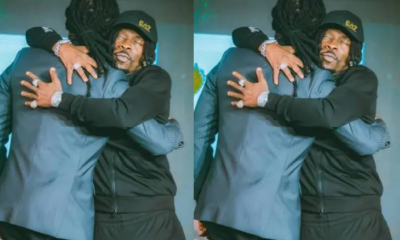


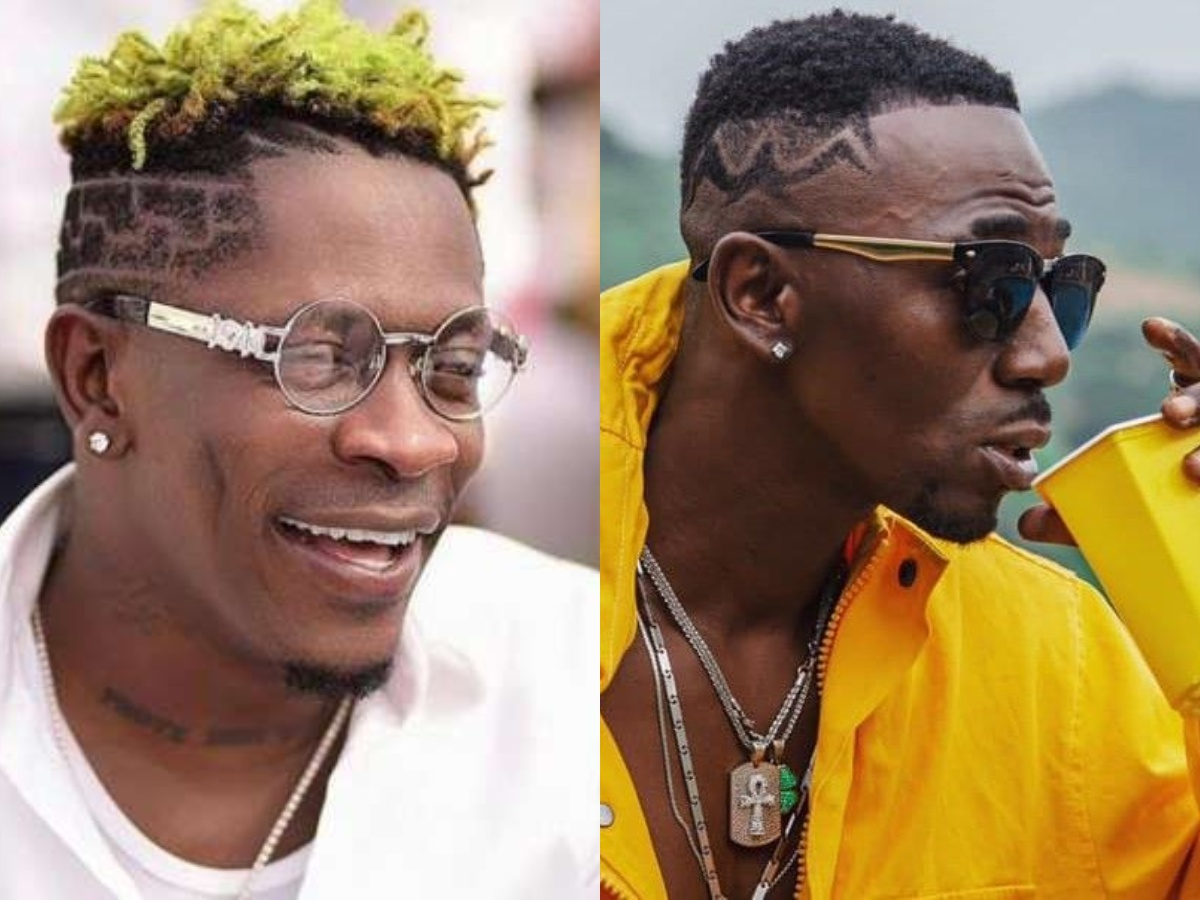
Former SM Militant member Joint 77 has recounted what he describes as a betrayal of trust by dancehall artiste Shatta Wale, particularly over the artiste’s collaboration with global music star Beyoncé.
Speaking in an interview on Max TV, shared on X on September 28, 2026, Joint 77 claimed that Shatta Wale failed to inform him or other members of the group about his trip to shoot a music video with Beyoncé, despite their close relationship at the time.
According to Joint 77, he was with Shatta Wale on the day the artiste travelled and even shared a meal with him shortly before his departure.
He alleged that Shatta Wale did not disclose the actual purpose of the trip and only informed him about the music video shoot after he had already travelled and encountered difficulties.
“I was with him like the other guys were there when he was going to shoot a video with Beyoncé. I was eating with him like this at the same table. He left that evening without telling anybody anything,” Joint 77 said.
He further claimed that members of the crew were unaware of the trip because Shatta Wale allegedly believed they might interfere with or spoil the work.
“Nobody in the crew knew because he thought we were wizards and would want to spoil his work. He went there alone to face the consequences before he called me, telling me a whole lot,” he added.
Joint 77 said the incident made him feel that his love and trust for Shatta Wale had been taken for granted.
He also alleged that Shatta Wale would sometimes perform songs they had recorded together without inviting the group to his events.
“I moved because the way I held Shatta Wale, he wasn’t able to help us. Even travelling alone with the Militant to perform was a problem for him. He goes alone to perform ‘Taking Over’. He performs all of our songs, our verses. When he’s going, sometimes he will not even tell you,” Joint 77 stated.
The comments highlight the grievances Joint 77 says contributed to his decision to distance himself from Shatta Wale and the SM Militant group.
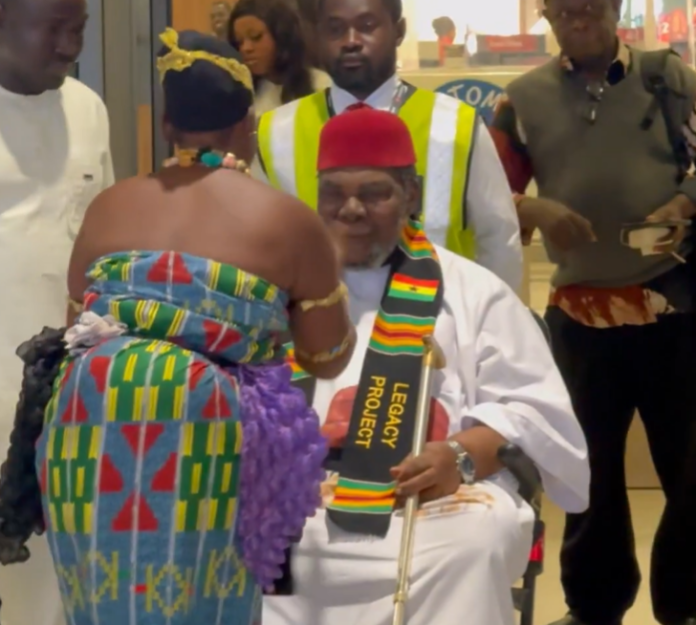
Nollywood veteran Pete Edochie has arrived in Ghana as part of plans to launch the Pete Edochie Legacy Project, an initiative aimed at celebrating his decades-long contribution to African cinema and storytelling.
The legendary Nigerian actor’s arrival has generated excitement among Ghanaian movie lovers, many of whom have followed his career for decades.
The project is expected to focus on Edochie’s life, career, experiences and contribution to African film, while also creating an avenue for younger generations to learn from his journey.
The actor had earlier announced his intention to visit Ghana, telling Ghanaians that his trip would involve them directly.
“I’m gonna be in Ghana and what I am coming for involves you, and I’m not going to be in a hurry to go home,” he said in a message to Ghanaians.
Edochie also expressed his affection for Ghana and said he had missed the country.
The Pete Edochie Legacy Project is being presented as a celebration of an acting career that has stretched across several decades and made him one of the most recognisable faces in African cinema.
Edochie became internationally known for his portrayal of Okonkwo in the television adaptation of Chinua Achebe’s Things Fall Apart, a role that helped establish him as one of Nigeria’s most respected actors.
Beyond that performance, he has appeared in numerous Nigerian films and television productions and has become known for playing authoritative, traditional and complex characters.
His arrival in Ghana also carries a cultural dimension because of the long-standing connection between Ghana’s and Nigeria’s film industries.
The two countries have shared actors, producers, directors and audiences for decades, with Ghanaian and Nigerian productions frequently crossing national borders.
The legacy project is expected to provide an opportunity to revisit Edochie’s career while highlighting the lessons and experiences he has accumulated during his years in the creative industry.
The exact programme of activities surrounding the Ghana leg of the project has been subject to updates, with organisers promoting the initiative as a celebration of the veteran actor’s enduring influence.
Edochie’s Ghana visit comes after he personally appealed to Ghanaians to look forward to his arrival, telling them that he was coming with a project that would involve them.
The actor has also previously faced recurring false reports about his death, which he has publicly addressed while reflecting on the impact such rumours can have on him and his family.
His current visit to Ghana instead places the focus on his career, legacy and contribution to African entertainment.
Source: Adom Online
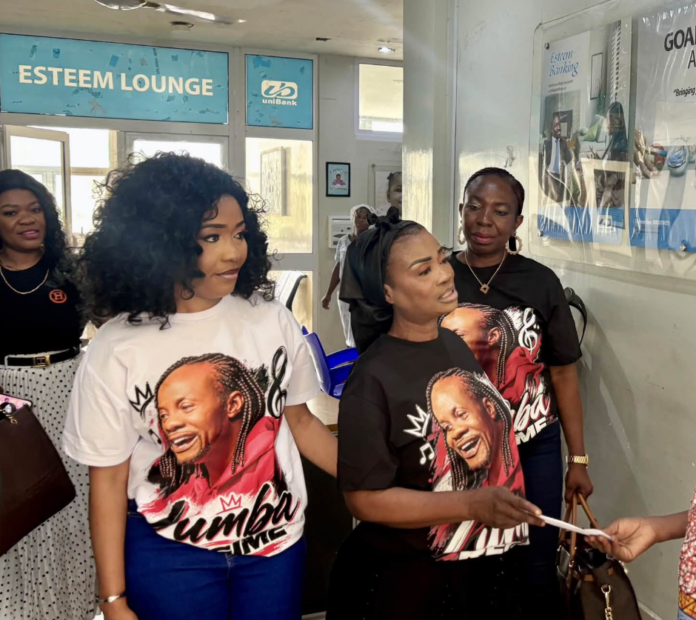
The family of late highlife icon Daddy Lumba has commemorated what would have been his 62nd birthday with a charitable gesture at the Korle Bu Teaching Hospital.
On Tuesday, September 29, Daddy Lumba’s wife, Odo Broni, joined his sister, Faustina Fosu, as well as relatives and close associates of the late musician to extend financial assistance to patients and new mothers at the hospital.
As part of the initiative, medical bills for mothers who had delivered at the hospital but were unable to settle their expenses were paid. Odo Broni also covered the hospital bills of mothers who gave birth on September 29, in memory of her late husband.
The family further donated to support mothers whose children are receiving treatment for cancer, with each beneficiary receiving GH¢3,000.
Odo Broni explained that the decision was deeply connected to Daddy Lumba’s personal experience with cancer through his mother, Comfort Ama Saah Gyamfi, who died after battling leukaemia.
She said memories of his mother remained emotional for the late musician, who would often become tearful whenever he spoke about her.
“My mother-in-law had leukaemia and died, and anytime my late husband spoke about her, he wept. That’s why I have come to donate money to mothers whose children are battling cancer,” she said.
The gesture formed part of activities to honour Daddy Lumba’s memory while offering practical support to people going through difficult circumstances.
Reflecting on her husband’s legacy, Odo Broni said his physical absence had not diminished the impact of the music he created.
She noted that Daddy Lumba’s songs continue to bring happiness, comfort and cherished memories to listeners, with his musical works remaining relevant across generations.
According to her, the legacy he built throughout his career would continue to live on and influence people even in the years ahead.
Daddy Lumba, born Charles Kwadwo Fosu, was one of Ghana’s most celebrated highlife musicians. He died on July 26, 2025, at the age of 60.
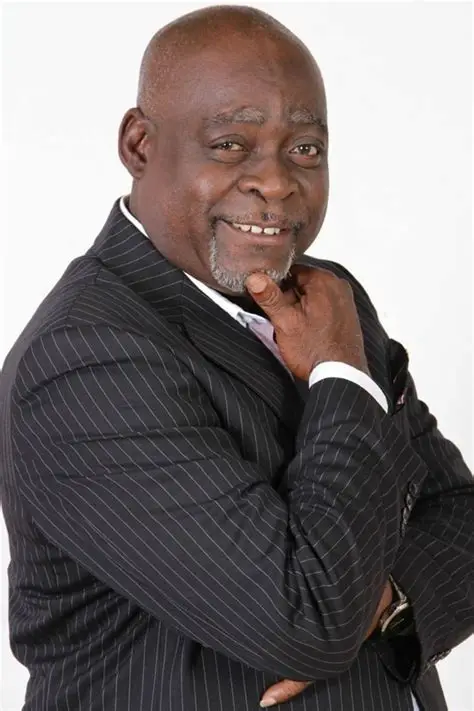
Veteran Ghanaian actor Kofi Ajorlolo has revealed that a group of movie producers once imposed a two-year ban on him, preventing him from working in Ghana’s film industry.
Ajorlolo disclosed the experience in a recent video posted on Instagram by CelebrityBlogg55, where he reflected on some of the challenges he encountered during his long acting career.
According to the actor, the ban was initially expected to last for two years. However, the decision was eventually abandoned after about six to eight months.
“I was banned from acting in Ghana for 2 years by a group of producers,” Ajorlolo said.
He explained that despite the restriction, the ban did not prevent him from securing acting opportunities because producers from Nigeria continued to approach him for roles.
“Finally, I think they themselves went back, and they realised that no, it was not worth it because as they were banning me in Ghana here, Nigerian producers too were calling, fighting for me to come perform. So it didn’t affect me,” he explained.
Ajorlolo said the situation eventually forced the producers to reconsider their decision, leading to the ban being withdrawn.
“After six months or eight months or so, they themselves just pulled that thing out that I should come back,” he disclosed.
Reflecting on the incident, the veteran actor described himself as a sacrificial lamb, suggesting that his experience formed part of a broader situation within the Ghanaian movie industry at the time.
“So they used me as a sacrificial lamb. That was the first time,” he said.
The revelation offers a glimpse into some of the tensions that existed within Ghana’s film industry and the influence producers had over actors and local productions.
Ajorlolo has enjoyed a career spanning several decades, featuring in both Ghanaian and Nigerian film productions. His work across the two industries has also made him a familiar face to audiences in Ghana and Nigeria.
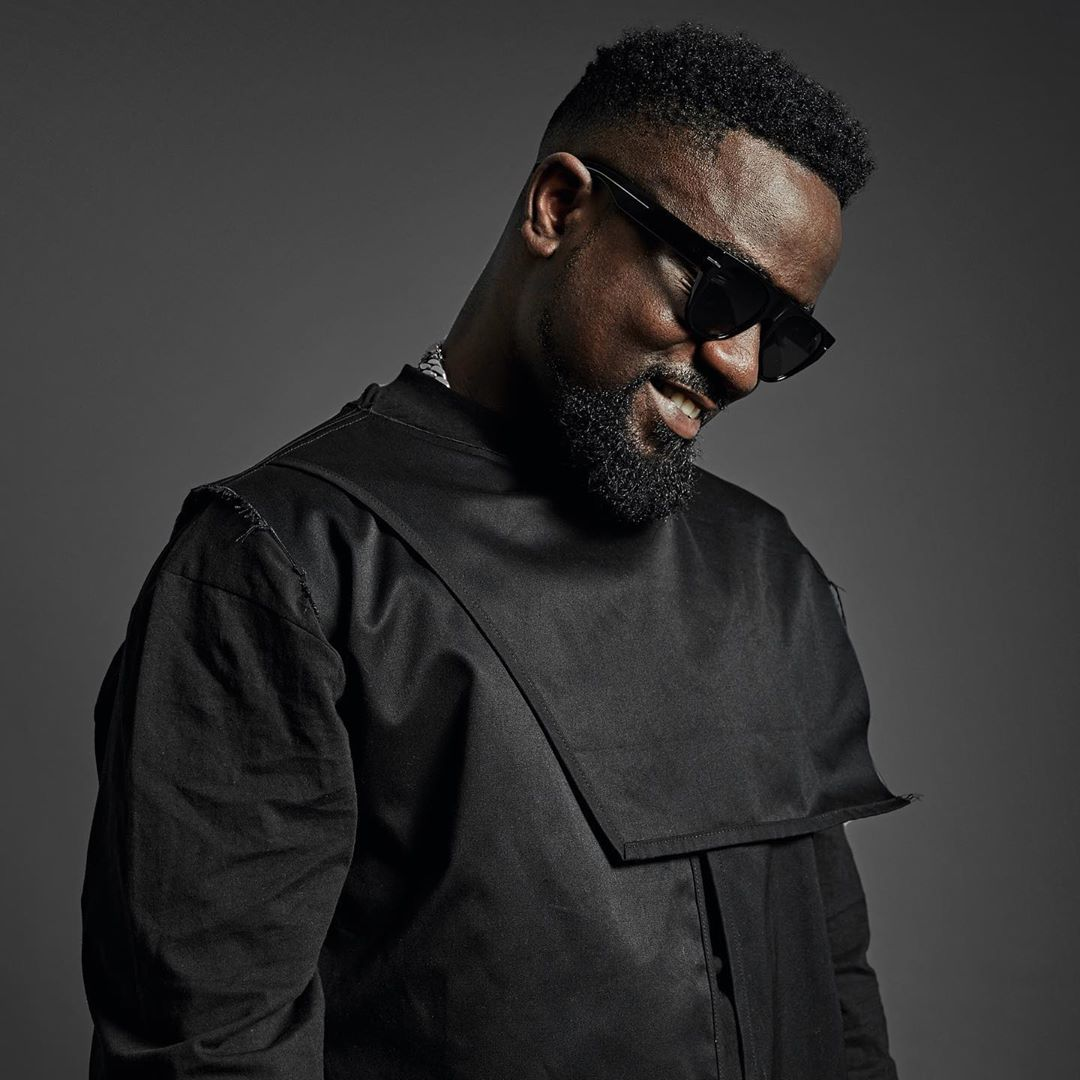
Ghanaian rapper Sarkodie has expressed support for President John Dramani Mahama following the government’s decision to reject a proposed health compact with the United States.
In a post on his X page, Sarkodie praised President Mahama for refusing to accept what the government considered problematic conditions contained in the proposed agreement.
“Thank you, Mr President… Hopefully one day we gain back the full respect deserved,” Sarkodie wrote.
His reaction followed comments by President Mahama explaining why Ghana declined the proposed compact, which was presented as an alternative arrangement after the country lost funding previously provided through the United States Agency for International Development (USAID).
Speaking at the Council on Foreign Relations in New York on Friday, September 25, 2026, President Mahama said the Health Ministry had initially examined the proposed agreement before preparing a Cabinet Information Paper for consideration.
According to the President, Cabinet identified several provisions that raised concerns and ultimately decided against accepting the agreement.
One of the issues he highlighted was a requirement for Ghana to submit its pathogen profile, which would contain information relating to diseases endemic to the country.
President Mahama said Cabinet also questioned a provision that appeared to require Ghana to provide medical records.
He further pointed to conditions concerning Ghana’s financial contribution to the programme and restrictions that would have affected the Food and Drugs Authority’s ability to inspect medicines and other medical products entering the country under the arrangement.
The President described the terms as unacceptable and said Cabinet rejected the compact shortly after it was presented.
He described the decision as one of the fastest rejections of an agreement he had witnessed in Cabinet.
Sarkodie’s post has since drawn attention to the government’s position, with the rapper framing the decision as part of efforts to restore Ghana’s dignity and international respect.

Bagbin cautions against using free speech to justify online threats and misinformation

TRAFFITECH-GH Full Rollout Moved to November 1

Speeding and Running a Red Light? Traffitech-GH Can Issue Separate Tickets



-
 General News1 week ago
Two political parties, one lesson: Afuntummireku and Tikro Nkɔ Agyina for Ghana
-

 Culinary1 week ago
Kofi Brokeman: The Simple Ghanaian Snack That Has Stood the Test of Time
-
 General News1 week ago
Rev. Dr. Christian Kwetey Kweitsu Set for International Recognition at 100 Most Influential Persons Awards in Kigali
-
 General News7 days ago
Free Speech, False Publication and Presidential Criticism in Ghana: Where Does the Law Draw the Line?
-
 General News2 weeks ago
Bost Energies Made GH¢684 Million Profit: Why Use The NPA Bill, 2026 To Weaken Its Operations?
-
 Entertainment1 week ago
Can’t Anything Good Come Out of Ghana? – Ras Caleb Appiah-Levi Fires Back at Critics
-
 General News7 days ago
Don’t Expect Concerts When People Can’t Afford Food – Rex Omar on Black Star Experience
-
 General News1 week ago
Shatta Wale Urges UPSA Students to Turn Ideas into Sustainable Ventures