
General News
Gunmen Attack KwaMakhutha Gathering, Leaving 11 Dead and Three Injured

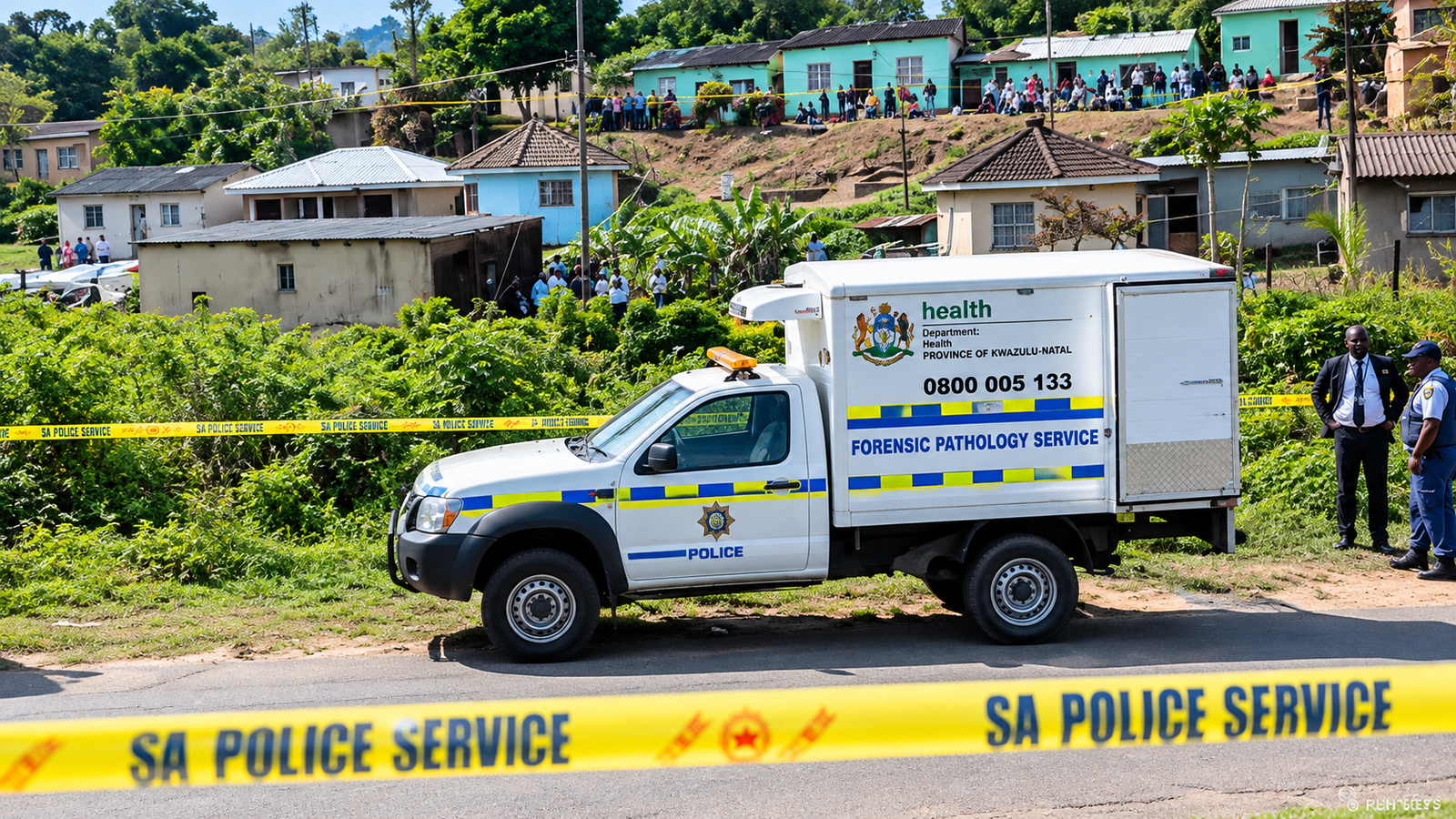
At least 11 people have been killed and three others injured after three armed men reportedly opened fire during a gathering at a house in KwaMakhutha township, south of Durban, South Africa.
The shooting took place on Tuesday night, 22 September, according to South African police. Authorities have launched a manhunt for the suspected attackers, and no arrests had been announced in the initial reports.

Suspect fatally shot and child injured during a shooting incident in KZN – South Africa Today
What happened?
The South African Police Service said a group of people were gathered inside a house in the Ziko area of KwaMakhutha when three men arrived and allegedly began shooting.
According to the police account:
-
13 men and one woman were reportedly inside the house.
-
The woman was believed to be pregnant.
-
Ten people, including the woman, died at the scene.
-
Four people were taken for medical treatment, with one subsequently dying from gunshot injuries.
-
Three people survived the attack with injuries.
The incident occurred in KwaZulu-Natal province, approximately 30 kilometres south of Durban on South Africa’s eastern coast.

Police investigate if cop murder was a gang hit
Police launch a manhunt
Police have begun searching for the three suspects. Investigators were reported to have cordoned off the area while forensic teams examined the scene.
Authorities have not publicly identified the suspects or announced arrests in the initial reports. The investigation is expected to focus on establishing the identities of those responsible, the circumstances surrounding the attack and the motive.

Durban’s Parkgate residents rejoice as new fruit-themed street names are approved
Possible gang-related motive under investigation
The motive remains unconfirmed.
Police said some of the victims were known to authorities in connection with investigations into criminal activity. However, that information does not establish that the victims were involved in the shooting or explain why they were targeted.
The South African Police Service said a feud between rival groups could not be ruled out, while stressing that the motive had not yet been established. Investigators are also examining whether a vehicle reportedly set on fire near the house was connected to the incident.
What remains unclear
|
Issue |
Current information |
|---|---|
|
Suspects |
Three armed men reported by police |
|
Arrests |
None announced in initial reports |
|
Motive |
Not confirmed |
|
Possible gang link |
Being investigated |
|
Victims |
At least 11 dead and three injured |
|
Location |
KwaMakhutha, KwaZulu-Natal |
South Africa’s continuing gun-violence problem
The shooting adds to a series of deadly attacks involving firearms in South Africa, where mass shootings have occurred in homes, taverns and other gathering places.
Previous incidents have prompted debate over illegal firearms, organized crime, policing capacity and community safety. However, the circumstances of each shooting differ, and investigators must establish the specific cause and motive before drawing conclusions about links between separate attacks.
The KwaMakhutha incident also highlights the vulnerability of private social gatherings, where an attack can quickly result in multiple casualties.
Investigation and next steps
Police are expected to continue collecting forensic evidence, interviewing witnesses and tracing the suspects. Further information may clarify whether the attack was connected to an existing dispute or criminal network.
The identities of the victims and details about the injured were not fully disclosed in the initial reports. Authorities may release additional information as families are notified and the investigation progresses.
Independent assessment
The confirmed facts at this stage are that three alleged gunmen opened fire at a house gathering, killing at least 11 people and injuring three others. The motive and any possible connection to rival criminal groups remain allegations under investigation, not established findings.
The manhunt and forensic investigation will be central to determining who carried out the attack and whether anyone can be held accountable.
Sources
-
Reuters — reporting on the police account and possible gang-related motive.
-
Associated Press via ABC News — casualty figures and details of the police manhunt.
-
Sky News — police statement and details of the incident.








General News
Gaza’s Displacement Crisis Exposes Growing Protection Risks for Women and Girls, UNFPA Reports
Overview
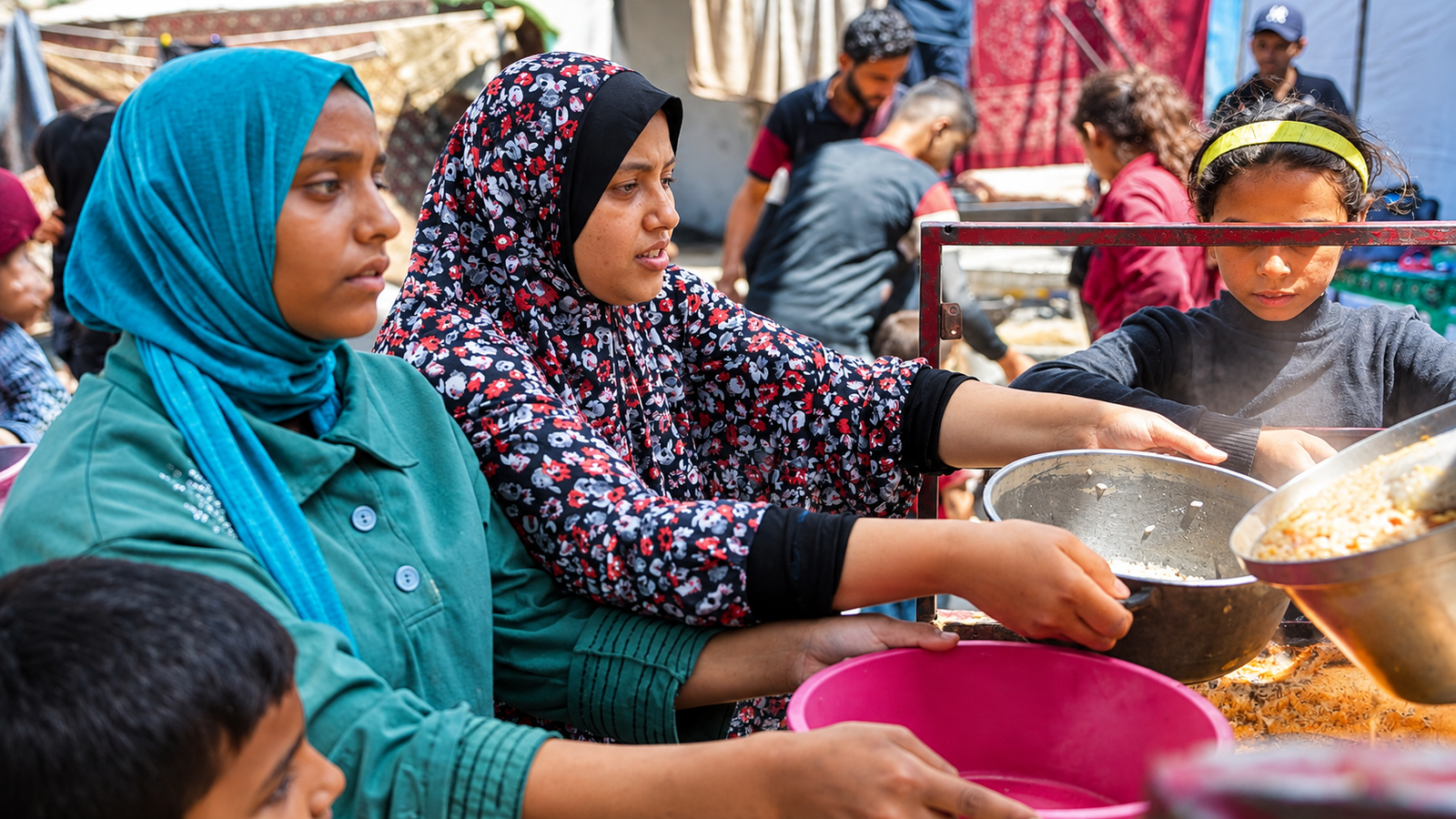
Reports of gender-based violence (GBV) in Gaza have increased amid prolonged displacement, overcrowded shelters, shortages of essential services and the weakening of protection systems, according to recent assessments published by the United Nations Population Fund (UNFPA).
A UNFPA analysis of reported cases from April to June 2026 identifies continuing risks for women and girls, including denial of resources, forced and early marriage, and sexual violence. The agency links these risks to displacement, inadequate shelter, scarcity of resources and limited access to essential services.
The findings are reinforced by a separate UNFPA safety audit published on 17 September, which examines how the physical and institutional conditions of displacement sites can increase exposure to violence and prevent survivors from safely seeking assistance.

Shelter-Camp-in-Gaza-Faces-Incoming-Blizzard
Reported cases rise, but figures do not represent total prevalence
The UNFPA trends analysis is based on cases managed by partners in Gaza’s GBV Case Management Taskforce. It identifies an increase in reported incidents during the second quarter of 2026 and highlights the disproportionate effect on women and girls.
However, reported cases should not be interpreted as a complete count of all violence occurring in Gaza. Fear of retaliation, stigma, limited confidentiality, the breakdown of referral services and restricted access to protection providers can prevent survivors from reporting incidents.
The UNFPA safety audit specifically cautions that its findings are intended to identify risk factors and gaps in services, rather than measure the overall prevalence of gender-based violence.

PALESTINIAN-ISRAEL-CONFLICT-AID-FOOD
Overcrowded shelters increase risks
The UNFPA safety audit assessed 15 displacement and shelter sites, two humanitarian service-delivery environments and consultations involving women living in Gaza. The report also drew on a protection-monitoring dataset containing 10,594 interviews.
Its findings point to several recurring problems:
-
Insufficient lighting around pathways, toilets, water points and entrances.
-
Inadequate privacy in tents, classrooms and shared shelters.
-
Unsafe or distant sanitation facilities.
-
Overcrowding and limited separation between living spaces.
-
Barriers affecting women with disabilities, older women and people with limited mobility.
-
Weak or mistrusted complaint and referral systems.
-
Concerns about harassment and exploitation at service points and along routes to essential facilities.
The report says these conditions can restrict women’s movement and force them to adopt potentially harmful coping strategies, including delaying the use of sanitation facilities, reducing water consumption or relying on accompaniment to access basic services.

Gaza’s Deepening Humanitarian Crisis – Human Rights & Public Liberties
Scale of displacement places pressure on protection systems
According to the safety audit, data from the Site Management Cluster indicated that, as of 11 May 2026, 1,590 active displacement sites were hosting approximately 1.7 million people across 354,480 households.
The report states that 82.6% of the active sites were temporary or informal locations, while 66.5% had no designated site-management entity. UNFPA links the absence of formal management in many locations to challenges involving accountability, oversight, complaints and the timely response to protection risks.
The concentration of displaced people in crowded areas also places additional pressure on water, sanitation, health and food-distribution services.
Women describe deteriorating safety and privacy
A separate UNFPA report, based on the experiences of 230 women living in displacement camps in Gaza City and Khan Younis, documents concerns about overcrowding, limited privacy and reduced access to clean water, food and functioning latrines.
The research was based on 16 focus-group discussions conducted between December 2025 and January 2026. Participants had experienced repeated displacement, with some reporting between two and ten displacements.
The women described how the loss of stable housing and the disruption of family and community protection networks had affected their ability to stay safe. The report also records concerns about access to health, legal and psychosocial support.
The researchers stressed that participants’ accounts should be understood within the report’s methodology and limitations. In particular, indirect references to sexual violence were documented without assuming details that participants had not explicitly stated.
Forms of violence and exploitation
The UNFPA trends analysis identifies several forms of gender-based violence reported in Gaza, including:
|
Reported concern |
Context identified by UNFPA |
|---|---|
|
Denial of resources and services |
Restricted access to assistance and essential supplies |
|
Psychological and emotional abuse |
Harm affecting women and girls amid displacement and insecurity |
|
Physical violence |
Reported assaults in a wider protection crisis |
|
Forced and early marriage |
Increased risks linked to poverty, insecurity and displacement |
|
Sexual violence |
Underreporting and barriers to confidential support |
The agency says that increasing GBV services, expanding Women and Girls Safe Spaces, improving economic support and strengthening protection measures across humanitarian sectors are among the necessary responses.
Humanitarian aid and protection gaps
The reports describe a situation in which the safety of women and girls is influenced not only by direct acts of violence but also by the design and accessibility of humanitarian services.
For example, poorly lit routes, inadequate sanitation facilities and a lack of confidential complaint mechanisms can increase exposure to danger or discourage women from seeking assistance.
UNFPA recommends that humanitarian organizations:
-
Improve lighting around sanitation facilities, pathways, water points and distribution areas.
-
Rehabilitate toilets and water facilities with greater privacy and accessibility.
-
Ensure that shelters have secure doors, partitions and safer living arrangements.
-
Provide confidential complaint and referral channels staffed by trained personnel.
-
Strengthen the management and monitoring of displacement sites.
-
Ensure that women, including female-headed households and women with disabilities, can access aid independently and safely.
-
Integrate GBV risk reduction into shelter, health, WASH, food security and protection planning.
Wider humanitarian consequences
The findings come amid a broader humanitarian crisis in which women and girls face difficulties accessing health care, food, shelter and protection.
Earlier UN Women reporting cited by Reuters estimated that at least 47 women and girls were killed each day in Gaza between October 2023 and December 2025, while approximately one million women and girls were displaced. The agency also warned that extensive infrastructure damage had made access to essential health services extremely difficult.
Those figures concern deaths and displacement rather than the GBV case trends examined by UNFPA. They illustrate the wider gender-specific consequences of the conflict but should not be combined with reported violence cases as though they measured the same phenomenon.
Independent assessment
The UNFPA reports indicate that the risks facing women and girls in Gaza extend beyond individual incidents. Displacement, overcrowding, inadequate sanitation, limited privacy and weakened reporting systems can combine to make everyday activities more dangerous and reduce access to support.
At the same time, the available figures have important limitations. Reported cases depend on access to services and the willingness or ability of survivors to disclose violence. Consequently, an increase in reports may reflect both increased incidents and improved or changed reporting patterns.
The immediate challenge for humanitarian agencies is therefore twofold: prevent violence and exploitation while ensuring that women and girls can access confidential, survivor-centred assistance without fear of retaliation or losing access to essential aid.
Sources
-
UNFPA — GBV Trends Analysis, April–June 2026
-
UNFPA — Gender-Based Violence Safety Audit Report: Gaza Strip
-
UNFPA — “I want to feel safe again”: Drivers of Gender-Based Violence in Gaza
-
Reuters — UN report on women and girls killed in Gaza

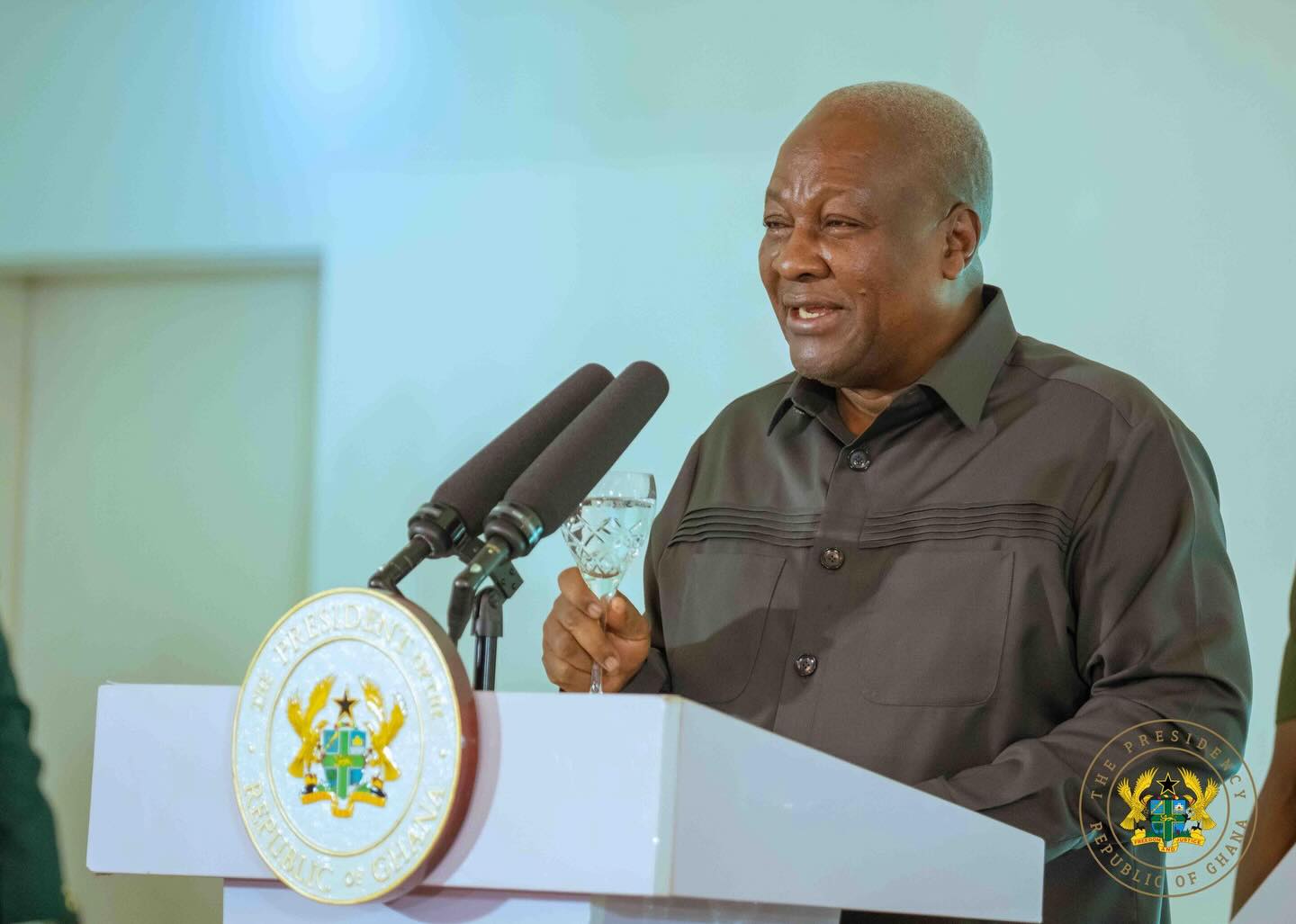
President John Dramani Mahama has directed the Media Foundation for West Africa (MFWA) and the Ghana Journalists Association (GJA) to jointly organise a national stakeholder engagement on hate speech, abusive online content and responsible digital communication.
The initiative is aimed at addressing the growing incidence of hate speech, threats, abusive language and other harmful content on social media and emerging digital platforms while safeguarding freedom of expression.
The directive was contained in a letter from the Office of the President dated September 22, 2026, and signed by the Secretary to the President, Dr Callistus Mahama.
In the letter, the President called for a broad, inclusive engagement to develop a coherent national roadmap that responds appropriately to harmful digital content without undermining legitimate expression.
President Mahama observed that Ghana’s media environment had undergone significant changes, with public discourse increasingly shaped not only by traditional media organisations but also by individual bloggers, content creators, influencers and users of platforms such as TikTok.
He noted that traditional media organisations operate within established professional and regulatory frameworks, while many online personalities command substantial audiences without necessarily being subject to recognised editorial standards or clear accountability mechanisms.
According to the President, this development presents a difficult but important public-policy challenge that requires a balanced response.
He stressed that efforts to address hate speech, threats, incitement and other unlawful conduct must not result in the criminalisation of legitimate criticism, political commentary, satire and dissent.
The President also expressed concern about what he described as disproportionate arrests over mere criticism or politically charged commentary.
He warned that such actions could be counterproductive, create undeserving martyrs and undermine public confidence in state institutions.
He therefore called for an approach that distinguishes between lawful expression and genuinely harmful or unlawful digital content.
“There is, therefore, an urgent need for a coherent national roadmap that protects freedom of expression while providing an appropriate and proportionate response to genuinely harmful digital content,” the letter stated.
As part of the directive, the MFWA and GJA have been requested to lead a broad, stakeholder-inclusive process involving institutions and groups with interests in media, law, human rights and digital communication.
The proposed engagement is expected to bring together: The National Media Commission, the Ghana Police Service, Relevant religious bodies, Civil society organisations,Traditional media organisations,Social media content creators, bloggers and influencers, Legal and human-rights experts, Representatives of digital platforms, where possible, and relevant state regulatory and security institutions.
The engagement is expected to provide a platform for these stakeholders to examine the challenges associated with harmful online content and identify measures that can address them while respecting freedom of expression.
President Mahama has asked the two organisations to ensure that the engagement examines the adequacy of Ghana’s existing legal, regulatory and institutional framework for dealing with hate speech and harmful digital content.
The process is also expected to clarify the distinction between lawful criticism and unlawful speech.
Participants are expected to propose practical guidelines for law-enforcement agencies and recommend appropriate policy, legislative, regulatory and non-legislative measures.
The proposed guidelines are intended to help address harmful online conduct while ensuring that legitimate expression is not unnecessarily restricted.
The engagement is also expected to consider public education, media and digital literacy, as well as professional and ethical standards for online content creators.
Other areas identified for consideration include accessible complaints and redress mechanisms that would allow individuals to report harmful content and seek appropriate remedies.
The President further called for consideration of alternatives to arrest and prosecution in cases that do not involve threats, incitement, violence or other clearly criminal conduct.
The process is expected to explore how these measures can contribute to responsible digital communication and a more effective response to harmful online activities.
President Mahama has requested the MFWA and GJA to submit a proposed framework and timetable for the stakeholder engagement.
The two organisations are also expected to present recommendations arising from the process for the President’s consideration.
The directive concludes with the President expressing his highest consideration to the recipients.
The initiative places the MFWA and GJA at the centre of a proposed national consultation on how Ghana can respond to harmful online content while maintaining protections for legitimate criticism, political commentary and dissent
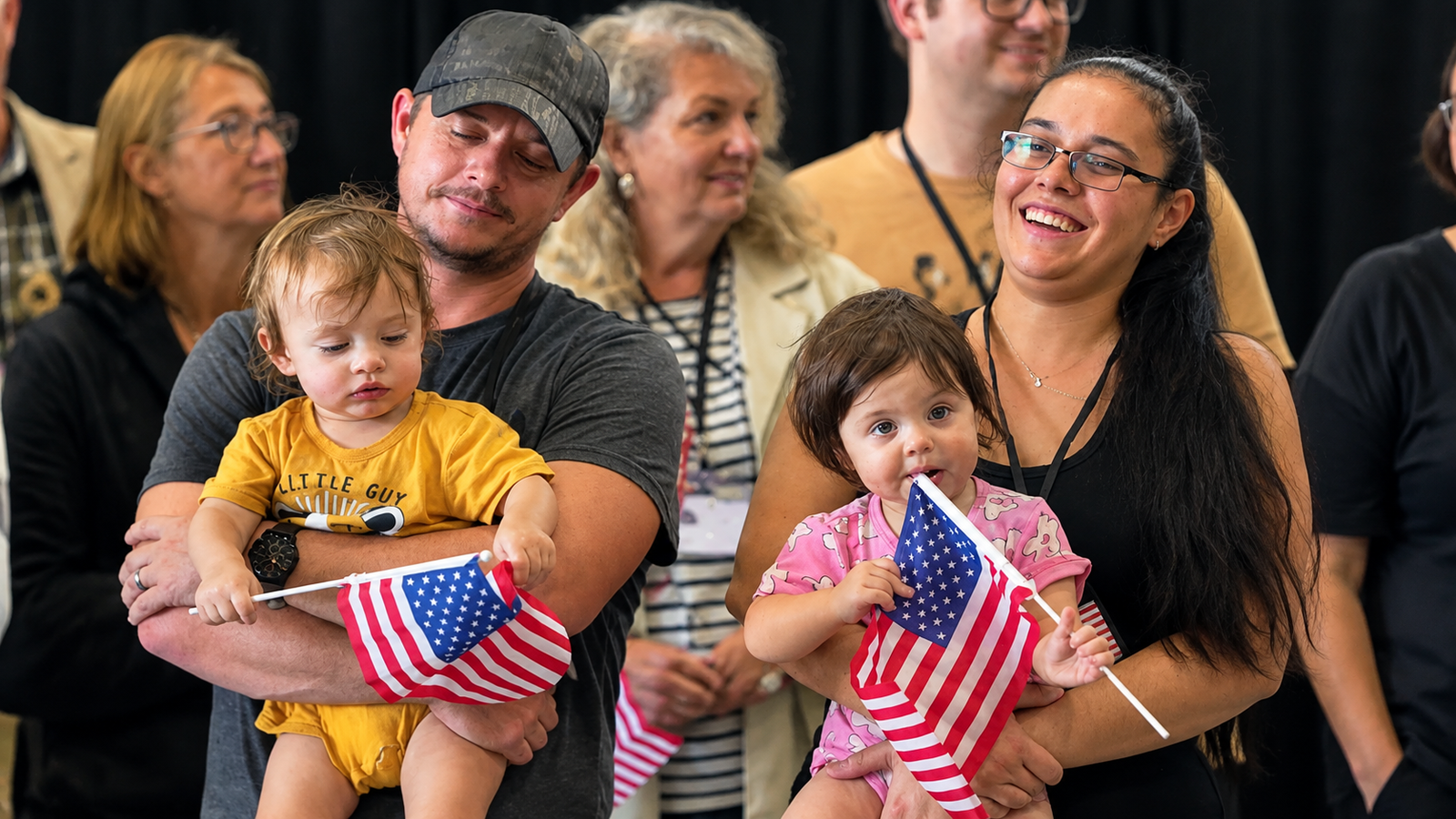
The administration of US President Donald Trump plans to set a refugee admissions ceiling of 17,500 people over the next 12 months, with the majority expected to come from South Africa’s white Afrikaner minority, according to a notice sent to Congress.
The proposal represents a continuation of the administration’s decision to prioritize Afrikaner applicants, while the United States’ broader refugee resettlement program remains substantially restricted compared with previous years. The plan has prompted criticism from refugee advocacy organizations and disagreement between Washington and Pretoria over the treatment of South Africa’s white minority.

Trump administration cuts refugee admissions to record low, gives priority to white South Africans – ABC News
What the proposal includes
According to the notice reported by Reuters, the proposed refugee ceiling is:
Proposed annual refugee ceiling
17,500
Primary intended group
Afrikaners from South Africa
Estimated resettlement cost
$500 million
Status
The State Department notice reportedly states that it anticipates Afrikaners will assimilate into the United States in a way that preserves taxpayer resources for American citizens. The estimated cost of resettlement under the proposed ceiling is approximately $500 million.
The proposal establishes a ceiling rather than confirming that all 17,500 places have already been filled or that every applicant will qualify for refugee status.

Buffelsdrift Farm, Vyversrus (updated prices 2026)
Why Afrikaners are being prioritized
The Trump administration has argued that Afrikaners face racial discrimination and persecution in South Africa. The president has repeatedly cited concerns involving rural crime, land policy and alleged discrimination against white South Africans.
The South African government has rejected the administration’s allegations, disputing the characterization of the country as a place where Afrikaners face systematic racial persecution.
Refugee status under US law is ordinarily based on an individual’s circumstances and eligibility under established protection criteria. The policy debate therefore involves both the administration’s stated justification for prioritizing a particular group and questions about how refugee selection should be administered.

Khan Academy
A sharp change in US refugee admissions
The proposed ceiling follows a major reduction in US refugee admissions under the Trump administration.
The United States suspended refugee admissions after Trump returned to office in January 2025, stating that the program would resume only when considered to be in the national interest. The administration subsequently launched a specific initiative to bring Afrikaners from South Africa to the United States.
According to State Department data cited by Reuters, nearly 3,000 refugees had been admitted during the fiscal year ending September 30, 2026, and all but three were South Africans, based on figures available through August.
That contrasts with fiscal year 2024, when the Biden administration admitted more than 100,000 refugees from multiple countries. The figures cover different policy periods and should not be interpreted as a direct measure of the relative level of humanitarian need among populations.
Criticism from refugee advocates
The proposed focus on Afrikaners has drawn criticism from organizations that support refugee resettlement.
Krish O’Mara Vignarajah, president and chief executive of Global Refuge, said that concentrating the program on one group while excluding others fleeing persecution and violence undermines the United States’ humanitarian role.
The criticism centers on whether a refugee program should prioritize people based on a broad group identity or apply a more geographically and nationally diverse approach to applicants facing persecution.
The administration, meanwhile, presents the policy as a response to what it describes as racial discrimination in South Africa and as part of a wider effort to align refugee resettlement with US national interests.
Dispute between Washington and Pretoria
The refugee proposal is part of a wider deterioration in relations between the United States and South Africa.
Washington has criticized South African land legislation, affirmative-action policies and the government’s response to violence affecting farming communities. South African officials have rejected the US administration’s claims of systematic anti-white persecution and have characterized the policy as discriminatory.
The two governments therefore differ not only over refugee admissions but also over the factual interpretation of race, land ownership, public safety and government policy in post-apartheid South Africa.
Key questions surrounding the plan
|
Issue |
What is known |
|---|---|
|
Number of places |
The proposed ceiling is 17,500 refugees over 12 months. |
|
Main beneficiary group |
Afrikaners from South Africa are expected to make up most admissions. |
|
Cost |
Resettlement is estimated at approximately $500 million. |
|
Legal status |
The announcement concerns a proposed admissions ceiling, not automatic refugee approval for all applicants. |
|
Wider impact |
Advocates argue that other vulnerable refugee populations could be sidelined. |
Independent assessment
The proposal marks a significant shift in the composition of US refugee admissions, with the administration explicitly indicating that one national and ethnic group will make up the majority of the planned intake.
The central disagreement is not simply about the number of refugees the United States will accept. It also concerns how humanitarian protection should be prioritized, what evidence establishes persecution, and whether a refugee program should focus heavily on a particular ethnic population while admissions from other parts of the world remain limited.
The South African government’s rejection of Washington’s allegations and the objections raised by refugee organizations should be considered alongside the Trump administration’s stated rationale. The available reporting confirms the proposed ceiling and its intended focus, but the long-term consequences for the US refugee system and US–South Africa relations will depend on how the policy is implemented.
Sources: Reuters reporting published September 22–23, 2026, and related reporting on the US–South Africa dispute.
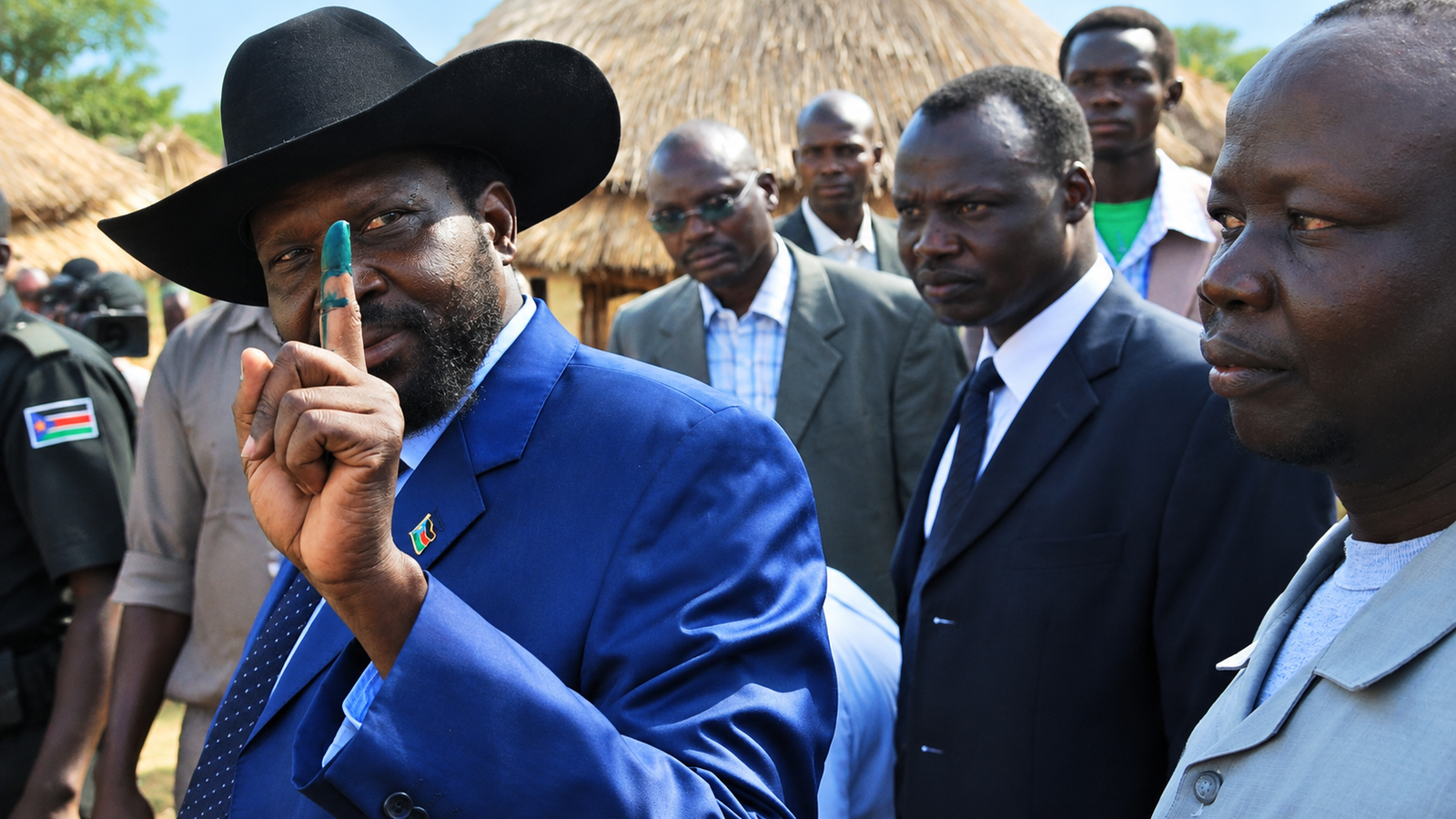
By Angel No Lie | KPD Online | September 23, 2026
South Sudan has entered a new stage of its long-delayed political transition after President Salva Kiir Mayardit dissolved the transitional unity government and signed changes to the country’s election law that remove two major prerequisites for holding national elections.
The measures, announced on September 22, came as authorities prepare for elections scheduled for December 22, 2026. The transition has been repeatedly postponed since South Sudan gained independence in 2011.

South Sudan marks 15 years of independence in crisis – The EastAfrican
Government dissolved after election-law changes
Kiir’s decision followed parliament’s approval of amendments to the National Elections Act.
Under the amended legislation, elections no longer have to wait for completion of a permanent constitution or a national census. Those requirements had been among the obstacles repeatedly cited during previous delays.
Kiir subsequently dissolved the transitional government, with the decree removing vice-presidents, ministers and local administrators. National and state assemblies were also dissolved.
The judiciary and security institutions remain in place.
Importantly, the amended law allows the incumbent executive leadership to remain in office with constitutional powers during the election period until a newly elected president assumes office.

SSUDAN-ETHIOPIA-ERITREA-DIPLOMACY
A transition created by the 2018 peace agreement
The government being dissolved was established under the 2018 peace agreement, which sought to end years of civil war and create a power-sharing arrangement between Kiir’s government and opposition forces.
The agreement was intended to lead eventually to elections.
However, several components of the transition have remained incomplete. These include the permanent constitution, voter registration and the integration of armed forces associated with rival political groups.
South Sudan’s first national elections were initially expected much earlier but have been repeatedly postponed.

South Sudanese voters queue outside at a
Key developments
| Development | Current position |
|---|---|
| Transitional government | Dissolved |
| Election date | December 22, 2026 |
| Permanent constitution | Not completed |
| National census | Not completed |
| Voter registration | Yet to begin |
| National legislature | Dissolved under the new arrangement |
| Presidential authority | Kiir remains in office during the election period |
| First Vice-President Riek Machar | Remains under house arrest and on trial |
The election date and remaining preparations could still become contentious because major elements of the transition remain unfinished.
Opposition concerns
The changes have been rejected by the main opposition alliance.
One of the most significant issues is the position of Riek Machar, Kiir’s longtime political rival and leader of the Sudan People’s Liberation Movement-in-Opposition.
Machar has been under house arrest since March 2025 and is facing charges including treason and murder, which he denies. His continued detention adds another major political dimension to preparations for the proposed election.
The removal of the vice-presidential positions is also significant because those positions formed part of the power-sharing structure established by the 2018 peace agreement.
Changes to parliament
The new electoral framework also reduces the size of South Sudan’s legislature.
According to Reuters, the National Legislative Assembly will be reduced from 650 members to 270. State assemblies will fall from 100 seats to 58, while legislative councils in administrative areas will have 20 members.
The changes therefore affect not only the timing of elections but also the structure of the institutions that voters would elect.
Elections can now move forward — but preparations remain
The legal changes remove two important procedural obstacles, but they do not mean that the country is fully prepared for voting.
Reuters reported that voter registration had not yet begun as of September 22. Al Jazeera also reported that the permanent constitution remains unfinished and that the armed forces loyal to rival political factions have yet to be fully unified.
Kiir also replaced the head of the national elections commission the previous week without publicly giving a reason. The new chairman, Gabriel Bol Deng Majok, has been given a mandate to oversee preparations for the vote.
Questions over presidential powers
The restructuring has generated competing interpretations.
The government presents the changes as part of the process needed to move from the transitional period toward elections.
But analysts cited by Al Jazeera and AFP have raised concerns about the concentration of authority in the presidency because Kiir remains in office with full constitutional powers while the vice-presidents and legislature have been removed.
Those concerns are political assessments rather than an established conclusion about the eventual conduct of the election. The practical test will be whether the authorities can complete voter registration, maintain the peace framework and conduct the electoral process according to the revised legal arrangements.
Security remains a major factor
South Sudan’s political transition is taking place against the background of a country that emerged from a devastating civil war.
The 2018 peace agreement followed years of conflict that killed an estimated 400,000 people and displaced millions, according to figures cited by the United Nations.
Security was heightened around government facilities in Juba following the latest changes, with checkpoints and road closures reported in parts of the capital.
What comes next?
The immediate challenge is converting the new legal framework into an operational election process.
Among the key steps still to be followed are:
- beginning voter registration;
- organizing the electoral administration;
- resolving outstanding elements of the peace agreement;
- addressing the constitutional process;
- determining how political parties and candidates will participate;
- maintaining security during the campaign and voting period.
For South Sudan, the December 22 date therefore represents a significant target, but the country’s election machinery still has substantial work to complete.
Independent assessment
Kiir’s latest decisions remove some of the legal barriers that previously stood between South Sudan and an election, while simultaneously changing the country’s transitional power-sharing structure. Reuters confirms that the amendments remove the constitution and census requirements and allow the incumbent leadership to remain in power during the election period.
Whether the changes ultimately produce an election on December 22 will depend on the remaining preparations and the ability of the country’s political actors to operate within the revised framework. The competing views of the government, opposition and independent analysts make the coming months particularly important for South Sudan’s political transition.
Sources: Reuters and Al Jazeera/AFP reporting, with additional background from South Sudan’s political transition coverage.

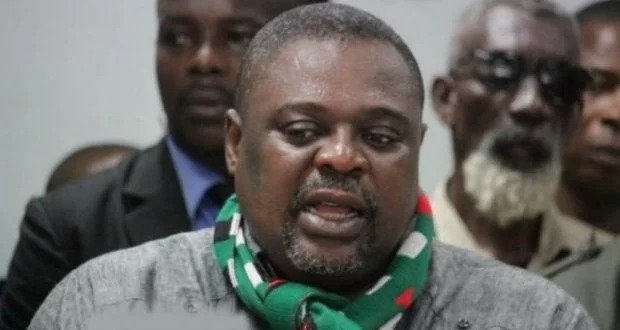
Former NDC Deputy General Secretary and Chief Executive Officer of the Atta-Mills Institute, Samuel Koku Anyidoho, has declared that Ghana belongs to all its citizens and cannot be controlled by any individual, family or group.
Anyidoho made the remarks while speaking about the state of political discourse in Ghana, where he criticised what he described as the growing use of insults and abusive language in political discussions.
According to him, political differences should not lead Ghanaians to place individuals or political interests above the nation.
He stressed that “Ghana will not belong to any family”, insisting that the country must remain a collective national project rather than the preserve of a particular group.
Anyidoho also called for a renewed emphasis on national values, respect and a change in the way political actors and citizens engage one another.
His comments come amid renewed discussions about political rhetoric and the influence of personalities and groups in Ghana’s public affairs.
The former NDC executive has previously argued that national institutions and democratic processes should serve the broader Ghanaian population rather than being controlled by political parties or particular interests.
He has also been involved in previous public disagreements over the commemoration of former President John Evans Atta Mills, including disputes surrounding activities at Asomdwee Park.
Anyidoho’s latest comments therefore add another layer to his long-running advocacy for what he describes as stronger national values, civic responsibility and allegiance to Ghana above individual political interests.

If Cocaine Left Ghana and Was Seized in France, Then Some Officials Had a Hand in It — Solomon Kusi Appiah

Gaza’s Displacement Crisis Exposes Growing Protection Risks for Women and Girls, UNFPA Reports

Peter Okoye Discloses Over $800,000 in P-Square Royalties



-
 General News1 week ago
GTA’s Financial Strength Weakens Despite 2025 Tourism Activities
-
 General News1 week ago
GTA Cash Reserves Halve to GH¢640,000 Despite Improved Liquidity Ratio
-
 General News2 weeks ago
TVET is not for the academically weak – Advocate calls for change in Ghana’s mindset
-

 General News1 week ago
Creative Arts Agency Records GH¢2.01m Revenue in FY2025 Despite Financial Reporting Gaps
-
 Business2 weeks ago
Bank Profits Slide to GH¢7.1bn as Low Interest Rates Squeeze Earnings
-
 General News2 weeks ago
Police Launch Manhunt for Missing Assin Fosu Man as Captors Demand GH¢49,500 Ransom
-

 Culinary1 week ago
Oranges: More Than Just Juice — The Nutritious Fruit Adding Flavour to Ghanaian Life
-
 General News1 week ago
National Theatre balances cultural mandate with commercial survival