
Entertainment
I knew it was going to be challenging– KiDi speaks on independent music journey

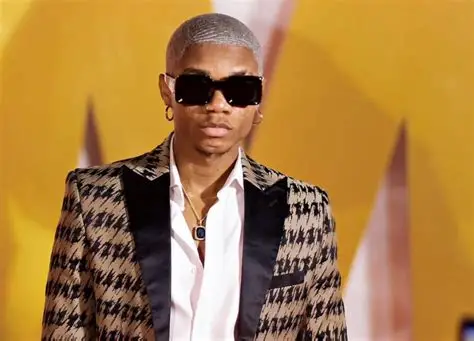
Ghanaian musician KiDi has opened up about the challenges of working as an independent artiste and the added responsibilities that come with managing a music career without the backing of a record label.
The award-winning musician explained that becoming an independent artiste has required him to take on responsibilities beyond making music. He now has to oversee different aspects of his career and ensure that the business side of his operations runs smoothly.
Speaking in an interview with Kafui Dey, KiDi said working independently is significantly different from being part of a structured team.
“Working as an independent artiste is different. It’s very challenging, but one thing about me is I’m always ready for the challenge,” he stated.
According to KiDi, although he knew his decision to become independent would come with difficulties, he welcomed the opportunity because of the growth it offered him.
“Having to stand on my own, having my own people, directing stuff on my own, I knew it was going to be a little challenging, but I’m always up for it and for the growth,” he shared.
KiDi compared his transition into independent music to moving out of his parents’ home and taking full responsibility for adulthood.
“It’s like moving out from your parents’ house. They clothe you, feed you and everything, but you have to leave the house and start life on your own,” he said.
He explained that just as adulthood comes with responsibilities such as securing a home, building a family and taking care of one’s children, independence in music also requires an artiste to take charge of virtually every aspect of their career.
“According to him, just as adulthood comes with responsibilities such as securing a home, building a family and taking care of one’s children, independence in music also requires an artiste to take charge of every aspect of their career.”
KiDi acknowledged that the journey has not been easy but expressed gratitude to the people around him who have helped make the transition easier.
“It’s not an easy thing, but I’m always grateful for the people around me who have been able to make it easier for me,” he noted.
KiDi also revealed that he was previously accustomed to concentrating primarily on his music while other people handled the business and operational aspects of his career.
However, his current position as an independent artiste requires him to be much more involved in the day-to-day running of his career.
“I was so used to being an artiste; when I wake up, I have to just be an artiste, but now I’m not just an artiste, but I’m also running stuff,” he revealed.
He explained that he now has to ensure that the different parts of his career are functioning properly and that tasks are completed as required.
“Making sure the engine is running, what needs to be done is being done, and it’s like running a business,” he added.
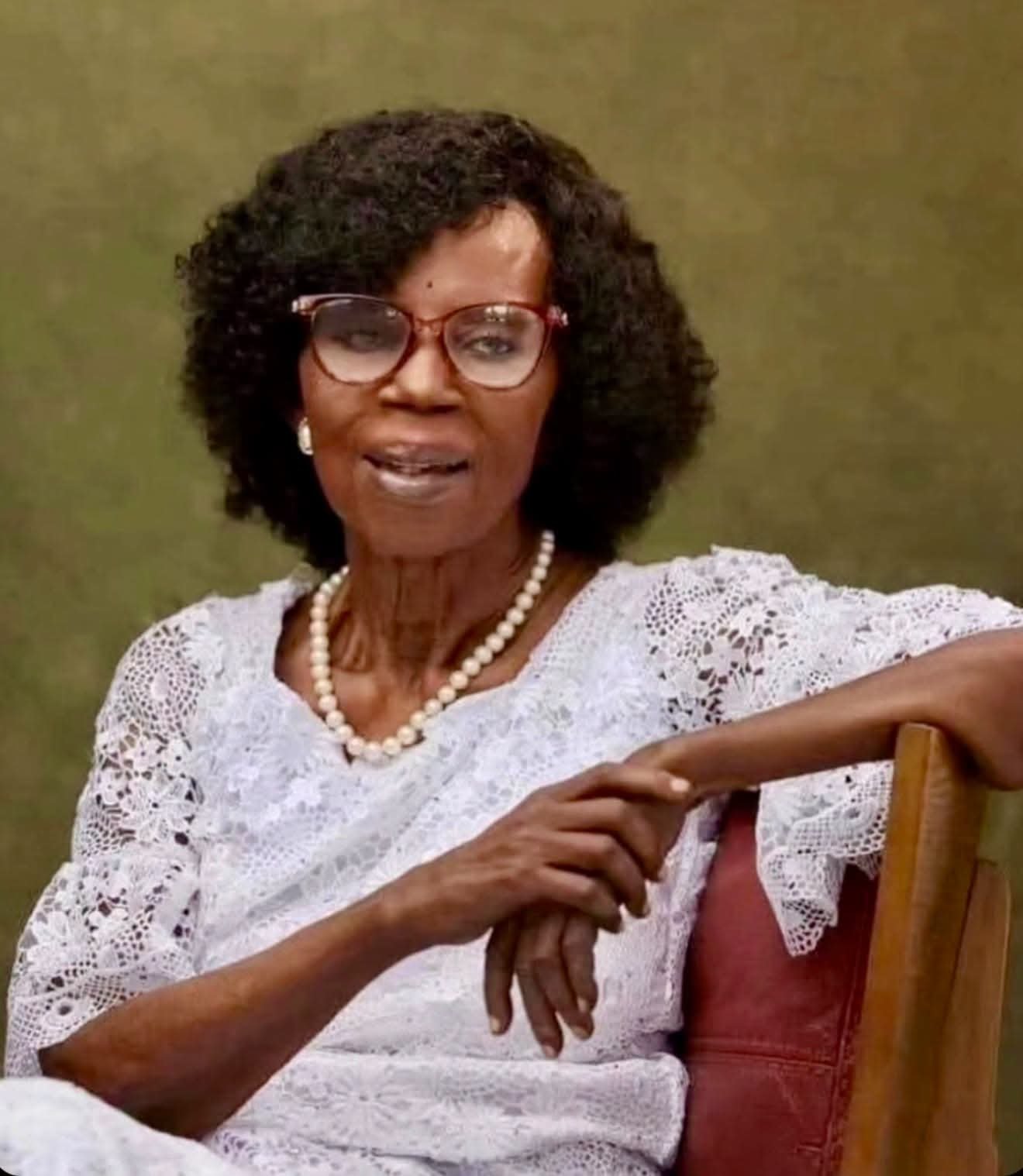
Veteran Ghanaian actress Grace Nortey has sadly passed away at the University of Ghana Medical Centre (UGMC), just months after celebrating her 89th birthday.
Nortey, born on February 1, 1937, died at the age of 89, leaving behind a remarkable legacy spanning more than five decades in Ghana’s entertainment industry.
She celebrated her 89th birthday on February 1, 2026, marking another milestone in a career that established her as one of Ghana’s most respected and recognisable actresses.
Grace Nortey became particularly known for portraying strong, outspoken and feisty matriarchs. Her characters often challenged patriarchal traditions, confronted social injustices and gave a powerful voice to women in Ghanaian storytelling.
Beyond local television and drama productions, Nortey also featured in internationally acclaimed films. Her notable credits include Sinking Sands (2011), a Ghanaian drama that received international recognition, and Beasts of No Nation (2015), the acclaimed Netflix war drama directed by Cary Joji Fukunaga.
Through her performances, Nortey helped shape Ghana’s film and television landscape while inspiring generations of actors and actresses.
Her legacy also continues through her family. She is survived by five children, including her daughter Sheila Nortey, who followed in her mother’s footsteps and became an actress.
Her grandson is also connected to Ghana’s entertainment and media circles as the husband of celebrated broadcaster Berla Mundi.
Grace Nortey’s death marks the loss of one of Ghana’s foundational figures in acting. Her decades-long contribution to the arts, memorable performances and portrayal of strong female characters will remain part of Ghana’s entertainment history.
She will be remembered for her immense contribution to Ghanaian cinema and television.
May her soul rest in perfect peace, and may God grant strength and comfort to her children, grandchildren, extended family, colleagues and loved ones.

Ghanaian musician KiDi has shared the story behind Stonebwoy’s contribution to his song Likor, revealing that the award-winning dancehall artiste was so impressed by the track that he immediately recorded a verse—and later returned with an even stronger version.
Speaking in an interview with host Kafui Dey, KiDi recounted how he visited Stonebwoy at his home and played him several songs, including Likor and another track he expected the dancehall star to prefer.
According to KiDi, however, Stonebwoy immediately connected with Likor after hearing just a few lines.
“I played him Liko and something else that I thought he was going to like. I was pushing for that one,” KiDi explained.
He said Stonebwoy stopped him after hearing the opening lines of Likor and indicated that the song was the one he wanted.
KiDi said the two proceeded to work on the song, with Stonebwoy recording his verse before KiDi took him home.
Later that same day, Stonebwoy reportedly called KiDi and told him he believed he could improve on what he had already recorded.
“He was like, KiDi, relax. You see what I recorded? I feel like I can push myself to even do more. Give me one minute,’” KiDi recalled.
The following day, Stonebwoy sent KiDi a fresh verse, which the singer described as fire.
KiDi also revealed that he had completely forgotten about the other song he initially expected Stonebwoy to like.
The conversation further touched on KiDi’s unreleased songs, which he humorously described as a graveyard containing tracks he once believed would become major hits.
He explained that some songs are abandoned when another track eventually takes their place, but he occasionally revisits the old material with fresh ears.
“Once in a while, I revisit that folder with fresh ears to try and listen to some of the songs that we’ve let go,” KiDi said.
He hinted that one of those previously shelved songs could eventually be revived and included on his upcoming album.
According to KiDi, he believes one song in particular deserves to leave the dumpsite and make it onto the new project. He added that he hopes listeners will eventually hear the song and that he will one day reveal the story behind it.
KiDi’s revelation gives fans a glimpse into the creative process behind Likor and highlights the extra effort Stonebwoy put into delivering his contribution to the song.
Entertainment
They Said My Music Wasn’t Artiste of the Year Material — KiDi Reveals Painful Career Doubt
Award-winning Ghanaian musician KiDi has opened up about the doubts he faced early in his career and how they ultimately made his Telecel Ghana Music Awards (TGMA) Artiste of the Year triumph even more special.
Speaking in an interview with Kafui Dey, KiDi recalled being told by an unnamed industry figure that the kind of music he produced was not suited to winning the prestigious Artiste of the Year category.
According to the singer, the person believed another artiste was better positioned to produce the type of music usually associated with the award.
“As for you, KiDi, the type of music you do is not for Artiste of the Year. We’ll package you differently, but your brother is the one who does Artiste of the Year type of songs.”
KiDi said the remark was painful at the time, but instead of allowing it to discourage him, he used it as motivation to improve his craft and prove that his music could compete at the highest level.
Years later, when he found himself among the contenders for the coveted award, the singer said the earlier comments came back to mind as he waited for the winner to be announced.
He described the experience as emotional, particularly because of the amount of work he had invested in his career.
“It was sad for me hearing that, but I had overcome that with all the work that I had done. Sitting in that moment, knowing it was a possibility for me to win, a lot was happening,” he said.
KiDi admitted that the excitement became overwhelming when his name was eventually announced. He said the moment was so intense that he cannot remember much of what he said during his acceptance speech.
“I don’t remember anything I said on that stage. I know I said words, but I blanked out,” he revealed.
Reflecting on the achievement, KiDi described winning the award as a surreal experience and a powerful form of recognition for his years of creativity and dedication.
“The euphoria of being on that stage… I don’t know how to describe it. Being recognised for creating something out of nothing is just a surreal feeling,” he added.
Beyond his personal achievement, KiDi said he continues to anticipate the TGMAs every year because the ceremony brings together Ghana’s leading musical talents.
He said he enjoys the performances, fashion, entertainment and even the unexpected moments that have become part of the awards night.
“I look forward to seeing all the talents in one place, all the songs that have taken over the year in one place, the glitz, the glamour, the stage performances and even the drama. Every year it brings drama, and I always look forward to it,” he said.
Ghana’s tourism industry is increasingly emerging as a major pathway for youth employment, skills development and entrepreneurship, with the Ghana Tourism Authority (GTA), in partnership with the Ghana Tourism Federation (GHATOF), rolling out programmes aimed at equipping young people with practical skills and creating sustainable career opportunities across the tourism value chain.
The growing focus on tourism employment comes at a time when the sector continues to recover and expand following the disruptions caused by the COVID-19 pandemic.
Tourism employment on the rise
Available tourism sector data show that tourism-related employment increased from 252,714 jobs in 2021 to 276,985 jobs in 2022, representing an increase of more than 24,000 jobs in one year.
More detailed figures from the Ministry of Tourism in 2023 indicated that direct employment in the tourism industry had reached approximately 204,591 jobs. These included workers in hotels and restaurants, travel agencies and tour operators, airlines, recreational facilities, tour guiding, tourist shops and other tourism-related organisations.
When indirect employment generated through supporting activities such as handicrafts and other tourism-related businesses was included, total tourism employment was estimated at approximately 429,641 jobs in 2023.
The sector’s expansion continued in 2024, when Ghana recorded 1,288,804 international tourist arrivals. During the same period, the number of licensed tourism enterprises increased from 5,786 in 2023 to 6,702 in 2024.
Tourism also generated approximately US$4.8 billion in revenue in 2024, creating greater demand for workers and businesses across accommodation, food services, transportation, tour operations, entertainment, events and other related sectors.
In 2025, international tourist arrivals increased further to 1,306,962, representing a 1.4 per cent increase over 2024.
Although comparable national tourism-employment figures are not available for every year from 2021 to 2025 within a single official series, the available data point to a clear post-pandemic recovery and continued expansion of the sector.
GTEM programme targets graduate unemployment
One of the key interventions being introduced to connect young people directly to opportunities in tourism is the Graduate Tourism Employment and Mobility (GTEM) Programme.
Under the programme, 200 graduates will be trained and certified as professional tour guides. Following their training, the graduates will be deployed to hotels, tour companies, cultural sites and events across the country.
The programme is also expected to address one of the major challenges facing young tourism entrepreneurs—access to vehicles.
Through a structured work-and-pay vehicle system, beneficiaries will receive mobility support that can enable them to operate their businesses and provide tourism services without having to bear the immediate cost of acquiring a vehicle.
GTA Chief Executive Officer Maame Efua Houadjeto said the programme is intended not only to train young people but also to connect their skills directly to economic opportunities.
“We are going to train and certify 200 graduates as professional tour guides, standardise and improve the quality of tour guiding across Ghana, and deploy them into hotels, tour companies, cultural sites, and events,” she said.
She further explained that the initiative is designed to move beneficiaries beyond unemployment and into enterprise.
“This is how we move from unemployment to enterprise. It is not just about training, but about linking opportunity directly to productivity,” she added.
One tourism job can support several livelihoods
The impact of tourism employment extends beyond the individual who receives a job.
A professional tour guide, for instance, can generate income for drivers, hotels, restaurants, attraction managers, photographers, artisans, event organisers and other local businesses.
This makes tourism an important sector for creating both direct and indirect employment, as expenditure by one visitor can spread across several businesses and communities.
Training and certification for tourism workers
Beyond the GTEM Programme, the National Professional Training and Certification Programme is also being used to strengthen Ghana’s tourism and hospitality workforce.
The programme targets frontline workers including tour guides, waiters, housekeepers, front-office staff and restaurant managers, providing them with access to professional training and recognised certification.
GHATOF President Seth Ocran stressed the importance of ensuring that certification is accessible to workers across the sector.
“I want to speak directly to our frontline workers: this programme was designed with you in mind… certification must be accessible, not just aspirational,” he said.
Professional certification can improve workers’ employability, strengthen service standards and create opportunities for young people to progress into better-paying positions within the tourism and hospitality industry.
Tourism creates opportunities beyond hotels
The tourism economy is also creating opportunities for young people outside traditional hotel and travel-agency jobs.
Young Ghanaians can establish businesses as tour operators, content creators, car-rental operators, photographers, event organisers, food vendors, travel consultants and digital marketers.
Social media content creators, for example, can promote Ghana’s beaches, waterfalls, historical sites, festivals, food and cultural experiences to domestic and international audiences.
Tour operators can transform these attractions into organised travel experiences, while car-rental companies and professional drivers provide the transportation required by visitors.
The result is a broader tourism ecosystem in which a single tourist can generate income for several businesses and workers.
Opportunities outside Accra
Tourism also has the potential to distribute employment opportunities across the country.
Young people living near beaches, waterfalls, heritage sites, national parks, festivals and cultural attractions can provide services including tour guiding, transportation, accommodation, food, entertainment and creative content.
This presents an opportunity to reduce pressure on the major urban centres by enabling young people in tourism destinations to build livelihoods within their own communities.
Tourism and the fight against youth unemployment
The expansion of tourism provides Ghana with several ways to tackle youth unemployment.
First, skills training and certification can prepare young people for employment in hotels, restaurants, tour companies and tourist attractions.
Second, entrepreneurship and mobility support, including the assistance provided under the GTEM Programme, can help graduates establish their own businesses rather than depend solely on formal employment.
Third, tourism can create opportunities for young people in communities where major attractions are located, allowing residents to benefit directly from visitor spending.
Finally, the sector’s ability to generate both direct and indirect employment means that investment in tourism workers can have a wider economic impact.
The GTA has emphasised that transforming Ghana’s tourism industry will require collaboration among government, businesses, workers and other stakeholders.
“No single institution can transform the sector alone… but together, we can build a sector that is professional, competitive, and globally respected,” Maame Efua Houadjeto said.
With continued investment in training, certification, mobility, entrepreneurship and tourism infrastructure, Ghana’s tourism sector has the potential to become an even stronger engine of youth employment.
The objective, however, goes beyond simply creating jobs. It is to equip young Ghanaians with the skills, confidence and resources to become employees, entrepreneurs and employers within the tourism economy.
The continued increase in tourist arrivals, licensed tourism enterprises and tourism revenue between 2021 and 2025 provides a strong foundation. The next challenge is ensuring that Ghanaian youth are adequately equipped to capture a greater share of the economic opportunities generated by every visitor who enters the country.
By Maureen Eduafo-Mensah, Intern, Corporate Affairs, Ghana Tourism Authority
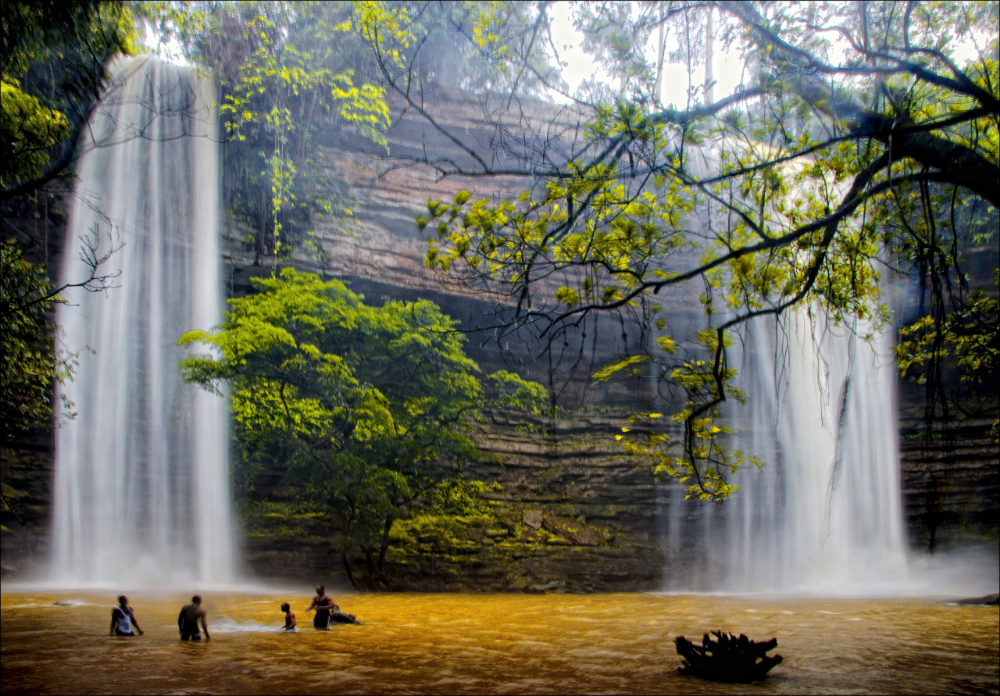
Ghanaians have been urged to explore more of their own country as a way of reconnecting with their cultural heritage and strengthening national identity.
The call was made in an article by Maame Ama Boa Effah, an Intern with the Corporate Affairs Department of the Ghana Tourism Authority, who argues that increased domestic tourism could help preserve important aspects of Ghanaian culture.
According to her, social media and globalisation are influencing the way Ghanaians speak, dress, eat and interact, creating concerns that some traditional aspects of Ghanaian identity are gradually being lost.
She noted that the situation is particularly worrying because many Ghanaians travel within the country mainly for social obligations such as funerals, reunions and work-related activities, rather than for leisure and cultural exploration.
Effah pointed out that while Ghanaians readily mention international destinations such as the Eiffel Tower and Burj Khalifa when discussing places they want to visit, many have not explored the attractions and communities within Ghana.
She cited Ghana Tourism Authority data indicating that domestic tourism recorded 1.79 million visits in 2025, compared with Ghana’s population of more than 34 million.
She questioned how Ghanaians could preserve their heritage when they rarely visit the communities, historical sites and cultural centres where their traditions are preserved.
Effah also highlighted existing initiatives designed to promote domestic tourism, including the See Ghana, Eat Ghana, Wear Ghana, Feel Ghana campaign, which encourages citizens to travel within the country, experience local cuisine, appreciate Ghanaian fashion and engage with local music, folklore and traditions.
She also mentioned the VisitCapeCoast campaign, which seeks to position Cape Coast as a major tourism destination for both international visitors and Ghanaians.
However, she acknowledged that several challenges continue to discourage domestic tourism.
According to her, financial constraints, expensive inter-regional transportation, poor road conditions and high hotel prices make leisure travel difficult for many Ghanaians.
She noted that while air travel could reduce long travel times, airfares remain expensive and not every region has an airport.
Effah further argued that accommodation costs can discourage domestic tourists, particularly when residents face hotel rates they consider too high.
She suggested that hotels could introduce subsidised or tiered pricing for Ghanaian residents to make domestic tourism more affordable.
She also proposed that the Ghana Tourism Authority organise budget-friendly weekend group tours for residents and that regional exchange trips be incorporated into school programmes to expose young people to the different cultures and traditions across the country.
Effah welcomed ongoing efforts to improve regional connectivity, including plans for new and regional airports. She noted that developments such as the proposed Bolgatanga Airport and other regional airport projects could reduce travel times and encourage more inter-regional tourism.
She stressed that domestic tourism should not be viewed solely as recreation but also as a means of preserving Ghana’s cultural identity.
“Our identity is never truly lost; it waits in every village and festival and every story,” she wrote, arguing that the culture Ghanaians fear losing may still be available to them if they make the effort to explore their own country.
Effah concluded that reconnecting with Ghanaian culture could begin with something as simple as taking a bus to another part of the country and experiencing its people, traditions, food, stories and history.
By Maame Ama Boa Effah, Intern, Corporate Affairs, Ghana Tourism Authority.

I knew it was going to be challenging– KiDi speaks on independent music journey

Nkwanta South Citizen Calls for Transparency Over Distribution of Two Trucks of Fertilizer

Legendary Ghanaian Actress Grace Nortey Dies at 89



-
 Education2 weeks ago
Online Classes and Education: Are They the Future of Learning?
-
 General News1 week ago
KFC Ghana Faces Legal Scrutiny Over Customer Safety During GH¢15 Anniversary Promotion
-

 General News1 week ago
BOST Makes Over GH¢10 Million From Faulty Flow Meter Charges, Tanker Drivers Claim
-

 Entertainment2 weeks ago
Tima Kumkum Confirms Marriage Has Ended After One Year, Nine Months
-

 Politics2 weeks ago
Where Is Sedina ? — Hawk Newspaper Managing Editor Charles McCarthy Questions Government
-

 Entertainment2 weeks ago
Please Wait till Next Year – Lil Win Appeals to Ghanaians Over Private Videos
-

 Entertainment2 weeks ago
Oteele’s Wife Gifty Nana Afriyie Denies Being Woman in Leaked Video, Appeals for Support for Orphanage
-
 General News1 week ago
Western North NPP Election: 27 Candidates Listed for 11 Regional Executive Positions