
General News
Kenya Confirms First Ebola Death as Regional Outbreak Raises Fresh Alarm

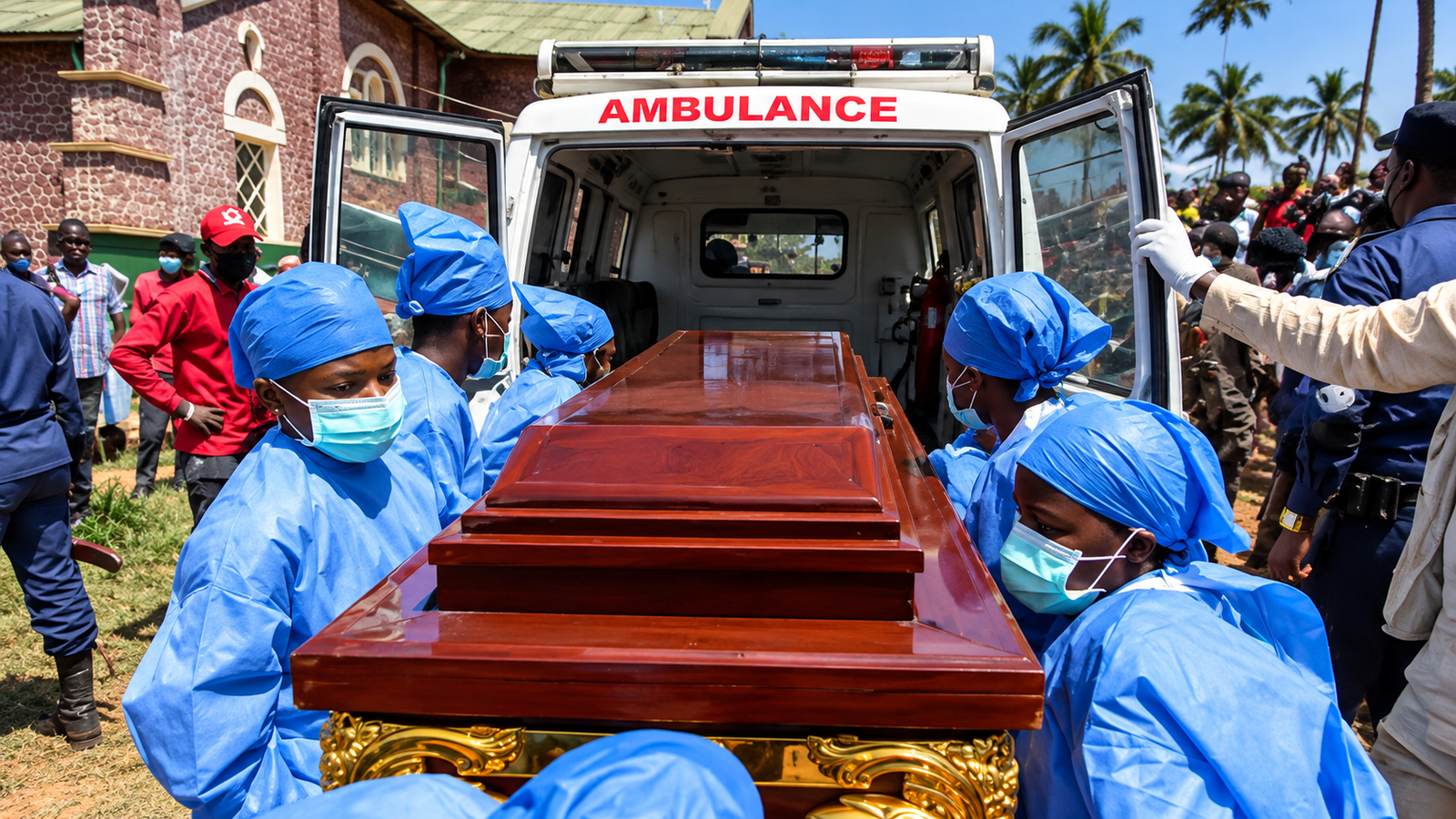
NAIROBI, Kenya — October 7, 2026 — Kenya has confirmed its first-ever Ebola case and death after a Kenyan citizen who had been living in the Democratic Republic of Congo (DRC) died in Nairobi, prompting an intensified public-health response and contact-tracing operation.
Kenya’s Ministry of Health said the patient had been living in the DRC and became ill about a month ago. He was treated at several medical facilities there before travelling by road to Kampala, Uganda, and then flying to Nairobi on October 3. He was taken to a Nairobi hospital after arriving in the country and was subsequently isolated.
Laboratory tests confirmed that the patient had Bundibugyo virus disease, a form of Ebola linked to the ongoing outbreak in the DRC. Despite receiving supportive medical care, he died on October 5 and was buried under Kenya’s safe and dignified burial procedures.
Authorities begin contact tracing
Kenyan health authorities have identified 28 contacts, including relatives and healthcare workers who had contact with the patient. Officials are also working to locate people who travelled on the same flight from Uganda to Nairobi. Contacts are being monitored and isolated for 21 days where required.
The World Health Organization said it is supporting Kenya as authorities strengthen surveillance, screening at high-risk points of entry, case investigation and community communication. Kenya had already been on heightened alert because of the Ebola situation in neighbouring countries.
The country has screened more than 652,000 travellers, tested hundreds of suspected samples and trained approximately 5,000 health workers in Ebola prevention and management, according to the WHO.
Concern grows over wider regional spread
The Kenyan case is connected to a much larger outbreak in the DRC. The DRC declared its latest Ebola outbreak in May, and the disease has since spread across several provinces. More than 8,000 confirmed cases and over 4,000 deaths have been reported during the outbreak, according to recent health authorities’ figures.
Uganda, which borders both the DRC and Kenya, previously reported cases linked to the outbreak but was declared Ebola-free in August after containing its transmission. Kenya is now the latest country to confirm an imported case of the Bundibugyo virus.
Kenyan officials have urged the public not to panic while advising people to maintain good hygiene, avoid close contact with people showing symptoms and seek medical attention when necessary. Authorities say their priority is to detect any additional cases quickly and prevent community transmission.

















President of the Foundation of Concerned Arts Professionals (FOCAP), Kojo Preko Dankwa, had earlier called for a thorough investigation into the Ghana Tourism Authority’s (GTA) handling of arrangements for Ghanaians who travelled to watch the Black Stars at the 2026 World Cup.
His concerns have now been echoed by the Minority in Parliament, which is demanding broader accountability over alleged irregularities surrounding Ghana’s World Cup visa arrangements.
Kojo Preko Dankwa had called for an investigation or the establishment of a committee to examine how the GTA handled its role in facilitating the travel of supporters to watch Ghana’s matches.
“I am asking for that investigation or a committee to look into how they dealt with the World Cup in terms of getting people to go watch the Black Stars during the World Cup,” he said.
He raised concerns after videos and reports emerged alleging irregularities in the process of obtaining visas for people who wanted to travel to watch the tournament.
Kojo Preko Dankwa also questioned the role of Bright Asempa, whom he identified as a former Corporate Affairs Manager of the GTA, saying his name had surfaced in discussions surrounding the alleged visa controversy.
He questioned why Asempa was no longer with the Authority and why the circumstances surrounding his departure had not been publicly explained.
“His name is Bright Asempa, and his name has appeared in scandals that are happening within the visa connections and visa racketeering when it comes to the World Cup.”
He further raised questions about slots reportedly allocated to the GTA to facilitate the attendance of Ghanaians at Black Stars matches.
“Because if they had several slots that they were supposed to deal with, did they sell it? And if they did not sell it, why is their former or current Corporate Affairs Manager Bright Asempa’s name flying in and out of these scandals coming from National Sports Council?”
Kojo Preko Dankwa said the matter required an investigation to establish whether the GTA was involved in any wrongdoing and to determine what happened to the slots reportedly allocated to the Authority.
He also questioned the circumstances surrounding Bright Asempa’s reported removal, noting that the former official’s name had again surfaced in allegations linked to the World Cup visa arrangements.
“We want to know why he was sacked. We want a thorough investigation done on this same World Cup Black Star Visa issues where GTA had a certain number of slots to take Ghanaians to go watch the Black Star match at the World Cup.”
His earlier call for scrutiny has now gained renewed relevance following demands by the Minority in Parliament for a wider investigation into the alleged visa irregularities.
At a press conference on Wednesday, October 7, Ranking Member on the Youth and Sports Committee, Vincent Ekow Assafuah, demanded the immediate dismissal of Sports and Recreation Minister Kofi Adams and GTA Chief Executive Officer Maame Afua Houadjeto.
The Minority’s demand follows President John Dramani Mahama’s decision to ask National Sports Authority Director-General Yaw Ampofo Ankrah to step aside while the police investigate the allegations.
Assafuah argued that the action against the former NSA boss should not end the accountability process.
“The dismissal of Yaw Ampofo Ankrah does not, by itself, resolve the issues before us. Accountability cannot and does not end with one individual.”
According to the Minority, documents in its possession point to the involvement of the NSA, GTA, TRIBE Culture Fest and officials within the Ministry of Sports and Recreation.
The Minority alleges that some individuals who were not employees or affiliates of public institutions were presented as such in dealings with foreign diplomatic missions.
It is also questioning alleged payments ranging from US$7,000 to US$14,000 by individuals seeking access to the visa arrangements.
The Minority wants the roles of the Sports Minister, GTA leadership, NSA officials, TRIBE Culture Fest and other individuals named in the documents investigated.
Assafuah said officials found administratively culpable should be sanctioned, while anyone found to have committed a criminal offence must face prosecution.
“Dismissal is not prosecution. Removal from office is not accountability for criminal conduct. Where there is evidence of a crime, the appropriate law enforcement and prosecutorial authorities must pursue the matter.”
The Minority is therefore demanding the removal of Kofi Adams and Maame Afua Houadjeto pending the outcome of investigations.
Kojo Preko Dankwa, who raised concerns about the GTA’s World Cup arrangements before the Minority’s latest intervention, has similarly insisted that the matter must be investigated to establish the facts.
He said an investigation would help determine whether the GTA had any involvement in the alleged visa-related activities and protect the credibility of the Authority.
“We need to investigate. We need to understand what is really happening.”
He also warned against allowing the issue to become another controversy involving public officials and visa arrangements.
“We cannot sit and see corruption. We cannot sit and see other things that are done to make the whole GTA look bad in the eyes of the people.”
The emerging calls for an investigation therefore place renewed focus on the GTA’s role in the World Cup travel arrangements and whether public institutions or individuals breached established procedures in facilitating visas for Ghanaian supporters.

Host of Kessben Maakye on Kessben TV and Kessben 92.9FM, Kojo Preko Dankwa, has questioned the demolition of existing community structures to make way for what the government now describes as District Economy Markets.
Speaking on the programme, Kojo Preko Dankwa said residents affected by the demolition of houses, schools, banks, markets and other properties deserve clear explanations about the projects and what will replace the structures being removed.
His comments followed growing discussions over projects initially presented to many Ghanaians as part of the government’s 24-hour economy initiative but which are now being described as District Economy Markets.
Kojo Preko Dankwa said the change in terminology has exposed what he considers a serious communication gap within government.
He argued that the government had sufficient opportunity to explain the projects properly because the term “24-hour market” had been used publicly for a considerable period.
According to him, government officials, including MPs and District Chief Executives, should have been able to explain the exact nature, purpose and scope of the projects to residents.
He questioned why the government did not correct the public understanding earlier if the projects were always intended to be known as District Economy Markets.
“The communication gap” has become particularly concerning, he said, because some residents are now losing homes and existing facilities without seeing clear evidence of replacement infrastructure.
Kojo Preko Dankwa argued that development projects must take into consideration the needs of the communities where they are being implemented.
He said government cannot simply demolish an existing facility and expect residents to accept a new project without adequately explaining the reason for the demolition, the benefits of the replacement project and how the community’s immediate needs will be addressed.
He particularly raised concerns about schools.
According to him, if a school building is found to be defective or structurally unsafe and is therefore demolished, the appropriate response should be to provide a properly constructed replacement school.
He questioned the logic of removing a school and replacing it with a market when the affected community still requires an educational facility.
“If there is a defect in school buildings and it is not proper, if the building is demolished, you have to replace it,” he stressed.
He said such situations demonstrate why development communication must form part of government planning.
For him, communication should not begin only after a project has generated controversy.
Rather, government should engage residents before construction begins, explain the project’s objectives and listen to concerns about land use and existing community facilities.
Kojo Preko Dankwa also questioned whether local authorities had properly assessed the effectiveness of the proposed markets for the communities in which they are being constructed.
Using the Two Face Market as an example, he recalled earlier explanations that the first phase would involve expanding the market, with a second phase expected to introduce additional facilities and logistics, including a fire service station and clinic.
He questioned whether the relevant district and metropolitan assemblies had adequately explained the full plan to residents.
He also raised concerns about the availability of land, asking how government intends to construct District Economy Markets when some communities have limited land for development.
According to him, these questions should have been addressed through proper consultation with residents before demolition and construction began.
Kojo Preko Dankwa further argued that government should not rely solely on its manifesto or political authority to implement projects without ensuring that the affected population understands and supports the development.
He said ordinary citizens who voted for the government deserve to understand what is being constructed in their communities and why existing properties are being removed.
Kojo Preko Dankwa questioned why the Local Government Ministry and the government’s communication machinery did not address those comments at the time.
He said the silence allowed the public to continue associating the projects with the 24-hour economy until the government later began describing them as District Economy Markets.
He therefore maintained that the issue is not simply about changing the name of a project but about whether the government has effectively communicated its development plans to citizens.
He said the failure to communicate clearly has contributed to confusion and frustration, particularly among people whose properties and community facilities are being affected.
Kojo Preko Dankwa also questioned how the projects are being financed and linked the discussion to allocations for district assemblies for the 2025/2026 period.
He argued that DCEs and other local officials must be able to clearly explain the projects to residents if government expects communities to accept them.
“If one DCE doesn’t explain properly what the market is supposed to be, then we have failed,” he said.
Kojo Preko Dankwa concluded that the situation demonstrates what he considers a broader failure in development communication, insisting that government must engage communities properly and ensure that demolished facilities are appropriately replaced rather than simply introducing new projects in their place.
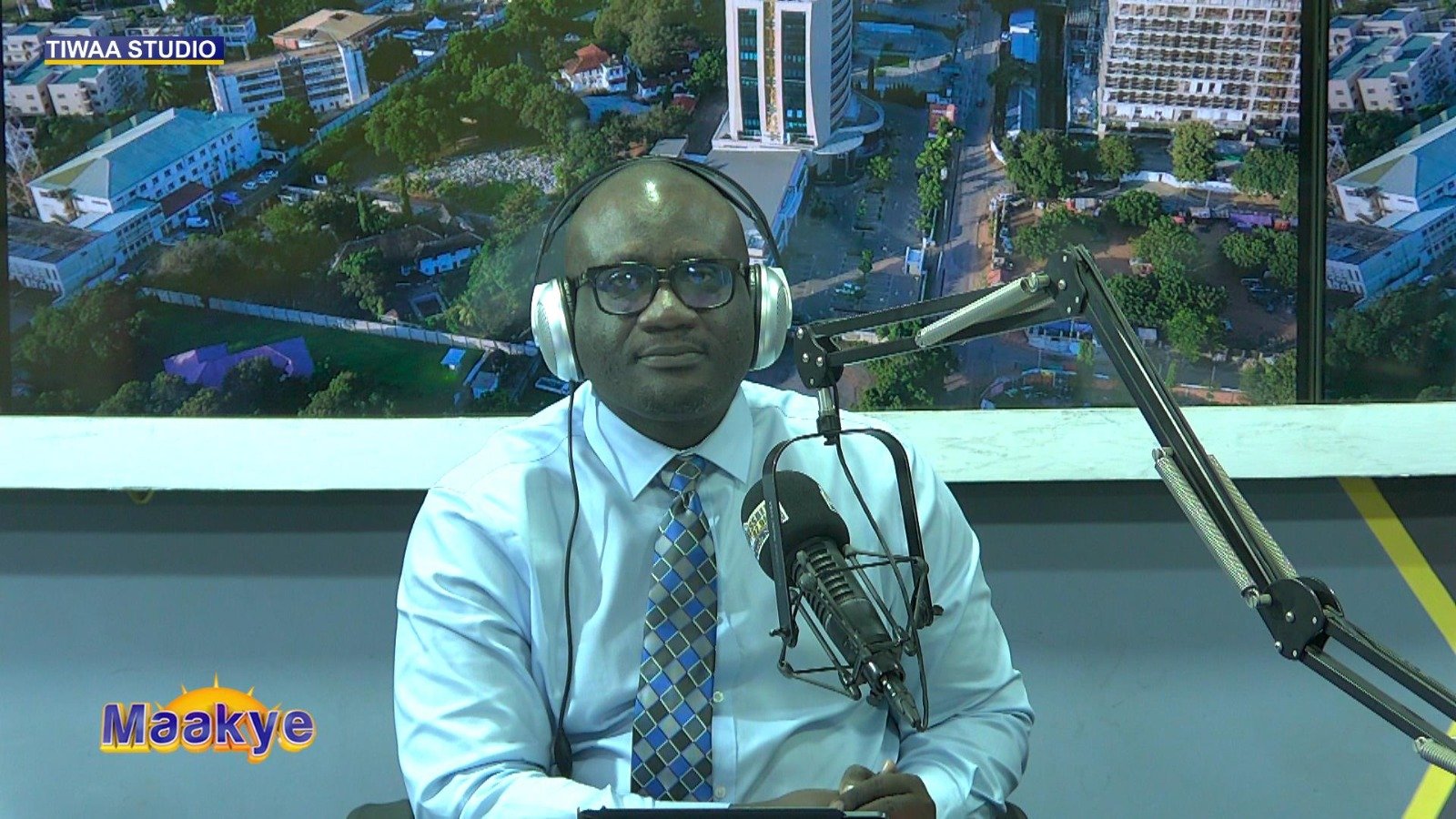
Media journalist and broadcaster Kojo Preko Dankwa has criticised the government over what he describes as a major communication failure surrounding the implementation of the government’s 24-hour economy policy at the local level.
According to him, the government has failed to properly communicate to Ghanaians that some of the projects previously described as 24-hour markets are now being referred to as District Economy Markets.
Speaking on the matter, host of Kessben Maakye on Kessben TV and Kessben 92.9fm Accra, Kojo Preko Dankwa said the failure to clarify the policy from the beginning had created confusion among residents, particularly communities affected by the demolition of existing structures to make way for new market projects.
He questioned why the government and its communicators did not intervene earlier when the projects were being widely presented as 24-hour markets.
“You have failed when it comes to the communication of this matter,” he argued, questioning whether the government had failed to apply the principles of development communication to properly explain the policy to citizens.
Kojo Preko Dankwa said Members of Parliament, District Chief Executives and other government officials should have been properly equipped to explain to their constituents what was actually being constructed.
He argued that if the projects were always intended to be District Economy Markets, the government should have communicated that clearly instead of allowing the public to understand them as 24-hour markets for an extended period.
He also questioned whether the government was being reactive rather than proactive in its communication strategy.
According to him, the communication gap has become even more problematic because some communities are now witnessing the demolition of houses, schools, banks, existing markets and other structures to make way for the projects.
He said residents affected by the demolitions have raised concerns because, in some cases, the structures being destroyed have not been replaced before the communities are expected to accept the new developments.
Kojo Preko Dankwa cited the Two Face Market as an example, recalling assurances that the first phase would involve the expansion of the market, while a second phase would introduce additional infrastructure and services such as a fire station and clinic.
He questioned whether district and metropolitan assemblies had adequately engaged the affected communities to establish whether the proposed projects were suitable for their needs and whether the available structures would effectively serve the same communities.
The journalist further raised concerns about the demolition of schools.
He argued that where school buildings are considered defective or structurally unsafe and are therefore demolished, the government should ensure that they are properly replaced.
He said replacing a demolished school with a market without adequately addressing the educational needs of the affected community amounts to poor development communication and planning.
“ If there is a defect in school buildings and they are not proper, if the building is demolished, you have to replace it,” he said.
Kojo Preko Dankwa questioned the rationale behind demolishing existing community facilities when there is no clear indication of where replacement facilities will be located.
He also raised concerns about land availability, asking how the government intends to construct District Economy Markets in communities where adequate land has not been secured.
According to him, proper development communication requires government agencies to engage communities before projects are implemented rather than relying solely on government power or manifesto commitments.
He said residents should be informed about what is being built, why it is being built, where it will be located, how it will affect existing facilities and what benefits the community will receive.
Kojo Preko Dankwa also referred to earlier comments by Goosie Tanor, described as the head of the 24-hour economy communication structure, who had reportedly indicated months earlier that the 24-hour markets being constructed were not his initiative or projects under his department.
He questioned why the Ministry of Local Government, Chieftaincy Affairs and Religious Affairs and the government’s communication machinery did not respond clearly to such comments at the time.
“If you heard it, how did you not respond?” he questioned, arguing that the silence allowed the media, political opponents and ordinary citizens to form their own understanding of the projects.
For Kojo Preko Dankwa, the issue goes beyond the name attached to the markets and points to a broader failure in development communication.
He said government communication should have been used to explain the policy from the beginning, engage affected communities and prevent the confusion that has emerged over the projects.
He further questioned the financing and implementation of the projects, particularly in relation to allocations to district assemblies for the 2025/2026 period.
“If one DCE doesn’t explain properly what the market is supposed to be, then we have failed,” he said.
Kojo Preko Dankwa maintained that the government’s approach demonstrates a failure to properly communicate its development agenda to ordinary Ghanaians, particularly those directly affected by the projects.
He stressed that development should not only involve constructing physical infrastructure but must also include effective communication and meaningful engagement with the people who will live with the consequences of those projects.
General News
Political communicators must prepare before speaking on teachers’ strike – Seth Afum Dankwah

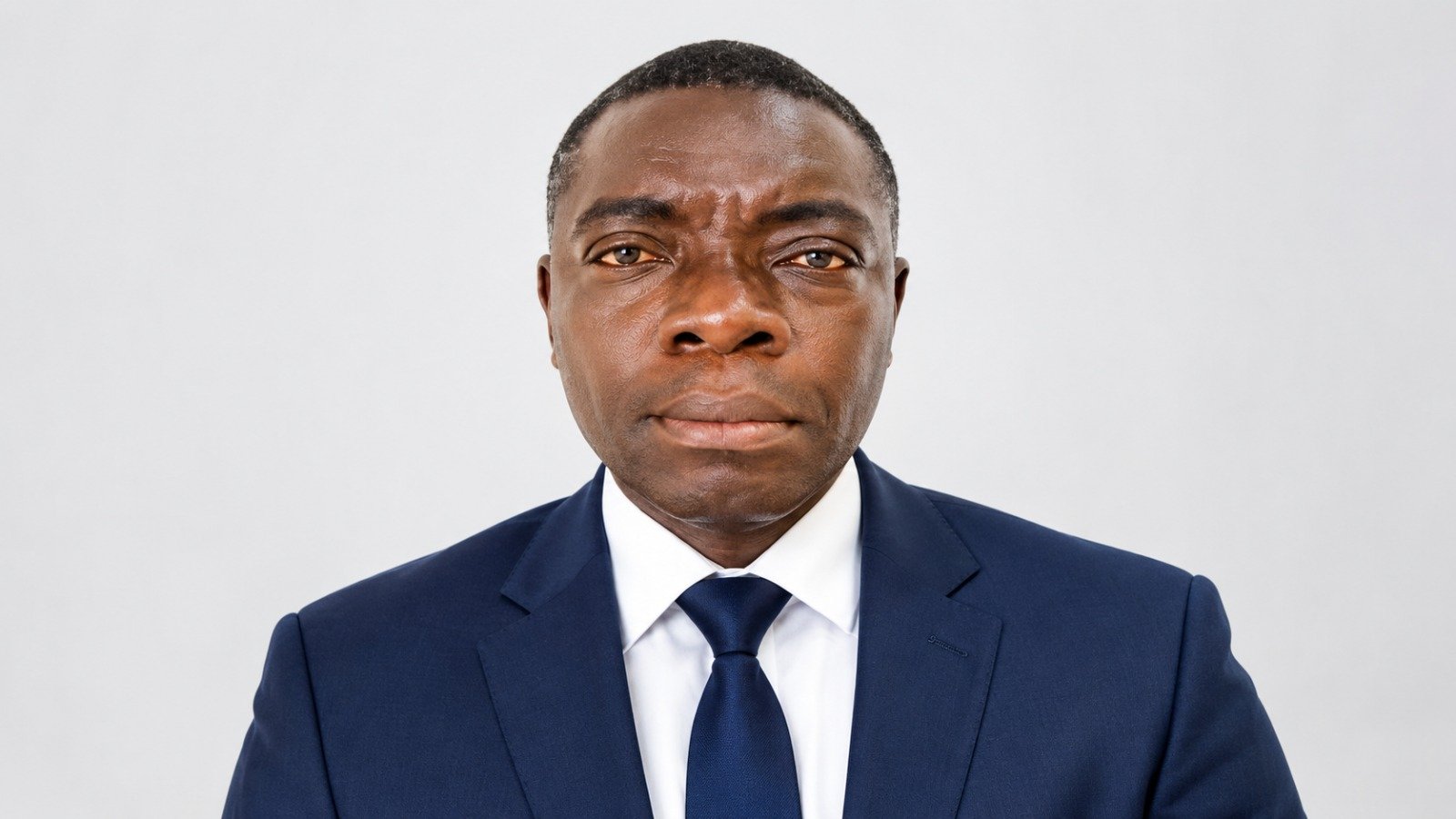
A teacher at J.G. Knol Technical Institute in Adukrom in the Eastern Region, Seth Afum A. Dankwah, has called on political communicators to properly prepare and rely on facts before commenting publicly on sensitive issues such as the ongoing teachers’ strike.
According to him, political communication during periods of industrial unrest must be handled with empathy, accuracy and restraint, rather than through threats, condemnation or sweeping generalisations.
His comments come in the wake of the nationwide strike by three pre-tertiary teacher unions involving teaching staff of the Ghana Education Service.
In a statement, Mr Dankwah argued that communicators who seek to help the government resolve the impasse must first understand the realities confronting teachers and the education sector before going on radio, television or political platforms.
He drew a comparison between the work of teachers and political communicators, saying just as teachers are expected to prepare lesson notes, research their subject matter, structure lesson objectives and anticipate questions from learners, communicators must also prepare adequately before addressing the public.
He said effective communication requires the careful selection of language that informs and inspires rather than intimidates or deepens tensions.
Mr Dankwah expressed concern about comments attributed to Janet Asana Nabla, Chairperson and Leader of the People’s National Party (PNP) and the party’s 2024 presidential candidate, during a recent appearance on Onua FM.
According to him, Ms Nabla was reported to have called for the government to deal decisively with teachers and demote headmasters. He said she also reportedly described teachers as largely irresponsible and accused them of contributing to the development of irresponsible students.
He further said the comments attributed to her included allegations that headmasters had abdicated their supervisory responsibilities, teachers condoned and encouraged examination malpractice, and teachers allowed or facilitated students to dance in their school uniforms on TikTok.
Mr Dankwah cautioned against making such broad accusations without verifiable data or evidence from Ghana Education Service monitoring and evaluation reports.
He argued that using the conduct of a few teachers or isolated incidents to portray an entire profession negatively could damage teachers’ morale and dignity at a time when their cooperation is needed to resolve the current industrial dispute.
He therefore appealed to political communicators to “prepare ahead of time” before speaking publicly on the teachers’ concerns.
He questioned whether communicators had visited schools in deprived and hard-to-reach communities where children are taught under fragile canopies or beneath trees due to inadequate classroom infrastructure.
He also asked whether they had seen schools without staff common rooms, offices for heads of department, decent dormitories, proper toilet facilities, perimeter walls, functional kitchens, dining halls, IT laboratories, science laboratories and workshops for practical and vocational training.
Mr Dankwah also highlighted the absence of staff accommodation in some boarding schools and the challenges faced by understaffed schools.
He said some teachers in deprived communities, despite earning modest salaries, often use their personal resources to support their students.
According to him, teachers sometimes buy chalk, print examination questions, provide sanitary pads for vulnerable female students, pay school fees and even provide food for hungry learners before they can effectively begin teaching.
Against this background, he said threats to deal with or demote teachers and headmasters cannot be considered strategic communication.
He described such an approach as potentially counterproductive, arguing that it could create more tension and turn teachers into adversaries of the government at a time when constructive engagement is required.
Mr Dankwah said President John Dramani Mahama needs communicators who can help calm tensions rather than inflame passions amid the ongoing labour dispute.
He urged government communicators to focus on verified information about steps being taken through engagements with the Fair Wages and Salaries Commission, the Ghana Education Service and the teacher unions.
He said such communication should seek to calm frayed nerves, build bridges with organised labour and restore public confidence and trust.
Mr Dankwah concluded by urging political communicators across Ghana to learn from the teaching profession by preparing thoroughly before addressing the public.
“Respect teachers. Prepare well. Speak with empathy, with decorum, and with wisdom,” he said, stressing that such an approach would provide a more genuine and patriotic way of supporting the country and advancing the government’s Resetting Ghana agenda.


Accra, Ghana — October 7, 2026:
The Ghanaian cedi recorded the sharpest depreciation among African currencies monitored by the World Bank during the second quarter of 2026, losing nearly 10% of its value against the US dollar between March and June.
The assessment is contained in the World Bank’s October 2026 Africa Economic Update, which examines economic and financial developments across Sub-Saharan Africa.
The cedi’s decline came amid renewed pressure on African currencies following the escalation of conflict in the Middle East. Rising energy prices, increased demand for US dollars and heightened uncertainty in international financial markets contributed to pressure on several African currencies.
The cedi’s performance was significantly weaker than a number of other currencies on the continent. The Lesotho loti, Namibia dollar, South African rand and Eswatini lilangeni each recorded declines of more than 6% during the period.
External shocks deepen pressure
The World Bank said the currency movements reflected a combination of international shocks and existing domestic vulnerabilities.
Higher oil and energy prices increased import costs for countries that rely heavily on energy imports, putting additional demand on foreign exchange markets. The resulting pressure on reserves contributed to weaker currencies.
The Bank also pointed to a shift in global investor behaviour as geopolitical tensions increased. Investors moved toward safer assets, leading to capital outflows from emerging and frontier markets and adding further pressure to African currencies.
Disruptions linked to the Middle East conflict also increased the cost of some agricultural inputs, including fertiliser. According to the World Bank, this added to imported inflationary pressures in affected economies.
Cedi weakness and debt concerns
The depreciation of the cedi has implications beyond the foreign-exchange market. A weaker local currency increases the domestic-currency cost of servicing debts denominated in US dollars and can raise the cost of imported goods, fuel, machinery and raw materials.
The World Bank warned that currency depreciation can therefore compound fiscal vulnerabilities, particularly in countries with significant foreign-currency debt obligations.
Despite the second-quarter setback, the Bank noted that much of the broad pressure on African currencies had eased by the end of August. Only 10 of the currencies monitored remained weaker than their end-February levels.
Ghana’s economy remains resilient
The currency setback comes against a broader economic picture that is not entirely negative for Ghana.
The World Bank’s latest regional update projects Sub-Saharan African growth to increase from 4.1% in 2025 to 4.3% in 2026. It also highlights stronger domestic demand and improved macroeconomic resilience across parts of the region.
For Ghana, the contrast between currency performance and wider economic activity remains significant. Recent reporting based on the World Bank update puts Ghana’s 2026 growth forecast at 4.8%, showing that economic expansion has continued despite pressure on the currency.
The cedi has, however, continued to face pressure against the dollar. Recent market data cited by MyJoyOnline put its year-to-date depreciation against the US dollar at about 10.04%.
The latest World Bank assessment is likely to keep attention focused on Ghana’s foreign-exchange market, external financing needs and the country’s ability to absorb global economic shocks while maintaining economic growth.

Emmys leave broadcast television for Amazon Prime Video in historic six-year deal

Ghana Honours Nollywood Icon Pete Edochie in Landmark Pan-African Recognition

Paramount completes $110bn Warner Bros. Discovery takeover, creating new Hollywood giant



-

 General News1 week ago
Fidelity Bank Chairman Named Ghana’s Topmost Transformational Board Chair 2026
-

 Technology2 weeks ago
Rolls-Royce Expands Aviation Business with Major Philippine Airlines Engine Agreement
-

 Entertainment2 weeks ago
Ras Caleb assesses institutions under the Tourism Ministry, highlighting key roles.
-
 Entertainment2 weeks ago
Ras Caleb Appiah-Levi: The musician, Pan-Africanist and organiser whose career spans four decades
-
 Entertainment1 week ago
Ras Caleb Appiah-Levi Reflects on Death, Wealth and Equality: “Death Neither Knows Rich Nor Poor”
-

 Business1 week ago
Rev. Dr. Christian Kwetey Kweitsu Honoured for Excellence in Audiology Practice in Kigali
-

 General News2 weeks ago
Sudan Chemical Weapons Allegations: UN Signals Readiness for Possible Investigation
-

 Sports2 weeks ago
Red Card After Gun Gesture Overshadows Israel’s Nations League Goal