
Education
Professor Ameyaw Ekumfi has been taken into custody by the NIB


Former Chairman of the Public Procurement Authority Board, Prof Christopher Ameyaw-Akumfi has been taken into custody by the National Intelligence Bureau (NIB) at Kawukudi, near Nima in the Greater Accra region.
The reasons for his detainment are not yet known.
The legal team of the former Education Minister is actively working to secure his release.
As of now, lawyers are present at the NIB offices in Kawukudi, striving to obtain bail for the professor.
More soon…
Source: Citinews








Exams and student performance have been closely connected for many years. From classroom tests to major national examinations, students are often assessed through written papers that determine grades, progression, admission, and future academic opportunities.
Examinations can provide schools with a structured way to measure students’ knowledge. However, there is growing debate about whether exam results alone can accurately reflect a student’s full abilities.
A student may perform poorly in an examination but demonstrate excellent creativity, communication, leadership, practical skills, or problem-solving abilities outside the examination room. This raises an important question: Are examinations still the best way to measure student ability?
Why Examinations Are Important
Examinations can provide a standardised method of assessing students. When students sit similar examinations under similar conditions, schools and institutions can compare academic performance using a common system.
Exams can also encourage students to revise lessons, organise their study time, and prepare for academic challenges.
For some subjects and professions, examinations are particularly useful for testing whether students understand important theories, concepts, rules, and principles.
The Pressure of High-Stakes Exams
One major concern is the pressure associated with high-stakes examinations.
When a student’s future depends heavily on a particular examination, the pressure to perform can become intense. Students may spend months preparing for major exams and may feel that one examination will determine their entire future.
This can encourage some students to focus heavily on memorising information rather than developing deeper understanding.
Do Exams Measure Creativity?
Creativity is an important skill in education and the workplace, but it can be difficult to measure through traditional examinations.
A written exam may test whether a student can remember information or provide a correct answer, but it may not fully demonstrate the student’s ability to create something new, develop an innovative idea, design a solution, or approach a problem differently.
Projects, presentations, practical assignments, and creative work can provide additional opportunities to assess these abilities.
Problem-Solving and Critical Thinking
Modern education increasingly emphasises critical thinking and problem-solving.
Students need to be able to analyse information, identify problems, evaluate evidence, and develop solutions. Some examination questions can test these skills, but assessment methods that involve real-world projects may provide a broader picture of a student’s abilities.
For example, asking students to design a solution to a community problem may reveal skills that a traditional written test cannot easily capture.
Practical Skills Matter Too
Academic knowledge is important, but many careers also require practical skills.
A student studying agriculture, engineering, hospitality, healthcare, construction, technology, or vocational subjects may need to demonstrate that they can apply knowledge in practical situations.
Practical assessments can therefore complement written examinations by showing whether students can use what they have learned.
The Importance of Continuous Assessment
Continuous assessment provides another way to understand student performance.
Instead of relying heavily on one final examination, teachers can evaluate students through assignments, quizzes, presentations, projects, class participation, practical work, and other activities throughout the academic year.
This can provide a more complete picture of a student’s progress.
Group Work and Team Skills
The ability to work with others is important in many workplaces.
Traditional examinations are usually completed individually, making it difficult to assess teamwork and collaboration.
Group projects and presentations can help students develop and demonstrate communication, leadership, cooperation, and responsibility.
Different Students Have Different Strengths
Not every student learns or demonstrates knowledge in the same way.
Some students perform exceptionally well in written examinations, while others may demonstrate their strengths through practical activities, presentations, creative projects, or discussions.
A broader assessment system can provide opportunities for different types of learners to demonstrate what they know and can do.
The Risk of Teaching Only for Exams
When examination results become the primary measure of success, teachers and students may feel pressure to focus mainly on examination preparation.
This can sometimes lead to “teaching to the test”, where classroom activities focus heavily on what is likely to appear in an examination.
While examination preparation is important, education should also encourage curiosity, creativity, independent thinking, communication, and practical application of knowledge.
Can Technology Improve Assessment?
Technology is creating new possibilities for student assessment.
Digital platforms can provide interactive quizzes, simulations, presentations, coding exercises, and other activities that may assess skills beyond traditional written tests.
Technology can also make it easier for teachers to monitor students’ progress over time and identify areas where additional support may be needed.
However, digital assessment should be implemented carefully to ensure that students who have limited access to technology are not disadvantaged.
The Role of Teachers
Teachers play an important role in determining how student performance is assessed.
Rather than relying entirely on one method, teachers can combine examinations with assignments, projects, classroom participation, practical activities, and presentations.
This approach can help educators understand not only what students remember but also how they apply their knowledge.
What Should Parents Consider?
Parents often place significant emphasis on examination results because grades can influence educational opportunities.
However, parents should also recognise that academic results are only one part of a student’s development.
Communication skills, confidence, creativity, discipline, practical ability, emotional maturity, leadership, and problem-solving can also contribute to future success.
What Should Students Focus On?
Students should take examinations seriously while avoiding the belief that one examination completely defines their abilities or future.
Developing a broad range of skills can be equally important. Students can benefit from reading widely, participating in projects, learning practical skills, joining clubs, developing communication abilities, and gaining experience outside the classroom.
A Balanced Approach to Assessment
The debate does not necessarily mean examinations should be removed.
Written examinations can remain useful, particularly when schools need to assess knowledge consistently and efficiently.
The bigger question is whether exams should be one part of assessment rather than the only major measure of ability.
A balanced system could combine: Written examinations, Continuous assessment, Practical projects, Presentations, Research assignments, Group activities, Problem-solving exercises, Creative work, Oral assessments
Internships or workplace experience where appropriate
Preparing Students for the Real World
The world of work requires more than the ability to pass examinations.
Employers may look for people who can communicate effectively, solve problems, work in teams, adapt to change, use technology, manage responsibilities, and apply knowledge to real situations.
Education systems therefore face the challenge of ensuring that assessment prepares students for both academic progression and life beyond school.
Conclusion
Exams and student performance will likely remain an important part of education, but examination results may not provide a complete picture of what every student can achieve.
A student’s ability involves more than remembering information and answering questions under time pressure. Creativity, practical skills, critical thinking, communication, teamwork, and problem-solving are also valuable.
Rather than eliminating examinations completely, schools could consider combining them with other forms of assessment to create a broader and more balanced picture of student achievement.


Great Kingdom Medical Centre (GKMC) has donated a fully equipped 24-bed health facility to Benkum Senior High School in the Eastern Region, in a major boost to healthcare delivery for students and staff.
Benkum Senior High School, established in 1949 in the Akuapem North Constituency, currently has a student population of about 3,000.
The donation forms part of Great Kingdom Medical Centre’s corporate social responsibility initiative aimed at improving access to quality healthcare, particularly for students.
Speaking about the initiative, the CEO of Kingdom Group of Companies, Dr. Jonathan Amofa, described the project as a responsibility to give back to the community. He stressed that students require good health to excel academically and expressed optimism that similar projects would be extended to other schools.
Receiving the facility, the Board Chair of Benkum SHS Mrs. Rosamond Amoako Apenteng expressed appreciation to Great Kingdom Medical Centre for the intervention, noting that the 24-bed facility would significantly improve healthcare services for both students and teachers.
The school’s Girls’ Prefect, Maxine Albert-Chiri, also welcomed the project, describing the facility as timely and valuable in addressing students’ healthcare needs while on campus.
The Boys’ Prefect master Gilbert Asante explained that although the school previously had a sick bay, it was not adequately resourced to handle the health needs of students. As a result, some students had to be referred to Tetteh Quarshie Memorial Hospital and other health facilities whenever serious health issues arose.
He said the newly donated facility would provide students with safer and more accessible healthcare on campus and thanked Great Kingdom Medical Centre for the gesture.
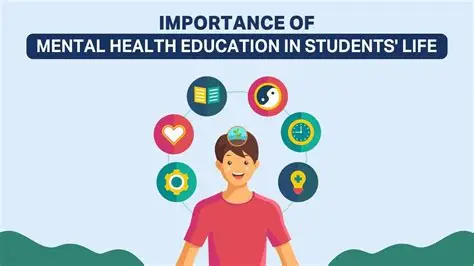
Mental health education in schools is becoming an increasingly important topic as educators, parents, and students discuss the pressures young people face both inside and outside the classroom.
Students may experience academic pressure, bullying, social challenges, family difficulties, financial concerns, relationship problems, and the pressures associated with social media. Without appropriate knowledge and support, these challenges can affect their concentration, participation, relationships, and overall school experience.
This has led to growing calls for schools to provide students with age-appropriate education about mental health and emotional wellbeing.
What Is Mental Health Education?
Mental health education involves teaching students about emotional wellbeing, healthy coping strategies, relationships, stress, resilience, and how to seek help when they are struggling.
It does not mean that schools should diagnose students or replace qualified mental health professionals. Instead, the aim is to give students basic knowledge that can help them understand their emotions and recognise when they may need support.
Why Mental Health Education Matters
Schools are important environments in the lives of young people. Students spend a significant amount of time learning, interacting with classmates, and developing social and personal skills.
Introducing mental health education in schools can help students understand that emotional wellbeing is an important part of overall health.
It can also encourage students to speak to trusted adults when they are facing difficulties instead of keeping problems to themselves.
Helping Students Understand Their Emotions
Young people experience many different emotions, including happiness, anger, sadness, fear, disappointment, excitement, and frustration.
Students may not always know how to identify or communicate what they are feeling.
Age-appropriate lessons can teach students how to recognise emotions, express themselves appropriately, and develop healthy ways of dealing with difficult situations.
Managing Academic Pressure
Academic work can sometimes be challenging for students. Examinations, assignments, deadlines, competition, and expectations from parents or teachers can create pressure.
Mental health education can introduce practical strategies for managing school-related stress, such as planning study time, taking appropriate breaks, getting enough rest, asking for help, and maintaining healthy routines.
The objective is not to remove every challenge from education but to help students develop healthier ways of responding to pressure.
Bullying and Its Impact
Bullying can affect a student’s sense of safety and belonging at school.
It may take different forms, including physical bullying, verbal abuse, social exclusion, harassment, or online bullying.
Schools can use mental health and wellbeing lessons to teach students about empathy, respect, healthy relationships, and how to report bullying.
Students should also know that seeking help when they experience or witness bullying is not a sign of weakness.
Social Media and Student Wellbeing
Social media has become an important part of many young people’s lives. While it can help students communicate, learn, and express themselves, excessive or harmful use may create additional pressures.
Students may encounter cyberbullying, negative comments, unrealistic portrayals of other people’s lives, or pressure to gain attention and approval online.
Mental health education can help students understand how online experiences can affect emotions and encourage responsible digital habits.
Teaching Healthy Coping Skills
Students can benefit from learning simple, healthy ways to manage everyday challenges.
These may include talking to someone they trust, organising their time, exercising, participating in hobbies, getting adequate rest, and taking appropriate breaks from stressful activities.
Schools can teach students that different people respond to challenges differently and that asking for support is an important part of coping.
Recognising When Someone Needs Help
An important part of mental health education is helping students understand when everyday stress may require additional support.
Schools can teach students to pay attention to significant or persistent changes in behaviour, mood, attendance, relationships, or academic participation.
Students should be encouraged to speak with a trusted adult or qualified professional when they are concerned about themselves or someone else.
Reducing Stigma
One of the potential benefits of mental health education is reducing stigma.
Some students may hesitate to discuss emotional difficulties because they fear being judged, misunderstood, or labelled negatively.
Open and respectful conversations can help create an environment where students understand that seeking support is a normal part of taking care of themselves.
The Role of Teachers
Teachers interact with students regularly and may sometimes notice changes in behaviour or academic participation.
However, teachers should not be expected to act as mental health professionals. Their role can include creating supportive classrooms, recognising when a student may need assistance, and directing students toward appropriate support systems.
Schools should provide teachers with appropriate training and clear procedures for handling wellbeing concerns.
The Role of Parents and Guardians
Parents and guardians also have an important role in supporting students’ emotional wellbeing.
Open communication can make it easier for young people to discuss challenges they are experiencing.
Parents can encourage healthy routines, listen without immediately judging, and seek appropriate professional support when necessary.
Schools and families can work together to create a stronger support system for students.
Creating Supportive School Environments
Mental health education should not exist only as a classroom lesson. The wider school environment also matters.
Schools can promote wellbeing through anti-bullying policies, counselling services where available, student support programmes, extracurricular activities, safe reporting systems, and respectful relationships between students and staff.
A supportive environment can make students feel more comfortable seeking help when they need it.
Should Mental Health Education Be Compulsory?
Supporters argue that every student should receive basic mental health education because all young people experience emotions, challenges, and stressful situations at different points in their lives.
They also believe that making mental health education part of the curriculum could help reduce stigma and ensure that students receive basic information regardless of their family circumstances.
However, some people may question whether schools have enough trained professionals and resources to introduce comprehensive mental health programmes.
A practical approach could involve age-appropriate lessons, teacher training, professional partnerships, and clear referral systems for students who need additional assistance.
Mental Health Education and Academic Performance
A student’s emotional wellbeing can influence their ability to concentrate, participate in class, maintain relationships, and engage with schoolwork.
Teaching students healthy approaches to managing challenges may therefore support a more positive learning environment.
However, mental health education should not be presented as a guaranteed solution to academic difficulties. Students experiencing significant challenges may require individualised support from qualified professionals.
Preparing Students for Life Beyond School
Education should prepare students not only for examinations but also for life after graduation.
The ability to communicate, manage challenges, build healthy relationships, seek support, and understand personal wellbeing can be useful throughout adulthood.
Mental health education can therefore form part of a broader approach to preparing young people for responsible and healthy lives.
Conclusion
Mental health education in schools can give students important knowledge about emotional wellbeing, stress, relationships, bullying, digital pressures, and seeking appropriate support.
Schools cannot solve every mental health challenge alone, and teachers should not be expected to replace qualified professionals. However, education can play an important role in helping young people develop awareness, reduce stigma, and know where to turn when they need assistance.
The question is not simply whether mental health should be discussed in schools, but how schools can provide age-appropriate, responsible, and properly supported education that benefits students.
Cybersecurity education in schools is becoming increasingly important as students spend more time online for education, communication, entertainment, and social interaction. From smartphones and social media to online learning platforms and digital financial services, young people are using technology at an early age.
While digital technology creates valuable opportunities, it also exposes students to risks such as scams, phishing, cyberbullying, identity theft, privacy violations, malicious software, and online exploitation. This raises an important question: should cybersecurity and online safety become a compulsory part of school education?
What Is Cybersecurity Education?
Cybersecurity education teaches people how to protect their devices, accounts, personal information, and online activities from digital threats.
For students, this education can include understanding strong passwords, recognising suspicious messages, protecting personal information, identifying scams, using privacy settings, and knowing what to do when something goes wrong online.
The goal is not to turn every student into a cybersecurity expert. Instead, students should develop basic knowledge that helps them make safer decisions when using technology.
Why Cybersecurity Matters for Students
Young people increasingly use digital platforms for schoolwork, social media, gaming, entertainment, communication, and financial transactions.
Students may create accounts using personal information, share photos online, download applications, click links, or communicate with strangers without fully understanding the potential risks.
Cybersecurity education in schools can help students recognise these risks and make informed decisions before sharing information or interacting online.
Teaching Students About Strong Passwords
Passwords are one of the simplest areas where students can learn better digital security habits.
Schools can teach students why they should avoid easily guessed passwords and why using the same password across multiple accounts can create additional risks.
Students can also learn about password managers and multi-factor authentication where appropriate.
They should understand that passwords, verification codes, and other security credentials should not be casually shared with friends or strangers.
Recognising Online Scams and Phishing
Scammers often use messages, emails, social media accounts, websites, or other digital platforms to trick people into revealing information or sending money.
Students can be taught how to identify warning signs such as suspicious links, unexpected requests for personal information, fake prizes, urgent messages, impersonation, and offers that appear too good to be true.
Learning to stop and verify information before clicking a link or responding to a message can be an important digital safety habit.
Protecting Personal Information
Students should understand that information shared online can sometimes be difficult to completely remove.
Personal details such as full names, addresses, passwords, school information, phone numbers, photographs, and financial information should be handled carefully.
Schools can teach students to think before posting or sharing information and to review privacy settings on the platforms they use.
Cyberbullying and Online Harassment
Cybersecurity education should also address online behaviour.
Cyberbullying can involve threatening messages, insults, humiliation, spreading rumours, impersonation, or sharing someone’s private information without permission.
Students should understand that harmful online behaviour can have serious consequences for others.
Schools can teach students how to report abusive content, block harmful accounts, preserve evidence when necessary, and seek help from trusted adults.
Safe Use of Social Media
Social media can provide educational and communication opportunities, but students should understand the importance of responsible use.
They can be encouraged to use strong privacy settings, avoid accepting requests from unknown individuals, think carefully before sharing photographs or personal information, and question information they encounter online.
Students should also learn that not everything they see on social media is accurate or trustworthy.
Artificial Intelligence and Cybersecurity
The growing use of artificial intelligence has created additional opportunities and challenges for digital safety.
Students may use AI tools for research, writing, studying, and creativity. However, they should also understand that they should not enter sensitive personal information into online tools without understanding how that information may be handled.
Schools can incorporate basic AI safety, privacy awareness, and responsible technology use into cybersecurity lessons.
Mobile Phones and Digital Safety
Smartphones give students constant access to the internet and social platforms. They can also store photographs, messages, passwords, documents, and other sensitive information.
Students should learn basic security practices such as using device locks, installing updates, downloading applications from trusted sources, and avoiding suspicious files or links.
These simple habits can reduce unnecessary digital risks.
Online Gaming and Student Safety
Online gaming is another area that deserves attention.
Students may communicate with strangers through games, chat services, or gaming communities. They may also encounter scams, inappropriate content, fake accounts, or attempts to obtain personal information.
Cybersecurity lessons can teach students not to share sensitive information with strangers and to report suspicious or abusive behaviour.
Digital Footprints
Everything students post, comment on, share, or upload can contribute to their digital footprint.
A digital footprint can affect how people perceive an individual online and may become relevant later in life.
Students should therefore be encouraged to think about their online reputation and understand that responsible digital behaviour is important both now and in the future.
What Should Schools Teach?
A comprehensive cybersecurity education in schools programme could cover these:
Password security
Online scams and phishing
Privacy protection
Cyberbullying
Social media safety
Safe smartphone use
Digital footprints
Responsible AI use
Online gaming safety
Fake news and misinformation
Reporting harmful online behaviour
Basic device security
Responsible digital citizenship
The Role of Teachers
Teachers can help students develop safer digital habits by incorporating cybersecurity examples into everyday lessons.
Schools can also organise workshops, awareness campaigns, practical demonstrations, and discussions with cybersecurity professionals.
Teachers themselves should receive appropriate training so they can recognise common online risks and guide students effectively.
The Role of Parents
Parents and guardians also play an important role in online safety.
Open communication can make it easier for students to report suspicious messages, cyberbullying, inappropriate content, or other concerns.
Rather than simply banning technology, parents can help young people understand how to use it responsibly and safely.
What Students Should Do When Something Goes Wrong
Students should know that they do not have to handle online threats alone.
If they encounter cyberbullying, scams, suspicious messages, threats, or inappropriate content, they should avoid escalating the situation and seek help from a trusted adult, teacher, parent, guardian, or appropriate authority.
Schools should provide clear reporting channels so students know where to turn for assistance.
Why Cybersecurity Education Should Start Early
Digital safety lessons can be introduced gradually according to students’ ages.
Younger children can learn basic concepts such as not sharing personal information with strangers. Older students can learn more advanced topics such as phishing, privacy, account security, digital footprints, financial scams, and responsible AI use.
Starting early can help students develop safe habits before they become heavily dependent on digital platforms.
Preparing Students for the Future
Cybersecurity awareness is not only about protecting students while they are in school. Digital safety skills can remain valuable throughout their education, careers, and personal lives.
As more workplaces and services move online, employees will increasingly be expected to protect information and use digital systems responsibly.
Teaching cybersecurity in schools can therefore contribute to both personal safety and future workplace readiness.
Conclusion
Cybersecurity education in schools can help students understand the opportunities and risks that come with living in a digital world. Learning how to protect personal information, recognise scams, use social media responsibly, and respond to online threats can give students valuable skills for everyday life.
Technology will continue to evolve, and new digital risks will emerge. Schools, parents, technology providers, and students therefore have a shared responsibility to promote safer and more responsible digital behaviour.

Online classes and education have become an increasingly important part of modern learning. Advances in internet access, smartphones, computers, and digital learning platforms have enabled students to attend lessons, access educational materials, and communicate with teachers without being physically present in a traditional classroom.
The growth of online learning has raised an important question: can online education eventually replace traditional classrooms, or should both approaches work together?
What Are Online Classes?
Online classes involve teaching and learning through digital platforms. Students can attend live virtual lessons, watch recorded lectures, complete assignments, participate in discussions, and access learning materials through the internet.
Depending on the programme, students may learn entirely online or combine online lessons with physical classroom sessions.
Benefits of Online Classes and Education
One of the biggest advantages of online classes and education is flexibility. Students can often learn from home or another suitable location without travelling to school every day.
Online learning can also give students access to a wider range of educational materials. Videos, digital textbooks, online libraries, tutorials, and interactive learning tools can complement lessons and help students study at their own pace.
For students who have work, family responsibilities, or other commitments, online education can provide greater flexibility than traditional classroom-based programmes.
Access to More Learning Opportunities
Online education can connect students with teachers, institutions, and courses beyond their immediate communities.
A student may be able to enrol in a course offered by an institution in another city or country without relocating. This can create opportunities for learners who may not have access to certain programmes locally.
Online platforms can also make lifelong learning easier by allowing people to acquire new skills while working or managing other responsibilities.
Challenges of Online Learning
Despite its benefits, online classes and education also come with challenges.
One major concern is access to reliable internet and suitable digital devices. Students who cannot afford smartphones, computers, data, or stable internet connections may struggle to participate effectively.
Technical problems can also interrupt lessons and make communication between students and teachers difficult.
Lack of Face-to-Face Interaction
Traditional classrooms provide students with direct interaction with teachers and classmates. Students can ask questions immediately, participate in group activities, and develop social and communication skills through physical interaction.
Online learning can provide virtual interaction, but some students may still feel isolated or disconnected from their classmates and teachers.
The Need for Self-Discipline
Online education requires students to take greater responsibility for managing their time.
Without the physical structure of a classroom, some students may find it difficult to stay focused, attend virtual lessons regularly, complete assignments, and avoid distractions.
Students who develop good study schedules and time-management skills are more likely to benefit from online learning.
The Role of Teachers
Teachers remain important even when lessons are delivered online. Their role may change from simply delivering information to guiding students through digital resources, discussions, assignments, and assessments.
Teachers also need digital skills to create engaging online lessons and identify students who may require additional support.
Can Online Learning Replace Traditional Classrooms?
It may be difficult to completely replace traditional classrooms because different students learn in different ways.
Some students perform better with face-to-face instruction, while others appreciate the flexibility and independence offered by online learning.
A combination of physical and digital education, often referred to as blended learning, may provide a practical middle ground. Students can benefit from classroom interaction while also using online resources and digital tools.
The Future of Online Classes and Education
Technology is likely to continue influencing education. Artificial intelligence, virtual classrooms, digital assessments, and interactive learning platforms could create new ways for students to learn.
However, technology alone cannot guarantee quality education. Effective teaching, qualified educators, reliable infrastructure, student engagement, and access to learning resources remain essential.
The future of education may therefore involve greater cooperation between traditional schools and digital learning platforms rather than choosing one approach over the other.
Conclusion
Online classes and education have opened new possibilities for students by providing flexibility, access to resources, and opportunities to learn from different locations. At the same time, challenges such as internet access, digital inequality, distractions, and limited face-to-face interaction must be addressed.
Rather than asking whether online learning should completely replace traditional classrooms, educators and policymakers may need to focus on how both systems can work together to provide students with effective and accessible education

Bulldog Hails Stonebwoy for Taking Ghanaian Music to the World

10 Security Recruits Dismissed Over Mobile Phone Ban

Ras Caleb Appiah-Levi Warns: Fools Die for Want of Wisdom



-

 General News2 weeks ago
BOST Makes Over GH¢10 Million From Faulty Flow Meter Charges, Tanker Drivers Claim
-

 General News1 week ago
Nana Adwoa Tutuwaa Named Global Humanitarian of the Year 2026
-

 General News2 weeks ago
Sammy Gyamfi to Feature in Government Accountability Series
-

 Entertainment1 week ago
Interfaith Tourism World Club Calls for Faith-Based Tolerance to Strengthen National Peace
-

 General News1 week ago
Assemblies of God Ghana Clears Headquarters Loan, Slashes Overdraft by GH¢3.2m
-

 General News1 week ago
LMI Holdings: The Ghanaian Company Chosen to Revive the Saglemi Housing Project
-
 Education1 week ago
Cybersecurity Education in Schools: Should Students Learn Online Safety?
-

 Entertainment2 weeks ago
A-Plus: O2 Arena Too Small for Shatta Wale, We’re Targeting Wembley