
Education
Should Schools Teach Students How to Handle Failure?

How students handle failure is an important part of education that is sometimes overlooked.
Schools often place strong emphasis on academic achievement, examination results, grades, awards and competition. Students are encouraged to work hard and aim for excellent results.
But what happens when a student does not achieve the expected result?
A student may fail an examination, lose a competition, receive a poor grade, miss an opportunity or struggle with a subject. These experiences can be disappointing, but they can also become important learning opportunities.
This raises an important question:
Should schools teach students how to handle failure and learn from their mistakes?
Failure Is Part of Learning
Failure is a normal part of life. Students will not succeed at everything they attempt, and expecting constant success can create unrealistic expectations.
A student who performs poorly in mathematics may initially feel disappointed. However, that experience could encourage them to identify what they do not understand, seek help and improve their study methods.
The important lesson is not that failure is desirable, but that a setback does not necessarily mean the end of the journey.
Why Students May Fear Failure
Some students become extremely afraid of making mistakes because they believe failure means they are not intelligent or capable.
This fear can prevent students from asking questions, participating in class or attempting challenging tasks.
A student may avoid answering a question because they are afraid classmates will laugh if they get it wrong.
Another student may avoid entering a competition because they are worried about losing.
Schools can help students understand that making mistakes while learning is different from giving up.
Academic Pressure
Academic pressure can make failure feel particularly serious.
Students may face expectations from parents, teachers, classmates and themselves.
In environments where only the highest grades are celebrated, students who struggle may feel that they are not good enough.
Schools can encourage high standards while also reminding students that one examination, grade or competition does not define their entire ability or future.
Failure Can Teach Important Lessons
A setback can provide useful information.
For example, a student who performs poorly in an examination may discover that:
- They did not study early enough.
- They misunderstood some topics.
- They relied too much on memorisation.
- They did not ask for help.
- They struggled with time management.
- They need a different study method.
Once the problem is identified, the student can work on improving it.
This turns failure into feedback.
Learning From Mistakes
Schools can teach students to ask questions such as:
What went wrong?
What can I do differently next time?
What have I learned from this experience?
Who can help me improve?
These questions encourage students to focus on solutions instead of simply blaming themselves.
The Importance of Resilience
Resilience means being able to respond to difficulties and continue moving forward.
Students develop resilience when they learn that setbacks can be overcome through effort, support, adjustment and persistence.
Resilience does not mean pretending that failure does not hurt.
A student can be disappointed and still learn how to recover.
Failure and Creativity
Fear of failure can discourage creativity.
Students may prefer to give the safest answer rather than experiment with new ideas.
However, innovation often involves trying something, discovering that it does not work and making another attempt.
Schools that allow students to experiment and learn from mistakes can create environments where creativity is encouraged.
Should Teachers Allow Students to Make Mistakes?
Teachers have an important role in creating a classroom environment where students feel comfortable learning from mistakes.
If students are constantly embarrassed when they give incorrect answers, they may become reluctant to participate.
Teachers can correct mistakes while explaining why an answer is incorrect and how the student can improve.
This creates a difference between correcting a mistake and shaming a student for making one.
Failure Should Not Mean Lower Expectations
Teaching students how to handle failure does not mean lowering academic standards.
Students should still be encouraged to work hard, meet deadlines and aim for improvement.
The difference is that when students fall short, they should be guided towards improvement rather than being made to feel hopeless.
High expectations and emotional support can exist together.
The Role of Parents
Parents can strongly influence how children understand failure.
Some parents may react harshly when a child receives a poor grade.
While parents naturally want their children to succeed, excessive punishment or criticism may make children afraid to admit when they are struggling.
Parents can instead ask:
What happened?
What did you find difficult?
How can we help you improve?
This approach can encourage children to see mistakes as problems that can be addressed.
Avoiding Comparison
Comparing students can make failure feel worse.
A student who receives a lower grade may already be disappointed. Hearing that another student performed better can increase feelings of inadequacy.
Students have different strengths, learning speeds and circumstances.
Encouragement should focus on individual improvement rather than constant comparison.
Failure Outside Academics
Failure is not limited to examinations.
Students may experience setbacks in sports, music, public speaking, leadership, entrepreneurship, creative activities and friendships.
These experiences can also teach valuable lessons.
A student who loses a debate competition, for example, can analyse the experience and improve their research or presentation skills.
A student who does not make a sports team can work on their skills and try again.
Should Schools Teach Failure as a Life Skill?
Schools already teach academic subjects, but education is also supposed to prepare young people for life.
Learning how to respond to disappointment, criticism, mistakes and setbacks can be useful long after students leave school.
A young person entering university or employment will inevitably encounter challenges.
Knowing how to respond constructively can help them adapt.
Practical Ways Schools Can Teach Resilience
Schools could introduce activities that help students understand setbacks and improvement.
These could include:
- Reflection exercises after examinations
- Group problem-solving activities
- Debates and competitions
- Entrepreneurship projects
- Creative challenges
- Sports activities
- Leadership opportunities
- Peer discussions
- Goal-setting exercises
- Career mentorship
- Personal development sessions
After an activity, students can discuss what worked, what did not work and what they would change next time.
Teaching Students to Accept Constructive Criticism
Feedback is another important part of learning.
Students need to understand that criticism is not necessarily an attack.
A teacher who points out weaknesses in an assignment may be helping the student improve.
Students can be taught to listen to feedback, ask questions and apply useful suggestions.
Failure and Entrepreneurship
Entrepreneurship provides a strong example of learning through setbacks.
A student running a small school project may discover that a product does not sell or that customers prefer something else.
Instead of viewing the experience only as failure, the student can examine what happened and make changes.
This can teach planning, budgeting, communication, creativity and problem-solving.
Creating a Safe Learning Environment
Students need to feel safe enough to admit when they do not understand something.
If a student believes that asking a question will make them look unintelligent, they may remain silent.
Teachers can encourage students to ask questions and explain that not understanding something is part of the learning process.
This can create a classroom where students participate more confidently.
What About Students Who Repeatedly Fail?
Repeated failure may require additional support.
A student who consistently struggles with a particular subject may need extra lessons, different teaching methods, tutoring or other forms of academic assistance.
Simply telling the student to “try harder” may not solve the problem.
Schools should try to understand the reason for the difficulty and provide appropriate support.
Failure Does Not Define a Student
One of the most important messages schools can communicate is that a student is not their grade.
A poor examination result can indicate that something needs improvement, but it does not determine a person’s intelligence, potential or future.
Students should be encouraged to see academic results as information that can guide improvement.
The Balance Between Success and Failure
Students should be celebrated for their achievements.
Awards, excellent grades and successful projects can motivate students.
But schools should also create space to discuss mistakes and setbacks.
If only success is celebrated, students may learn to hide their failures instead of learning from them.
A healthy educational environment recognises achievement while treating setbacks as opportunities for reflection and growth.
The Ghanaian Education Context
In Ghana, academic performance and examination results can play an important role in students’ educational progression.
This makes it particularly important for students to develop healthy attitudes towards academic setbacks.
A student who does not achieve the expected result should be encouraged to explore available options, seek guidance and consider alternative pathways rather than assuming that one result has ended their future.
Teachers, parents and guidance personnel can help students understand that education and career development can involve different routes.
Should Failure Be Discussed More Openly?
Schools could create opportunities for students to talk about mistakes and setbacks without embarrassment.
Teachers and invited professionals could share stories about challenges they experienced in their own educational or professional journeys.
Hearing that successful people also experienced rejection, mistakes, or difficult periods can help students develop more realistic expectations.
However, these discussions should not romanticise failure. The aim should be to show students how people respond to challenges and improve.
Preparing Students for Life Beyond School
After school, students will face interviews, university applications, job searches, workplace challenges, business decisions and personal responsibilities.
Not every application will be successful.
Not every interview will result in an offer.
Not every business idea will work.
Not every project will succeed.
Teaching students how to respond to setbacks can therefore be an important part of preparing them for adulthood.
What Should Schools Teach?
Schools could incorporate simple lessons around:
- Resilience
- Goal setting
- Problem-solving
- Self-reflection
- Accepting feedback
- Managing disappointment
- Asking for help
- Learning from mistakes
- Trying again
- Adapting to change
These skills can be taught through normal classroom activities rather than requiring an entirely new subject.
Conclusion
How students handle failure can influence how they approach challenges throughout their education and later lives.
Schools should continue encouraging students to achieve high standards, but they should also teach them that mistakes and setbacks are part of learning.
A student who fails an examination, loses a competition or struggles with a particular subject should not be made to believe that their future is over.
Instead, students can be encouraged to understand what went wrong, seek help, make changes and try again.
The ability to recover from disappointment, learn from mistakes and continue working towards a goal is an important life skill.














Career visits for students could become an important part of education as schools look for better ways to prepare young people for life after school.
Career talks are already used in many educational settings. Professionals are invited to schools to speak about their occupations, qualifications, experiences and advice for students.
These talks can be useful, but students only hear about the workplace from someone standing in front of them.
A career visit offers a different experience.
Instead of only listening to a professional explain what they do, students can have an opportunity to see a workplace, observe how people perform their duties and ask questions about the environment.
This raises an important question:
Should schools organise more career visits so students can experience different workplaces before making decisions about their future?
What Is a Career Visit?
A career visit involves taking students to a workplace or professional environment for educational purposes.
Depending on the students’ age and the organisation involved, a visit could include:
- A guided tour
- Meeting professionals
- Observing daily activities
- Demonstrations
- Question-and-answer sessions
- Discussions about qualifications
- Information about different career pathways
For example, students interested in journalism could visit a newsroom and observe how stories are researched, written, edited and prepared for publication.
Students interested in engineering could visit an engineering company or suitable technical facility.
Those interested in agriculture could visit a farm or agricultural research facility.
The purpose is to give students a clearer picture of what different professions actually involve.
Why Are Career Visits Important?
Students often learn about careers through textbooks, teachers, parents, television and social media.
These sources can provide useful information, but they may not fully explain what happens in a real workplace.
A career visit can connect classroom learning with practical experience.
Students can see how the knowledge they acquire at school is used in real situations.
For example, mathematics is not simply an examination subject. Students can see how calculations are used in engineering, construction, accounting, business and other fields.
Science can be connected to medicine, agriculture, environmental work, technology and manufacturing.
Language skills can be seen in journalism, teaching, law, communication and business.
Seeing a Career Can Be Different From Hearing About It
A student may hear someone say that they are an engineer, journalist, doctor or entrepreneur.
But seeing the person at work can provide a different understanding.
Students may observe the equipment being used, how professionals communicate, how teams work together and what a typical working environment looks like.
This experience can help students ask more specific questions about the career.
Students sometimes make career decisions without having enough information.
A student may choose a career because it sounds attractive or because someone they know works in that field.
Career visits can provide additional information before students make important academic or career decisions.
Students can learn about:
- Educational qualifications
- Professional training
- Working conditions
- Required skills
- Career progression
- Workplace responsibilities
- Challenges associated with the profession
- Possible employment opportunities
This does not mean one visit should determine a student’s career choice.
Instead, it can be one source of information that helps students explore their options.
Students may associate certain careers with particular groups of people.
For example, some may believe that engineering is mainly for men or that certain professions are only suitable for particular academic backgrounds.
Visiting workplaces and meeting different professionals can expose students to a wider range of possibilities.
They may see women working in engineering, men working in healthcare or education, young entrepreneurs building businesses, and professionals who entered their careers through different educational routes.
This can encourage students to consider careers based on their interests and abilities rather than assumptions.
Career Visits Can Introduce Students to Less-Known Careers
Many students know about common professions such as teaching, medicine, law, accounting and nursing.
However, there are many other careers that students may know very little about.
Schools could organise visits connected to areas such as:
- Technology
- Cybersecurity
- Film production
- Animation
- Renewable energy
- Logistics
- Aviation
- Agriculture
- Fashion
- Manufacturing
- Construction
- Tourism
- Graphic design
- Data analysis
- Telecommunications
- Creative arts
Exposure to these industries could help students discover opportunities they had not previously considered.
Connecting Education to the World of Work
One common question students ask is: “Why do I need to learn this?”
Career visits can help answer that question.
When students see professionals applying knowledge in real situations, they may better understand the connection between school subjects and the workplace.
For example, a visit to a construction site could demonstrate the practical use of mathematics, science, technical drawing and safety procedures.
A visit to a media organisation could show how writing, research, communication and technology are used together.
Students may become more motivated when they understand how their education connects to their future.
A student who meets a professional working in an area they are interested in may become more curious about the subjects and skills needed to enter that field.
However, schools should avoid presenting career visits as promises of future employment.
The purpose should be education and exposure.
Career talks and career visits do not necessarily have to compete with each other.
They can complement one another.
Career talks
Students can:
- Hear directly from professionals
- Ask questions
- Learn about career journeys
- Understand educational requirements
- Meet several professionals at once
Career visits
Students can:
- See actual workplaces
- Observe professionals at work
- Experience workplace environments
- See equipment and processes
- Ask questions while observing real activities
A strong career guidance programme could use both approaches.
Should Every Student Go on Career Visits?
Schools could provide career exposure opportunities to all students rather than limiting them to students who already know what career they want.
This is important because students who are uncertain about their future may benefit greatly from exposure to different professions.
However, schools could allow students to choose some visits based on their interests as they become older.
Career Visits for Younger Students
Career exposure does not have to begin only when students are preparing to leave school.
Younger students can participate in simple, age-appropriate visits.
For example, they could visit:
- Libraries
- Farms
- Museums
- Hospitals
- Fire stations
- Media organisations
- Workshops
- Science centres
- Businesses
The purpose at a younger age should be exploration and curiosity rather than career selection.
Career Visits for Older Students
Older students can participate in more specialised visits.
They could visit workplaces connected to subjects or career areas they are considering.
They could also ask more detailed questions about qualifications, professional training, internships and employment.
In some cases, supervised job-shadowing programmes could provide an even deeper experience.
The Ghanaian Education Context
Career visits could be particularly useful in Ghana because students have access to different educational and career pathways.
Students may consider university education, technical and vocational training, apprenticeships, professional qualifications, entrepreneurship or direct entry into certain areas of work.
Workplace visits could help students understand that there are multiple routes into professional and skilled careers.
Schools could partner with organisations across sectors including agriculture, healthcare, technology, manufacturing, media, tourism, construction, finance and the creative industries.
Businesses and professional organisations could also contribute.
They could create structured school-visit programmes where students receive guided introductions to different departments and professions.
Professionals could explain their responsibilities and answer students’ questions.
Companies could also support career days, mentorship programmes and supervised job-shadowing opportunities.
Such programmes should be designed primarily for learning rather than recruitment.
Safety Must Come First
Career visits involving students must be properly planned.
Schools need to consider:
- Transportation
- Supervision
- Workplace safety
- Permission from parents or guardians where required
- Student numbers
- Emergency arrangements
- Accessibility
- Appropriate behaviour
- Privacy and safeguarding
Not every workplace is suitable for student visits.
Schools should choose environments that can safely accommodate young people.
The Cost of Career Visits
Transport and logistics can make workplace visits expensive.
Some schools may struggle to organise regular trips.
Possible solutions include partnerships with nearby organisations, community institutions and professional associations.
Schools could also use virtual workplace tours where physical visits are not practical.
However, virtual experiences should complement rather than completely replace real-world exposure where safe and possible.
Virtual Career Visits
Technology has created another option.
Students can participate in virtual tours, online workplace presentations and video conferences with professionals.
This could allow schools to connect with organisations located outside their communities.
Virtual visits can also be useful when transportation, distance or cost makes physical visits difficult.
Students Should Be Allowed to Ask Questions
The value of a career visit depends partly on student participation.
Students should be encouraged to prepare questions before the visit.
They could ask:
- What qualifications are required for this career?
- What skills are most important?
- What does a typical working day look like?
- What challenges do professionals face?
- What subjects are useful for this career?
- What opportunities exist for further training?
- What advice would you give someone interested in this field?
This can turn a simple trip into a meaningful learning experience.
What Should Happen After the Visit?
Career learning should not end when students return to school.
Teachers can organise discussions or assignments asking students to reflect on what they observed.
Students could write about:
- What they learned
- What surprised them
- What skills they observed
- Whether the career interests them
- What qualifications they would need
- What other careers they would like to explore
This helps students turn the experience into useful knowledge.
Challenges Schools May Face
Career visits may involve several challenges.
Cost: Transport and logistics can be expensive.
Time: Visits may take students away from normal lessons.
Access: Some schools may struggle to find organisations willing to host students.
Safety: Workplaces must be suitable for young visitors.
Organisation: Large groups can be difficult to manage.
Unequal opportunities: Schools in some communities may have greater access to professional organisations than others.
These challenges mean career visits need proper planning rather than being organised simply as occasional trips.
Should Career Visits Replace Career Talks?
Career visits do not necessarily need to replace career talks.
Both approaches offer different benefits.
Career talks allow students to hear directly from professionals and can bring many different career perspectives into one school.
Career visits provide direct exposure to professional environments.
A combination of both could give students a broader understanding of the world of work.
Schools could develop a structured career exposure programme that includes:
- Career talks
- Workplace visits
- Career fairs
- Professional mentorship
- Job-shadowing opportunities for older students
- Career guidance sessions
- Skills demonstrations
- Post-visit reflection activities
This would make career education a regular part of schooling rather than an occasional event.
Final Thought
Students are eventually expected to make decisions about further education, training and employment.
Giving them opportunities to see different professions in real-world settings could help them understand their options more clearly.
Career visits should not tell students what they must become. Instead, they can expose students to possibilities and allow them to ask questions, observe professionals and discover areas that interest them.

Students and social media have become closely connected in today’s digital world. Young people use smartphones, tablets, computers and other devices for entertainment, communication, education and accessing information.
Social media can be useful for students. They can watch educational videos, follow learning platforms, communicate with classmates, discover new ideas, learn practical skills and keep up with current events.
However, concerns continue to grow about how much time students spend online.
Some students may spend several hours scrolling through videos, chatting, watching entertainment content or following trends. In some cases, this may happen at the expense of studying, sleeping, exercising, reading or spending time with family.
This raises an important question: Are students spending too much time on social media and other forms of digital media?
Social Media Is Not Entirely Bad
It is important to recognise that social media itself is not necessarily harmful.
The internet has created many opportunities for students to learn outside the classroom.
A student can watch a tutorial to understand a difficult topic, learn a language, research an assignment, follow educational experts or discover information about careers and scholarships.
Students can also use social media to share creative work, participate in discussions and connect with people who have similar interests.
The concern, then, is not simply whether students use social media.
The more important questions are how often they use it, what they do online, and whether it interferes with other important activities.
When Does Social Media Become Too Much?
There is no single number of hours that automatically means a student is spending too much time online.
A better question is whether social media is interfering with everyday responsibilities.
For example, if a student regularly stays awake late because of social media, ignores schoolwork, avoids physical activities or spends less time interacting with family and friends, it may be necessary to reconsider their digital habits.
The impact of media use can be more important than the number of hours alone.
Social Media and Study Time
One of the biggest concerns is distraction.
A student may sit down to study and decide to check social media for only a few minutes.
After watching one video, they may continue scrolling, respond to messages and watch more content.
Before they realise it, a significant amount of study time may have passed.
Frequent interruptions can also make it harder to concentrate on reading, revision and assignments.
Students can reduce this problem by keeping their phones away while studying or setting specific periods for checking social media.
Short Videos and Endless Scrolling
Short-form videos have become extremely popular.
They provide quick entertainment and can also contain useful educational information.
However, the ease of moving from one video to another can encourage continuous scrolling.
A student may open an app intending to watch one video and remain online much longer than planned.
Learning to recognise this habit can help students become more intentional about how they spend their time.
Social Media and Sleep
Another major concern is nighttime phone use.
Some students may continue scrolling through social media, watching videos or chatting with friends long after they should have gone to sleep.
This can interfere with their normal sleep routine.
Students need sufficient rest to function effectively during the day, so families can establish reasonable nighttime technology rules.
Students can also develop personal habits such as putting their phones away before bedtime.
Social Media and Concentration
Constant notifications can make it difficult for students to concentrate.
Messages, comments, likes and other alerts may encourage students to repeatedly check their phones.
Even when a student is not actively using social media, the expectation of receiving a notification can become a distraction.
Turning off unnecessary notifications can help students focus on schoolwork and other important activities.
Can Social Media Affect Academic Performance?
Social media does not automatically lead to poor academic performance.
Its effect may depend on how it is used.
Students who use digital platforms for research, tutorials and educational discussions may benefit from them.
However, students who spend large amounts of time on entertainment at the expense of studying may face difficulties keeping up with their academic responsibilities.
Balance is therefore important.
Social Media and Peer Pressure
Students may feel pressure to remain active online because their friends are using social media.
They may worry about missing conversations, trends, challenges or important updates.
This can encourage them to check their phones repeatedly throughout the day.
Students should understand that they do not need to respond immediately to every message or participate in every online trend.
Social Media and Self-Image
Students are exposed to photographs, videos and posts showing other people’s appearance, lifestyles, achievements and experiences.
However, social media often presents only selected parts of people’s lives.
Comparing one’s everyday life with carefully selected online content can create unrealistic expectations.
Students should be encouraged to think critically about what they see online and remember that social media does not necessarily show the complete picture.
Cyberbullying
Another concern is cyberbullying.
Students can encounter insults, rumours, threats, embarrassing posts or other harmful behaviour online.
Cyberbullying can extend beyond school hours because students may continue seeing harmful content after they have returned home.
Schools and parents should encourage students to report serious online harassment and seek help from trusted adults.
Social Media and Relationships
Social media can help students maintain friendships and communicate with others.
However, excessive online interaction can sometimes reduce opportunities for face-to-face communication.
Students need both digital and real-world relationships.
Spending time with family, friends, classmates and members of the community can help young people develop communication and social skills in different environments.
Social Media Can Also Support Learning
There are many positive uses of social media and digital platforms.
Students can use them to:
- Watch educational tutorials
- Learn new languages
- Follow educational experts
- Research school topics
- Discover scholarships
- Explore career opportunities
- Learn practical skills
- Participate in academic communities
- Share creative projects
- Access educational information
The goal should therefore be responsible use rather than eliminating social media.
What Can Parents Do?
Parents can help students develop healthy digital habits.
They can establish reasonable rules around study time, bedtime and device use.
Parents can also encourage children to balance online activities with reading, physical exercise, hobbies, household responsibilities and family time.
Most importantly, parents can talk openly with children about what they see and experience online.
What Can Schools Do?
Schools also have an important role.
Students can be taught about responsible digital behaviour, online privacy, cyberbullying, misinformation and healthy technology habits.
Schools can also establish clear rules regarding phone use during lessons.
Rather than simply telling students that social media is bad, schools can teach them how to use technology responsibly.
What Can Students Do?
Students can take practical steps to control their own media use.
They can:
- Set limits for entertainment screen time
- Keep phones away during study sessions
- Turn off unnecessary notifications
- Avoid excessive phone use before sleeping
- Take regular breaks from screens
- Follow educational and useful content
- Make time for exercise and hobbies
- Spend time with family and friends offline
- Avoid unnecessary online arguments
- Think carefully before posting or sharing content
These simple habits can help students maintain a healthier balance.
Should Schools Ban Social Media?
A complete ban may not solve the underlying issue. Students will still encounter social media outside school.
Instead, schools could focus on teaching students how to manage technology responsibly while establishing appropriate rules for classroom use.
Students need to understand that having access to technology also comes with responsibility.
The Importance of Balance
Students need time for many different activities.
They need time to study, sleep, exercise, interact with family and friends, pursue hobbies and simply relax.
Social media can be part of their daily lives without becoming the centre of their lives.
The goal should be balance rather than complete avoidance.
A Question for Parents, Teachers and Students
Perhaps the most useful question is not simply: How many hours is too many?
Instead, parents, teachers and students should ask: Is social media interfering with learning, sleep, relationships, physical activity or other important responsibilities?
Is social media interfering with learning, sleep, relationships, physical activity or other important responsibilities?
If the answer is yes, it may be time to reconsider how much time is being spent online.
Conclusion
Students and social media will remain connected as technology continues to influence education and everyday life.
Social media can provide students with educational resources, entertainment, communication and opportunities to explore new interests. However, excessive use can become a problem when it begins to interfere with studying, sleeping, physical activity, relationships and other responsibilities.
Students should not necessarily be prevented from using social media. Instead, they should be encouraged to develop responsible digital habits and understand how to balance online activities with real-life responsibilities.
Parents and schools also have a role to play by providing guidance, setting reasonable boundaries and teaching students how to use technology safely and productively.
Education
Education Ministry tells teacher unions: The government is addressing issues and calling off strikes.


The Ministry of Education has appealed to the National Association of Graduate Teachers (NAGRAT), Ghana National Association of Teachers (GNAT) and Pre-Tertiary Teachers Association of Ghana (PRETAG) to call off their strike as government works to address their concerns.
The unions declared an immediate strike on Friday, September 25, over unresolved issues relating to their conditions of service, promotions and the payment of deprived-area allowances.
Speaking to Citi News, Spokesperson for the Education Ministry, Hashmin Mohammed, said government had made significant progress in addressing the concerns raised by the unions.
He said the strike could undermine efforts to restore the academic calendar, which has seen pupils and students at different levels of education return to school in September.
“It took this government a lot of effort to be able to reverse the academic calendar. For the first time, in many years, we are having schoolchildren from KG through primary, Junior High School, Senior High School, and then university reporting to school in September,” he said.
Mr Mohammed said the Ministry was concerned that the strike could frustrate the gains made in restoring the academic calendar.
According to him, the Education Minister, Haruna Iddrisu, has been engaging relevant stakeholders to resolve the issues.
He added that the Fair Wages and Salaries Commission (FWSC) and the Controller and Accountant-General’s Department (CAGD) were expected to engage the unions to find a resolution to the outstanding matters.
“It is our expectation that the Fair Wages and Salaries Commission (FWSC) and then the Controller and Accountant-General’s Department (CAGD) will be able to engage the teacher unions so that collectively we can find a solution to this issue,” he said.
Mr Mohammed further appealed to the unions to reconsider their decision and call off the strike.
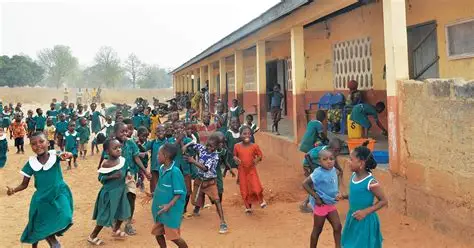
Schools starting later in the morning is an educational topic that continues to generate discussion among students, parents, teachers and education authorities.
In many schools, students are expected to wake up very early, prepare for school and travel long distances before lessons begin. Some students may leave home before sunrise, particularly when they live far from their schools.
This has led to questions about whether schools should reconsider their starting times and allow students to begin classes later in the morning.
The debate is not simply about allowing students to sleep longer. It also involves learning, concentration, transport, family routines, school activities and the wellbeing of students and teachers.
Why Do Some Schools Start Early?
Schools may begin early for several reasons.
An early start allows schools to complete lessons before the afternoon and may give students enough time for extracurricular activities, sports, clubs and other programmes.
In some communities, schools may also start early because of transportation arrangements, traffic concerns or the need to accommodate multiple school activities during the day.
For parents, an early school schedule may also fit better with working hours.
However, early starts can create challenges for students who live far from school or have to wake up very early to prepare and travel.
Do Students Get Enough Sleep?
One of the major concerns surrounding early school schedules is whether students are getting enough sleep.
Students have different sleep needs depending on their age, daily activities and individual circumstances.
Teenagers, in particular, may naturally experience changes in their sleep patterns as they grow older. If school begins very early, some students may struggle to get enough rest while still completing homework, preparing for school and participating in other activities.
A student who regularly arrives at school tired may find it difficult to concentrate during lessons.
Could Later Start Times Improve Concentration?
Supporters of later school start times argue that students may be more alert when lessons begin.
The first lessons of the day often involve important subjects, so being tired or distracted could make it harder for some students to participate fully.
Starting later could give students additional time to wake up, prepare and arrive at school ready to learn.
However, changing the start time alone would not automatically improve academic performance. Students’ sleep habits, study routines, teaching quality and other factors would still matter.
Early Morning Travel Can Be Difficult
For students who travel long distances to school, an early start can mean waking up extremely early.
Some students may depend on public transport, school buses, taxis or walking.
Traffic can also make the journey stressful, particularly in busy urban areas.
A slightly later start could give some students more time to prepare and travel, although it could also create new traffic challenges depending on the location and number of schools involved.
What About Students in Rural Communities?
The issue may look different in rural areas.
Some students may walk long distances to school or depend on limited transportation options.
A change in school hours could affect their ability to arrive on time or return home before dark.
Education authorities would therefore need to consider local circumstances rather than assuming that one starting time would work equally well for every school.
Parents would also be affected.
Many parents leave home early for work, and some rely on schools to begin early so that children can be dropped off before the parents start work.
If schools start later, some parents may have difficulty arranging childcare or supervision during the additional morning hours.
Schools and communities would therefore need to consider how any change would affect working parents.
Could Teachers Also Benefit?
Teachers also need adequate rest and preparation time.
A later school start could potentially change teachers’ morning routines, but it would not necessarily reduce their workload.
Teachers still have lesson preparation, marking, meetings, extracurricular activities and other responsibilities.
If school starts later but finishes later, teachers could simply have their working day shifted rather than shortened.
One challenge with starting later is the effect on activities after classes.
Students may participate in sports, clubs, academic programmes, music, cultural activities and other extracurricular programmes.
If lessons begin and end later, these activities could also finish later.
This could affect students who travel long distances or have responsibilities at home.
Schools would therefore need to redesign schedules carefully rather than simply moving the entire timetable forward.
Could Schools Have Different Start Times?
Instead of adopting one starting time for every school, education authorities could consider different schedules depending on age groups, location or local circumstances.
For example, older students and younger students could potentially have different schedules.
However, different start times could create challenges for families with children attending different schools.
The key issue would be finding a system that works without creating unnecessary difficulties for parents, teachers and students.
Should Schools Consider Flexible Start Times?
Another possible approach could be limited flexibility.
Schools could explore whether certain activities need to begin immediately at the start of the school day while allowing some students more flexibility under specific circumstances.
However, flexible schedules would require clear rules to prevent confusion and ensure that students do not miss essential lessons.
The Importance of Morning Preparation
Starting school later does not necessarily mean students should use the extra time simply to remain in bed.
Students still need healthy routines.
They need enough time to wake up, prepare, eat where possible, organise their school materials and travel safely.
Parents can also help children establish consistent sleeping and waking routines.
Would Later Starts Affect Academic Performance?
A later start could potentially influence students’ alertness and classroom participation, but academic performance depends on many factors.
Teaching quality, attendance, learning materials, parental support, school facilities, student motivation and study habits all contribute to educational outcomes.
Therefore, changing school hours should not be presented as a single solution to academic challenges.
What Students Think Matters
Students are directly affected by school schedules, so their experiences should be considered in discussions about school start times.
Schools could ask students whether early mornings affect their concentration, travel, attendance and ability to participate in lessons.
Student feedback could help education authorities understand practical challenges that may not be obvious from an administrative perspective.
Some students may struggle to arrive at school on time when they have long journeys or difficult morning routines.
A later start could make it easier for some students to arrive on time.
However, attendance is influenced by many other factors, including transportation, family circumstances, illness, school environment and student motivation.
Therefore, any change in school hours would need to be evaluated carefully.
The Ghanaian Context
In Ghana, school schedules must take into account issues such as traffic, transportation, long commuting distances, weather conditions, parental work schedules and the different circumstances of urban and rural communities.
For students travelling into major urban centres, very early mornings can involve long journeys and significant traffic.
At the same time, schools often need enough time during the day to complete the curriculum and accommodate extracurricular activities.
Any discussion about changing school start times should therefore consider the realities faced by Ghanaian families and schools rather than simply copying schedules from other countries.
What Could Schools Do Before Changing Their Start Time?
Schools could first conduct surveys among students, parents and teachers.
They could examine:
- Student arrival times
- Attendance and punctuality
- Average commuting challenges
- Students’ morning routines
- Teacher schedules
- Transport arrangements
- Extracurricular activities
- Parents’ working hours
This information could help schools understand whether their current schedule is creating significant challenges.
Is a Later Start Suitable for Every School?
Not necessarily.
Schools operate in different environments and serve different communities.
A start time that works well for a school in an urban area may not be suitable for a rural school.
Some schools may have transportation arrangements that make early starts practical, while others may have students who travel very long distances.
This is why the discussion should focus on finding appropriate schedules rather than assuming one solution will work everywhere.
The debate over school start times should consider both students’ learning needs and the practical realities faced by families.
A later start could give some students more time to rest and prepare, but it could also create challenges for parents, transportation and after-school activities.
The goal should be to develop a school schedule that allows students to learn effectively while also being realistic for families and teachers.
Conclusion
The question of whether schools should start later in the morning deserves serious discussion because school schedules affect students, parents, teachers and the wider community.
A later start may benefit some students by giving them more time to prepare and potentially arrive at school more alert. However, it could also affect transportation, parents’ work schedules and extracurricular activities.
Rather than adopting a blanket approach, schools and education authorities could examine local circumstances and gather feedback from students, teachers and parents before making changes.
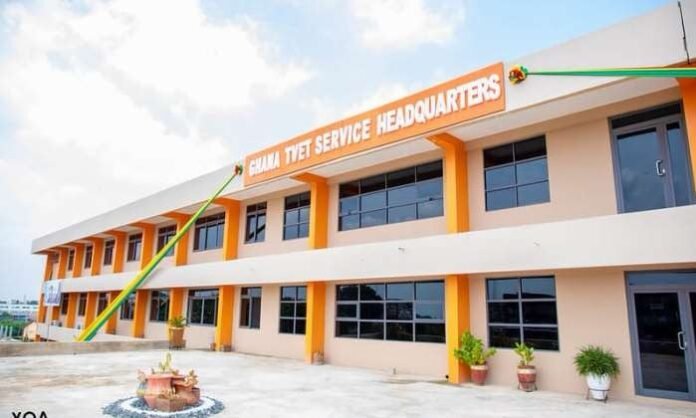
The Ghana Technical and Vocational Education and Training (TVET) Service has issued a fresh warning to technical institutes against collecting fees that have not been officially approved.
The warning comes as the Service reiterates its commitment to ensuring transparency, fairness and accountability in the administration of TVET institutions across the country.
The Ghana TVET Service has previously taken disciplinary action against heads of technical institutes over allegations of unauthorised fee collection and extortion. In October 2025, three principals from Agona Swedru Technical Institute, Sunyani Technical Institute and Madina Technical Institute were placed on 30-day administrative leave while investigations were conducted.
The alleged charges included admission fees, boarding protocol payments, fees for changing residential status, fashion practical items, bedsheets and Parent-Teacher Association-related payments.
Management said such practices undermine the objectives of the Free TVET Policy and warned that officials found culpable could face sanctions.
The Service has maintained that it will continue to protect students and parents from unauthorised charges while promoting professionalism and accountability throughout the TVET system.

Ghana, Korea explore deeper cultural, tourism and creative ties

DBlack Reveals He and EL Once Dated the Same Woman Without Knowing

From Bamba’s Shock Win to JFK’s Landslide: 5 Biggest Surprises From NPP’s 2026 Elections



-

 General News2 weeks ago
Free Speech, False Publication and Presidential Criticism in Ghana: Where Does the Law Draw the Line?
-

 General News2 weeks ago
Rev. Dr. Christian Kwetey Kweitsu Set for International Recognition at 100 Most Influential Persons Awards in Kigali
-

 General News6 days ago
Fidelity Bank Chairman Named Ghana’s Topmost Transformational Board Chair 2026
-

 General News2 weeks ago
Don’t Expect Concerts When People Can’t Afford Food – Rex Omar on Black Star Experience
-

 Entertainment1 week ago
Ras Caleb assesses institutions under the Tourism Ministry, highlighting key roles.
-

 Entertainment1 week ago
Ras Caleb Appiah-Levi: The musician, Pan-Africanist and organiser whose career spans four decades
-

 Technology2 weeks ago
Rolls-Royce Expands Aviation Business with Major Philippine Airlines Engine Agreement
-

 Entertainment2 weeks ago
Kojo Preko Dankwa calls for investigation into GTA’s World Cup visa affairs