
Culture
The Powerful Link Between Tourism and Sports: Why Ghana Tourism Authority Promoted the Black Stars vs. Chad Match

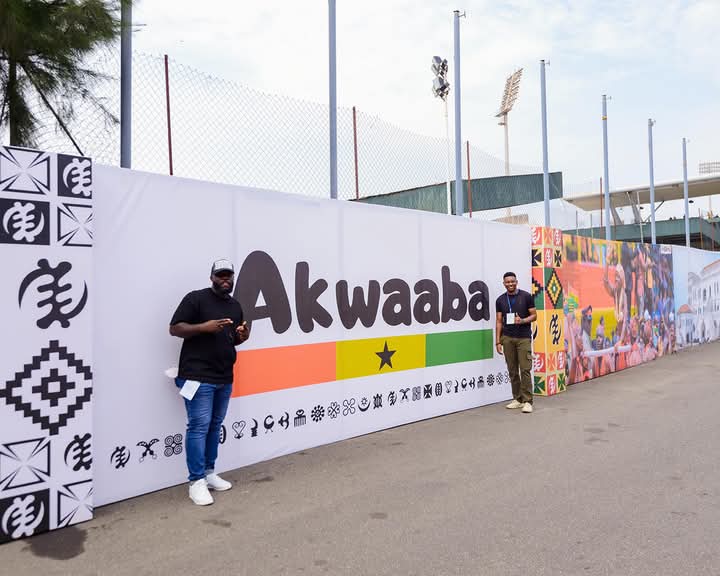
Recently, I came across a comment questioning why the Ghana Tourism Authority (GTA) was actively promoting the Black Stars vs. Chad World Cup qualifier. The question was: What does tourism have to do with sports?
Well, let’s take this opportunity to enlighten the public.
How Tourism and Sports Work Together
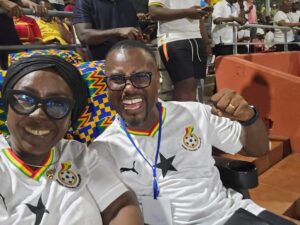
Tourism and sports are closely linked. Sporting events draw large crowds, create opportunities for cultural exchange, and significantly boost the local economy. That’s why the Ghana Tourism Authority strategically aligned itself with the Black Stars match—to position Ghana as a top-tier tourist destination.
The Tourism Experience at the Stadium
At the match, we intentionally infused elements of Ghanaian culture to enhance the experience for both local and international visitors:

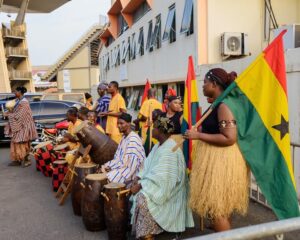
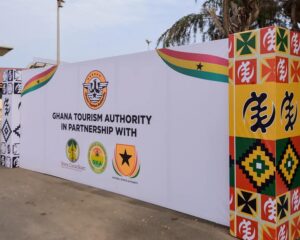
Cultural Performances: The Ghana Dance Ensemble showcased traditional dances, celebrating our rich heritage.
Local Hospitality: A dedicated VIP bar served authentic Ghanaian drinks and delicacies, offering dignitaries a taste of our culinary excellence.
Promoting Ghana’s Attractions: Key tourist sites, including Cape Coast Castle, Wli Waterfalls, the Independence Arch, the Larabanga Mosque, and Shai Hills, were prominently displayed at the stadium to highlight Ghana’s travel destinations.
Learning from Global Success Stories
Other nations have successfully merged tourism with sports. A great example is Rwanda’s partnership with Arsenal Football Club. The Visit Rwanda campaign, featured on players’ sleeves, significantly increased the country’s visibility, leading to a rise in tourism arrivals. In 2018, Rwanda welcomed 1.71 million visitors—an 8% increase from the previous year.
Our Leadership and Gratitude
This initiative was spearheaded by our dynamic and internationally recognized Events, PR & Marketing Expert, Mrs. Maame Efua Houadjeto, CEO of the Ghana Tourism Authority.
We also extend our heartfelt appreciation to:
Dr. Randy Abbey
Mr. Julius Neequaye Kotey, CEO of the Driver and Vehicle Licensing Authority
Hon. Abla Dzifa Gomashie, Minister of Tourism, Arts, and Culture
Their support made this collaboration a success.
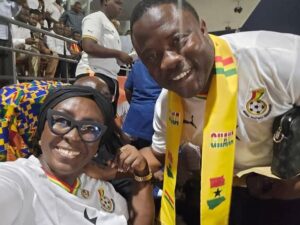
The Bigger Picture: Sports Tourism
Sports tourism is a growing niche in the travel industry. Major sporting events attract visitors, boost tourism revenue, and showcase a country’s cultural heritage to the world.
At the Ghana Tourism Authority, we are committed to innovative strategies that position Ghana as a must-visit destination. Sports is just one of the many exciting ways we’re making that happen.
By:
Gilbert Abeiku Aggrey
CMP / MPM / ACIMG
Deputy CEO, Ghana Tourism Authority
#ResettingGhana #FeelGhana #VisitGhana #GhanaTourism #AbeikuSantana #MrTourism #SportsTourism









Culture
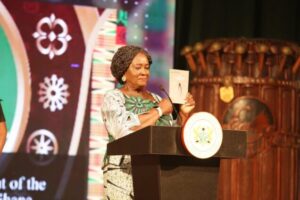
Vice President Launches Revised National Cultural Policy to Drive Heritage Preservation and Creative Economy Growth
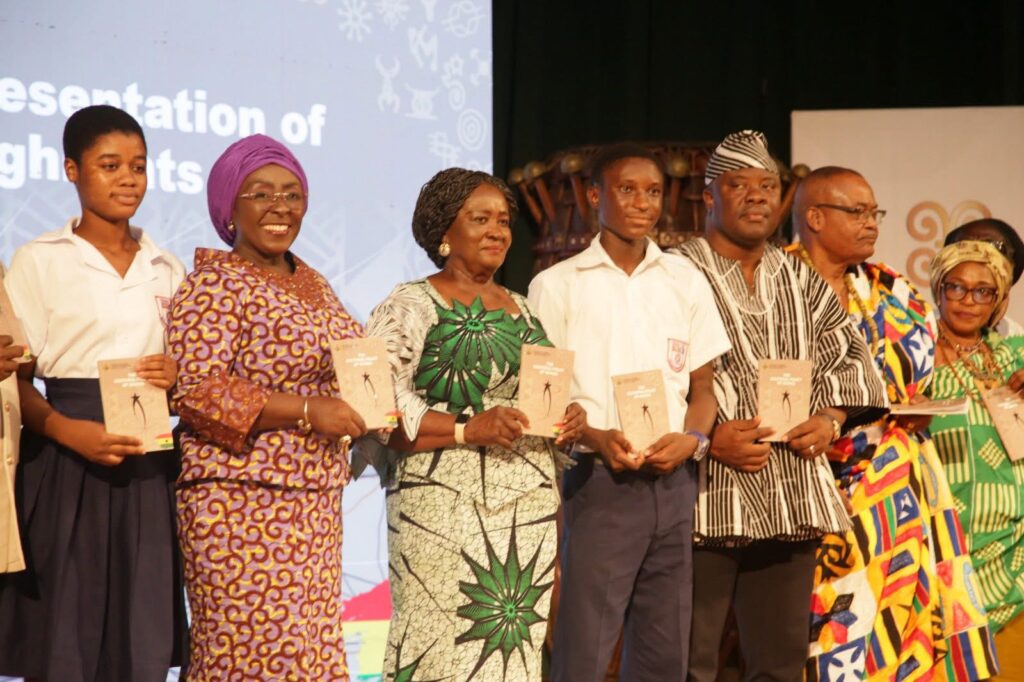
The Vice President Prof. Jane Naana Opoku-Agyemang has officially launched Ghana’s revised National Cultural Policy, describing it as a transformative framework aimed at preserving the nation’s rich cultural heritage while promoting economic growth through the cultural and creative industries.
The launch ceremony took place at the National Theatre in Accra on June 8, 2026, bringing together key stakeholders from the arts, culture and creative sectors.
The revised policy serves as a strategic roadmap for safeguarding Ghana’s cultural identity and harnessing the potential of the cultural and creative industries to create jobs, stimulate innovation and drive social transformation.
The new policy replaces the previous Cultural Policy, which was introduced in 2004. It has been aligned with the United Nations Sustainable Development Goals (SDGs) and the African Union’s Agenda 2063, positioning culture as a central pillar of Ghana’s national development agenda.
Addressing participants at the launch, Prof. Opoku-Agyemang called on stakeholders across the cultural and creative sectors to collaborate in ensuring the successful implementation of the policy.
“Let this launch mark the beginning of a bold new chapter in Ghana’s cultural journey. Let us come together—government, traditional authorities, the youth and the diaspora—to unlock the full potential of culture and creativity. We must build a nation that draws strength from its heritage, creates opportunities through innovation, and projects its voice with confidence and influence on the global stage,” she stated.
The Minister for Tourism, Culture and Creative Arts, Abla Dzifa Gomashie, noted that the revised policy is the outcome of seven years of extensive stakeholder consultations. According to her, the framework is designed to support creative entrepreneurs, attract cultural investments and ensure the integration of culture into national development planning.
Work on the revised National Cultural Policy began seven years ago, involving broad consultations with stakeholders across the country.
The policy covers key thematic areas including culture and heritage, culture and society, culture and governance, culture and the economy, culture and technology, as well as oversight, implementation and regulatory mechanisms.
The launch reaffirms Ghana’s commitment to leveraging culture as a catalyst for sustainable development, heritage preservation, economic empowerment and enhanced engagement with the global cultural community.

The Christian Council of Ghana has expressed support for President John Dramani Mahama’s decision to subject the Human Sexual Rights and Family Values Bill, widely known as the anti-LGBTQ+ Bill, to further constitutional and legal review before taking a final decision on it.
President Mahama, during a recent visit to the United Kingdom, indicated that the proposed legislation would undergo additional scrutiny to ensure it complies with all constitutional requirements before any action is taken regarding assent.
Speaking in an interview with Citi News, the Christian Council’s Coordinator for Interfaith and Ecumenical Relations, Rev. Jehodia Godwin Amuzu, described the President’s approach as prudent and in line with his constitutional mandate.
According to Rev. Amuzu, the President has a responsibility to seek legal guidance and ensure the bill can withstand any potential constitutional challenge.
“The President, as Head of State, must allow his advisers to thoroughly examine the bill to ensure it satisfies all constitutional requirements. Otherwise, the legislation could be challenged in court and struck down,” he stated.
He urged Ghanaians to remain patient and allow due process to take its course.
“We must appreciate that this is how democracy works. Decisions of this nature cannot be made arbitrarily. We should give the President the benefit of the doubt and allow the constitutional processes to be completed,” he added.
Rev. Amuzu further disclosed that during previous engagements with religious leaders, President Mahama had indicated his willingness to assent to the bill once it is presented to him.
“He assured us that when the bill reaches his desk, he will assent to it. However, from the indications we are receiving, the scrutiny is necessary because the bill is not government-sponsored. The aim is to ensure it is legally sound and fit for purpose,” he explained.
The Christian Council official also welcomed recent calls by Speaker of Parliament Alban Bagbin for lawmakers to revisit the bill, describing the ongoing public discourse as a positive feature of democratic governance.
“I believe this is healthy for our democracy. We are not operating under an authoritarian system. Democracy thrives on participation, dialogue and accountability. Citizens have every right to take an interest in matters before Parliament and government, while ensuring that the necessary checks and balances are maintained,” he said.
His comments come amid renewed public debate over the future of the anti-LGBTQ+ Bill and the respective roles of Parliament and the Executive in determining its eventual outcome.
What was once a solemn three-day observance commemorating the death and resurrection of Jesus Christ has increasingly transformed into one of Ghana’s largest domestic tourism seasons. Over the recent Easter weekend, celebrations across the country reflected a growing shift from strictly religious observance to large-scale cultural, entertainment, and commercial activities.
Across several regions, events drew thousands of visitors and attracted strong participation from corporate brands seeking visibility during one of the country’s busiest holiday periods. From adventure sports in the Eastern Region to cultural festivals in the Volta Region and entertainment showcases in the Central Region, Easter festivities now represent a significant economic opportunity for tourism and local businesses.
A major highlight was the annual paragliding festival in Kwahu, where adventure seekers took flight from Odweanoma Mountain at Atibie. The 18th edition of the festival recorded 31 flights on its opening day, including two young participants aged eight and 13. The Ghana Tourism Authority projected that more than 11,000 tourists would take part in the event.
The Ghana Tourism Authority played a central role in coordinating activities across the country through its Black Star Experience initiative. The programme linked major cultural, adventure, and community events in Kwahu, Vodza near Keta, and Gomoa.
According to Deputy Chief Executive Officer of the Authority, Ben Anane Nsiah, the initiative was designed to encourage domestic tourism.
“We leveraged the Black Star Experience to connect cultural, adventure and community-driven events across the country in order to encourage Ghanaians to travel, explore and support local tourism destinations,” he said during the launch of the Vodza Easter Regatta.
Business and Economic Focus
Alongside entertainment activities, the Easter celebrations also served as a platform for economic dialogue. The third edition of the Kwahu Business Forum, organised at the Kwahu Convention Centre in Mpraeso, attracted more than 1,000 participants including entrepreneurs, investors, policymakers, and industry leaders.
Chief of Staff Julius Debrah, who spearheaded the initiative, emphasised that the forum aims to move beyond discussions toward tangible economic outcomes.
“This forum is not about talk; it is about action. It is where policy meets practice, where capital meets creativity, and where ambition meets execution,” he said.
He urged Ghana to reduce its reliance on exporting raw materials and instead focus on building industries that add value to local resources.
“Ghana must produce more of what it consumes, process more of what it grows, and build industries that compete beyond our borders,” he stated.
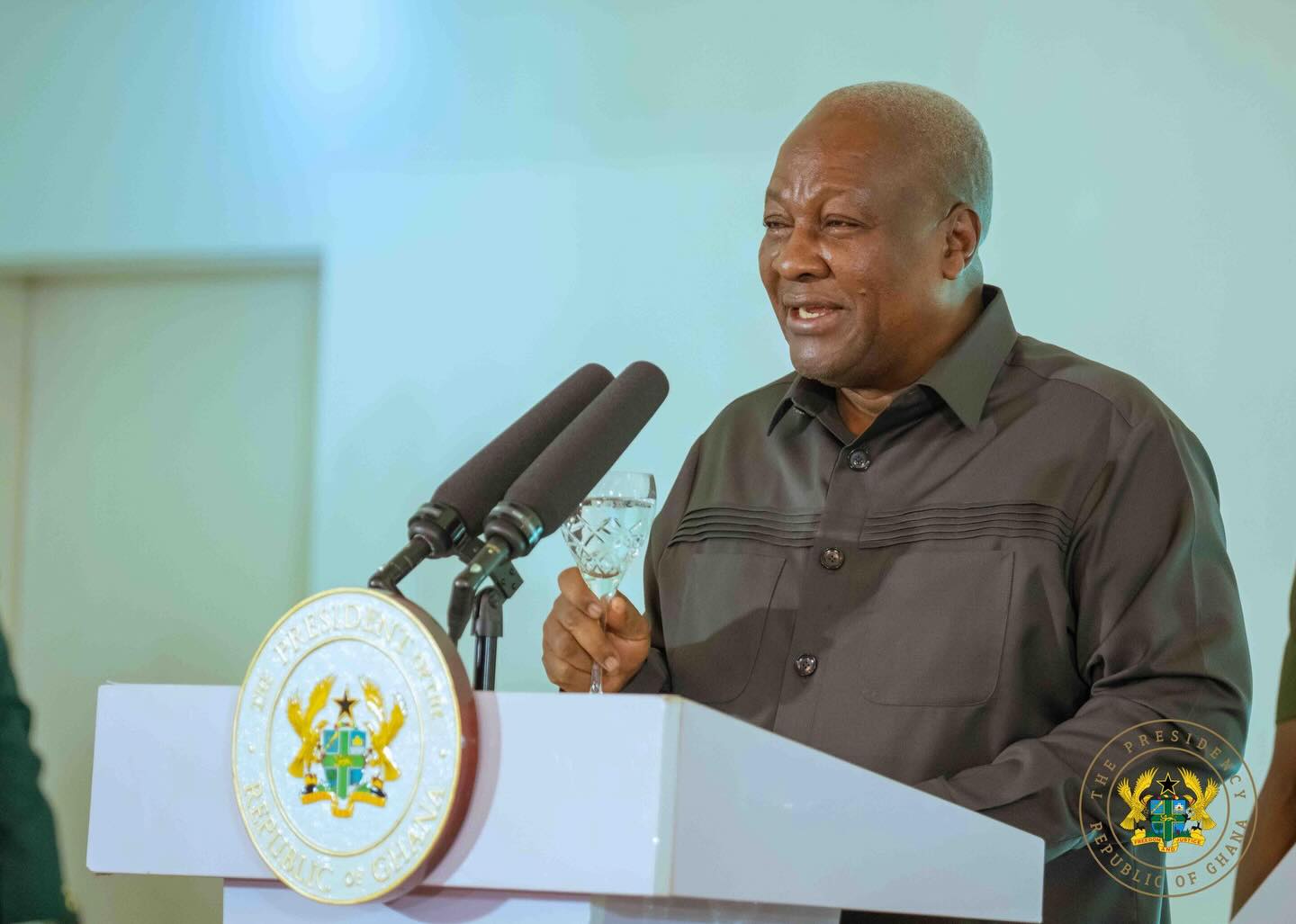
President John Dramani Mahama, who attended the forum, revealed that the concept for the Kwahu Business Forum was conceived during a campaign tour with Mr Debrah. He described Easter celebrations in Kwahu as the country’s largest homecoming event.
The President also announced plans to expand infrastructure in the area, including the construction of a permanent convention, conference, and exhibition centre through collaboration with private developers Metalex and Trasacco. Plans are also underway to construct an airstrip to facilitate easier access for visitors and conference participants.
Emergence of New Easter Destinations
The Central Region also joined the Easter tourism spotlight with the introduction of the Gomoa Easter Festival. The four-day event, spearheaded by Member of Parliament Kwame Asare Obeng, popularly known as A-Plus, was expected to attract more than 20,000 visitors.
Supported by entertainment figures and major sponsors, the festival featured performances by popular Ghanaian musicians and aimed to stimulate local economic activity.
“The main idea is to boost the economy of our area. If you consider the impact Easter has had on Kwahu, it’s significant,” the MP said.
His constituency, which hosts one of the largest fish farms in West Africa, used the event as an opportunity to promote local industry and tourism.
Corporate Participation Grows
The commercial potential of Easter celebrations has also attracted significant corporate interest. Beverage manufacturers, telecommunications companies, and financial institutions competed for brand visibility across multiple events, recognising the large concentration of consumer activity during the holiday.
In Accra, entertainment organisers hosted events targeting younger audiences. One such gathering, organised by Puom Music at the Odjidja Royal Palace in Kwabenya, was branded the Ghetto Youth Connect Initiative. The event featured performances by popular artistes including Ras Kuuku and Yaa Pono and sought to provide a platform for emerging street talent.
Cultural Events in the Volta Region
In the Volta Region, the fifth edition of the Vodza Easter Regatta in Keta attracted large crowds as local fishermen competed in canoe races along the coast. The event also featured traditional food vendors and cultural performances.
The region also hosted the maiden Anlo Extravaganza and Heritage Festival, which included a tourism ambassador pageant and the Easter Marathon named after legendary long-distance runner Godwin Atsu Adukpo. The marathon highlighted the Volta Region’s long-standing reputation for producing elite distance runners while encouraging youth participation in athletics.
The festival crowned tourism ambassadors tasked with promoting the cultural and tourism potential of the Anlo area.
Vice-President Professor Naana Jane Opoku-Agyemang joined chiefs and residents during festival celebrations in Sokpoe in the South Tongu District. She attended the grand durbar of the Tortsogbeza Festival, which brought together traditional leaders and local authorities.
During the event, Member of Parliament for South Tongu Maxwell Kwame Lukutor raised concerns about longstanding development challenges in the district, including persistent water shortages and deteriorating road networks.
Concerns from Religious Leaders
Despite the economic benefits of the growing festivities, some religious leaders have expressed concern about the declining focus on the spiritual significance of Easter.
Rev. Bright Mawuena Nfodjoh of the Evangelical Presbyterian Church noted that the sacred period was increasingly being overshadowed by social activities.
In a pastoral message, he observed that Good Friday, traditionally marked by solemn remembrance of the crucifixion of Christ, is now often associated with recreational activities and public celebrations.
“Where the meaning of Easter is not deeply taught, experienced and embodied, it becomes vulnerable to cultural redefinition,” he stated.
He also suggested that churches share some responsibility for the shift, arguing that some places of worship have gradually lost their distinct identity.
Balancing Faith and Tourism
President Mahama participated in a Good Friday Miracle Service at Black Star Square in Accra, where he called on citizens to embrace unity and sacrifice. However, the growing popularity of Easter travel and entertainment events highlights the evolving character of the holiday.
As Ghana seeks to expand its tourism industry, Easter has become a powerful driver of domestic travel and economic activity. The challenge for policymakers and religious leaders alike is how to harness the economic benefits of the season while preserving the spiritual significance that has historically defined it.

Government reveals 76.4 Million Ghana cedis to back Black Stars World Cup campaign

2026 FIFA World Cup: Thomas Partey ruled out of Ghana group opener after denial of Canadian Visa

The Energy Man Londona Nie Set for Comeback After Successful Recovery Journey



-

 Education2 weeks ago
Royal Women In Cinema Ghana, Empower Playgrounds Equip Young Girls on World Menstrual Hygiene Day
-

 Sports1 week ago
GFA Boss Kurt Okraku Rejects National Team Players Selection Interference allegations
-
 Politics1 week ago
Abronye DC Remanded Into Custody After Court Rejects Bid to Vary Bail Conditions
-
 Sports2 weeks ago
IFAB Approves Major Rule Changes Ahead of 2026 FIFA World Cup
-

 Sports7 days ago
2026 FIFA World Cup: Ghana group opponent England defeats New Zealand in a warm up Friendly
-
 General News1 week ago
Sam George Pushes Mandatory National ID Verification for Access to Adult Websites
-

 Sports1 week ago
2026 FIFA World Cup: Ivory Coast defeats France in Pre-World Cup Friendly
-
 Culture2 weeks ago
Christian Council Backs Mahama’s Decision to Review Anti-LGBTQ+ Bill