
Business
TOR Revival Could Cut Fuel Prices and Reduce Imports

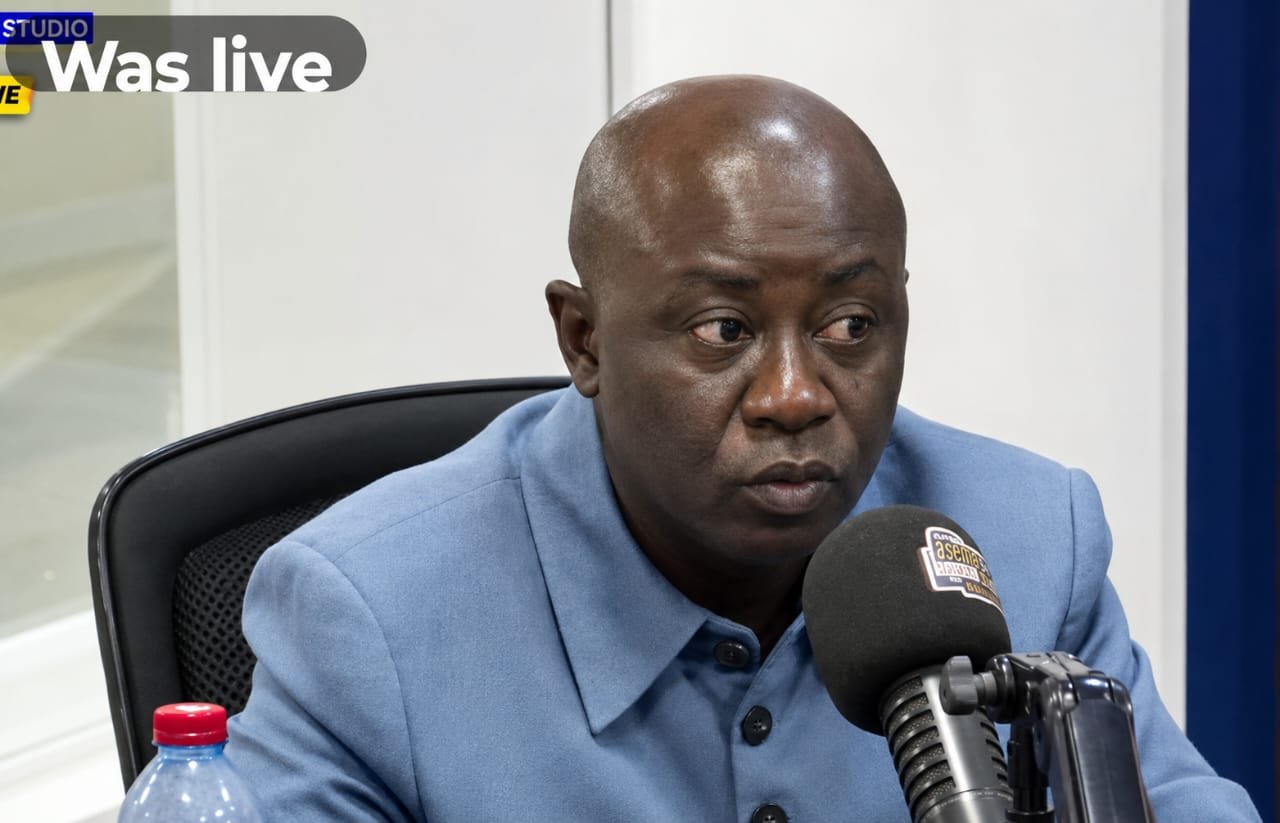
The Tema Oil Refinery (TOR) is showing signs of a major turnaround after years of operational difficulties, with renewed refining activities expected to help reduce Ghana’s dependence on imported petroleum products.
According to Emmanuel Duah’s remarks captured during an assessment of the refinery’s progress at Kessben Maakye show in Accra, he insisted, TOR previously faced severe operational challenges, at one point functioning largely as a tank farm after its refining operations became inactive.
The situation, he claimed however, is said to be changing, with the refinery now returning to refining activities.
The development follows President John Dramani Mahama’s challenge to TOR to increase production to about one million barrels per month, a target expected to strengthen local fuel production and potentially reduce the cost of imported petroleum products.
“If we are able to produce one million barrels every month, fuel prices would go down locally and reduce imports,” he indicated.
In addition he said, the revival is also being viewed as a significant boost to confidence among workers and stakeholders at TOR, following years of uncertainty over the refinery’s future.
He further praised the Managing Director of TOR, Edmond Kombat describing his leadership as people-oriented and crediting him for helping to steer the refinery through some of its most difficult periods.
Consequently he admonished the government to provide the refinery with the necessary financial and technical support to sustain the ongoing renewal process.
The call is aimed at ensuring that TOR does not only resume operations but develops into a strong and sustainable domestic refining facility capable of meeting a significant portion of Ghana’s fuel needs.
He also commended young professionals appointed to key positions across various sectors by the President John Dramani Mahama particularly the energy sector, for what was described as their significant contribution to Ghana’s development.
He reincarnated that, with sustained investment and support, stakeholders believe the revival of TOR could help strengthen energy security, reduce petroleum imports and create wider economic benefits for the country, Duah noted.
By Maurice Otoo
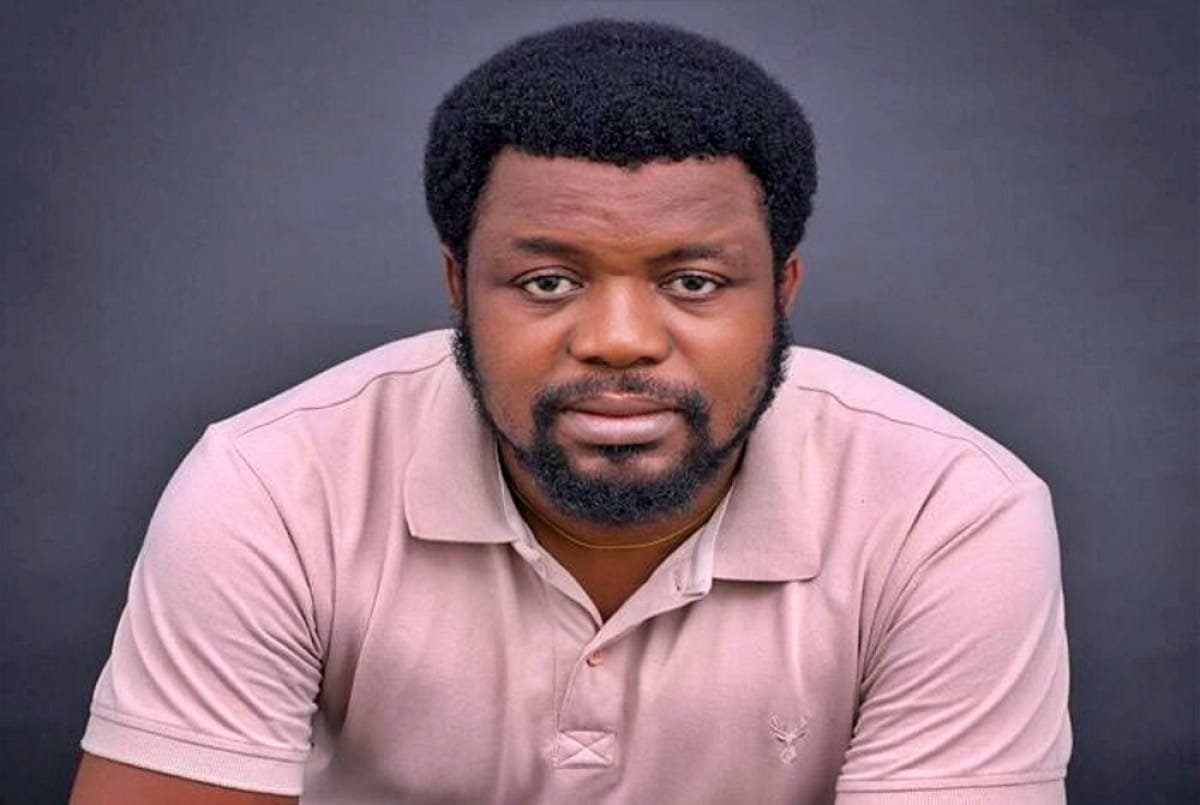
Charles McCarthy of the Hawk Newspaper has highlighted the scale of assets at the Tema Oil Refinery (TOR), arguing that the state-owned facility remains a valuable national asset despite years of operational and financial challenges.
Speaking in a discussion at Kessben Maakye show in Accra, McCarthy insisted, TOR has faced a significant debt burden over the years, with the refinery reportedly carrying substantial legacy liabilities of about $517 million.
He noted that the refinery’s revival has been made possible by the efforts of its workers, management and other stakeholders, stressing that the facility’s infrastructure and land hold considerable value.
“Even if you sell the infrastructure of TOR as scrap, you will get not less than $22 million,” McCarthy said.
He further pointed to TOR’s extensive land holdings, noting that the refinery occupies more than 100 acres, while its tank farm is described as one of the largest in Africa.
McCarthy also highlighted the refinery’s renewed production capacity, noting that TOR is currently targeting or operating toward 45,000 barrels of crude per day.
TOR’s official production information confirms that its revamped Crude Distillation Unit has a capacity of 45,000 barrels per stream day.
He argued that the government’s approach to the refinery’s operations and legacy obligations should be viewed in the context of the enormous financial burden inherited by the facility.
McCarthy further claimed that the government had not provided TOR with direct operational funding but had instead allowed the refinery to utilise revenues generated from its activities, while efforts were being made to address its legacy debt. According to McCarthy, the current Managing Director of TOR, Edmond Kombat has admitted, saying, “if you don’t have a committed President, you cannot operate TOR”.
The comments come as TOR continues efforts to restore sustainable refining operations. The refinery resumed crude processing in December 2025 following major maintenance works, with further upgrades aimed at restoring its 45,000-barrel-per-stream-day capacity.
While commending the strategic initiative made by the current Managing Director of TOR, Mr. Edmond Kombat, to reform the effective operation of the facility, he referenced failures chucked by the previous administration, saying, apart from Mr Isaac Osei who spent almost two years at TOR, the Akufo Addo government was practicing one year – one MD at TOR.
A practice he claimed yielded no gain for the nation and eventually turned the national asset to liability.
By: Maurice Otoo
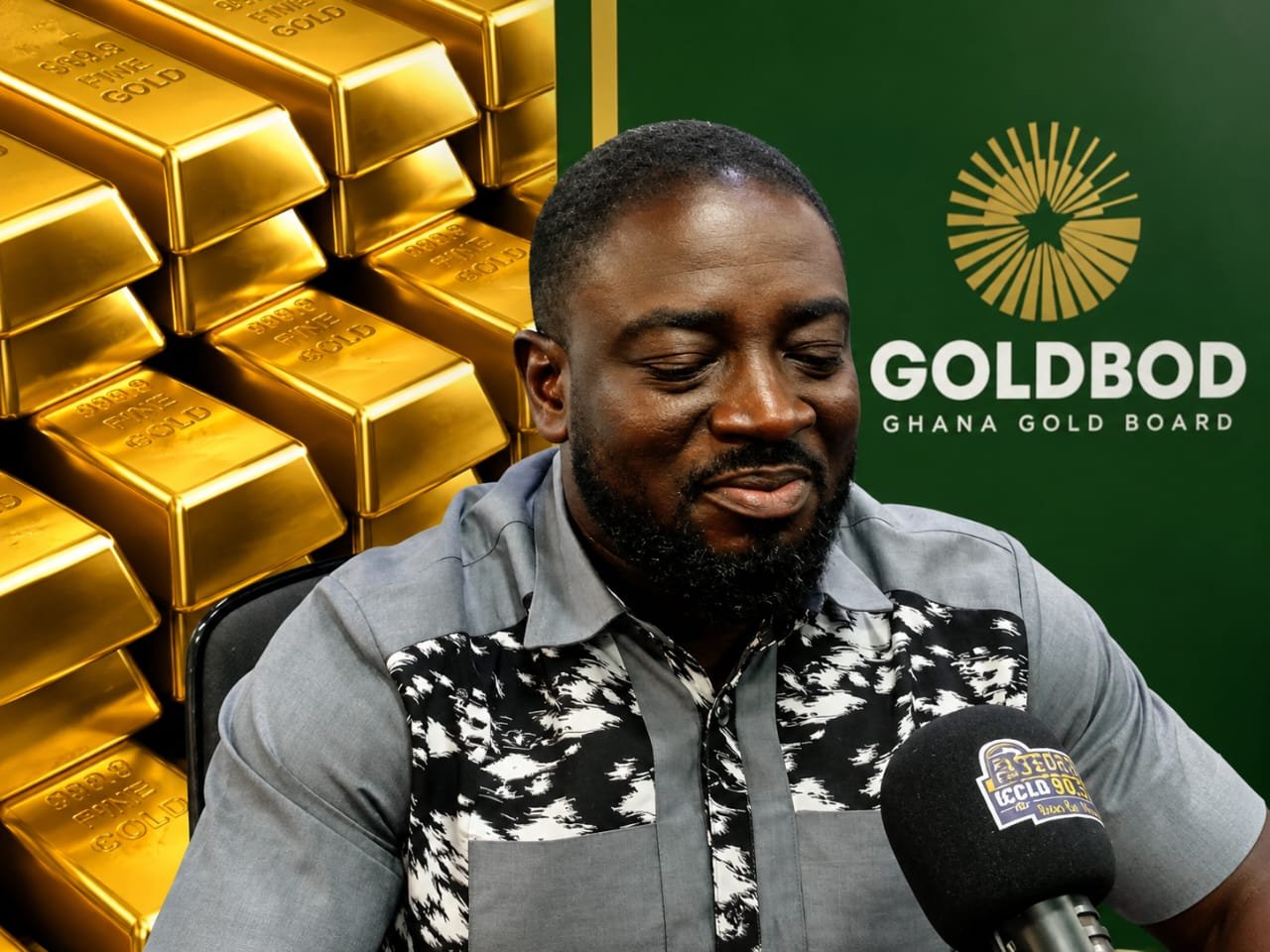
New Patriotic Party (NPP) National Organiser hopeful Kwadwo Agyei Yeboah has raised concerns over the financial impact of the government’s domestic gold purchasing programme involving GoldBod and the Bank of Ghana (BoG).
Speaking on Kessben Maakye show in Accra, Mr. Agyei Yeboah claimed, an International Monetary Fund (IMF) report indicates that Ghana’s domestic gold purchasing programme generated significant financing and fiscal pressures during the 2025 fiscal year.
He argued that while the programme has contributed to an increase in Ghana’s national reserves and helped stabilize the cedi against major trading currencies, the IMF has advised the Central Bank to avoid financing GoldBod’s activities in ways that could weaken its balance sheet.
“While the operation programme increases national reserve and stabilizes the cedi, the IMF advice against Central Bank finance causing fiscal operation to prevent weakening the Central Bank balance sheet,” he stated.
Mr. Agyei Yeboah questioned how GoldBod could be considered profitable if its operations were simultaneously weakening the balance sheet of the Bank of Ghana.
He further claimed that the IMF’s position amounts to confirmation that Ghana’s gold business has contributed to the relative stability of the cedi amid volatility in major international currencies.
According to figures he attributed to GoldBod, the institution purchased 135,843 metric tonnes of gold between its establishment in May 2025 and May 2026.
He also cited a breakdown indicating that 135,221 metric tonnes, representing about 93% of the purchases, came from artisanal and small-scale miners (ASM).
However, Mr. Agyei Yeboah noted that illegal mining, popularly known as galamsey, remains a major source of purchases, raising questions about where the gold extracted through galamsey is being traded.
He also alleged that President John Dramani Mahama is aware that some of his associates are involved in illegal mining, suggesting that this could explain the government’s difficulty in tackling the menace.
On GoldBod’s finances, he claimed that the institution spent approximately $16 billion on gold purchases between May 2025 and May 2026, against $10.9 billion in revenue, which he described as a loss.
The comments are likely to intensify the ongoing debate over GoldBod’s operations, its impact on the Bank of Ghana’s balance sheet, and the broader economic benefits and risks associated with Ghana’s domestic gold purchasing programme.
By Maurice Otoo
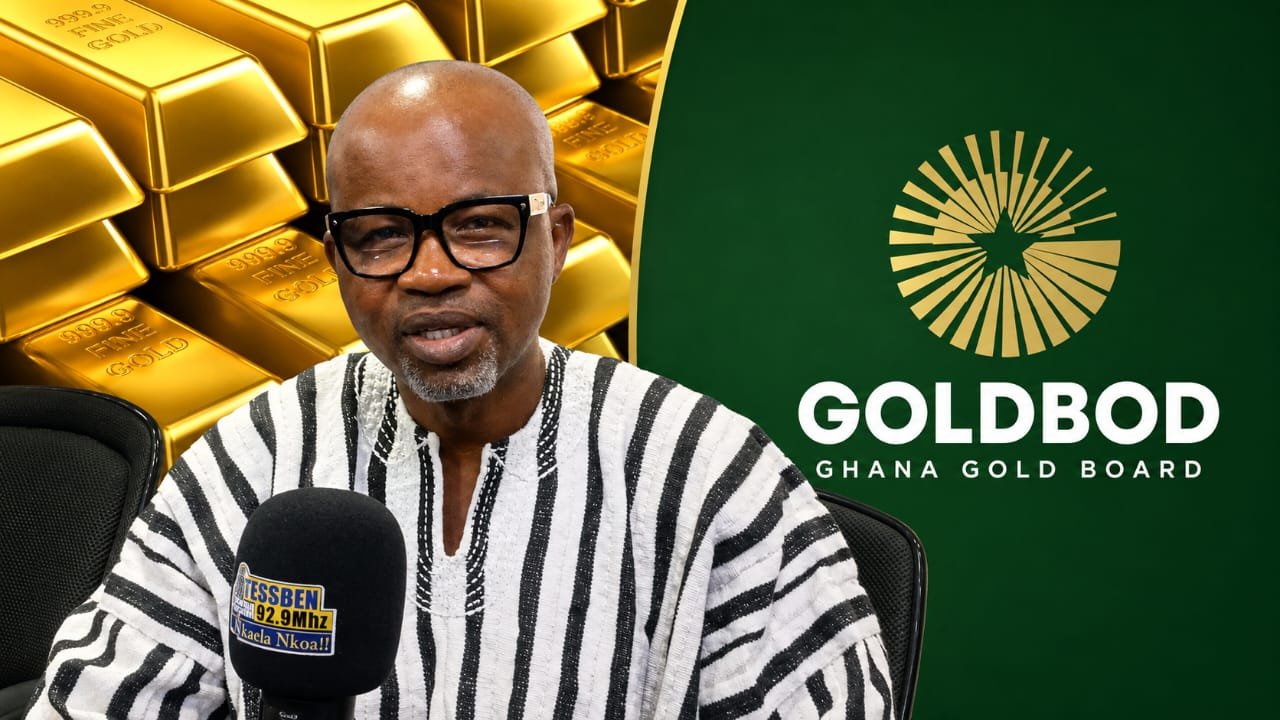
NDC former parliamentary aspirant for Bortianor Ngleshie Amanfro , Alexander Ackuokoh, has strongly rejected claims that the Ghana Gold Board (GoldBod) has incurred losses, accusing the opposition NPP of misrepresenting the International Monetary Fund’s (IMF) comments on the state-backed gold trading institution.
In a discussion at Kessben Maakye show in Accra, Ackuokoh said, the debate surrounding GoldBod has been driven by what he described as a “predetermined” attempt to portray the institution negatively.
“A predetermined mind is difficult to convince,” he said, arguing that there is no basis for the NPP to treat the IMF’s statement on GoldBod as though it were a major indictment.
Ackuokoh insisted that GoldBod has not run into losses, stressing that the IMF did not state that the institution had made losses.
He explained that the issue concerns losses associated with operational cost or accounting treatment, rather than GoldBod itself being a loss-making institution.
The NDC parliamentary aspirant further cited the Auditor-General’s report on GoldBod’s 2025 operations, claiming that the institution recorded a surplus of about GH¢5.5 billion.
He questioned why GoldBod should be judged primarily on profit-making when, according to him, the institution was established to help build Ghana’s gold reserves and contribute to financial-sector stability.
Ackuokoh also took aim at former Deputy Finance Minister and current Public Accounts Committee Chairperson Abena Osei Asare, accusing her of engaging in speculation over GoldBod.
He argued that such claims amount to an attempt to mislead the public.
According to him, Ghanaians should instead compare the benefits of GoldBod’s operations with the debt burden associated with what he described as former Finance Minister Ken Ofori-Atta’s “reckless” Eurobond borrowing.
Ackuokoh further argued that GoldBod’s activities are already contributing to greater stability in the local currency.
“Gone are the days that our cedi was running like Usain Bolt,” he said, suggesting that the current stability of the cedi should also be assessed against the impact of GoldBod’s operations.
He maintained that the focus should not be on labelling operational difficulties as losses but on finding practical solutions to challenges confronting GoldBod.
“The issue is how to resolve operational difficulties and not to consider it as a loss,” he stressed.
Ackuokoh’s comments come amid growing political debate over GoldBod’s financial performance, mandate and impact on Ghana’s economy, with the NPP and government supporters offering sharply contrasting interpretations of the institution’s performance.
By Maurice Otoo
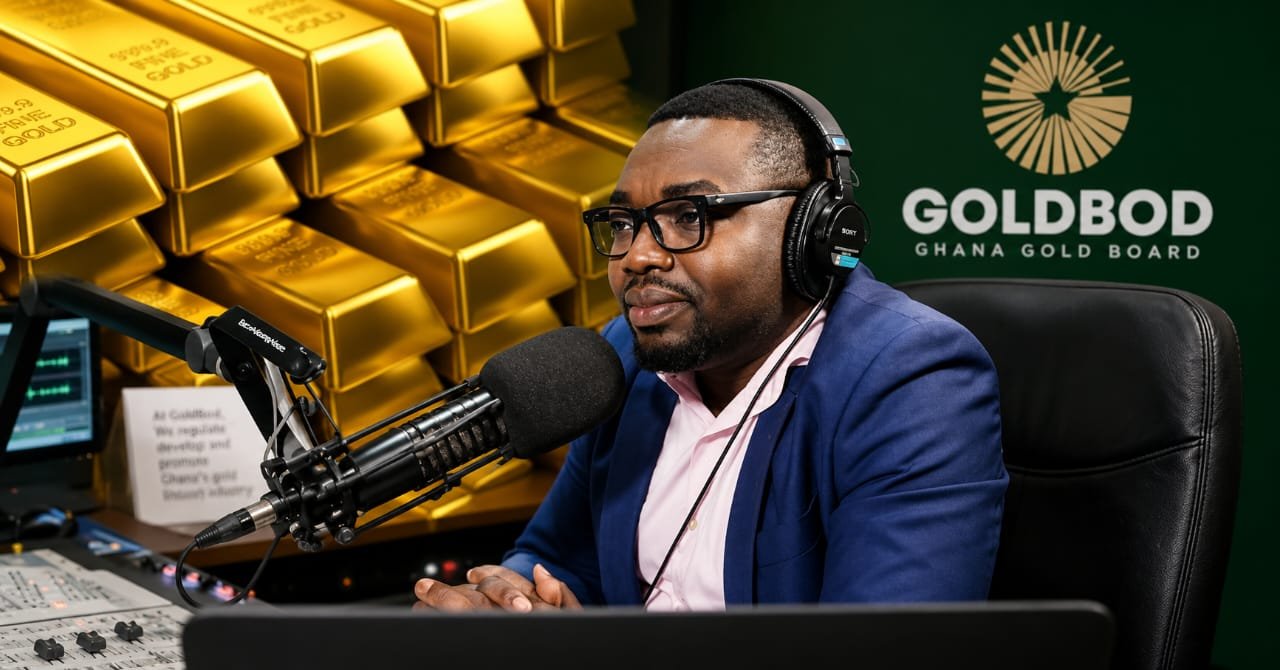
GoldBod spokesperson Prince Kwame Minkah has dismissed allegations of financial impropriety surrounding the Ghana Gold Board (GoldBod), insisting that there is no missing state money and no cause for alarm.
Responding to claims about GoldBod’s financial dealings, Minkah said there was “absolutely no cause for alarm,” stressing that allegations of debt or missing funds must be supported by credible evidence.
In a zoom interaction on Kessben Maakye show in Accra, Minkah revealed that. GoldBod was established as part of efforts to take greater control of Ghana’s gold resources and serve as an antidote to the challenges created by the depreciation of the cedi.
He explained that Parliament amended and passed Act 1140 to establish GoldBod, after which President John Dramani Mahama assented to the legislation.
Minkah further argued that the Precious Minerals Marketing Company (PMMC) served as a buying agent during the transitional period leading to the establishment of GoldBod.
He said the International Monetary Fund (IMF) failed to properly recognise the transition from PMMC to GoldBod, which, in his view, contributed to misconceptions about funds provided to PMMC for gold purchases.
“Some figures are being rolled out that GoldBod has lost huge capital meant to trade in gold, but that money is not a loss; it is just an accounting cost,” Minkah argued.
He maintained that any assessment of GoldBod’s performance and accountability must be based on the profit generated by the institution since its inception, rather than solely on accounting costs.
Minkah also pointed to GoldBod’s accumulated reserves as evidence of the institution’s financial position, insisting that proper accountability should rely on official audit reports.
He said if there are concerns about the accounts of any government agency, the appropriate reference point should be the Auditor-General’s report, rather than statements made by Abena Osei Asare without supporting evidence.
According to him, the Auditor-General has not established or released any adverse finding against GoldBod to substantiate the allegations being made.
Minkah also took aim at claims associated with Abena Osei-Asare, suggesting that as Chairperson of Parliament’s Public Accounts Committee, she should understand the importance of relying on audited evidence.
He further defended GoldBod’s restructuring of Ghana’s gold-trading system, saying the institution has streamlined the sector to eliminate unnecessary leakages and ensure that the benefits of the country’s gold resources accrue to Ghanaians.
He challenged those making allegations to provide evidence rather than rely on rhetoric.
“Abena Osei must give a proof of her allegations and not mere rhetorics,” he said.
Minkah concluded that GoldBod’s broader objective is to strengthen Ghana’s ownership and control of its natural resources.
“Ghana is taking ownership of her natural resources,” he stressed.
Business
Gold Became Ghana’s Biggest Export Driver Under BoG Domestic Gold Purchase Programme – IMF Report

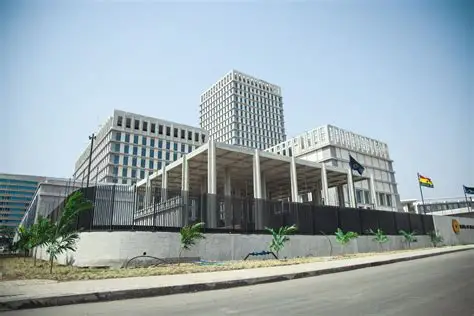

TOR Revival Could Cut Fuel Prices and Reduce Imports

‘Even as Scrap, TOR Infrastructure Is Worth More Than $22m’ — Charles McCarthy

62 Ghanaians Dead, 15 Still Missing in Russia-Ukraine War: Foreign Affairs Minister



-

 Education5 days ago
Online Classes and Education: Are They the Future of Learning?
-

 Entertainment2 weeks ago
‘Seeing Mahama with the Rastas Made Me Proud’ – Ras Caleb on Jamaica Cultural Visit
-
Entertainment2 weeks ago
Ras Caleb: Mahama’s Nyabinghi Drumming in Jamaica Was a Symbolic Act
-

 Entertainment2 weeks ago
President Mahama’s Visit to Bob Marley Museum Exposes Ghana’s Failure to Honour Creative Legends –FOCAP President
-

 General News1 week ago
Abla Gomashie to Account for Tourism, Culture and Creative Arts Sector at Government Accountability Series
-
 Entertainment1 week ago
Domestic Tourism In Ghana Grows 7% As Visits Reach 1.79 Million In 2025
-
 Entertainment1 week ago
Let Them Come Home: Ras Caleb Urges Africa to Embrace Diaspora Returnees
-

 General News2 weeks ago
NPP Treasurer Dr. Charles Dwamena Credits Party Executives for Increasing Monthly Dues from Under GH¢100 to Over GH¢30,000