
Entertainment
President Mahama’s Visit to Bob Marley Museum Exposes Ghana’s Failure to Honour Creative Legends –FOCAP President

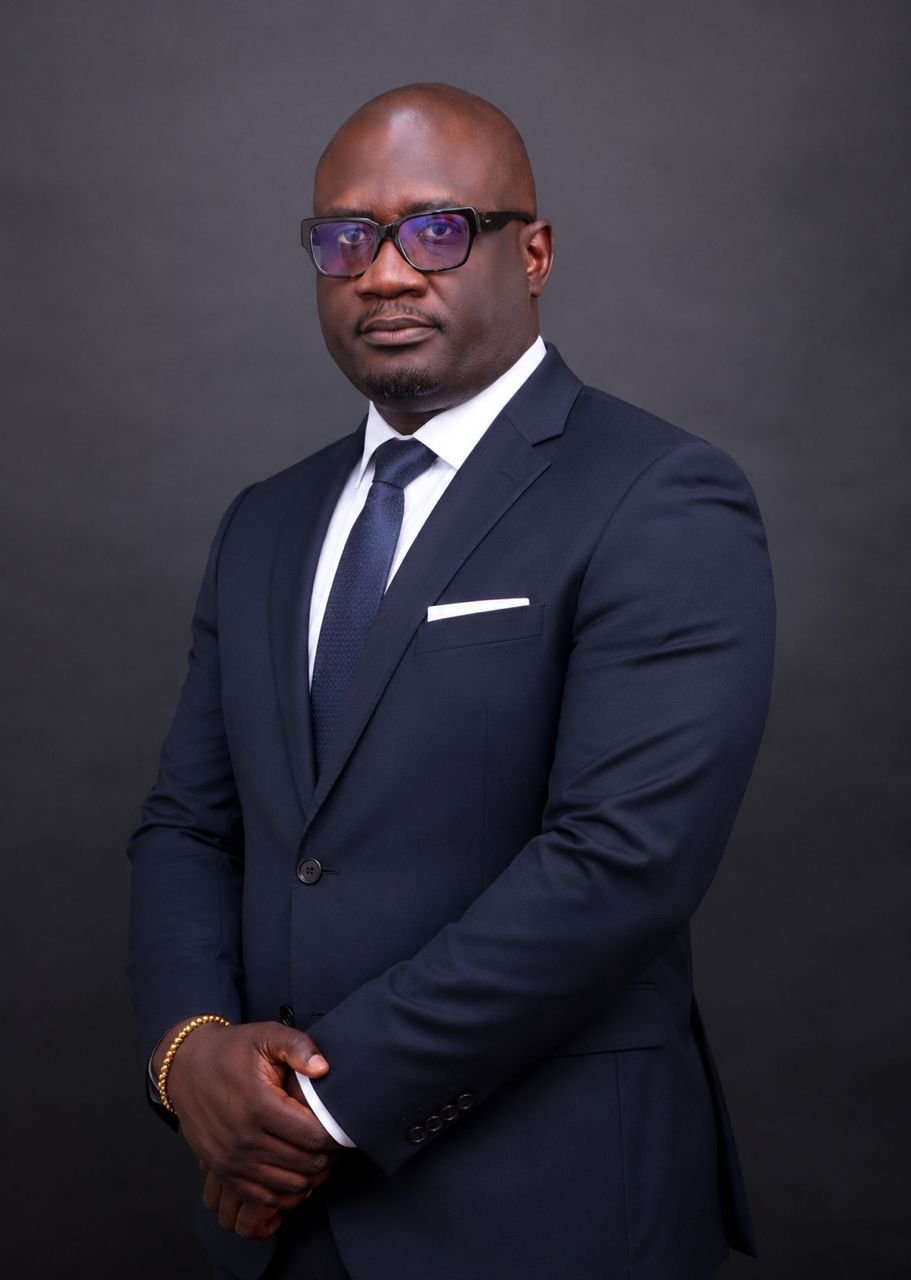
The President of the Foundation of Concerned Arts Professionals (FOCAP), Kojo Preko Dankwa, has said President John Dramani Mahama’s recent visit to the Bob Marley Museum in Jamaica has exposed Ghana’s long-standing failure to honour and preserve the legacy of its creative legends.
Speaking in an interview with kpdonline.com, Kojo Preko said the President’s tour of the museum dedicated to reggae legend Bob Nesta Marley should serve as a national wake-up call, urging successive governments, cultural institutions and industry stakeholders to rethink how Ghana celebrates the personalities who have shaped the country’s identity through music, film, literature, sculpture, sports and other creative disciplines.
According to him, Jamaica’s decision to include the Bob Marley Museum as part of President Mahama’s itinerary demonstrates the enormous value the Caribbean nation places on its cultural icons.
“It sends a signal to Ghana that clearly we have failed in honouring our heroes. We have failed in honouring people or creatives who have sold the Ghana brand to the international community, and we have equally failed to appreciate the work they have done in elevating Ghana’s image globally,” he said.
Kojo Preko argued that although President Mahama’s state visit could have included factories, educational institutions, industrial facilities or other economic projects, the fact that one of the highlights was a visit to Bob Marley’s museum speaks volumes about Jamaica’s priorities.
“If a whole President of another country is taken to the museum of Bob Nesta Marley, it tells you the value Jamaicans place on one of their heroes who sold Jamaica to the world through music,” he stated.
He said Jamaica has deliberately transformed Bob Marley’s legacy into a national heritage asset that attracts tourists from around the world while promoting Jamaican culture internationally.
Successive governments have failed Ghana’s creative legends
Kojo Preko insisted that the issue goes beyond the current administration, stressing that every government since independence shares responsibility for neglecting Ghana’s creative pioneers.
“For me, it is shameful—not just for this government, but for all previous governments that have failed to recognise the importance of honouring our heroes in the creative sector,” he said.
He lamented that Ghana continues to lose legendary musicians, actors, writers, sculptors and cultural icons without establishing permanent monuments, museums or educational programmes in their memory.
According to him, despite the enormous contribution of legendary highlife musician Nana Kwame Ampadu, there is no national lecture, annual remembrance programme or major institution bearing his name.
“We were here when one of our greatest heroes, Nana Ampadu, passed away. Ask yourself today, how do we remember Nana Ampadu? Does MUSIGA organise an annual lecture? Is there even a special day dedicated to celebrating his contribution? The answer is no.”
He also cited several other celebrated musicians who have passed away, including Paapa Yankson, A.B. Crentsil and C.K. Mann, saying Ghana has done little or nothing to immortalise their legacies.
“We have watched Paapa Yankson leave us. We have watched Papa Abu leave us. We have watched A.B. Crentsil leave us. We have watched C.K. Mann leave us. Many musicians, actors, sculptors and writers have left us, but we still do not honour them.”
He questioned why there are no iconic national monuments, museums, concert halls or public facilities named after such personalities.
“We don’t even have any iconic place named after Nana Ampadu. We don’t even have an edifice in the Western Region dedicated to Paapa Yankson, C.K. Mann and the others.”
Ghana waits until legends die
Kojo Preko expressed concern that Ghana often fails to appreciate its creative legends while they are alive.
He questioned whether the country intends to wait until current music stars such as Stonebwoy and Shatta Wale are gone before attempting to celebrate them.
“Are we waiting for heroes like Stonebwoy and Shatta Wale to leave the scene before we begin to honour them? Why don’t we celebrate people while they are alive?”
He added that the same neglect exists in sports.
“In football, we don’t celebrate our heroes enough. Other countries honour people like Cristiano Ronaldo and Lionel Messi because they understand their value to national identity and tourism.”
According to him, countries across the world increasingly recognise that culture, sports and entertainment generate enormous economic returns.
“The world has moved to a point where these sectors generate revenue. We don’t seem to understand that.”
Beyond Kwame Nkrumah Memorial Park
While acknowledging the recent renovation of the Kwame Nkrumah Memorial Park, Kojo Preko argued that Ghana has failed to replicate similar projects for other national icons.
“Beyond Kwame Nkrumah’s museum, what else have we done? The National Theatre has challenges. Our museums are not even up to international standards.”
He also questioned what local authorities in the Eastern Region have done to celebrate Nana Ampadu’s birthplace.
“We know where Nana Ampadu comes from. What has his own region done to celebrate him?”
Celebrate heroes across every sector
Kojo Preko called for a complete rethink of Ghana’s approach to recognising national achievers.
According to him, musicians, actors, writers, sports personalities, tourism pioneers and cultural practitioners should all be honoured through national monuments, museums, lecture series and annual celebrations.
He recalled President Mahama’s own remarks during the launch of the Black Star Experience, where the President stressed the need to celebrate Ghanaian legends while they are still alive.
Kojo Preko questioned what concrete actions have followed those remarks.
“He mentioned that we should honour people like Agya Koo Nimo while they are alive. What have we done? Do we have annual lectures? Do we have museums? Do we have anything substantial?”
He described the situation as deeply disappointing.
FOCAP’s Hall of Fame proposal
Kojo Preko revealed that FOCAP had years ago proposed the establishment of a National Hall of Fame to permanently honour outstanding Ghanaians in music, sports, literature, sculpture and other creative fields.
According to him, such a facility would preserve Ghana’s history while becoming a major tourist attraction capable of generating significant revenue.
“People from across the world would pay to visit these places and celebrate our heroes.”
He also mentioned internationally acclaimed artist Professor Ablade Glover, asking why Ghana has not created a permanent institution celebrating his contribution despite his global recognition.
National Commission on Culture criticised
The FOCAP President criticised the National Commission on Culture, MUSIGA and other agencies within the creative sector, accusing them of failing to champion the preservation of Ghana’s cultural heritage.
He questioned what lasting recognition had been given to personalities who played foundational roles in Ghana’s cultural institutions, including Mohammed Abdullah, whom he described as one of the pioneers of the National Commission on Culture.
“There are many heroes we have simply forgotten.”
Government honours statesmen but not creative icons
Kojo Preko noted that Ghana has demonstrated its ability to honour distinguished national leaders through official commemorations.
He pointed to Parliament’s decision to institute a state lecture in honour of former United Nations Secretary-General Kofi Annan, as well as recent commemorative activities organised in memory of former President Professor John Evans Atta Mills.
“If we can honour Kofi Annan and President Mills, why can’t the creative industry honour its own legends?”
Creativity is a powerful economic tool
Kojo Preko argued that Jamaica has successfully built a global tourism industry around Bob Marley, while countries such as Nigeria have used Nollywood and Afrobeats to transform international perceptions of their country.
According to him, the United States has also projected its influence worldwide through films, music and popular culture.
“It is creativity that helped make America what it is today. They intentionally projected their image through the creative arts.”
He added that Nigeria has used its film industry and music to reshape global perceptions despite past stereotypes.
“Nigeria deliberately used movies and music to reposition its image. Ghana has failed to do the same.”
‘We are erasing our own history’
Kojo Preko warned that Ghana risks losing its cultural identity if it continues neglecting the people who built the country’s artistic heritage.
He mentioned celebrated flautist Ephraim Amu, asking what permanent national recognition has been established in his honour.
“We are erasing history. We are not preserving history. We are failing to celebrate the people who gave this country an identity.”
He maintained that President Mahama’s visit to the Bob Marley Museum should encourage Ghana to place greater value on culture and creativity as drivers of tourism, national identity and economic development.
“For President Mahama to visit Bob Nesta Marley’s museum tells me that Jamaica understands the power of culture. Ghana has failed to honour its heroes, and that is not fair to them.”








From E.T. Mensah and Koo Nimo to Daddy Lumba and Amakye Dede, these classic Ghanaian songs helped shape the country’s rich musical history.
Ghana has a long and influential musical tradition, with highlife serving as one of the country’s most enduring genres.
Decades before streaming platforms and social media became part of the music business, Ghanaian musicians were filling dance halls, radio programmes and homes with songs that captured love, heartbreak, family, social issues and everyday life.
From the dance-band era of the 1950s and 1960s to the emergence of burger highlife in the 1980s and the dominance of modern highlife in the 1990s, several songs have remained popular across generations.
Here are 30 old Ghanaian songs worth revisiting.
1. Yaa Amponsah – Koo Nimo
Era: 1960s
Koo Nimo is one of Ghana’s celebrated traditional highlife guitarists, and “Yaa Amponsah” is associated with the classic guitar-band tradition that helped establish Ghanaian highlife.
2. Odo Akosomo – Koo Nimo
Era: 1960s
Another classic associated with Koo Nimo’s guitar-driven style, combining traditional Ghanaian rhythms with the storytelling character of highlife.
3. Owuo Tɔn A Tɔ Bi – Dr K. Gyasi
Era: 1960s
Dr K. Gyasi was an important figure in Ghana’s guitar-band highlife movement, producing music that reflected the social experiences of his generation.
4. Aponkyerene – African Brothers Band
Era: 1960s
The African Brothers Band, led by Nana Kwame Ampadu, became one of Ghana’s influential highlife groups, with songs built around memorable melodies and storytelling.
5. Antoa Ntoa – E.T. Mensah
Era: 1960s
E.T. Mensah, widely associated with Ghana’s dance-band highlife tradition, helped take Ghanaian highlife to audiences beyond the country.
6. All For You – E.T. Mensah & The Tempos
Era: 1960s
The Tempos became one of the most recognised dance bands in Ghana, with E.T. Mensah’s music becoming an important part of the country’s post-independence musical culture.
7. Simigwa – Gyedu-Blay Ambolley
Era: 1970s
Gyedu-Blay Ambolley introduced a distinctive style that blended highlife with jazz, funk and other influences. Simigwa became closely associated with his sound.
8. Sunshine Day – Osibisa
Era: 1970s
Osibisa, founded by African and Caribbean musicians in London, became internationally recognised for its fusion of African rhythms, highlife, jazz and rock.
9. Fire – Osibisa
Era: 1970s
Another notable Osibisa recording, reflecting the band’s energetic blend of African and Western musical influences.
10. Takoradi – Wulomei
Era: 1970s
Wulomei brought traditional Ghanaian musical influences to the popular music scene, helping promote indigenous sounds during the 1970s.
11. Mother Africa – Marijata
Era: 1970s
Marijata became known for its fusion of highlife, funk and African rhythms and remains one of the groups associated with Ghana’s rich 1970s music scene.
12. Kye Kye Pe Aware – Sweet Talks
Era: 1970s
Sweet Talks were among the major groups that helped shape Ghana’s dance-oriented highlife sound during the 1970s.
13. Muntie – Ramblers International
Era: 1970s
The Ramblers International were one of Ghana’s notable dance bands, producing music that became popular in Ghana’s social and dance culture.
14. Tena Me Nkyen – Paapa Yankson
Era: 1970s
Paapa Yankson became one of Ghana’s most respected highlife musicians, with songs that often combined entertainment with observations about life and society.
15. Akoo Te Brofo – George Darko
Year: 1983
George Darko’s “Akoo Te Brofo” is strongly associated with the emergence of burger highlife, a style developed particularly among Ghanaian musicians living and working in Europe.
16. Kaakyire Nua – George Darko
Era: 1980s
Another recording associated with George Darko’s influential period, when electronic instrumentation and European production techniques were increasingly incorporated into Ghanaian highlife.
17. Fre Me – Charles Amoah
Era: 1980s
Charles Amoah became one of the recognisable voices of Ghanaian popular music during the 1980s and 1990s, with songs that gained a strong following.
18. Eye Odo Asem – Charles Amoah
Era: 1980s
The song is among the recordings remembered by fans of Charles Amoah and the highlife sound of the period.
19. Baya – Ben Brako
Era: 1980s
Ben Brako emerged as another important name in Ghana’s highlife scene, particularly during the period when the genre was undergoing significant changes.
20. Abam – Paapa Yankson
Era: 1980s
Paapa Yankson remained active through different generations of Ghanaian music, maintaining his position as one of the country’s respected highlife performers.
21. Moses – A.B. Crentsil
Era: 1980s
A.B. Crentsil was known for using humour, social commentary and everyday Ghanaian experiences in his music.
22. Papa Samo – A.B. Crentsil
Era: 1980s
Another memorable recording from A.B. Crentsil, whose music helped make social storytelling a major feature of Ghanaian popular music.
23. Sii Nana – Bessa Simons
Era: 1990s
Bessa Simons became an important figure in Ghana’s highlife scene, combining traditional elements with more contemporary production.
24. Theresa – Daddy Lumba
Era: 1990s
“Theresa” is one of the songs associated with Daddy Lumba’s rise to prominence and his contribution to the evolution of modern Ghanaian highlife.
25. Bribi Gyegye Wo – Daddy Lumba
Era: 1990s
Daddy Lumba’s romantic and socially themed songs helped establish him as one of the defining highlife musicians of his generation.
26. Ankwanoma – Daddy Lumba
Era: 1990s
The song remains part of the catalogue that helped make Daddy Lumba one of Ghana’s most influential highlife stars.
27. Asem – Nana Acheampong
Era: 1990s
Nana Acheampong was one of the prominent voices of Ghanaian highlife during the 1990s and was particularly influential within the contemporary highlife movement.
28. Meko Odo Enkyen – Nana Acheampong
Era: 1990s
The song reflects the romantic and emotional themes that featured prominently in Ghanaian highlife during the period.
29. Iron Boy – Amakye Dede
Era: 1980s–1990s
Amakye Dede, popularly known as the “Iron Boy,” became one of Ghana’s most respected highlife musicians, with a career spanning several decades.
30. Sika Nye Moja – Amakye Dede
Era: 1990s
The song is among the works associated with Amakye Dede’s long and influential highlife career.
A musical journey across generations
These 30 songs represent only a fraction of Ghana’s extensive musical catalogue, but together they illustrate how the country’s sound changed over several decades.
The 1960s were strongly associated with guitar-band and dance-band highlife. The 1970s brought greater experimentation with funk, jazz, soul and African rhythms, while the 1980s saw the growth of burger highlife and electronic production.
By the 1990s, musicians such as Daddy Lumba, Nana Acheampong and Amakye Dede were helping push highlife into a more contemporary era.
Today, elements of these older sounds can still be heard in Ghanaian highlife, hiplife, Afrobeats and other modern genres.
For many music lovers, these songs remain more than old records. They are part of Ghana’s cultural and musical history.
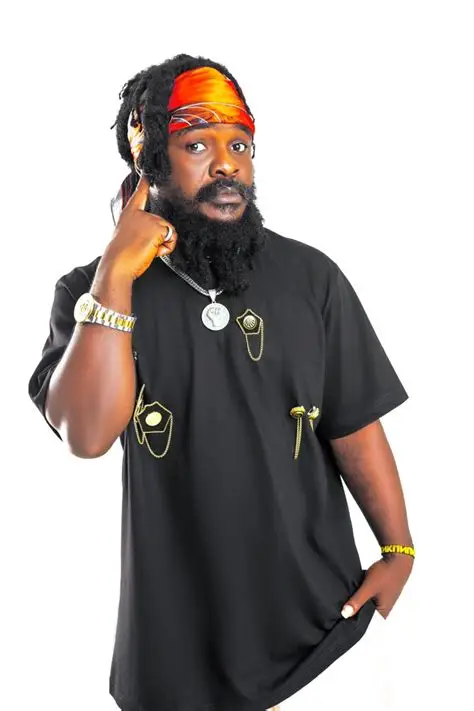
Reggae musician Ras Kuuku has taken issue with a social media post shared by rapper Sarkodie following Stonebwoy’s OVO Arena Wembley concert, describing the content as inappropriate and calling on Ghanaians to speak up when public figures cross certain lines.
In an interview with 3Music, Ras Kuuku said a video posted by Sarkodie, which showed a person with a physical disability walking, did not sit well with him.
According to the reggae musician, the timing and nature of the post created an unfortunate impression, especially since it came shortly after Stonebwoy’s major international concert.
Ras Kuuku questioned the message Sarkodie’s post could send to the public, arguing that artistes and other influential personalities should be conscious of the content they put on social media.
“The truth is one; we should always face it and say it. After Stonebwoy’s show, the video of a cripple walking that my brother Sarkodie posted wasn’t good at all,” he said.
He also criticised people in the entertainment industry who, in his view, saw the post but failed to challenge Sarkodie.
Ras Kuuku said colleagues could have approached the rapper privately and reminded him that, despite disagreements or competition within the music industry, Ghanaian artistes ultimately belong to the same national community.
He explained that the issue should not simply be viewed through the lens of rivalry between musicians because the content involved a person living with a disability.
“People should have called him to order, ‘My brother, we are all Ghanaians. We are one people. He shouldn’t have done that.’ Even the associations that see to these things should have come out and condemned that video,” Ras Kuuku stated.
The musician further argued that the post appeared to communicate something beyond normal competition between artistes.
For him, the incident raised questions about whether disagreements within Ghana’s music industry sometimes become so intense that they overshadow the need for solidarity among Ghanaian entertainers.
“That video alone means we are not one people. That video alone speaks a lot. How can you do that?” he asked.
Ras Kuuku went on to explain his position by using another example involving people with disabilities.
He said it would similarly be wrong for someone to use the actions of a visually impaired person as material for ridicule or mockery.
“So imagine somebody does something, maybe a visually impaired person, then me coming out posting a blind person not finding his way. We should condemn some things. We shouldn’t think some artistes are mental. No, we are all human beings,” he said.
His comments focused on the need for greater sensitivity when discussing or portraying people with disabilities, particularly on platforms where content can quickly reach large audiences.
Ras Kuuku also reminded Ghanaians that differences between individuals and groups should not erase their shared national identity.
He noted that whenever Ghanaians travel outside the country, their individual differences, professional rivalries and disagreements do not change the fact that they are identified as Ghanaians.
“We are all one people. People wake up, brush their teeth, and go to the toilet. When we travel out there, we are all Ghanaians,” he added.
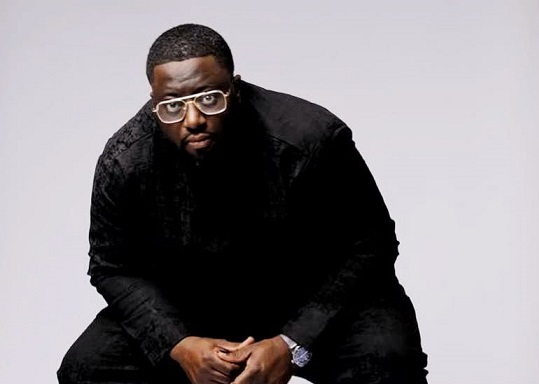
British Ghanaian rapper and producer Sway DaSafo, born Derek Safo, has died at the age of 44.
The news was announced by the MOBO Awards, which paid tribute to the influential musician and described him as an important part of its history.
A close friend also confirmed his death to the Guardian, revealing that Sway died at his home in Ghana. The cause of death has not been disclosed.
Sway, who became one of the notable figures in British hip-hop, made history in 2005 when he won the MOBO Award for Best Hip-Hop Act as an unsigned artist. His achievement came at a time when major names such as 50 Cent and The Game were dominating the international hip-hop scene.
The award helped establish Sway as an independent force in British music and earned him admiration from a generation of Black British musicians.
Born and raised in Hornsey, north London, to Ghanaian parents, Sway developed his musical abilities as both a rapper and producer. His style allowed him to move comfortably between grime, club music and more reflective hip-hop.
He once explained that he struggled to identify with any particular British music scene. At the time, UK garage was hugely popular, while British hip-hop, hiplife, drum and bass and R&B each presented their own limitations for him.
Sway initially performed with groups including Phynix Crew and One before embarking on a solo career. He released several mixtapes and gradually built a following.
His early single, Up Your Speed, attracted attention, but it was Little Derek that gave him a breakthrough. The song entered the UK Top 40 in 2006 and became one of the defining tracks of his career.
Little Derek later featured on his critically acclaimed debut album, This Is My Demo. The project received strong reviews, including a four-star review from the Guardian, and was nominated for the Mercury Prize. It ultimately lost the award to Arctic Monkeys’ debut album.
Sway’s MOBO success came during the same period, further cementing his reputation as one of Britain’s emerging hip-hop talents.
He continued releasing music through his independent label, Dcypha Productions, before entering into a partnership with Konvict Music, the label founded by Senegalese-American superstar Akon.
Akon was among the artists featured on Sway’s second album, The Signature LP, released in 2008.
As his profile grew, Sway later spoke openly about some of the pressures that came with increased fame. He said the period surrounding The Signature LP brought “ego, too many lights, and too much confusion.”
Despite those challenges, he continued experimenting with a more commercial sound and achieved some of the biggest chart successes of his career.
His 2011 single Still Speedin’, which sampled the classic track Ride on Time, became his first UK Top 20 hit and featured a guest appearance from fellow British rapper Kano.
He followed that success with Level Up, produced by dubstep heavyweight Flux Pavilion. The song performed even better, reaching No. 8 on the UK Singles Chart in 2012.
Throughout his career, Sway worked with several prominent musicians across different genres.
His collaborations included Riz Ahmed on Shifty, Ed Sheeran on the No. 5 Collaborations Project EP, and work with American rappers Lupe Fiasco and Chamillionaire.
He also collaborated with British acts and rappers such as Tinchy Stryder, Akala, Mitchell Brothers and Donae’o.
His musical reach extended beyond hip-hop as well, with Sway making an appearance on Kaiser Chiefs’ third studio album, Off With Their Heads.
Beyond his own music, Sway played a significant role in helping develop younger talents. He used his label and experience to support emerging artistes and was particularly instrumental in the early development of KSI, who later became a major YouTube personality and successful musician.
Sway and KSI also recorded the 2013 song No Sleep, which featured another young artiste associated with Sway, Tiggs Da Author.
Away from music, Sway was married to Helen. The couple tied the knot in 2013 and had four children: Jalil, AJ, Inaya and Imara.
His death at 44 marks the loss of a musician whose career bridged British hip-hop, grime and Ghanaian heritage while also leaving an impact through his work with younger artistes.

Ghanaian musician and entrepreneur Itz Tiffany, owner of the popular Box Bar, has expressed frustration and disappointment following the demolition of her three-storey beach bar at Laboma Beach.
Speaking in an interview on Hitz FM, shared on X on September 17, 2026, the musician said she was informed about the demolition after receiving a phone call and immediately contacted members of her staff.
She said she and her workers proceeded to the location but were unable to enter the premises because of the heavy security presence.
According to Itz Tiffany, the situation became more frustrating when their pleas to retrieve valuable items from the facility were rejected.
She disclosed that there were about seven trucks at the site and that she specifically appealed to the soldiers to allow her to enter her office to retrieve money kept in a safe.
“I had about seven trucks there, and I even pleaded with the soldiers that I had a safe in my office that contained money, so they should allow me to go for it.”
The musician said she was eventually allowed into the premises only after the demolition machinery had already brought down the structure.
“By the time they allowed me in, the machine had already razed my place. They didn’t even allow me to pack my things.”
Itz Tiffany argued that she could have salvaged several items if she had been granted access earlier, mentioning drinks and other belongings that were still at the bar.
She also put the financial value of the project at more than US$200,000.
“Are you there to tell me I couldn’t have packed some things there? I could have, because I had drinks there. Even the project is worth over $200,000,” she said.
The musician also disputed an account attributed to the Ghana Armed Forces, suggesting that affected property owners had been given time to remove their belongings before the demolition.
She insisted that this did not happen in her case, describing the claim as false.
Itz Tiffany said the business had already closed for work and that she and her employees were at home when they received information about the operation.
“We had closed for work and were at home, and you guys came there to destroy our business.”
She revealed that nearly 28 workers were associated with the business, highlighting the number of people whose livelihoods were connected to the facility.
She further criticised what she said was an inaccurate account circulating in the media, particularly a claim that soldiers had allowed occupants to remove their property.
“In the news, I heard the soldier saying that when they came, they allowed us to pack our things, and that is a blatant lie.”
According to her, she called her workers immediately after receiving the demolition alert, and they went together to the site.
However, she said they were stopped at the entrance.
“When I got the call, I called my workers, and we all went to the place. When we got there, we couldn’t even enter the gate because the soldiers were there.”
Itz Tiffany claimed that the operation involved a large number of security personnel, estimating that more than 100 soldiers and about 200 police officers were present.
She said the security personnel refused to allow her group into the premises to retrieve their belongings.
The demolition has left Itz Tiffany facing the loss of her three-storey Box Bar, which she says represented an investment of more than US$200,000.

Media personality MzGee has reacted with surprise after hearing students and parents mention BECE aggregates of 28, 33, 39 and 45 during the ongoing 2026/2027 SHS placement exercise.
MzGee’s reaction came after she watched footage of Education Minister Haruna Iddrisu touring the National Resolution Centre, where he engaged students and parents seeking help with their school placements.
During the interaction, some of the students and parents disclosed the BECE aggregates of the candidates, with scores ranging from 28 to 45 being mentioned.
The figures appeared to shock MzGee, who questioned whether such results had become normal.
Reacting to the footage, she wrote:
“Eeeiii!!! Just watching the Education Minister tour the School Placement Center, and the aggregate of these students and parents are mentioning PAA! Ah, how did we get here or ebi normal? 28, 33, 39, 45?”
https://web.facebook.com/share/p/1JH5ycHjn7/
Her comments have since sparked discussion around BECE performance, school selection and the challenges associated with the Computerised School Selection and Placement System (CSSPS).
The 2026/2027 placement exercise has seen students and parents visit the resolution centre to seek assistance with placement-related concerns, including requests for changes to assigned schools.

Shatta Wale Urges UPSA Students to Turn Ideas into Sustainable Ventures

King Charles Calls for Stronger AI Safeguards as Technology Race Accelerates

Three Palestinians Killed in Gaza Strikes as Ceasefire Remains Under Strain



-

 Entertainment2 weeks ago
Mahama Is First President to Put GH¢40m Seed Money into Creative Arts Fund: Kojo Preko Dankwa
-

 Culinary2 weeks ago
The Green Heart of Ghanaian Cuisine: Celebrating Nkontomire and the Art of Abom
-

 General News7 days ago
GTA’s Financial Strength Weakens Despite 2025 Tourism Activities
-
 Entertainment2 weeks ago
Government Repatriates Musician Barosky from UK
-

 Entertainment2 weeks ago
Keche Supports Street Vendor with GH¢3,000 After She Struggles to Make Sales
-

 General News7 days ago
GTA Cash Reserves Halve to GH¢640,000 Despite Improved Liquidity Ratio
-
 General News2 weeks ago
TVET is not for the academically weak – Advocate calls for change in Ghana’s mindset
-

 General News2 weeks ago
Techiman Assembly, Zoomlion Undertake Fumigation Exercise to Prevent Disease Outbreaks