
Politics
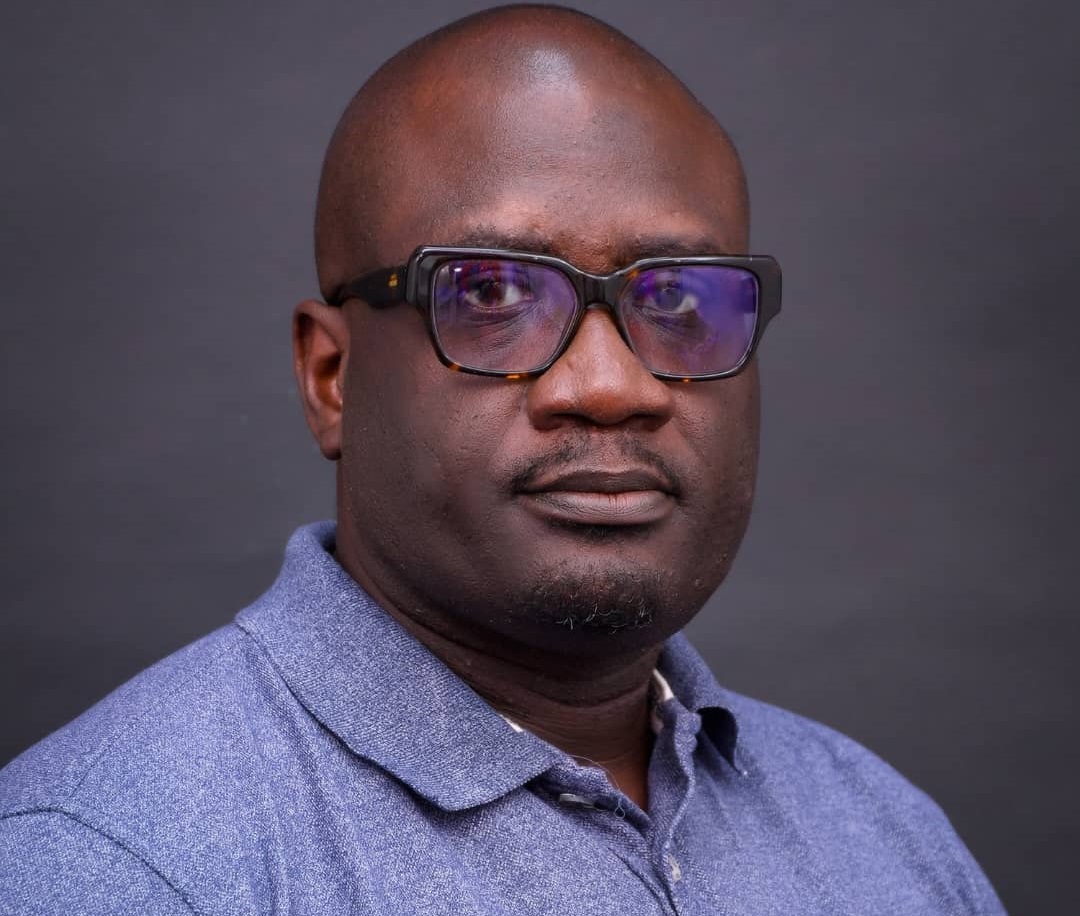
President Mahama’s DSTV Ban: A Wake-Up Call for Ghana’s Creative Industry – Kojo Preko Dankwa

President John Dramani Mahama’s directive to curb unnecessary public expenditure by banning all offices within the Jubilee House, Ghana’s presidential seat, from subscribing to DStv or any other satellite television service has been received positively within political circles.
According to Mr. Felix Ofosu Kwakye, “You would say that is a trivial matter, but he has done that. Because when you computed the cost, it was significant money.”
While the move may seem minor from a purely political or fiscal standpoint, my perspective shifts quickly beyond politics. I see a golden opportunity for local content creators to step up and push more homegrown content onto our television screens.
As Mr. Ofosu Kwakye emphasised, “The ban confines television at the Jubilee House to local channels only.” This means local stations must now rise to the challenge—offering engaging, relevant, and high-quality programming. It’s a direct call to the creative minds in Ghana’s orange economy.
This development, though easily dismissed as trivial, is far from insignificant. Think about it: if previously, hours of television consumed within government agencies were dominated by foreign content, and now those same hours must be filled with local programming, that’s a considerable shift in media consumption.
If local channels produce compelling content that captures attention, they will not only win over civil servants during office hours but also potentially retain those viewers at home, too. It’s a ripple effect.
Imagine the number of government workers, civil servants, and public officials who will now have no choice but to tune in to local content. It’s a massive boost for local media, and one that should energise all stakeholders to be innovative and strategic.
Moreover, this move should encourage ministries and relevant government agencies to support and invest in content that reflects our own stories, values, and identity, dethroning the foreign-dominated programming that currently fills too much of our airtime.
Our creative sector must seize this opportunity with boldness and urgency. It is time to push for policies, funding, and platforms that promote Ghanaian content. We must stop playing second fiddle in our own media space.
Unfortunately, many local stations continue to prioritise foreign content over Ghanaian productions. But this ban offers a moment of reset, a moment that creatives must exploit.
Let us rise. Let us be daring. Let us use this policy shift as a catalyst to grow our content, strengthen our industry, and reclaim our space on Ghana’s screens.
Kojo Preko Dankwa
FOCAP President
Host, Kessben Maakye
Kessben FM 92.9, Accra
Kessben TV













Politics
Sedinam Acquittal Was Well-Choreographed’ — Nana B Slams Court Ruling, Announces Nationwide NPP Protest

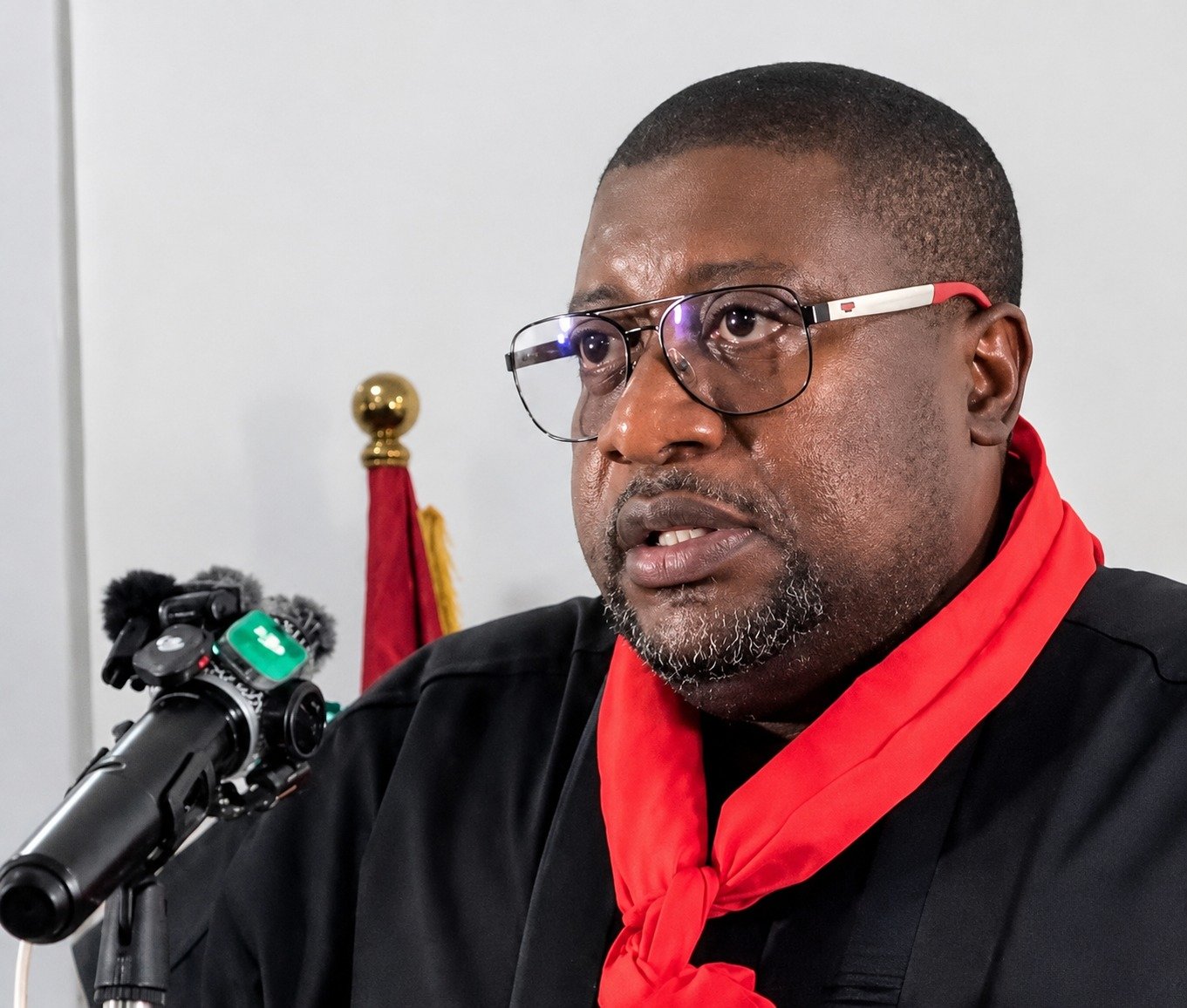
The National Organizer of the New Patriotic Party (NPP), Henry Nana Boakye, popularly known as Nana B, has described the acquittal of former MASLOG boss, Sedinam Tamakloe as a “well-choreographed and executed” exercise, alleging that the decision reflects political interference and selective justice.
Addressing a press conference at the NPP’s national headquarters on Friday, July 31, 2026, Nana B strongly criticized the Court of Appeal’s decision to overturn Tamakloe’s conviction, insisting that the development raises serious concerns about the administration of justice under the current government.
He accused Attorney-General and Minister for Justice Dominic Ayine of rapidly discontinuing criminal cases involving former officials of the National Democratic Congress (NDC), describing the pace of nolle prosequi filings as “alarming.”
To support his claims, Nana B cited cases involving Kwabena Duffuor, Collins Dauda, Johnson Pandit Kwesi Asiamah, and the recent appeal involving Sedinam Tamakloe.
The NPP National Organizer further announced that the party will embark on a massive demonstration on Thursday, August 6, 2026, together with party supporters and what he described as “concerned Ghanaians,” to protest what the party believes is the selective application of justice.
Nana B also questioned what he called the unequal treatment of corruption-related cases, asking why individuals accused of causing financial loss to the state are being acquitted while Ashanti Regional NPP Chairman Bernard Antwi Boasiako remains in legal difficulty despite, according to him, possessing legitimate mining documents.
The NPP says the planned demonstration will send a strong message against what it considers growing political interference in Ghana’s justice system.
By Maurice Otoo
Politics
AG Can’t Stop OSP from Prosecuting Cases, But Office Still Lacks True Independence – Lawyer K.K. Serbeh
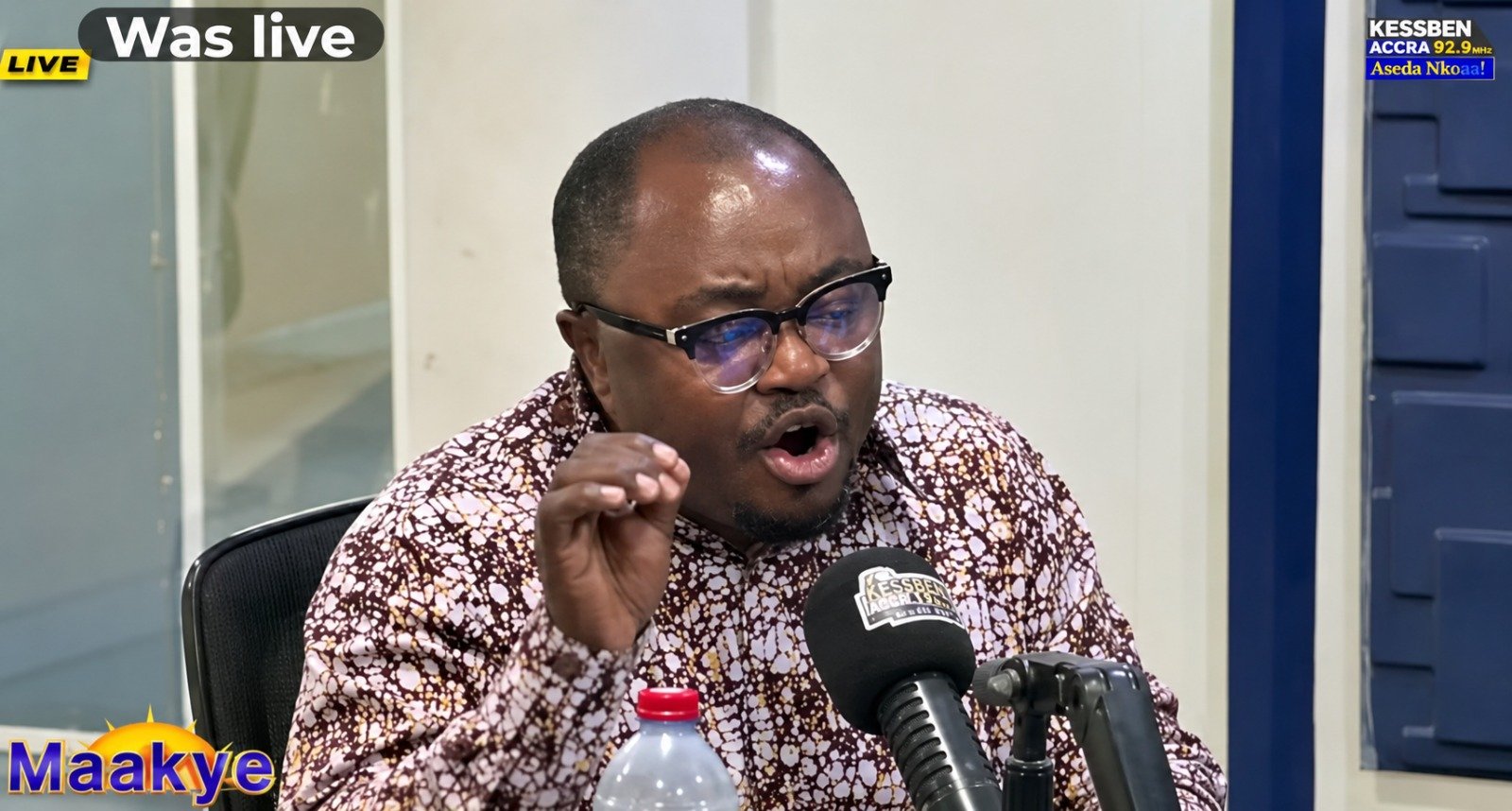
Private legal practitioner Lawyer K.K. Serbeh has argued that although the Attorney General (AG) holds the constitutional mandate to undertake criminal prosecutions, the Office of the Special Prosecutor (OSP) was established to insulate corruption-related prosecutions from political interference.
In a fierce argument held on Kessben Maakye show in Accra, he noted that the Attorney General recently sought clarification from the Supreme Court on whether the OSP requires the AG’s permission before prosecuting certain criminal cases.
Serbeh explained that while the Constitution vests prosecutorial authority in the Attorney General, that power can be delegated to another body or institution.
He noted that the OSP Act was enacted specifically to give the Special Prosecutor a measure of independence in handling corruption-related prosecutions, particularly where there may be concerns about political influence.
He argued that fears of government interference, especially in politically sensitive cases, were among the reasons Parliament created the OSP.
Citing the Supreme Court proceedings and legal submissions, Serbeh maintained that the current interpretation suggests the Attorney General may already have granted the OSP authority to prosecute cases under the OSP Act without requiring fresh approval for each prosecution.
However, he insisted that the Office cannot be considered fully independent as long as the Attorney General retains the constitutional power to discontinue prosecutions that are being handled by the OSP through a nolle prosequi.
He emphatically stated, “so long as the National Democratic Congress (NDC) is in power, I can’t foresee any NDC member ever fallen guilty of any offense under the OSP prosecution and the evidence is clear”.
Serbeh further claimed that the legal challenge stems from concerns that the OSP could one day prosecute members of the governing party NDC, adding that this has fueled attempts to limit the Office’s operational independence.
He concluded that the true independence of the OSP will remain in doubt for as long as the Attorney General retains overriding prosecutorial powers, arguing that the current legal framework leaves the anti-corruption body vulnerable to executive influence.
By Maurice Otoo
Politics
You Can’t Win an Election in Ghana Without GH¢3 Million and above – Jerome Sam Drops Bombshell on Rising Cost of Politics
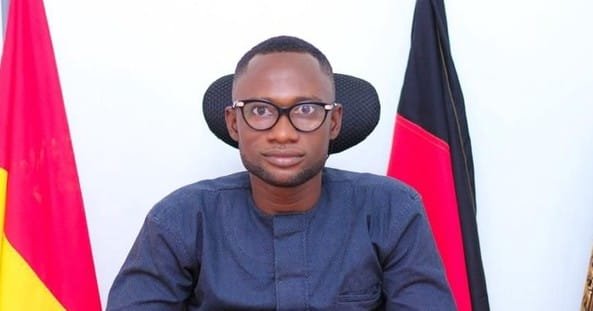
A member of the National Democratic Congress (NDC), Jerome Sam, has argued that the soaring cost of election financing in Ghana is undermining the country’s democratic process, insisting that political reforms must go beyond expanding the electoral college.
Speaking on the constitutional framework governing political parties on Kessben Maakye show in Accra, Sam referenced Articles 12 and 55 of the 1992 Constitution, explaining that while the Constitution guarantees the supremacy of the law and provides for the establishment and internal organization of political parties, the current delegate system was introduced to control the number of voters involved in internal party elections and reduce campaign costs.
He noted that the recent court decision allowing every registered party member to vote instead of relying solely on delegates could help address some concerns, but warned that it does not solve the root problem.
According to him, contestants continue to induce voters with money, making elections increasingly expensive. He called for a specific law that criminalizes inducement in internal political contests to curb the growing influence of money in politics.
“We need a distinct law that deals specifically with inducement by making it a criminal offence,” he said.
Jerome Sam further lamented the financial burden on aspiring politicians, claiming that contesting elections in Ghana has become prohibitively expensive.
“As we speak, if you don’t have GH¢3 million or more, you can’t contest for an election in Ghana,” he stated.
He argued that without stronger legal measures to tackle vote-buying and campaign inducement, electoral reforms alone will not significantly reduce the cost of politics or strengthen Ghana’s democracy.
A member of the National Democratic Congress (NDC), Jerome Sam, has argued that the soaring cost of election financing in Ghana is undermining the country’s democratic process, insisting that political reforms must go beyond expanding the electoral college.
Speaking on the constitutional framework governing political parties on Kessben Maakye show in Accra, Sam referenced Articles 12 and 55 of the 1992 Constitution, explaining that while the Constitution guarantees the supremacy of the law and provides for the establishment and internal organization of political parties, the current delegate system was introduced to control the number of voters involved in internal party elections and reduce campaign costs.
He noted that the recent court decision allowing every registered party member to vote instead of relying solely on delegates could help address some concerns, but warned that it does not solve the root problem.
According to him, contestants continue to induce voters with money, making elections increasingly expensive. He called for a specific law that criminalizes inducement in internal political contests to curb the growing influence of money in politics.
“We need a distinct law that deals specifically with inducement by making it a criminal offence,” he said.
Jerome Sam further lamented the financial burden on aspiring politicians, claiming that contesting elections in Ghana has become prohibitively expensive.
“As we speak, if you don’t have GH¢3 million or more, you can’t contest for an election in Ghana,” he stated.
He argued that without stronger legal measures to tackle vote-buying and campaign inducement, electoral reforms alone will not significantly reduce the cost of politics or strengthen Ghana’s democracy.

The Minority Caucus in Parliament has thrown its full support behind workers of the Volta Aluminium Company Limited (VALCO), describing their recent protest as a legitimate effort to protect one of Ghana’s most strategic national assets.
In a press statement issued on July 29, 2026, and signed by Hon. Kwaku Ampratwum-Sarpong, Ranking Member of Parliament’s Select Committee on Lands and Natural Resources, the Minority accused the government of pursuing a secretive process regarding what it describes as a “strategic equity capitalization” of VALCO.
According to the Minority, the concerns raised by VALCO workers should not be dismissed as political propaganda. Instead, they argued that the workers possess firsthand knowledge of the company’s operations and are best placed to identify potential threats to its future.
“These are the men and women who keep VALCO running every single day. They understand its operations and its future. Government must listen instead of hiding behind hurried press statements issued only after public outrage,” the statement said.
Questions Over Strategic Equity Capitalization
The Minority questioned the true meaning of the government’s proposed strategic equity capitalization, asking whether it could involve:
* Selling part of VALCO.
* Transferring ownership.
* Surrendering management control.
* Privatizing the company under another name.
The caucus argued that if the government believes the process serves Ghana’s national interest, it should openly present every detail to Parliament and the Ghanaian people instead of using corporate terminology that conceals public policy decisions.
Minority Cites VALCO’s Return to Profitability
The statement highlighted that the Chairman of the VALCO Board recently announced the company had recorded a profit of US$3.19 million during the first half of 2026, describing it as a remarkable turnaround after years of financial challenges.
According to the Minority, the government’s latest proposal appears contradictory.
“If VALCO is profitable and recovering, why is the government now pursuing a strategic equity capitalization?” the statement questioned.
The caucus further demanded explanations regarding the company’s financial position, balance sheet and what economic justification exists for restructuring ownership when the company has reportedly returned to profitability.
Warns Against State Capture
The Minority also expressed concern about what it described as a growing concentration of influence over Ghana’s aluminium industry.
It argued that when institutions responsible for policy formulation, regulation, approvals and management of strategic national assets are occupied by individuals with previous professional relationships linked to the same business interests, public confidence is undermined.
According to the statement, such circumstances create conditions that encourage state capture, favouritism and predetermined outcomes.
“VALCO Belongs to the People of Ghana”
The Minority stressed that VALCO is a strategic national asset central to Ghana’s Integrated Aluminium Industry and broader industrial transformation agenda.
The statement warned that after the loss of Black Volta and Damang, Ghanaians cannot afford to lose another strategic national asset through decisions made behind closed doors.
It insisted that VALCO’s ownership should not be altered through secrecy and that the company’s future should be determined transparently with the involvement of the Ghanaian people.
Minority’s Seven Demands
The Minority Caucus called on the government to immediately publish:
1. The complete framework governing the strategic equity capitalization process.
2. VALCO’s latest audited financial statements, including its balance sheet, income statement and cash flow position.
3. The independent valuation of VALCO.
4. The proposed equity structure.
5. The identities of all prospective strategic investors.
6. The criteria used in selecting any strategic investor.
7. Every Cabinet, Board and ministerial approval underpinning the process.
The caucus maintained that Ghanaians deserve facts rather than vague explanations regarding the future of a strategic national asset.
Minority Vows to Resist
The Minority warned that it would use every constitutional, legal and parliamentary mechanism available to resist any attempt to place VALCO under what it described as politically connected interests.
The caucus concluded that the concerns raised by VALCO workers reflect broader public interest and urged the government to provide full disclosure.
“The workers have spoken. The Ghanaian people are watching. Government must come clean,” the statement concluded.
Politics
Supreme Court: OSP Can Probe Corruption but Cannot Independently Prosecute Without Attorney-General’s Authority
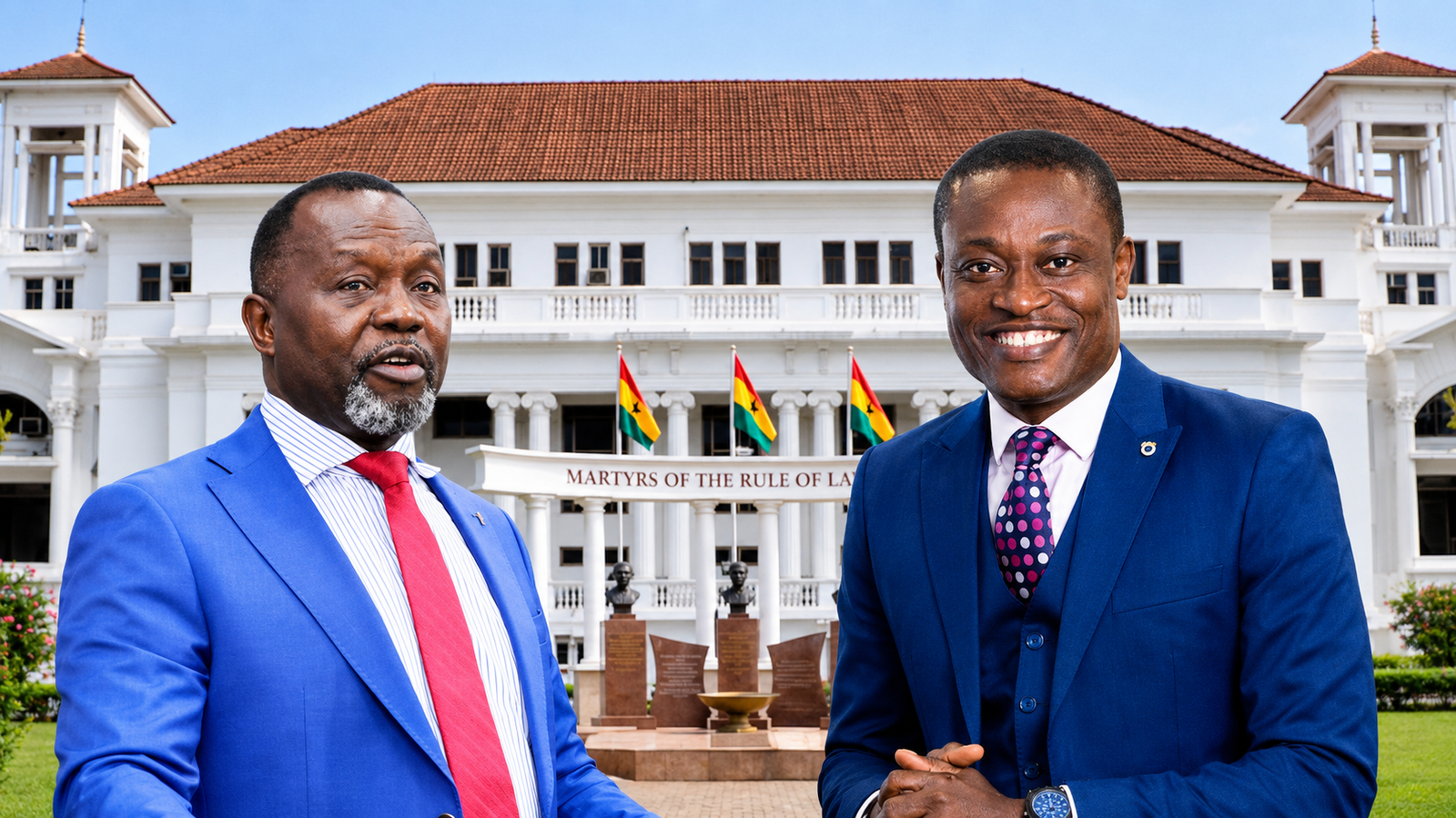
Ghana’s Supreme Court has ruled that the Office of the Special Prosecutor (OSP) does not have the constitutional authority to independently initiate criminal prosecutions, affirming that prosecutorial powers remain vested in the Attorney-General under Article 88 of the 1992 Constitution.
In its decision, the apex court held that the OSP’s prosecutorial functions do not violate the Constitution because they are exercised under authority delegated by the Attorney-General through the Office of the Special Prosecutor Regulations, 2018 (L.I. 2374).
The court explained that the Legislative Instrument provides the legal basis for the Attorney-General to delegate prosecutorial authority to the OSP, allowing the anti-corruption body to prosecute corruption and corruption-related offences.
However, the justices noted that while the OSP can investigate and prosecute cases under the delegated authority, the Attorney-General retains the constitutional power to discontinue any prosecution initiated by the OSP by entering a nolle prosequi.
The court further observed that although the existing Legislative Instrument should remain in force until Parliament amends the law, it does not confer an independent constitutional mandate on the OSP to commence prosecutions on its own.
Delivering the judgment, Presiding Judge Justice John Nyadu Nyante emphasized that the OSP is fully empowered to investigate corruption-related offences but lacks the constitutional authority to independently initiate criminal prosecutions without the Attorney-General’s delegated authority.
The ruling clarifies the constitutional relationship between the Attorney-General and the Office of the Special Prosecutor, reinforcing the Attorney-General’s exclusive prosecutorial powers while preserving the OSP’s role in fighting corruption through delegated authority.

ECOWAS Donates US$250,000 to Support Ghana Flood Victims – Foreign Minister Ablakwa

Hon. Joana Gyan Cudjoe Driving Development in Amenfi Central Through Healthcare, Education and Jobs

Shattafest UK Cancelled Following Serious Incident Outside Venue



-
 Entertainment1 week ago
Ghana Secures $3.5 Million UNESCO Heritage Support During Tourism Minister’s South Korea Visit
-
 General News2 weeks ago
Dr. Charles Dwamena Sues Hubtel for GH¢5 Million Over Alleged Campaign USSD Sabotage
-
 Entertainment2 weeks ago
DJ K.A Apologises Over Viral Video, Says It Was Recorded Four Years Ago
-
 General News4 days ago
CLOSSAG Elections in Dambai: Tension Mounts Over Candidate Disqualifications
-
 General News2 weeks ago
Chairman Wontumi Sentenced to 20 Years in Prison Over Illegal Mining
-

 Entertainment2 weeks ago
“Hits Rule Everything Now” — Perez Musik Says Legends Like Bob Marley Would Face Challenges Today
-
 General News6 days ago
EOCO Declares Emmanuel Ababio Wanted Over Alleged Fraud
-

 Entertainment5 days ago
FOCAP Welcomes New Cultural Attachés, Hails Boost for Ghana’s Creative Diplomacy