
Entertainment
Behind Ghana’s most Famous Iconic Akwaaba Image is a Woman whose Story was never told until now


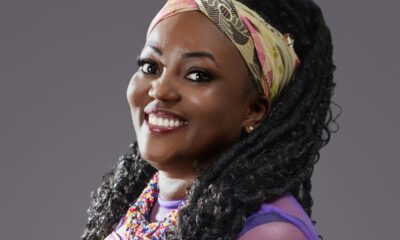
For decades, the Akwaaba picture has stood as one of Ghana’s most recognisable visual symbols, an image that greets the world with warmth, hospitality, and cultural pride. It adorns billboards, tourism brochures, airport halls, hotel lobbies, school textbooks, and international exhibitions. Yet, behind this globally celebrated photograph is a woman whose story remained largely untold for years: Angelina Nana Akua Oduro.
This is the human story behind the image that welcomed the world to Ghana.

A Moment That Became History
The iconic Akwaaba photograph was taken during a period when Ghana was intentionally positioning itself as a leading cultural and tourism destination in Africa. The image showing a young Ghanaian woman dressed in traditional attire, gracefully holding a calabash and a clay pot, pouring palm wine in a gesture of warmth and welcome, captured the very essence of Ghanaian hospitality.
What many did not know was that the woman in the photograph was Angelina Nana Akua Oduro, then a young woman whose life was far removed from the global attention the image would later command.
At the time, the photo session felt ordinary. There were no grand promises, no discussions about long-term usage, royalties, or legacy. It was simply a shoot that would later evolve into a national symbol.
From Photograph to National Emblem
As the years passed, the Akwaaba image took on a life of its own. It became synonymous with Ghana’s tourism identity, often representing the country at international fairs, cultural expos, and diplomatic events.
The photograph travelled farther than Angelina ever imagined, crossing borders, continents, and generations. Yet, while the image flourished, the woman behind it remained largely invisible.
In several instances, the photographer Mr Joseph Osae reproduced, sold, and commercialised without her knowledge of the commercial value. Copies appeared in both public and private spaces, often stripped of context, credit, or acknowledgement.
A Story of Silence and Strength
Angelina Nana Akua Oduro’s story is not one of bitterness, but of quiet resilience. For years, she watched as an image of her younger self became a national asset. At the same time, she lived a modest life, disconnected from the economic and symbolic value attached to the photograph.
Her experience reflects a broader challenge within Ghana’s creative and cultural industries: the absence of structured protection for image rights, creative ownership, and fair compensation.
Like many models, creatives, and cultural contributors of her generation, Angelina was never fully briefed on usage rights, intellectual property, or the long-term implications of her participation.
Reclaiming Identity and Narrative
In recent years, Angelina has found the courage and voice to tell her story not to seek sympathy, but to reclaim her identity within Ghana’s cultural history.
Her revelation has sparked important conversations about:
- Image rights and consent
- Creative ownership and compensation
- The ethical use of cultural symbols
- The need to recognise individuals behind national icons
By stepping forward, she has helped humanise an image many took for granted, reminding the nation that behind every powerful symbol is a real person with a real story.
Beyond the Akwaaba Image
Angelina Nana Akua Oduro is more than a photograph. She is a mother, a woman of dignity, and a silent contributor to Ghana’s global image. Her story now stands as a lesson for policymakers, creatives, photographers, institutions, and brands.
It calls for:
- Clear contracts and fair agreements
- Respect for contributors to cultural heritage
- Systems that protect creative participants from exploitation

A Symbol Reimagined
Today, the Akwaaba picture carries a deeper meaning. It is no longer just a welcoming gesture; it is a reminder of the faces, sacrifices, and overlooked contributors behind Ghana’s cultural storytelling.
By telling her story, Angelina Nana Akua Oduro has finally stepped out from behind the image that defined a nation’s welcome and into her rightful place in Ghana’s cultural narrative.


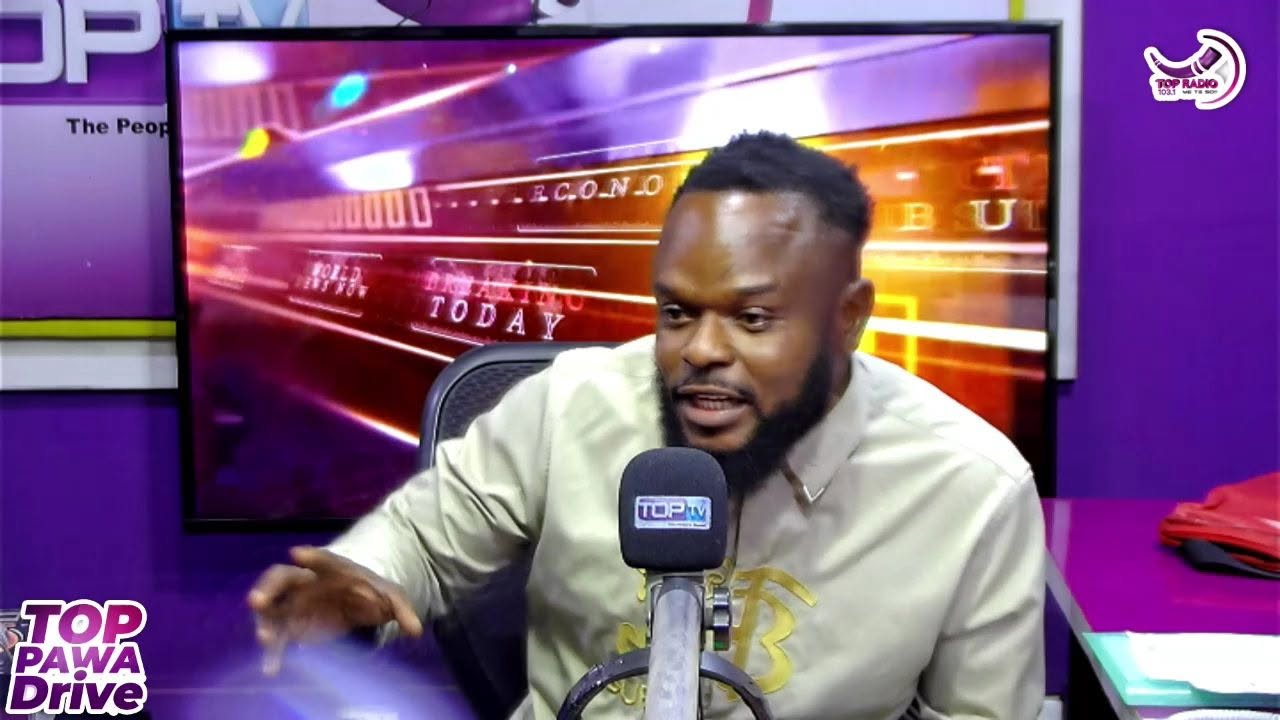
Popular Ghanaian media personality Nana Yaw Kumi Jnr, affectionately known in the entertainment space as Londona Nie, is reportedly making a strong recovery after surviving an accident that occurred some months ago on the Kwabenya stretch shortly after work.
The incident, which came as a shock to many fans and industry players, saw the energetic radio presenter rushed to Korle Bu Teaching Hospital for immediate medical treatment. Sources close to the presenter revealed that medical professionals acted swiftly to stabilise his condition upon arrival.
Following news of the accident, social media was flooded with prayers, encouraging messages, and support from listeners, colleagues, friends, and well-wishers who expressed concern over his health and recovery.
Thankfully, fresh updates indicate that the celebrated on-air personality is recovering steadily and regaining his strength day by day. Insiders close to the presenter have disclosed that his health condition has improved significantly, with expectations high for his return to the airwaves in the near future.
Londona Nie, who hosts the drive-time and entertainment show on Top 103.1 FM, is widely admired for his energetic style of presentation, humour, and ability to connect with his audience. His absence has undoubtedly left a void among his loyal listeners who continue to anticipate his comeback.
As recovery continues, many supporters remain optimistic and grateful for the progress made so far.
Without a doubt, “The Energy Man” will soon return to the microphone stronger, healthier, and more energised than ever.
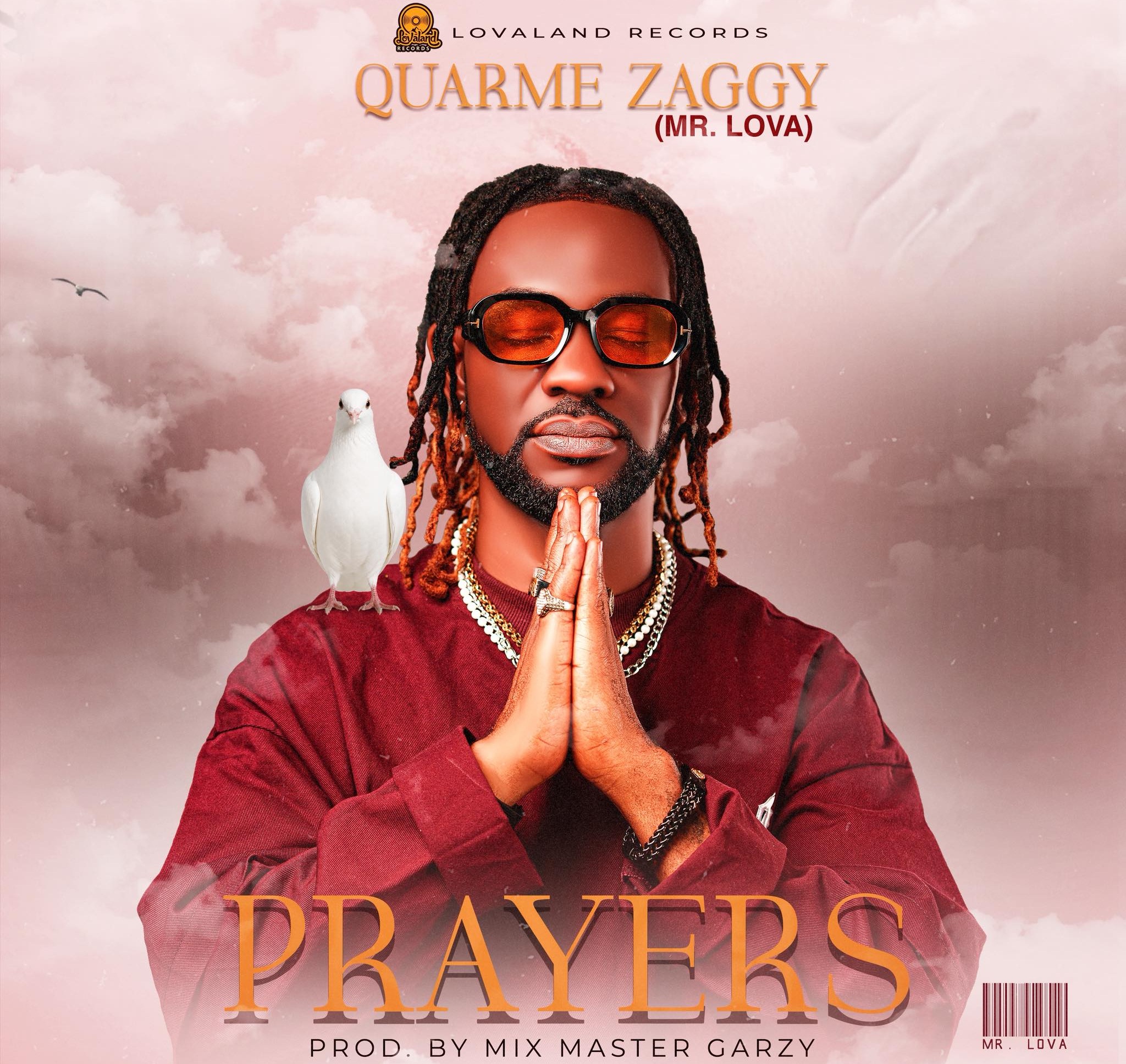
Ghanaian versatile Highlife musician Quarme Zaggy has officially unveiled the artwork for his forthcoming single titled “PRAYERS,” a move that is already generating excitement among music lovers and fans across social media.
The artwork, which reflects themes of hope, determination, faith, and resilience, offers listeners an early glimpse into the emotional depth and message expected from the upcoming release. The official release date is scheduled for Friday, 29th May, 2025. The visual presentation has successfully captured public attention and heightened anticipation for the song.
Known for his unique sound and ability to blend authentic Highlife melodies with contemporary musical influences, Quarme Zaggy continues to build a reputation as one of the promising talents within Ghana’s music industry. His music often connects with audiences through relatable storytelling and heartfelt lyrical delivery, qualities many fans expect to hear once again on “PRAYERS.”
Industry observers believe the single could become an inspirational anthem, especially at a time when many young people continue to rely on hope and faith while navigating life’s challenges. The title itself has already sparked conversations among followers, with many anticipating a motivational and spiritually uplifting message from the artist.
Over the years, Quarme Zaggy has remained consistent in his artistic journey, gradually building a loyal fan base through dedication, creativity, and musical versatility. The unveiling of the artwork marks the beginning of what is expected to be a strong promotional campaign ahead of the official release.
Fans and entertainment enthusiasts are now eagerly awaiting the release of “PRAYERS,” as many believe the song could further strengthen Quarme Zaggy’s presence within Ghana’s contemporary Highlife scene.

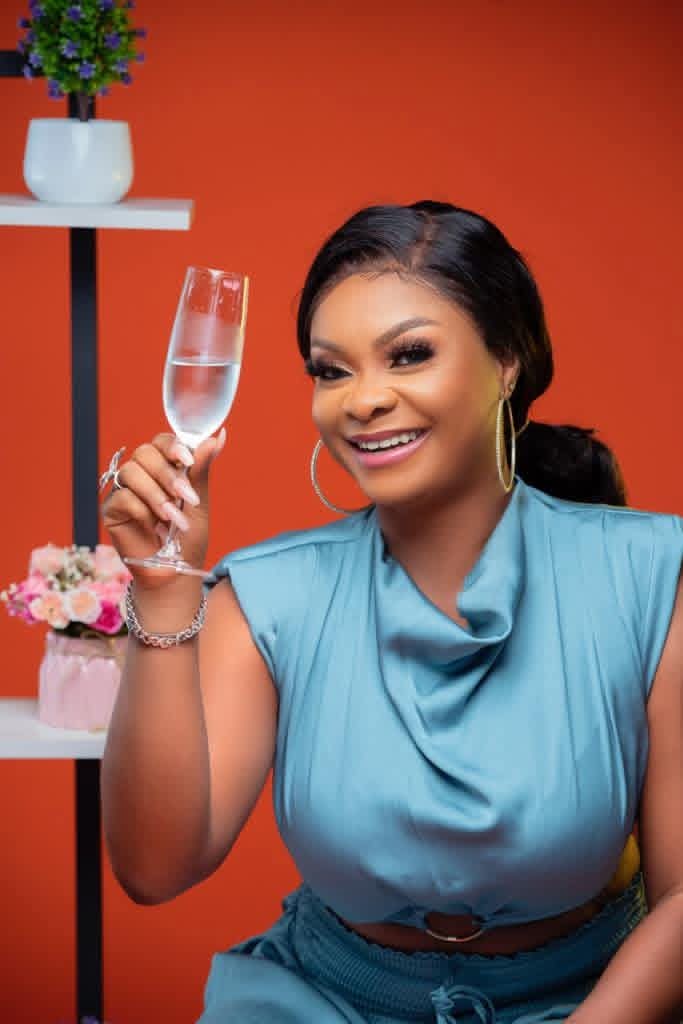
Actress and wife of musician Choirmaster, Beverly Afaglo, has reportedly passed away.
According to a report shared by Hitz FM and cited by KPDonline.net, the musician announced the heartbreaking news, saying:
kpdonline.net
“My heart is shattered beyond words.”
Choirmaster mourned the death of his beloved wife, actress Beverly Afaglo.
The cause of her death has not yet been disclosed.
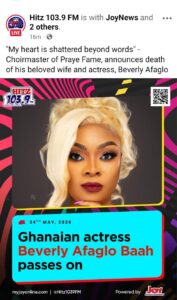
We are closely following developments and will provide updates as more information becomes available.
May Beverly Afaglo rest in peace, and may her family find strength during this difficult time.

Government reveals 76.4 Million Ghana cedis to back Black Stars World Cup campaign

2026 FIFA World Cup: Thomas Partey ruled out of Ghana group opener after denial of Canadian Visa

The Energy Man Londona Nie Set for Comeback After Successful Recovery Journey



-
 Education2 weeks ago
Royal Women In Cinema Ghana, Empower Playgrounds Equip Young Girls on World Menstrual Hygiene Day
-

 Sports1 week ago
GFA Boss Kurt Okraku Rejects National Team Players Selection Interference allegations
-
 Politics1 week ago
Abronye DC Remanded Into Custody After Court Rejects Bid to Vary Bail Conditions
-
 Sports2 weeks ago
IFAB Approves Major Rule Changes Ahead of 2026 FIFA World Cup
-
 Sports7 days ago
2026 FIFA World Cup: Ghana group opponent England defeats New Zealand in a warm up Friendly
-
 General News1 week ago
Sam George Pushes Mandatory National ID Verification for Access to Adult Websites
-
 Sports1 week ago
2026 FIFA World Cup: Ivory Coast defeats France in Pre-World Cup Friendly
-
 Culture2 weeks ago
Christian Council Backs Mahama’s Decision to Review Anti-LGBTQ+ Bill