
Business
BoG Warns Ghanaians: Never Share Your PINs, Passwords or Verification Codes

Accra, Ghana — October 8, 2026
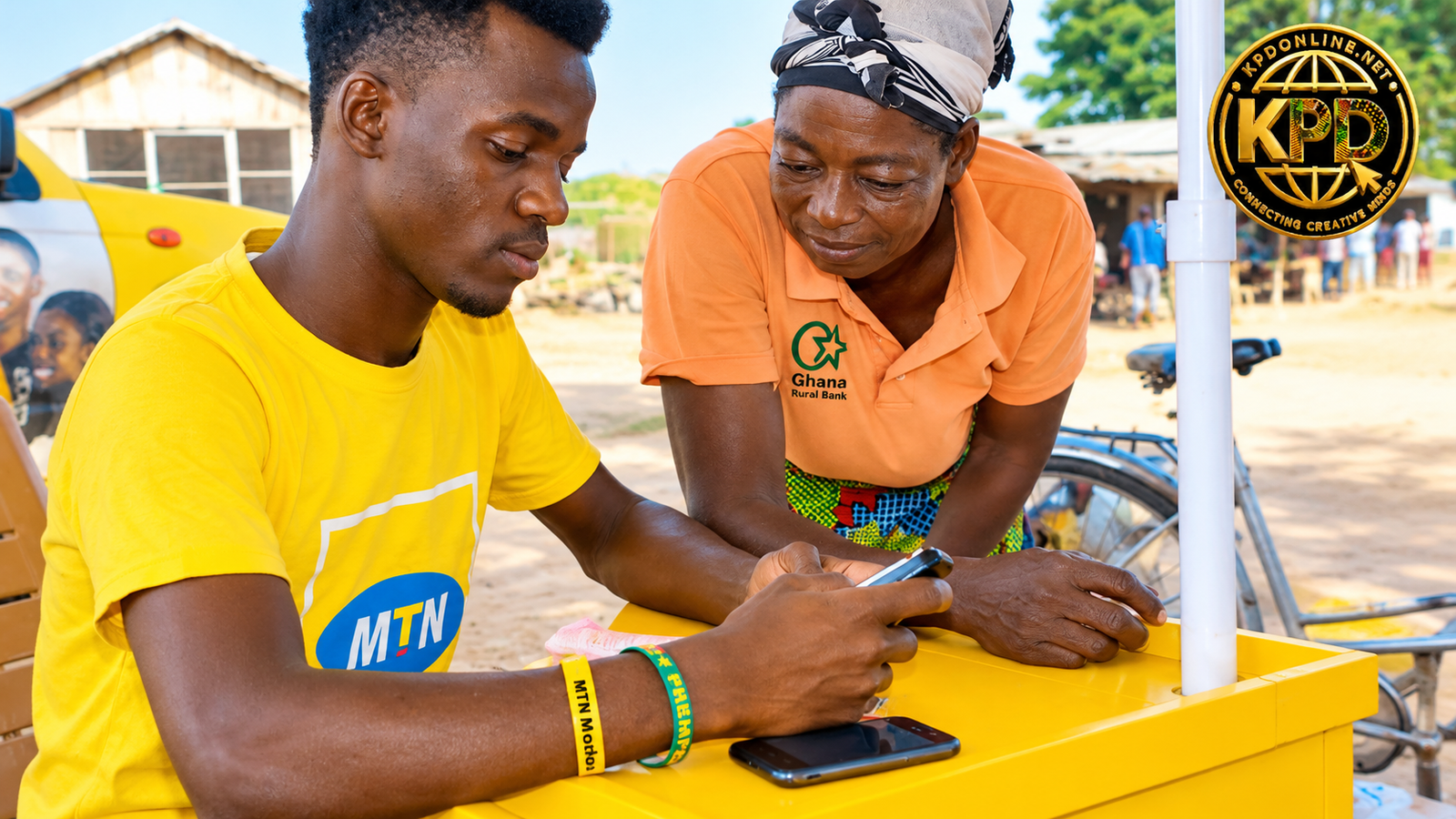
The Bank of Ghana (BoG) has issued a fresh warning to the public to protect sensitive personal and financial information as digital banking and mobile money services continue to expand across the country.

The central bank is urging customers to keep information such as Mobile Money PINs, ATM PINs, internet banking passwords, One-Time Passwords (OTPs) and verification codes strictly confidential. The warning forms part of the BoG’s financial literacy and consumer-protection efforts aimed at reducing digital financial fraud.
Financial institutions will not ask for your PIN
The BoG stressed that legitimate banks, mobile money operators, payment service providers and other regulated financial institutions will not request customers’ PINs, passwords or OTPs through phone calls, text messages, emails or social media.

Customers are therefore being advised to treat unexpected requests for confidential information as potential fraud attempts and avoid responding to suspicious messages or links.
The warning comes as fraudsters increasingly use impersonation and digital communication channels to convince unsuspecting customers that they are dealing with banks, mobile money companies or other legitimate institutions.
Public urged to be cautious with suspicious messages
The central bank is also encouraging financial consumers to exercise caution when they receive unsolicited phone calls, SMS messages, emails, social media messages or online links requesting personal or financial information.
Customers should independently verify the identity of anyone claiming to represent a financial institution before taking action, particularly when the request involves transferring money or providing account credentials.
The BoG has also advised customers to regularly monitor transaction alerts, bank statements and mobile money notifications so that unauthorised transactions can be detected as quickly as possible.

Warning over “double-your-money” schemes
The central bank’s alert extends beyond stolen PINs and passwords to investment-related scams.
The BoG has advised the public to verify investment opportunities before making payments or transfers and to be particularly suspicious of schemes promising unusually high returns with little or no risk.
It specifically warned against “double-your-money” schemes, online Ponzi schemes and suspicious digital investment platforms, which could expose members of the public to substantial financial losses.

Strong passwords and vigilance encouraged
The BoG is encouraging customers to use strong passwords and update them regularly as an additional layer of protection for digital financial accounts.
The central bank says the fight against digital financial fraud requires cooperation between financial institutions, regulators and consumers. Its consumer-protection office is responsible, among other things, for educating customers about their rights and responsibilities and receiving complaints involving financial services.
With more Ghanaians relying on mobile money, internet banking and other electronic payment services, the BoG’s message is straightforward: protect your financial credentials, question unexpected requests and never disclose your PIN or OTP to someone who contacts you asking for it.














Business
Cedi Stability Expected to Continue as Government Links Currency Performance to Housing Affordability
Accra, Ghana — October 8, 2026
Ghana’s Deputy Minister for Finance, Thomas Nyarko Ampem, says the Ghanaian cedi is expected to remain stable, arguing that a predictable exchange rate is important for households and businesses planning their finances.
Ampem made the remarks at the National Conference on Housing and Finance, where he linked currency stability to the ability of families to manage housing-related expenses without having to constantly anticipate major exchange-rate movements.
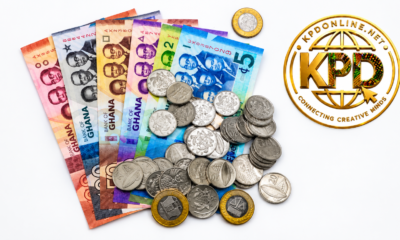
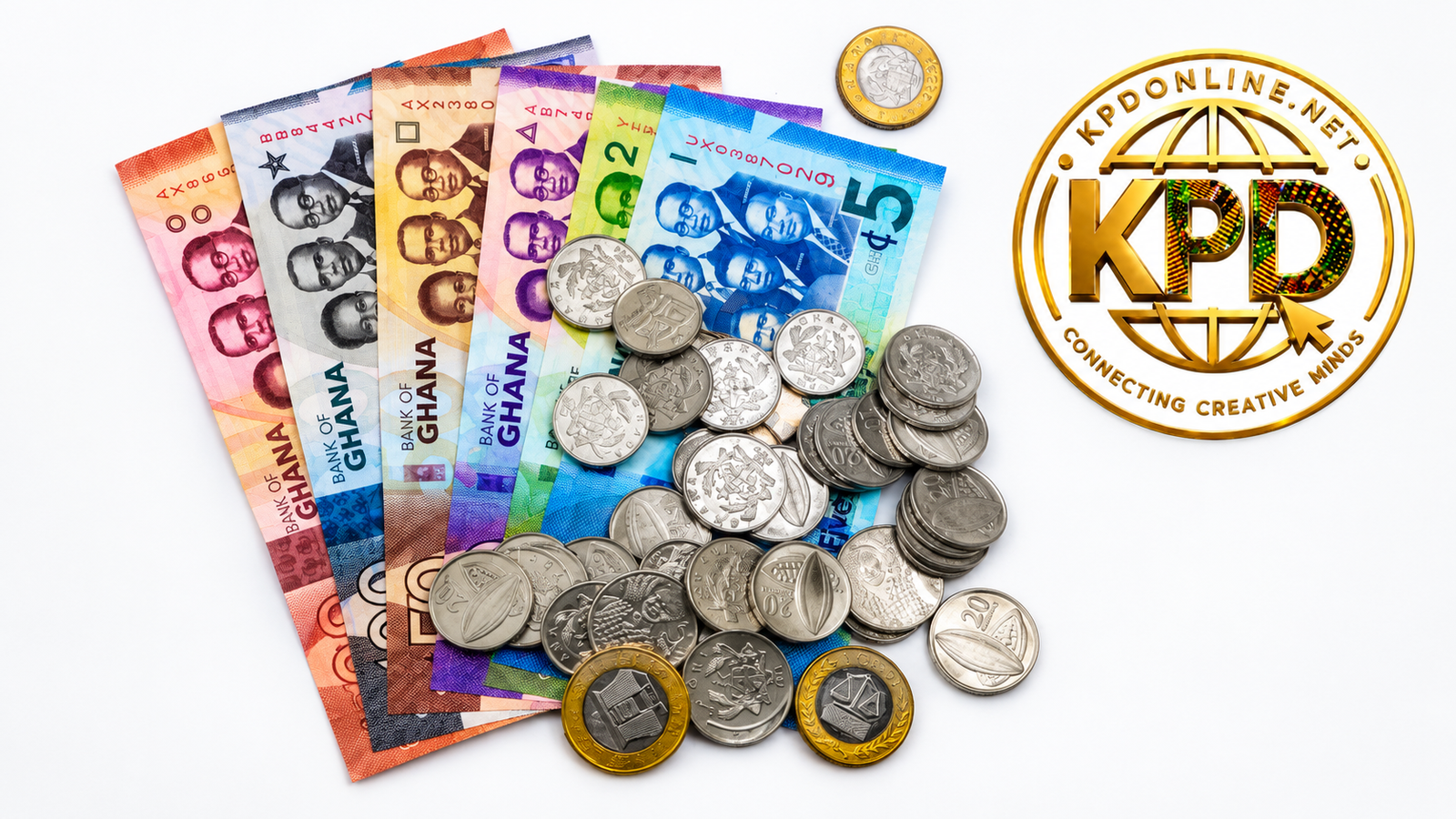
According to the latest Bank of Ghana interbank data, the US dollar traded at a weighted median rate of GH¢11.83 on October 7, 2026, with a buying rate of GH¢11.8241 and selling rate of GH¢11.8359.

“Ghana Cedi Holds Firm Against the US Dollar”
Stability and household planning
Ampem said exchange-rate predictability is particularly significant for households whose earnings are denominated in cedis. Large currency swings can increase the cost of imported construction materials and other goods while making long-term financial planning more difficult.
He argued that families should be able to make decisions about housing without having to continually forecast movements in the foreign-exchange market.
The Deputy Minister also said the government’s housing strategy would go beyond simply expanding access to finance. He identified clear land ownership, realistic construction costs, reliable demand, infrastructure and predictable approval processes as important elements in reducing the risks associated with housing development.

“Ghana’s Foreign Exchange Market Under Watch”
Bank of Ghana sees continued currency resilience
The government’s optimism comes against a backdrop of improving macroeconomic conditions.
In its September 2026 monetary policy assessment, the Bank of Ghana said the cedi was expected to remain stable. The central bank also reported that Ghana’s economy expanded by 6.0% in the second quarter of 2026, while the country’s trade position remained strong.
The Bank of Ghana reported gross international reserves of approximately US$12 billion as of September 22, equivalent to about 4.5 months of import cover. It also noted that Ghana recorded a trade surplus of US$8.9 billion by August 2026, supported by strong export performance.
However, the central bank has also highlighted risks that could put pressure on the currency. These include higher energy prices, geopolitical tensions, supply-chain disruptions and increased external payment obligations.

“Bank of Ghana Monitors Exchange Rate Stability”
Inflation remains a factor
Ghana’s inflation picture also remains important to the outlook for the cedi. Bank of Ghana data showed headline inflation at 5.0% in August 2026, with non-food inflation higher than food inflation. The central bank maintained its policy rate at 14% at its September meeting.
For the government, maintaining currency stability will therefore require continued fiscal discipline, stronger production and exports, investment and adequate foreign-exchange buffers.
Ampem previously said Ghana had moved from stabilising the immediate economic situation to building a more productive and resilient economy, with government and the private sector expected to play complementary roles.
For households and businesses, the durability of the cedi’s recent stability will remain closely watched, particularly as exchange-rate movements affect imported goods, construction costs, investment decisions and the broader cost of living.
By Angel No Lie | KPD Online | October 8, 2026
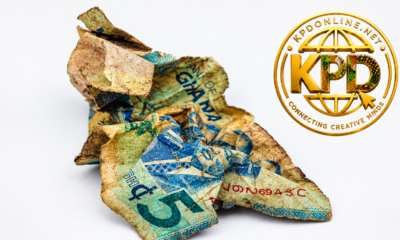
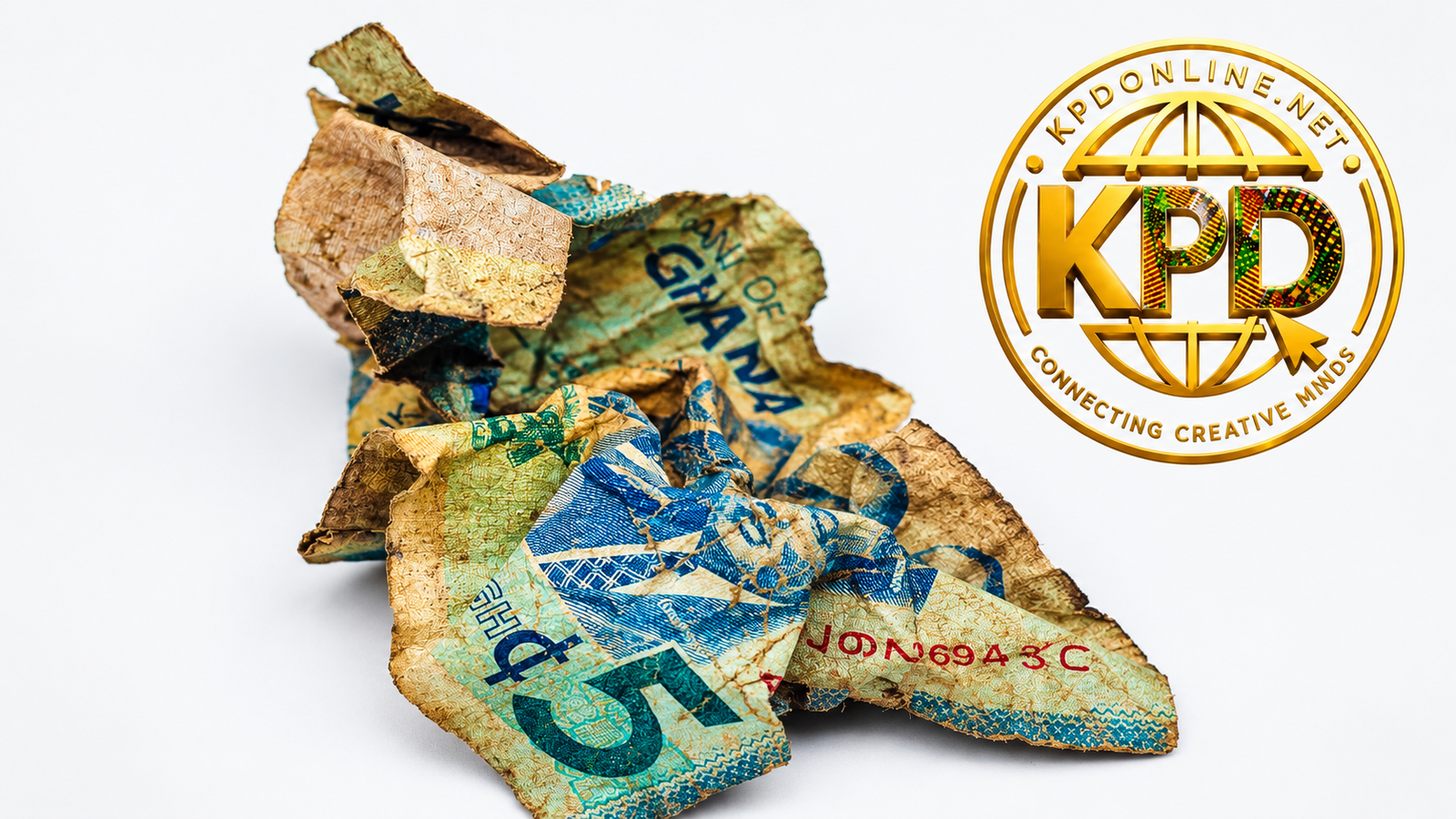
The Bank of Ghana (BoG) has warned members of the public against taping, gluing, stapling or otherwise repairing damaged Ghana cedi banknotes for the purpose of putting them back into circulation.
The warning follows the circulation of a social-media video showing individuals repairing torn and soiled cedi notes with adhesive tape as part of what appeared to be a business activity. The central bank said the practice is improper and could undermine the integrity and proper processing of Ghana’s currency.
Damaged notes should not be repaired
According to the BoG, banknotes that have been taped, glued, stapled or otherwise improperly repaired are considered unfit for circulation.
The central bank cautioned that such notes could interfere with the cash cycle and may cause problems when processed by automated teller machines and other currency-processing equipment. They could also be rejected when presented for payment or exchange, potentially leaving members of the public with financial losses.
The BoG stressed that the Ghana cedi is legal tender and an important national symbol, adding that no individual should engage in the repair, rejoining or alteration of mutilated banknotes for re-issuance or recirculation.
What to do with a damaged cedi note
Instead of attempting to repair a torn or mutilated note, the Bank of Ghana is advising the public to take it to a commercial bank for examination and possible replacement under the central bank’s established procedures.
The BoG said more than half of the original banknote should be available when a mutilated note is submitted for examination. It specifically advised the public not to tape, glue, staple or rejoin the note before taking it to a bank.
BoG calls for protection of the currency
The central bank said protecting the quality and integrity of Ghana’s banknotes is a shared responsibility. It urged the public to handle cedi notes carefully and avoid activities that could damage them.
It also called on members of the public to report people involved in the improper repair, rejoining or mutilation of banknotes to the Bank of Ghana or the appropriate law-enforcement authorities.
The latest warning highlights the central bank’s concern over practices that could introduce improperly repaired currency into everyday transactions and create problems for banks, businesses and consumers.
Key takeaway: If a cedi note is torn, badly soiled or mutilated, do not repair it yourself. Take it to a commercial bank for examination and replacement.
By Angel No Lie | KPD Online | October 8, 2026
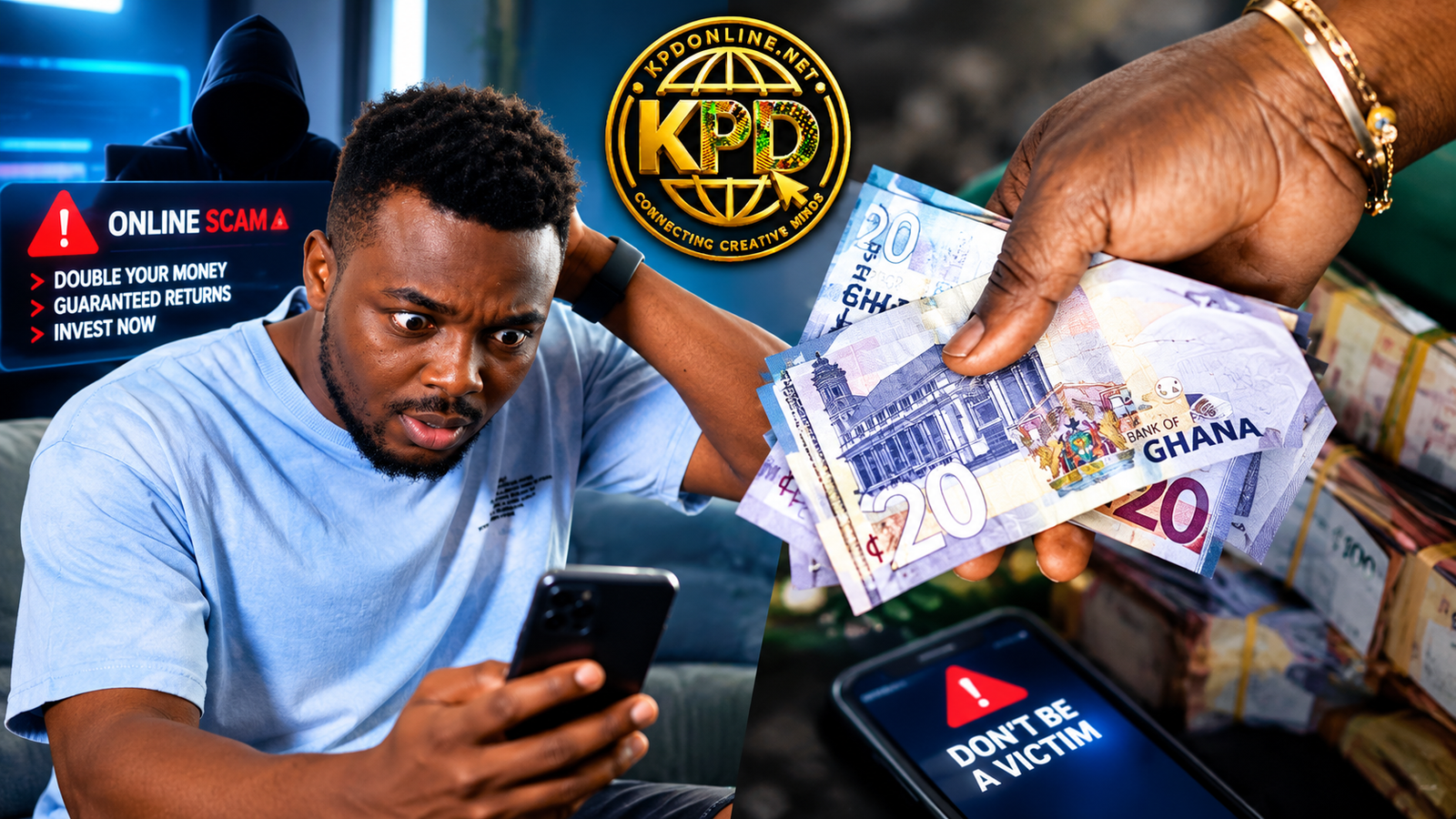
The Bank of Ghana (BoG) has renewed its warning to the public over the growing threat of digital financial fraud, particularly schemes promising unusually high or guaranteed returns through online platforms.
The warning comes as the central bank intensifies efforts to protect consumers from fraudulent financial operators and unlicensed digital businesses operating through social media, mobile applications and other digital channels.
In a statement published on October 7, the BoG urged the public to be particularly cautious of financial products that are complicated, difficult to understand or promoted with promises of quick and attractive profits. The central bank said such offers could be indicators of fraudulent investment arrangements, including Ponzi-type schemes.
‘Double Your Money’ schemes under scrutiny
The BoG has specifically warned against so-called “money doubling” and “card loading” schemes, in which individuals are encouraged through traditional or social media platforms to deposit funds in exchange for promised attractive returns.
The central bank has previously stressed that it has not licensed individuals or entities to operate money-doubling schemes and has advised the public not to participate in such activities.
The warning has gained renewed relevance after the Bank identified a fraudulent operation using the name “Worldremit” in Ghana. The BoG clarified that the scheme is unrelated to the legitimate international money-transfer company WorldRemit and cautioned consumers against falling for the impersonation.
BoG urges consumers to verify licences
The central bank is urging Ghanaians to verify the regulatory status of any financial institution, investment platform, digital lender or payment service before sending money.
The BoG has repeatedly advised consumers to deal only with institutions that have the appropriate licence or authorisation and to exercise caution when approached through social media or messaging platforms with investment opportunities promising unusually high returns.
Unlicensed digital lenders also flagged
The crackdown extends beyond money-doubling schemes.
In September, the BoG published a list of unlicensed digital credit providers operating in Ghana. The central bank said such operators were providing digital loans without the required authorisation and warned the public against engaging with them.
The Bank has also said unlicensed digital-credit operations can create significant concerns around consumer protection and customer data privacy, while urging banks, specialised deposit-taking institutions and payment service providers not to facilitate transactions for unauthorised digital lenders.
How to spot a potential scam
Financial experts and regulators generally advise consumers to be cautious when an online financial opportunity:
- Promises to double money within a short period.
- Guarantees unusually high returns with little or no risk.
- Pressures users to deposit money immediately.
- Relies heavily on referrals or recruitment of other participants.
- Cannot clearly explain how profits are generated.
- Claims to be regulated but cannot provide verifiable licensing information.
- Requests sensitive banking, mobile-money or identification details through unofficial channels.
The BoG has also urged the public to report suspicious financial activities to the appropriate authorities rather than transferring money to questionable operators.
A warning for Ghana’s increasingly digital economy
As mobile payments, digital lending, online investments and other financial technologies become increasingly accessible, regulators face the challenge of protecting consumers from operators exploiting the convenience and reach of digital platforms.
The latest warnings from the BoG underline the importance of verifying financial service providers before committing funds, particularly when an offer appears too good to be true.
For consumers, the central message is straightforward: verify first, pay later — and do not assume that a professional-looking website, social-media page or mobile application means an operator is licensed.
Source: Bank of Ghana notices and public statements.
The Bank of Ghana (BoG) has cautioned the public against engaging with 20 mobile loan applications that are operating without the required regulatory approval.
According to the central bank, the identified applications are not licensed to provide digital lending services in Ghana and may expose users to financial, privacy, and consumer protection risks. The regulator urged Ghanaians to exercise caution before downloading or using loan apps that have not been approved by the relevant authorities.
BoG noted that some unauthorized lenders may employ aggressive debt collection tactics, misuse personal data, or operate outside established consumer protection standards. The warning forms part of ongoing efforts by the central bank to strengthen oversight of the digital financial services sector and protect consumers from potentially harmful practices.
The regulator encouraged borrowers to verify the licensing status of financial service providers before sharing personal information or accepting loan offers. Consumers were also advised to report suspicious lending platforms to the appropriate authorities.
The latest advisory comes as mobile-based lending services continue to grow in popularity, offering quick access to credit through smartphones. While digital lending has improved financial inclusion for many users, regulators have repeatedly emphasized the importance of dealing only with licensed and regulated institutions.
BoG reaffirmed its commitment to safeguarding the integrity of Ghana’s financial system and urged the public to remain vigilant when seeking loans through digital platforms.

Accra, Ghana – Businessman and industrialist Ibrahim Mahama has reiterated his confidence in the ability of Ghanaian entrepreneurs to spearhead the country’s economic transformation, stressing that local businesses possess the talent, expertise and determination needed to undertake major development projects.
Speaking at a gathering focused on entrepreneurship and economic growth, Mahama encouraged greater investment in indigenous enterprises, arguing that Ghana’s long-term prosperity depends on empowering local innovators and business leaders.
According to him, many of the challenges facing the country can be addressed through homegrown solutions if entrepreneurs are provided with the necessary support, financing and opportunities. He noted that Ghanaian-owned businesses have repeatedly demonstrated their capacity to deliver results across sectors including construction, manufacturing, logistics and mining.
Mahama emphasized that fostering local enterprise would not only create jobs but also help retain wealth within the country, strengthening the broader economy. He urged policymakers, financial institutions and private-sector stakeholders to work together to create an environment where Ghanaian businesses can thrive and compete effectively.
The businessman further highlighted the importance of innovation, skills development and strategic partnerships in building sustainable enterprises capable of contributing meaningfully to national development.
His remarks come amid ongoing discussions about industrialisation, economic diversification and the role of local businesses in driving growth. Advocates of indigenous entrepreneurship argue that increasing support for Ghanaian-owned companies can accelerate economic expansion while reducing dependence on foreign expertise and imports.
Mahama’s message centered on self-belief and local capacity, with a call for Ghanaians to take a leading role in shaping the nation’s future through entrepreneurship, innovation and investment in domestic industries.

Cedi Stability Expected to Continue as Government Links Currency Performance to Housing Affordability

BoG Orders Public to Stop Repairing Torn Cedi Notes for Resale

BoG Sounds Alarm Over Online Scams as ‘Double Your Money’ Schemes Target Ghanaians



-

 General News1 week ago
Fidelity Bank Chairman Named Ghana’s Topmost Transformational Board Chair 2026
-

 Technology2 weeks ago
Rolls-Royce Expands Aviation Business with Major Philippine Airlines Engine Agreement
-

 Entertainment2 weeks ago
Ras Caleb assesses institutions under the Tourism Ministry, highlighting key roles.
-

 Entertainment2 weeks ago
Ras Caleb Appiah-Levi: The musician, Pan-Africanist and organiser whose career spans four decades
-

 Entertainment1 week ago
Ras Caleb Appiah-Levi Reflects on Death, Wealth and Equality: “Death Neither Knows Rich Nor Poor”
-
 Business2 weeks ago
Rev. Dr. Christian Kwetey Kweitsu Honoured for Excellence in Audiology Practice in Kigali
-

 General News2 weeks ago
Sudan Chemical Weapons Allegations: UN Signals Readiness for Possible Investigation
-

 General News1 week ago
When 5 oranges become mangoes – Teacher’s viral classroom moment sparks fresh debate over teachers’ grievances