
Culture
Easter in Ghana Shifts from Sacred Reflection to Tourism and Business Boom

What was once a solemn three-day observance commemorating the death and resurrection of Jesus Christ has increasingly transformed into one of Ghana’s largest domestic tourism seasons. Over the recent Easter weekend, celebrations across the country reflected a growing shift from strictly religious observance to large-scale cultural, entertainment, and commercial activities.
Across several regions, events drew thousands of visitors and attracted strong participation from corporate brands seeking visibility during one of the country’s busiest holiday periods. From adventure sports in the Eastern Region to cultural festivals in the Volta Region and entertainment showcases in the Central Region, Easter festivities now represent a significant economic opportunity for tourism and local businesses.
A major highlight was the annual paragliding festival in Kwahu, where adventure seekers took flight from Odweanoma Mountain at Atibie. The 18th edition of the festival recorded 31 flights on its opening day, including two young participants aged eight and 13. The Ghana Tourism Authority projected that more than 11,000 tourists would take part in the event.
The Ghana Tourism Authority played a central role in coordinating activities across the country through its Black Star Experience initiative. The programme linked major cultural, adventure, and community events in Kwahu, Vodza near Keta, and Gomoa.
According to Deputy Chief Executive Officer of the Authority, Ben Anane Nsiah, the initiative was designed to encourage domestic tourism.
“We leveraged the Black Star Experience to connect cultural, adventure and community-driven events across the country in order to encourage Ghanaians to travel, explore and support local tourism destinations,” he said during the launch of the Vodza Easter Regatta.
Business and Economic Focus
Alongside entertainment activities, the Easter celebrations also served as a platform for economic dialogue. The third edition of the Kwahu Business Forum, organised at the Kwahu Convention Centre in Mpraeso, attracted more than 1,000 participants including entrepreneurs, investors, policymakers, and industry leaders.
Chief of Staff Julius Debrah, who spearheaded the initiative, emphasised that the forum aims to move beyond discussions toward tangible economic outcomes.
“This forum is not about talk; it is about action. It is where policy meets practice, where capital meets creativity, and where ambition meets execution,” he said.
He urged Ghana to reduce its reliance on exporting raw materials and instead focus on building industries that add value to local resources.
“Ghana must produce more of what it consumes, process more of what it grows, and build industries that compete beyond our borders,” he stated.
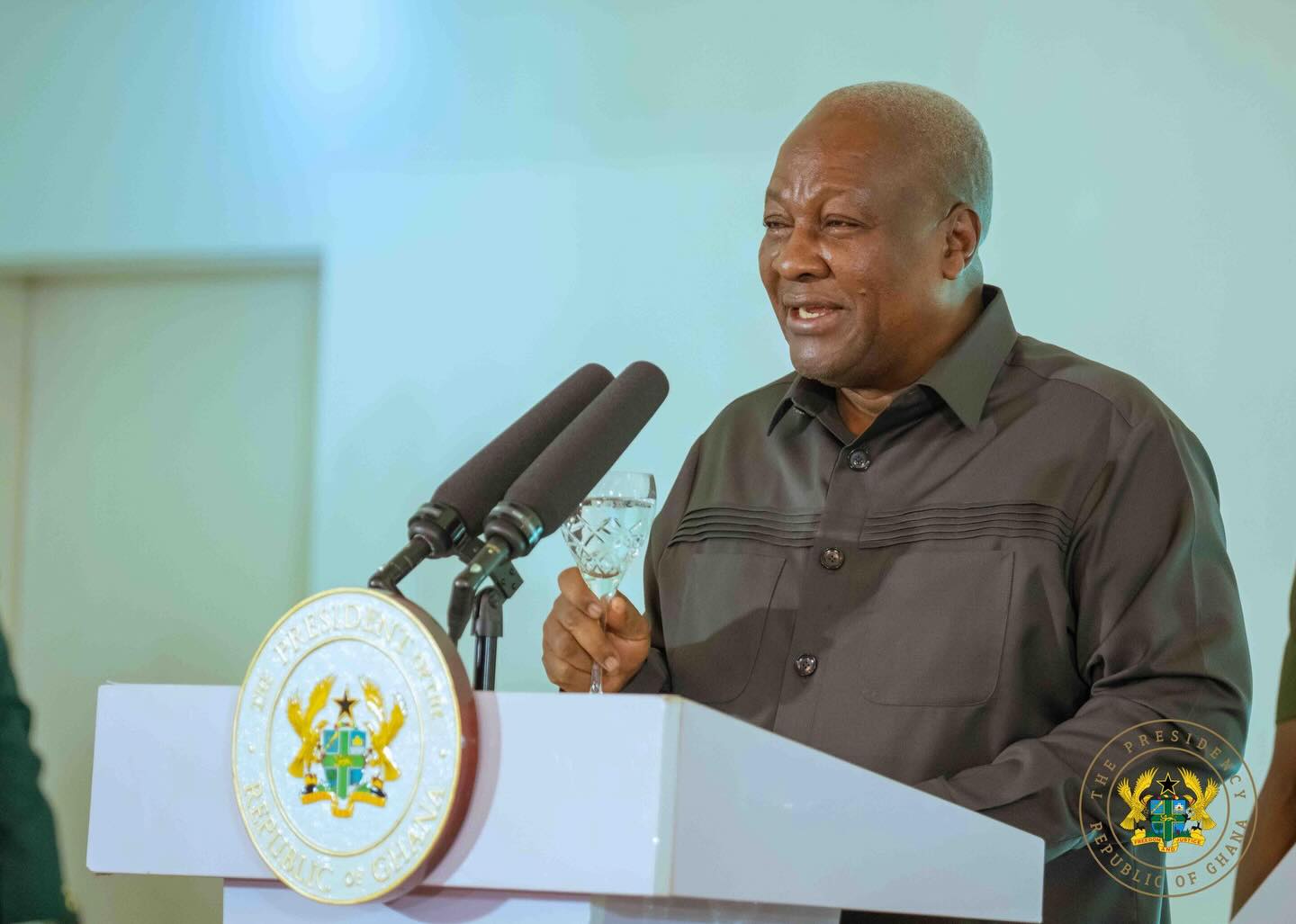
President John Dramani Mahama, who attended the forum, revealed that the concept for the Kwahu Business Forum was conceived during a campaign tour with Mr Debrah. He described Easter celebrations in Kwahu as the country’s largest homecoming event.
The President also announced plans to expand infrastructure in the area, including the construction of a permanent convention, conference, and exhibition centre through collaboration with private developers Metalex and Trasacco. Plans are also underway to construct an airstrip to facilitate easier access for visitors and conference participants.
Emergence of New Easter Destinations
The Central Region also joined the Easter tourism spotlight with the introduction of the Gomoa Easter Festival. The four-day event, spearheaded by Member of Parliament Kwame Asare Obeng, popularly known as A-Plus, was expected to attract more than 20,000 visitors.
Supported by entertainment figures and major sponsors, the festival featured performances by popular Ghanaian musicians and aimed to stimulate local economic activity.
“The main idea is to boost the economy of our area. If you consider the impact Easter has had on Kwahu, it’s significant,” the MP said.
His constituency, which hosts one of the largest fish farms in West Africa, used the event as an opportunity to promote local industry and tourism.
Corporate Participation Grows
The commercial potential of Easter celebrations has also attracted significant corporate interest. Beverage manufacturers, telecommunications companies, and financial institutions competed for brand visibility across multiple events, recognising the large concentration of consumer activity during the holiday.
In Accra, entertainment organisers hosted events targeting younger audiences. One such gathering, organised by Puom Music at the Odjidja Royal Palace in Kwabenya, was branded the Ghetto Youth Connect Initiative. The event featured performances by popular artistes including Ras Kuuku and Yaa Pono and sought to provide a platform for emerging street talent.
Cultural Events in the Volta Region
In the Volta Region, the fifth edition of the Vodza Easter Regatta in Keta attracted large crowds as local fishermen competed in canoe races along the coast. The event also featured traditional food vendors and cultural performances.
The region also hosted the maiden Anlo Extravaganza and Heritage Festival, which included a tourism ambassador pageant and the Easter Marathon named after legendary long-distance runner Godwin Atsu Adukpo. The marathon highlighted the Volta Region’s long-standing reputation for producing elite distance runners while encouraging youth participation in athletics.
The festival crowned tourism ambassadors tasked with promoting the cultural and tourism potential of the Anlo area.
Vice-President Professor Naana Jane Opoku-Agyemang joined chiefs and residents during festival celebrations in Sokpoe in the South Tongu District. She attended the grand durbar of the Tortsogbeza Festival, which brought together traditional leaders and local authorities.
During the event, Member of Parliament for South Tongu Maxwell Kwame Lukutor raised concerns about longstanding development challenges in the district, including persistent water shortages and deteriorating road networks.
Concerns from Religious Leaders
Despite the economic benefits of the growing festivities, some religious leaders have expressed concern about the declining focus on the spiritual significance of Easter.
Rev. Bright Mawuena Nfodjoh of the Evangelical Presbyterian Church noted that the sacred period was increasingly being overshadowed by social activities.
In a pastoral message, he observed that Good Friday, traditionally marked by solemn remembrance of the crucifixion of Christ, is now often associated with recreational activities and public celebrations.
“Where the meaning of Easter is not deeply taught, experienced and embodied, it becomes vulnerable to cultural redefinition,” he stated.
He also suggested that churches share some responsibility for the shift, arguing that some places of worship have gradually lost their distinct identity.
Balancing Faith and Tourism
President Mahama participated in a Good Friday Miracle Service at Black Star Square in Accra, where he called on citizens to embrace unity and sacrifice. However, the growing popularity of Easter travel and entertainment events highlights the evolving character of the holiday.
As Ghana seeks to expand its tourism industry, Easter has become a powerful driver of domestic travel and economic activity. The challenge for policymakers and religious leaders alike is how to harness the economic benefits of the season while preserving the spiritual significance that has historically defined it.



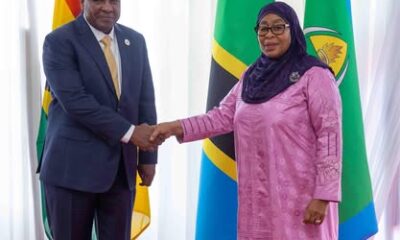

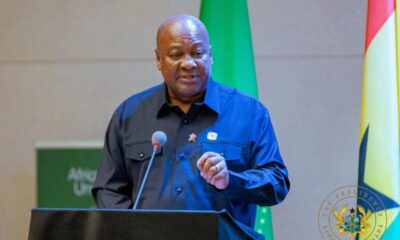

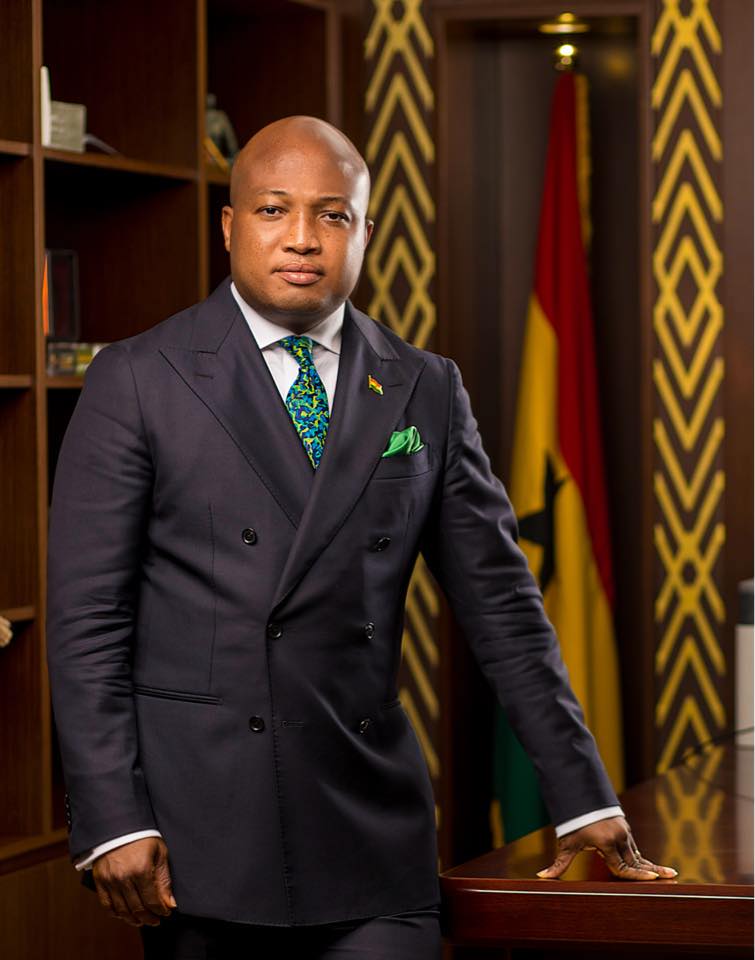
Ghana is set to sign additional visa waiver agreements in the coming months as part of a broader strategy to enhance the strength and global competitiveness of the Ghanaian passport, Minister for Foreign Affairs Samuel Okudzeto Ablakwa has announced.
Speaking to journalists after bilateral meetings on the margins of the 39th African Union Summit in Addis Ababa, Ethiopia, Mr Ablakwa described visa waiver arrangements as a key priority for the Foreign Ministry. He indicated that a series of major announcements would begin in March and continue through April and May.
Visa-free travel, he stressed, remains central to the government’s diplomatic agenda for the year. “You know that visa waiver agreements remain my priority as Foreign Minister. I expect more visa waiver agreements this year. Even within the month of March, you’ll be hearing some good news,” he said.
Passport Security Upgrades
The Minister expressed confidence that Ghana is on course to securing one of the most valuable passports in Africa and beyond. He highlighted recent technological upgrades, noting that the Ghanaian passport now features full chip-embedded technology and enhanced security systems designed to meet global standards.
According to him, the new passport ranks among the most secure in terms of its safety features, placing Ghana ahead of several countries in document security innovation.
Mr Ablakwa further assured that government has intensified efforts to curb fraudulent acquisition of passports. Artificial intelligence driven systems and modern verification tools, he said, have been deployed to outpace criminal networks engaged in document fraud.
30 Percent Reduction in Fees
On accessibility, the Minister referenced the recent 30 percent reduction in passport application fees, reiterating the government’s position that passports should not be treated as luxury items.
“For Ghanaians to have passports, it is a right. Passports should not be a luxury. It’s our national pride. It’s our national identity,” he emphasised.
UN Resolution on Transatlantic Slave Trade
On the multilateral front, Mr Ablakwa described deliberations at the AU Summit as substantive and constructive. He disclosed that Ghana’s draft United Nations resolution seeking global recognition of the transatlantic slave trade as the gravest crime against humanity has secured endorsement at the ministerial level.
The resolution is expected to be tabled on March 25 by President John Dramani Mahama, who has been designated by the African Union as champion on the issue. Heads of State are anticipated to formally endorse the draft.
The Minister noted that the proposal followed extensive consultations involving Committee on the Elimination of Discrimination against Women, United Nations Economic and Social Council, the African Union Committee of Experts, CARICOM, and other international stakeholders to ensure broad consensus and collective ownership.
President Mahama’s mandate on the matter has been extended for a decade, positioning Ghana to lead global advocacy efforts over the next ten years.
Following the AU engagements, President Mahama is expected to address the CARICOM Summit in St Kitts and Nevis, aimed at strengthening ties among people of African descent across Africa, the Caribbean and the Americas.
Commitment to Regional Unity
Meanwhile, Ghana has earned commendation for withdrawing its bid for a seat on the AU Peace and Security Council to allow for a united front within Economic Community of West African States.
Mr Ablakwa said the decision reflects Ghana’s enduring commitment to regional integration and Pan African solidarity, in line with the vision of the country’s first President, Kwame Nkrumah.
He expressed optimism that Ghana’s diplomatic posture and strategic engagements are steadily enhancing its influence on both the continental and global stage.
Ghanaian traditional attire, the smock—locally called fugu or batakari—is capturing global attention following President H.E. John Dramani Mahama’s recent diplomatic visit to Zambia. In his end-of-visit interview, President Mahama highlighted the cultural and economic significance of the garment.
Speaking about the smock’s history, President Mahama said, “This is a traditional dress made by a local industry as part of our culture. In the past, it was worn by kings, royalty, and warriors. Our warriors believed that smocks soaked in herbs and blessed spiritually could protect them even in battle. The smock represents strength, identity, and heritage.”
Reflecting on its place in Ghanaian history, he added, “On the day our independence was declared, President Kwame Nkrumah and all the freedom fighters were wearing smocks. Since then, it has become an integral part of our cultural identity, and I want it recognized on the highest platforms in the world.”
President Mahama noted that his choice to wear the smock during official functions and on the global stage has generated widespread interest. “When I wore a smock at the United Nations, people started asking about it. Social media discussions exploded. The smock weavers in Ghana will be very happy because this has given them marketing and branding they could never have dreamed of,” he said.
During the visit to Zambia, President Mahama exchanged gifts with President Hakainde Hichilema. “He gave me a beautiful Zambian carving, which I will display in my office,” Mahama said. “I gifted him a smock, and he said he will order more to share with his citizens. This could open doors for cultural exchange and trade between our countries.”
President Mahama emphasized the importance of promoting local fashion as part of his presidency. “All my clothes are made by Ghanaian designers, and I wear them daily for work and official functions. Ghana’s warm climate makes traditional attire like the smock more comfortable than a suit and tie. It is practical, but also a way to show pride in our heritage,” he said.
He concluded with a vision for Ghana’s textile industry: “Through these efforts, I hope the smock becomes an export item, inspires fashion trends abroad, and showcases Ghanaian craftsmanship and culture to the world.”
The visit and the attention on the smock are expected to boost the profile of Ghanaian designers, while also opening new opportunities for trade and cultural collaboration with Zambia.
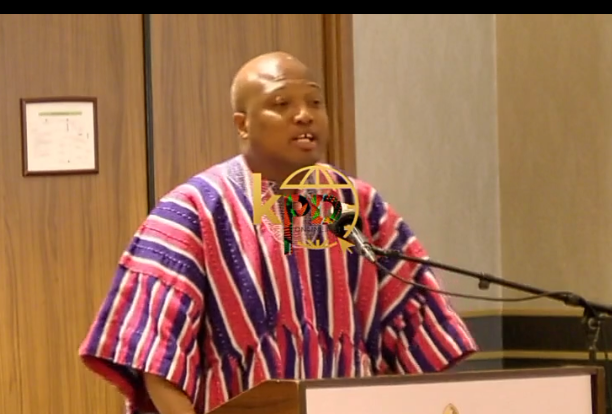
Ghana’s Minister for Foreign Affairs, Hon. Samuel Okudzeto Ablakwa, has described the traditional northern Ghanaian attire, Fugu, as a powerful symbol of African identity and cultural renaissance, urging African countries to embrace indigenous heritage as part of continental development.
Speaking at the Ghana–Zambia Business Dialogue, Hon. Ablakwa said the growing prominence of the Fugu reflects a renewed commitment by African leaders to promote cultural pride and self-definition.
According to Hon. Ablakwa, Africa’s development conversation must go beyond economic growth to include cultural revival and restoration of the continent’s historical identity. He noted that indigenous attire such as the Fugu represents resilience and continuity of African traditions.
The Foreign Affairs Minister further stressed that promoting African cultural symbols can help strengthen unity across the continent while also creating economic opportunities in local fashion and textile industries.
Hon. Ablakwa also paid tribute to historic African leaders who championed cultural pride and Pan-African unity, noting that their vision continues to guide contemporary leadership across the continent.
VIDEO: ABLAKWA _ FUGU
The Minister underscored the historic relevance of the attire, noting that Ghana’s first President, Osagyefo Dr. Kwame Nkrumah, wore Fugu during the country’s historic independence declaration on March 6, 1957.
The Foreign Affairs Minister also urged African business communities and FinTech companies to support the continent’s economic renaissance by investing in logistics and digital trade systems that promote the movement of indigenous African products.
VIDEO : ABLAKW _ HISTORY

Easter in Ghana Shifts from Sacred Reflection to Tourism and Business Boom

Kojo Preko Dankwa Recognised for Outstanding Media Consultancy at Heroines International Awards 26′

Ghanaian Hairstylist Chelsea Abigail Owusu Ansah Set to Break Her Own Guinness World Record on May 1



-
 General News2 weeks ago
AKUAPEM NIFAHENE CALLS ON DIASPORANS TO FOSTER DEVELOPMENT IN OKERE
-
 General News1 week ago
Mahama Allocates GH¢100 Million to NAIMOS, Orders Destruction of Illegal Mining Equipment
-
 General News2 weeks ago
The Greatness Within Us Will Always Outweigh the Injustices Against Us – Mahama
-
General News1 week ago
Mahama Assures Measures to Protect Consumers as Fuel Prices Face Upside Risk
-
 General News1 week ago
EMERGE Us Humanity International Conference 2026 and WAHANGELA KINGDOM Unveiled in Accra
-
 Uncategorized2 weeks ago
President Mahama Calls for Global Recognition of Slave Trade as Crime Against Humanity
-

 Entertainment1 week ago
“How Much Did It Cost to Paint Parts of Accra?”- FOCAP President Questions Gyankroma Akuffo-Addo Over Alleged $25M ‘Arts for All’ Project
-

 General News1 week ago
Ghana Mourns as Two Brothers Laid to Rest After Tragic Aircraft Crash