
General News
Ghana Declares War on Styrofoam: Mahama Announces Bold Ban to Clean Up the Nation

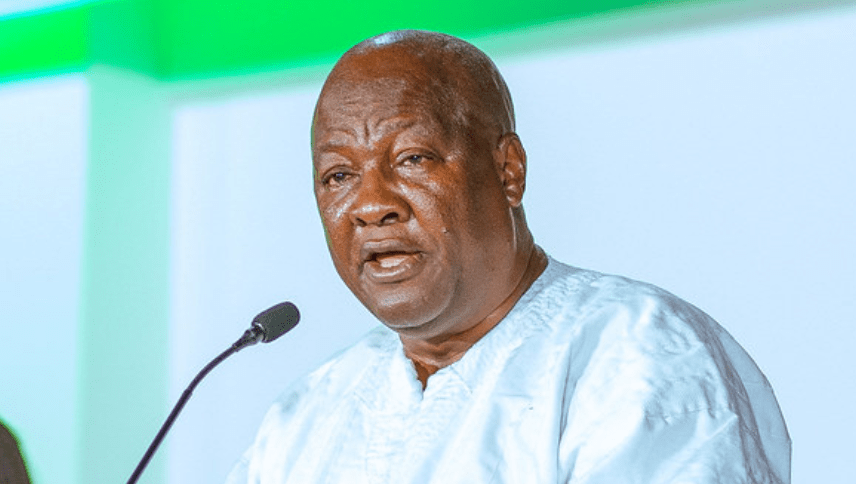
Ghana to Ban Styrofoam Packaging in Push for Greener Future – Mahama Announces on World Environment Day
President John Dramani Mahama has announced a sweeping environmental policy that will see the production and importation of styrofoam food containers banned in Ghana. The decision, revealed during World Environment Day 2025 celebrations at the Kwabenya Community Day School, is part of a broader strategy to combat plastic pollution and promote sustainable living.
“We will ban the importation and production of styrofoam in Ghana. Food packaging will shift to paper or aluminium foil,” President Mahama declared, urging manufacturers and importers to prepare for the shift.
The Ministry of Environment, Science and Technology is expected to enforce the new regulation in the coming months. This move will impact a range of businesses, particularly food vendors, takeaway services, importers, and local manufacturers who rely on styrofoam due to its low cost.
Styrofoam, a common form of single-use plastic, has long been criticised by environmental experts for its non-biodegradable nature and harmful effects on drainage systems, marine life, and human health. Mahama emphasized that plastic waste is a growing national crisis, clogging gutters, polluting farmlands, and choking urban waterways.
“If we do nothing, plastics could outweigh fish in our oceans by 2050,” the president warned, citing global projections.
The styrofoam ban is part of a wider range of initiatives under Ghana’s National Plastics Management Policy, which compels producers and importers to take responsibility for the lifecycle of their plastic products. The government has also updated its Solid Waste Management Strategy, with the goal of cutting plastic landfill waste by 60% by 2030.
Several cities, including Tamale and Takoradi, are already testing waste separation programs using colour-coded bins, with promising early results. Mahama praised entrepreneurs who are turning plastic waste into useful products such as building materials, textiles, and fuel briquettes. He pointed to the recycled plastic bins presented at the event as a sign of Ghana’s innovation and progress.
In addition to the ban, President Mahama unveiled the One Tree Per Child initiative. Each schoolchild across the country will receive a seedling to plant and nurture, supported by teachers, forestry officers, and traditional leaders. The initiative aims not only to plant millions of trees by 2030 but also to nurture environmental responsibility in Ghana’s youth.
The president also reiterated a government directive to phase out wooden furniture in public schools, replacing them with desks made from recycled plastic or metal in an effort to curb deforestation.
President Mahama ended with a powerful message to the nation:
“To every Ghanaian, I issue a simple challenge: pledge not to litter, reduce your plastic use, and plant and care for at least one tree. Let us lead by example, refuse single-use plastics, and build a clean, green Ghana together.”













By Angel No Lie | KPD Online | September 14, 2026
Few television medical dramas have received the kind of endorsement that The Pitt has earned from the people who actually work in emergency rooms.
Noah Wyle poses in the press room during night two of the Creative Arts Emmy Awards on Sunday, Sept. 6, 2026, in Los Angeles. (AP Photo/Chris Pizzello)
But beyond Hollywood’s awards race, The Pitt has developed an unusually enthusiastic audience among emergency physicians and other healthcare professionals — largely because many of them say the fictional hospital looks remarkably close to the reality of their working lives.
A medical drama that feels different

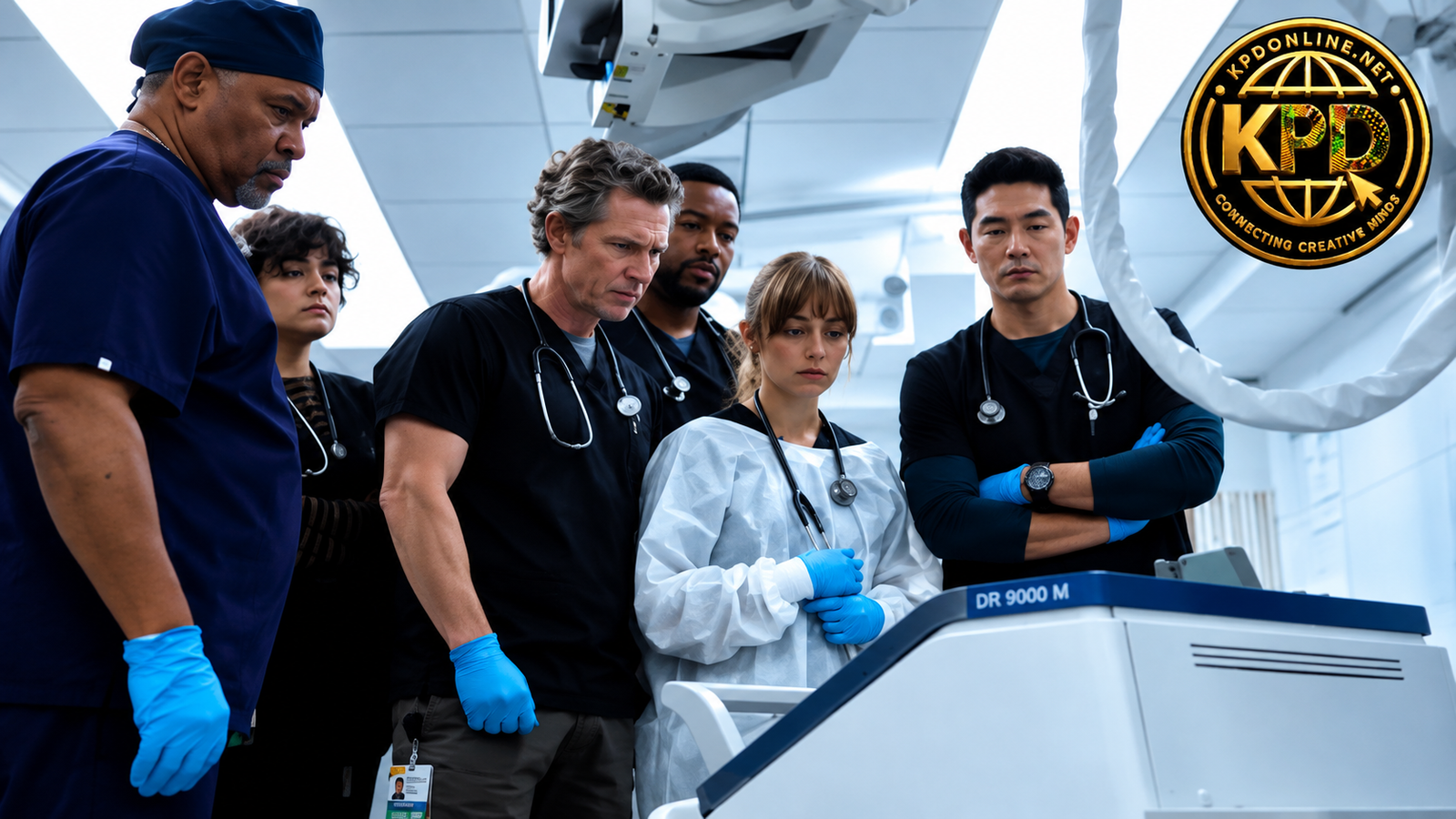
Focused Medical Team in Protective Gear. Gerran Howell, left, Amielynn Abellera, Noah Wyle, Sepideh Moafi and Supriyah Ganesh in a scene from Season 2 of “The Pitt.” (Warrick Page/HBO Max)
Set in the emergency department of the fictional Pittsburgh Trauma Medical Center, The Pitt follows doctors, nurses and patients through the pressure of a busy hospital.
Each episode covers part of a working shift, allowing the series to focus not only on dramatic medical emergencies but also on the less glamorous realities of emergency medicine: overcrowding, long waits, difficult patients, exhausted staff, limited resources and the emotional consequences of making rapid decisions.
That attention to detail has caught the attention of doctors.

Show host Mariska Hargitay poses for photographs during a press preview for the 78th Primetime Emmy Awards on Thursday, Sept. 10, 2026, in Los Angeles. (Photo by Caroline Brehman/Invision/AP)
Dr. Steven A. Valassis, an emergency physician at Hartford HealthCare St. Vincent Medical Center, described the series as a “strikingly authentic portrayal of emergency medicine”, particularly its depiction of what happens inside a busy emergency department.
Other emergency physicians have made similar observations. Harvard’s review of the programme spoke with four doctors about its accuracy, examining everything from patient volume and emergency-room culture to the notorious waiting room.
Why doctors see themselves in the show

This combination of images shows, from left to right on the top row: Macaulay Culkin, Alan Cumming, Jon Hamm, Marcello Hernández, and Dan Levy. On the bottom row, from left to right: Niecy Nash-Betts, Keke Palmer, Amy Poehler, Florence Pugh, and Zendaya. (AP Photo)
For many healthcare workers, the attraction isn’t simply the medical procedures.
It is the environment.
Real emergency departments frequently involve simultaneous emergencies, overcrowding and difficult decisions about which patient needs attention first. Doctors and nurses must balance speed with safety while dealing with patients and families who may be frightened, angry or confused.
Those pressures are central to The Pitt.
A 2026 analysis by emergency-medicine expert Jesse M. Pines noted that the series captures issues such as staffing shortages, emergency-department crowding and the practice of keeping admitted patients in emergency departments because hospital beds are unavailable.
That realism can be reassuring for medical professionals — but it can also be uncomfortable.
Some emergency workers have said the programme is so close to their professional experience that watching it after work can feel like returning for another shift. Others have recommended it to relatives as a way of helping them understand what working in emergency medicine is actually like.
The realism starts behind the cameras
The authenticity is not accidental.

The team from “Widow’s Bay” poses in the press room with the award for outstanding sound mixing for a comedy or drama series (half-hour) and animation during night two of the Creative Arts Emmy Awards on Sunday, Sept. 6, 2026, in Los Angeles. (AP Photo/Chris Pizzello)
The production has relied on practicing medical professionals to help actors understand how emergency departments operate and how medical procedures are performed.
UCLA Health emergency physician Dr. Jacob Lentz, for example, has served as a medical consultant on the series. He and other real emergency doctors helped train members of the cast in skills including suturing, using stethoscopes, putting on sterile gloves and applying other clinical techniques.
The series also has medical expertise within its production team. Executive producer Joe Sachs is himself a practicing emergency physician, bringing first-hand knowledge of the profession into the show’s development.
The result is a production where small details matter — from how doctors move around a patient to the way staff communicate during a crisis.
Not everything is completely real
Doctors are not claiming that The Pitt is a documentary.
Television still has to tell stories, and that means compressing events, increasing drama and occasionally taking creative liberties.
But the distinction is important: medical professionals appear to value the show precisely because its departures from reality occur within a setting that otherwise feels familiar.
As Dr. Pines observed, The Pitt is still television, but many of its emergency cases and the operational pressures surrounding them resemble real-life emergency medicine far more closely than many earlier medical dramas.
From critical success to Emmy favourite
The show’s realism has been accompanied by major awards recognition.
The Pitt won Outstanding Drama Series at the 2025 Emmys, while Noah Wyle won Outstanding Lead Actor for his portrayal of Dr. Michael “Robby” Robinavitch. The series subsequently returned with an even larger Emmy presence in 2026.
This year, the series leads all Emmy nominees with 25 nominations. Wyle is again nominated for lead actor, while Katherine LaNasa, Taylor Dearden, Fiona Dourif and Sepideh Moafi are among the performers recognised in supporting actress categories. Patrick Ball, Gerran Howell and Shawn Hatosy are among the supporting-actor nominees.
The Television Academy’s records show that The Pitt has accumulated 38 nominations and nine Emmy wins across its two seasons.
The ultimate compliment may come from the hospital floor
For a television drama, Emmy nominations are an important measure of success.
But for The Pitt, perhaps an even more meaningful achievement is that people who actually work in emergency departments are watching it and recognising their profession.
The series does not portray emergency medicine as a succession of miraculous diagnoses and heroic saves. Instead, it shows a demanding workplace where exhaustion, uncertainty, overcrowding, teamwork and difficult human decisions are part of the job.
That may explain why the programme has connected so strongly with doctors.
Hollywood may be handing out the trophies, but some of The Pitt‘s most important critics are the doctors watching from the emergency room.
By Angel No Lie | KPD Online | September 14, 2026
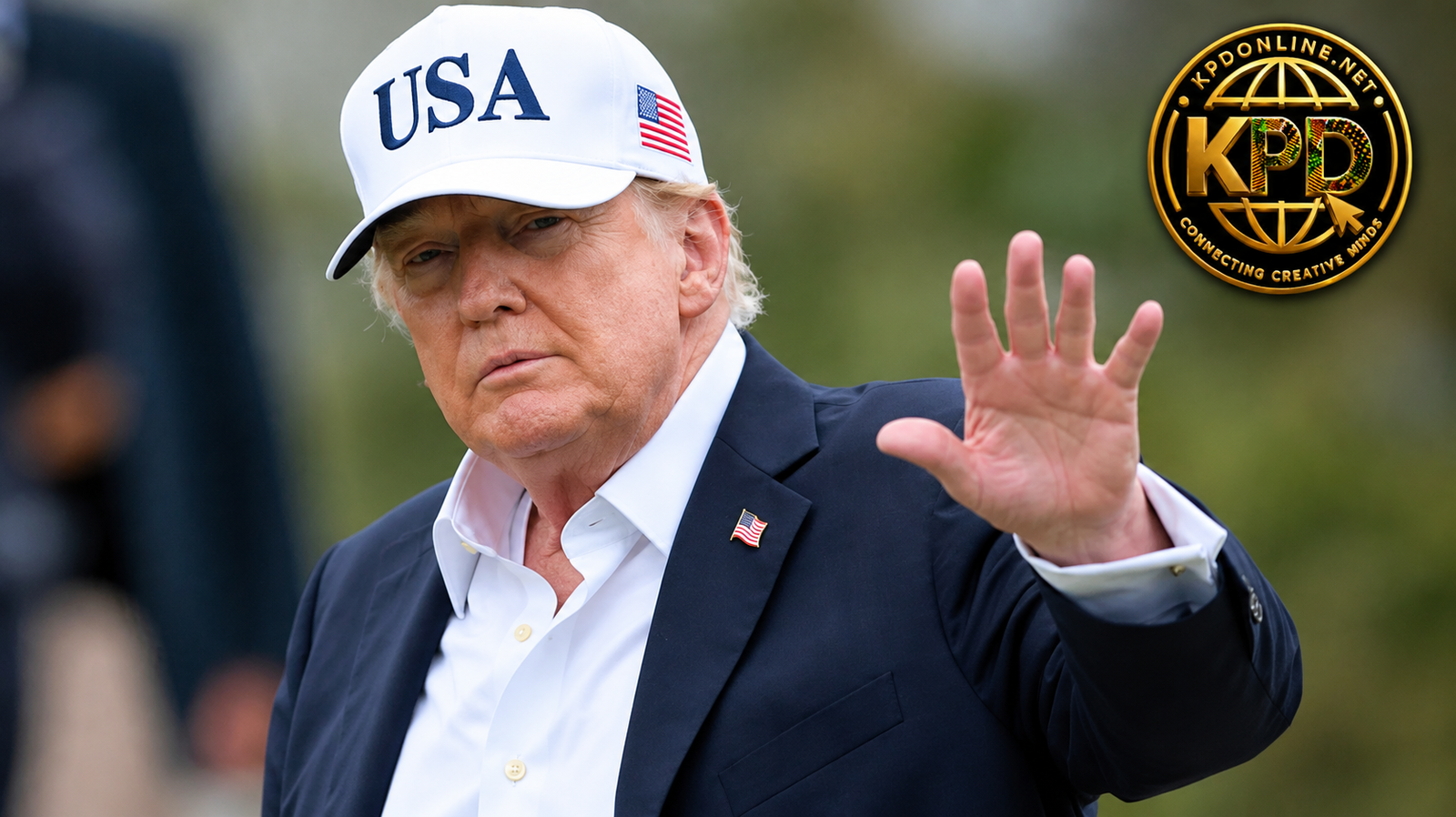
U.S. President Donald Trump has played down growing warnings about the potential dangers of artificial intelligence, arguing that the United States cannot afford to slow its development while competing with China for technological leadership.
Speaking to reporters during his visit to Ireland on Sunday, Trump acknowledged that some safeguards could be necessary but rejected calls for a significant slowdown in AI development. He argued that maintaining America’s lead over China should remain a priority, saying in effect that the country that wins the AI race will gain a decisive advantage.
Growing concerns over AI safety

Symmetrical Data Center Aisle
Trump’s position comes as warnings from some of the world’s leading AI researchers and executives become increasingly urgent.
Dario Amodei, chief executive of AI company Anthropic, has called for a slower and more carefully controlled development of increasingly powerful AI systems. He has proposed independent safety monitoring, national safety standards and greater international coordination, including cooperation between the United States and China.
Other prominent technology figures, including OpenAI chief executive Sam Altman and Elon Musk, have expressed support for stronger measures to manage the risks associated with advanced AI.
The concerns extend beyond hypothetical future threats. Researchers and policymakers are increasingly examining AI’s potential impact on cybersecurity, employment, misinformation, military applications and the possibility of autonomous systems behaving in ways their developers cannot reliably control.
Why China is central to the debate
For the Trump administration, AI development is also a national-security and geopolitical issue.
Washington and Beijing are competing to establish leadership in advanced computing, AI models, chips and related technologies. U.S. officials have also accused Chinese companies of using large-scale AI “distillation” techniques to replicate capabilities developed by American companies. China has rejected those accusations as unfounded.
That rivalry creates a difficult policy dilemma: how can governments impose meaningful safety standards without giving a strategic advantage to a competitor that may continue developing the technology at full speed?
Trump’s position appears to favor maintaining technological momentum rather than accepting restrictions that could slow American companies.
A debate that goes beyond regulation
The disagreement is not simply between supporters and opponents of AI.
Some technology executives argue that excessive regulation could prevent useful innovations from reaching the public and weaken American competitiveness. Nvidia CEO Jensen Huang, for example, has warned policymakers against allowing highly speculative fears about AI to drive policy decisions.
Others argue that competition itself makes safeguards more important. If American and Chinese companies believe they must constantly accelerate development to avoid falling behind, governments could find themselves in a technological race where safety becomes secondary to speed.
A recent analysis by the Carnegie Endowment for International Peace argued that the United States and China could pursue AI development while simultaneously improving safety measures and maintaining channels of communication. The analysis warned that the two countries’ rivalry could itself contribute to dangerous “race” dynamics.
U.S.-China AI talks add another dimension
Xi Jinping Waving with KPD Emblem
The issue is particularly significant as Washington and Beijing prepare for discussions on AI safety. Reuters reported earlier this month that the two countries were preparing their first official bilateral talks focused specifically on AI safety, with discussions expected to include advanced AI risks and potential cyberattacks involving AI systems.
The talks illustrate the contradiction at the heart of the current AI debate: the United States and China are competing intensely for technological dominance while also having an interest in preventing the technology from creating risks that neither country can control.
What Trump’s position could mean
Trump’s comments suggest that his administration is likely to prioritize American AI leadership, investment and deployment while considering targeted safeguards rather than broad restrictions.
The approach could strengthen U.S. competitiveness if American companies are able to innovate faster than their Chinese counterparts. But critics argue that technological leadership without adequate safety mechanisms could expose society to risks that become harder to address as AI systems grow more capable.
The question, therefore, may not ultimately be whether America should compete with China in AI. The more difficult question is whether the two countries can compete aggressively while still establishing enough safeguards to prevent that competition from becoming a race in which safety is sacrificed for speed.
As AI becomes increasingly important to economics, national security and global influence, the decisions being made now in Washington and Beijing could shape not only the future of the technology but also the balance of power between the world’s two leading AI competitors.
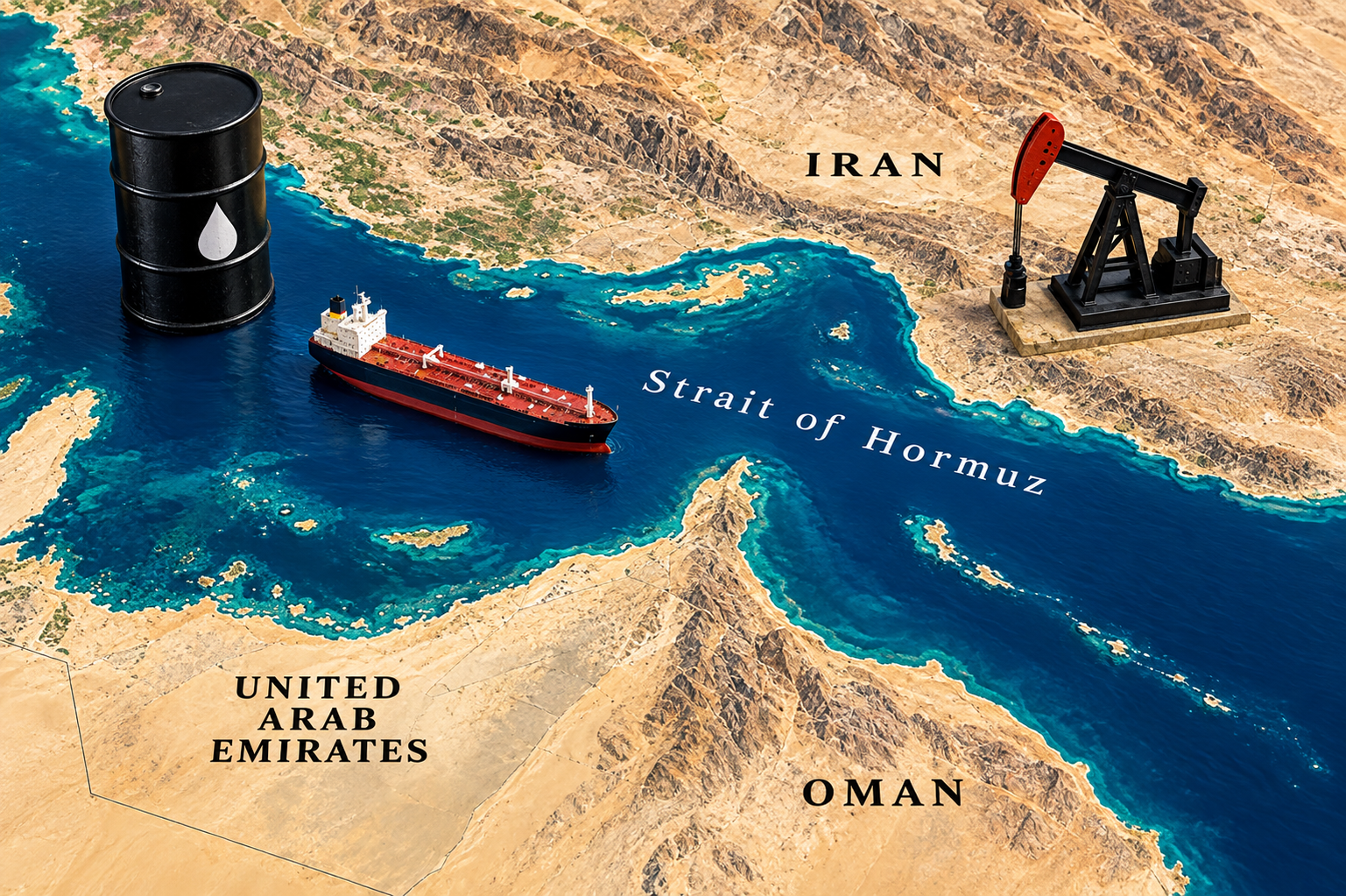
Diplomatic efforts aimed at addressing tensions surrounding the Strait of Hormuz have encountered a setback after a planned meeting on a proposal concerning the strategically important waterway was postponed.
The delay comes as international attention remains focused on the Strait of Hormuz, a vital maritime passage through which a significant share of global energy supplies is transported. Any disruption or prolonged uncertainty in the area could have wider consequences for energy markets, shipping and regional security.
The proposed meeting was expected to provide an opportunity for officials to discuss the initiative and explore possible diplomatic measures to reduce tensions. Its postponement, however, highlights the difficulties facing negotiators as governments weigh security concerns, political interests and competing positions over the future of the waterway.
The Strait has long been at the centre of geopolitical tensions in the Middle East. Its importance to international trade means developments there are closely monitored by governments, shipping companies and energy markets around the world.
For now, the postponement leaves questions over when discussions will resume and whether negotiators can build enough consensus to move the proposal forward. Diplomatic channels are expected to remain important as efforts continue to prevent further escalation and maintain freedom of navigation.
The coming days could therefore prove significant, particularly if a new meeting date is agreed and participating governments demonstrate greater willingness to engage. Until then, uncertainty surrounding the proposal is likely to keep the Strait of Hormuz firmly in the international spotlight.
General News
Russian Drone Hits Ukrainian Train Shortly After Boris Johnson and European Officials Leave Station

By Angel No Lie | KPD Online | September 13, 2026
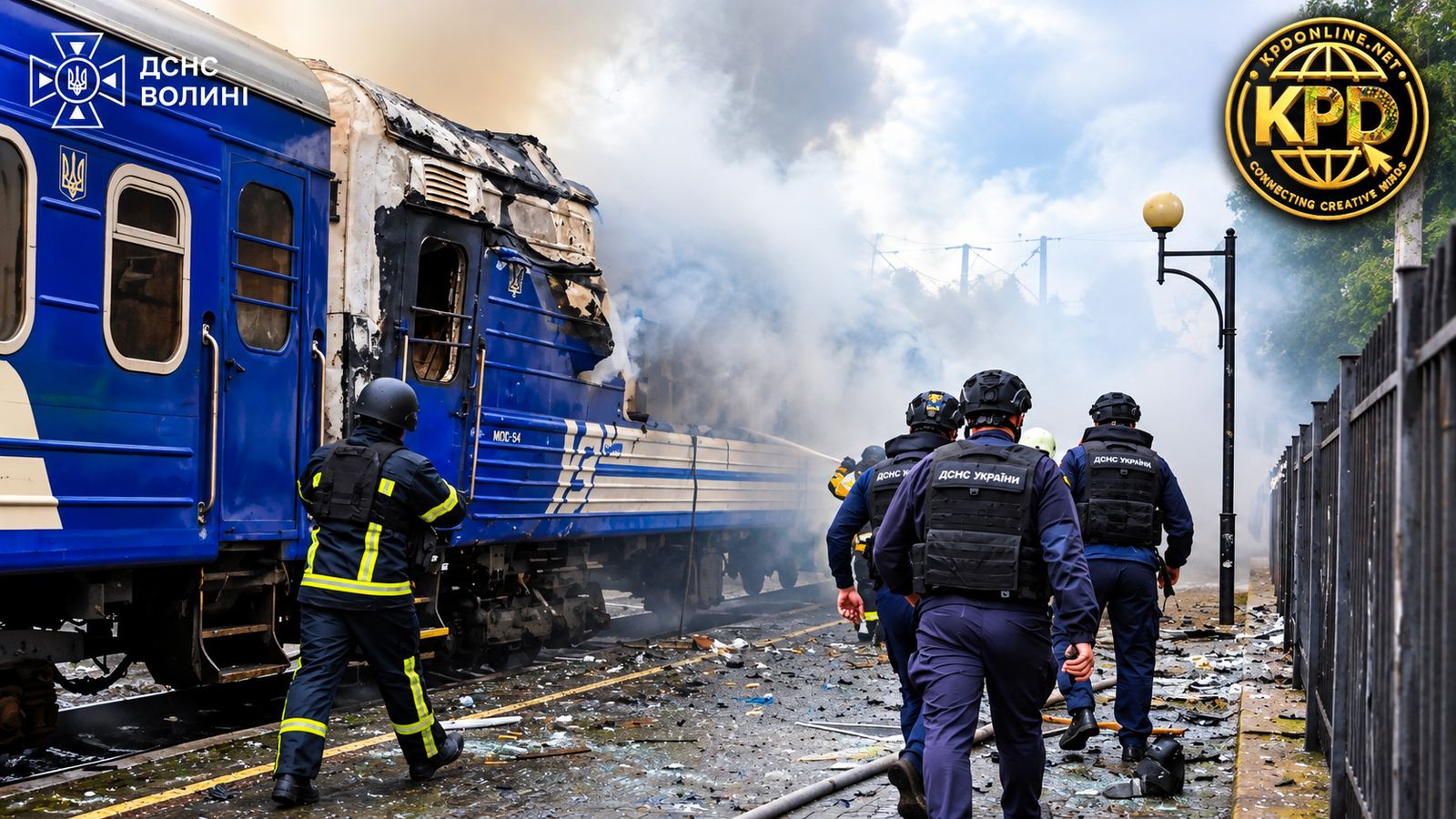
A Russian drone struck a Ukrainian railway train near the country’s border with Poland on Sunday, shortly after a train carrying former British Prime Minister Boris Johnson, former Swedish Prime Minister Carl Bildt and several European security officials had passed through the area.
The incident occurred near Yahodyn station in western Ukraine, close to the Yahodyn-Dorohusk crossing with Poland, as Russia launched a major wave of drone attacks across Ukraine.
According to Ukraine’s state railway operator, Ukrzaliznytsia, the diplomatic train carrying Johnson and other European officials had left the station earlier than scheduled as railway authorities adjusted movements because of the continuing threat of Russian strikes.
The railway company said it was highly possible that the diplomatic train had been the intended target, although there was no immediate independent confirmation of that assessment. A separate train was struck after the diplomatic train had departed.
Former Swedish Prime Minister Carl Bildt, who was travelling with the delegation, said the train that was hit had been only minutes behind theirs. He said passengers on the affected train were evacuated before the drone reached the area and that nobody was injured.
Former U.S. Central Intelligence Agency Director David Petraeus was also reportedly in the vicinity, travelling on another train that was still at Yahodyn when the attack occurred.
Johnson later condemned the strike, describing it as another example of the danger faced by civilians using Ukraine’s railway network.
The attack came as Russia carried out one of its largest drone barrages against Ukraine in months. Ukrainian officials reported hundreds of drones being launched against targets across the country, with western regions also coming under attack.
Ukraine’s Foreign Minister Andrii Sybiha described the incident as a serious warning for Europe, saying Russian attacks were increasingly reaching areas close to the European Union and NATO.
Polish authorities also heightened security along the border following the strikes. Polish Prime Minister Donald Tusk called an emergency meeting of senior security officials and warned that Russia’s intensifying campaign could pose a growing threat to Poland.
Moscow has said its strikes on western Ukrainian railway infrastructure are aimed at routes used to transport military equipment and supplies from European countries. Russia has not publicly confirmed that the train carrying Johnson and the other European officials was specifically targeted.
The incident nevertheless highlights the growing risks surrounding Ukraine’s railway network, which has remained a vital transportation route for civilians, officials and foreign visitors since Russia launched its full-scale invasion in 2022.
No deaths or injuries were immediately reported among the passengers on the train that was struck.
The proximity of the attack to the departure of the European delegation is likely to fuel further questions over whether Russian forces were attempting to disrupt or intimidate high-profile visitors travelling through Ukraine. For now, however, the circumstances surrounding the drone’s intended target remain under investigation.
By Angel No Lie | KPD Online | September 13, 2026
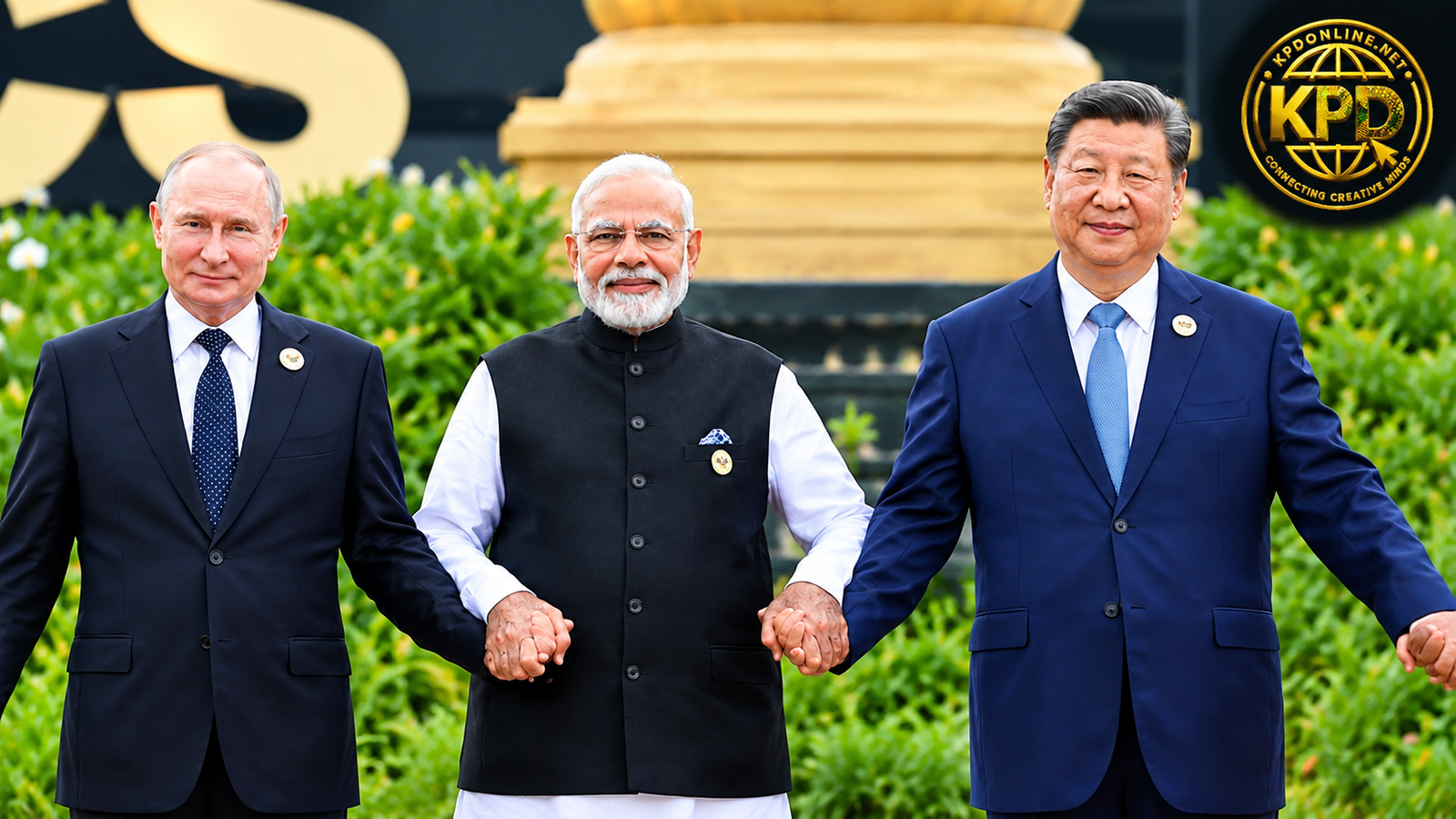
The war involving Iran has become one of the most significant geopolitical tests for the BRICS grouping, strengthening ties between some of its members while exposing sharp differences over how far the bloc should go in confronting Western power.
The conflict has placed Iran — a relatively new BRICS member — at the center of discussions about the future direction of the expanded grouping. Russia and China have maintained close strategic relations with Tehran, while India has pursued a more cautious diplomatic position, seeking to preserve relationships with Iran, Russia, the United States and Europe simultaneously.
Those competing interests have made it difficult for BRICS to develop a single position on the war.
The divisions became particularly visible in May, when BRICS foreign ministers meeting in New Delhi failed to produce a joint statement amid disagreements over the conflict. Iran wanted the grouping to issue a stronger condemnation of the military action against it, while other members were reluctant to adopt language that could place them directly against Washington or its regional partners.
The situation is complicated further by the presence of Gulf countries inside the expanded BRICS framework. Iran and the United Arab Emirates have sharply different security interests, while Saudi Arabia has also maintained close relationships with the United States. That makes it difficult for BRICS to behave like a conventional political or military alliance.
Instead, the crisis has highlighted what BRICS actually is: a diverse coalition of countries seeking greater influence in a global system they believe remains dominated by Western institutions.
Iran finds greater strategic space
For Tehran, BRICS membership has taken on greater importance during the war.
Iran has sought diplomatic support from fellow members while facing pressure from the United States and its allies. Russia and China have emerged as particularly important partners, providing Tehran with political and economic relationships that help reduce its isolation.
The war has therefore accelerated a trend that was already underway: closer cooperation between Iran and some of the major powers inside BRICS.
But this does not mean that every BRICS country shares Iran’s strategic objectives.
India, for example, has emphasized dialogue and de-escalation rather than openly aligning itself with either side. Its position reflects a broader foreign-policy strategy designed to maintain partnerships across competing geopolitical camps.
That balancing act is increasingly important as New Delhi seeks to expand its influence across the Global South while maintaining economic and strategic relations with Western countries.
The September summit brings a different result
Despite the earlier divisions, BRICS leaders meeting in New Delhi in September managed to reach agreement on a joint declaration addressing the Middle East crisis.
The declaration called for maximum restraint and emphasized dialogue and diplomacy rather than escalation. The agreement was significant because Iran sits within the same organization as countries with very different relationships with Tehran, including the UAE.
The consensus demonstrated that BRICS can still find common ground even when its members disagree over the causes of a conflict or the appropriate response.
But the carefully negotiated language also revealed the limits of that unity.
Rather than transforming BRICS into a collective security organization, the declaration relied on broad principles such as sovereignty, diplomacy and opposition to unilateral measures. That approach allowed countries with conflicting interests to remain inside the same political framework.
A bloc caught between cooperation and confrontation
The Iran war has also intensified a larger debate about what BRICS wants to become.
China and Russia have promoted a stronger multipolar international system and greater independence from Western-led institutions. China has also pushed for deeper economic and technological cooperation within the expanded bloc, including work on supply chains, industrial cooperation, artificial intelligence and alternative financial mechanisms.
Other members, however, are more cautious about turning BRICS into an explicitly anti-Western organization.
India’s position is particularly important. New Delhi wants BRICS to strengthen the voice of developing countries and reform international institutions, but it has little interest in turning the group into another military or ideological alliance.
That difference could determine BRICS’ future.
If the organization becomes primarily a vehicle for opposing the United States and Europe, some members may become uncomfortable with its direction. If it remains focused on economic cooperation, development and reform of global institutions, it has a better chance of accommodating countries with competing foreign policies.
The real test is what comes next
The Iran war has therefore produced a paradox for BRICS.
On one hand, the conflict has strengthened relationships among countries seeking alternatives to Western economic and political dominance. It has increased the importance of Russia-China-Iran cooperation and given Tehran a wider diplomatic platform.
On the other hand, the war has demonstrated that BRICS members do not share a single worldview.
The grouping contains countries with competing regional interests, different relationships with Washington and different economic priorities. Its ability to reach consensus on Iran does not erase those differences.
The New Delhi summit may ultimately prove that BRICS does not need complete political unity to become more influential. Its strength could instead lie in its ability to keep countries with opposing interests at the same table.
But that model has limits.
As geopolitical crises multiply — from Iran and the wider Middle East to Ukraine and growing US-China competition — BRICS will increasingly be judged not by the size of its membership, but by whether it can translate its growing economic weight into effective diplomacy and practical cooperation.
The Iran war has shown that the bloc is becoming more important. It has also shown that becoming more important does not necessarily mean becoming more united.
For BRICS, that contradiction may define the next stage of its development.

Stan Dogbe Orders Immediate Restoration of Reclaimed Kpeshie Lagoon Lands After Demolition Exercise

The Pitt Is Up for 25 Emmys — But Its Biggest Fans Are Real-Life Doctors

Trump Downplays Warnings of AI Risks, Citing Rivalry With China



-

 Entertainment7 days ago
Mahama Is First President to Put GH¢40m Seed Money into Creative Arts Fund: Kojo Preko Dankwa
-

 Entertainment2 weeks ago
Oswald Okaitei Explains the Real Vision Behind Ghana’s Black Star Experience
-

 General News2 weeks ago
COCOBOD Settles GH¢2.3 Billion DDEP Bond Obligations for 2026
-

 Entertainment2 weeks ago
Joana Gyan Cudjoe Ends Seven-Year Professional Ties with Keche Global
-

 General News1 week ago
Don’t Punish Them Retrospectively – Educationist Challenges New CSSPS Placement Rule
-

 Entertainment6 days ago
Government Repatriates Musician Barosky from UK
-

 Culinary2 weeks ago
Pineapple: The Spiky Tropical Fruit Packed With Sweetness and Nutrients
-

 Culinary7 days ago
The Green Heart of Ghanaian Cuisine: Celebrating Nkontomire and the Art of Abom