
Business
Ghana Stock Exchange Composite Index Surpasses 14,000 Points for First Time

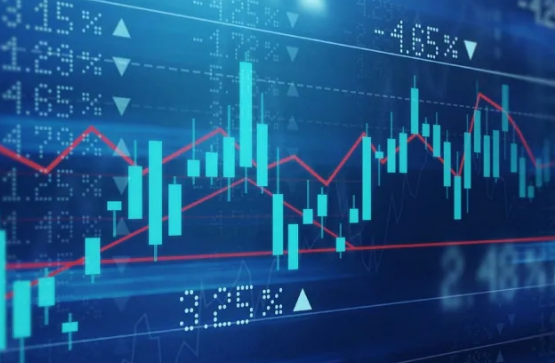
The Ghana Stock Exchange recorded a landmark performance on Wednesday, as its benchmark Composite Index crossed the 14,000 mark for the first time in history.
At the close of the 7,166th trading session on March 4, 2026, the GSE Composite Index rose by 270.78 points to settle at 14,005.32. The Financial Stocks Index also advanced strongly, gaining 309.94 points to close at 8,805.87.
Market capitalisation climbed to GH¢256.75 billion, up from GH¢251.02 billion recorded the previous day, reflecting sustained investor participation across the market.
A total of 3,583,308 shares were traded during the session, with a combined value of GH¢39.82 million. Although trading volume was lower compared to earlier sessions in the week, the total value represented the highest single day turnover recorded so far this week.
Banking Stocks Lead Market Gains
Banking equities accounted for much of the day’s momentum.
GCB Bank PLC posted one of the strongest gains, rising by GH¢4.52 to close at GH¢49.80. The bank recorded 441,752 shares traded, contributing nearly GH¢22 million to the total value of shares exchanged.
Standard Chartered Bank Ghana PLC added GH¢4.72 to close at GH¢51.96, while Ecobank Ghana PLC closed unchanged at GH¢57.00, with 24,534 shares traded.
Other financial stocks also recorded gains. Enterprise Group PLC rose by GH¢0.80 to GH¢9.00, while Ecobank Transnational Inc. gained GH¢0.13 to close at GH¢1.55.
However, Societe Generale Ghana PLC declined by GH¢0.11 to close at GH¢11.40, making it the only actively traded stock to record a loss during the session.
Telecommunications and Energy Counters Advance
Scancom PLC, operators of MTN Ghana, remained the most actively traded stock. The counter rose by GH¢0.02 to close at GH¢5.80, with 1,968,543 shares exchanged, valued at over GH¢11.4 million. The stock’s closing bid and offer prices indicated sustained demand ahead of its upcoming dividend payment.
In the energy and insurance sectors, Ghana Oil Company Limited advanced by GH¢0.52 to GH¢5.77, while SIC Insurance Company PLC gained GH¢0.29 to close at GH¢4.90.
Republic Bank Ghana PLC increased by GH¢0.11 to GH¢2.73, and Atlantic Lithium Ltd rose by GH¢0.12 to GH¢6.52. Benso Palm Plantation PLC edged up marginally by GH¢0.01 to close at GH¢74.01.
Broader Market Performance
Several listed equities recorded no price changes during the session, including AngloGold Ashanti PLC, Guinness Ghana Breweries PLC, TotalEnergies Marketing Ghana PLC, and Unilever Ghana PLC, among others.
Since the beginning of the year, the Composite Index has recorded a cumulative gain of 59.69 percent, while the Financial Stocks Index has returned 89.49 percent. Wednesday’s performance marked the eighth consecutive trading session of gains for the benchmark index, as market observers monitor the 14,500 point level as the next key threshold.


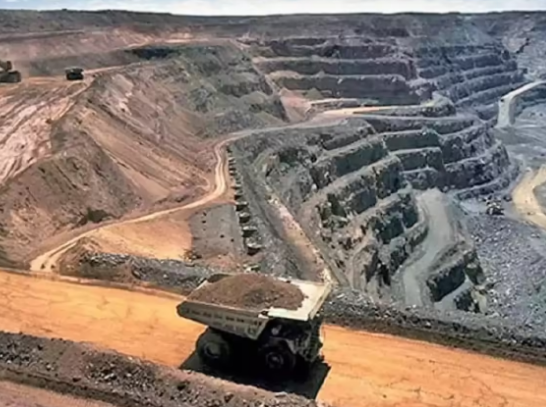
Ghana has recorded a decline in its global mining investment standing, slipping seven places in the latest Global Mining Investment Attractiveness Index released by the Fraser Institute.
The country fell from 46th position out of 82 jurisdictions in 2024 to 53rd out of 68 jurisdictions assessed in 2025. Although Ghana’s overall score saw only a marginal decrease, the drop in ranking reflects stronger performance by competing mining destinations worldwide.
Slight Score Decline, Sharper Ranking Impact
In 2024, Ghana achieved a score of 56.98 percent. This declined modestly to 55.21 percent in 2025. Analysts note that the sharper fall in ranking was largely driven by improvements recorded by other countries rather than a significant deterioration in Ghana’s performance.
The Fraser Institute’s Annual Mining Survey evaluates jurisdictions based on mineral potential and policy-related factors that influence exploration investment decisions, including taxation frameworks, regulatory stability, and government policy predictability.
Within Africa, Ghana ranked eighth out of 16 countries surveyed, placing slightly ahead of South Africa, with an overall continental score of approximately 55 percent.
Survey Methodology and Industry Participation
The 2025 survey was conducted electronically between August 5 and November 26, targeting about 2,304 mining industry professionals globally. Senior executives formed a significant portion of respondents, with more than 46 percent serving as company presidents or vice-presidents, while over 25 percent were managers or senior managers.
Participating firms collectively reported exploration expenditures totaling about US$4.2 billion in 2025.
Jurisdictions are ranked according to how public policies either encourage or discourage mining investment. The Investment Attractiveness Index combines two key measures: the Best Practices Mineral Potential Index, which assesses geological prospects, and the Policy Perception Index, which evaluates investor confidence in government policies.
The number of jurisdictions assessed annually varies depending on commodity price trends and activity levels within the global mining sector. Previous surveys evaluated 82 jurisdictions in 2023, 86 in 2022, and 84 in 2021.
Policy Debate Shapes Investor Sentiment
The report comes at a time when sections of Ghana’s mining industry have raised concerns about proposed government reforms, including potential tax and regulatory reviews affecting the sector.
Some mining companies have indicated that changes to existing policies could influence profitability and employment levels if implemented.
Government officials, however, argue that the reforms are intended to ensure the country derives greater value from its mineral resources while maintaining a balance between attracting investment and safeguarding national economic interests.
Business
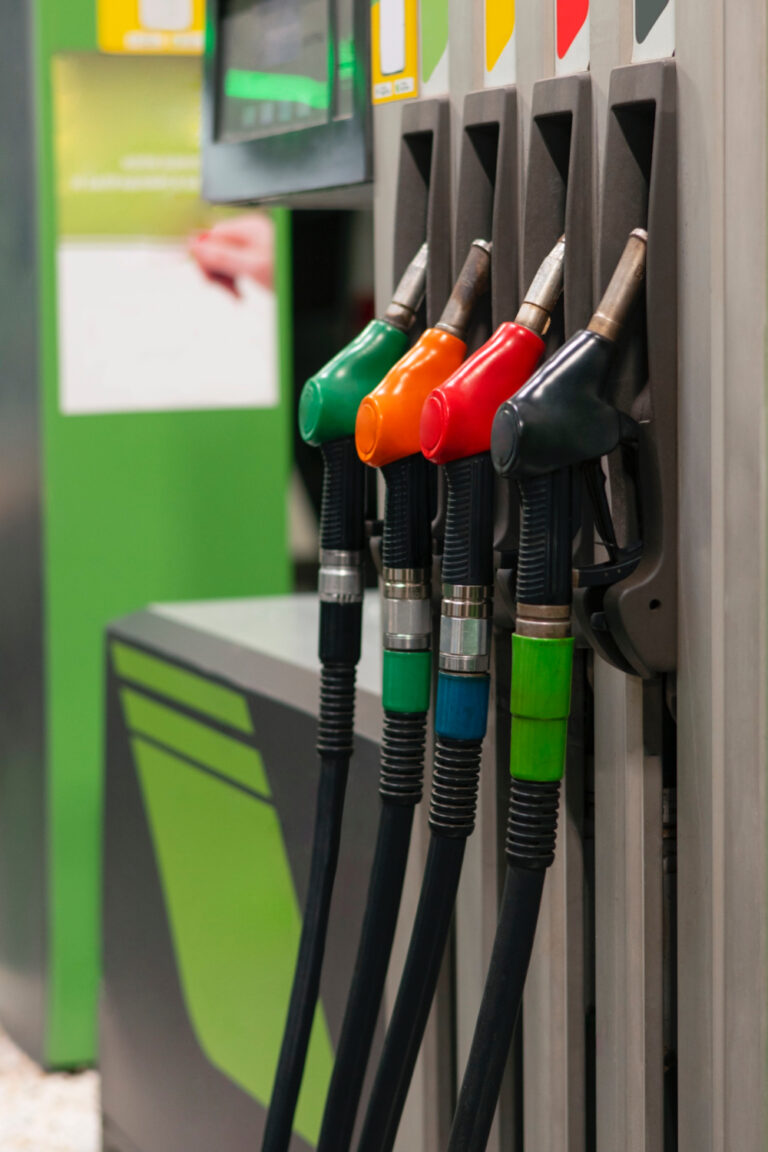
Fuel Prices Edge Up as Oil Marketing Companies Adjust Pump Rates Amid Global Market Pressures

Accra Court Grants Bail to Woman Accused of Abducting Newborn in Mamprobi

Afenyo-Markin Retracts Fraud Allegations Against Interior Minister Over Security Recruitment

Baba Jamal Wins Ayawaso East By-Election With Decisive Margin



-
 Entertainment1 week ago
[EDITORIAL] Praised in Victory, Crucified in Defeat: The Ghanaian Fanbase Paradox
-
 Sports5 days ago
2026 FIFA World Cup: President Mahama tasks supporters to return immediately after the tournament
-
 Business6 days ago
ThirdWell launches Inclusive Business Centre to support Accredited Inclusive Businesses in Ghana
-
 Entertainment5 days ago
SONA: GH¢20m for Film Sector, GH¢20m for Creative Industries — Mahama Announces Major Investment
-

 Entertainment3 days ago
THE INSIDE STORY: Why President Mahama Revoked Gideon Nii Aryeequaye’s Appointment as Executive Secretary of the Creative Arts Agency
-

 Sports1 week ago
BREAKING: Salary Crisis hits Tension at Eleven Wonders Camp for the second time
-

 General News1 week ago
Police Arrest Two in Agona Swedru With 209 Slabs of Suspected Narcotics, Reject GH₵100,000 Bribe
-
 General News2 weeks ago
Mahama: We’ll increase efforts to clean polluted water bodies and reclaim mined lands